7 Harmless Plant Problems That Worry California Plant Parents
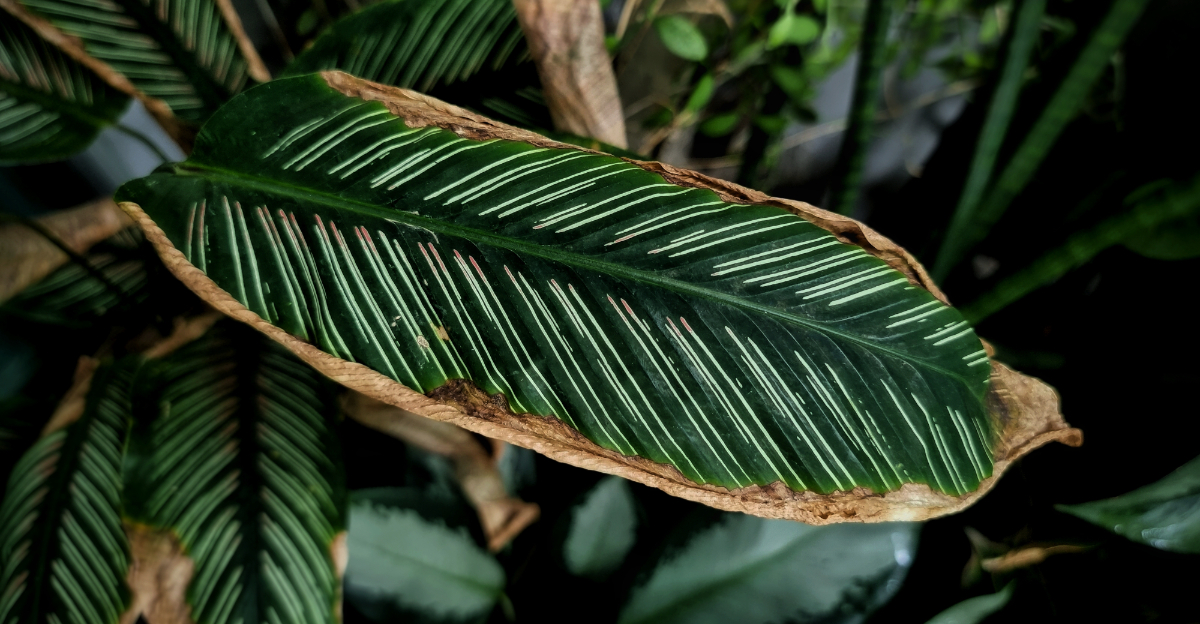
If you have ever stared at a leaf and thought, “Oh no, what did I do?” you are not alone. California plant parents are quick to sound the alarm at the first yellow spot, curling edge, or dropped leaf.
It is easy to assume the worst when you care about your plants, especially with intense sun, dry air, and temperature swings in the mix. The funny thing is that many common plant “problems” are actually harmless.
A little leaf drop after moving a plant, slight sun stress during a heat wave, or minor cosmetic spotting can look dramatic but cause no lasting damage. Plants are far more resilient than we give them credit for.
Before you panic or reach for every remedy on the shelf, take a closer look. Some issues are simply part of normal growth and adjustment. Knowing the difference can save you time, stress, and perfectly healthy plants.
1. Brown Leaf Tips From Dry Air
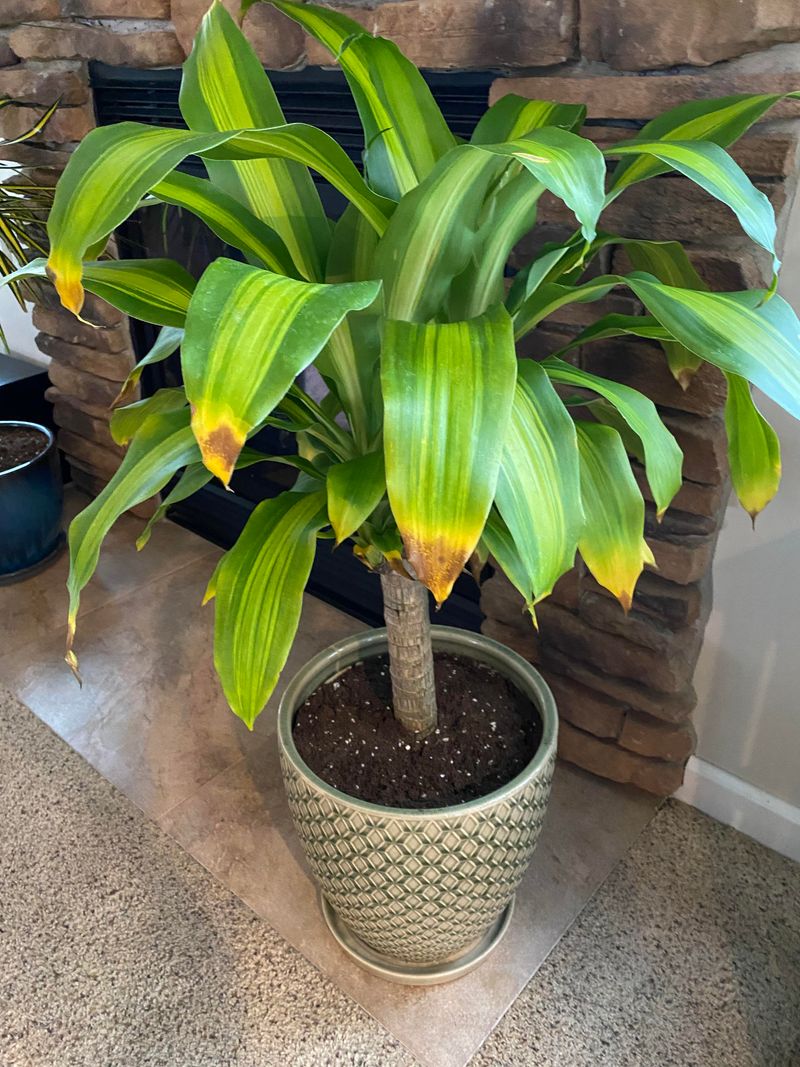
When the afternoon sun heats up your living room and the humidity drops, indoor plants often respond with crispy brown edges along their leaf tips.
This happens because most houseplants originally come from tropical environments where moisture hangs heavy in the air, and our California homes, especially during summer, can feel like deserts to them.
The browning occurs when water evaporates from leaf edges faster than roots can replace it. Your plant isn’t dying; it’s just adjusting to drier conditions than it prefers.
You’ll notice this most on ferns, calatheas, spider plants, and prayer plants, which are particularly sensitive to low humidity.
While you could invest in a humidifier or group plants together to create a moister microclimate, trimming brown tips with clean scissors works perfectly fine for cosmetic purposes.
The key understanding here is that unless browning spreads rapidly across entire leaves, you’re witnessing a minor environmental response rather than a health crisis.
Many California gardeners stress unnecessarily about these tips, but plants continue growing happily despite them.
Focus instead on consistent watering and occasional misting if you want to minimize future browning, but don’t lose sleep over existing damage, it’s purely cosmetic and won’t spread or harm overall plant health.
2. Yellowing Older Leaves
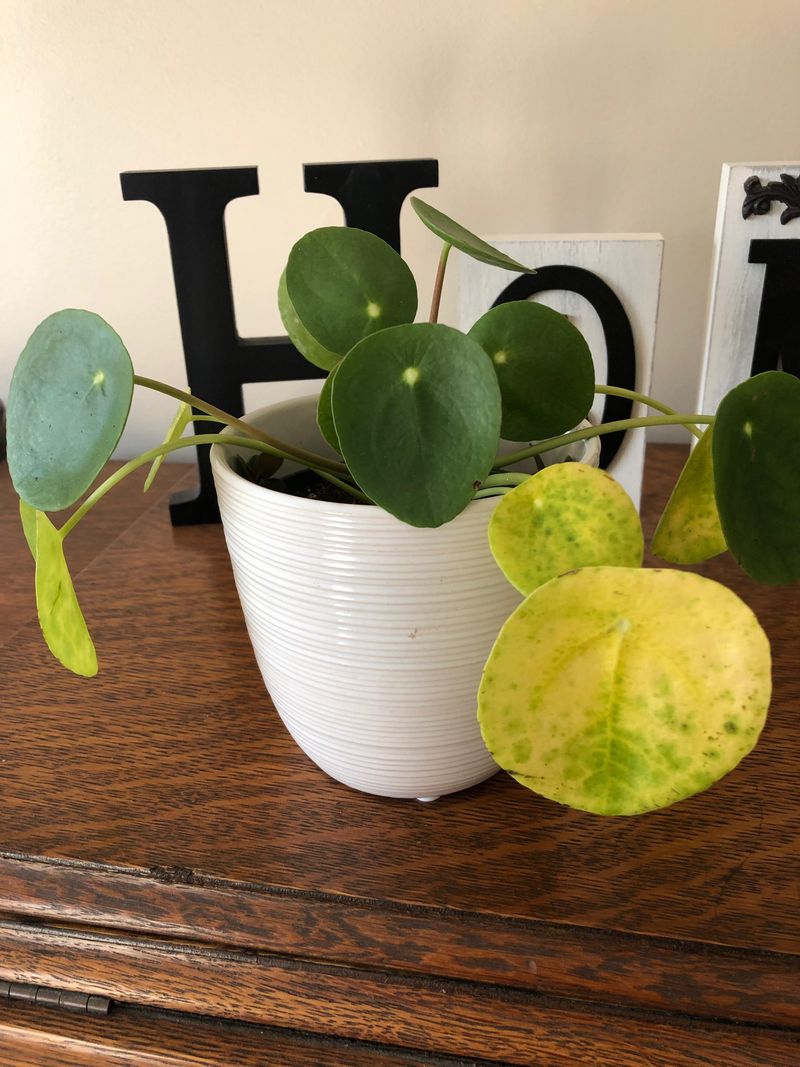
Every few weeks, you might notice a lower leaf turning yellow on an otherwise healthy-looking plant, triggering immediate concern about watering mistakes or nutrient deficiencies.
Before you overhaul your care routine, understand that plants naturally shed their oldest leaves as part of normal growth cycles, much like trees drop leaves seasonally.
As plants mature and produce new foliage at the top, they redirect energy away from older, lower leaves that have become less efficient at photosynthesis.
These leaves yellow gradually, then brown and drop off, making room for fresh growth above. This process is called senescence, and it’s completely normal.
You’ll see this most often on pothos, philodendrons, rubber plants, and monstera varieties. The telltale sign of healthy leaf drop is that only one or two older leaves yellow at a time, while new growth continues emerging vigorously from the top or ends of stems.
California’s year-round growing conditions mean plants don’t always follow predictable seasonal patterns, so this shedding can happen anytime. Simply remove yellowed leaves once they’ve fully browned to keep your plant looking tidy.
If multiple leaves yellow simultaneously across different parts of the plant, then you might have a watering issue, but isolated lower leaf yellowing is just your plant doing what comes naturally.
3. Seasonal Leaf Drop
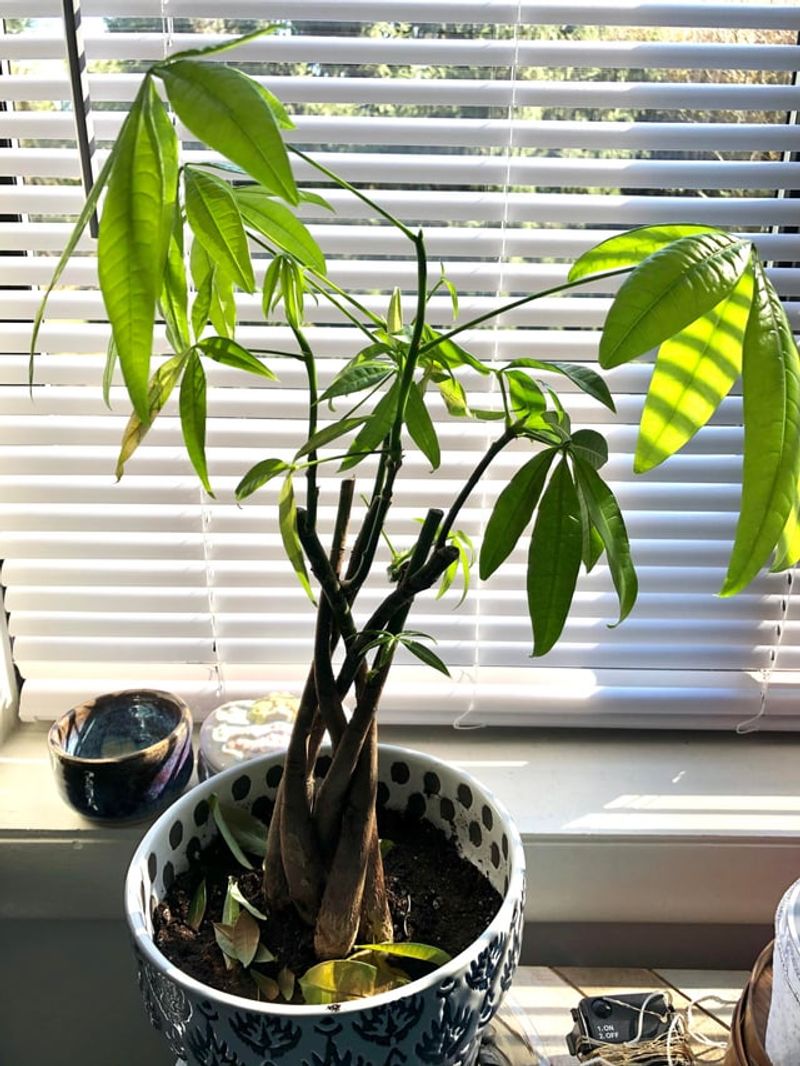
Even our mild California winters bring shorter days and cooler nights that trigger surprising responses in tropical houseplants.
Ficus trees, fiddle leaf figs, and some citrus varieties may suddenly drop several leaves when daylight hours shrink, leaving worried plant parents wondering what went wrong with their care routine.
This seasonal shedding happens because plants evolved to conserve energy when light becomes scarce.
Even though your indoor temperature stays comfortable, the reduced light intensity and duration signal plants to slow down and shed excess foliage they can’t efficiently support.
It’s an ancient survival mechanism that persists even in our climate-controlled homes.
The drop usually happens between November and February, coinciding with our shortest days. You’ll notice leaves yellowing and falling more rapidly than the gradual single-leaf drop of normal aging.
Healthy plants will push out fresh growth once spring light returns, so resist the urge to overcompensate with extra water or fertilizer during this dormant period.
Many California gardeners panic and change watering schedules or move plants around frantically, which actually stresses plants more. Instead, simply reduce watering slightly to match slower growth, maintain consistent placement, and wait patiently.
Your plant will rebound beautifully when longer days return, and those bare branches will fill in with vigorous new leaves.
4. Leggy Growth From Low Light
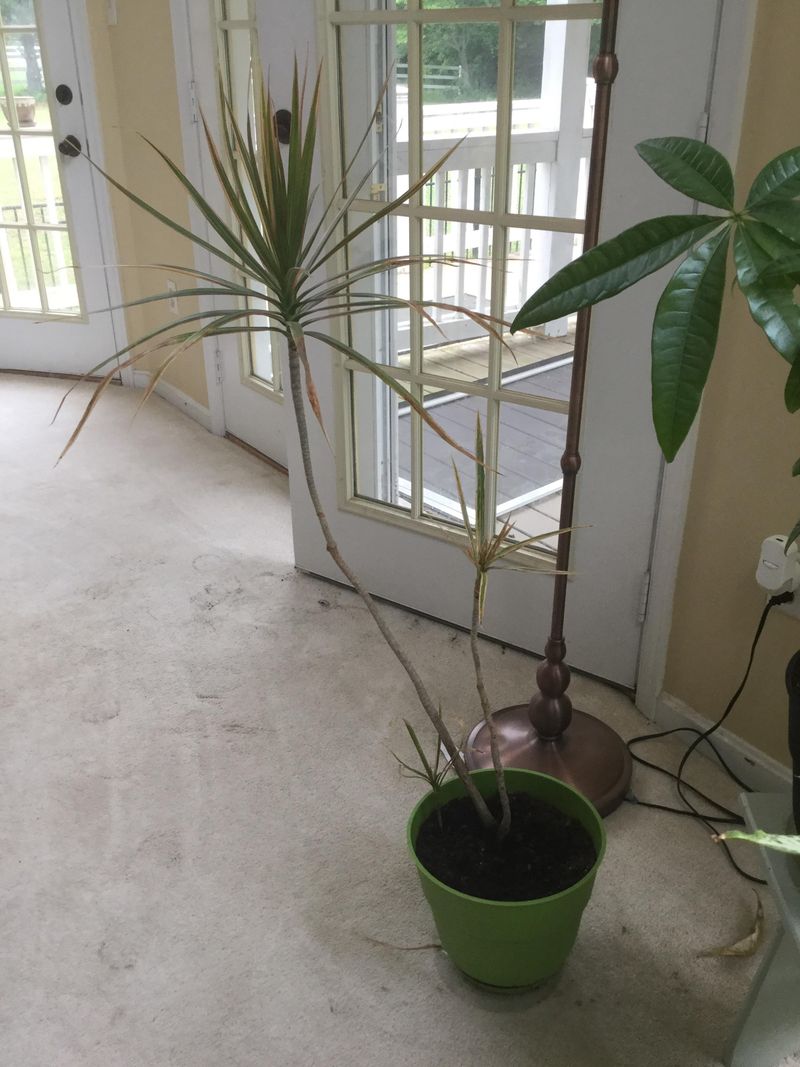
Plants growing in corners or on shelves far from windows often develop long, stretched-out stems with widely spaced leaves, creating a sparse, gangly appearance that looks unhealthy.
This leggy growth worries many plant parents who wonder if their plant is sick or dying, but it’s actually just your plant reaching desperately toward available light.
Called etiolation, this stretching happens when plants don’t receive enough light intensity to support compact growth. They elongate stems and petioles trying to get closer to light sources, resulting in that characteristic spindly look.
While not ideal for aesthetics, it’s not dangerous, your plant is simply adapting to low-light conditions.
You’ll see this most dramatically on pothos, philodendrons, and trailing plants that can stretch several feet if light stays dim. The stems remain alive and functional; they just look lanky compared to fuller growth patterns.
California homes with deep overhangs or north-facing windows often create these lower-light zones where legginess develops.
The solution is simple: move your plant closer to a window or add a grow light to encourage tighter growth. You can also prune back leggy stems to promote bushier branching.
The stretched growth won’t reverse itself, but new growth will emerge more compactly in better light, gradually improving your plant’s overall appearance without any emergency interventions needed.
5. White Mineral Spots From Hard Water
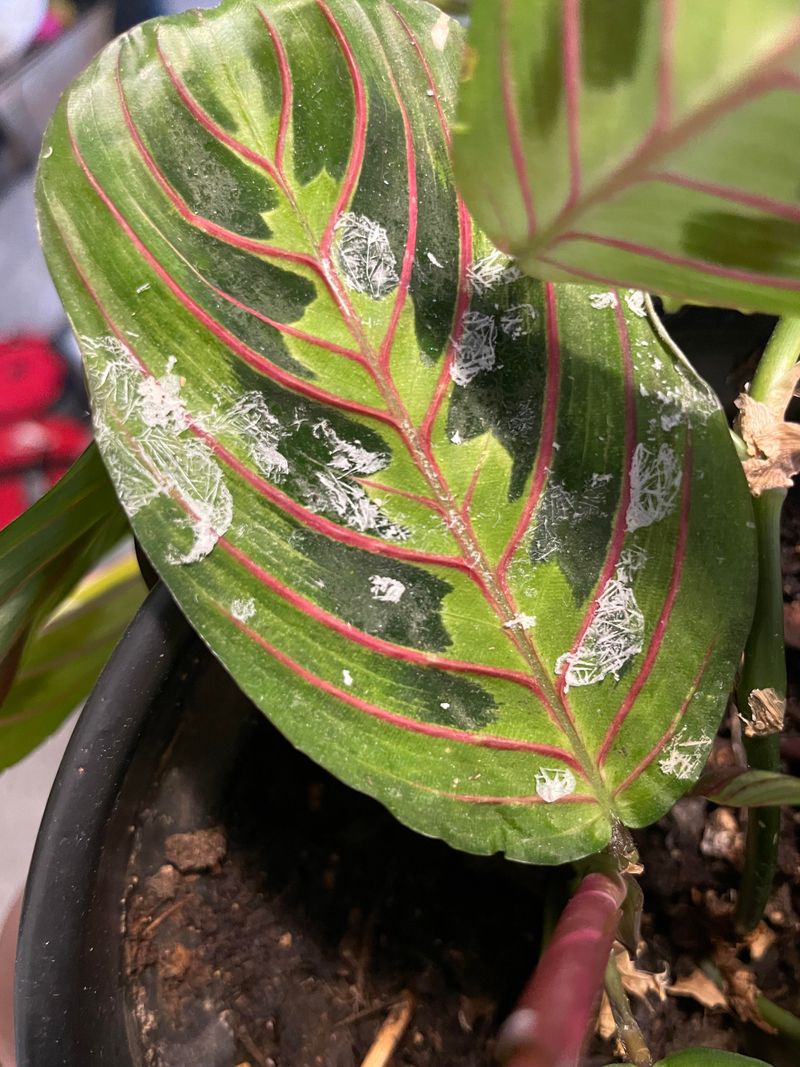
California’s notoriously hard water leaves chalky white spots and crusty buildup on leaves, pot rims, and soil surfaces, creating an appearance that suggests fungal disease or pest damage.
These mineral deposits come from dissolved calcium, magnesium, and other salts in our municipal water supplies, which evaporate and leave behind visible residue.
When you water from above or mist plants with tap water, droplets sit on leaves and slowly evaporate, concentrating minerals into white spots. The same process creates crusty white rings around drainage holes and on pot exteriors.
While unsightly, these deposits are completely harmless to plant health, they’re purely cosmetic issues that bother us more than our plants.
You’ll notice this most on plants with large, smooth leaves like rubber plants, monstera, and fiddle leaf figs, where spots show prominently. Fuzzy-leaved plants hide deposits better in their texture.
Coastal California areas often have slightly softer water than inland regions, where mineral content runs especially high.
Wiping leaves gently with distilled water removes existing spots, and switching to filtered or distilled water for misting prevents new ones. For watering, bottom-watering techniques keep foliage dry and spot-free.
You can also embrace the spots as proof you’re watering consistently, they indicate regular care rather than plant problems, so don’t stress if a few white marks appear between cleanings.
6. Dormancy Slowdowns In Winter
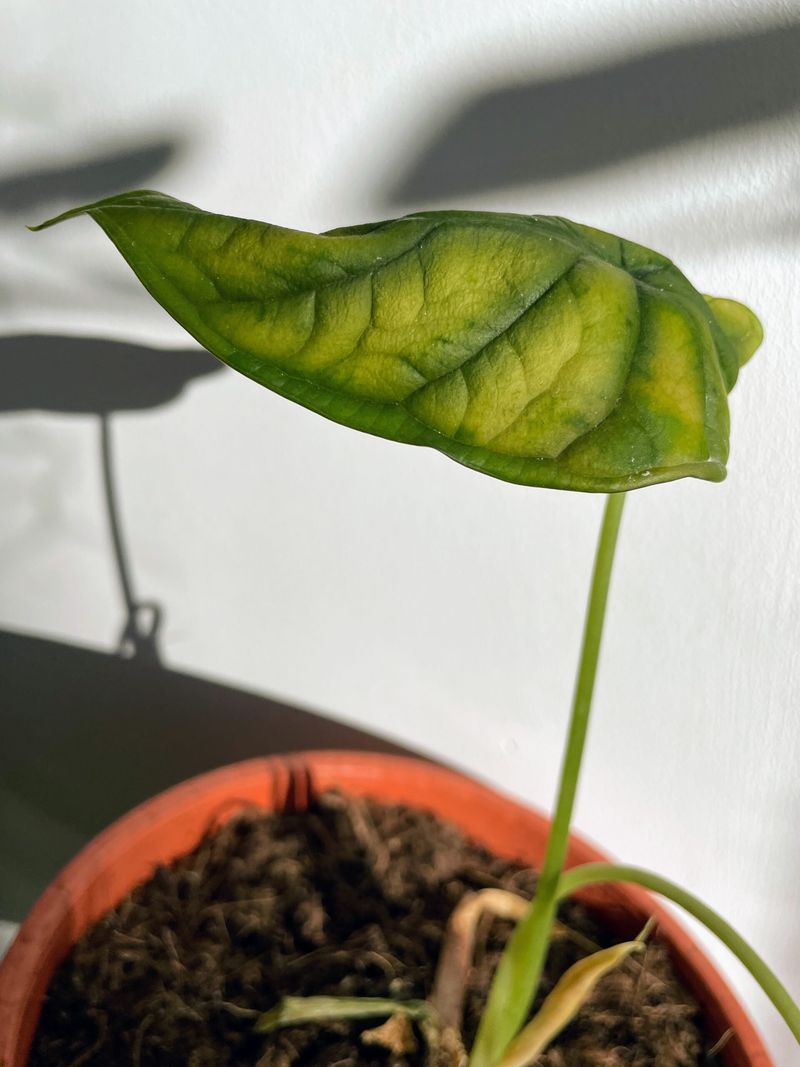
Around December, many California plant parents notice their previously vigorous houseplants seem to stall completely, producing no new leaves despite consistent care.
This sudden growth pause triggers concerns about root problems, nutrient deficiencies, or mysterious diseases, but it’s actually just winter dormancy, a natural rest period built into most plants’ life cycles.
Even though our California winters stay relatively warm, shorter daylight hours and reduced light intensity signal plants to slow their metabolism and conserve energy. Growth hormones decrease, root activity diminishes, and plants essentially take a seasonal nap.
This dormancy is healthy and necessary for long-term vitality.
You’ll see this most dramatically in plants native to temperate regions, peace lilies, snake plants, and many succulents become nearly static for months.
Tropical plants slow down less dramatically but still show noticeably reduced growth compared to summer vigor.
Trying to force growth with extra fertilizer during dormancy can actually harm plants by pushing them when they need rest.
The best approach is simply adjusting your expectations and care routine. Water less frequently since plants absorb moisture more slowly in dormancy, and skip fertilizing entirely until spring growth resumes.
Your plant hasn’t stopped growing forever, it’s just pausing until longer days return. Come March, you’ll see fresh leaves emerging enthusiastically as dormancy naturally breaks.
7. Small Cosmetic Pest Damage
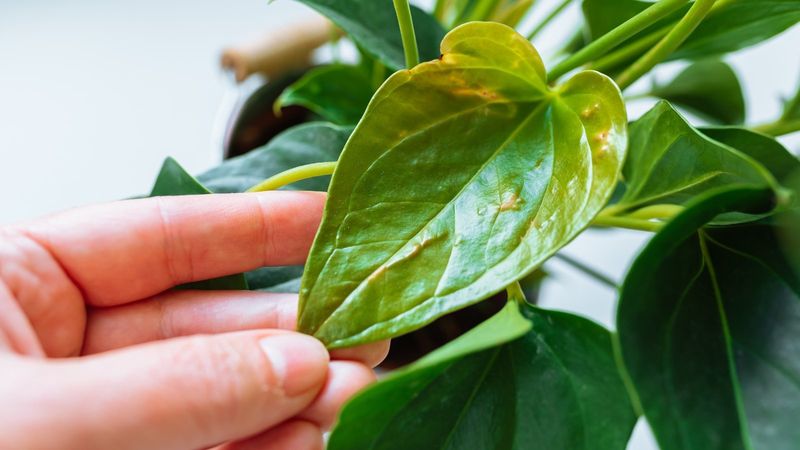
Discovering a few small brown spots, tiny holes, or slight leaf discoloration sends many plant parents into full panic mode, assuming a major pest infestation requires immediate aggressive treatment.
While vigilance matters, minor cosmetic damage from past pest activity that’s already resolved doesn’t warrant emergency measures or harsh chemical interventions.
Sometimes a single aphid hitched a ride indoors, nibbled briefly, then disappeared. Other times, thrips caused a few spots before natural predators eliminated them or environmental conditions became unfavorable.
The damage remains visible for months as leaves mature, but the pest itself is long gone. These old scars don’t spread, don’t indicate current problems, and won’t harm your plant.
California’s open windows and outdoor-indoor lifestyle mean occasional pest encounters are inevitable. The key is distinguishing between active infestations, where you see actual insects or fresh damage appearing daily, and old cosmetic marks that remain static.
Check leaf undersides and new growth carefully; if you find no moving pests and no new damage develops, you’re looking at harmless historical evidence.
Simply monitor plants weekly and remove heavily damaged leaves if they bother you aesthetically. Skip preventive pesticide treatments for cosmetic damage alone.
Most minor pest encounters resolve naturally, and overzealous spraying can harm beneficial insects while stressing plants unnecessarily. Trust that your plant has already survived whatever caused those spots.