Harvest Beets At The Right Time For The Sweetest, Most Tender Roots
A root left in cold fall soil for an extra week can actually taste sweeter than one pulled in July. Cool nights push the plant to store more sugar in its roots, and the flavor gets richer.
Size matters just as much as weather for that sweet taste in your kitchen and on your plate. Extension experts say roots about the size of a golf ball to a tennis ball taste best.
A giant root left too long often tastes like sweet wood, so shoulders are worth watching. You need to watch the shoulders poking out of the soil and check them every few days.
Your fall garden still has plenty of chances for a crisp, tender, earthy harvest this month. So how do you know the perfect day to grab your garden fork and start pulling?
Your Roots Taste Best At Golf Ball To Tennis Ball Size
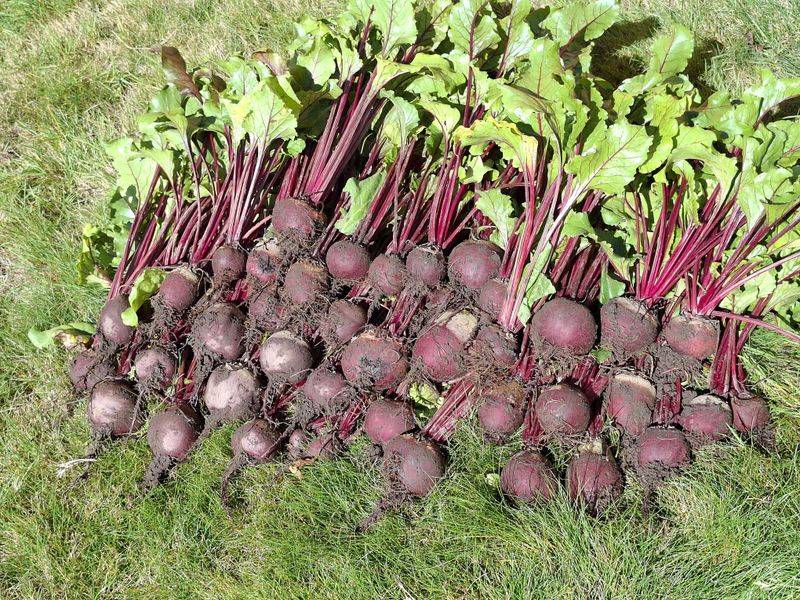
Ask any longtime gardener about beet size, and most will tell you that smaller roots win the taste test. University extension services suggest pulling beets once they reach about one and a half to three inches across.
That range lines up with a golf ball on the small end and a tennis ball on the large end. Roots in this window feel firm in your hand and slice cleanly with a smooth, glossy inside.
Bigger beets are not ruined, but they often turn tough, stringy, and a bit woody near the center. The sweet flavor can also fade, leaving a dull, earthy taste that reminds some people of plain dirt.
Most common varieties reach this ideal size about fifty to seventy days after you plant the seeds. Check your seed packet for the exact number, then mark that date on your kitchen calendar right away.
Fall crops sown in late summer often hit their sweet spot right around now in October gardens. Cooler weather slows their growth a little, so you may have a slightly longer harvest window than usual.
Baby beets the size of a large marble are also a treat if you thin crowded rows. Roast those tiny roots whole with olive oil and a pinch of salt for a sweet little snack.
Specialty types like long cylinder beets follow different rules, so read the label before judging their size. For classic round beets, though, the golf ball to tennis ball rule works beautifully in most gardens.
A Quick Peek At The Shoulders Tells You Plenty
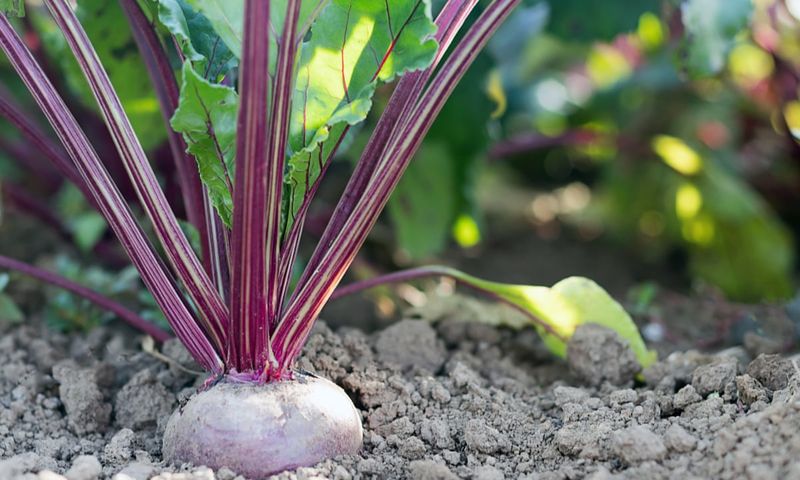
Beets are polite little vegetables because they often push their tops right up above the soil line. Gardeners call that exposed top the shoulder, and it gives you a free peek at the root below.
Brush away a little loose dirt with your fingers to see how wide the shoulder really is. A shoulder about the width of a golf ball usually means the root underneath is ready to eat.
If you still feel unsure, pull one test beet from the row and slice it open on your counter. Look for deep, even color and smooth flesh that feels crisp instead of rubbery or full of tough strings.
Some beets show pale rings inside, which is called zoning, and heat or uneven watering often causes it. Zoned beets are still safe to eat, so think of those rings as a clue rather than a problem.
Your nose and taste buds can help too, since a fresh slice should smell sweet and pleasantly earthy. Take a tiny raw bite, and you will quickly notice whether the sugar has built up yet.
Leaves give hints as well, though they are less reliable than the shoulders for judging root size. Healthy greens stand upright and glossy, while yellow, floppy leaves may signal stress or an aging plant.
I like checking my rows every few days in October because cool weather makes the changes slow and steady. A quick shoulder check takes less than a minute and saves you from pulling roots too early.
Cold Fall Nights Can Make Your Harvest Even Sweeter
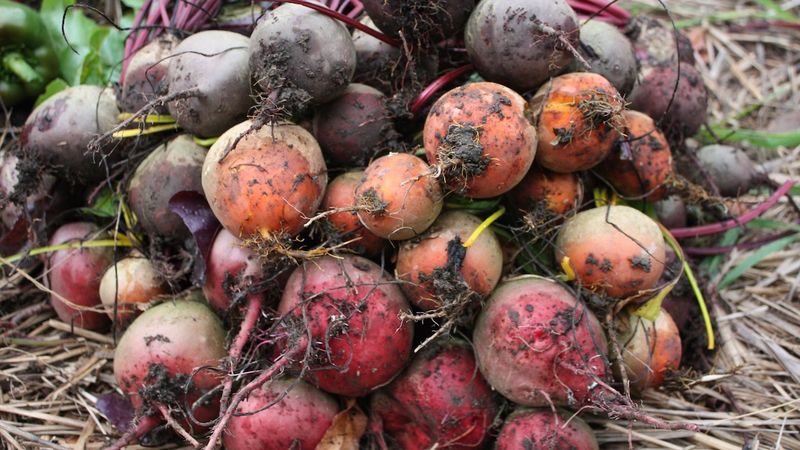
Grandparents who grew beets often swore the best batch came after the first light frost of fall. Science backs them up, because many root crops store more sugar in their roots as temperatures drop.
Sugar works a bit like natural antifreeze inside plant cells, helping them handle chilly nights a little better. That extra sweetness ends up in your kitchen, where roasted or boiled beets taste rich and mellow.
Beets handle light frosts well, and extension experts note they can tolerate temperatures in the upper twenties. A hard freeze is a different story, since frozen roots can turn soft, mushy, and quick to spoil.
Watch your local forecast closely this month, especially once nighttime lows start dipping toward the low twenties. Pull your crop before a deep freeze arrives, or cover the row with a thick layer of straw.
Mulch keeps the soil a few degrees warmer, which can stretch your harvest window by several extra weeks. Gardeners in milder areas sometimes leave beets in the ground well into early winter with good results.
Remember that cold weather does not make roots grow bigger, so size still matters for tenderness. Growth slows down a lot in chilly soil, which gives you more time to enjoy perfect roots.
Personally, I cannot imagine a cozier fall chore than tugging up sweet beets on a crisp morning. The flavor difference is often easy to notice, especially when you compare them with store-bought roots.
Waiting Too Long Is A Common Harvest Mistake
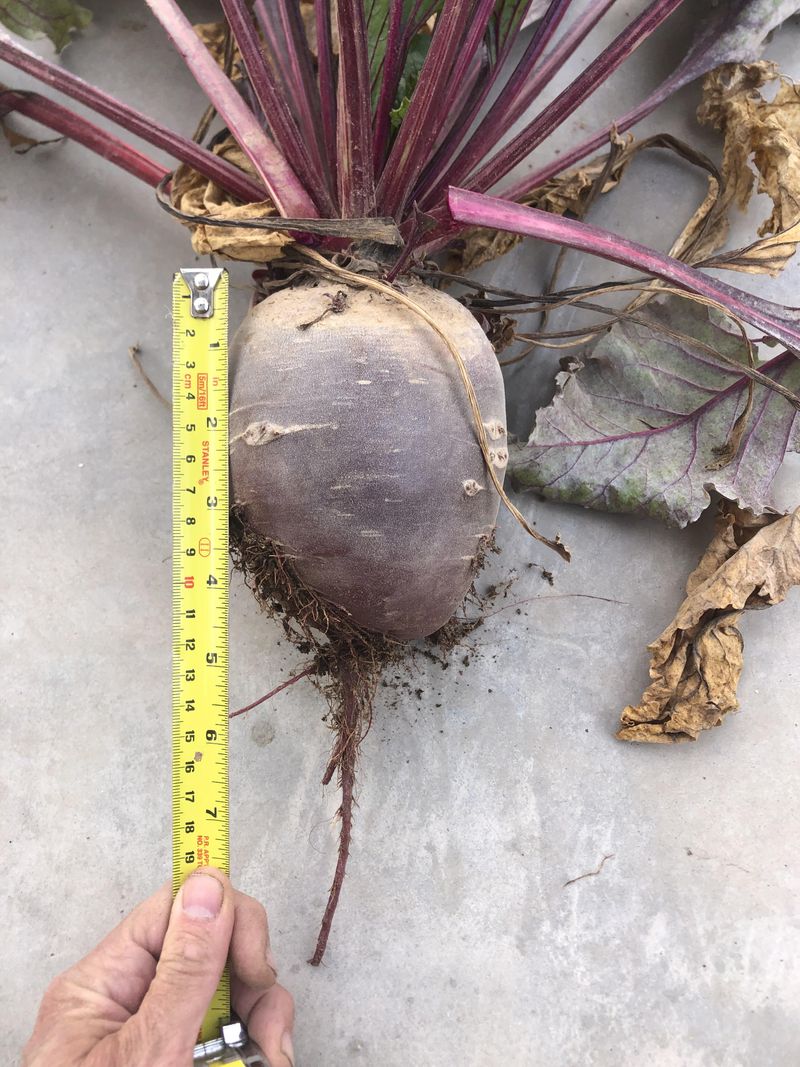
Patience is a wonderful garden habit, but it can backfire when beets stay in the ground too long. Many gardeners wait for one giant root, only to find it tough, fibrous, and much less sweet.
Oversized beets build up more woody fiber as they keep growing past their best eating stage. The skin thickens too, and some roots can crack open after a heavy rain soaks dry soil.
Cracked roots invite insects and rot, which can quickly spoil part of an otherwise healthy row. Even when they look fine outside, older beets may taste flat and need much longer cooking times.
Another sneaky problem comes from leaving crowded seedlings unthinned, since each beet seed often sprouts several plants. Packed rows produce small, twisted roots that may not reach a useful size before the cold arrives.
You can fix both problems with a simple habit of harvesting in small batches every week or so. Pull the largest roots first, and the smaller neighbors suddenly have more room to fill out nicely.
If a few monster beets already sit in your bed, grate them raw into slaws or blend them into soups. Shredding and pureeing hide much of the toughness, so those big roots still earn a spot at dinner.
I believe a little early harvesting beats one big, disappointing pull at the very end of the season. Your taste buds will thank you for choosing tender, sweet roots over impressive size every single time.
Pull Them Gently To Keep Every Root Juicy
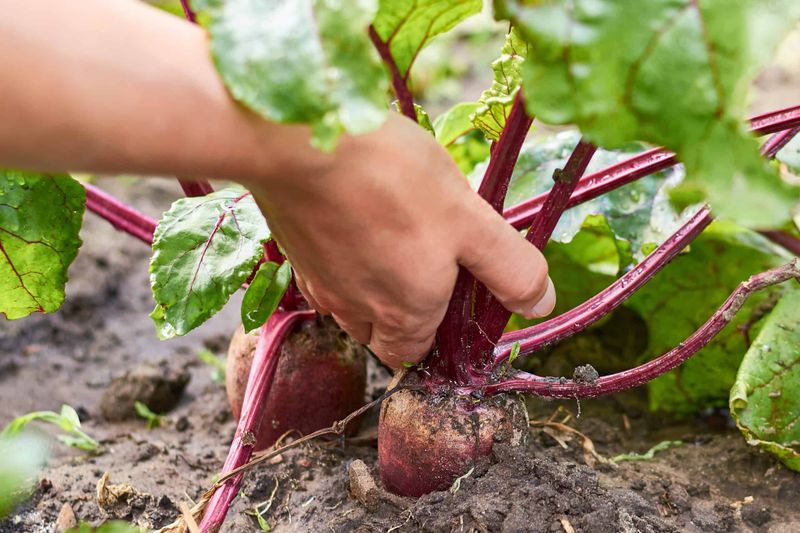
A beet that gets yanked too hard can snap, bruise, or lose its slender taproot in the soil. Damaged roots leak red juice and lose moisture fast, which shortens their time in your fridge.
Start by watering the bed lightly the day before harvest if your soil feels dry and hard. Moist soil lets go of roots more easily, so they slide out smooth and whole with little effort.
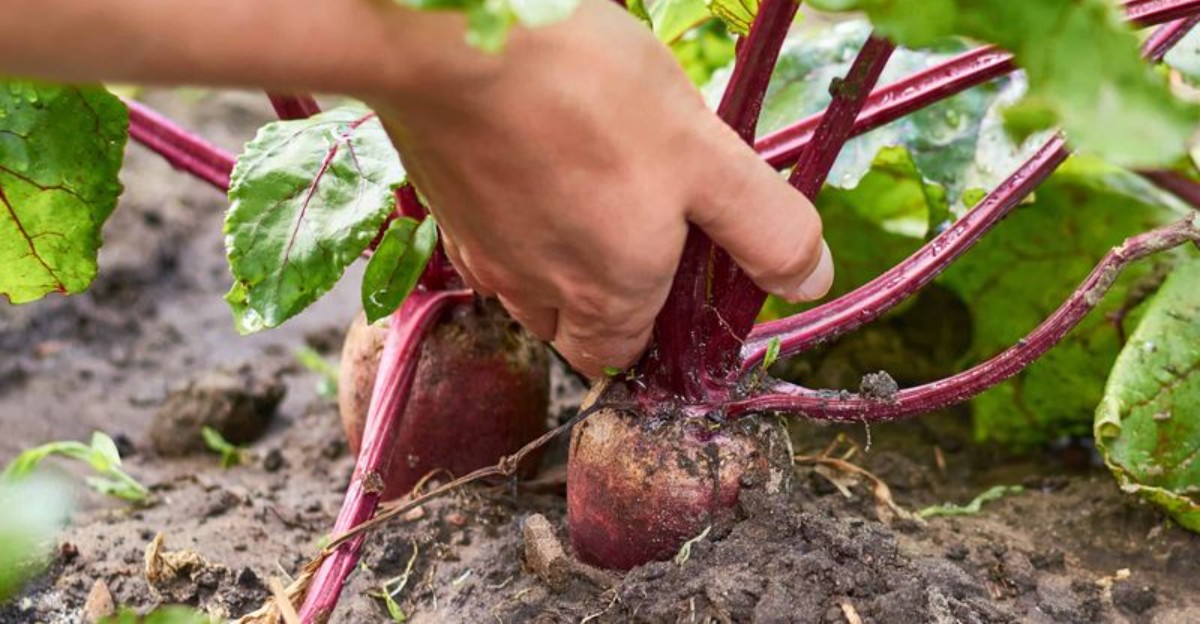
Grip the leaves close to the crown, then pull straight up with a slow and steady motion. Heavy clay soil may need help, so loosen the ground first with a garden fork placed a few inches away.
Shake off loose dirt gently, but skip washing the beets if you plan to store them for weeks. Extra water on the skin can encourage mold, so let the roots dry briefly in a shady spot.
Twist or cut the greens off, leaving about one or two inches of stem attached to each root. Leave the thin tail on the bottom as well, since trimming it too closely causes color and juice loss.
Those removed greens deserve a spot in your kitchen, because beet leaves are tasty and packed with nutrients. Sauté them with garlic like spinach, or toss the young, tender leaves into a fresh fall salad.
Cut greens apart from roots quickly, since attached leaves pull moisture away and the roots soften within days. A careful harvest only takes a few extra seconds, yet it keeps every root firm and full of flavor.
Smart Storage Keeps Your Fall Crop Tender For Months
Your hard work in the garden can keep paying off long after the last beet leaves the soil. Properly stored beets can stay crisp and sweet for two to four months under the right conditions.
Extension experts recommend cold, moist storage, ideally close to freezing with very high humidity around the roots. A temperature near thirty-two degrees with humidity around ninety-five percent keeps them from shriveling or sprouting.
For most home cooks, a plastic bag in the crisper drawer keeps beets good for about three to four weeks. Poke a few small holes in the bag so extra moisture can escape without drying the roots out.
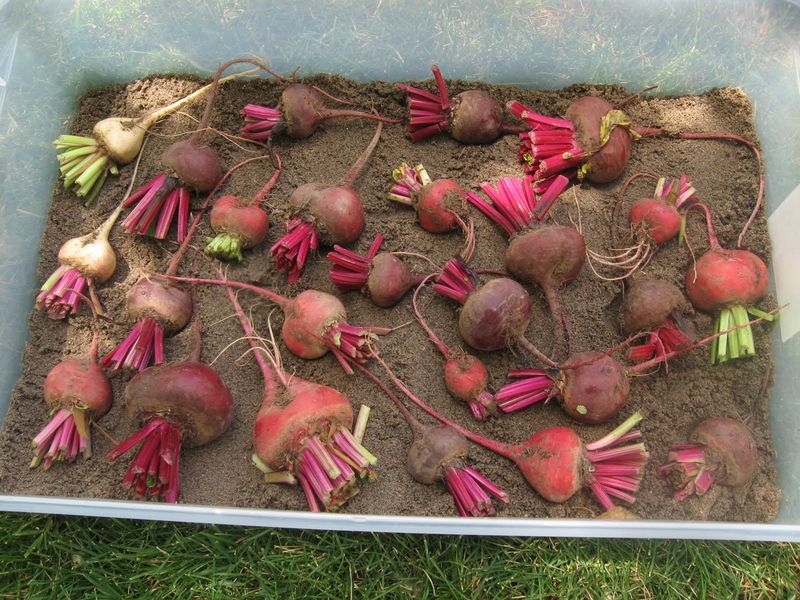
Bigger harvests may need more room, and an old-fashioned box of damp sand still does the trick. Layer the roots so they do not touch, then keep the box in a cool cellar or garage.
Check your stash every couple of weeks, and remove any roots that feel soft or show mold spots. One spoiled beet can spread trouble to its neighbors, so a quick look saves the whole batch.
Only store your best roots, since nicked, cracked, or bruised beets spoil faster and belong in tonight’s dinner. Fun fact: beets belong to the same species as Swiss chard, so those leftover greens share a similar flavor.
A January salad can still taste crisp and sweet when the roots were stored well. Good timing in the garden plus smart storage in the kitchen gives you sweet beets well into winter.