Hawaii Residents Are Bringing Polynesian Elements Into Their Yards
Hawaii residents are adding Polynesian elements to their yards to create outdoor spaces that feel warm, rooted, and full of cultural character.
Gardeners often reach for tropical foliage, carved accents, and natural textures that echo the islands’ traditional designs in a gentle, welcoming way.
A yard transforms quickly once these details come together, offering a relaxed atmosphere that feels both personal and deeply connected to local heritage.
1. Traditional Tiki Torches and Fire Features
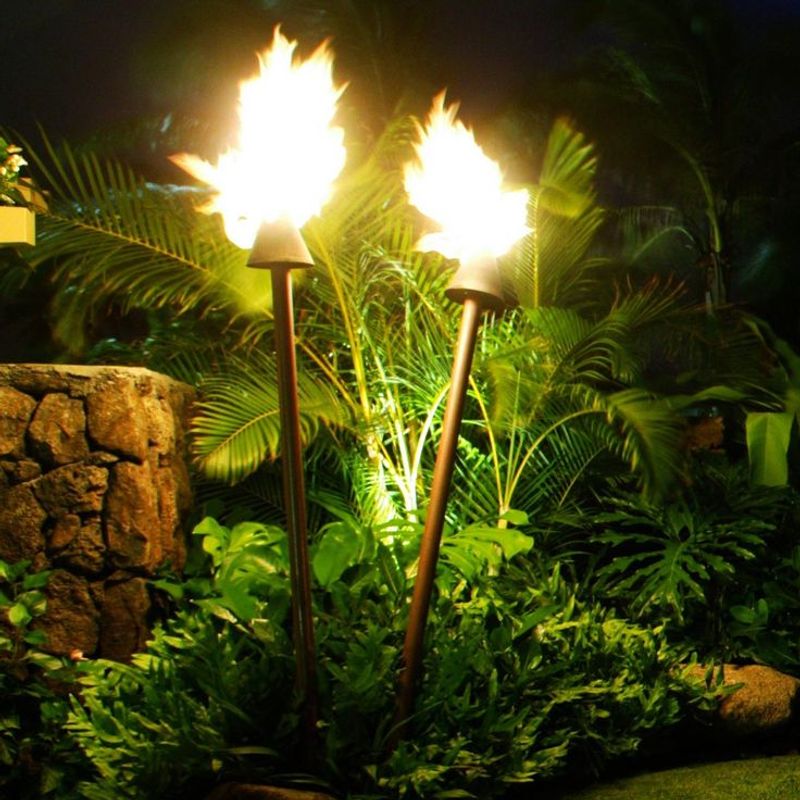
Homeowners across the islands are placing carved tiki torches along pathways to bring warmth and traditional lighting into their outdoor living areas nightly.
Fire has always held special meaning in Polynesian culture, representing transformation, protection, and gathering spots for families to share stories under starlit skies.
Many Hawaii residents choose bamboo torches filled with citronella oil, which keeps mosquitoes away while creating a soft, flickering glow throughout the evening.
Some families commission local artisans to carve custom tiki faces into wooden torch posts, making each piece unique and personally meaningful to their household.
Fire pits built from lava rock have become popular gathering spots where neighbors share food, music, and laughter just like their ancestors did.
Installing these features requires careful placement away from structures and dry vegetation to ensure safety while maintaining the authentic ambiance everyone loves so much.
The gentle light from torches creates magical shadows that dance across garden walls, transforming ordinary backyards into enchanting tropical sanctuaries after dark falls.
Combining modern solar-powered options with traditional flame torches gives homeowners flexibility while honoring cultural practices that have existed for countless generations in Hawaii.
2. Native Hawaiian Plants and Sacred Gardens
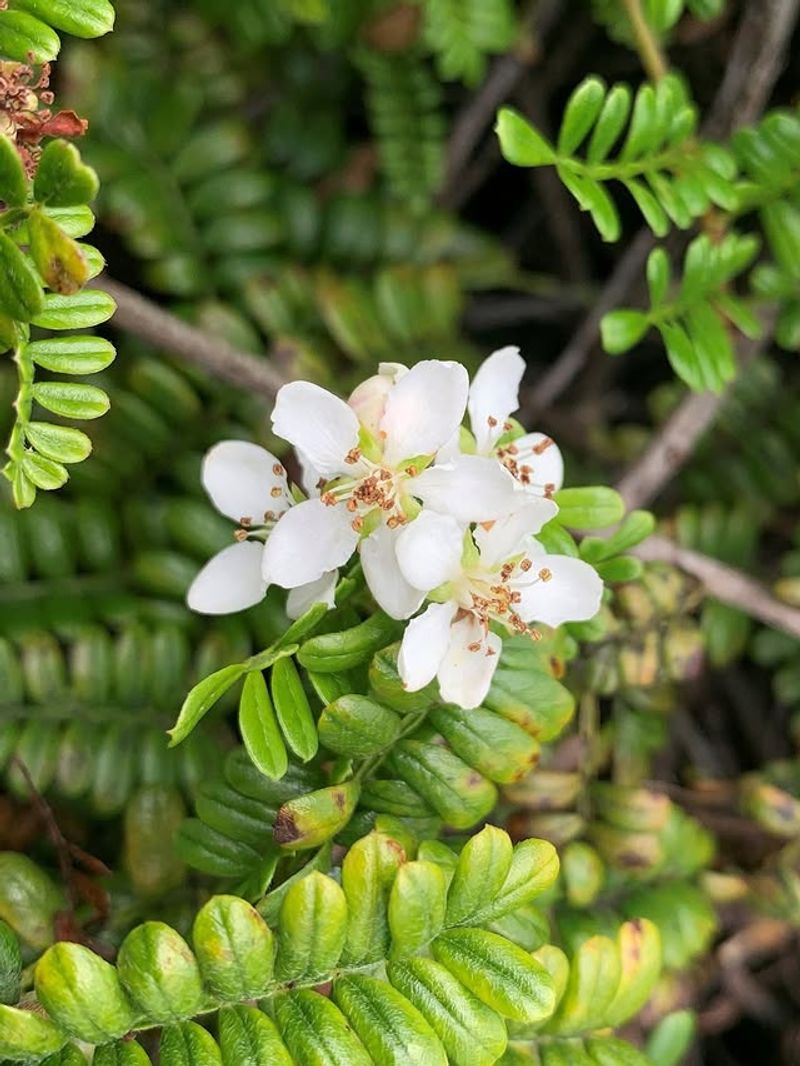
Planting native species like ti, taro, and ulu transforms yards into living connections with the land that sustained Polynesian voyagers for centuries.
Ti plants hold spiritual significance and were traditionally used for protection, with their long green leaves often placed around property boundaries by families.
Taro patches require dedication but provide food and cultural education, teaching children about the plant that became a staple crop for islanders.
Breadfruit trees offer shade and nourishment while honoring the legend of how Polynesians carried these plants across thousands of ocean miles long ago.
Hawaiian hibiscus flowers add brilliant colors ranging from yellow to deep red, attracting native birds and butterflies that help pollinate surrounding garden areas.
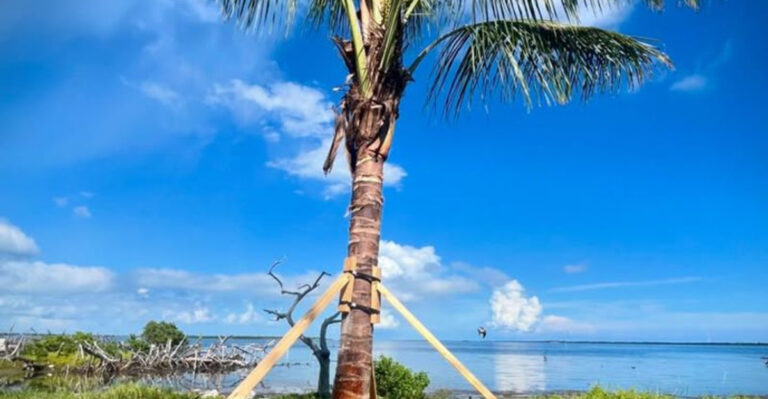
Coconut palms sway gently in trade winds, providing nuts for cooking and leaves for weaving traditional crafts that connect modern families with ancestral skills.
Residents in Hawaii often designate sacred garden corners where they grow plants used in lei-making, hula ceremonies, and traditional healing practices still valued.
Creating these gardens requires understanding which plants thrive in specific microclimates, from coastal areas to cooler mountain elevations found throughout the state.
3. Lava Rock Walls and Natural Borders
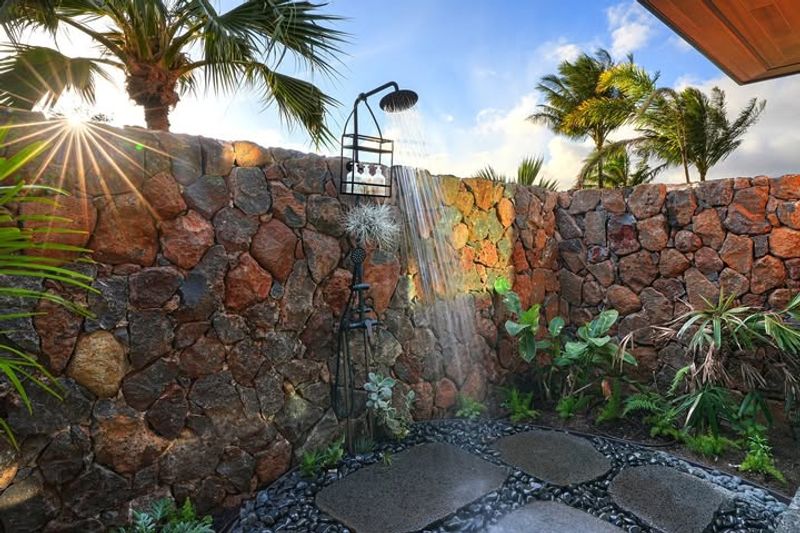
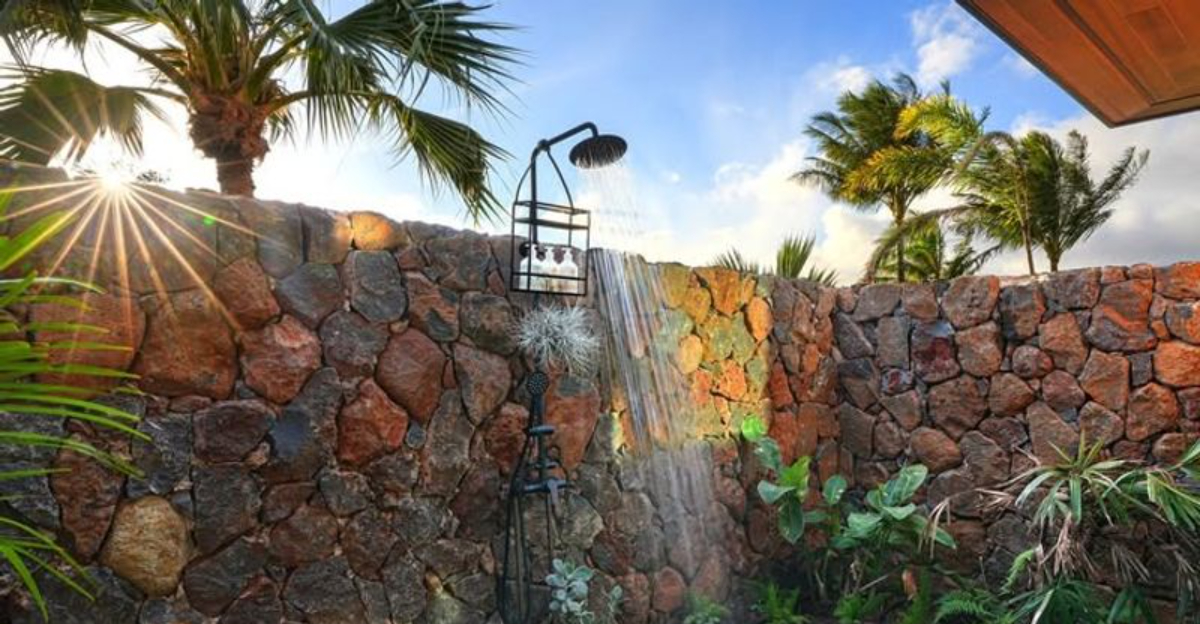
Stacking lava rock into walls recreates the ancient building techniques Polynesians used to create fish ponds, temples, and property divisions throughout the islands.
Black volcanic stone weathers beautifully over time, developing a patina that blends seamlessly with surrounding vegetation and creates a timeless, natural appearance everywhere.
These walls provide habitat for geckos and beneficial insects while defining garden spaces without the harsh look of concrete or manufactured materials often used.
Building with lava rock requires patience and skill, as each stone must fit properly without mortar, relying on careful placement and gravity alone.
Many Hawaii homeowners collect rocks from their own land or purchase them from local quarries, ensuring they source materials responsibly and support island businesses.
Low walls work perfectly for raised garden beds where families grow vegetables, herbs, and flowers in soil enriched with compost and volcanic minerals.
Taller structures provide privacy and wind protection, creating microclimates where delicate plants can flourish despite salt spray and strong breezes from the ocean.
Incorporating lava rock into landscaping honors the volcanic forces that created the islands while giving yards a distinctly Polynesian character appreciated by residents.
4. Outdoor Cooking Areas with Imu Pits
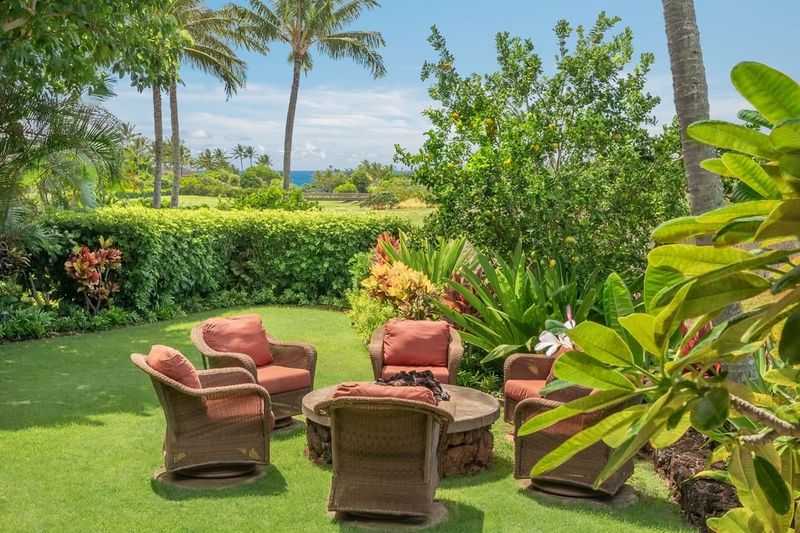
Installing imu pits allows families to cook food using the underground oven method Polynesians perfected, where hot rocks and earth steam meals slowly.
Preparing kalua pig in an imu creates tender, smoky meat that tastes completely different from anything cooked in modern ovens or on regular grills.
Building an imu requires digging a pit, lining it with stones, heating rocks with wood fire, then layering food wrapped in banana leaves carefully.
This cooking method brings families together for special occasions, requiring teamwork to prepare, monitor, and unearth the feast after hours of patient waiting.
Many Hawaii residents combine imu pits with modern outdoor kitchens, creating versatile spaces where they can cook using both traditional and contemporary methods.
The process teaches younger generations about ancestral cooking techniques while creating memories around food preparation that strengthen family bonds and cultural identity significantly.
Imu cooking works beautifully for large gatherings, allowing hosts to prepare substantial amounts of food while freeing them to socialize with guests throughout.
Proper placement ensures smoke disperses safely and the pit remains accessible yet unobtrusive, blending functional cooking space with beautiful yard design seamlessly.
5. Carved Tiki Statues and Wooden Sculptures
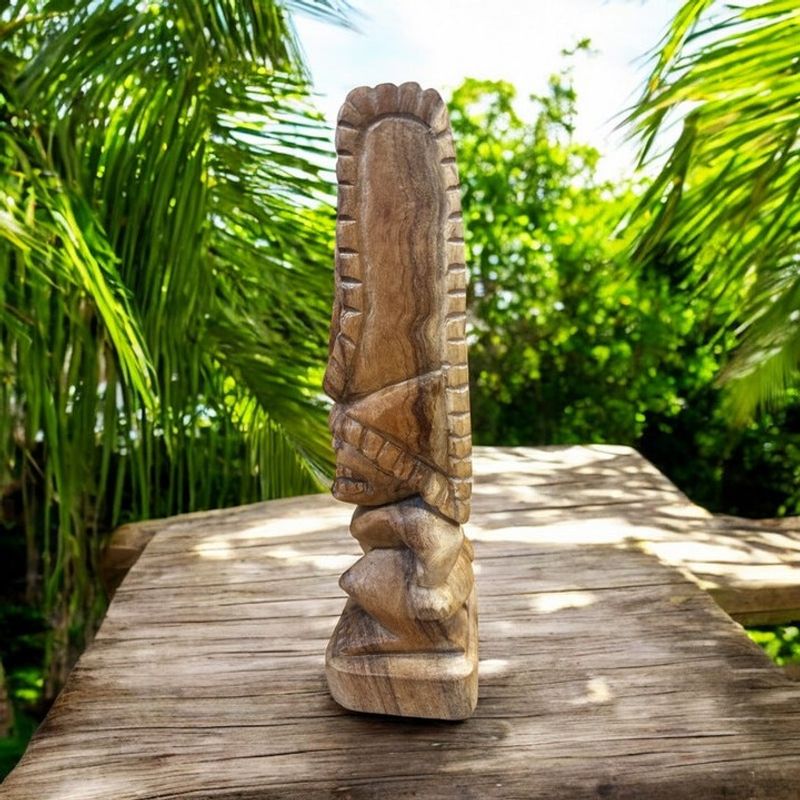
Placing carved tiki statues throughout gardens adds artistic elements that represent gods, ancestors, and protective spirits important in Polynesian belief systems still honored.
Each tiki figure tells a story through its facial expression, posture, and symbolic details that knowledgeable carvers incorporate based on traditional design principles.
Kona wood and monkeypod are popular choices for outdoor sculptures because they resist weathering while developing rich colors that deepen beautifully over time.
Local artisans create pieces ranging from small garden accents to towering figures that become focal points, drawing the eye and sparking conversations among visitors.
Homeowners in Hawaii often commission custom tikis that reflect their family history or personal connection to specific deities and cultural stories passed down orally.
Positioning statues near entrances traditionally offers protection, while placing them in garden centers creates meditation spots where people can reflect quietly and peacefully.
Regular oiling preserves the wood and maintains the sculpture’s appearance, becoming a ritual that connects caretakers with the artwork and its cultural significance.
These carvings transform ordinary yards into outdoor galleries celebrating Polynesian artistry, craftsmanship, and the spiritual beliefs that continue guiding many island residents today.
6. Thatched Roof Structures and Hale Designs
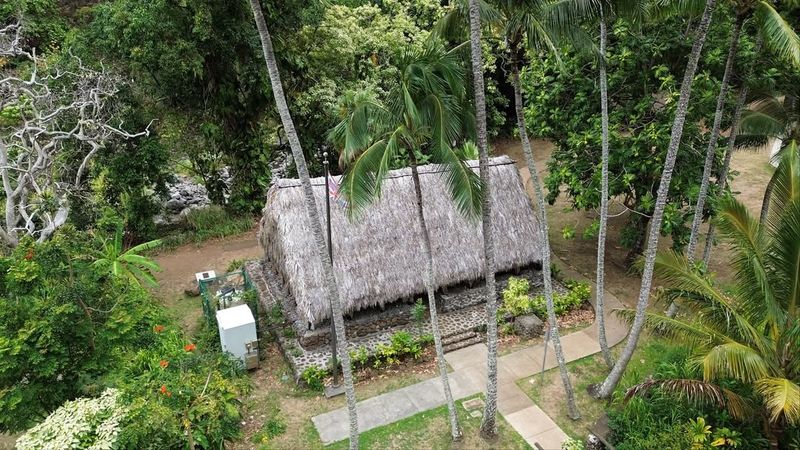
Building small hale structures with thatched roofs creates shaded retreats that mirror the traditional dwellings Polynesians constructed using natural materials found abundantly nearby.
Pili grass and coconut palm fronds make authentic thatching materials, though some modern builders use synthetic alternatives that last longer with less maintenance required.
These structures provide cool spaces for relaxation, outdoor dining, or practicing traditional crafts like weaving, carving, and preparing natural dyes from plants.
Open-sided designs allow breezes to flow freely while offering protection from intense sun and occasional rain showers common throughout the Hawaiian climate year-round.
Bamboo poles serve as sturdy support posts, connecting structures visually with the natural landscape while using sustainable materials that grow quickly and renewably.
Many Hawaii homeowners furnish their hale with low tables, floor cushions, and woven mats, creating comfortable spaces that encourage sitting close to earth.
Adding decorative elements like hanging gourds, shell mobiles, and woven wall hangings personalizes these spaces while showcasing traditional crafts still practiced by artisans.
Maintaining thatched roofs requires periodic inspection and repair, but this upkeep becomes part of the connection between residents and their culturally significant structures.
7. Water Features Inspired by Natural Springs
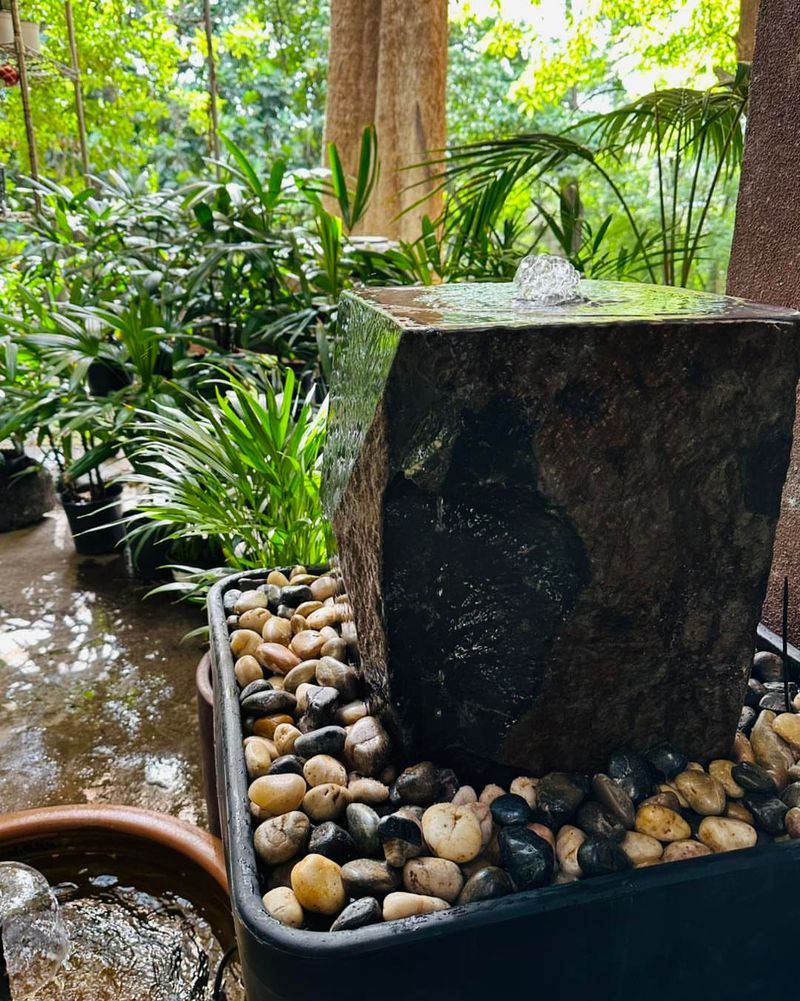
Creating water features that mimic natural springs and streams honors the importance of freshwater sources that sustained Polynesian communities throughout the Pacific islands.
Flowing water produces soothing sounds that mask traffic noise while attracting native birds who appreciate the drinking and bathing opportunities these features provide.
Using lava rock to line ponds and streams creates authentic-looking watercourses that appear as though they emerged naturally from the volcanic landscape itself.
Aquatic plants like water lilies and taro thrive in shallow pools, adding beauty while filtering water and providing habitat for beneficial insects and creatures.
Small waterfalls recirculate water efficiently using modern pumps hidden beneath rocks, combining traditional aesthetics with contemporary technology that conserves precious resources in Hawaii.
Koi and goldfish add movement and color, though some residents prefer keeping features plant-only to maintain a more natural, undisturbed appearance throughout.
Positioning water features near seating areas maximizes their calming effect, creating meditation spots where families gather to relax and reconnect after busy days.
Regular cleaning prevents algae buildup and keeps systems running smoothly, ensuring these features remain beautiful focal points that enhance yards with their presence continuously.
8. Bamboo Fencing and Natural Privacy Screens
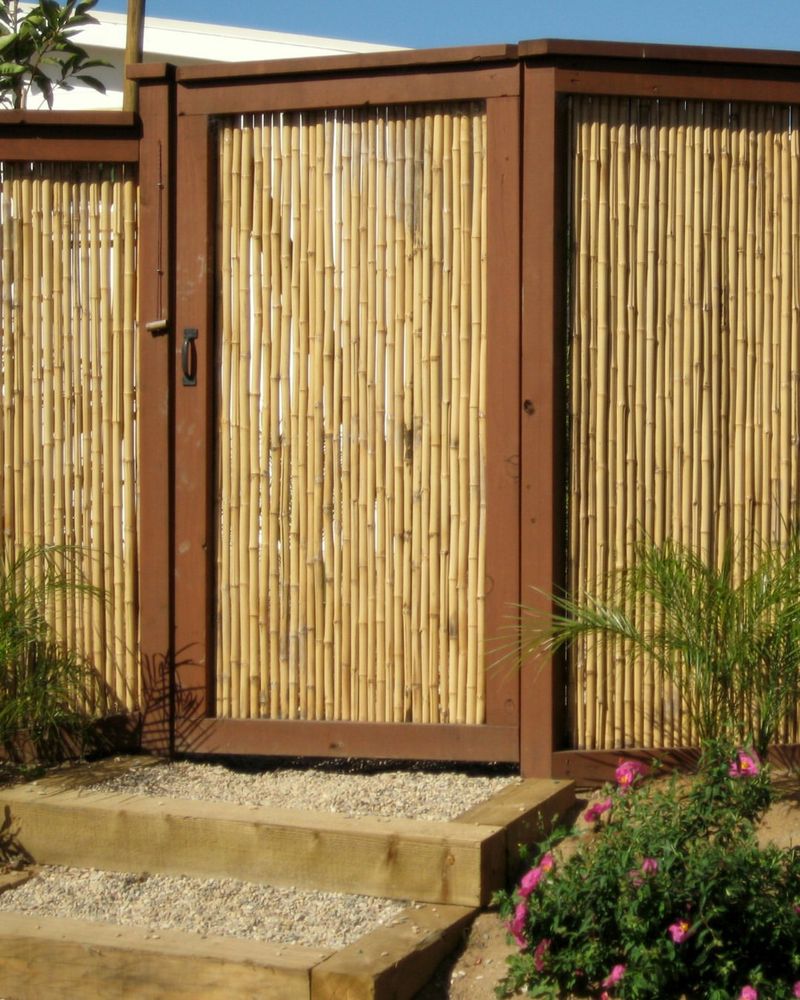
Installing bamboo fencing provides privacy while using a fast-growing, sustainable material that Polynesians have utilized for construction purposes throughout their seafaring history successfully.
Natural bamboo develops a silvery patina as it weathers, creating a rustic appearance that complements tropical plants and blends beautifully with surrounding vegetation.
These fences filter wind rather than blocking it completely, reducing stress on structures while still offering substantial protection from strong breezes in Hawaii.
Bamboo poles can be arranged vertically, horizontally, or in decorative patterns, giving homeowners creative flexibility to match their personal style and functional needs.
Living bamboo hedges grow quickly into dense screens, though gardeners must choose clumping varieties carefully to avoid invasive spreading that damages neighboring properties.
Combining bamboo with other natural materials like rope lashing and wooden posts creates fences that look handcrafted and authentic rather than mass-produced or generic.
These screens frame views strategically, directing attention toward beautiful vistas while concealing less attractive elements like utility boxes or storage areas from sight.
Maintenance involves occasional replacement of weathered poles and trimming living bamboo, but these tasks connect residents with their yards through regular interaction.
9. Cultural Gathering Spaces and Seating Circles
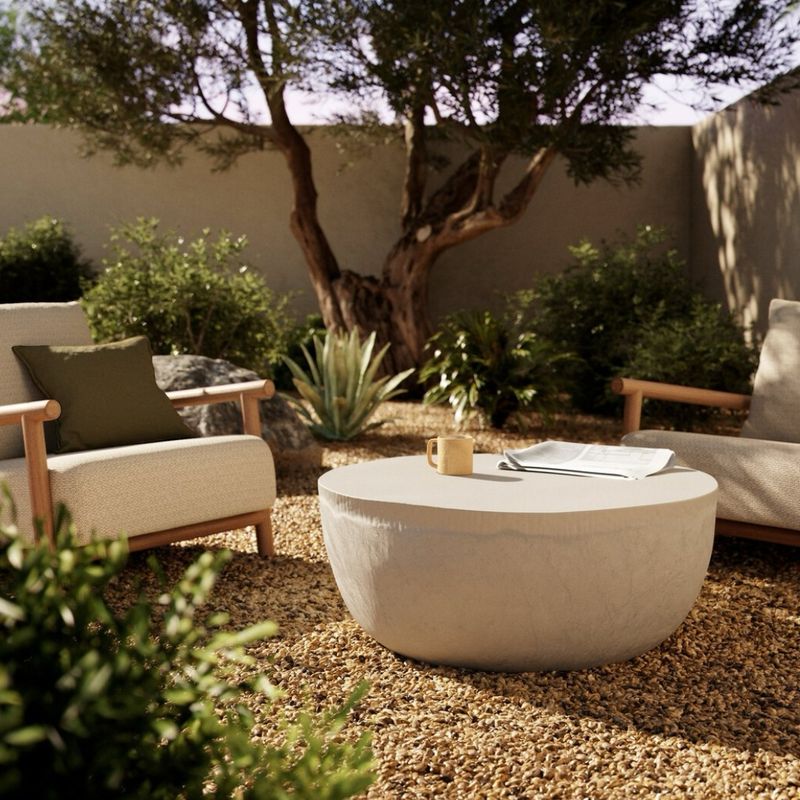
Designing circular seating areas recreates the communal gathering spaces where Polynesian families shared meals, stories, and cultural knowledge under open skies traditionally.
Stone benches built from lava rock provide permanent seating that requires no maintenance while blending seamlessly with natural landscaping elements throughout the yard.
Central fire pits become focal points for evening gatherings, where families roast food, play music, and teach children songs and chants in Hawaiian language.
Arranging seating in circles rather than rows encourages face-to-face interaction, fostering stronger connections and more meaningful conversations among participants who gather regularly.
Many Hawaii residents incorporate these spaces into larger yard designs, positioning them to capture sunset views or provide shelter from prevailing winds effectively.
Adding overhead structures like pergolas draped with flowering vines creates partial shade while maintaining the open, airy feeling important in traditional Polynesian architecture.
Decorating with woven mats, calabash bowls, and other cultural artifacts transforms these spaces into outdoor living rooms that celebrate heritage while providing modern comfort.
These gathering areas become the heart of the home, where multiple generations connect through shared experiences that strengthen family ties and preserve traditions.