8 Heat-Tolerant Perennials To Plant In Georgia This April For Summer Color
Color starts to build fast in Georgia gardens once spring settles in, and it is tempting to fill every empty spot with whatever looks good at the moment.
Early blooms can make everything feel complete, but that first burst does not always last once the heat sets in.
As the season moves forward, many plants begin to lose strength, and the vibrant look from spring can fade quicker than expected. What seemed like a great choice early on can turn into patchy growth and dull color when temperatures climb.
A better approach starts with choosing plants that can keep up with the shift into hotter weather. Strong performers hold their shape, keep their color, and do not need constant attention to stay presentable.
A few smart decisions now can help keep beds looking full and consistent instead of fading out halfway through the season.
1. Coreopsis Handles Heat And Blooms Through Summer
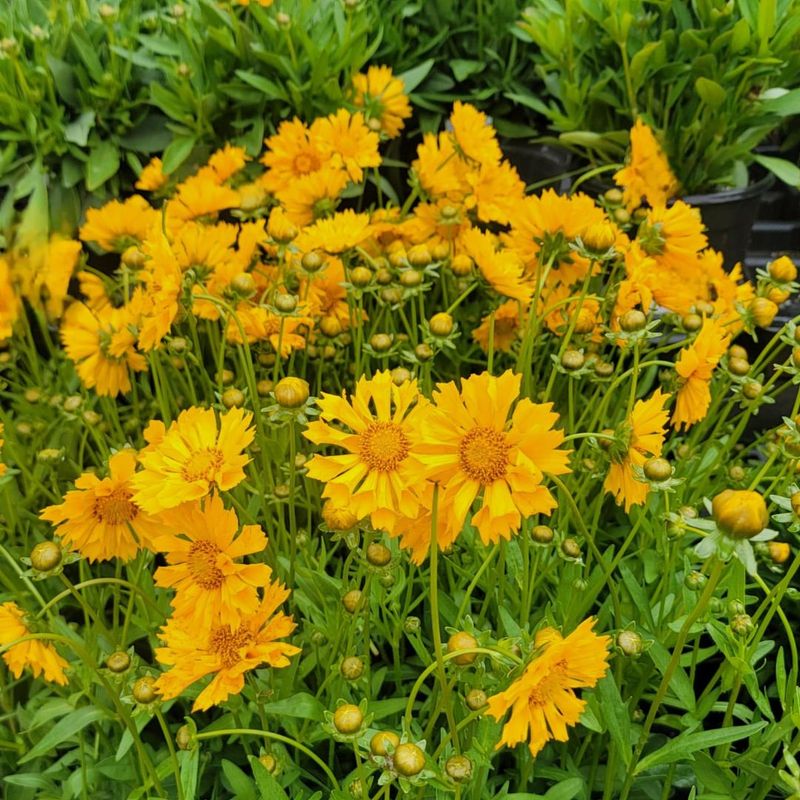
Yellow flowers that just refuse to quit — that’s coreopsis for you. Plant it in April across Georgia, and by June it’s already putting on a show.
Most gardeners overlook it because it looks simple, but that cheerful yellow carries a garden bed through the hardest stretch of summer.
Coreopsis, sometimes called tickseed, loves full sun and doesn’t ask for much water once it gets going. Sandy or clay-heavy Georgia soil works fine as long as drainage is decent.
Waterlogged roots are the one thing that will set it back, so avoid low spots in the yard.
Deadheading spent blooms every week or so keeps new flowers coming steadily from June all the way into October. Skip the deadheading, and it slows down noticeably.
A light trim in midsummer can also push a second flush of blooms right when other plants are struggling.
Compact varieties like ‘Moonbeam’ stay tidy in borders, while taller types fill in the back of a bed nicely. Butterflies show up regularly once it starts blooming, which is a bonus.
If you’re building a low-water Georgia garden that actually looks good all summer, coreopsis belongs near the front of your list.
It fills in open spaces quickly and keeps beds looking complete even when other plants start to thin out. Color stays strong through dry stretches, which makes it one of the more reliable choices for consistent summer coverage.
2. Purple Coneflower Thrives In Heat And Supports Pollinators
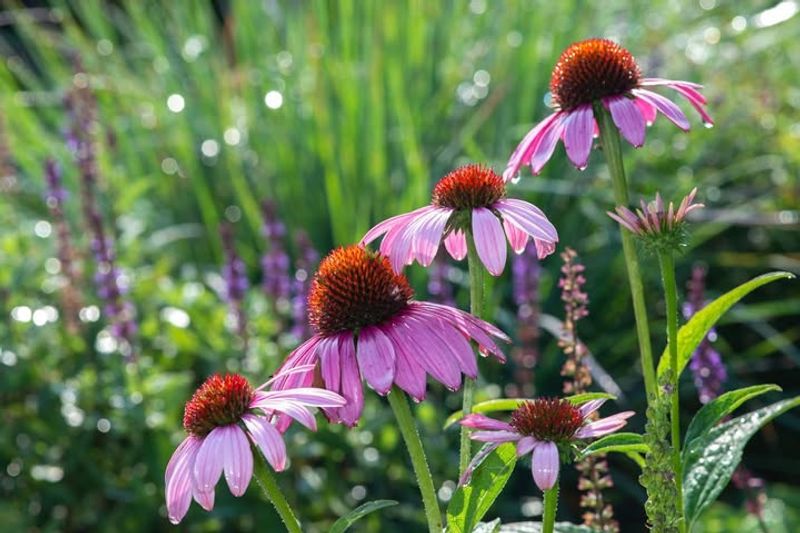
Walk past a patch of purple coneflower on a hot July afternoon in Georgia, and you’ll count a dozen bees without even trying. Echinacea purpurea handles heat better than most people expect from a purple-blooming plant, and it comes back reliably year after year.
April is the right time to get it in the ground here. Roots need a few weeks to settle before summer temperatures climb into the nineties.
Full sun is ideal, but a spot with afternoon shade won’t hurt, especially in the hotter parts of south Georgia where the sun is relentless by midday.
Soil doesn’t need to be rich. Average, well-drained ground suits coneflower just fine, and adding too much fertilizer actually pushes leafy growth at the expense of blooms.
Water regularly through the first month, then pull back and let it fend for itself.
Blooms typically open from late June and keep going into September. Leave the seed heads standing after flowering ends — goldfinches pick them apart through fall and winter.
Varieties like ‘Magnus’ and ‘PowWow Wild Berry’ perform consistently well in Georgia conditions without needing extra attention. Few perennials deliver this combination of color, wildlife value, and seasonal toughness in one package.
Once roots settle in, it handles heat without needing constant attention or extra watering. It blends easily with other plants while still standing out enough to keep the bed from looking flat.
3. Black-Eyed Susan Performs Well In Summer Conditions
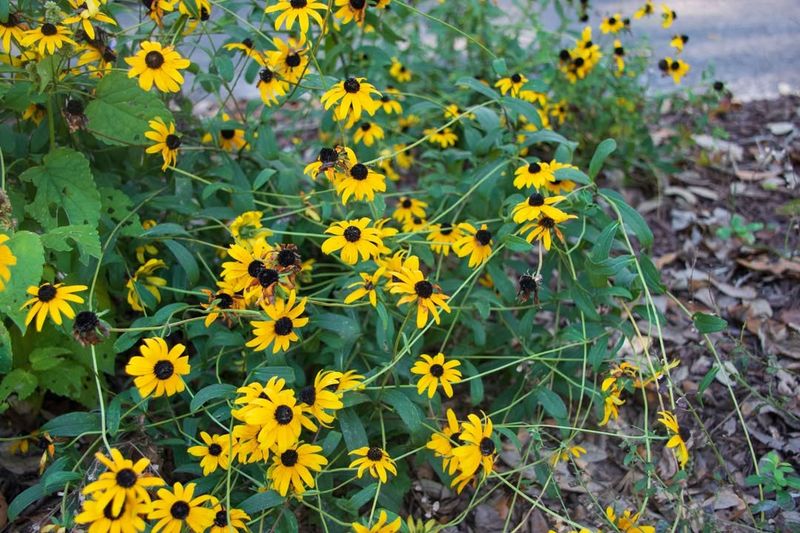
Rudbeckia is one of those plants that makes a Georgia garden look intentional even when you haven’t done much. Golden petals around a dark center — it’s a classic combination that holds up through weeks of heat without fading or flopping over.
Plant black-eyed Susans in April and they’ll be blooming by early July. Full sun is where they perform best, though they’ll manage in spots that get a bit of afternoon shade.
One thing worth knowing: they spread by self-seeding, so expect a wider patch each year unless you pull the extras.
Rudbeckia hirta is technically a short-lived perennial, but it reseeds so freely that the colony keeps itself going. In Georgia’s climate, that’s actually a useful trait rather than a problem.
You end up with more plants without spending more money.
Cutting the stems back by about a third in late spring encourages bushier growth and more blooms per plant. Regular watering during dry spells in the first season helps, but established plants handle drought stretches surprisingly well.
Pair black-eyed Susans with purple coneflower or salvia for a bold, natural-looking combination that pollinators absolutely flock to throughout the Georgia summer months.
It keeps producing new blooms even when soil conditions are less than ideal or slightly dry. A small group can carry noticeable color through the toughest part of summer without much effort.
4. Blanket Flower Tolerates Heat And Poor Soil With Ease
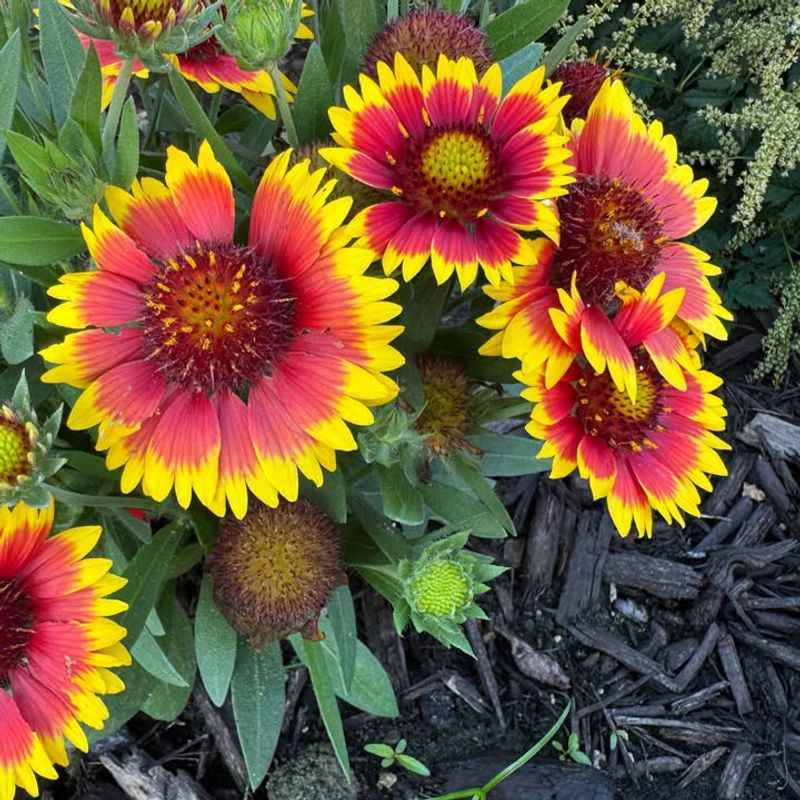
Gaillardia might be the most forgiving perennial you can plant in Georgia. Thin soil, brutal afternoon sun, weeks without rain — blanket flower shrugs at all of it and keeps producing those bold red and yellow blooms without complaint.
Drop it in the ground in April and it typically starts blooming by late May or early June. Flowers keep coming in waves all the way through September if you stay on top of removing spent heads.
Skipping deadheading for too long causes the plant to put energy into seeds instead of new buds, so a quick pass through the bed every ten days makes a real difference.
Drainage matters more than anything else with gaillardia. Heavy clay soil that stays wet will cause problems fast.
If your Georgia yard has drainage issues, raise the bed slightly or mix in coarse sand and compost before planting. Average or even rocky soil is perfectly fine otherwise.
Plants tend to be short-lived, often fading after two or three years, but they reseed reliably enough to keep the patch going. Varieties like ‘Goblin’ stay compact and work well along borders or in containers.
Few plants match gaillardia’s ability to deliver constant summer color in tough Georgia conditions without requiring constant attention from you.
Continues producing blooms even in poor or slightly dry soil conditions. A small group can carry noticeable color through the toughest part of summer without much effort.
5. Lantana Produces Continuous Color In Hot Weather
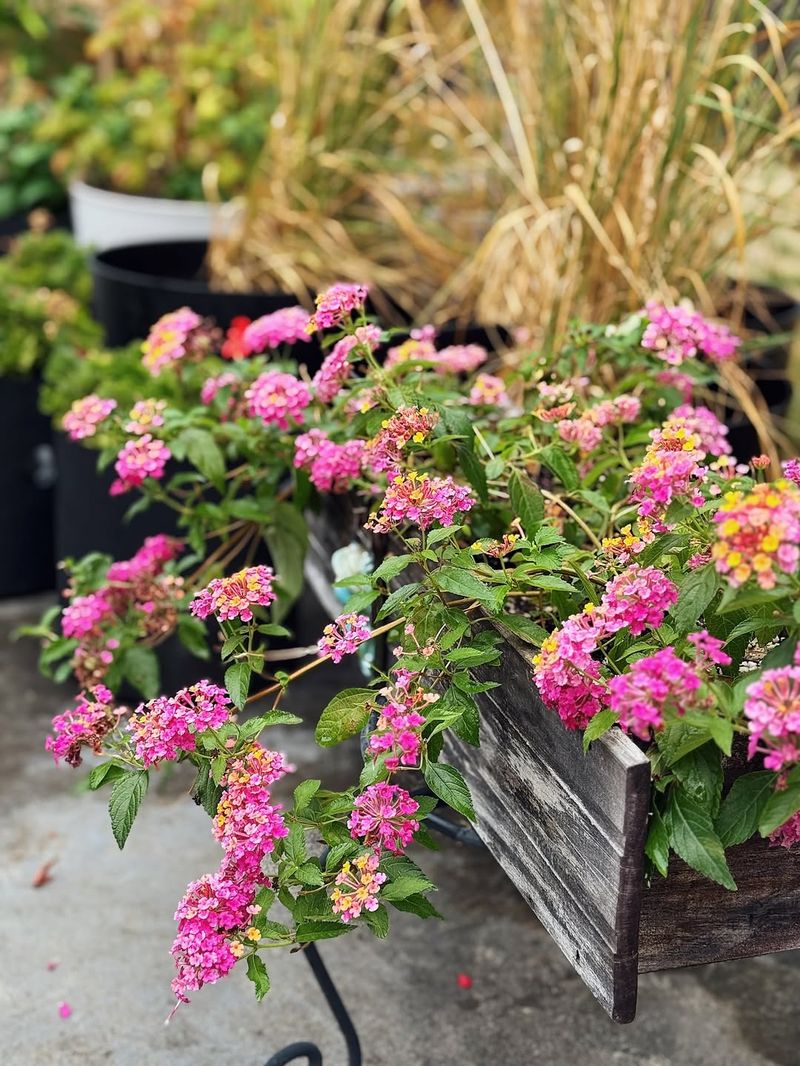
Hot weather doesn’t slow lantana down — it speeds it up. While other plants are sulking through August in Georgia, lantana is putting out fresh clusters of orange, pink, yellow, and red blooms like the heat is doing it a favor.
April planting gives lantana time to spread and fill in before summer peaks. It grows fast in Georgia’s warm soil, and by midsummer a single plant can cover two to three feet of ground.
Full sun is non-negotiable; shady spots produce weak, sparse growth that never looks right.
Butterflies and hummingbirds show up constantly once blooming starts. It’s genuinely hard to walk past a blooming lantana in July without stopping to watch the activity around it.
That wildlife draw alone makes it worth planting even before you factor in the color.
Water young plants regularly for the first four to six weeks, then back off significantly. Overwatering mature lantana actually reduces blooming, so less is more once the plant establishes.
Trim it back hard in early spring each year to keep the shape tidy and encourage fresh growth. Note that lantana berries are toxic if eaten, so keep that in mind in yards with young children or pets.
In Georgia, it’s treated as a perennial in most regions.
Keeps pushing new blooms long after many other plants slow down in peak heat. One plant can spread wide enough to fill space and maintain a lively look through the hottest months.
6. Daylily Adapts Easily To Heat And Humidity
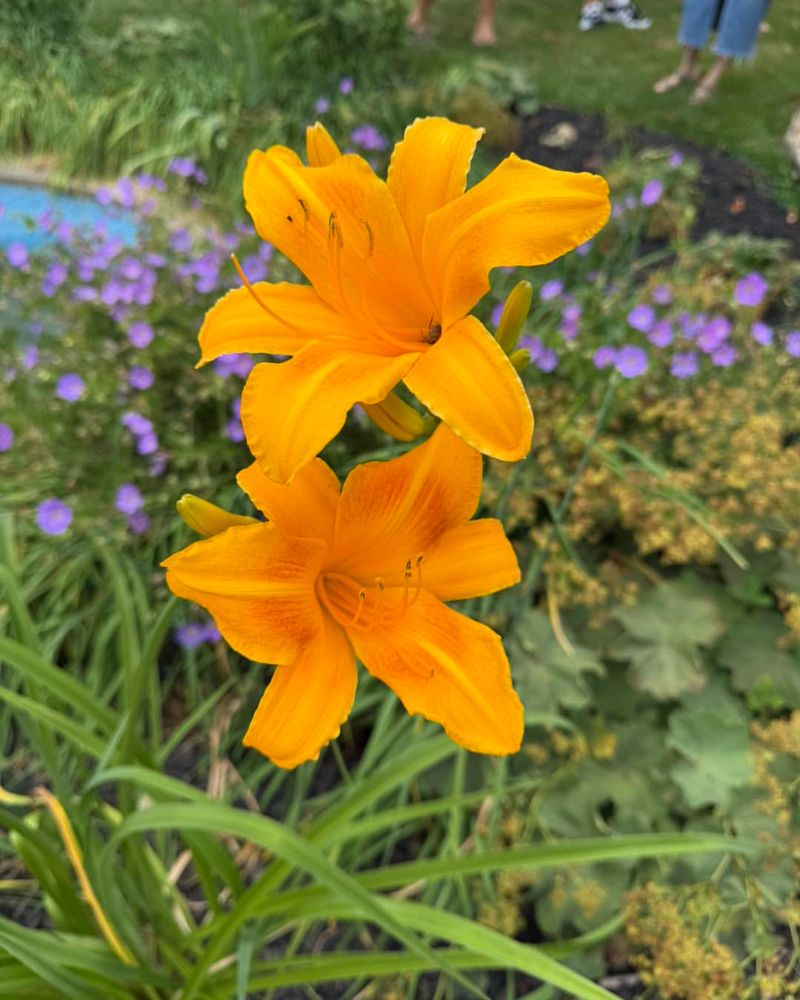
Daylilies earn their place in Georgia gardens by being genuinely unfussy. You can plant them in clay, sandy loam, or anything in between, and they’ll still come up blooming the next summer without much help from you.
April planting works well because the soil is warm enough for roots to spread before summer arrives. Choose a spot with at least six hours of direct sun daily.
Partial shade works, but bloom counts drop noticeably when plants don’t get enough light through the day.
Each individual flower only lasts one day, which sounds like a drawback until you realize each stem carries multiple buds that open in sequence over several weeks.
A well-established clump keeps blooming for four to six weeks total, which is a solid run for any perennial in a hot Georgia summer.
Varieties come in nearly every color except true blue — from pale cream to deep burgundy to bold orange.
‘Stella de Oro’ stays compact and reblooms reliably, making it a practical choice for borders. Larger types like ‘Hyperion’ work better as focal points in wider beds.
Divide clumps every three to four years when blooming starts to thin out. Freshly divided plants bounce back quickly and typically bloom even heavier the following season in Georgia’s climate.
7. Perennial Salvia Stays Strong In Full Sun And Heat
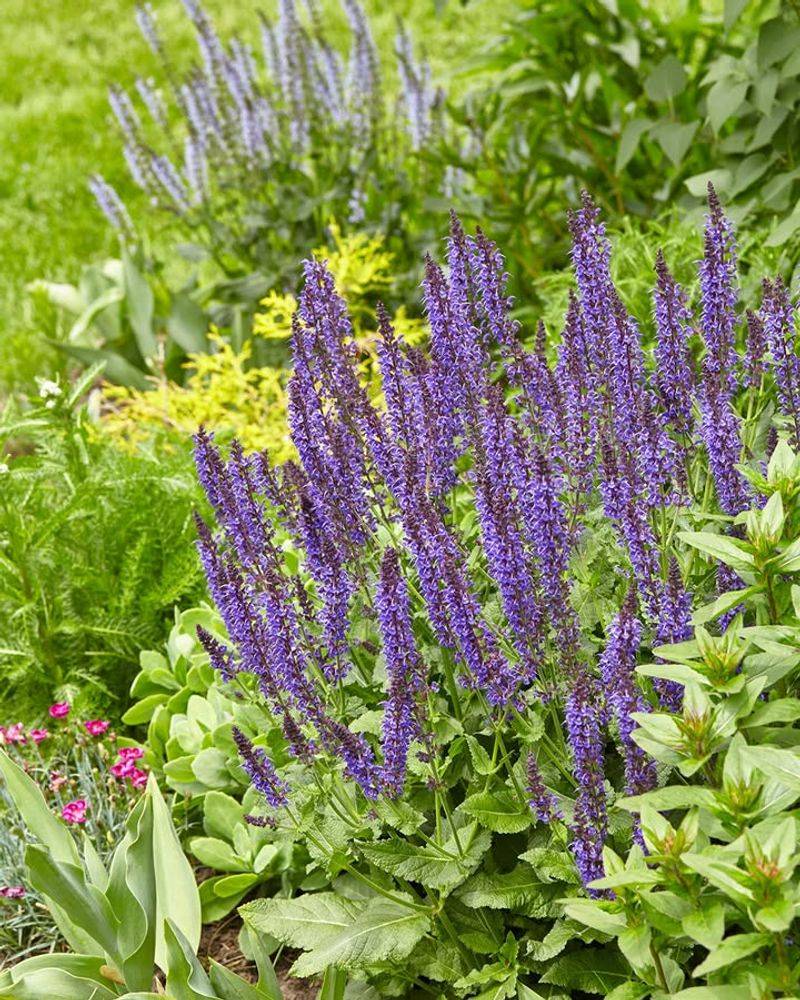
Salvia spikes shooting up in a summer border look sharp and deliberate, like someone actually planned the garden out.
Perennial types like Salvia nemorosa and Salvia greggii handle Georgia heat without wilting, and they keep producing blooms long after spring-planted annuals start looking ragged.
Plant salvia in April in a full-sun spot with decent drainage. Rich soil isn’t necessary — average ground with good drainage produces better blooms than overly amended beds.
Crowded roots and soggy soil are the two conditions that cause real problems, so give plants enough space and avoid low spots in the yard.
Hummingbirds and butterflies zero in on salvia blooms quickly once they open. The tubular flower shape is built for pollinators with long tongues, and on a warm Georgia morning the activity around a blooming salvia plant is worth watching.
Cut spent flower stalks down to the next set of leaves after the first flush of blooms fades, and a second wave typically follows within a few weeks.
Salvia greggii, sometimes called autumn sage, handles south Georgia heat especially well and blooms from late spring right up until frost. Salvia nemorosa varieties like ‘Caradonna’ have striking dark stems that add visual structure even between bloom cycles.
Both types perform reliably year after year with minimal fuss in Georgia gardens.
8. Yarrow Handles Heat And Dry Soil While Blooming Steadily
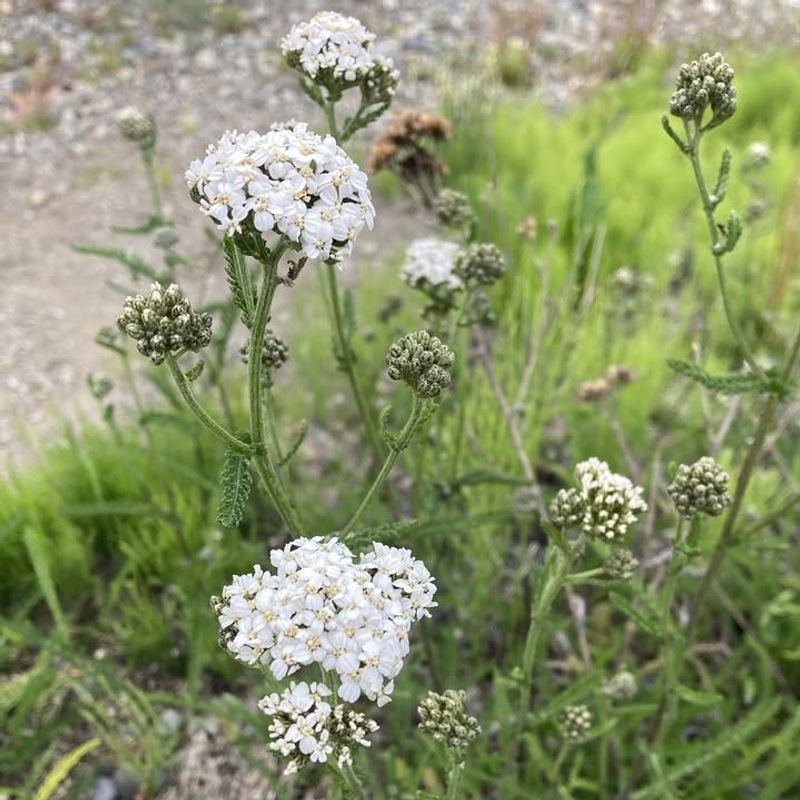
Yarrow is the plant that keeps going when everything else in the bed is begging for water. Flat clusters of tiny flowers sit above feathery, aromatic foliage, and the whole plant just holds its shape through Georgia’s hottest and driest stretches without looking stressed.
Get it in the ground in April, and yarrow will be blooming by late May in most parts of Georgia. Yellow varieties are the most heat-tolerant, but white and soft pink types perform well too.
Full sun is where yarrow really thrives — more than six hours daily is ideal, and shady conditions produce floppy, weak plants that fall over by midsummer.
Drainage is critical. Yarrow in wet or heavy clay soil tends to develop root problems within a season or two.
Raised beds or slopes work perfectly, and rocky or sandy ground suits it just as well. Skip the fertilizer; rich soil produces lush foliage but far fewer flowers, which is the opposite of what you want.
Deadhead regularly to extend the bloom season from late spring into early fall. Cutting plants back by half in midsummer after the first flush often triggers a second round of flowers.
Yarrow also dries beautifully if you cut stems and hang them upside down — a nice bonus for anyone who likes bringing garden color indoors. Compact varieties like ‘Moonshine’ work well in smaller Georgia garden beds.