9 Heat-Tolerant Plants That Keep Arizona Backyards Smelling Fresh
Arizona’s intense sun and dry heat can make keeping a backyard fresh and fragrant feel like a challenge, but some plants thrive even in the toughest conditions. Imagine stepping outside and being greeted by delightful scents, even in scorching summer.
Heat-tolerant plants don’t just survive – they bloom, fill the air with fragrance, and add vibrant color to your yard. Your backyard can stay inviting no matter the temperature.
From resilient flowering shrubs to aromatic herbs, these plants are built to handle Arizona’s climate while keeping your outdoor space smelling amazing. Low water, high impact – that’s the desert gardener’s dream.
With the right selections, even small yards or patio containers can be transformed into fragrant oases. A little planning now means a backyard full of scent all season.
1. Desert Lavender
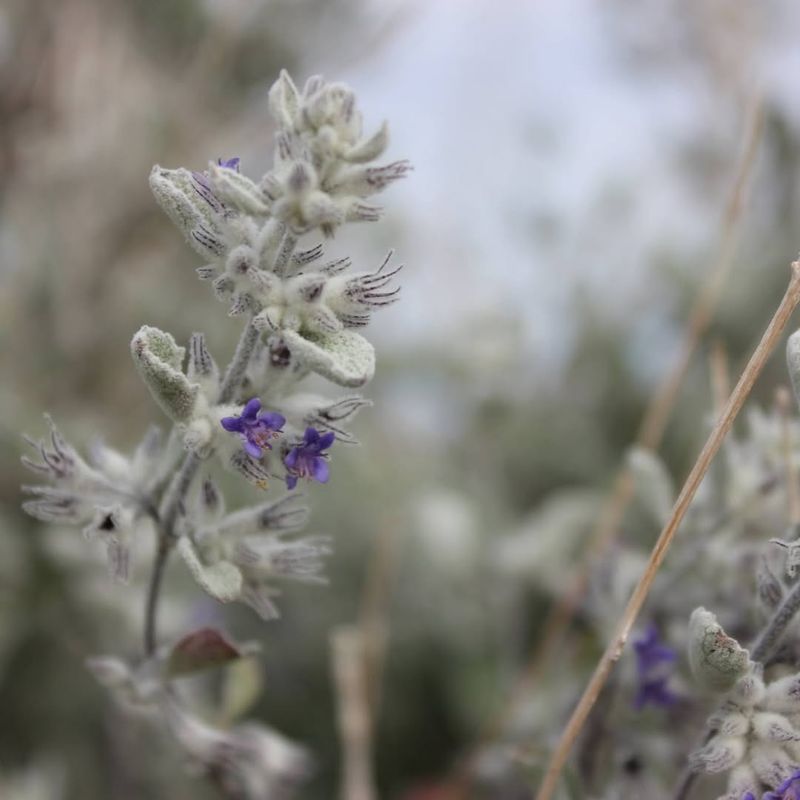
Native to the Sonoran Desert, this woody shrub releases an intoxicating perfume that rivals any expensive candle you could buy at the store. Desert lavender adapts perfectly to Arizona’s brutal summers because it evolved right here, making it one of the smartest choices for low-maintenance fragrance.
The silvery-green foliage looks attractive year-round, while purple flower spikes appear in spring and sometimes again after summer monsoons bring rain.
Pollinators absolutely adore this plant, so expect butterflies and hummingbirds to visit regularly when blooms appear. The scent intensifies during the hottest part of the day, creating natural aromatherapy whenever you step outside.
Plant it near walkways or patios where you will brush against the leaves and release even more of that wonderful smell.
Desert lavender requires minimal water once established, typically thriving on rainfall alone in most Arizona locations. It grows about three to five feet tall and wide, creating a rounded shape that works beautifully in rock gardens or mixed borders.
Pruning after flowering helps maintain a compact form and encourages fresh growth. This shrub laughs at temperatures over 110 degrees and keeps performing when other plants start looking stressed and tired.
2. Texas Ranger
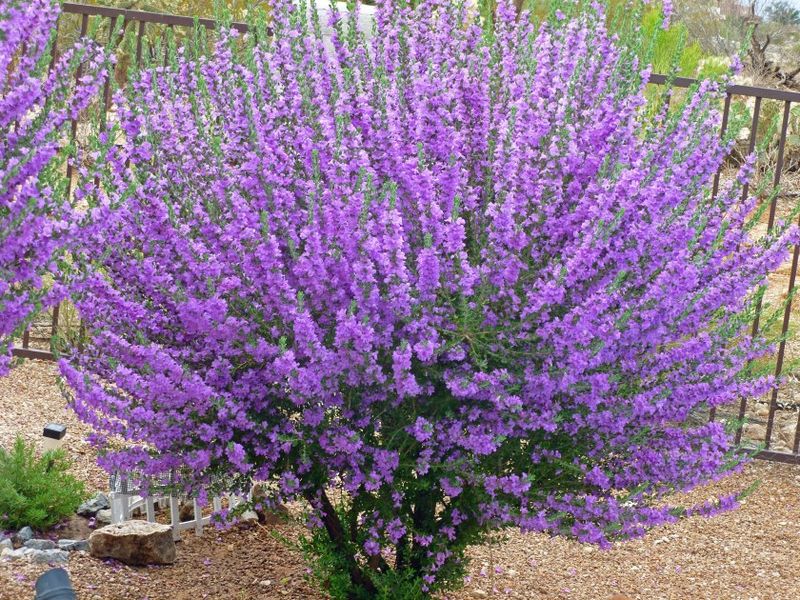
After a good monsoon rain, this shrub explodes into clouds of tubular flowers that smell faintly sweet and attract every bee in the neighborhood. Also called Texas sage or barometer bush, it seems to predict rain by blooming just before or after storms roll through Arizona.
The fuzzy gray-green leaves give off a subtle herbal scent when you touch them, adding another layer of sensory interest to your landscape.
Texas ranger comes in several varieties with flowers ranging from deep purple to pink to white, so you can choose the color that best fits your design scheme.
This tough plant handles reflected heat from walls and pavement without complaining, making it perfect for those challenging spots where nothing else seems to survive.
It grows naturally into a rounded mound about five feet tall and wide, though you can prune it into a more formal shape if you prefer.
Water needs are extremely low once the roots establish themselves, usually within the first year after planting. Full sun brings out the best flowering performance, and the plant actually struggles in shade or with too much irrigation.
Combine several Texas rangers together for a dramatic display that fills the air with fragrance during bloom periods throughout the summer and fall months.
3. Rosemary
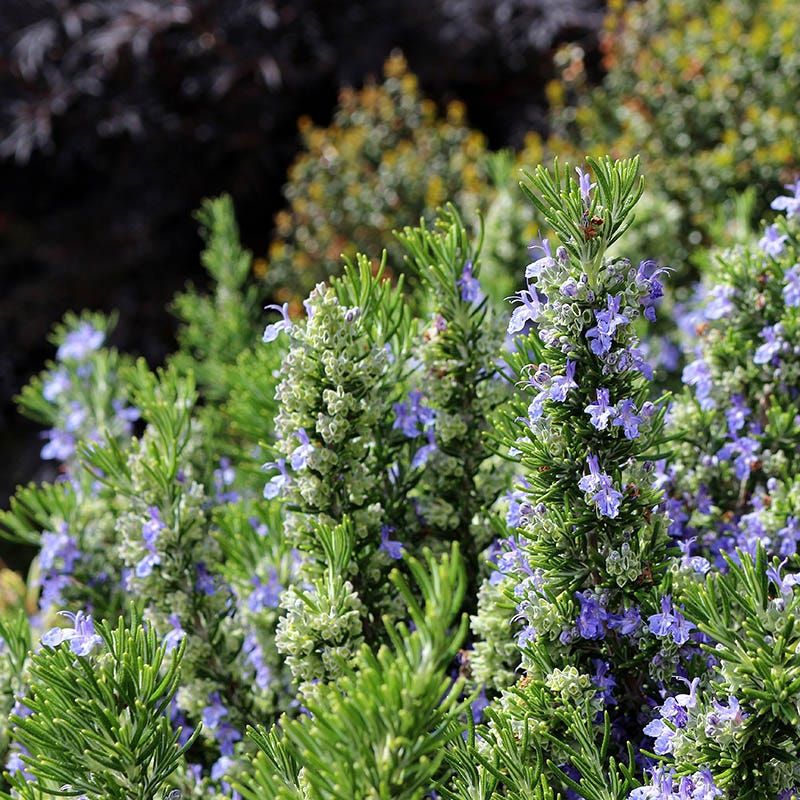
Walk past a rosemary plant on a hot Arizona afternoon and you will instantly understand why this Mediterranean herb has been treasured for thousands of years.
The needle-like leaves pack an aromatic punch that combines pine, lemon, and camphor notes into one unforgettable scent that clears your head and lifts your mood.
Rosemary thrives in desert conditions because it originally comes from similar climates around the Mediterranean Sea where summers are long, hot, and dry.
Blue or white flowers appear in winter and spring, adding visual interest when many other plants are taking a break from blooming.
You can grow rosemary as a groundcover, hedge, or specimen plant depending on which variety you choose, since some stay low and spreading while others reach six feet tall.
The best part is that you can harvest sprigs for cooking anytime, bringing that fresh scent right into your kitchen.
Plant rosemary in well-draining soil and avoid overwatering, which causes root problems faster than any amount of heat ever could. This herb actually prefers to dry out between waterings once established in Arizona landscapes.
Regular pruning keeps plants bushy and productive while providing you with plenty of fragrant cuttings to use fresh or dried for cooking and crafts throughout the year.
4. Desert Willow
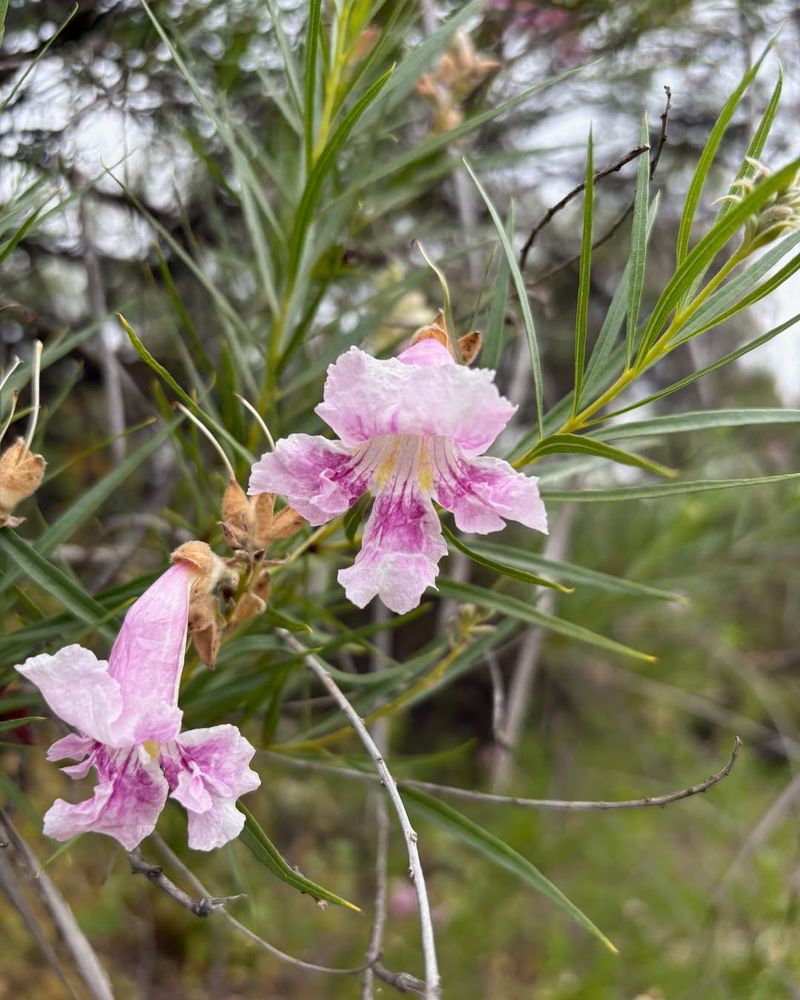
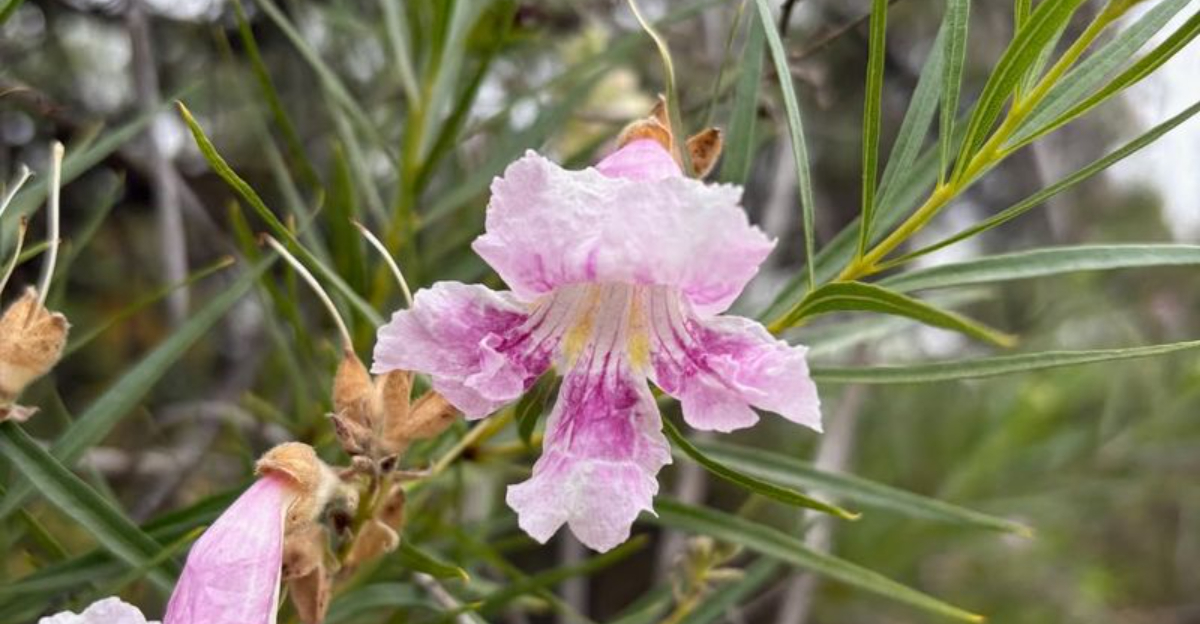
Despite its name, this tree is not actually a willow but rather a member of the trumpet vine family that produces some of the most beautiful and fragrant flowers you will find in Arizona.
Orchid-like blooms in shades of pink, purple, white, or burgundy appear from late spring through fall, each one releasing a light, sweet perfume that reminds many people of violets.
The narrow leaves create dappled shade perfect for relaxing underneath during hot summer afternoons.
Desert willow grows quickly for a tree, reaching 15 to 25 feet tall with an irregular, artistic shape that adds character to any landscape. It naturally drops its leaves in winter, which some people appreciate because it allows more sunlight to reach the house during cooler months.
The seedpods that follow the flowers look interesting but can create some cleanup work if that bothers you.
This tree handles extreme heat and drought with grace once established, though occasional deep watering during the hottest months helps it bloom more prolifically. Plant it where you will enjoy the fragrance, perhaps near a bedroom window or outdoor seating area.
Desert willow works beautifully as a focal point in xeriscape designs and attracts hummingbirds who cannot resist those trumpet-shaped flowers throughout the blooming season.
5. Sweet Acacia
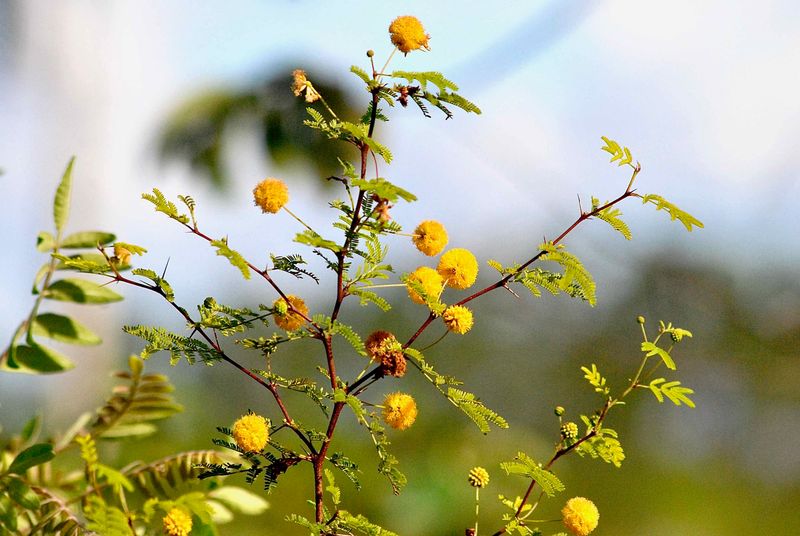
When sweet acacia blooms in late winter and early spring, the entire neighborhood knows it because the fragrance carries on the breeze like nature’s own perfume factory.
Tiny golden pompom flowers cluster along the branches, releasing a honey-vanilla scent so intense that one tree can perfume an entire yard.
This small tree or large shrub grows quickly, providing shade and beauty while handling Arizona’s toughest growing conditions without breaking a sweat.
The feathery foliage stays green year-round in warmer parts of Arizona, though it may drop leaves during cold snaps in higher elevations. Small thorns line the branches, so plant sweet acacia away from high-traffic areas where people might brush against it.
Birds love nesting in the dense canopy, and bees visit the flowers in droves to collect nectar for honey production.
Sweet acacia typically reaches 15 to 20 feet tall with an equal spread, creating a rounded canopy that casts welcome shade over patios and play areas. It grows in almost any soil type and tolerates drought, heat, and even some frost once established in the landscape.
Regular pruning helps control the size and shape while removing any branches that grow too close to walkways or structures in your Arizona backyard.
6. Lantana
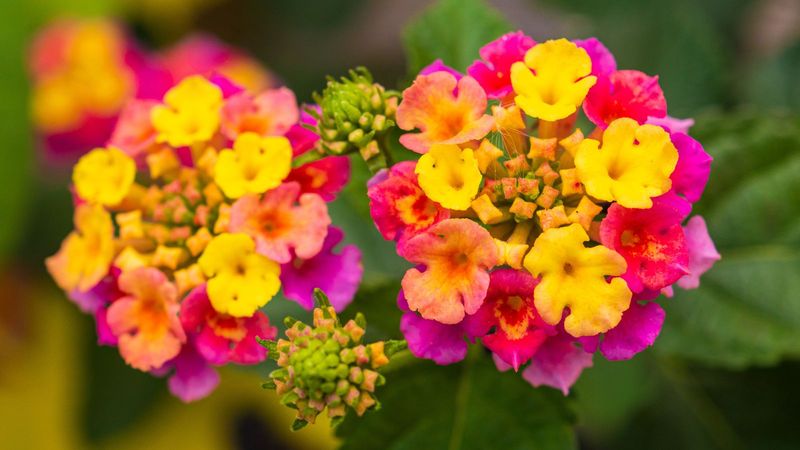
Few plants deliver as much bang for your buck as lantana, which blooms nonstop from spring through fall with clusters of tiny flowers that smell faintly sweet and fruity.
Available in nearly every color combination imaginable, from hot pinks and oranges to soft yellows and purples, lantana creates bold splashes of color that look stunning against Arizona’s earth-toned landscapes.
The leaves release a pungent, herbal scent when touched that some people love and others find too strong, so smell before you buy.
Butterflies treat blooming lantana like an all-you-can-eat buffet, visiting constantly throughout the day to sip nectar from the flowers. This plant handles reflected heat from walls and pavement like a champion, actually blooming better in those challenging spots than in cooler, shadier locations.
Lantana grows as a spreading groundcover or mounding shrub depending on the variety, with some types staying under a foot tall while others reach four feet.
Water established lantana once or twice a week during summer in Arizona, cutting back to every two weeks or less during cooler months. Deadheading spent flowers encourages more blooms, though the plant will keep flowering even if you never touch it.
Lantana may experience some frost damage in winter but typically bounces back quickly when warm weather returns to Arizona each spring.
7. Mexican Bird Of Paradise
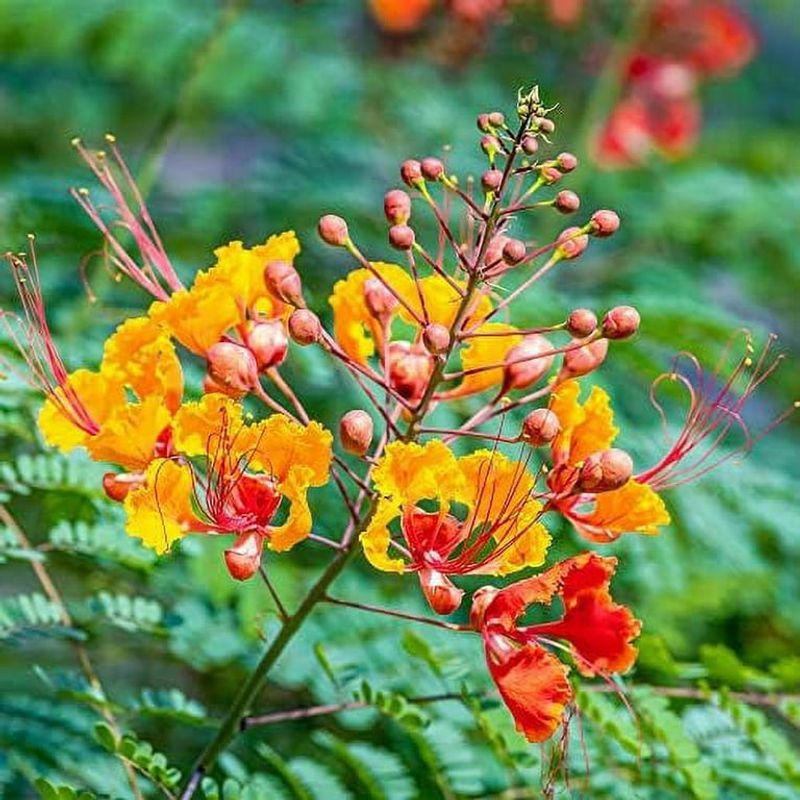
Imagine clusters of bright orange and red flowers with long red stamens that stick out like fireworks frozen in mid-explosion, and you have got a picture of Mexican bird of paradise in full bloom.
This large shrub or small tree blooms heavily from late spring through fall, with flowers that smell faintly sweet and attract hummingbirds like magnets.
The feathery foliage looks tropical and lush, creating a striking contrast to the typical desert plants found in most Arizona yards.
Mexican bird of paradise grows fast, reaching eight to twelve feet tall and wide within just a few years of planting. It works beautifully as a specimen plant, hedge, or screen to block unwanted views while adding serious curb appeal.
The plant produces long seedpods after flowering that some gardeners remove for a tidier appearance, though they do not create much mess if you prefer to leave them.
This tough plant laughs at temperatures over 115 degrees and keeps blooming when other plants are barely hanging on. Water it deeply once or twice a week during summer in Arizona, reducing frequency during cooler months when growth slows down.
Prune in late winter or early spring to control size and shape, cutting it back as much as you want since it regrows vigorously from even severe pruning.
8. Citrus Trees
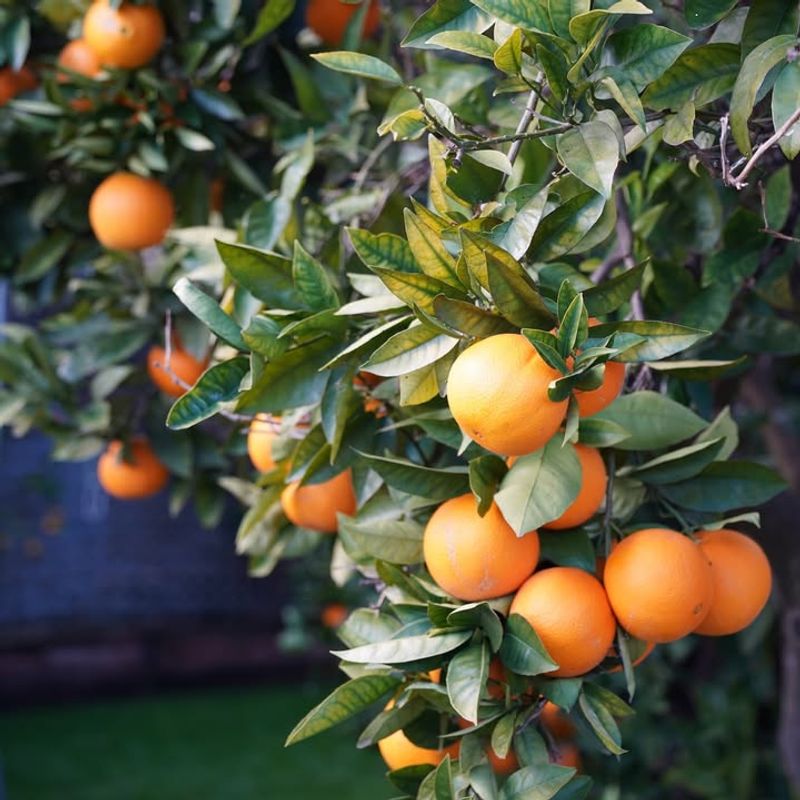
Nothing beats the heavenly perfume of citrus blossoms filling your Arizona backyard on a warm spring evening. Whether you choose orange, lemon, lime, or grapefruit, all citrus trees produce intensely fragrant white flowers that smell sweeter than any air freshener ever invented.
The bonus of growing citrus in Arizona is that you also get delicious fruit to harvest, making these trees both beautiful and productive additions to your landscape.
Citrus trees thrive in Arizona’s climate, especially in the warmer low desert areas where frost rarely threatens. They need regular water to produce quality fruit, so plan on irrigation two or three times per week during hot summer months.
The glossy evergreen leaves look attractive year-round, and the developing fruit adds color and interest long before it ripens.
Most citrus varieties grow 12 to 20 feet tall depending on the rootstock and pruning, though dwarf types stay smaller for container growing or tight spaces. Plant citrus in a location that receives full sun and has good drainage to prevent root problems.
Protect trees from occasional Arizona freezes by covering them with blankets or using frost cloth when temperatures threaten to drop below freezing overnight in winter months.
9. Trailing Rosemary
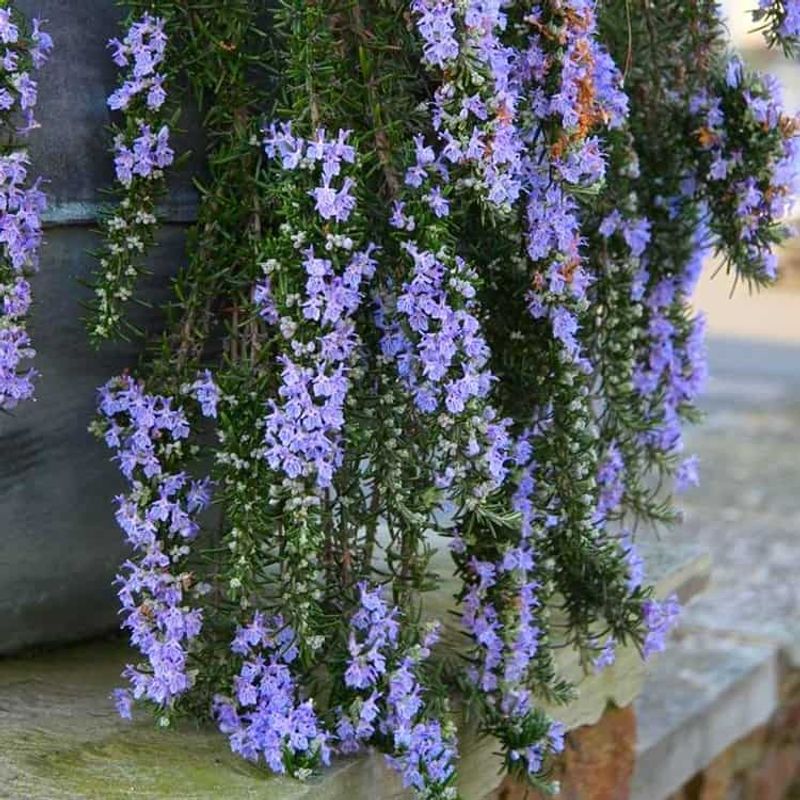
Picture a cascade of fragrant greenery tumbling over a wall or spilling from a large container, covered in delicate blue flowers that appear throughout the cooler months.
Trailing rosemary offers all the aromatic benefits of upright varieties but with a graceful, spreading growth habit that works beautifully in Arizona landscapes where vertical space is limited.
The scent is just as powerful as regular rosemary, releasing that distinctive piney-herbal fragrance whenever you brush against the foliage or simply walk nearby on a warm day.
This variety grows only six to twelve inches tall but can spread six feet or more, creating a living carpet that smells amazing and looks attractive year-round. Use it as a groundcover on slopes where erosion is a problem, or let it drape over retaining walls for a softening effect.
Like all rosemary, you can harvest it for cooking, adding fresh flavor to your meals while enjoying the scent in your Arizona garden.
Trailing rosemary handles heat and drought exceptionally well once established, needing only occasional deep watering during the hottest summer months. Plant it in full sun and well-draining soil, avoiding heavy clay that stays wet and causes root problems.
Trim back any stems that grow too long or start looking woody to encourage fresh, fragrant growth throughout the growing season.