Helpful Tips For Growing Tomatoes And Basil Together In Georgia
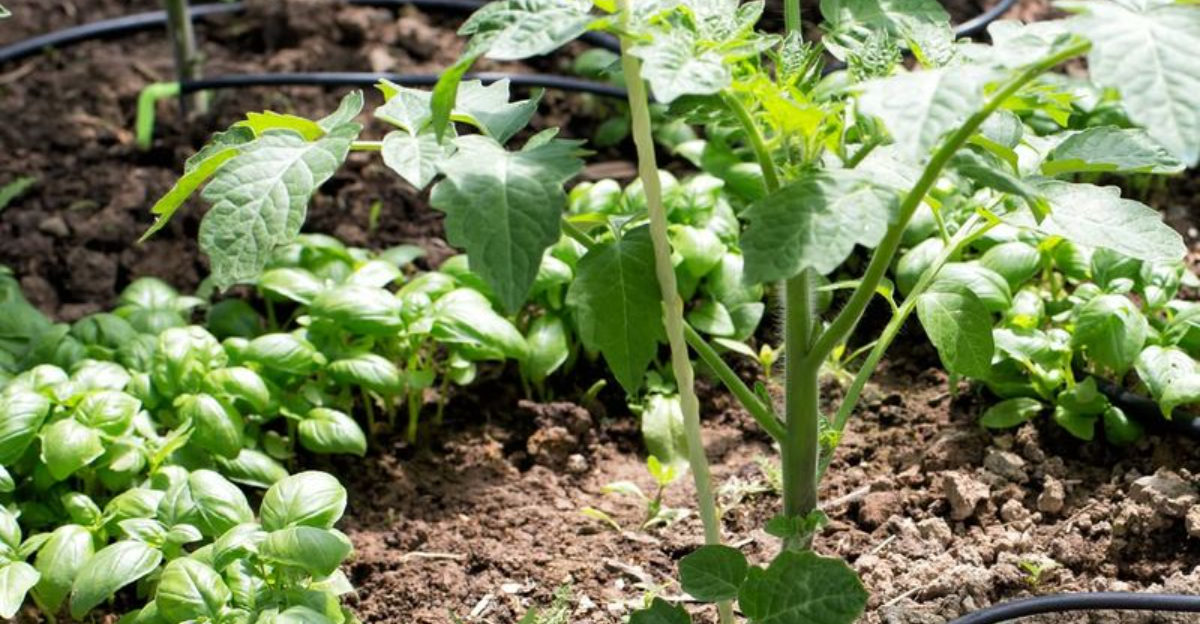
Growing tomatoes and basil together is a classic garden pairing, and in Georgia it can be especially successful.
The state’s warm temperatures, long growing season, and plenty of sunshine create ideal conditions for both plants to thrive side by side.
Tomatoes grow tall and love full sun, while basil stays lower, helping cover the soil and make better use of garden space. When planted thoughtfully, these two plants can support each other and grow more efficiently.
Georgia gardeners often choose this combination because it offers both beauty and real benefits. Basil’s strong scent can help discourage certain pests, while tomato plants provide light shade that protects basil during the hottest part of the day.
Tomatoes and basil are more than kitchen favorites; they are natural garden companions that grow better together. When paired correctly, they can improve flavor, save space, and make garden care feel easier.
Georgia’s climate makes this pairing even more rewarding with the right balance. Heat, humidity, and spacing all play a role in how well these plants perform.
Proper airflow, watering, and soil health help prevent common problems and keep plants productive. With a little planning, growing tomatoes and basil together can lead to a healthier garden and a more flavorful harvest all season long.
1. Choose The Right Planting Location With Full Sun Exposure
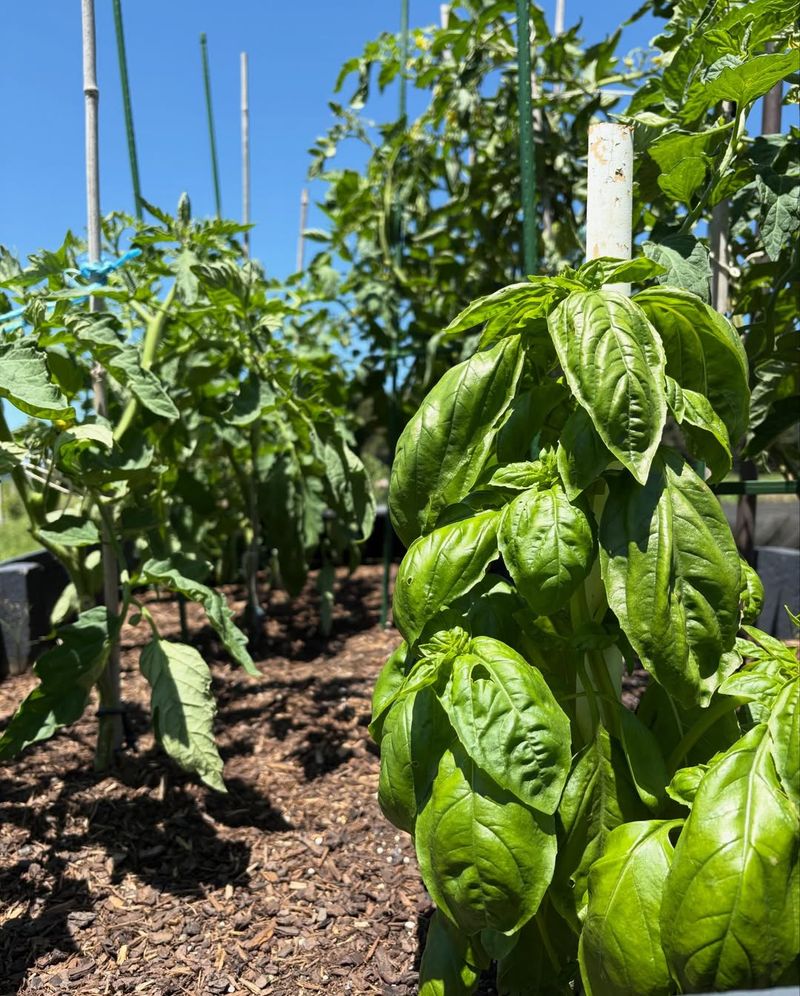
Both tomatoes and basil are sun-loving plants that need at least six to eight hours of direct sunlight each day to produce their best growth and flavor. In Georgia, finding a spot in your garden that gets plenty of morning and afternoon sun is essential for success.
Southern or western-facing areas typically receive the most consistent light throughout the day. Without enough sunlight, your tomato plants will grow tall and leggy while producing fewer fruits, and your basil will become sparse and less flavorful.
Georgia summers can be intense, but tomatoes and basil handle the heat well when they receive adequate water and nutrients. Avoid planting them in shaded areas under trees or near tall structures that block the sun.
If your garden space is limited, consider using containers that you can move around to follow the sun throughout the day.
Good air circulation is also important in Georgia’s humid climate to prevent fungal diseases like blight and mildew.
Space your plants properly and avoid overcrowding them in one area. A sunny spot with good airflow will keep your plants healthy and productive all season long.
When selecting your planting location, also consider proximity to a water source since both plants need consistent moisture during Georgia’s hot summer months. Easy access to a hose or watering can will make your gardening routine much simpler.
Choosing the right location from the start sets the foundation for a bountiful harvest of tomatoes and basil that will keep your kitchen stocked with fresh ingredients.
2. Prepare Rich, Well-Draining Soil Before Planting
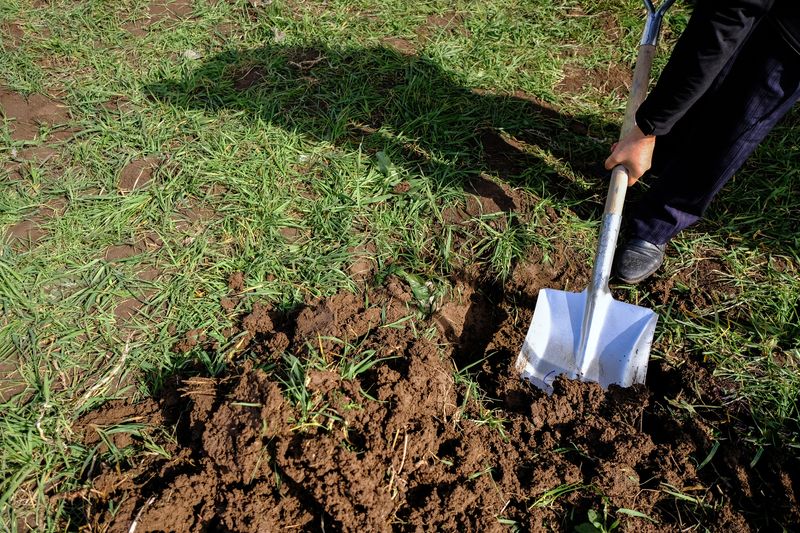
Healthy soil is the backbone of any successful garden, especially when growing tomatoes and basil together in Georgia. Both plants thrive in rich, loamy soil that drains well but still retains enough moisture to keep roots hydrated.
Georgia’s red clay soil can be challenging because it tends to compact easily and drain poorly, so amending it with organic matter is crucial.
Start by mixing in plenty of compost, aged manure, or peat moss to improve soil structure and add essential nutrients. This organic matter helps break up heavy clay and creates air pockets that allow roots to spread easily.
A soil pH between 6.0 and 6.8 is ideal for both tomatoes and basil, so consider testing your soil and adjusting it if needed. Adding a balanced organic fertilizer at planting time gives your plants a strong start.
Tomatoes are heavy feeders that need plenty of nitrogen, phosphorus, and potassium throughout the growing season. Basil also benefits from nutrient-rich soil, though it requires less feeding than tomatoes.
Good drainage is especially important in Georgia where summer thunderstorms can dump heavy rain in a short time. If water pools around your plants, roots can suffocate and fungal diseases can take hold quickly.
Raised beds or mounded rows work well in areas with poor drainage. Taking the time to prepare your soil properly before planting will reward you with vigorous growth, abundant harvests, and fewer problems throughout the season.
3. Plant Basil Around Tomatoes For Natural Pest Control
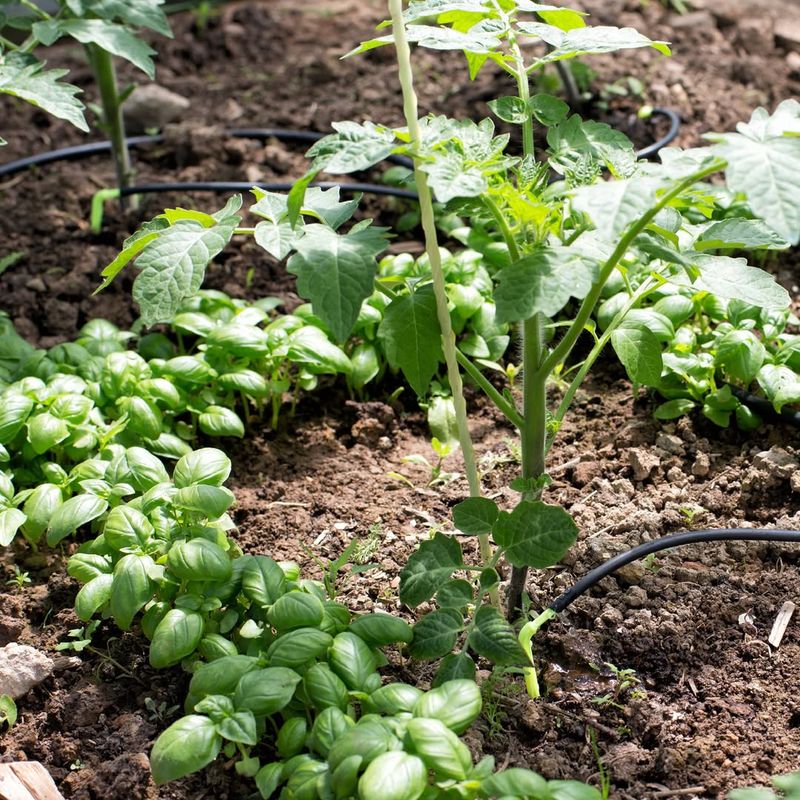
Companion planting is a time-tested gardening technique, and pairing basil with tomatoes is one of the most beneficial combinations you can use in your Georgia garden. Basil acts as a natural pest deterrent, helping to keep harmful insects away from your tomato plants.
The strong aromatic oils in basil leaves confuse and repel common tomato pests like aphids, whiteflies, and hornworms.
Plant basil seedlings or transplants in a circle around the base of each tomato plant, spacing them about six to eight inches away from the tomato stem. You can also alternate basil and tomato plants in rows if you prefer a different layout.
This arrangement allows the basil’s scent to create a protective barrier while both plants share the same growing conditions.
Beyond pest control, some gardeners believe that basil improves the flavor of tomatoes when grown nearby, though scientific evidence for this is limited.
What is certain is that both plants enjoy similar care requirements, making them easy to manage together in Georgia’s climate.
As your basil grows, pinch off the flower buds regularly to encourage bushier growth and more leaf production. This also keeps the plant focused on foliage rather than going to seed.
Harvesting basil frequently throughout the season benefits both the herb and your tomato plants by maintaining the pest-repelling aroma.
This simple companion planting strategy requires no extra effort but provides significant benefits, making your Georgia garden healthier and more productive with less need for chemical pest control methods.
4. Water Consistently And Deeply During Hot Georgia Summers
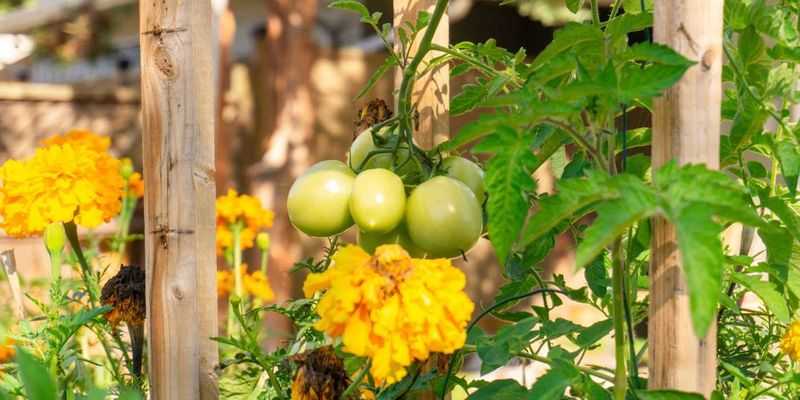
Consistent watering is absolutely critical when growing tomatoes and basil together in Georgia, especially during the long, hot summer months. Both plants need regular moisture to develop properly and produce abundant harvests.
Tomatoes require deep watering to encourage strong root systems that can access moisture and nutrients from deeper soil layers. Shallow watering leads to shallow roots that make plants more vulnerable during dry spells.
Aim to provide about one to two inches of water per week, either from rainfall or supplemental watering. During particularly hot or dry periods in Georgia, you may need to water more frequently.
Early morning is the best time to water because it allows foliage to dry before evening, reducing the risk of fungal diseases that thrive in humid conditions. Basil has slightly different water needs than tomatoes but still requires consistent moisture.
The herb prefers soil that stays evenly moist but not waterlogged. If basil dries out too much, the leaves will wilt and lose flavor, while overwatering can lead to root rot.
Drip irrigation or soaker hoses work wonderfully for tomatoes and basil because they deliver water directly to the root zone without wetting the foliage. This method is efficient and helps prevent disease problems common in Georgia’s humid climate.
Mulching around your plants with straw, shredded leaves, or wood chips helps retain soil moisture and keeps roots cooler during scorching summer days.
Consistent watering throughout the growing season ensures your tomatoes stay juicy and your basil remains lush and flavorful for all your cooking needs.
5. Mulch Heavily To Retain Moisture And Control Weeds
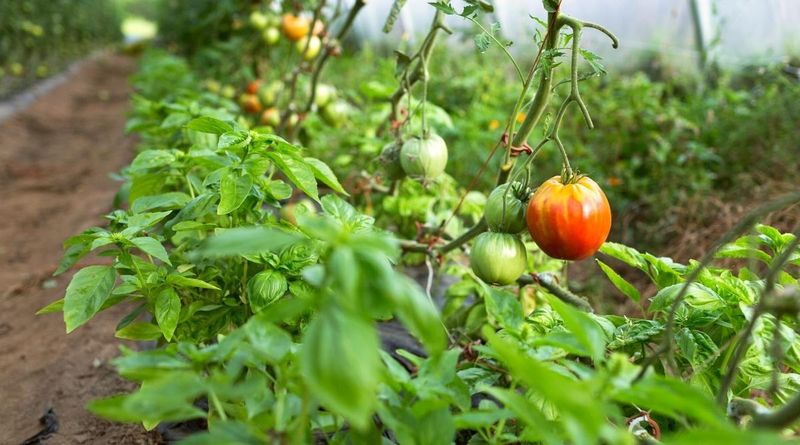
Applying a thick layer of organic mulch around your tomatoes and basil is one of the simplest yet most effective steps you can take in your Georgia garden. Mulch serves multiple purposes that directly benefit both plants throughout the growing season.
It helps retain soil moisture by reducing evaporation, which is especially important during Georgia’s hot and often dry summer months when water can quickly disappear from the soil surface.
A layer of mulch two to three inches deep also regulates soil temperature by keeping roots cooler during heat waves and warmer during cooler nights. This temperature stability promotes healthier root development and more consistent plant growth.
Straw, shredded leaves, grass clippings, and wood chips all make excellent mulch materials for tomato and basil beds.
Weeds compete with your plants for water, nutrients, and space, and they can quickly take over a garden bed if left unchecked.
Mulch creates a physical barrier that prevents weed seeds from germinating and makes any weeds that do appear much easier to pull. Less time spent weeding means more time enjoying your garden and harvesting fresh produce.
Organic mulches also break down over time, adding valuable organic matter and nutrients back into the soil. This improves soil structure and fertility naturally without requiring additional amendments.
When applying mulch, keep it a few inches away from the base of tomato stems and basil plants to prevent moisture buildup that could encourage rot or disease.
Properly mulched beds in Georgia gardens stay healthier, require less maintenance, and produce better yields of delicious tomatoes and fragrant basil.
6. Stake Tomatoes And Prune Regularly For Better Airflow
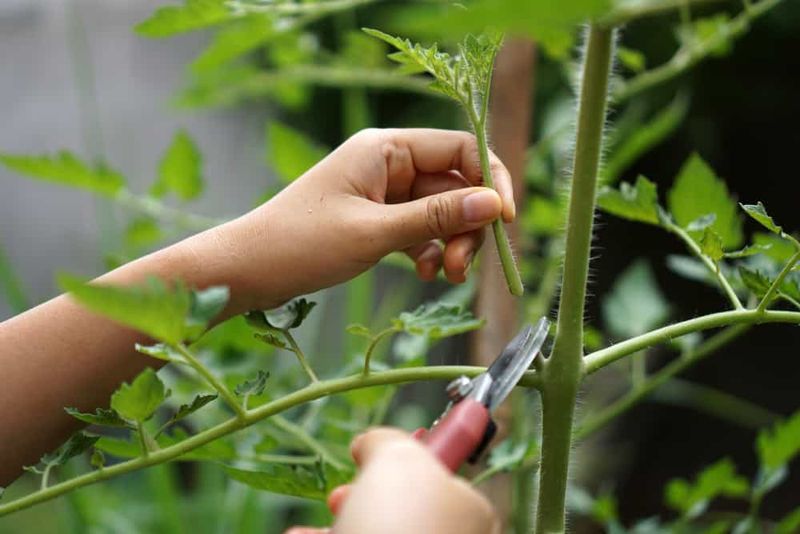
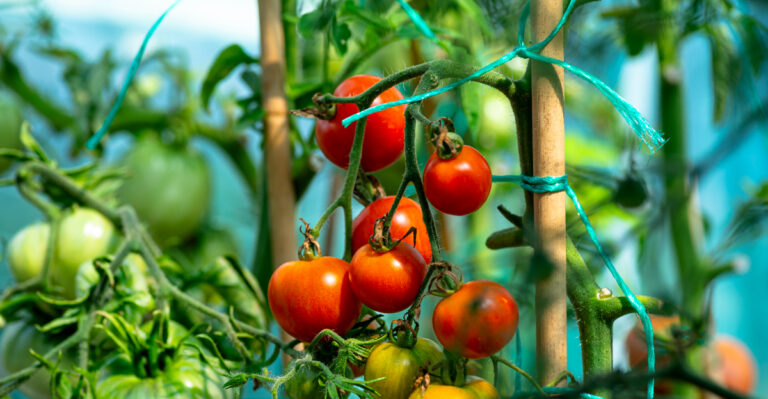
Supporting your tomato plants with stakes, cages, or trellises is essential for healthy growth and maximum production in Georgia gardens.
As tomato plants grow tall and heavy with fruit, they need sturdy support to keep branches off the ground and prevent breakage.
Staking also improves air circulation around the plants, which is crucial in Georgia’s humid climate where fungal diseases can spread rapidly.
Install stakes or cages at planting time to avoid disturbing roots later in the season. Drive stakes at least a foot into the ground and tie tomato stems loosely to the support using soft fabric strips or garden twine.
As plants grow, continue tying them at regular intervals to keep them upright and organized.
Pruning tomato plants by removing suckers, the small shoots that grow between the main stem and branches, helps direct energy toward fruit production rather than excessive foliage. This practice also improves airflow and light penetration, reducing the risk of disease.
While basil does not need staking, pinching off the top growth and flower buds encourages bushier plants with more leaves to harvest.
Better airflow around your tomato and basil plants helps foliage dry quickly after rain or watering, which is important for preventing blight, mildew, and other moisture-related problems common in Georgia.
Proper staking and pruning make it easier to harvest ripe tomatoes and fresh basil leaves without damaging plants.
These simple maintenance tasks throughout the growing season result in healthier plants, higher yields, and fewer disease issues, giving you more delicious produce to enjoy from your Georgia garden.
7. Monitor For Pests And Diseases Common In Georgia’s Climate
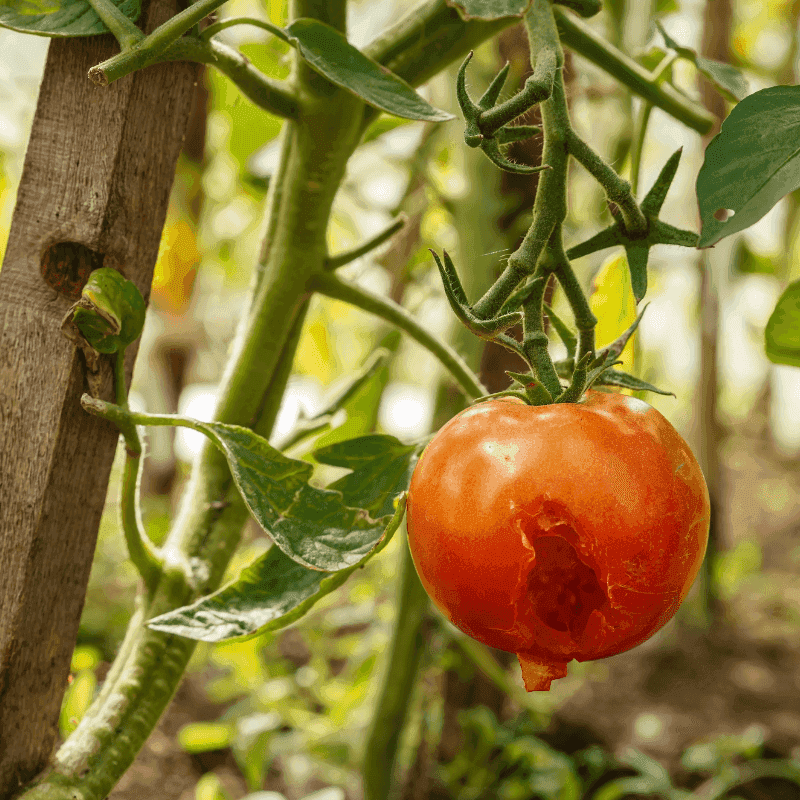
Georgia’s warm and humid climate creates ideal conditions for various pests and diseases that can affect tomatoes and basil. Staying vigilant and checking your plants regularly helps you catch problems early before they become serious.
Common tomato pests in Georgia include hornworms, aphids, whiteflies, and spider mites, while basil can attract aphids, Japanese beetles, and slugs.
Inspect the undersides of leaves, stems, and fruit regularly for signs of insect damage or disease. Hornworms can strip a tomato plant quickly, but they are large and easy to spot if you look carefully.
Hand-picking pests off your plants is an effective and chemical-free control method that works well for home gardens.
Fungal diseases like early blight, late blight, and powdery mildew are common in Georgia due to high humidity and frequent rain. These diseases often appear as spots on leaves, wilting, or white powdery coating on foliage.
Remove and dispose of any infected leaves immediately to prevent spread, and avoid overhead watering that keeps foliage wet for extended periods.
Companion planting basil with tomatoes helps reduce pest pressure naturally, but you may still need to take additional steps if infestations occur. Organic solutions like neem oil, insecticidal soap, or homemade garlic spray can control pests without harming beneficial insects.
Maintaining good garden hygiene by removing plant debris and rotating crops each year also helps prevent disease buildup in the soil.
Regular monitoring and quick action keep your Georgia tomato and basil plants healthy and productive throughout the entire growing season.