4 Herbs Arizona Gardeners Can Plant In March And 4 That Need Warmer Soil
March in Arizona often feels like the perfect moment to start planting herbs. The weather is comfortable, the sun is steady, and garden beds begin looking ready for something fresh and useful.
Many gardeners start reaching for their favorite herbs as soon as the season begins to shift.
Still, early spring soil can be unpredictable.
Some herbs handle these cooler conditions easily and begin settling in right away. Others are far less patient and prefer the ground to warm up before they start growing properly.
When planted too early, these heat-loving herbs can sit in the soil without doing much at all.
A little timing can make a noticeable difference with herbs in Arizona. Planting the right ones in March can lead to steady growth, while waiting a bit longer with others helps them establish faster once real warmth settles into the soil.
1. Cilantro Germinates Well In Cool Early Spring Soil
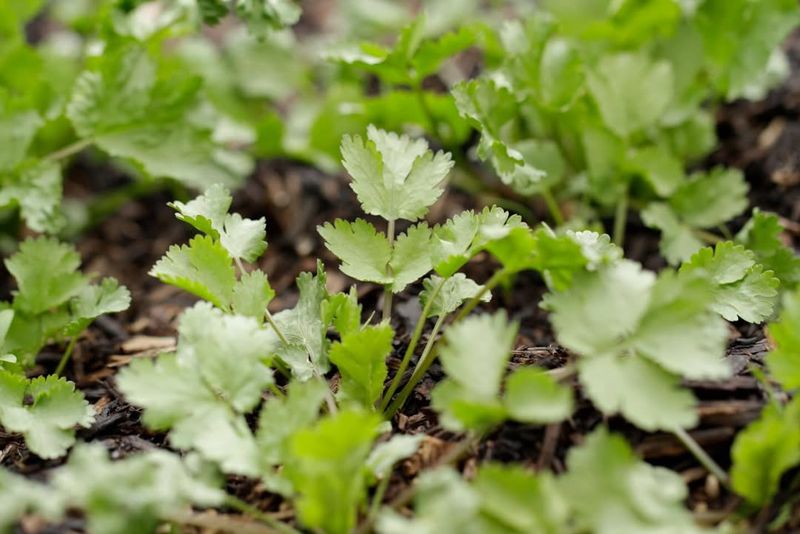
Cilantro actually prefers cooler temperatures and will bolt faster than you can say salsa when Arizona heat arrives. March gives you the perfect window to get seeds in the ground before temperatures climb too high.
The soil doesn’t need to be warm for cilantro; in fact, it germinates better when things are still on the cool side.
Direct sowing works best for this herb because it develops a taproot that doesn’t transplant well. Scatter seeds about a quarter inch deep in loose soil and water gently.
You’ll see sprouts popping up within a week or two if soil stays consistently moist. Arizona’s dry air means you’ll need to water more frequently than gardeners in humid climates.
Plan to harvest cilantro leaves before May hits and temperatures soar into the 90s. When flower stalks start forming, the leaves turn bitter and lose their signature flavor.
Some Arizona gardeners plant cilantro every two weeks through March to extend their harvest window. The seeds, called coriander, can be collected once flower heads dry out.
Growing cilantro in partial shade helps extend the season slightly, especially if you’re in the lower desert regions around Phoenix or Tucson. Morning sun with afternoon protection gives plants a fighting chance against Arizona’s intense light.
Sandy soil amended with compost provides the drainage cilantro needs while holding enough moisture to keep roots happy during our dry springs.
2. Parsley Handles Cool Soil And Early Planting
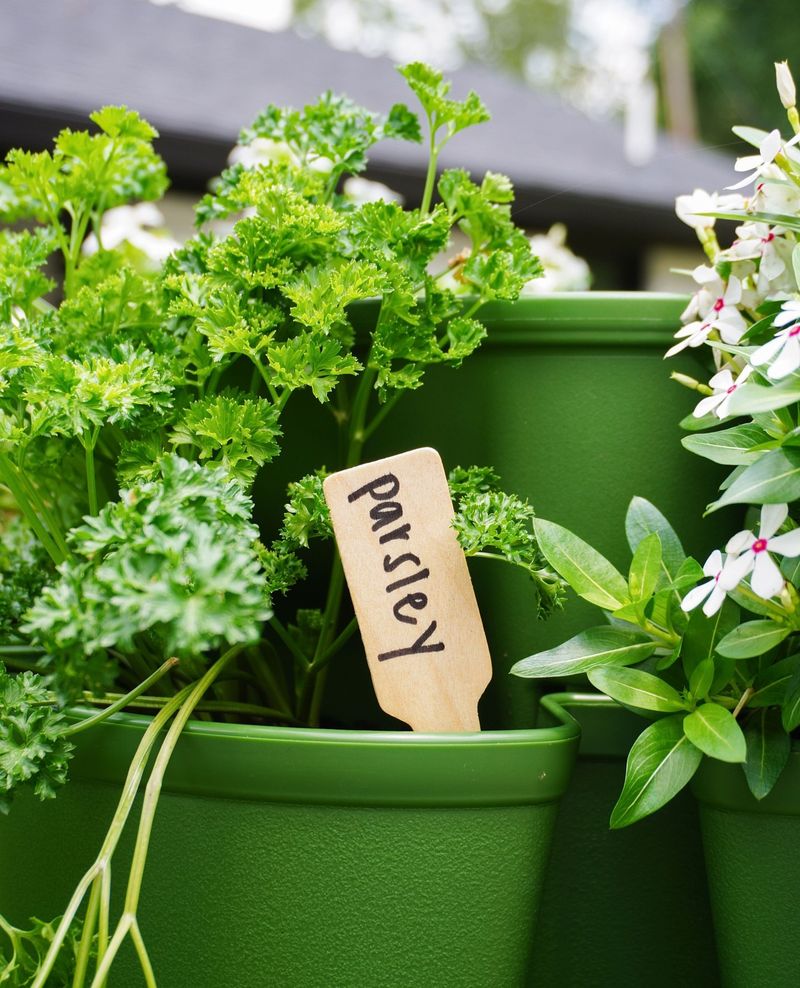
Parsley seeds take their sweet time germinating, sometimes up to three weeks, so getting them started in March makes sense for Arizona gardens. Cool soil doesn’t bother parsley one bit.
Seeds will sprout when soil temperatures hover around 50 degrees, which is typical for Arizona mornings in early spring.
Soaking seeds overnight before planting can speed up germination. Drop them in lukewarm water the evening before you plan to sow, then drain and plant the next morning.
Plant seeds about half an inch deep and keep the soil surface from drying out completely. A thin layer of mulch helps retain moisture without blocking tiny seedlings from pushing through.
Both curly and flat-leaf varieties grow well here, though flat-leaf parsley tends to have stronger flavor. Plants develop slowly at first, putting energy into root systems before producing lots of foliage.
By late spring, you’ll have bushy plants ready for regular harvesting. Cut outer stems first, leaving the center growth point intact so plants keep producing.
Parsley tolerates Arizona’s spring temperature swings better than many herbs. It can handle light frost and won’t immediately bolt when temperatures warm up.
This makes it more forgiving than cilantro for gardeners still learning Arizona’s quirky spring weather patterns. Plants often continue producing through early summer if given afternoon shade and consistent water.
3. Chives Start Growing Easily In Mild Spring Conditions
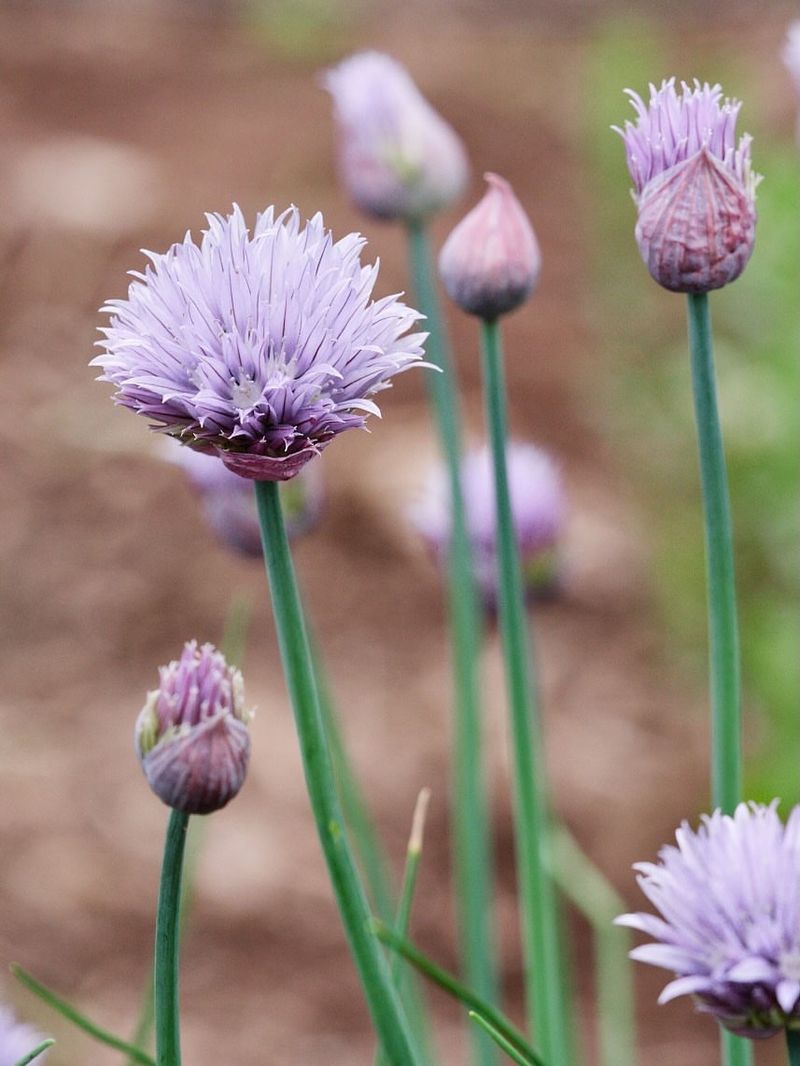
Chives pop up reliably in March without fussing over soil temperature. These onion relatives tolerate cool ground and actually prefer getting established before Arizona heat becomes oppressive.
Starting them now gives plants time to develop strong root systems before summer stress arrives.
You can plant chive seeds or divide existing clumps if you already have them growing. Seeds take longer but cost less, while divisions give you harvestable chives within weeks.
Plant seeds about a quarter inch deep in clusters rather than rows. Chives grow in grass-like clumps, so grouping seeds together creates fuller-looking plants faster.
Watering requirements stay moderate through spring, though you’ll need to increase frequency as temperatures rise. Chives aren’t as drought-tolerant as some herbs and will stop producing if soil gets too dry.
Their hollow, tubular leaves make great additions to eggs, potatoes, and cream cheese. Snip leaves from the outside of clumps, leaving at least two inches of growth so plants recover quickly.
Purple pom-pom flowers appear in late spring and are completely edible with a mild onion flavor. Some gardeners remove flowers to encourage more leaf production, while others leave them for pollinators.
In Arizona gardens, chives often go dormant during the hottest summer months, then bounce back when fall temperatures moderate. They’re practically indestructible and will return year after year with minimal care.
4. Dill Sprouts Well Before Soil Fully Warms
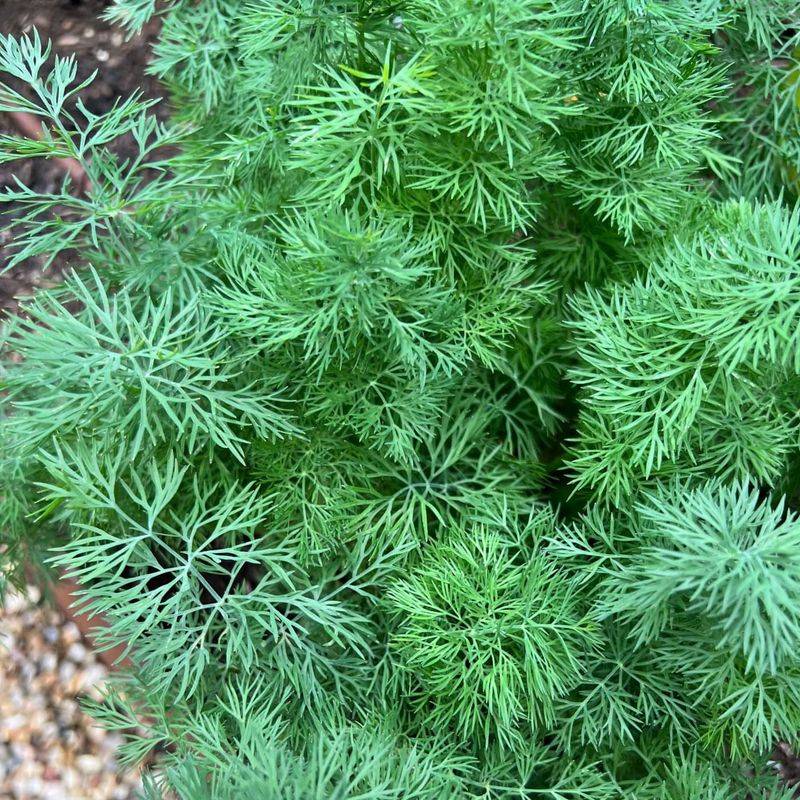
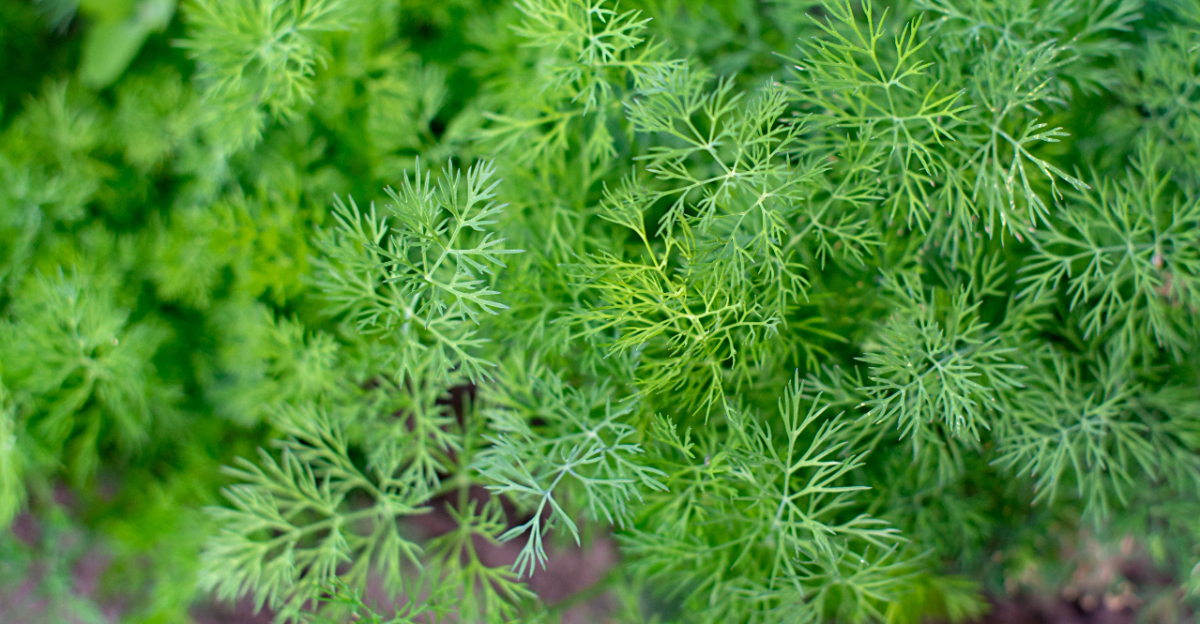
Dill seeds germinate happily in cool Arizona soil, making March an ideal planting time. This herb actually struggles in extreme heat, so getting it established early extends your harvest window before summer arrives.
Seeds sprout quickly, usually within a week if soil stays moist and temperatures are moderate.
Plant dill seeds directly where you want them to grow since the taproot doesn’t transplant well. Scatter seeds thinly and cover with just a dusting of soil.
Dill seedlings look delicate but grow surprisingly fast when conditions suit them. Thin seedlings to about six inches apart once they’re a few inches tall.
Those thinnings make excellent additions to salads or fish dishes.
Arizona’s dry climate means dill needs regular watering, especially as plants grow taller. Feathery foliage dries out quickly in low humidity, and stressed plants bolt prematurely.
Harvest leaves frequently to encourage bushier growth and delay flowering. Once flower heads form, leaf production slows down, though the flowers and seeds have their own culinary uses.
Growing dill in partial shade helps combat Arizona’s intense sun. Plants that get afternoon protection produce more foliage and bolt later than those in full sun all day.
Dill makes an excellent companion plant for tomatoes and cabbage family crops. Its flowers attract beneficial insects that help control garden pests naturally throughout the growing season.
5. Basil Needs Warm Soil Before Planting
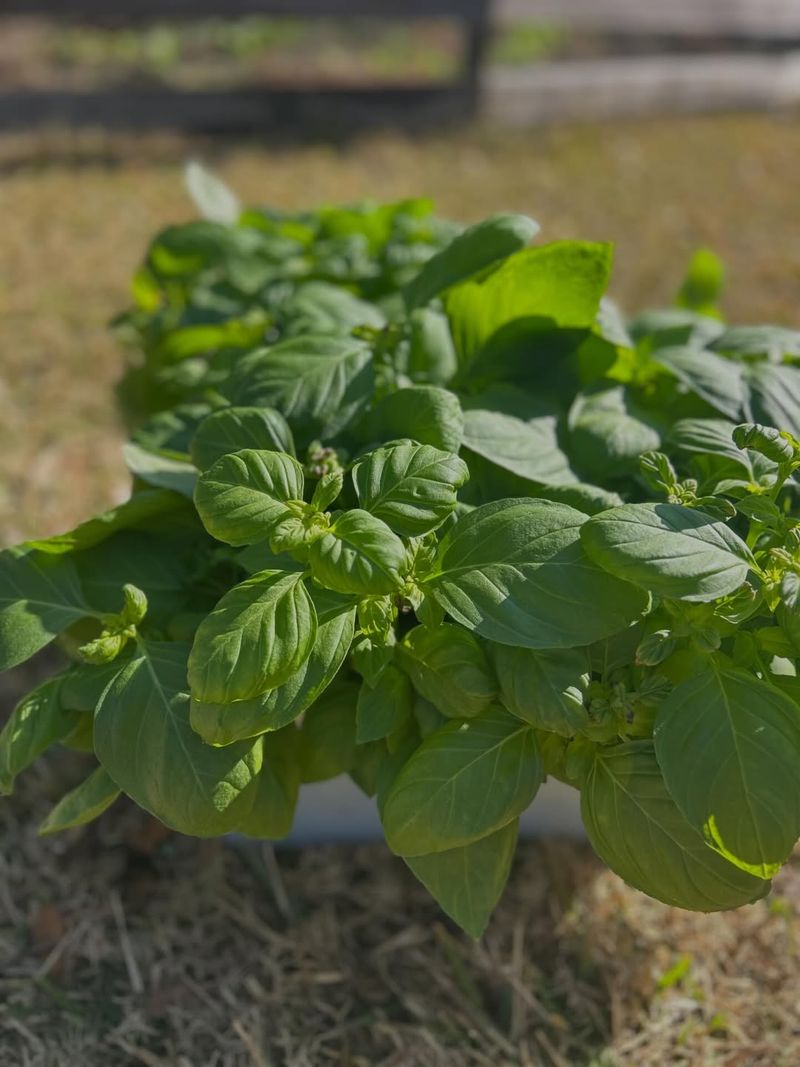
Basil refuses to cooperate if you rush it into cool soil. Seeds just sit there doing nothing, sometimes rotting before they sprout.
Transplants sulk and turn yellow, growing painfully slowly if at all. Wait until soil temperatures consistently reach at least 60 degrees, which usually happens in late March or early April across most Arizona growing zones.
Check soil temperature with a simple thermometer pushed a few inches into the ground. Take readings in the morning for the most accurate assessment.
Even if air temperatures feel warm, soil takes longer to heat up, especially if you’ve been watering regularly. Impatient gardeners who plant too early end up wasting seeds and time.
Basil transforms into a powerhouse once conditions are right. Plants grow rapidly in Arizona’s warmth, producing abundant leaves perfect for pesto, caprese salads, and countless other dishes.
Pinch growing tips regularly to encourage bushier growth and prevent flowering. Each time you pinch, the plant develops two new branches, effectively doubling your harvest potential.
Different basil varieties offer unique flavors worth exploring. Sweet basil works for Italian dishes, while Thai basil brings anise notes to Asian cooking.
Lemon basil adds citrus brightness, and purple basil provides stunning color contrast in the garden. All varieties need warm soil to thrive, so resist the urge to plant before conditions are right.
Arizona’s long growing season gives you plenty of time to grow massive basil plants if you start them properly.
6. Lemongrass Requires Heat To Establish Well
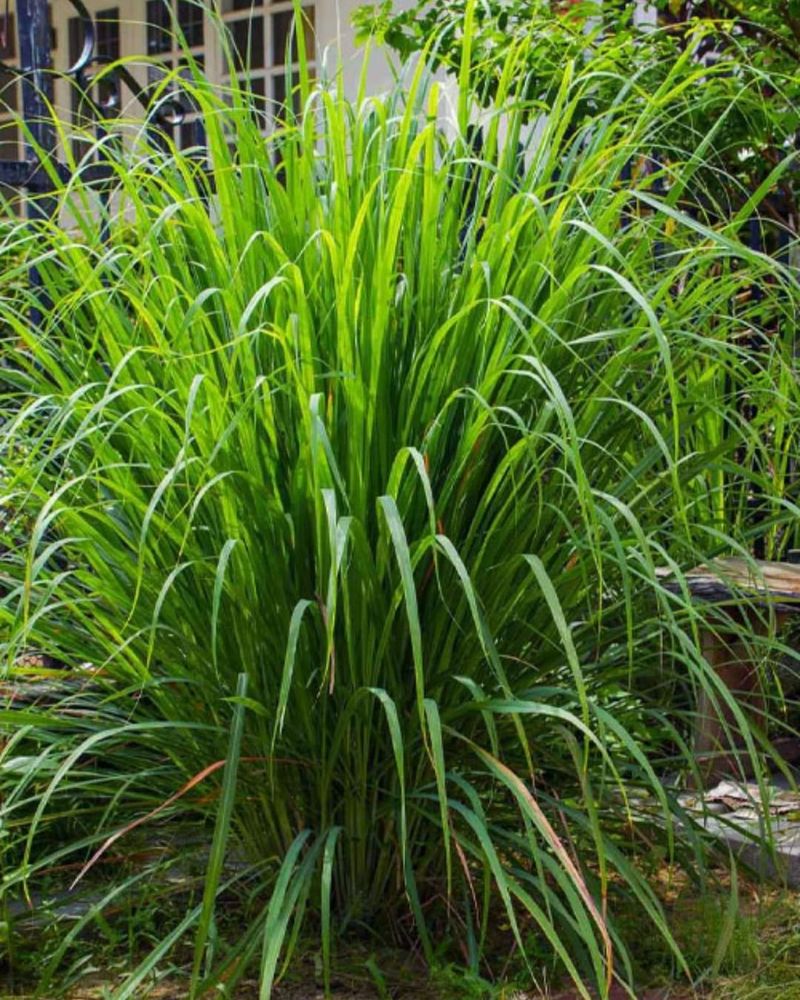
Lemongrass is a tropical plant that absolutely refuses to grow in cool soil. This grass-like herb needs consistently warm temperatures both in the air and underground before it begins establishing roots.
In Arizona, that means waiting until late March at the earliest, and even then, only in the warmest microclimates and lower elevation areas.
Most gardeners have better success starting lemongrass from divisions or transplants rather than seeds. Fresh stalks from the grocery store sometimes root if placed in water, then can be planted once soil is thoroughly warm.
Plant divisions or transplants in full sun with rich, well-draining soil amended with plenty of compost. Space plants at least two feet apart since they form large clumps over time.
Water requirements are high, especially during establishment. Lemongrass comes from humid tropical regions and struggles with Arizona’s dry air.
Consistent moisture helps plants adjust to our climate, though mature clumps become somewhat drought-tolerant. Mulching around plants helps retain soil moisture and keeps roots cooler during peak summer heat.
Harvest outer stalks by cutting them near ground level once plants are well-established and producing multiple stems. The lower white and pale green portions contain the most flavor and are used in Asian cooking.
Leaves can be dried for tea, though they’re tough and fibrous when fresh. In Arizona, lemongrass often grows as a perennial in warmer zones but may need protection or indoor overwintering in higher elevations where frost occurs.
7. Mexican Tarragon Grows Best Once Soil Warms
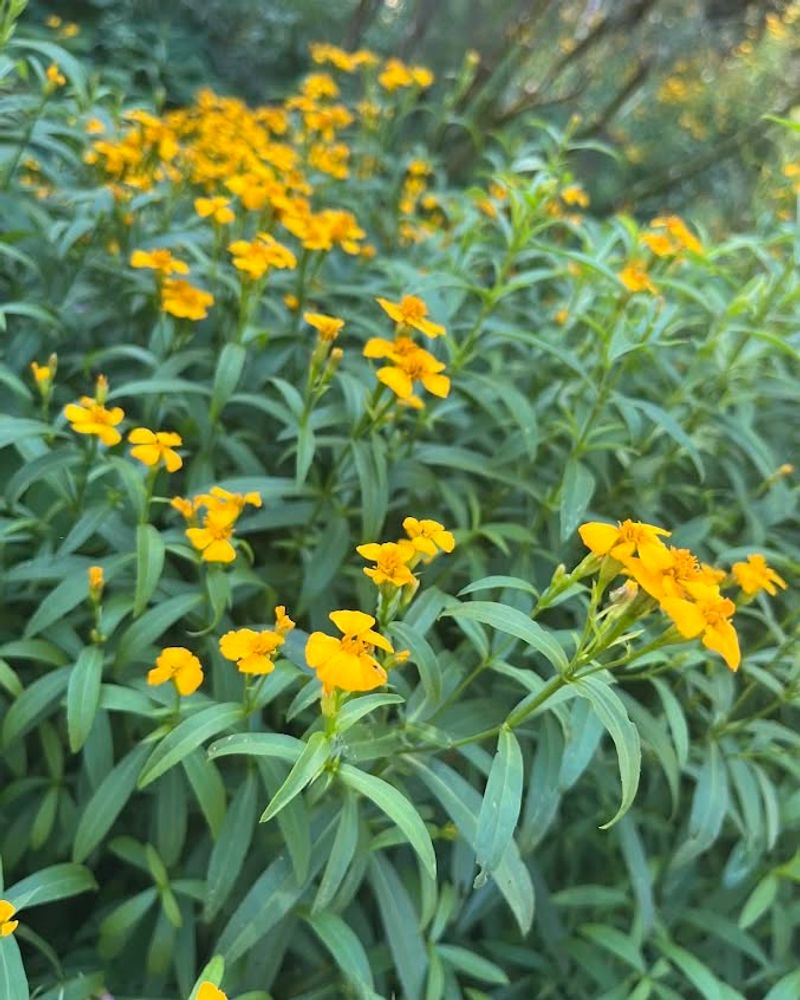
Mexican tarragon, also called Mexican mint marigold, needs warm soil to wake up and start growing. This perennial herb often looks completely lifeless in early spring, with no signs of growth above ground.
Gardeners sometimes think their plants have perished over winter, but patience pays off. Wait until soil temperatures climb into the 60s, and new shoots emerge seemingly overnight.
If you’re planting Mexican tarragon for the first time, hold off until late March or April when soil has thoroughly warmed. Transplants planted in cool soil just sit there looking miserable, making no progress for weeks.
Seeds are difficult to find and germinate slowly, so most gardeners start with nursery transplants or divisions from established plants.
Mexican tarragon excels in Arizona gardens because it tolerates heat that would wilt French tarragon. The flavor is similar with anise notes perfect for chicken, fish, and egg dishes.
Plants grow into substantial bushes reaching three feet tall and wide by late summer. Bright yellow flowers appear in fall, attracting butterflies and other beneficial insects when many other plants have stopped blooming.
Harvest leaves anytime after plants are established and growing vigorously. Regular harvesting keeps plants bushy and productive.
Mexican tarragon is remarkably low-maintenance for Arizona gardens, requiring only occasional deep watering once established. Plants go dormant in winter, dying back to the ground, then return reliably each spring when temperatures warm up.
This makes it a valuable perennial addition to herb gardens across Arizona’s diverse climate zones.
8. Thai Basil Struggles In Cool Spring Soil
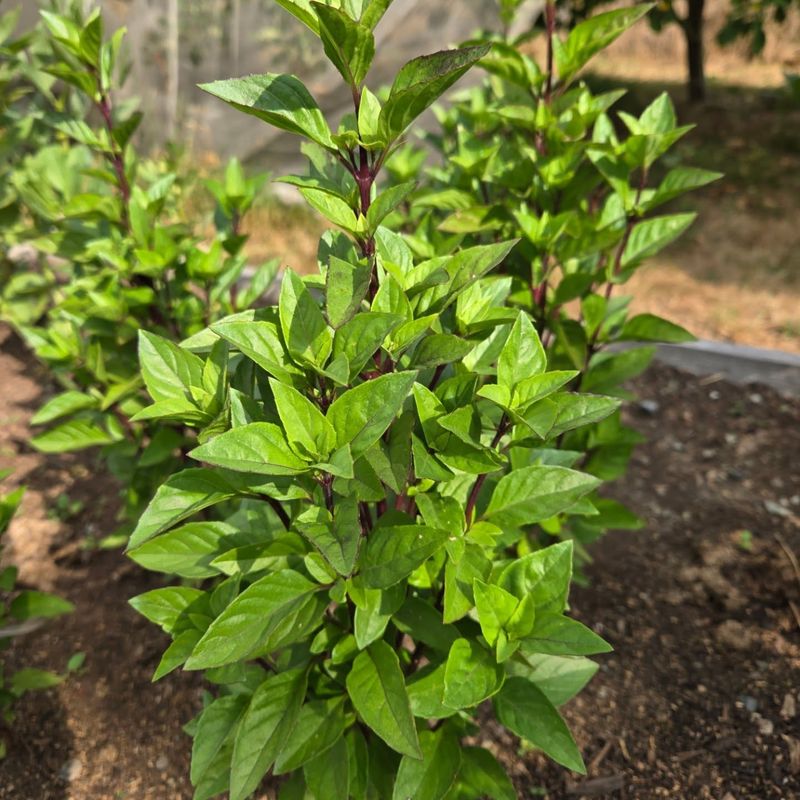
Thai basil demands even warmer conditions than regular sweet basil. This variety, with its distinctive anise flavor and purple-tinged stems, will simply refuse to grow if planted too early.
Soil temperatures need to reach the mid-60s consistently before Thai basil shows any real growth. In most Arizona locations, this means waiting until the very end of March or even into April.
Cold soil stress shows up as purple-tinged leaves and stunted growth that plants never quite overcome. Even if they eventually start growing, they’ll lag behind properly-timed plantings by weeks.
Thai basil transplants are particularly sensitive, often experiencing shock if moved into cool ground. Starting seeds indoors and transplanting after soil warms works better than direct seeding.
Once established in warm soil, Thai basil becomes incredibly productive in Arizona gardens. Plants tolerate heat better than sweet basil and keep producing through summer if given adequate water.
The flowers are edible and beautiful, attracting pollinators while adding visual interest. Unlike sweet basil, many gardeners let Thai basil flower because the blooms enhance the plant’s appearance without drastically affecting leaf flavor.
Harvest leaves regularly by pinching stem tips, which encourages branching and fuller plants. Thai basil’s sturdy stems and leaves hold up better in Arizona heat than more delicate sweet basil varieties.
Plants often reach two feet tall or more by midsummer, providing abundant harvests for stir-fries, curries, and fresh spring rolls throughout the growing season.