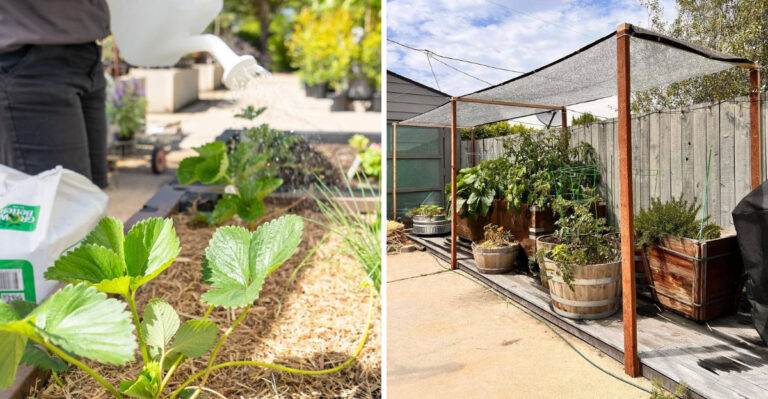
9 Herbs Arizona Homeowners Use To Bring Butterflies Into Their Yards
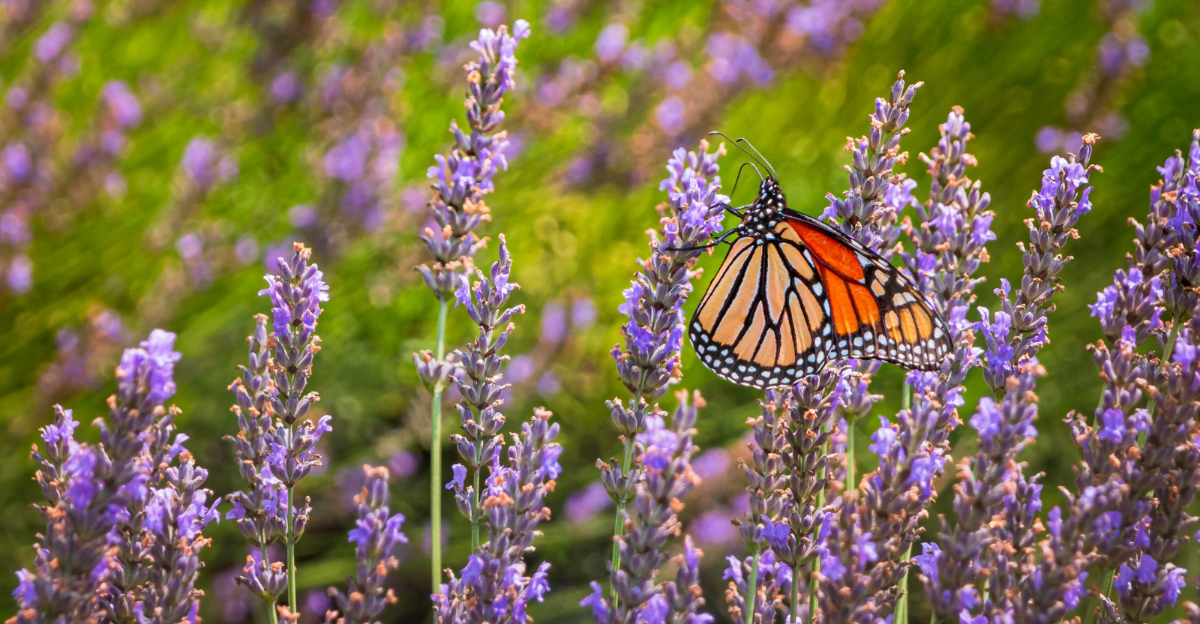
Ever wish your Arizona yard felt a little more alive instead of quiet and still?
That thought crosses many homeowners’ minds, especially when outdoor spaces look healthy but somehow lack movement.
In Arizona, small planting choices can completely change how a yard feels without requiring a full redesign.
Herbs are becoming a popular option because they fit easily into existing gardens while serving more than one purpose.
Beyond being useful, certain herbs quietly create the kind of environment that draws attention from passing butterflies.
These plants don’t need dramatic setups or constant care to make an impact.
What makes them appealing is how naturally they blend into Arizona yards while encouraging more activity.
Butterflies tend to notice the right plants faster than people expect. When they do, the yard starts to feel different in a subtle but meaningful way.
Knowing which herbs create that effect can change how you see your outdoor space.
1. Dill
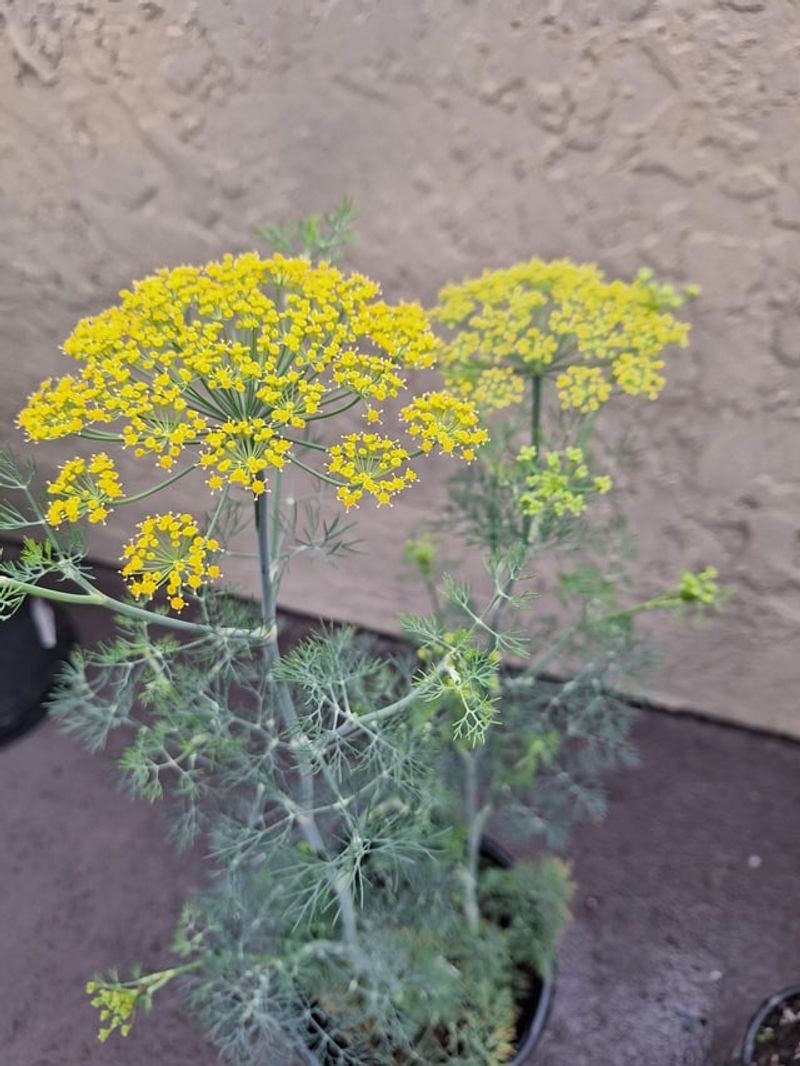
Feathery green foliage makes this herb instantly recognizable in any garden bed. Its delicate appearance hides a tougher side that handles Arizona’s intense sunlight surprisingly well.
Gardeners across the state plant it knowing butterflies will arrive within days of the first yellow blooms opening.
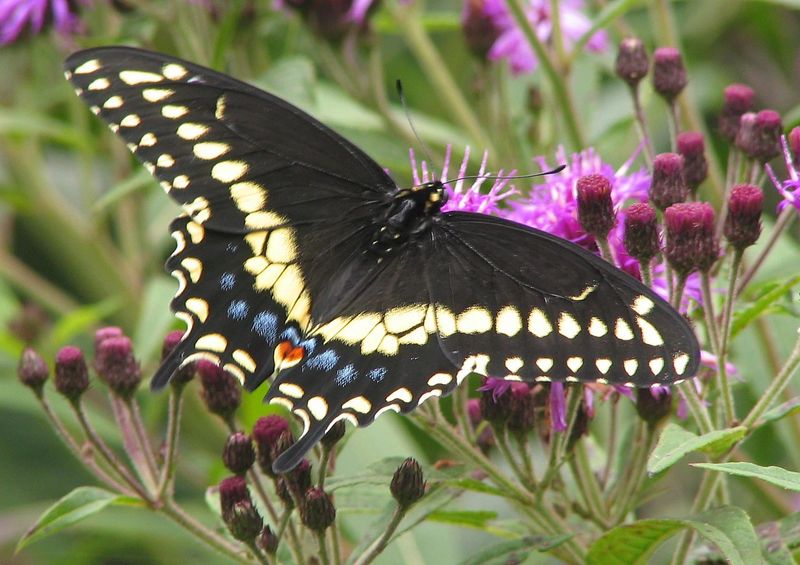
Swallowtail butterflies particularly love using dill as a host plant for their caterpillars. Black swallowtails lay eggs directly on the stems and leaves.
Watching striped caterpillars munch away might seem alarming at first, but it’s exactly what you want if butterfly conservation matters to you.
Growing dill in Arizona requires consistent watering during summer months. Morning irrigation works best since it gives plants time to absorb moisture before afternoon heat peaks.
Afternoon shade helps too, especially in Phoenix and Tucson where temperatures regularly exceed 100 degrees.
Clusters of tiny yellow flowers appear in umbrella-shaped formations called umbels. These blooms produce abundant nectar that adult butterflies sip throughout the day.
Bees and beneficial insects also visit frequently, creating a lively ecosystem in your yard.
Fresh dill enhances many recipes, from pickles to salmon dishes. You can harvest leaves without harming the plant’s ability to support butterflies.
Just leave enough foliage for caterpillars and enough flowers for nectar-seeking adults.
Container gardening works well for dill if your yard space feels limited. Large pots placed on patios or balconies still attract butterflies effectively.
Arizona homeowners with small urban spaces find this option particularly practical.
Seeds germinate quickly when planted directly in garden soil. Spring and fall planting times yield the best results across Arizona.
Summer heat can stress young seedlings, so starting early or late in the season improves success rates.
Companion planting with tomatoes and lettuce creates a productive vegetable garden. Dill’s tall stems provide light shade for shorter plants during intense midday sun.
This arrangement benefits your entire garden while supporting local butterfly populations.
2. Fennel
Tall stalks reaching four to six feet make fennel a dramatic addition to Arizona landscapes. Its feathery texture resembles dill but grows much larger and more architectural.
Homeowners appreciate how it creates vertical interest while serving as a butterfly magnet.
Anise-flavored leaves and seeds make fennel valuable in the kitchen. Bronze and green varieties both attract butterflies equally well.
Arizona gardeners often choose bronze fennel for its striking copper-colored foliage that contrasts beautifully with desert surroundings.
Swallowtail caterpillars devour fennel leaves with remarkable enthusiasm. A single plant can support multiple caterpillars through their entire life cycle.
Don’t worry about the plant being completely stripped—fennel regrows quickly and tolerates heavy feeding.
Yellow flower clusters bloom in summer, providing nectar when many other plants struggle in Arizona heat. Butterflies congregate on these blooms during morning hours when temperatures are more comfortable.
Painted ladies, swallowtails, and sulfur butterflies all visit regularly.
Deep taproots help fennel survive drought conditions common across Arizona. Once established, it needs minimal supplemental watering.
This drought tolerance makes it perfect for water-conscious homeowners who still want vibrant butterfly activity.
Self-seeding behavior means fennel returns year after year without replanting. Some gardeners consider this aggressive spreading, so plant it where volunteers won’t become problematic.
Arizona’s dry climate actually helps control unwanted spreading compared to wetter regions.
Full sun exposure produces the healthiest plants and most abundant blooms. Fennel tolerates poor soil better than many herbs, thriving even in Arizona’s alkaline conditions.
Adding compost at planting time still improves growth and flowering.
Harvesting seeds for cooking doesn’t reduce the plant’s butterfly appeal. Seeds form after flowers fade, so butterflies have already benefited from the nectar.
Leaving some seed heads intact provides food for birds while ensuring natural reseeding.
3. Parsley
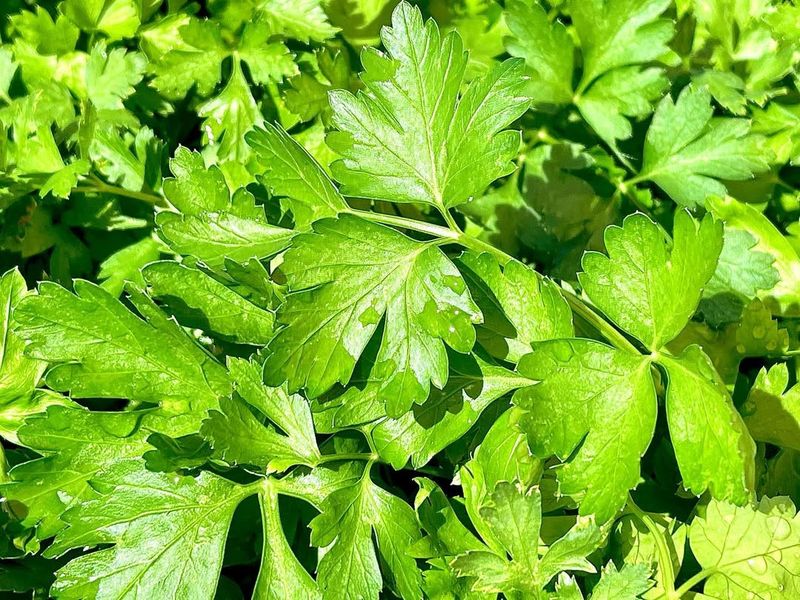
Curly and flat-leaf varieties both support butterfly populations effectively. Most Arizona gardeners prefer flat-leaf parsley for its stronger flavor and easier harvesting.
Both types serve as essential host plants for swallowtail caterpillars throughout the state.
Cool-season growth makes parsley ideal for fall and winter gardening. Arizona’s mild winters allow continuous harvests when other regions face frozen ground.
Spring growth continues until summer heat becomes too intense, then planting resumes in autumn.
Black swallowtail butterflies seek out parsley specifically for egg-laying. Tiny yellow eggs appear on leaf undersides and stems.
Within days, small caterpillars emerge and begin feeding, eventually displaying distinctive green bodies with black and yellow stripes.
Biennial growth means parsley flowers in its second year. These white or greenish flower clusters attract numerous butterfly species seeking nectar.
Arizona homeowners who allow plants to flower enjoy increased butterfly activity before collecting seeds or removing spent plants.
Container growing works exceptionally well for parsley in Arizona. Pots can be moved to shadier locations during peak summer heat.
This flexibility helps extend the growing season and keeps plants productive longer.
Rich soil with good drainage produces the lushiest parsley plants. Adding compost before planting improves both soil structure and nutrient content.
Arizona’s alkaline soil benefits from organic matter that slightly lowers pH levels.
Regular harvesting encourages bushier growth and more foliage for caterpillars. Cut outer stems first, allowing the center to continue growing.
This method provides fresh herbs for your kitchen while maintaining habitat for developing butterflies.
Successive planting every few weeks ensures a constant supply. Staggered plantings mean some plants are always at peak production.
Arizona’s extended growing season makes this strategy particularly effective for maintaining year-round butterfly support.
4. Basil
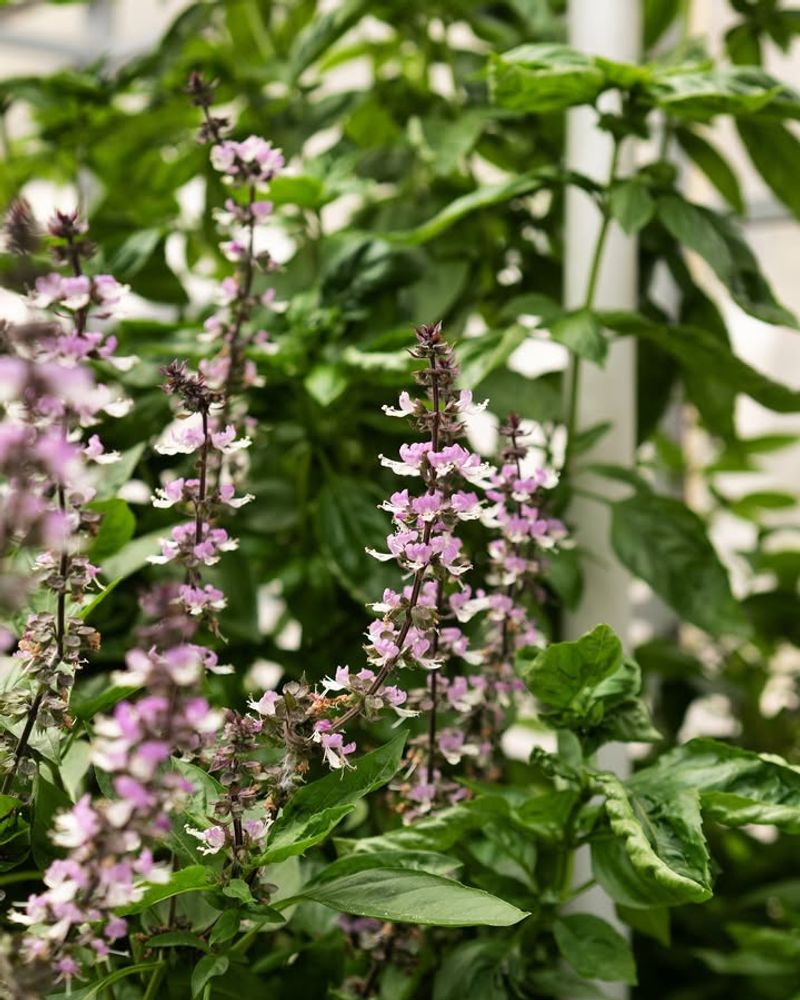
Aromatic leaves release their signature scent when brushed or crushed. Arizona gardeners plant basil knowing its fragrance fills warm evening air while attracting butterflies during daylight hours.
Sweet basil remains the most popular variety, though purple and Thai basil also draw winged visitors.
White or pale purple flower spikes emerge when plants mature. Many cooks pinch off flowers to extend leaf production, but leaving some blooms benefits butterflies.
Nectar-rich flowers attract swallowtails, painted ladies, and skippers throughout Arizona’s growing season.
Warm-season growth aligns perfectly with Arizona’s long summers. Basil thrives in heat that wilts many other herbs.
Planting after the last frost date ensures strong establishment before peak butterfly activity begins.
Consistent moisture keeps basil productive and healthy. Drip irrigation or soaker hoses provide steady water without wetting foliage.
Arizona’s low humidity means wet leaves dry quickly, but targeted watering still works best.
Harvest frequently to promote bushy growth and delay flowering. Pinching stem tips encourages branching, creating more foliage and eventual flower sites.
This practice extends both your herb harvest and the butterfly-feeding period.
Companion planting with tomatoes benefits both crops. Basil may help repel certain pests while attracting beneficial insects and butterflies.
Arizona gardeners often interplant them in raised beds or containers for maximum garden efficiency.
Multiple varieties planted together create visual interest and diverse butterfly appeal. Purple basil adds dramatic color contrast while providing the same butterfly benefits.
Lemon basil offers a citrus twist for cooking and equally attracts pollinators.
Container gardening suits basil perfectly in Arizona’s climate. Pots can be moved to optimize sun exposure as seasons change.
This mobility helps protect plants during extreme heat waves or unexpected cold snaps.
5. Lavender
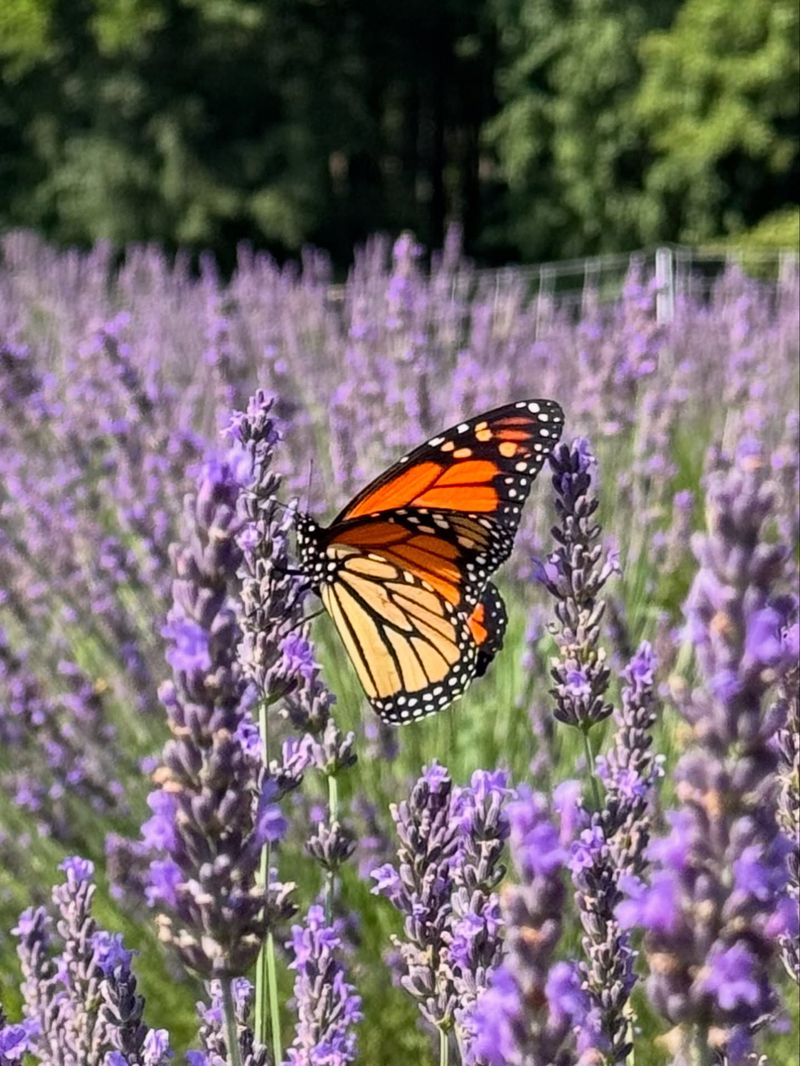
Purple flower spikes create stunning visual displays across Arizona landscapes. Butterflies detect lavender’s fragrance from remarkable distances, drawing them into yards where they discover other nectar sources too.
Spanish lavender performs particularly well in Arizona’s climate, tolerating heat and alkaline soil better than English varieties.
Long blooming periods extend butterfly-feeding opportunities for months. Arizona homeowners enjoy flowers from spring through fall with proper care.
Deadheading spent blooms encourages additional flowering and maintains tidy appearances.
Drought tolerance makes lavender perfectly suited to water-conscious landscaping. Established plants survive on minimal irrigation once roots grow deep.
This characteristic appeals to Arizona gardeners balancing butterfly habitat with sustainable water use.
Aromatic foliage releases fragrance when touched or when breezes blow through plantings. Butterflies seem particularly attracted during warm mornings when scent carries well.
Swallowtails, fritillaries, and skippers all visit lavender regularly throughout the state.
Well-drained soil prevents root rot in Arizona’s clay-heavy or caliche soils. Raised beds or mounded planting areas improve drainage significantly.
Adding sand or perlite to planting holes also helps water move through soil more efficiently.
Full sun exposure produces the most abundant flowering. Lavender needs at least six hours of direct sunlight daily for optimal growth.
Arizona’s intense sun rarely causes problems—lavender actually thrives in conditions that stress many other plants.
Pruning after flowering maintains compact shape and encourages vigorous growth. Cut back about one-third of the plant’s height, avoiding cuts into woody stems.
Arizona’s mild winters allow fall pruning without frost damage concerns.
Multiple plants create impressive drifts that amplify butterfly attraction. Grouping three or more lavender plants together produces visual impact and concentrated nectar resources.
Butterflies often move between plants, remaining in your yard longer.
6. Oregano
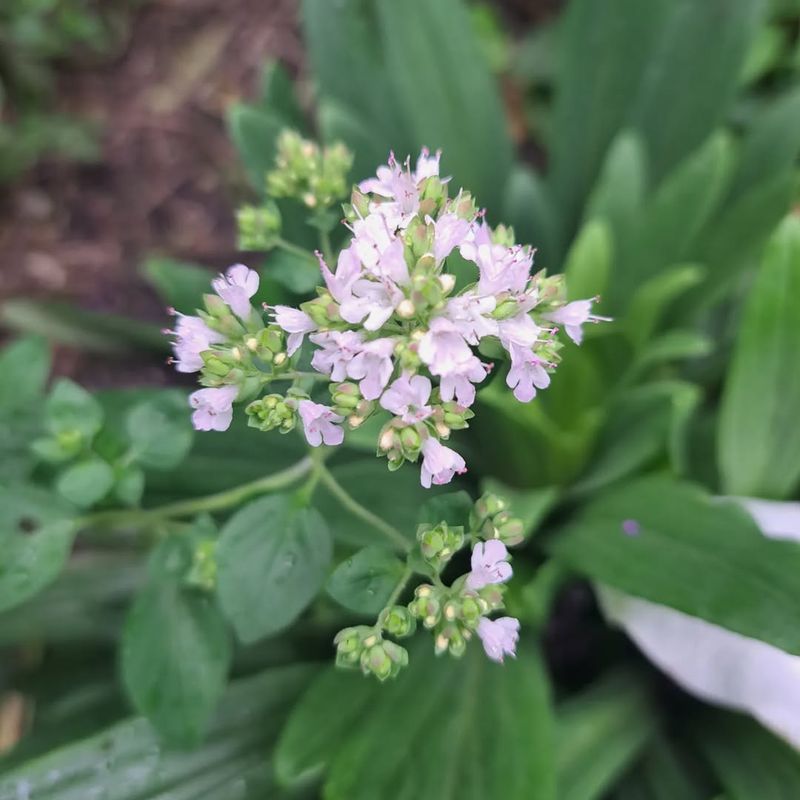
Low-growing habit makes oregano useful as a ground cover in Arizona gardens. Small leaves pack intense flavor that enhances countless dishes.
White or pink flowers appear in summer, transforming utilitarian herb plantings into butterfly feeding stations.
Greek oregano offers the strongest culinary flavor while still attracting butterflies. Italian oregano grows more vigorously and produces abundant blooms.
Arizona gardeners often plant both varieties to maximize kitchen use and butterfly visits.
Heat tolerance allows oregano to thrive through Arizona summers. Plants actually produce more essential oils in hot, dry conditions, intensifying both flavor and fragrance.
This adaptation makes oregano ideally suited to the state’s challenging climate.
Perennial growth provides year-round presence in Arizona landscapes.
Winter decline is minimal in southern regions, while northern areas see plants return vigorously each spring.
This reliability makes oregano a foundation plant for butterfly gardens.
Flowers attract diverse butterfly species along with bees and other beneficial insects. Tiny blooms cluster at stem tips, creating landing platforms perfect for butterfly feeding.
Painted ladies, buckeyes, and various skipper species visit regularly.
Minimal water requirements align with desert landscaping principles. Established oregano survives on natural rainfall in some Arizona locations.
Supplemental irrigation during extended dry periods keeps plants flowering and attractive to butterflies.
Harvesting leaves throughout the growing season doesn’t reduce flowering potential. Regular cutting actually encourages bushier growth and more flower production.
Arizona homeowners can enjoy fresh oregano while supporting butterfly populations simultaneously.
Rocky or sandy soil suits oregano perfectly. Arizona’s native soils often provide ideal growing conditions without amendments.
This low-maintenance characteristic appeals to gardeners wanting butterfly habitat without extensive soil preparation.
7. Thyme
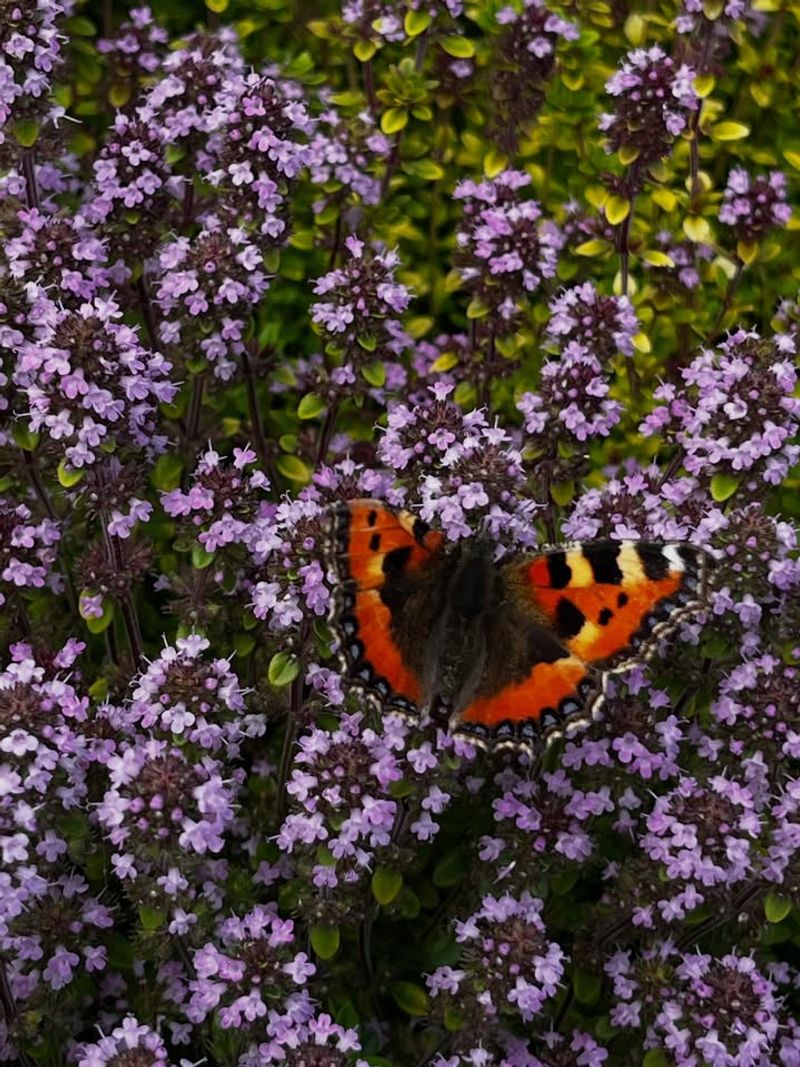
Creeping varieties form dense mats that butterflies love to visit. Tiny leaves create fine-textured carpets between stepping stones or along pathway edges.
Arizona homeowners appreciate thyme’s dual purpose as edible herb and butterfly attractant.
Countless varieties offer different growth habits and flavors. Common thyme grows upright while creeping thyme spreads horizontally.
Lemon thyme adds citrus notes to cooking and seems particularly attractive to butterflies in Arizona gardens.
Pink, purple, or white flowers blanket plants in late spring and early summer. Blooming thyme becomes a solid carpet of color that draws butterflies from across neighborhoods.
The sight of multiple butterflies feeding on thyme flowers delights Arizona gardeners.
Extreme drought tolerance makes thyme perfect for xeriscape designs. Established plants survive weeks without irrigation in Arizona’s dry climate.
This resilience allows thyme to provide consistent butterfly habitat even during water restrictions.
Between-paver planting creates fragrant pathways that release scent when walked upon. Butterflies appreciate the low-growing flowers at ground level.
Arizona’s intense sun warms pavers, and thyme’s heat tolerance prevents damage from reflected heat.
Year-round evergreen foliage maintains garden structure through all seasons. Arizona’s mild winters rarely damage thyme, allowing continuous growth and periodic flowering.
This persistence provides reliable habitat elements that butterflies recognize and return to regularly.
Poor soil tolerance means thyme thrives where other herbs struggle. Arizona’s rocky, alkaline soil actually suits thyme perfectly.
No soil amendments are necessary in most locations, simplifying establishment and reducing maintenance.
Harvesting sprigs for cooking stimulates new growth and maintains compact form. Cut stems just above leaf nodes to encourage branching.
Arizona gardeners can harvest year-round in southern regions, always leaving enough foliage for butterfly appeal.
8. Mint
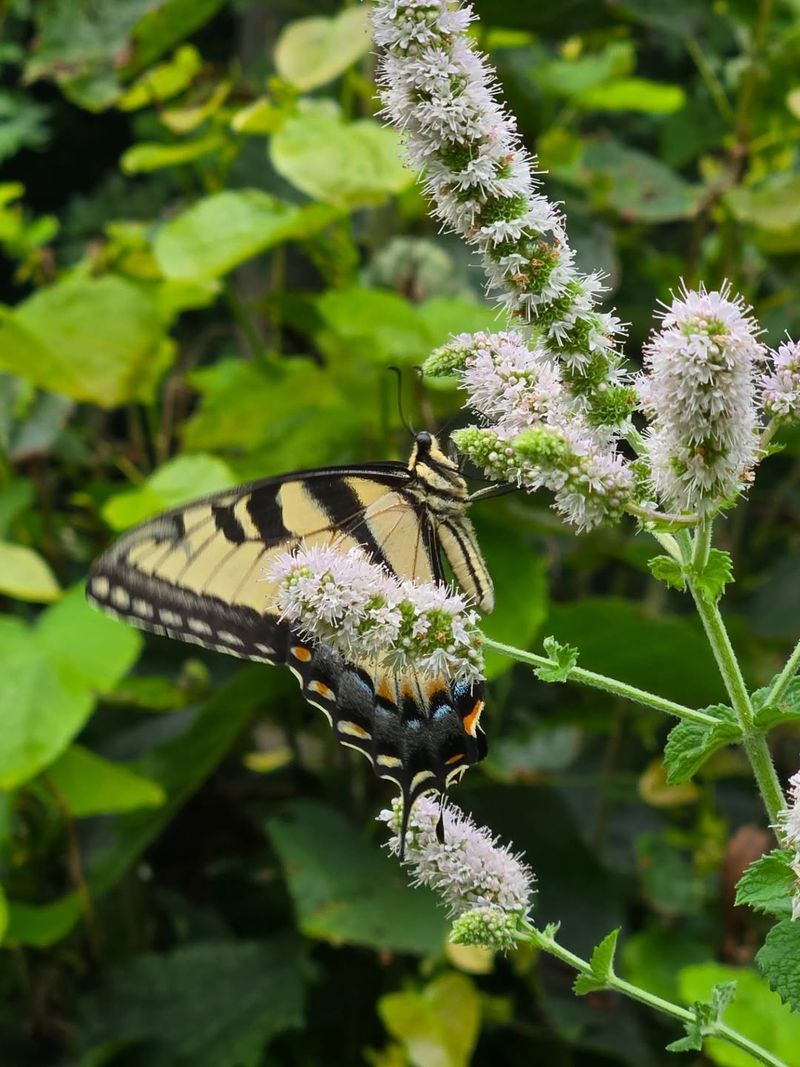
Aggressive spreading makes mint both a blessing and a challenge in Arizona gardens. Contained plantings in pots or buried barriers prevent unwanted expansion.
Butterflies don’t care about containment—they simply enjoy the abundant nectar mint flowers provide.
Multiple mint varieties offer different flavors and growth characteristics. Spearmint and peppermint are most common, but chocolate mint and orange mint add variety.
All types attract butterflies equally well throughout Arizona’s growing season.
Pink or purple flower spikes emerge in summer, creating vertical accents. These blooms produce copious nectar that butterflies find irresistible.
Arizona gardeners often see multiple butterfly species feeding simultaneously on large mint plantings.
Moisture-loving nature requires more irrigation than other herbs. Mint thrives with consistent watering that keeps soil evenly moist.
Arizona’s dry climate means mint benefits from mulch that conserves moisture and cools roots.
Partial shade improves mint performance during intense Arizona summers. Morning sun with afternoon shade provides ideal conditions.
Planting near larger shrubs or on the east side of structures creates naturally shaded locations.
Frequent harvesting keeps plants bushy and delays flowering. However, allowing some stems to flower benefits butterflies substantially.
Arizona homeowners can harvest most stems while leaving some for butterfly feeding.
Container growing controls mint’s spreading tendency effectively. Large pots on patios bring butterflies close to outdoor living spaces.
This placement allows easy observation of butterfly behavior and species identification.
Perennial growth means mint returns reliably each spring in Arizona. Winter decline occurs in colder areas, but roots survive and resprout vigorously.
Southern regions often maintain green growth year-round, providing continuous butterfly resources.
9. Sage
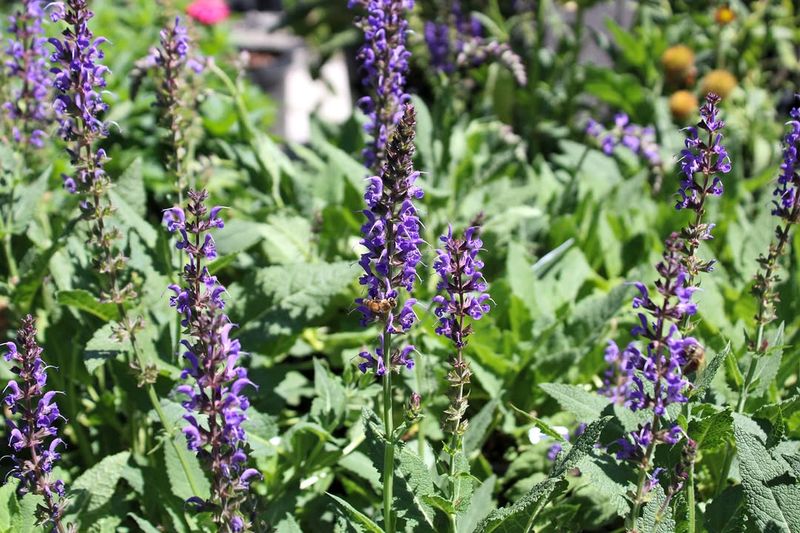
Silvery-gray foliage provides striking contrast in Arizona landscapes. Garden sage grows as a woody perennial that becomes more substantial each year.
Butterflies visit sage flowers enthusiastically, often ignoring nearby plants when sage blooms.
Purple flower spikes appear on tall stems above foliage. These tubular blooms suit butterfly feeding anatomy perfectly.
Arizona homeowners report seeing swallowtails, painted ladies, and various skipper species visiting sage throughout spring and early summer.
Drought tolerance rivals that of native desert plants. Established sage survives on minimal water once roots penetrate deeply.
This characteristic makes sage essential for Arizona butterfly gardens designed around water conservation.
Aromatic leaves release fragrance strongest during warm weather. Butterflies seem to locate sage by scent as much as by sight.
Arizona’s warm climate intensifies sage’s essential oils, potentially increasing its attractiveness to passing butterflies.
Multiple sage varieties offer different colors and sizes. Purple sage features darker foliage, while golden sage adds bright yellow tones.
All varieties attract butterflies, allowing Arizona gardeners to choose based on aesthetic preferences.
Full sun exposure produces the most vigorous growth and abundant flowering. Sage tolerates reflected heat from walls and paving without stress.
Arizona’s intense sunlight actually improves sage’s flavor and butterfly appeal.
Well-drained soil prevents root rot during monsoon season. Raised beds or mounded planting areas improve drainage in heavy soils.
Arizona’s natural caliche layer sometimes requires breaking through for proper sage establishment.
Pruning after flowering maintains attractive shape and encourages compact growth. Cut back stems by one-third, avoiding cuts into woody portions.
Arizona’s climate allows flexible pruning timing since hard freezes rarely damage sage.