Herbs Michigan Gardeners Can Plant In April For A Productive Herb Garden
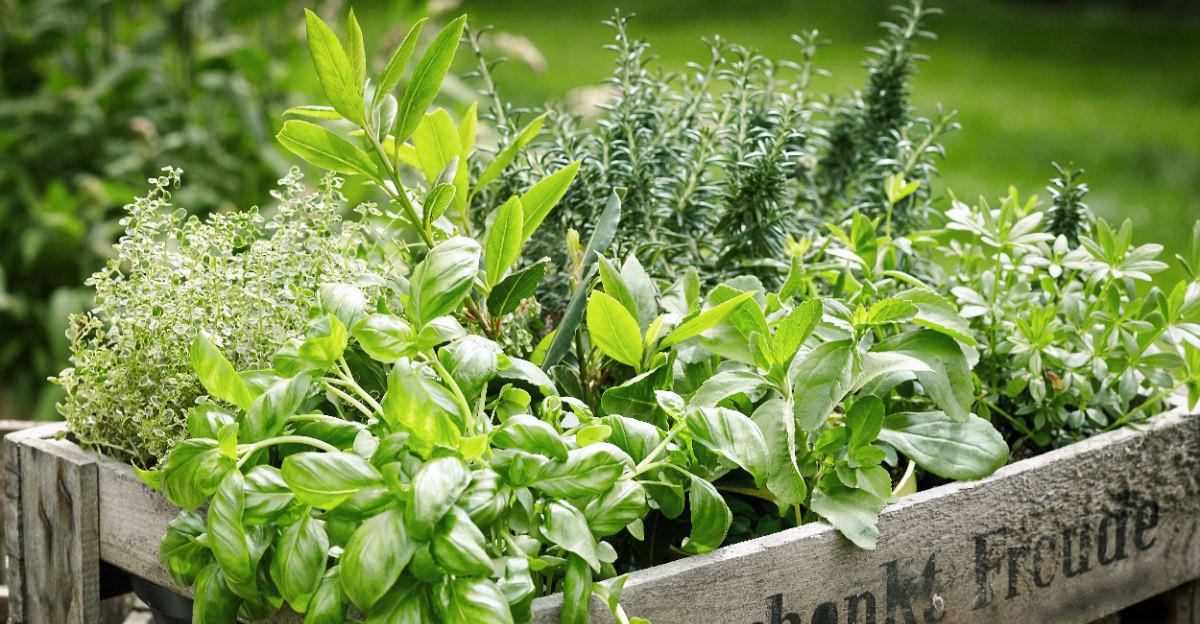
April is a great time to start building a productive herb garden, especially for Michigan gardeners ready to get growing after a long winter. While some plants need consistently warm weather, many herbs actually prefer the cooler conditions that early spring provides.
Getting them planted now allows them to establish strong roots before summer heat arrives, which can lead to fuller growth and better flavor later on.
In Michigan, where the growing season can feel a bit short, taking advantage of this early window can make a noticeable difference.
Hardy herbs in particular handle light chills well and often grow more steadily when they are not stressed by sudden temperature swings.
Choosing the right herbs to plant in April can help you create a garden that is both productive and easy to manage as the season moves forward.
1. Chives (Allium Schoenoprasum)
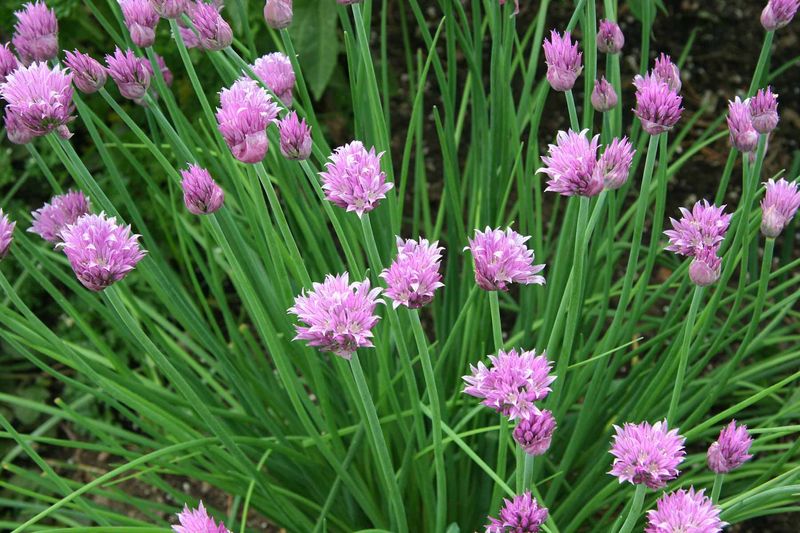
Chives are one of those herbs that practically beg to be planted the moment April arrives in Michigan. They are cold-hardy, low-maintenance, and surprisingly tough for such a slender little plant.
Even if a late frost sneaks in, chives shrug it off and keep on growing without missing a beat. As a perennial, chives come back every spring on their own, which makes them a smart long-term addition to any Michigan herb garden.
You can plant them from seed, divide existing clumps, or pick up transplants from a local nursery. Either way, they settle into cool soil quickly and start producing those bright green stalks fast.
Full sun is their sweet spot, though they can handle a bit of afternoon shade. Well-drained soil keeps them happy, and they do not need much fertilizer to thrive. A little compost mixed into the bed before planting gives them a great boost.
In the kitchen, chives bring a mild onion flavor that works beautifully on eggs, baked potatoes, soups, and salads. Snip them right from the garden and toss them fresh onto almost anything.
Their purple blooms in late spring are also edible and look gorgeous in a salad bowl or as a garnish on a summer dish.
2. Parsley (Petroselinum Crispum)
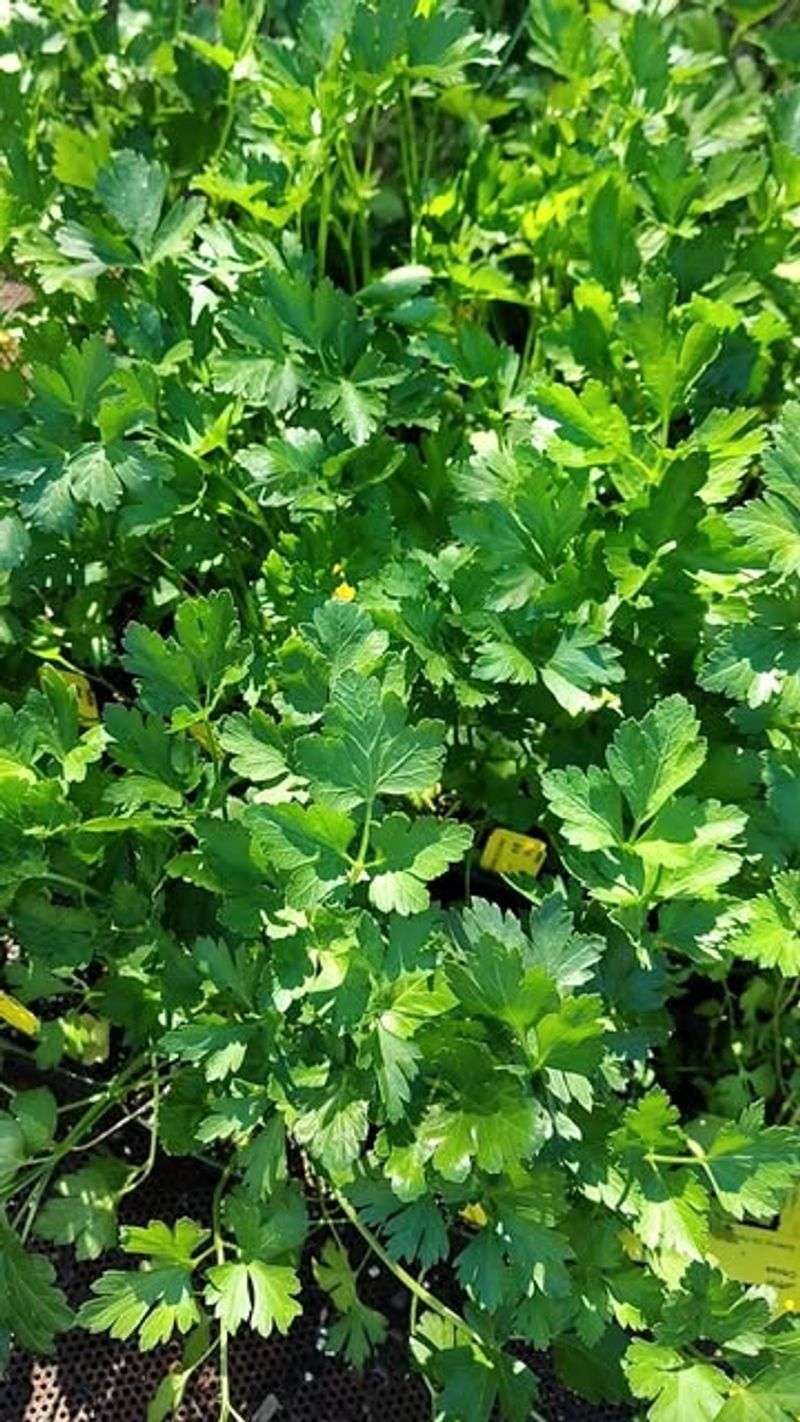
Parsley has been a kitchen staple for centuries, and once you grow your own, store-bought will never feel the same again.
It is one of the most satisfying herbs to grow in Michigan because it actually thrives in the cool April temperatures that would slow down more heat-loving plants. Starting it early means you get lush, full plants well before summer arrives.
You can direct sow parsley seeds into the garden or transplant seedlings you started indoors a few weeks earlier. One helpful trick is soaking the seeds in warm water for 24 hours before planting.
This softens the seed coat and speeds up germination, which can otherwise take two to four weeks in cool soil.
Both curly and flat-leaf Italian varieties grow well in Michigan. Plant them in full sun with rich, well-drained soil for the best results.
Keep the soil consistently moist, especially during the first few weeks, while the roots are getting established.
Parsley is a biennial, meaning it grows leaves the first year and goes to seed the second year. Most gardeners treat it as an annual and replant each spring.
Harvest the outer stems first to encourage new growth from the center. It pairs beautifully with garlic, lemon, fish, and roasted vegetables, making it one of the most versatile herbs in your Michigan garden.
3. Cilantro (Coriandrum Sativum)
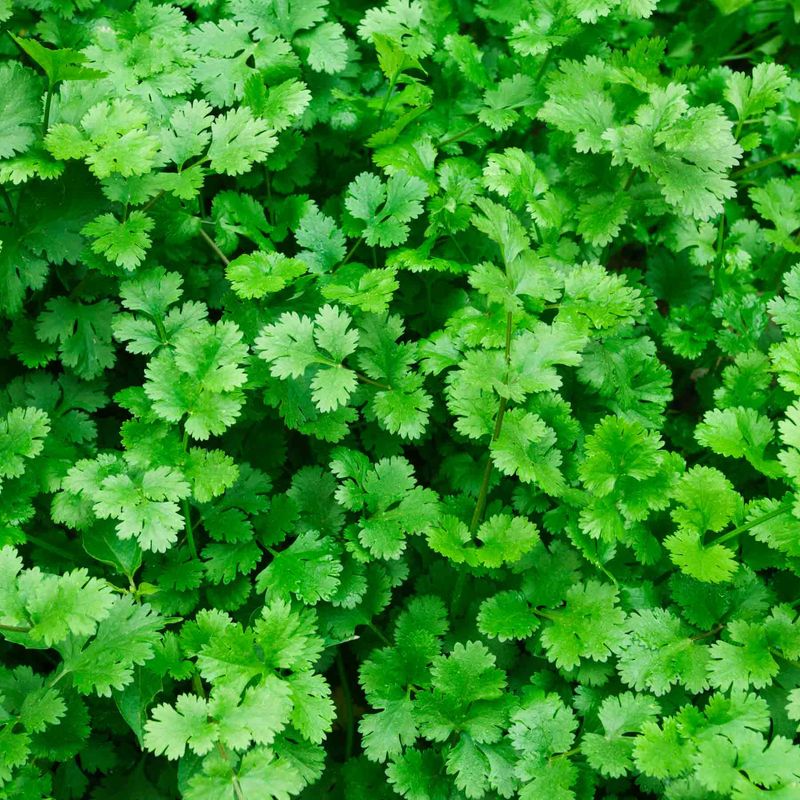
Cilantro has a bit of a reputation for being tricky, but the secret to growing it successfully in Michigan is simple: plant it early and plant it often.
This herb genuinely loves cool weather, and April conditions across Michigan are almost ideal for getting a strong harvest going before the summer heat rolls in.
The biggest challenge with cilantro is bolting, which means it rushes to produce seeds when temperatures climb.
Planting in April gives you several weeks of cool growing conditions where the plant focuses on producing those flavorful leaves instead of flowering too soon. Direct sowing is the best approach since cilantro does not like having its roots disturbed.
Choose a spot with full sun to partial shade and scatter seeds directly into well-prepared soil. Thin seedlings to about six inches apart once they sprout, and water consistently without overwatering.
Cilantro grows fast, so you can start harvesting outer leaves within a few weeks of planting. For a continuous harvest all spring long, sow new seeds every two to three weeks.
This succession planting strategy keeps fresh cilantro coming to your kitchen table right up until the heat of summer.
Use it in salsas, tacos, curries, soups, and fresh salads. Cilantro is also a host plant for swallowtail butterflies, which is a lovely bonus for any Michigan garden.
4. Dill (Anethum Graveolens)
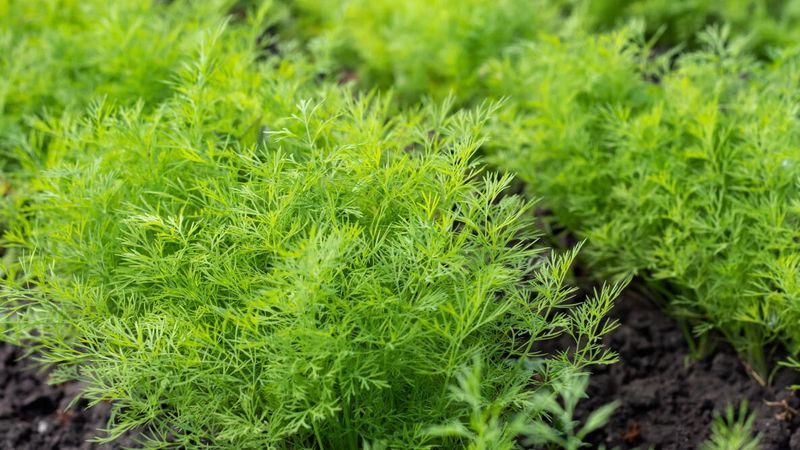
There is something almost magical about a patch of dill swaying gently in a spring breeze. This feathery, fragrant herb is one of the best cool-season plants you can grow in Michigan, and April is exactly the right time to get those seeds into the ground.
Dill grows fast, smells incredible, and brings so much flavor to your kitchen all season long. Unlike many herbs, dill really does not like being transplanted. Its taproot is sensitive, so direct sowing is the way to go.
As soon as the soil in your Michigan garden is workable in April, scatter the seeds in a sunny spot with good drainage. Cover them lightly with soil and keep the area moist until germination, which usually happens within ten to fourteen days.
Dill grows best in full sun and does not need much fertilizing. In fact, too much nitrogen can reduce the intensity of its flavor.
Thin plants to about twelve inches apart so they have room to develop properly without crowding each other out.
Harvesting dill is easy and rewarding. Snip the feathery leaves, called dill weed, anytime after the plant reaches about eight inches tall.
The seeds that form later in the season are perfect for pickling cucumbers, a beloved Michigan summer tradition.
Dill also attracts beneficial insects and serves as a host plant for black swallowtail butterfly caterpillars, making it a fantastic choice for any pollinator-friendly garden.
5. Thyme (Thymus Vulgaris)
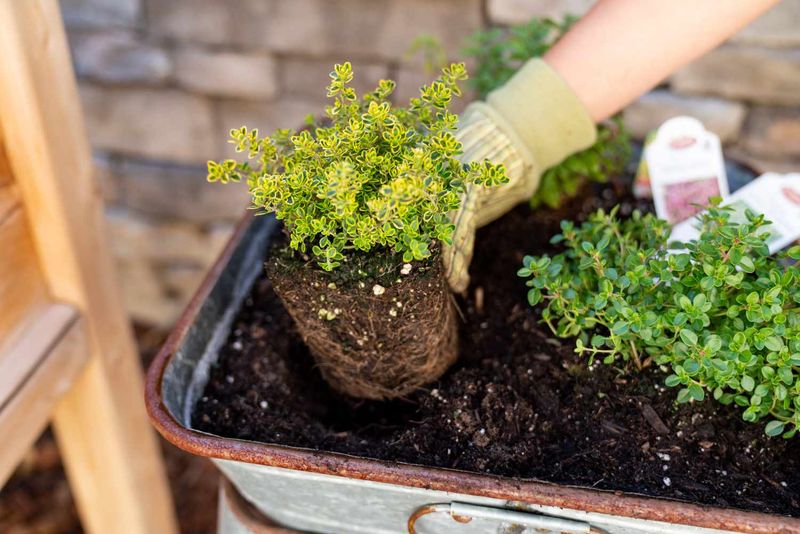
Thyme is one of those quiet powerhouses that every Michigan herb garden should have. It looks modest with its tiny leaves and low-growing habit, but the flavor it delivers is rich, earthy, and deeply aromatic.
April is a great time to get thyme into the ground because it handles cool temperatures well and actually prefers to establish itself before the heat of summer arrives.
Plant thyme in full sun with very well-drained soil. This herb originally comes from the rocky hillsides of the Mediterranean, so it naturally prefers drier conditions.
Raised beds or sandy soil work especially well in Michigan, where spring moisture levels can sometimes be high. Avoid heavy clay soil that holds water, as thyme roots do not appreciate soggy conditions.
As a hardy perennial, thyme will come back year after year in most parts of Michigan. Give it a light trim after planting to encourage bushy, compact growth.
Once established, it is surprisingly drought-tolerant and needs very little attention beyond occasional watering during dry spells.
In the kitchen, thyme shines in roasted chicken, vegetable soups, marinades, and herb butters. It pairs especially well with garlic, lemon, and rosemary.
Beyond cooking, thyme has a long history of use as a medicinal herb and is known for its natural antimicrobial properties. Growing it in your Michigan garden means you always have a fresh, fragrant supply just steps from your kitchen door.
6. Sage (Salvia Officinalis)
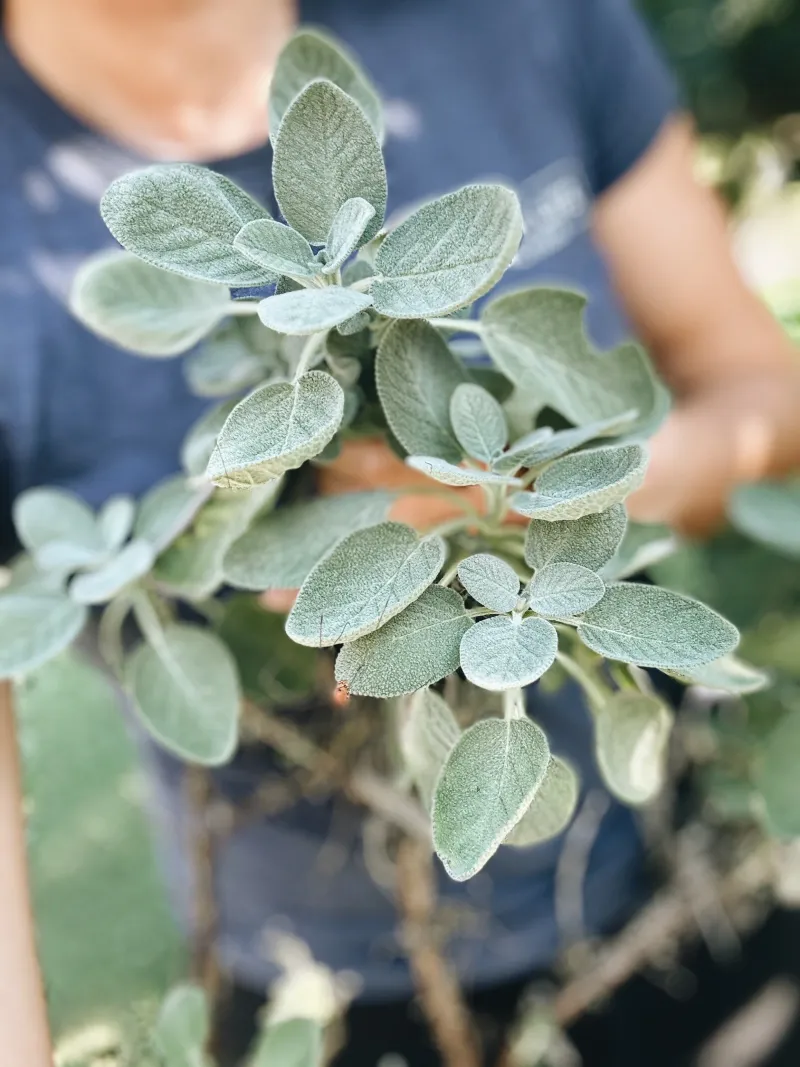
Sage brings something special to the herb garden that few other plants can match. Its velvety, silvery-green leaves look beautiful from the moment they emerge in spring, and the flavor they carry is bold, woodsy, and unmistakably distinctive.
Getting sage into your Michigan garden in April gives it the time it needs to develop strong roots before the warmer months arrive.
Transplants are the easiest way to start sage in April since growing from seed takes longer and requires more patience. Look for healthy young plants at local Michigan nurseries or garden centers.
Plant them in a sunny spot with excellent drainage, as sage absolutely cannot tolerate waterlogged soil. Sandy or loamy soil works best, and adding a bit of coarse sand or perlite to heavier soils can make a real difference.
Sage is a perennial that becomes more flavorful and aromatic as it matures. In its first year, focus on letting the plant establish rather than harvesting heavily.
By the second year, you can harvest generously throughout the growing season. Prune it back lightly after flowering to keep the plant tidy and productive.
Michigan summers can bring high humidity, which sage does not love. Planting early in April and ensuring good air circulation around the plant helps prevent fungal issues.
In the kitchen, sage is famous in stuffing, pasta with brown butter, roasted pork, and savory compound butters that elevate almost any dish you make.
7. Oregano (Origanum Vulgare)
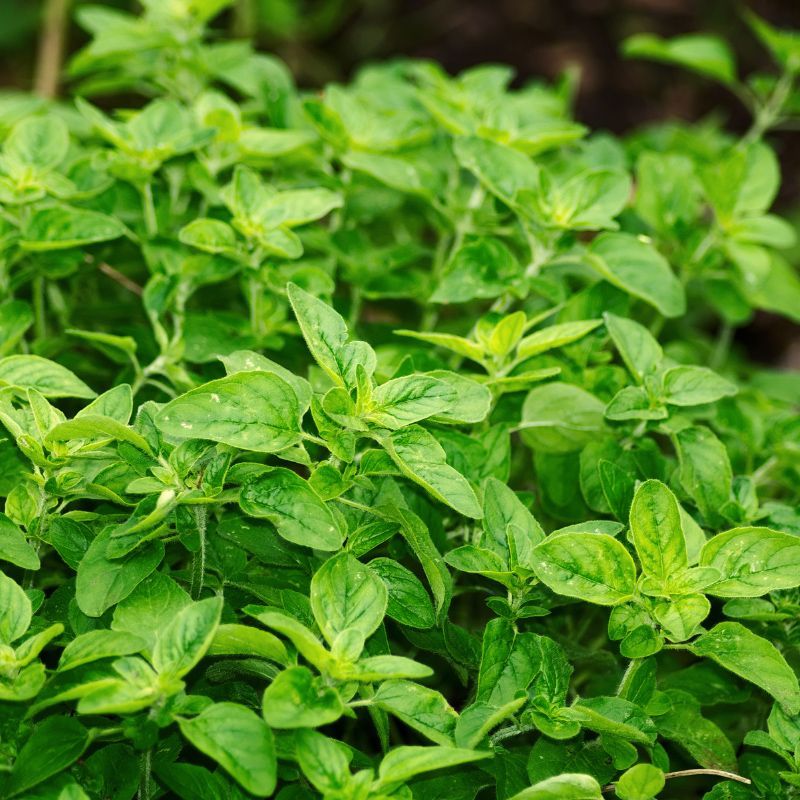
Ask any experienced Michigan gardener which herb gives the most return for the least effort, and oregano will almost always come up in the conversation.
This tough, flavorful perennial spreads enthusiastically, returns reliably each spring, and thrives in conditions that would stress out more delicate herbs.
Planting it in April gives it a full season to spread its roots and get comfortable in your garden.
Oregano loves full sun and well-drained soil, making it a natural fit for raised beds, rock gardens, or any spot in your Michigan yard that gets at least six hours of direct sunlight.
It handles cool April temperatures without complaint and starts growing steadily as the days get longer and warmer. Space plants about twelve inches apart to give them room to spread over time.
One thing to know about oregano is that the flavor intensifies as the plant matures. Young leaves are mild, but by midsummer, after the plant has been through several weeks of warm sunshine, the oils become more concentrated and the taste becomes much more robust.
Harvest before the plant flowers for the most flavorful leaves. In the kitchen, oregano is a cornerstone of Italian, Greek, and Mexican cooking.
Pizza sauce, pasta dishes, grilled meats, and marinades all benefit from a generous handful of fresh oregano.
Growing it yourself in Michigan means you get far more flavor than anything dried in a jar, and the plant practically takes care of itself year after year.