9 Herbs San Diego California Homeowners Grow Successfully Year Round
San Diego’s mild Mediterranean climate makes it a gardening paradise where fresh herbs thrive throughout every season.
Homeowners across the region enjoy harvesting flavorful leaves and stems from their backyard gardens even during the cooler months.
Whether you’re a beginner or an experienced gardener, growing your own herbs saves money, adds incredible taste to meals, and brings the joy of nurturing living plants right to your doorstep.
These nine herbs have proven themselves as reliable, low-maintenance choices that flourish in San Diego’s unique conditions year after year.
1. Rosemary Brings Mediterranean Flavor To Your Garden
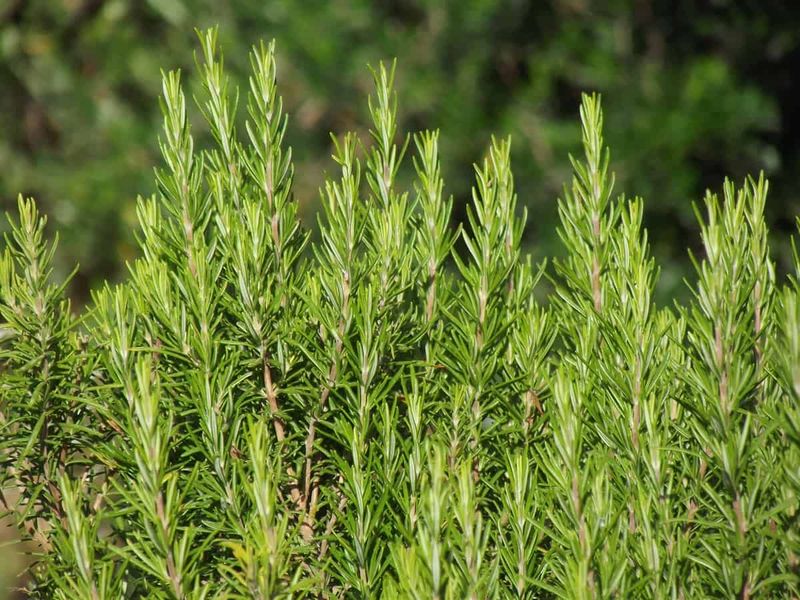
Rosemary stands out as one of the most reliable herbs for San Diego gardens, thriving in the region’s dry summers and mild winters without complaint.
This woody perennial loves full sun and well-drained soil, making it perfectly suited to Southern California’s climate.
Once established, rosemary needs very little water, which makes it an excellent choice for water-conscious homeowners.
The fragrant needle-like leaves add a savory, pine-like flavor to roasted vegetables, grilled meats, and homemade breads.
Many gardeners appreciate how rosemary plants can grow into attractive shrubs that serve double duty as both edible herbs and ornamental landscaping features.
You can harvest sprigs whenever you need them, and the plant will keep producing new growth throughout the year.
Bees and butterflies adore the small blue or purple flowers that appear in spring and sometimes again in fall.
Plant rosemary near your kitchen door for convenient access, and watch it flourish with minimal effort.
This herb tolerates San Diego’s occasional heat waves better than most other culinary plants.
Whether you choose upright or trailing varieties, rosemary remains a steadfast companion in your year-round herb garden.
2. Basil Adds Fresh Summer Taste All Year Long
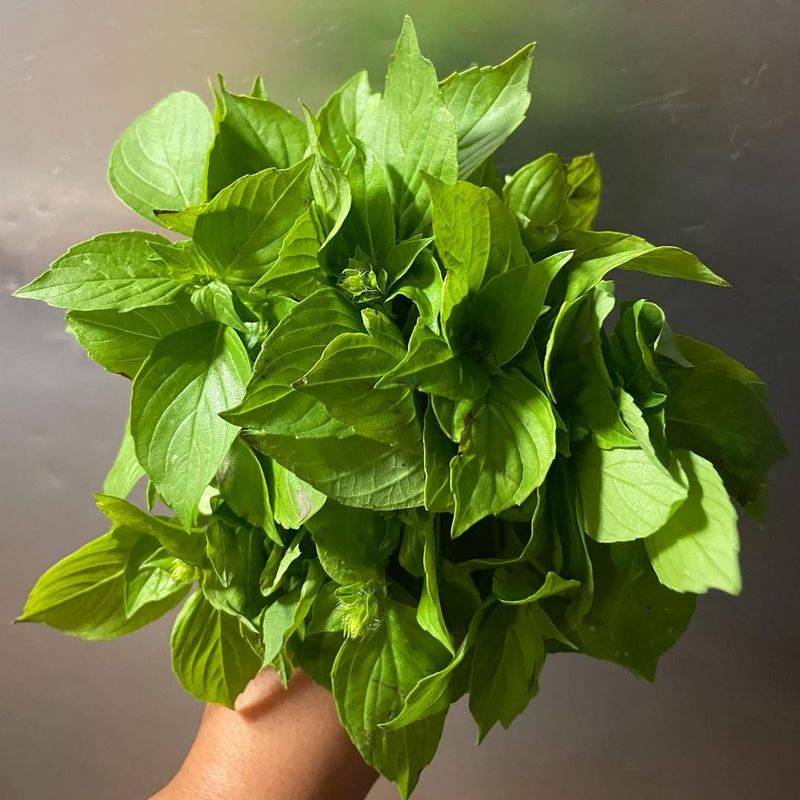
Most people think of basil as a summer herb, but San Diego’s forgiving climate allows it to grow continuously with proper care and protection from occasional cold snaps.
Sweet basil varieties produce tender, aromatic leaves that transform ordinary pasta dishes, salads, and sandwiches into restaurant-quality meals.
Placing basil in a spot that receives morning sun and afternoon shade helps prevent the leaves from becoming too stressed during hot days.
Regular harvesting encourages bushier growth and prevents the plant from flowering too quickly, which can make the leaves taste bitter.
Container growing works wonderfully for basil, allowing you to move plants to warmer spots during cooler winter nights.
Watering consistently keeps the soil moist but not waterlogged, which basil appreciates more than drought conditions.
Many San Diego gardeners grow several basil varieties simultaneously, including Thai basil, lemon basil, and purple basil, to create diverse flavor profiles.
Pesto made from homegrown basil tastes infinitely better than store-bought versions and freezes beautifully for future use.
Companion planting basil near tomatoes benefits both plants and creates a classic Italian garden combination.
With attention to temperature and moisture, basil remains productive throughout San Diego’s extended growing season.
3. Thyme Offers Tiny Leaves With Big Flavor Impact
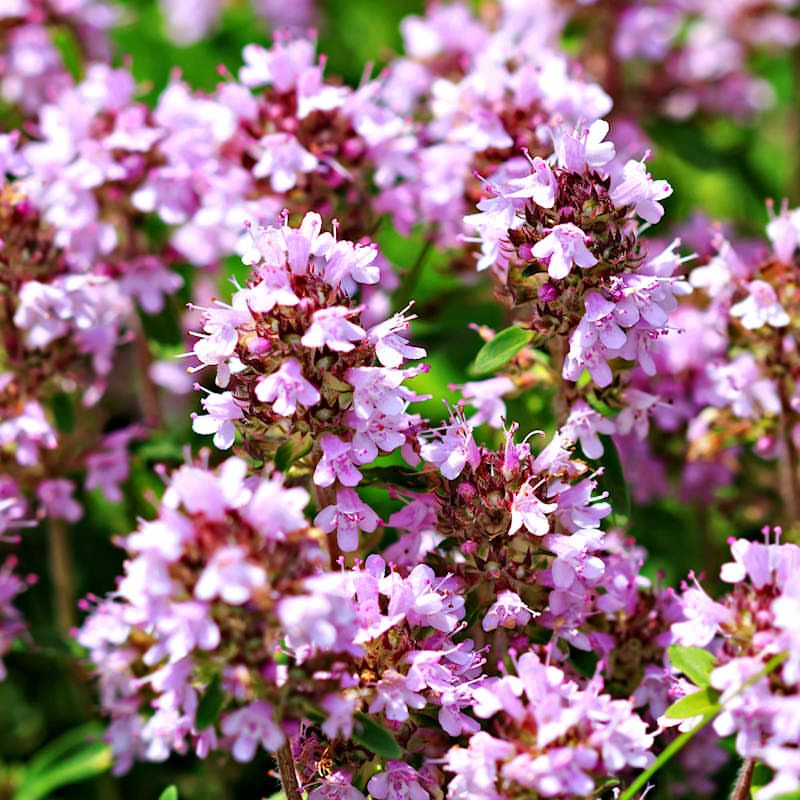
Thyme might be small in stature, but its contribution to your culinary adventures is nothing short of magnificent.
This low-growing perennial spreads slowly to form fragrant mats of tiny leaves that release their aroma when brushed or harvested.
San Diego’s climate suits thyme perfectly because it originates from Mediterranean regions with similar weather patterns.
Once established, thyme requires very little attention beyond occasional trimming to maintain its shape and encourage fresh growth.
The herb’s drought tolerance makes it an ideal candidate for xeriscaping projects and water-wise gardens throughout Southern California.
Common thyme, lemon thyme, and creeping thyme all perform excellently in local gardens, each offering slightly different flavor profiles.
Harvest sprigs as needed for soups, stews, roasted chicken, and vegetable dishes that benefit from its earthy, slightly minty taste.
Thyme also produces delicate flowers in spring that attract beneficial pollinators to your garden space.
Plant it between stepping stones or along pathway edges where foot traffic will release its wonderful scent.
This undemanding herb continues producing flavorful leaves year after year with almost no effort on your part.
4. Oregano Creates A Pizza Garden Essential
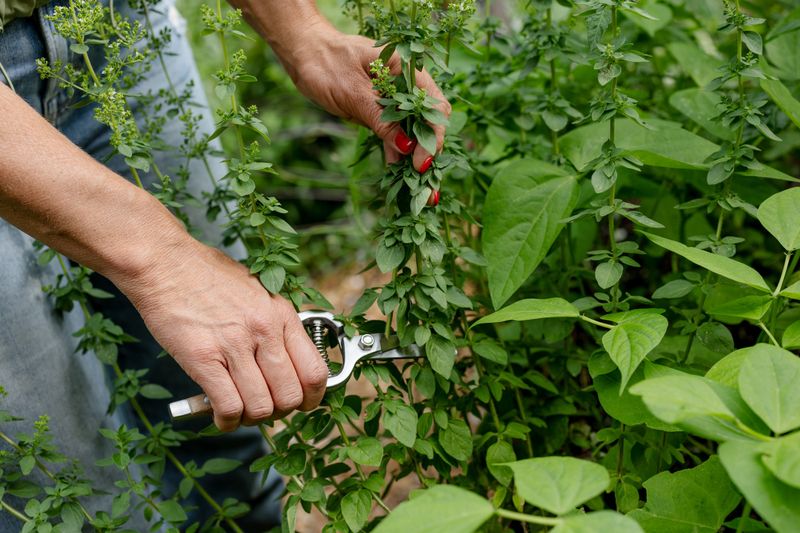
Picture yourself sprinkling freshly picked oregano over homemade pizza or mixing it into marinara sauce that simmers on your stove.
That dream becomes everyday reality when you grow this robust herb in your San Diego garden.
Oregano thrives in full sun and tolerates the region’s dry conditions with remarkable resilience once its roots establish themselves.
Greek oregano and Italian oregano both grow vigorously here, spreading to form substantial clumps that you can divide and share with neighbors.
The pungent, slightly peppery leaves intensify in flavor when dried, making oregano perfect for preserving summer’s bounty.
Cutting back the plant after its summer flowering period encourages a fresh flush of tender new growth for fall harvesting.
Many gardeners appreciate how oregano’s spreading habit fills in bare spots in herb gardens while suppressing weeds.
This herb pairs beautifully with tomatoes, garlic, and olive oil in countless Mediterranean-inspired recipes.
Bees visit the small purple or white flowers enthusiastically, adding ecological value to your edible landscape.
Whether you’re making Greek salad dressing or seasoning grilled vegetables, having oregano growing just steps from your kitchen elevates every dish.
5. Mint Spreads Refreshing Flavor Throughout The Garden
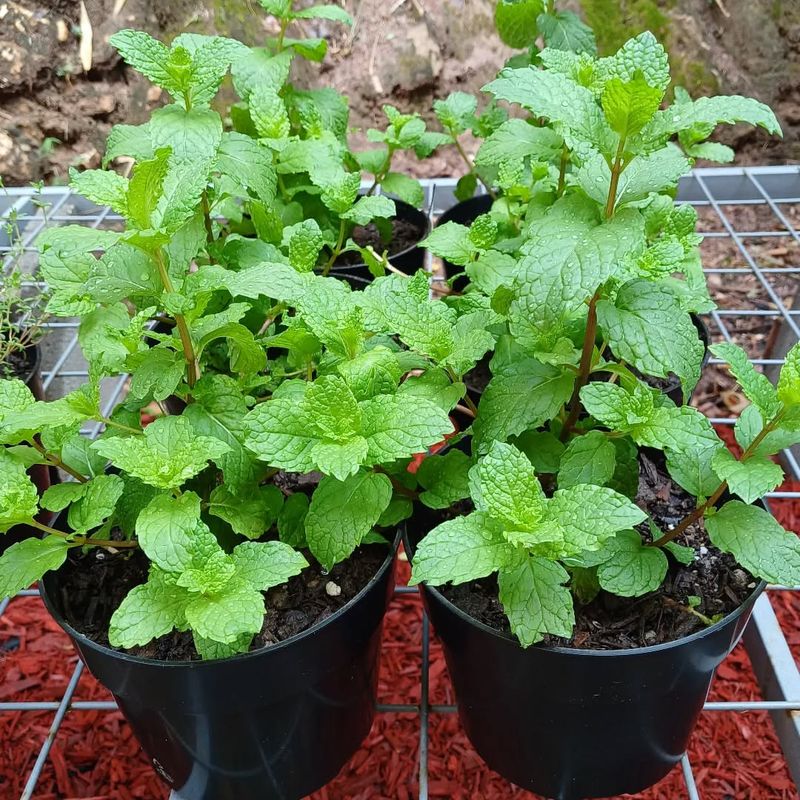
Ask any gardener about mint, and they’ll likely tell you two things: it grows enthusiastically, and it tastes absolutely refreshing.
San Diego’s climate allows mint to flourish year-round, producing abundant leaves for teas, cocktails, salads, and desserts.
Growing mint in containers prevents it from taking over your entire garden, as this vigorous spreader can quickly dominate planting beds.
Peppermint, spearmint, chocolate mint, and pineapple mint all perform beautifully in local conditions, each offering unique flavor notes.
Partial shade works well for mint during the hottest summer months, protecting the leaves from scorching while maintaining robust growth.
Regular watering keeps mint happy and prevents the leaves from becoming tough or losing their characteristic cool flavor.
Harvest mint frequently by pinching off stem tips, which encourages bushier plants and prevents flowering that can diminish leaf quality.
Fresh mint muddled into lemonade or iced tea creates the perfect refreshment for warm Southern California afternoons.
You can also dry excess mint leaves to enjoy in winter teas when you want a taste of summer.
This forgiving herb bounces back from neglect and harsh treatment, making it perfect for beginning gardeners building confidence.
6. Sage Provides Earthy Wisdom For Your Kitchen
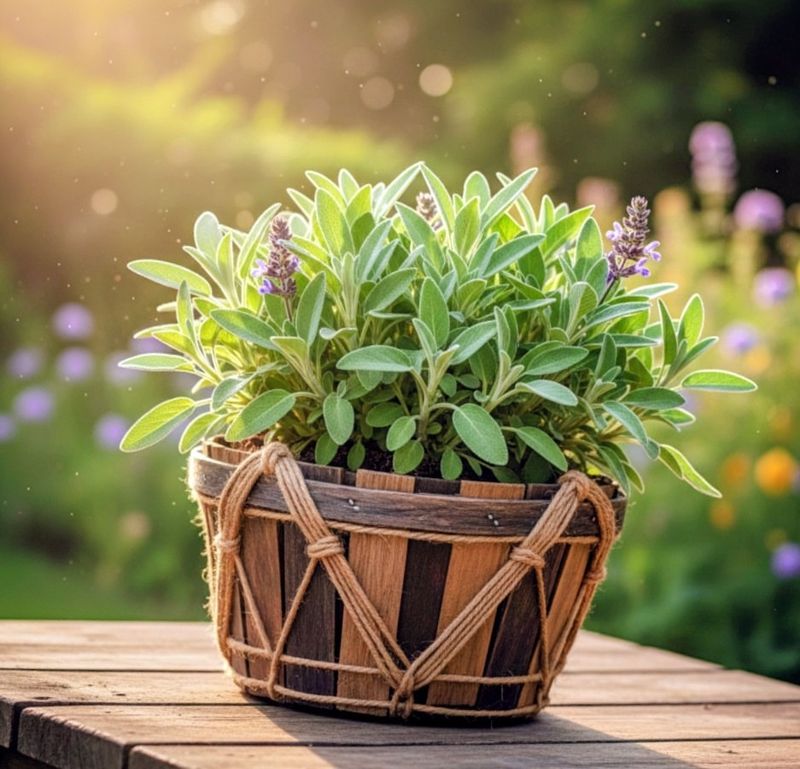
Sage brings an old-world charm to San Diego gardens with its soft, silvery leaves and subtle, earthy aroma.
This Mediterranean native adapts beautifully to local conditions, requiring minimal water once established and tolerating summer heat without stress.
The velvety texture of sage leaves makes them distinctive in the garden, while their slightly peppery, savory flavor enhances countless dishes.
Common sage, purple sage, and pineapple sage all grow successfully here, offering different colors and subtle flavor variations.
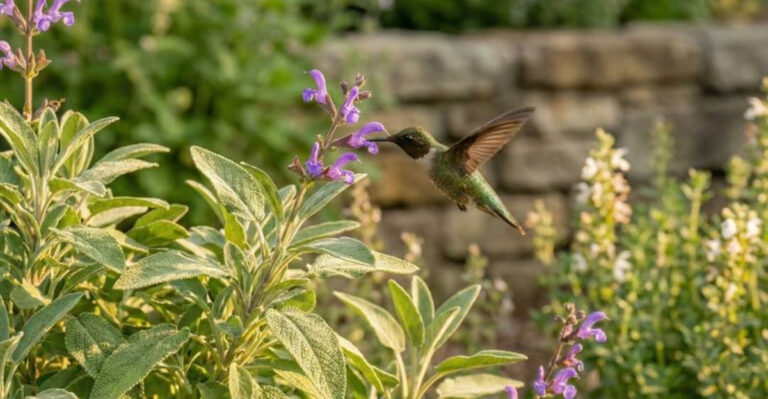
Butterflies and hummingbirds visit the tubular flowers that appear in late spring, adding movement and life to your herb garden.
Harvest sage leaves just before the plant flowers for the most concentrated flavor, or pick them anytime for everyday cooking needs.
This herb shines in recipes featuring poultry, pork, beans, and squash, where its distinctive taste complements rather than overwhelms.
Sage plants develop woody stems over time, which you can prune in early spring to encourage tender new growth.
Growing sage near the front of your herb bed allows you to appreciate its attractive foliage and pleasant scent.
With its low water requirements and year-round availability, sage proves itself as a valuable addition to any San Diego edible landscape.
7. Chives Bring Mild Onion Flavor To Every Meal
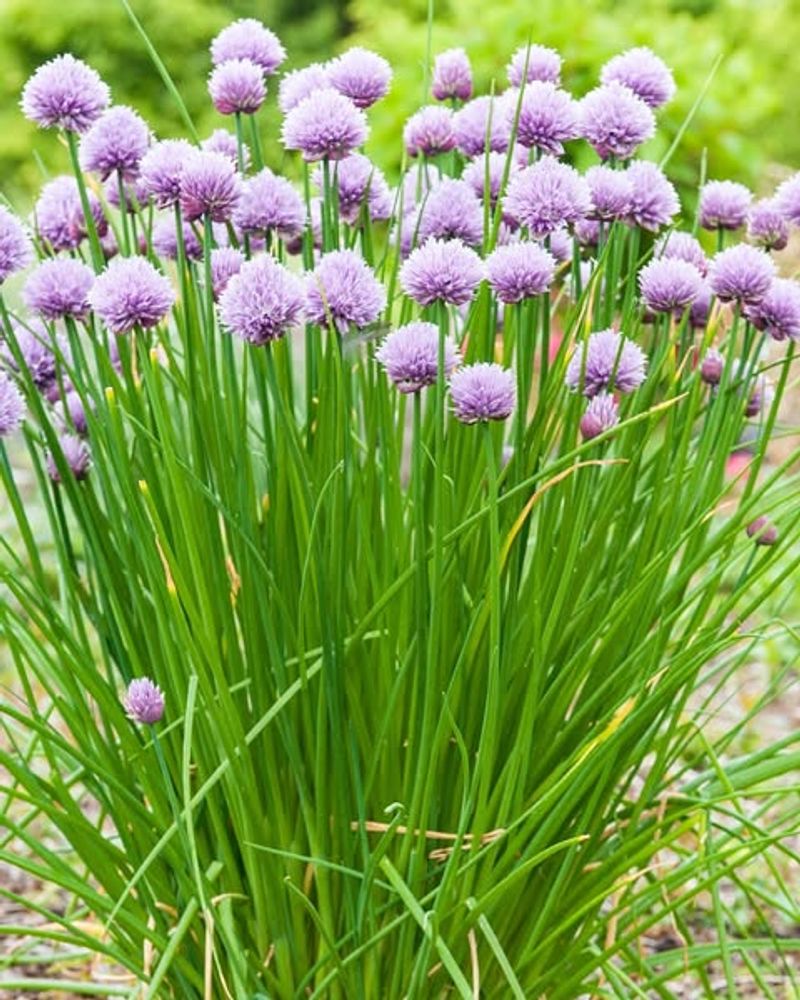
Chives might look delicate with their slender, grass-like leaves, but they’re surprisingly tough and productive in San Diego gardens.
This perennial herb grows in neat clumps that expand gradually, providing a steady supply of mild onion-flavored leaves throughout the year.
Snipping chives with scissors right at the soil line encourages new growth and prevents the plant from becoming too tall and floppy.
The pretty purple pom-pom flowers that appear in spring are completely edible and add a pop of color to salads and garnishes.
Chives prefer slightly more moisture than some other Mediterranean herbs, so regular watering keeps them looking lush and green.
Plant them in full sun or partial shade, where they’ll happily produce fresh leaves for scrambled eggs, baked potatoes, cream cheese, and soups.
Dividing established clumps every few years rejuvenates the plants and gives you extras to share or plant in different garden spots.
Unlike bulb onions, chives don’t require curing or storage—you simply harvest what you need when you need it.
Their compact size makes chives perfect for container gardens, windowsill pots, or edging along pathways.
Even beginning gardeners find success with this forgiving herb that asks for little but gives generously.
8. Parsley Delivers Versatile Freshness Year After Year
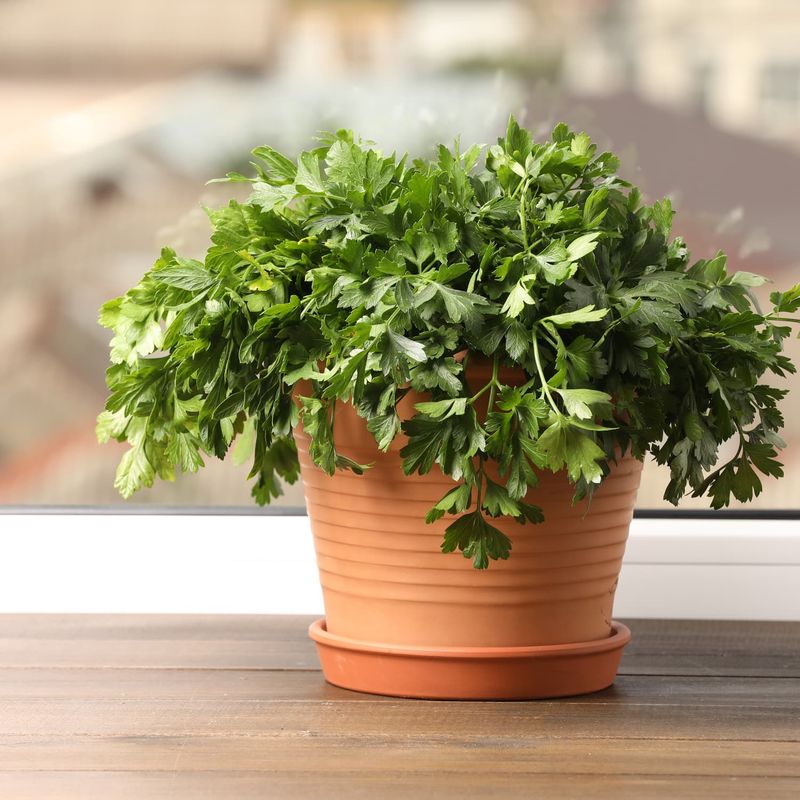
Parsley often gets dismissed as a simple garnish, but San Diego gardeners know it deserves a starring role in the herb garden.
Both curly and flat-leaf varieties grow exceptionally well in the region’s climate, producing abundant harvests from fall through spring.
This biennial herb grows as a leafy plant in its first year, then flowers and sets seed in its second year before completing its life cycle.
Starting new parsley plants each year ensures you always have tender, flavorful leaves available for cooking.
The fresh, slightly peppery taste brightens up everything from tabbouleh and chimichurri to soups, stews, and grain salads.
Parsley appreciates consistent moisture and benefits from partial afternoon shade during San Diego’s warmest months.
Rich soil amended with compost helps parsley develop strong roots and lush foliage that you can harvest repeatedly.
Cut outer stems first, leaving the center of the plant to continue producing new growth throughout the season.
Swallowtail butterfly caterpillars sometimes munch on parsley leaves, which many gardeners consider a fair trade for supporting these beautiful pollinators.
Fresh parsley contains more vitamins and flavor than dried versions, making homegrown plants a worthwhile investment in your culinary adventures.
9. Cilantro Thrives In San Diego’s Cooler Seasons
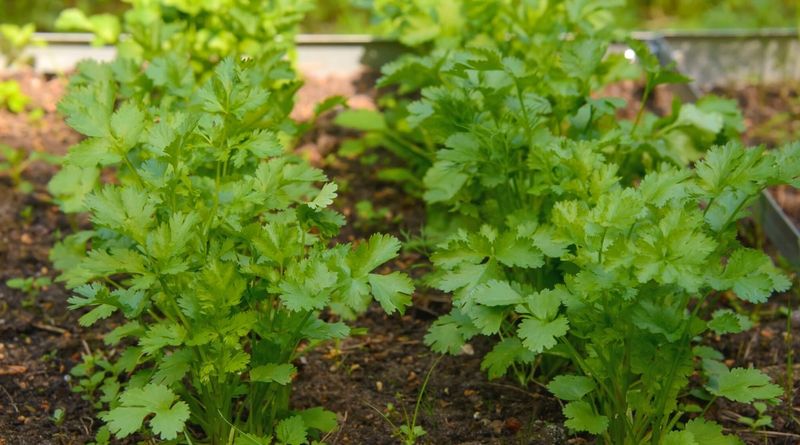
Cilantro brings bright, citrusy flavor to Mexican, Asian, and Mediterranean cuisines that San Diegans enjoy regularly.
This fast-growing annual prefers San Diego’s cooler months from fall through spring, when temperatures stay moderate and the plant focuses on leaf production.
Succession planting every few weeks ensures you always have fresh cilantro available, as individual plants have relatively short productive periods.
The feathery leaves taste best when harvested young and tender, before the plant begins sending up flower stalks.
Once cilantro flowers, it transforms into coriander, producing seeds that you can harvest for a completely different but equally delicious spice.
Growing cilantro in partial shade during warmer months can extend its harvest period slightly, though it naturally prefers cooler weather.
This herb grows quickly from seed, often sprouting within a week and reaching harvestable size in just a few weeks.
Fresh cilantro elevates salsas, guacamole, curries, and salads with its distinctive taste that some people adore and others find soapy.
Container growing works perfectly for cilantro, allowing you to position plants in the best microclimate for their needs.
With strategic timing and regular planting, San Diego gardeners can enjoy fresh cilantro nearly year-round despite its preference for cooler temperatures.