6 Herbs That Love Oregon Rain (And 3 That Hate It)
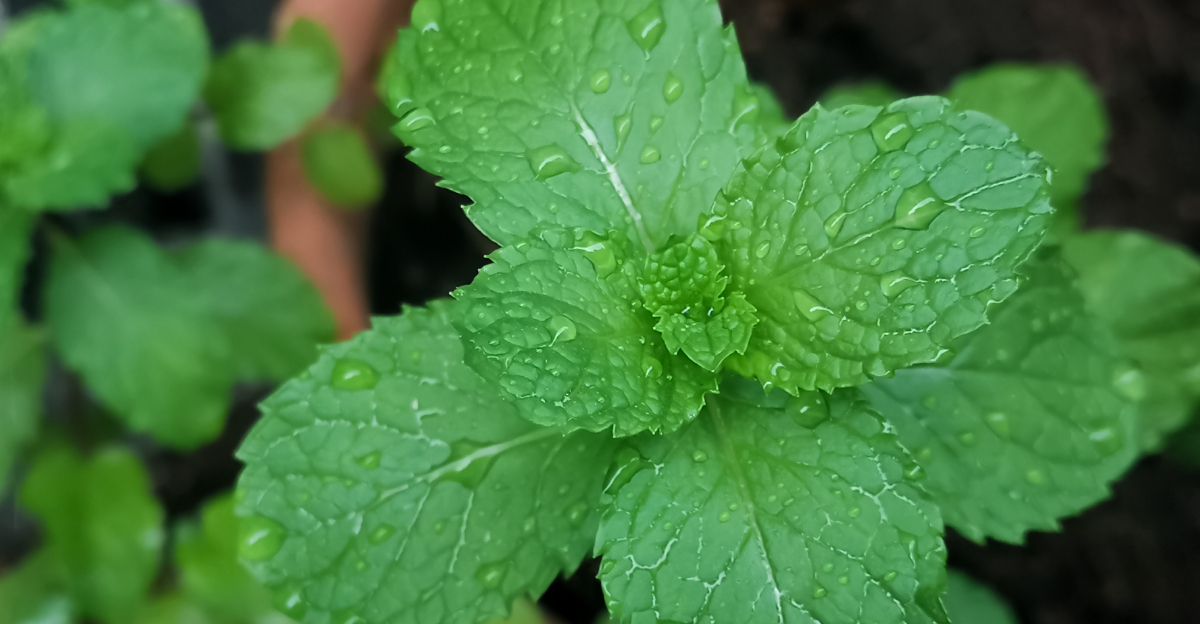
Oregon rain is a dream for some herbs and a disaster for others. While the steady drizzle keeps soil moist and gardens lush, not every herb enjoys wet feet or cloudy skies.
Some thrive in cool, damp conditions and grow faster, greener, and more flavorful with all that natural watering. Others quickly sulk, rot, or lose their punch when the rain just will not quit.
The trick to a happy herb garden in Oregon is knowing who loves the moisture and who would rather stay dry and cozy. Once you get that balance right, your herbs become easier to grow, healthier, and far more productive.
1. Mint
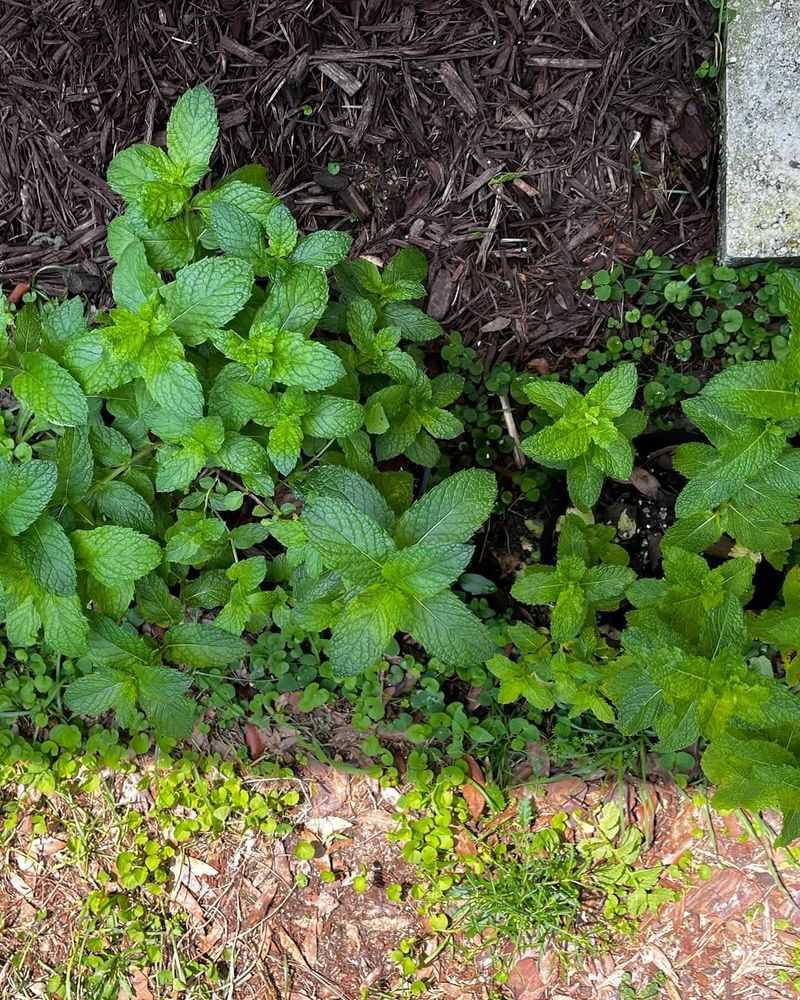
Mint practically celebrates every rainstorm that rolls through Oregon. This vigorous herb loves moisture and spreads quickly in damp conditions, making it one of the easiest herbs to grow in our climate.
Plant it in areas where water tends to collect, and watch it flourish without much fussing.
Your mint prefers partial shade to full sun and tolerates a wide range of soil types. Oregon’s clay-heavy soils work fine as long as they don’t become completely waterlogged.
The natural rainfall throughout spring and fall keeps mint happy without additional watering in most cases.
Container growing works well if you want to control mint’s spreading habit. Use pots with drainage holes, but don’t worry about letting the soil dry out completely between rains.
Mint bounces back quickly even if it wilts slightly during our occasional summer dry spells.
Harvest regularly to encourage bushier growth and prevent flowering, which can make leaves taste bitter. Mint pairs beautifully with parsley and chives in garden beds.
Common varieties like spearmint and peppermint handle Oregon winters outdoors, dying back in cold months before returning vigorously each spring with fresh, flavorful leaves for your kitchen.
2. Chervil
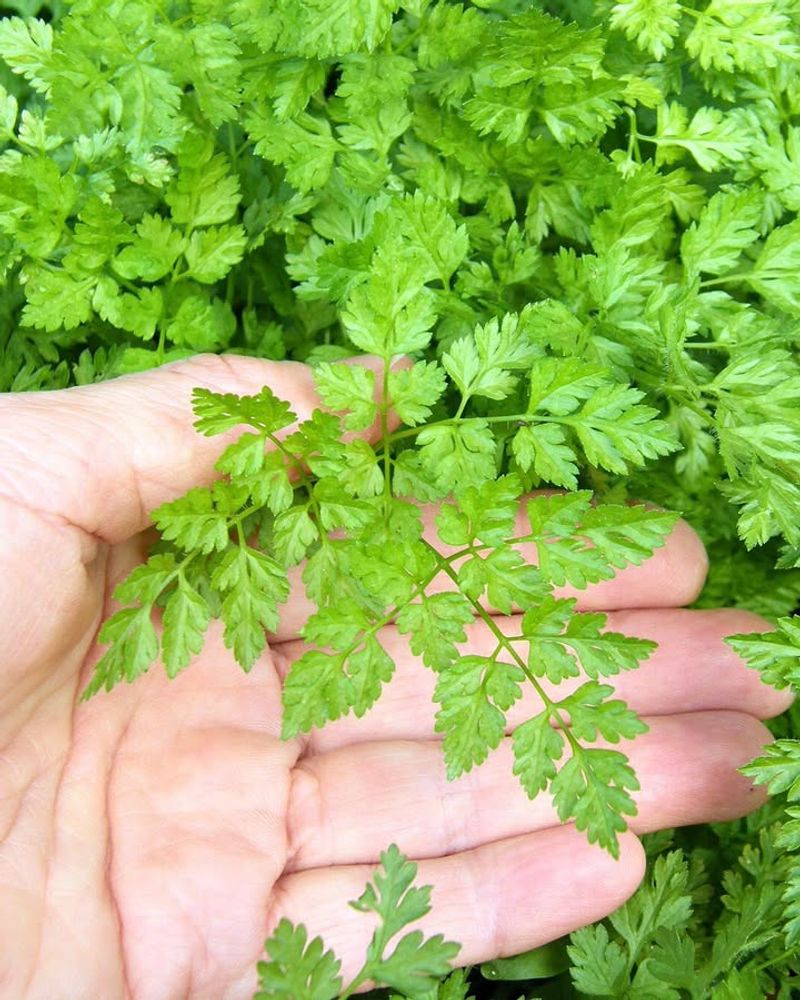
This cool-season herb actually struggles in hot, dry weather, making our rainy springs and falls perfect for growing tender, flavorful leaves. Many gardeners overlook chervil, but it deserves a spot in every Oregon herb garden.
Plant chervil in partial to full shade where it receives protection from intense afternoon sun. It grows best in rich, moisture-retentive soil that Oregon rains keep consistently damp.
Direct sow seeds in early spring or late summer, as chervil doesn’t transplant well and prefers cooler temperatures.
The herb bolts quickly in heat, so Oregon’s mild climate extends your harvest season considerably. Keep soil evenly moist, which happens naturally during rainy months.
In summer’s drier weeks, add mulch around plants to retain moisture and keep roots cool.
Harvest outer leaves regularly, leaving the center to continue producing. Chervil loses flavor when dried, so use it fresh in salads, soups, and egg dishes.
It grows well alongside parsley and cilantro, creating a French-inspired herb corner. Chervil often self-seeds in Oregon gardens, returning year after year without replanting.
3. Parsley
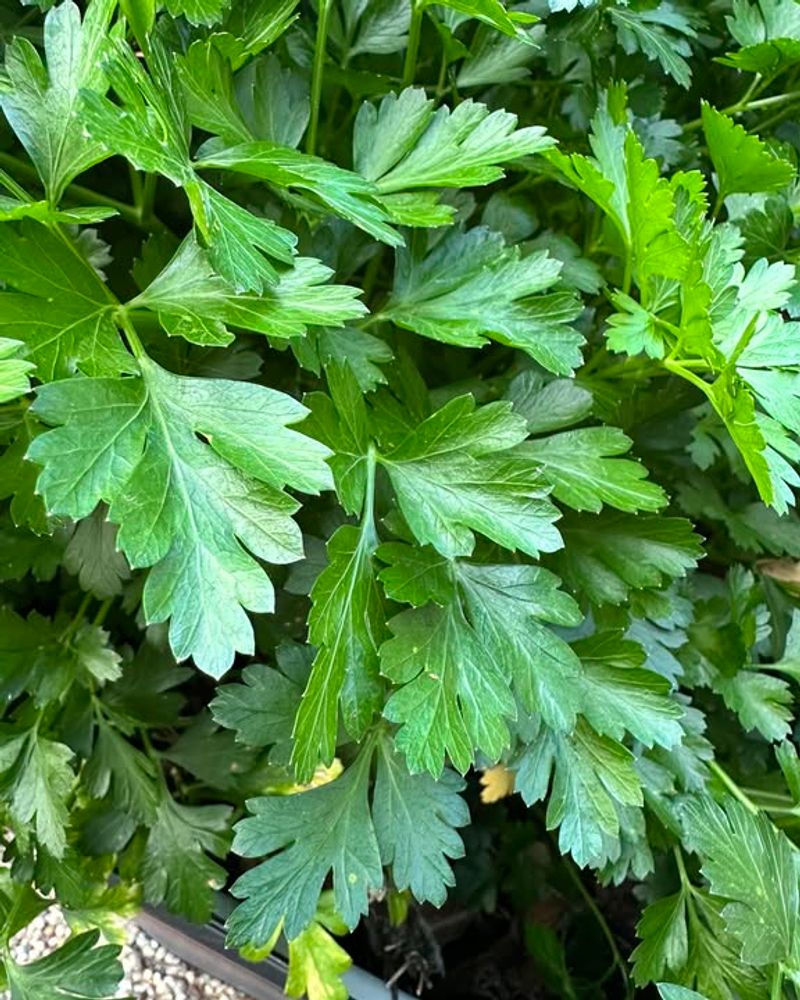
Both curly and flat-leaf varieties grow vigorously here, providing fresh garnish and flavor throughout most of the year. Your parsley appreciates consistent moisture, which Oregon delivers naturally.
Choose a spot with full sun to partial shade and soil enriched with compost. Parsley grows well in Oregon’s heavier soils as long as drainage prevents standing water.
Plant seeds directly in spring after the last frost, or start transplants indoors six weeks earlier for a head start.
Germination takes patience, sometimes up to three weeks, but established plants become quite hardy. Oregon rains keep parsley lush and productive without supplemental watering during cooler months.
In summer, water during dry stretches to prevent leaves from becoming tough or bitter.
This biennial herb produces leaves the first year and flowers the second, but most gardeners treat it as an annual. Harvest outer stems first, allowing the center to keep growing.
Parsley handles light frosts well and often continues producing into December. Plant it near tomatoes, asparagus, or roses, as it makes an excellent companion throughout your garden.
4. Cilantro (Coriander)
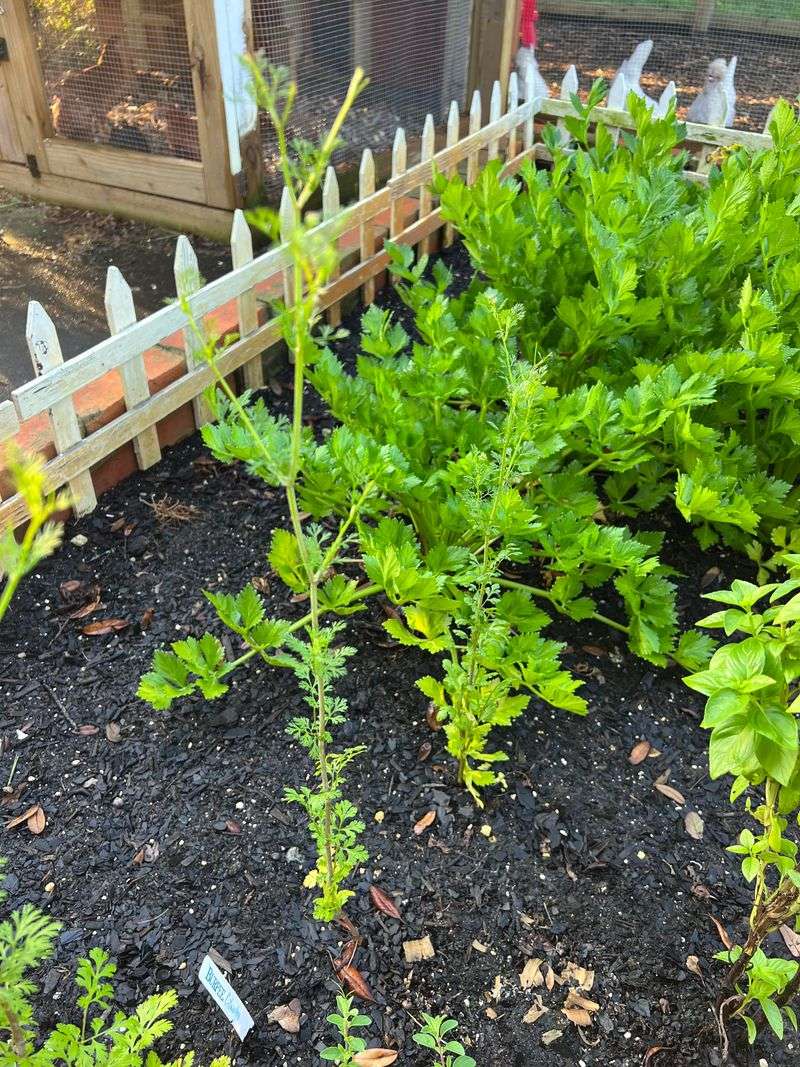
Cilantro loves Oregon’s cool, moist springs and falls, making it far easier to grow here than in hotter climates where it bolts immediately. This fast-growing herb produces abundant leaves during our rainy seasons, giving you fresh cilantro for salsas, curries, and salads.
The secret to success lies in planting at the right time and letting Oregon’s weather do the work.
Sow seeds directly in garden beds during March or April, then again in late August for fall harvests. Cilantro prefers full sun but tolerates partial shade, especially during warmer months.
It grows best in loose, well-draining soil that stays consistently moist, which our spring rains provide perfectly.
Space plants about six inches apart and thin seedlings to prevent overcrowding. Oregon’s mild temperatures slow bolting, extending your harvest window considerably compared to warmer regions.
Water during summer dry spells, but avoid overwatering, which can cause roots to rot even in moisture-loving cilantro.
Harvest leaves once plants reach six inches tall, cutting outer stems first. Cilantro often self-seeds in Oregon gardens, creating volunteer plants that pop up year after year.
Let some plants flower to collect coriander seeds for cooking. Grow cilantro near beans, peas, or in containers on patios for easy access.
5. Sorrel
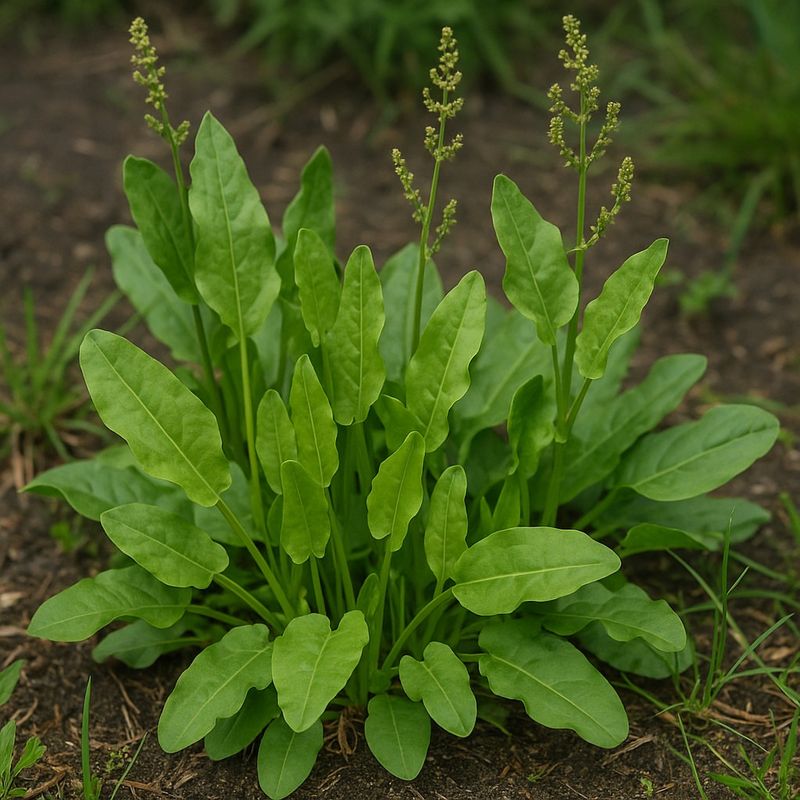
This herb offers a bright, lemony flavor that perks up salads and soups, and it happens to thrive in Oregon’s damp conditions. Sorrel returns year after year, spreading slowly into attractive clumps of arrow-shaped leaves.
Gardeners who try sorrel often wonder why they waited so long to plant this underappreciated herb.
Plant sorrel in partial shade to full sun, though it appreciates afternoon shade during summer. It tolerates a wide range of soils and actually prefers the moisture that Oregon provides naturally.
Space plants about twelve inches apart and enrich soil with compost before planting for best results.
Sorrel handles heavy rainfall without issues and rarely needs supplemental watering except during extended dry periods. Remove flower stalks as they appear to encourage continued leaf production and prevent self-seeding, which can become aggressive.
The herb stays relatively compact with regular harvesting.
Harvest young, tender leaves for the best flavor, as older leaves become more bitter. Sorrel contains oxalic acid, so enjoy it in moderation.
It pairs well with fish, eggs, and cream-based dishes. The plant dies back partially in winter but returns vigorously each spring.
French sorrel varieties offer milder flavor than common sorrel, making them popular choices for Oregon herb gardens.
6. Lovage
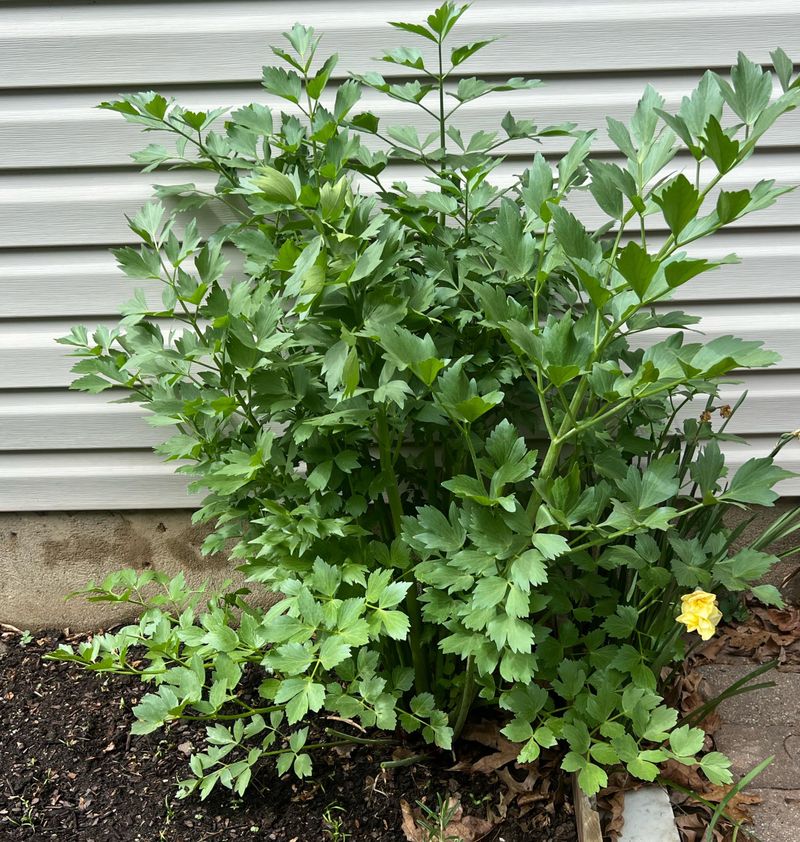
Lovage grows into an impressive perennial herb that can reach five feet tall in Oregon’s favorable conditions. This celery-flavored herb loves moisture and tolerates our wet winters without complaint.
One plant provides plenty of leaves, stems, and seeds for cooking, making it a practical addition to any herb garden with space to accommodate its size.
Choose a permanent location in full sun to partial shade, as lovage returns for many years once established. It prefers rich, moisture-retentive soil that Oregon rains keep consistently damp.
Plant seeds or transplants in spring, spacing at least two feet from other plants to allow room for growth.
Lovage requires minimal care once established, thriving on natural rainfall throughout most of the year. The deep taproot accesses moisture even during drier summer weeks.
Mulch around the base to retain soil moisture and suppress weeds, though this vigorous herb competes well on its own.
Harvest leaves and stems throughout the growing season, using them fresh or dried in soups, stews, and stocks. The flavor intensifies as plants mature, so use sparingly at first.
Lovage dies back in winter but returns reliably each spring, often one of the first herbs to emerge. Plant it in back borders or along fences where its height won’t shade smaller herbs.
7. Rosemary
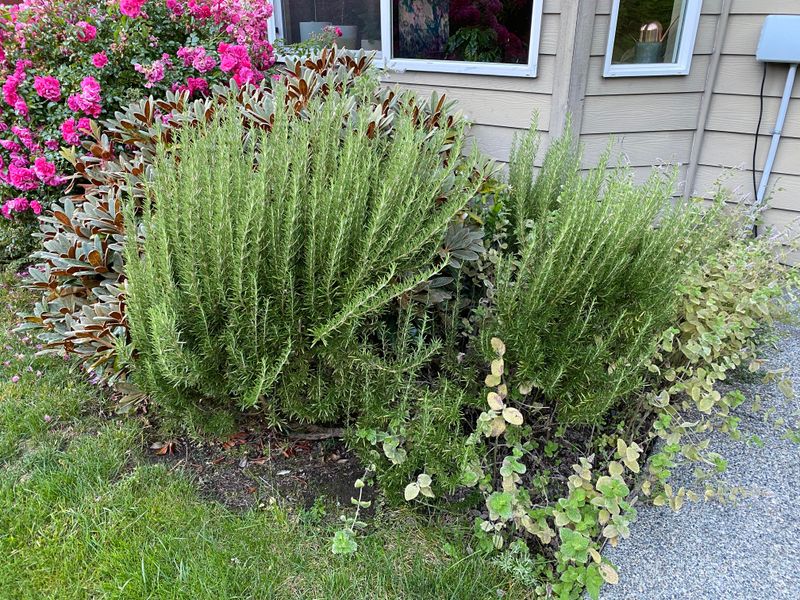
This herb prefers the dry, sunny conditions of its Mediterranean homeland, making Oregon’s rainy climate challenging for this popular herb. Excessive moisture leads to root rot and fungal issues, particularly during our wet winters.
Growing rosemary successfully here requires strategic placement and soil amendments to improve drainage.
Plant rosemary in the sunniest, driest spot available, ideally against south-facing walls that provide heat and protection. Amend heavy Oregon clay with generous amounts of sand, perlite, or fine gravel to create fast-draining soil.
Raised beds work exceptionally well, lifting roots above soggy ground during winter rains.
Choose hardier varieties like ‘Arp’ or ‘Hill Hardy’ that tolerate cold better than tender types. Even cold-hardy rosemary struggles more with wet roots than freezing temperatures.
Consider container growing, moving pots under eaves or into unheated garages during the wettest months.
Water sparingly, allowing soil to dry between waterings even during summer. Overwatering causes more problems than underwatering for this drought-tolerant herb.
Mulch with gravel rather than organic materials, which retain moisture. Prune after flowering to maintain shape and improve air circulation.
Coastal Oregon gardeners face particular challenges, as humid air and frequent rain make rosemary difficult to keep healthy long-term without covered growing areas.
8. Thyme
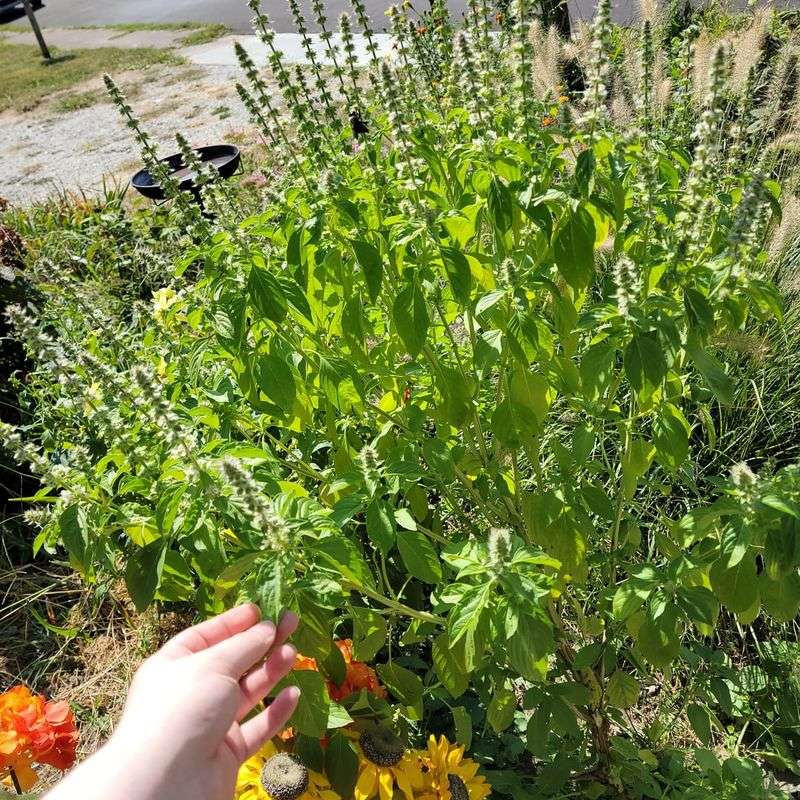
This low-growing herb develops root problems when sitting in wet soil for extended periods. Success with thyme requires excellent drainage and careful site selection to prevent winter waterlogging.
Select locations with full sun and lean soil that drains quickly after rain. Slopes, rock gardens, or raised beds provide ideal conditions for thyme in Oregon.
Mix coarse sand or small gravel into planting areas to improve drainage in heavy soils. Avoid low spots where water collects during winter.
Common thyme varieties handle Oregon conditions better than some specialty types. Creeping thyme works well between pavers or on slopes where water runs off quickly.
Space plants about ten inches apart, allowing air circulation that helps prevent fungal diseases in our humid climate.
Water established thyme sparingly, letting soil dry between waterings. Oregon rains provide adequate moisture during cooler months, often too much rather than too little.
In summer’s drier weeks, thyme needs minimal supplemental water compared to moisture-loving herbs. Prune after flowering to maintain compact growth and remove any dead patches that develop from excess moisture.
Use gravel mulch around plants rather than bark or compost, which hold moisture against stems and encourage rot.
9. Oregano
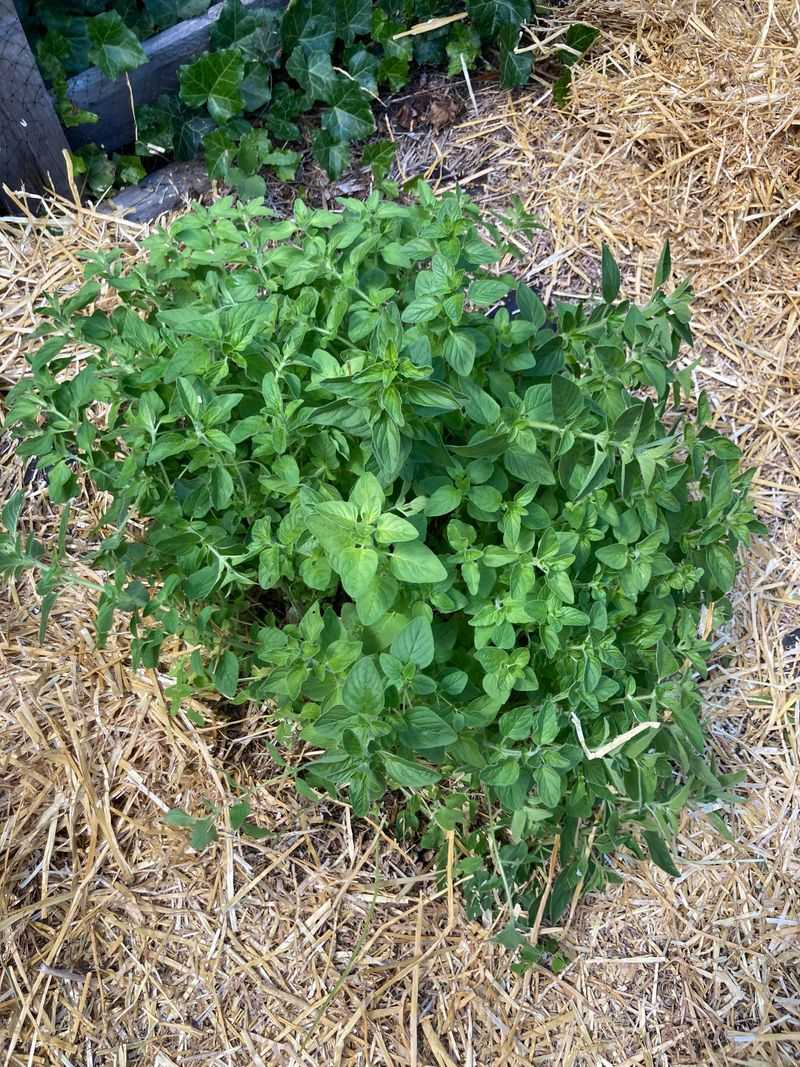
Oregano prefers less rain than our climate delivers. This hardy perennial tolerates occasional wet periods but develops flavor and aroma best in drier soil with good drainage.
Growing robust oregano here means creating conditions that mimic its Mediterranean origins.
Plant oregano in full sun where soil drains quickly, avoiding areas that stay damp after rains. Raised beds or mounded rows work well, lifting roots above saturated ground.
Mix sand or fine gravel into planting areas to improve drainage in typical Oregon soils. Greek oregano varieties offer the strongest flavor and handle our climate reasonably well.
Established oregano needs minimal watering once roots develop, relying primarily on natural rainfall. During summer, water only when soil becomes quite dry.
Overwatering dilutes the essential oils that give oregano its characteristic flavor and can cause root rot during wet seasons.
Harvest stems regularly throughout the growing season, cutting back plants by about one-third to encourage bushier growth. Oregano often survives Oregon winters outdoors, though wet conditions sometimes cause dieback.
Mulch with gravel rather than organic materials to prevent moisture retention around the crown. Container growing offers better control over soil moisture, particularly for gardeners in western Oregon where rainfall totals run highest.
Bring pots under cover during the wettest winter months for best results.