Herbs That Should Never Be Planted Together In Oregon (And How To Fix It)
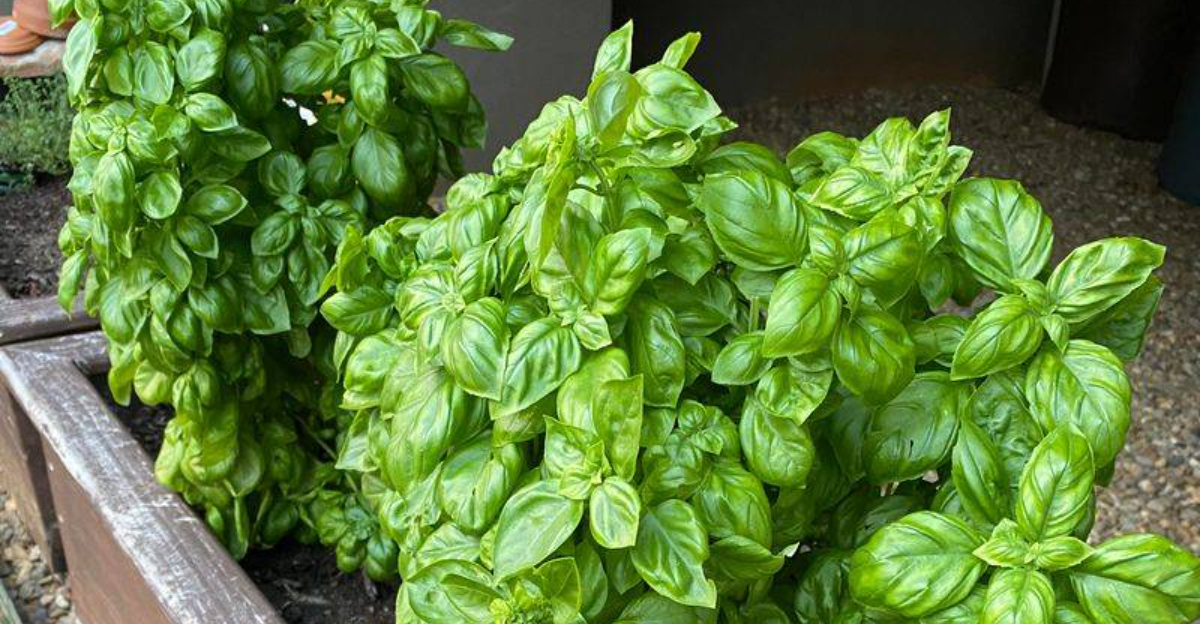
Herbs are a favorite for Oregon gardeners, but not all of them play nicely together. Planting incompatible herbs side by side can stunt growth, reduce flavor, or even make one plant more vulnerable to pests and disease.
Knowing which herbs don’t get along, and how to fix these situations, can make a big difference in the health and productivity of your garden.
Even experienced gardeners sometimes plant too closely or mix herbs with conflicting needs for sunlight, water, or soil. The good news is that most conflicts can be resolved by simple strategies like moving pots, creating dedicated beds, or adjusting spacing.
By understanding which herbs thrive alone and which are friendly neighbors, you can maximize growth, flavor, and harvests.
With a little attention to companion planting principles, you can enjoy a garden full of thriving, aromatic herbs all season long.
1. Mint + Any Other Herb
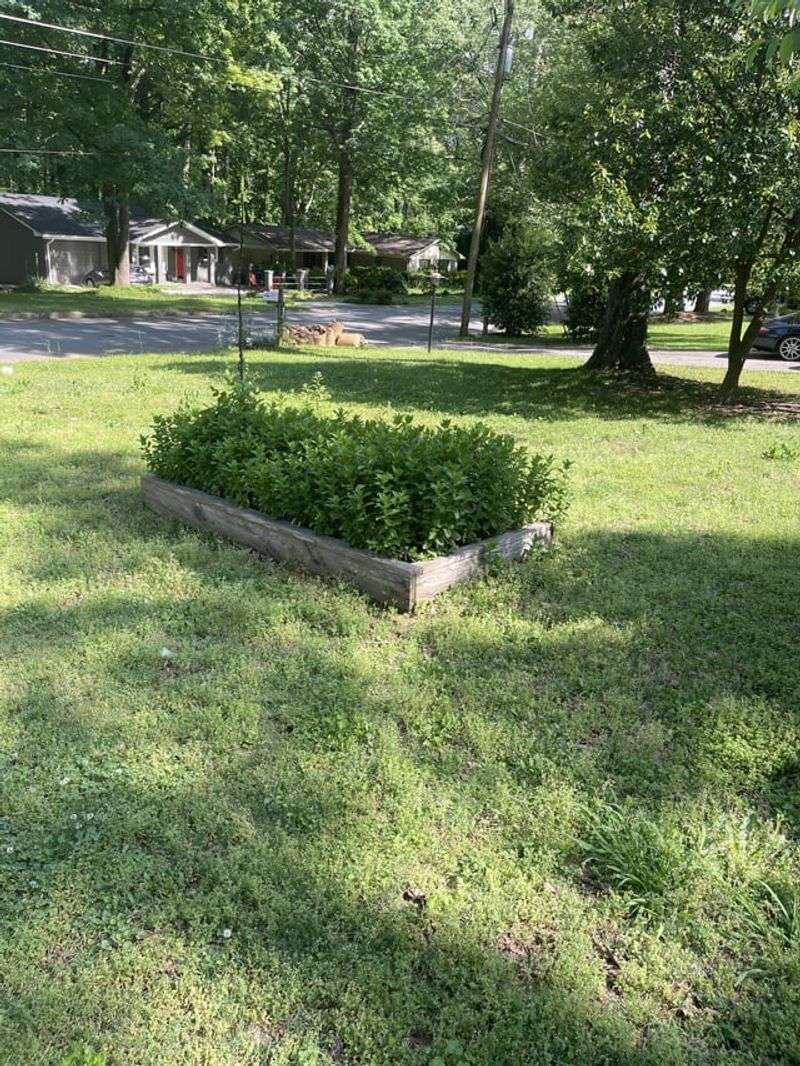
You planted a cheerful little container garden last spring with basil, parsley, and a sprig of mint tucked in the corner. By mid-July, the mint had taken over half the pot, choking out everything else.
Sound familiar? Mint is notorious for aggressive root spread, sending runners underground that crowd out neighboring herbs in a matter of weeks.
Oregon’s cool, moist springs create perfect conditions for mint to explode in growth. Its shallow, fast-spreading roots compete fiercely for nutrients and water, leaving slower-growing herbs like basil and cilantro struggling to establish themselves.
Even in raised beds, mint can travel several feet in one season, creating a tangled mess beneath the soil.
The fix is simple: always plant mint in its own container, completely isolated from other herbs. Choose a pot at least 10 inches deep with drainage holes, and place it near your kitchen door for easy snipping.
If you prefer in-ground planting, sink the entire pot into the soil to contain the roots. This barrier method works beautifully in Oregon gardens, letting you enjoy fresh mint without sacrificing your other herbs.
Check the pot edges every few weeks and trim any runners trying to escape over the rim.
2. Fennel + Most Herbs (Especially Basil, Cilantro, Coriander)
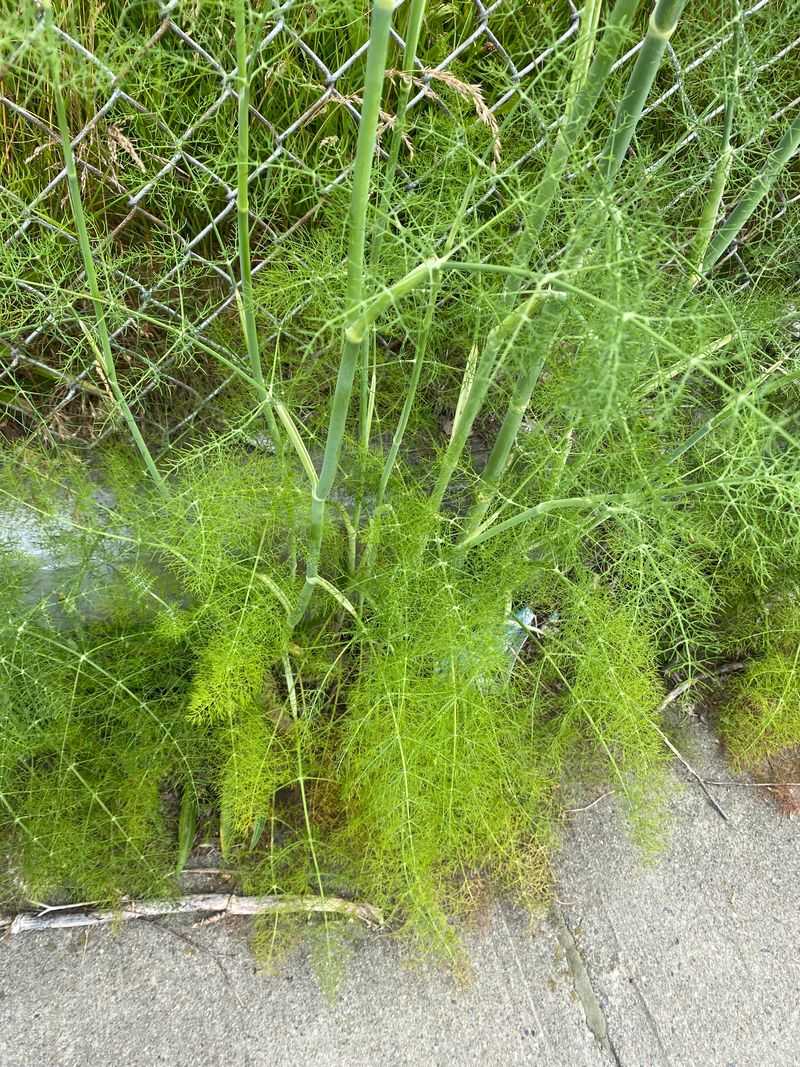
Walk through any Oregon herb garden in late summer and you’ll spot fennel towering over everything else, its feathery fronds swaying in the breeze. Beautiful as it looks, fennel is a terrible neighbor.
It releases chemical compounds into the soil that actively inhibit the growth of nearby plants, a process called allelopathy.
Basil, dill, cilantro, and coriander are especially sensitive to these secretions, often producing weak stems and sparse foliage when planted too close.
Gardeners frequently notice their cilantro bolting early or their basil leaves staying small and pale when fennel shares the same bed.
The problem worsens in Oregon’s dry summer months when plants compete for limited water, and fennel’s deep taproot pulls moisture from lower soil layers that other herbs can’t reach. The result is stressed, underperforming plants that never reach their full harvest potential.
To fix this, give fennel its own dedicated space at least three feet away from other herbs. Plant it at the edge of your garden or in a separate raised bed where its height won’t shade smaller plants.
If space is tight, grow fennel in a large container placed away from your main herb area. This separation allows you to enjoy fennel’s anise flavor without sacrificing your basil pesto or fresh cilantro.
3. Dill + Fennel
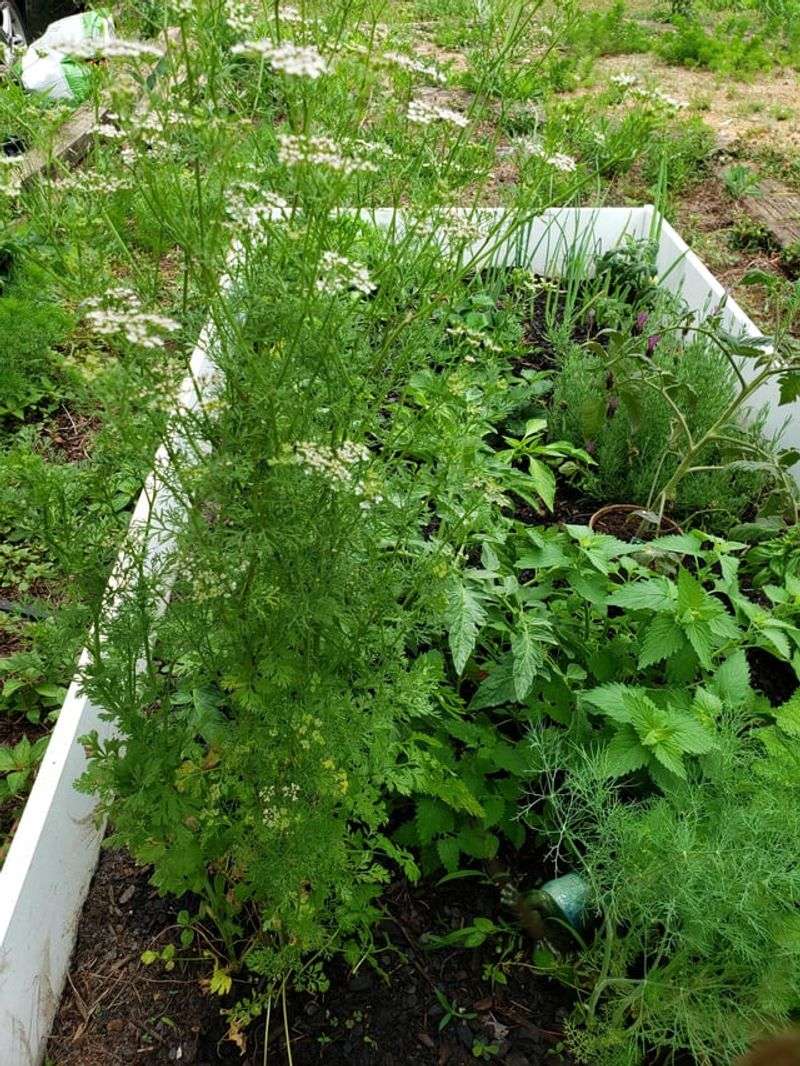
At first glance, dill and fennel seem like natural companions—they share similar feathery foliage, grow tall, and both love full sun. But planting them together creates a frustrating problem: cross-pollination.
When dill and fennel flower at the same time, bees carry pollen between the plants, resulting in seeds with muddled flavors that taste neither like true dill nor true fennel. If you’re saving seeds for next season, this mix-up ruins your harvest.
Oregon’s long summer days encourage both herbs to bolt and flower simultaneously, especially during warm stretches in July and August. Gardeners who plant them side-by-side often discover their dill seeds taste oddly bitter or their fennel seeds lack the characteristic sweet anise punch.
The plants themselves may look healthy, but the seed quality suffers dramatically, making this pairing particularly disappointing if you rely on saved seeds.
The solution is straightforward: plant dill and fennel on opposite sides of your garden, at least 20 feet apart if possible. If you’re working with limited space, stagger their planting times so they flower weeks apart, preventing cross-pollination entirely.
You can also dedicate one season to growing dill and the next to fennel, rotating their locations in your raised beds. This simple adjustment preserves the distinct flavors you’re growing these herbs for in the first place.
4. Basil + Rosemary
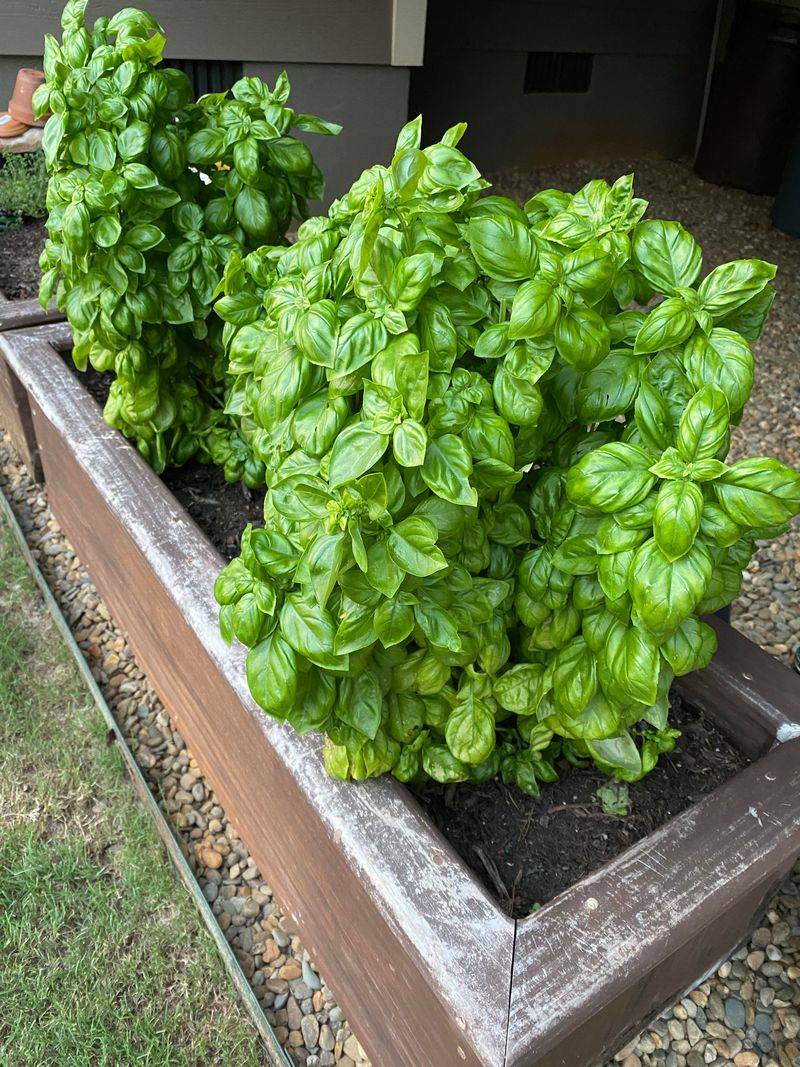
Picture a sunny corner of your raised bed where you planted basil and rosemary together, thinking they’d both enjoy the warmth. A few weeks later, the rosemary looks fine, but your basil is wilting despite regular watering.
The problem isn’t pests or disease, it’s a fundamental mismatch in water needs. Basil craves consistent moisture and rich soil, while rosemary thrives in dry, well-drained conditions that mimic its Mediterranean origins.
Oregon’s variable summer weather makes this pairing even trickier. During our typical dry spells in July and August, you’ll water frequently to keep basil happy, but that same moisture level causes rosemary roots to rot or develop fungal issues.
Conversely, if you water less to accommodate rosemary, basil leaves turn crispy and bitter, losing their tender sweetness. It’s a lose-lose situation that leaves both herbs underperforming.
The fix is to separate these herbs by watering zones. Plant basil in a container or bed section where you can water generously every few days, mixing in compost to retain moisture.
Give rosemary a spot with excellent drainage, perhaps on a slope or in a raised bed with added sand and gravel.
In containers, use different potting mixes: moisture-retentive soil for basil and fast-draining cactus mix for rosemary. This simple reorganization lets both herbs flourish according to their natural preferences.
5. Basil + Sage
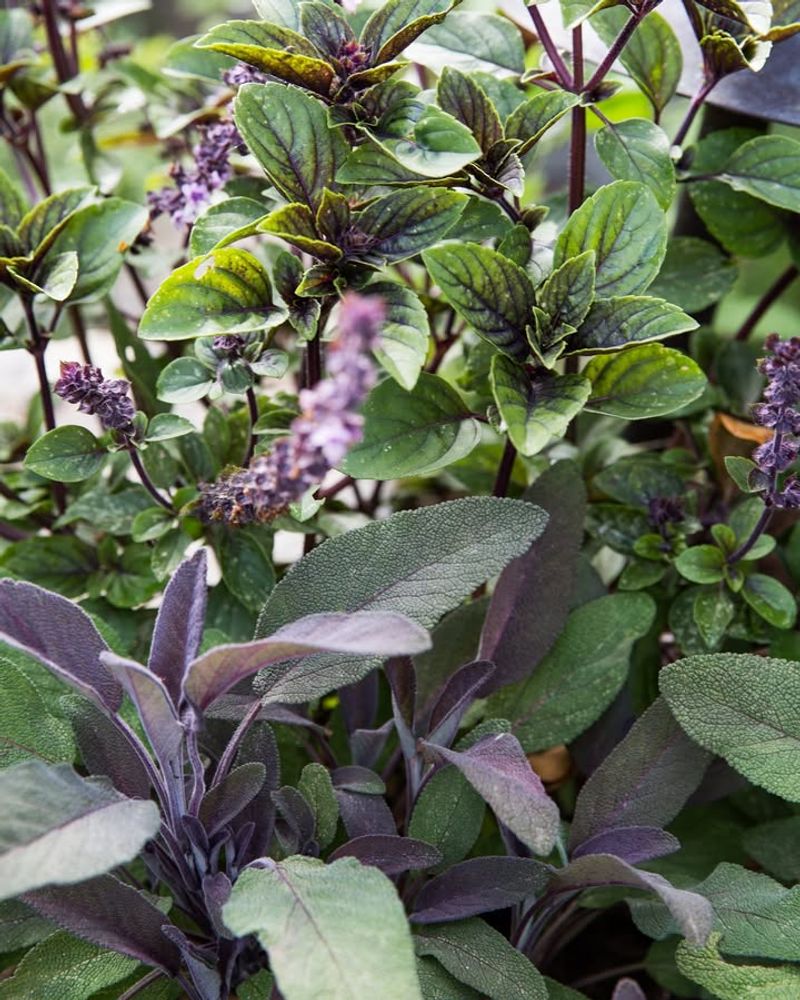
You filled a large terracotta pot with basil and sage, hoping for a Mediterranean-inspired container garden. By August, the basil looks leggy and pale while the sage sprawls outward, its woody stems taking up more space than you expected.
This pairing struggles because sage is a vigorous perennial with extensive root systems that quickly dominate container space, while basil is a tender annual that needs room to grow lush and productive.
Sage also prefers drier soil and can tolerate Oregon’s occasional drought periods without complaint. Basil, however, needs consistent watering and nutrient-rich conditions to produce those big, flavorful leaves you’re after.
When they share a pot, you’re forced to compromise on watering and feeding schedules, leaving both herbs in suboptimal conditions.
The sage’s deep roots also compete aggressively for nutrients, starving the basil of the nitrogen it needs for leafy growth.
To fix this, give each herb its own container with soil tailored to its needs. Plant basil in a pot with standard potting mix enriched with compost, and water it every few days during warm weather.
Put sage in a separate container with added perlite or sand for drainage, watering only when the top two inches of soil dry out.
If you love the look of mixed containers, plant basil with other annuals like parsley or cilantro that share similar water and nutrient requirements.
6. Basil + Thyme
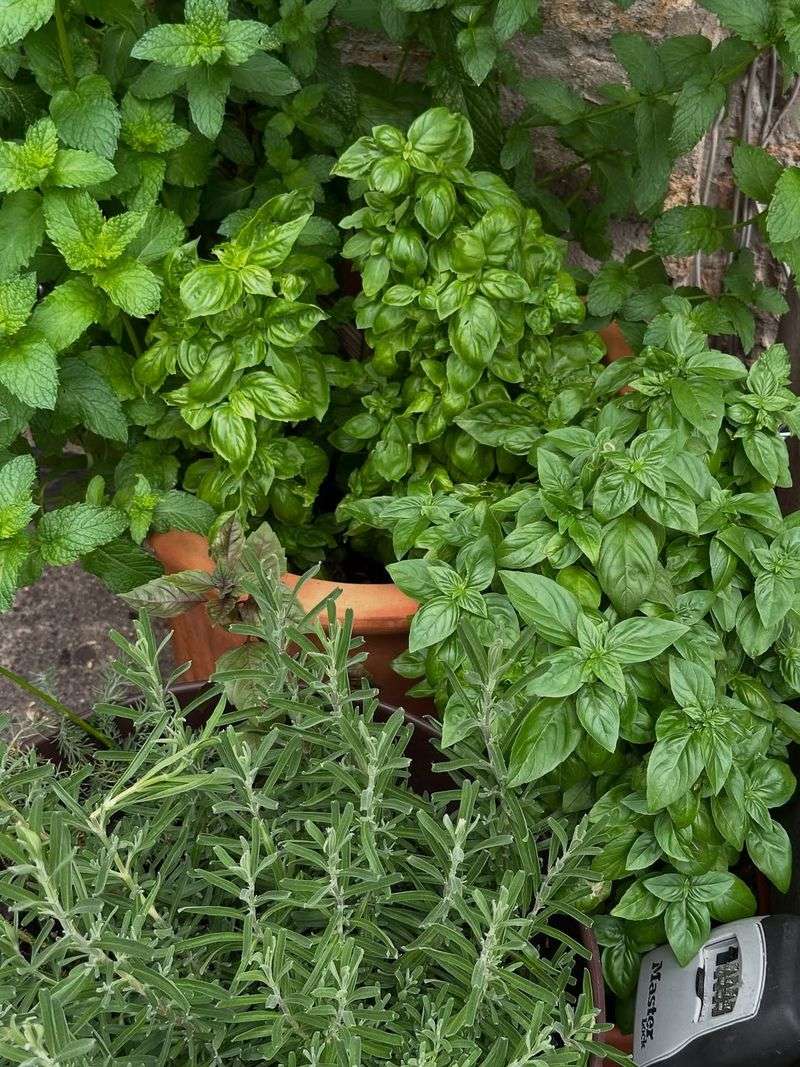
A small raised bed packed with basil and thyme seems efficient, but by midsummer, your basil harvest is disappointing. The leaves stay small, and the plants never quite reach that bushy, abundant stage you see in garden catalogs.
Thyme, meanwhile, creeps along happily, forming a dense mat that looks healthy but doesn’t leave much room for anything else.
The issue is competition: thyme’s spreading growth habit and shallow roots create a thick ground cover that crowds out basil’s root zone.
Thyme also prefers lean, well-drained soil and minimal watering, conditions that leave basil stressed and struggling.
Oregon gardeners often water their raised beds generously to support summer vegetables, which works fine for basil but can cause thyme to develop weak, floppy growth or root issues.
The two herbs simply have different cultural requirements that make them poor roommates, especially in smaller garden spaces.
The solution is to plant them in separate areas with distinct growing conditions. Give basil a prime spot with rich, amended soil and regular watering, ideally near tomatoes or peppers that share similar needs.
Plant thyme along the edges of your raised bed or in a rockery where drainage is excellent and you water less frequently.
If you’re working with containers, use a large pot for basil alone, and tuck thyme into a smaller pot or hanging basket where its cascading growth looks attractive and stays out of basil’s way.
7. Parsley + Mint
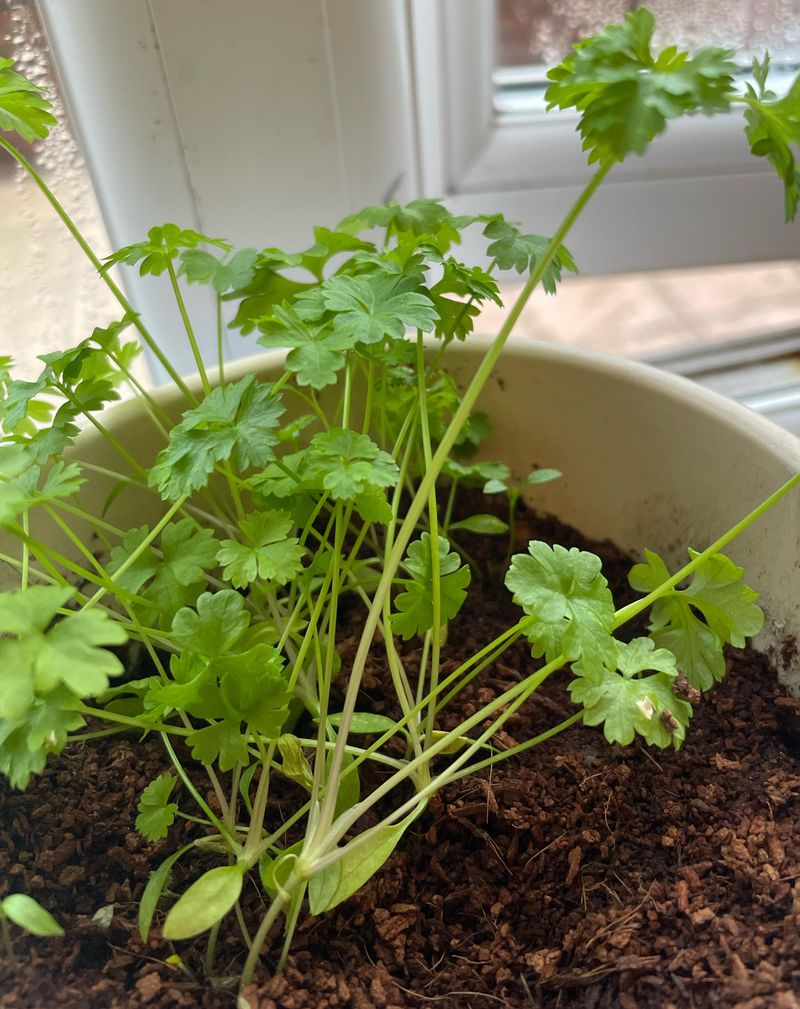
Last spring, you tucked parsley and mint together in a corner of your vegetable bed, thinking they’d both appreciate Oregon’s cool, damp conditions.
By early summer, the mint had sent runners in every direction, and your parsley looked stunted, producing only a few sparse stems.
Mint’s aggressive spreading habit is the culprit here, it doesn’t just compete for space above ground, but sends out underground rhizomes that tangle with parsley’s roots and steal nutrients before parsley can access them.
Parsley is a slower-growing biennial that needs time to establish a strong root system, especially in its first season. When mint invades that space, parsley never gets the chance to develop properly.
Oregon’s moist spring weather accelerates mint growth, making the problem even more pronounced. Gardeners often find their parsley harvest reduced to a handful of leaves while mint takes over entire bed sections.
To fix this, always isolate mint in its own container, as mentioned earlier. Plant parsley in a separate bed or pot where it has room to grow without competition.
Parsley does beautifully in Oregon gardens when given rich soil, partial shade during hot afternoons, and consistent moisture. If you’ve already planted them together, dig up the mint immediately, roots and all, and relocate it to a confined pot.
Your parsley will recover within a few weeks once the competition is removed, producing the full, leafy growth you’re hoping for.
8. Cilantro + Lavender
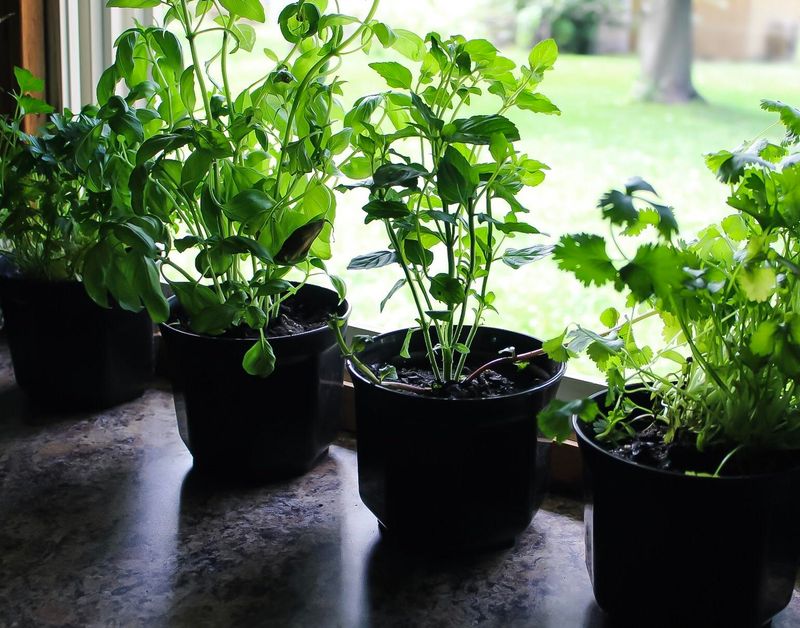
A cheerful planter box on your patio holds cilantro and lavender, both herbs you use regularly in the kitchen.
But your cilantro bolts within weeks, and the lavender’s lower leaves turn brown despite plenty of sunshine.
The problem is a moisture mismatch: cilantro needs cool, consistently moist soil to produce tender leaves, while lavender demands dry, well-drained conditions and abhors wet feet. Trying to meet both needs in one container is nearly impossible.
Oregon’s spring weather is ideal for cilantro, with cool temperatures and frequent rain keeping the soil moist. But those same conditions can cause lavender to develop root rot or fungal problems, especially in containers without perfect drainage.
As summer arrives and you water more to keep cilantro from bolting, lavender suffers even more. Conversely, if you cut back on watering to protect lavender, cilantro bolts immediately, turning bitter and unusable.
The fix is simple: plant these herbs separately based on their water requirements. Grow cilantro in a container with moisture-retentive potting soil, placed in a spot with morning sun and afternoon shade to delay bolting.
Keep it well-watered and succession-plant every few weeks for continuous harvest. Give lavender its own pot with a cactus or succulent mix, positioned in full sun where the soil dries out between waterings.
This separation allows both herbs to thrive in the conditions they prefer, giving you better harvests and healthier plants all season long.
9. Chamomile + Mint
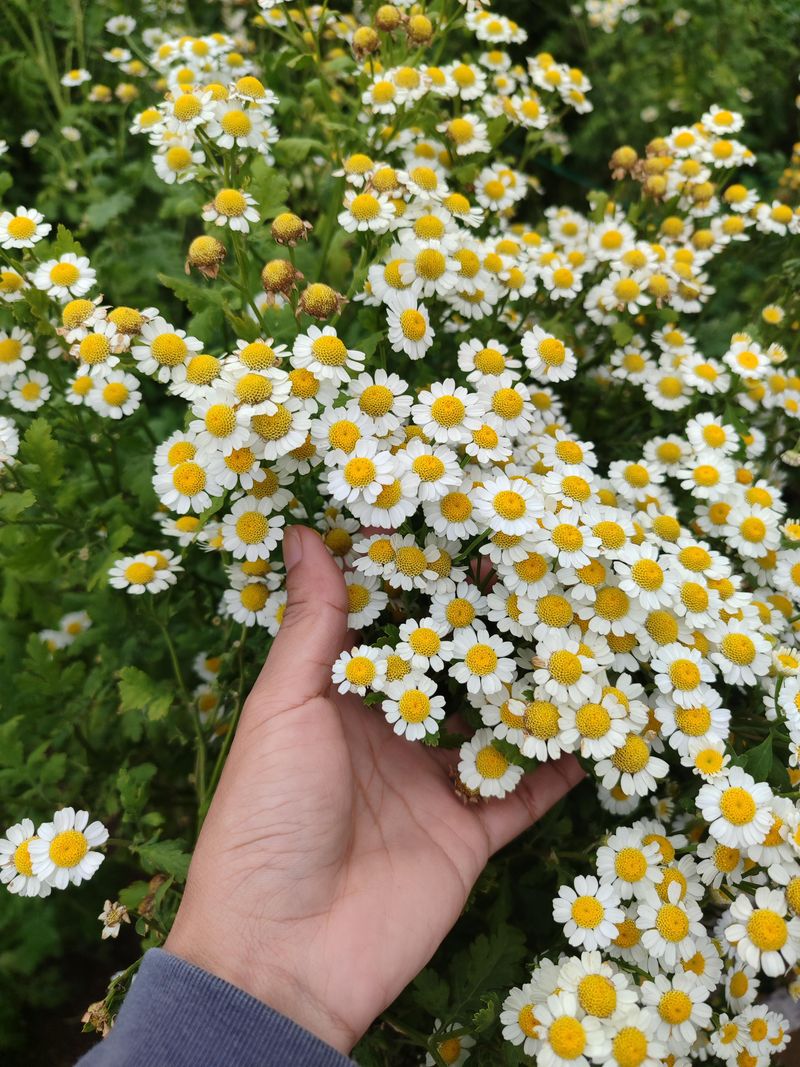
You planted chamomile and mint together in a garden bed, attracted by the idea of a calming tea garden. Within a single season, the mint has completely overtaken the chamomile, leaving only a few struggling flowers.
Mint’s relentless spreading habit is once again the problem, its runners move faster than chamomile can establish itself, stealing sunlight, water, and nutrients before chamomile has a chance to bloom properly.
Chamomile is a delicate annual or short-lived perennial that grows slowly from seed and needs space to develop its branching stems and daisy-like flowers.
Oregon’s cool springs give chamomile a good start, but as mint wakes up and begins its aggressive growth, chamomile gets shaded out and crowded.
By midsummer, you’ll find mint dominating the space while chamomile produces only sparse, weak blooms that aren’t worth harvesting.
The solution is to keep mint strictly contained in its own pot, well away from your chamomile. Plant chamomile in a dedicated bed or large container where it has room to spread naturally, reaching 12 to 18 inches wide at maturity.
Chamomile appreciates full sun and moderate watering, thriving in Oregon’s summer warmth when given space to flourish.
If you want both herbs nearby for easy tea harvesting, place the mint container next to the chamomile bed, but never let them share root space.
This arrangement gives you abundant harvests of both herbs without the frustration of watching one overtake the other.
10. Oregano + Basil (Especially In Small Containers)
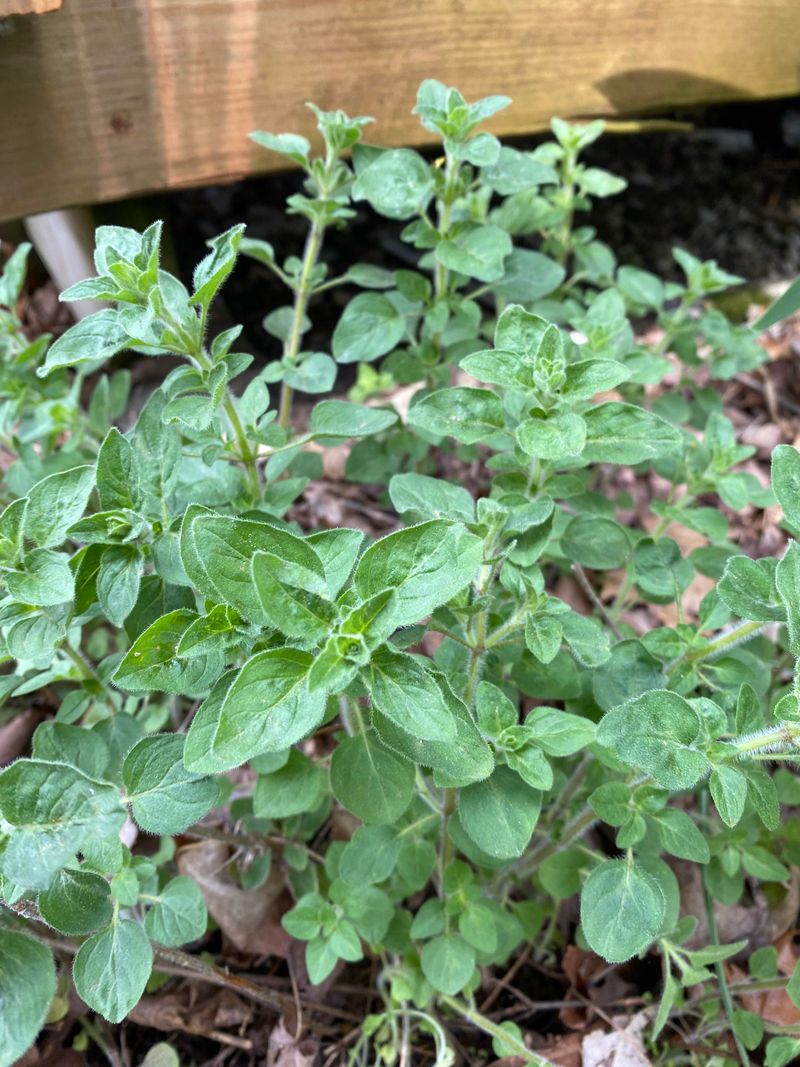
A 12-inch pot on your deck holds oregano and basil, both herbs you reach for constantly when cooking. By July, the oregano has formed a dense, woody mat while your basil looks scraggly and produces only small leaves.
The problem is twofold: oregano is a vigorous perennial with spreading roots that quickly dominate container space, and it prefers drier soil than basil can tolerate. In small containers, there simply isn’t enough room for both herbs to coexist successfully.
Oregano’s growth habit becomes especially aggressive in Oregon’s warm summer months, sending out runners that fill every available inch of soil.
Basil, which needs consistent moisture and rich nutrients to produce large, flavorful leaves, gets crowded out and stressed.
You’ll find yourself watering frequently to keep basil alive, which can cause oregano to develop weak, leggy growth instead of the compact, flavorful foliage you want.
To fix this, plant each herb in its own container sized appropriately for its growth habit. Give basil a pot at least 10 inches wide with nutrient-rich potting soil, watering it every few days and feeding with a balanced fertilizer.
Plant oregano in a separate container where it can spread, using a well-drained soil mix and watering less frequently. If you prefer keeping them together visually, place the containers side-by-side on your deck or patio.
This simple separation gives both herbs the space and conditions they need to produce abundant harvests all summer.