Herbs To Start From Seed In Late March In Georgia Gardens
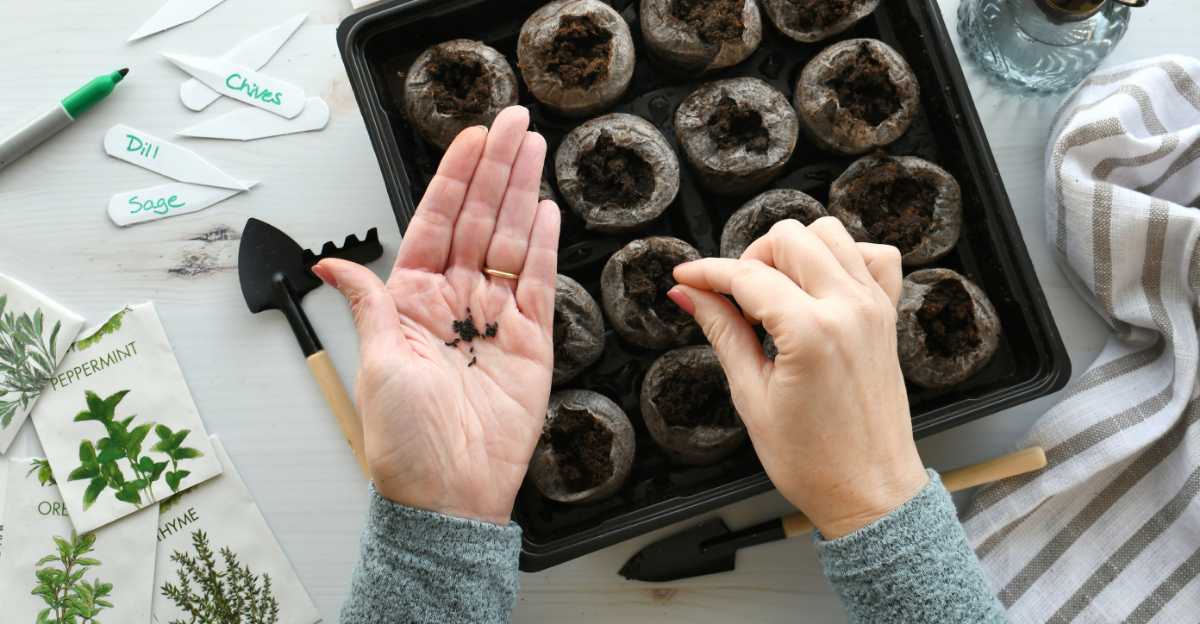
March in Georgia feels like a gentle nudge that spring has arrived, and gardeners everywhere remember the joy of opening seed packets and feeling that familiar sense of possibility. It’s the perfect moment to start fresh herbs, whether you’re eyeing a sunny windowsill or a small garden bed outside.
Starting herbs from seed now means you’ll enjoy stronger plants with fuller flavor, ready to enhance meals or ward off garden pests.
Herbs like basil, oregano, and thyme can be nurtured indoors until your outdoor space warms up, giving you a jumpstart on the season.
Even a few containers or a modest kitchen windowsill can become a thriving little herb garden that brightens both your cooking and your garden’s atmosphere.
As these seeds sprout and grow, your garden begins transforming into a vibrant, aromatic space. Every little leaf hints at the flavors and freshness soon to come.
1. Basil Bursting With Garden-Fresh Flavor
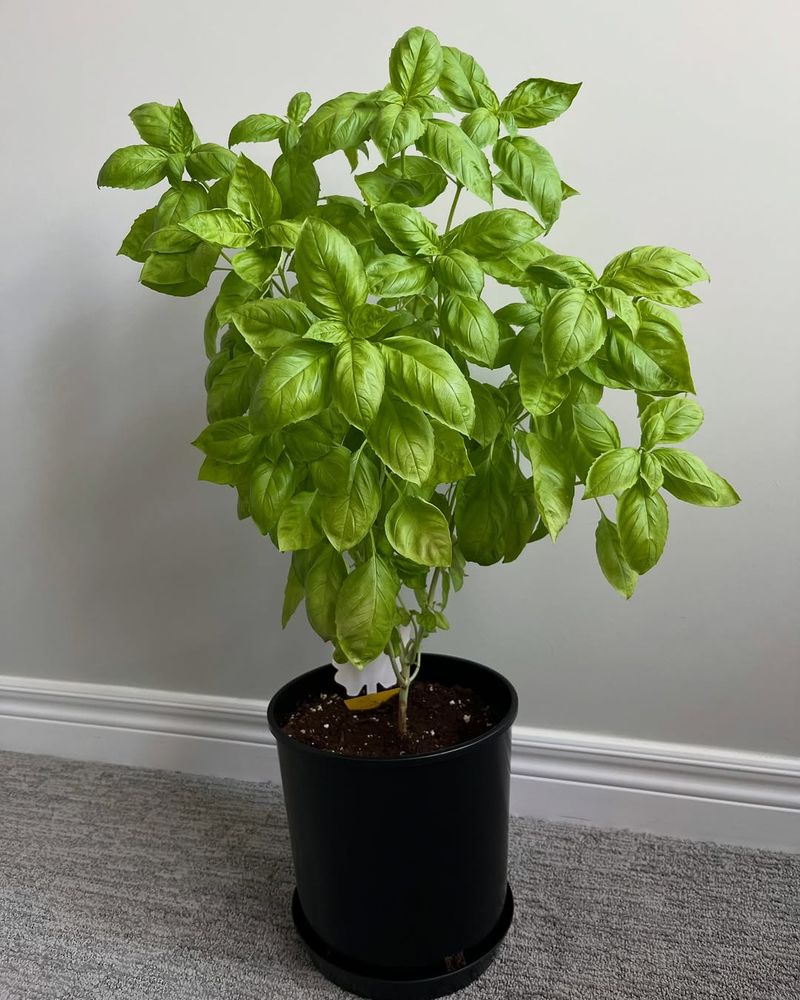
Few herbs capture the spirit of a Southern garden quite like basil. Walk past a basil plant on a warm Georgia afternoon and that sweet, peppery scent alone is enough to make your mouth water.
Late March can be a good time to start basil from seed in Georgia if soil and nighttime temperatures have warmed and frost risk is minimal, since basil is sensitive to cold.
Basil loves warmth more than almost any other herb. Sow your seeds directly in the garden or start them in small pots indoors near a sunny window.
Press the tiny seeds just barely under the soil surface, because they need light to germinate well. Keep the soil consistently moist but never waterlogged, and you should see little sprouts popping up within seven to ten days.
Once your seedlings reach about three inches tall, thin them so each plant has at least six inches of breathing room. Crowded basil plants tend to get leggy and weak.
Georgia summers can get hot, so providing some afternoon shade or ensuring consistent moisture can help basil maintain flavorful leaves during peak heat.
Pinch off any flower buds the moment you spot them. Letting basil bolt, which means going to flower, causes the leaves to lose their bold flavor quickly.
Regular harvesting from the top of the plant actually encourages bushier, more productive growth. Basil pairs beautifully with tomatoes, and since Georgia tomatoes are legendary, growing both together just makes good sense.
2. Rosemary With Aromatic Piney Punch
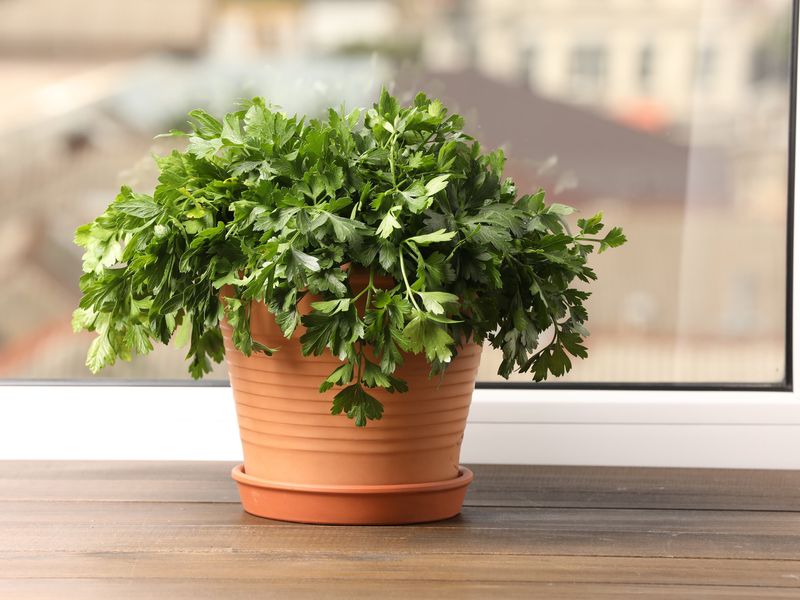
Seeming like a simple garnish, parsley is so much more than decoration for any serious cook. Flat-leaf Italian parsley brings a bright, clean flavor to soups, salads, and sauces, while curly parsley adds a mild freshness to almost any dish.
Georgia gardeners have a real advantage in late March because the mild spring temperatures are nearly perfect for getting parsley seeds into the ground.
One thing to know upfront: parsley seeds are notoriously slow to germinate. Expect to wait anywhere from two to three weeks before you see sprouts, and sometimes even longer.
A helpful trick is to soak the seeds in warm water overnight before planting. This softens the seed coat and speeds up germination noticeably.
Sow seeds about a quarter inch deep in well-drained, fertile soil with plenty of organic matter mixed in.
Parsley grows well in both full sun and partial shade, which makes it flexible for different spots around a Georgia garden. Water regularly to keep the soil evenly moist, especially during the warmer spring days.
Once seedlings are established, parsley is fairly low-maintenance and rewards consistent harvesting with fresh new growth throughout the season.
Parsley is also a biennial, meaning it lives for two growing seasons. In Georgia’s mild climate, it can sometimes survive through winter and come back the following spring.
Some gardeners use parsley as a companion plant near roses or tomatoes, though evidence of pest repellent benefits is limited and should be combined with other good gardening practices.
3. Oregano With Bold, Mediterranean Flair
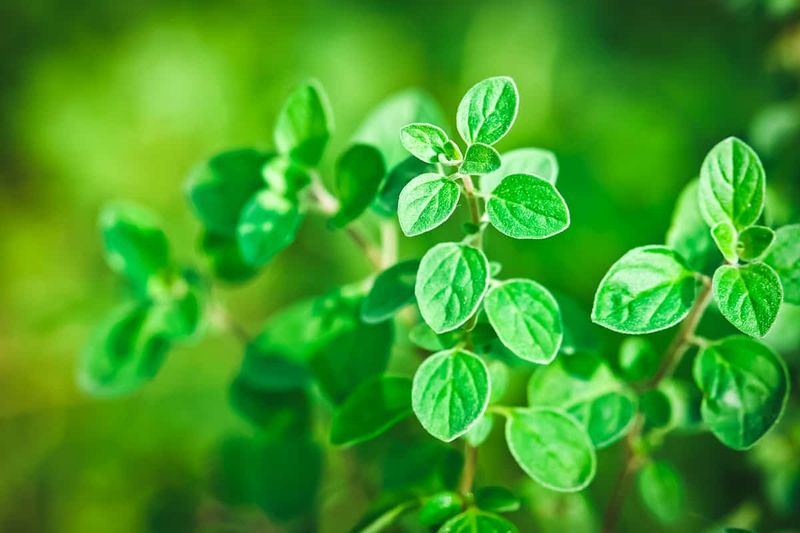
The herb that makes pizza smell incredible and pasta sauces taste like they came from a real Italian kitchen, oregano is a kitchen essential. Beyond its culinary fame, oregano is also surprisingly tough and easy to grow from seed, which makes it a fantastic choice for Georgia gardeners starting their herb garden in late March.
Greek oregano varieties tend to have the boldest flavor, but any variety will thrive in Georgia’s warm climate.
Starting oregano from seed requires a little patience since the seeds are quite small and germination can be slow. Sprinkle seeds on the surface of moist seed-starting mix or directly in the garden, pressing them gently into the soil without covering them completely.
Oregano seeds need light to germinate properly. Keep the soil lightly moist and place the tray or pot in a warm, sunny spot.
Germination typically takes one to two weeks.
Once established, oregano is remarkably drought-tolerant, which is great news given Georgia’s sometimes unpredictable summer rainfall. Plant it in a spot with full sun and well-drained soil for the best flavor development.
Oregano typically develops stronger flavor and better growth in full sun and well‑drained soil, while overly wet or shaded conditions usually reduce vigor and essential oil production.Thin seedlings to about eight to ten inches apart so each plant has space to spread out.
Harvest oregano regularly by snipping stems just above a leaf node to encourage bushy new growth. The flavor is most intense just before the plant flowers, so harvest generously during late spring.
Dried oregano from your own Georgia garden will taste far superior to anything from a grocery store shelf.
4. Thyme That Packs Tiny Leaves, Big Taste
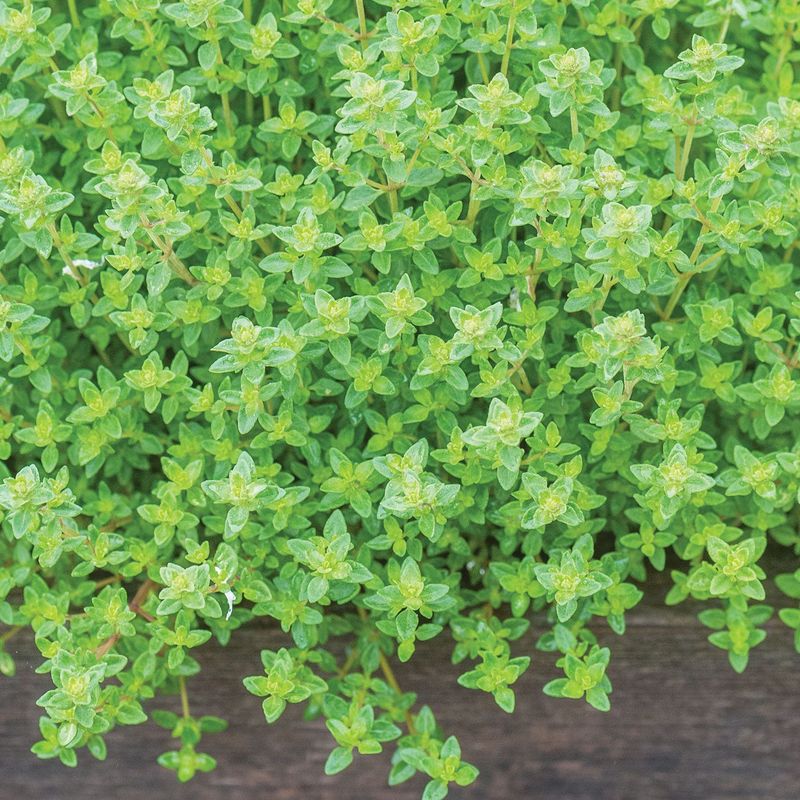
Used in cooking and medicine for thousands of years, thyme quickly shows why gardeners and chefs alike have always loved it. That earthy, slightly minty fragrance is something special, and fresh thyme from the garden elevates roasted vegetables, grilled meats, and homemade soups in a way that dried thyme simply cannot match.
Georgia gardeners can get thyme seeds started in late March with great results.
Thyme seeds are tiny, so handle them carefully when planting. Press them gently onto the surface of well-drained seed-starting mix or garden soil, just barely covering them with a thin layer of fine soil or vermiculite.
Thyme needs warmth and light to germinate, so a sunny windowsill or a warm outdoor spot works well. Germination usually takes between one and three weeks, so do not get discouraged if nothing appears right away.
Full sun is non-negotiable for thyme. In Georgia, where sunshine is plentiful in spring and summer, thyme thrives beautifully.
Well-drained soil is equally important because thyme roots will rot quickly in soggy conditions. Raised beds or sandy loam soil are ideal growing environments.
Water young plants moderately and reduce watering once they are well established, since thyme actually prefers slightly dry conditions.
Thyme is a perennial in Georgia’s climate, meaning it can come back year after year with minimal effort. Trim plants back lightly after flowering to keep them compact and productive.
A single established thyme plant can provide fresh herbs for multiple seasons, making it one of the best long-term investments in a Georgia herb garden.
5. Chives With Pretty Purple Blossoms And Onion Notes
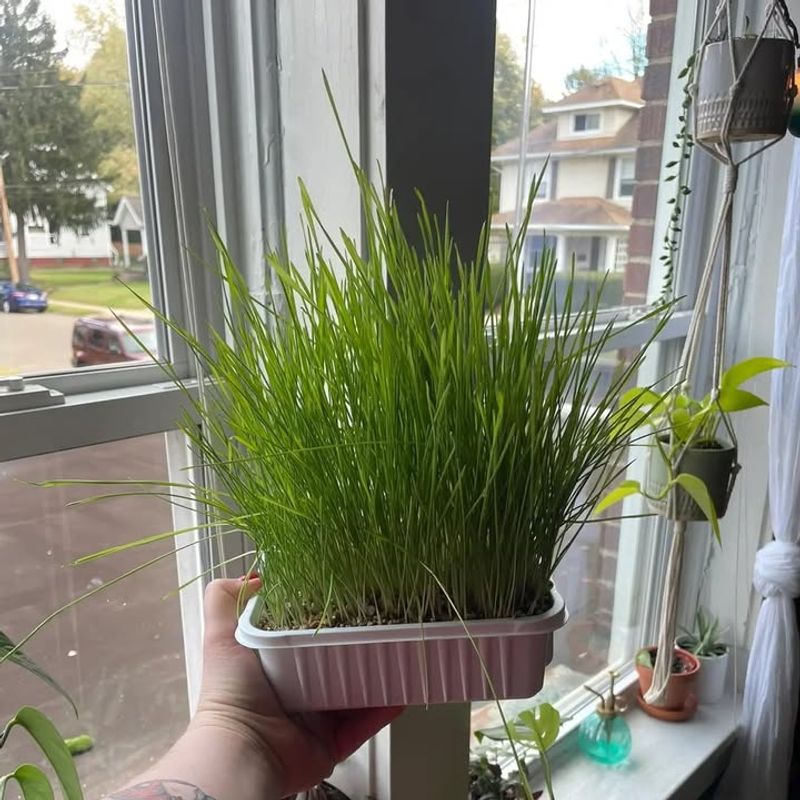
If you have never grown chives before, you are in for a treat. These slender, grass-like plants produce mild onion-flavored leaves that taste amazing snipped fresh over baked potatoes, scrambled eggs, cream cheese, or salads.
Even better, chives are incredibly easy to grow from seed in Georgia, and late March is a prime time to get them started as the ground warms up.
Sow chive seeds about a quarter inch deep in rich, well-drained soil. Unlike some herbs that need light to germinate, chives do just fine with a light soil covering.
They prefer full sun but will tolerate partial shade, which gives Georgia gardeners some flexibility in choosing where to plant them. Germination typically takes one to two weeks, and the little grass-like sprouts are unmistakably charming when they first appear.
Chives are a perennial herb, meaning once you establish a clump in your Georgia garden, it will come back faithfully every spring. They are also remarkably cold-tolerant compared to many other herbs, so late March planting in Georgia is perfectly safe even if a cool night sneaks in unexpectedly.
Water regularly during the first few weeks to help seedlings establish strong root systems.
Harvesting chives is wonderfully simple. Just snip the leaves with scissors about an inch above the soil, and new growth will emerge within days.
In late spring, chives often produce purple pompom flowers that are edible and useful as a garnish in many dishes. Planting chives near roses or carrots is also believed to help deter aphids and other pesky insects naturally.
6. Dill With Feathery, Flavor-Packed Foliage
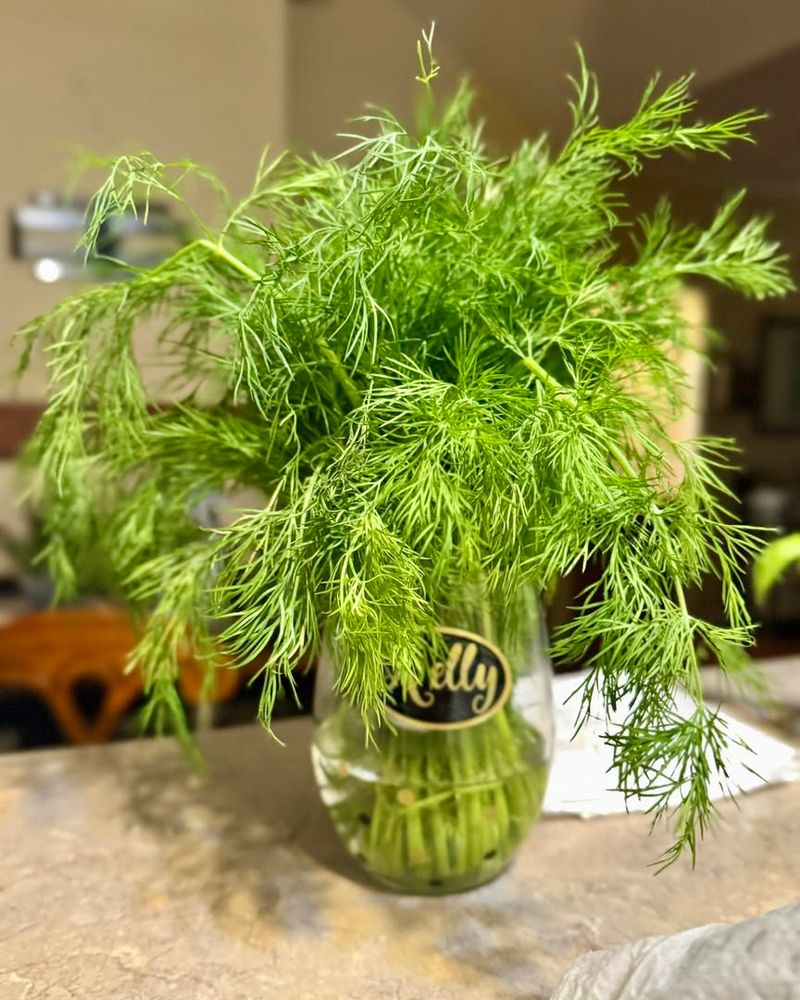
There is something almost magical about the way dill smells, that bright, tangy, slightly grassy fragrance that immediately makes you think of pickles, salmon, and fresh summer salads. Dill is one of the most rewarding herbs to grow from seed in Georgia, and late March is genuinely the perfect time to direct sow it straight into the garden.
In many parts of Georgia, mid‑March may approach the last frost date, but frost risk can still occur and safe outdoor sowing depends on your specific local frost history.
Dill does not transplant well because it develops a long taproot early on. Direct sowing is strongly recommended rather than starting seeds in containers and moving them later.
Scatter seeds thinly over prepared, well-drained garden soil and cover them with just an eighth of an inch of soil. Full sun is essential for dill to grow strong and aromatic.
Germination usually happens within one to two weeks.
Once seedlings are a few inches tall, thin them to about eight to twelve inches apart. Crowded dill plants compete for nutrients and tend to bolt faster.
Dill can grow rapidly in Georgia’s spring conditions, and under good light and soil it often reaches substantial height within several weeks. Keep soil moderately moist but avoid overwatering, since dill prefers conditions on the drier side once established.
One fun fact: dill is a host plant for black swallowtail butterfly caterpillars. You may find bright, striped caterpillars munching on your plants, and while they do eat the foliage, many Georgia gardeners consider hosting these future butterflies a delightful bonus.
Plant a little extra dill and everyone gets a share.
7. Cilantro With Fresh, Zesty Green Flavor
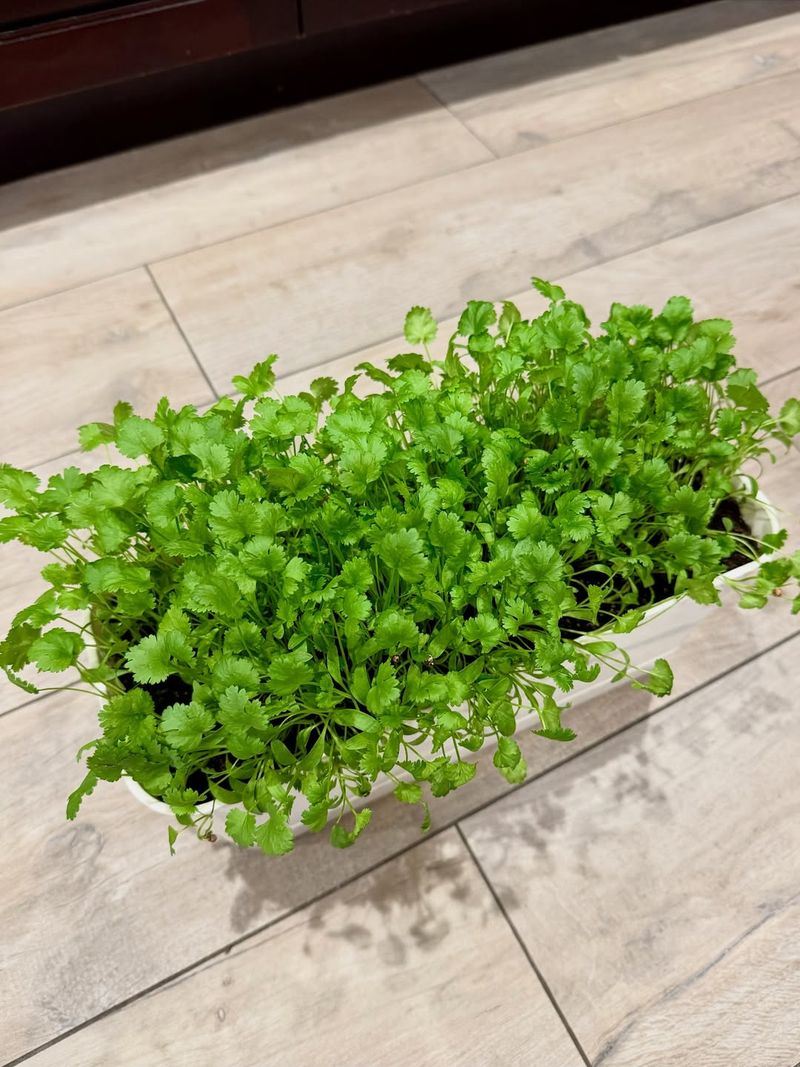
An herb that people tend to feel very strongly about, cilantro sparks opinions in both the kitchen and the garden. Fans of this bright, citrusy herb add it to everything from tacos and guacamole to Thai curries and fresh salsas.
Starting cilantro from seed in late March in Georgia is smart timing because cilantro prefers cooler growing conditions, so planting it early in spring in Georgia can extend the harvest window before warmer weather accelerates bolting.
Sow cilantro seeds directly in the garden rather than starting them in containers indoors. Like dill, cilantro develops a taproot early and does not respond well to transplanting.
Lightly crush the round seed pods before planting, since each pod actually contains two seeds inside. Sow them about a quarter inch deep in well-drained soil and water gently.
Germination usually takes one to two weeks in Georgia’s warm spring soil.
Choose a spot with full sun to light shade. As Georgia temperatures climb higher into summer, cilantro will bolt quickly, meaning it shoots up a tall flower stalk and stops producing flavorful leaves.
Planting cilantro in a spot that gets some afternoon shade can extend the harvest window by a few extra weeks. Successive sowing every two to three weeks is another great strategy for a continuous supply of fresh leaves.
When cilantro does bolt and flower, do not pull the plants out right away. Let them go to seed and collect the coriander seeds that form afterward.
Coriander is a completely different but equally valuable spice used in Indian and Mexican cooking, meaning one planting of cilantro gives you two useful harvests from your Georgia garden.
8. Chervil With Delicate, Parsley-Like Charm
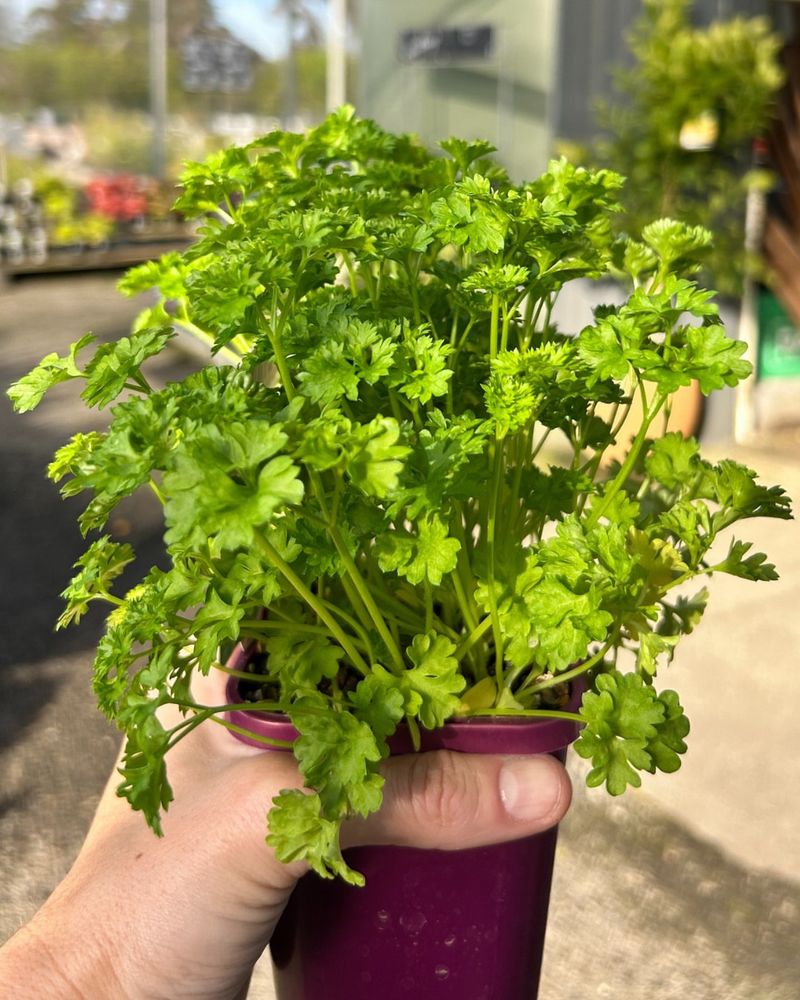
The underdog of the herb world, chervil is quietly beloved by French chefs but often overlooked by home gardeners. With its delicate, lacy leaves and a flavor that blends mild parsley with a whisper of anise, chervil brings a subtle sophistication to egg dishes, light soups, and spring salads.
Late March in Georgia is an ideal time to get chervil seeds going because, like cilantro, it genuinely prefers cool weather and will struggle once summer heat arrives.
One important thing to know about chervil is that it prefers partial shade rather than full sun. In Georgia, where spring sunshine can be quite intense, planting chervil in a spot that gets morning sun and afternoon shade will produce the best results.
Direct sow chervil seeds on moist, well‑drained soil with minimal covering because it needs light to germinate effectively. Press seeds down gently without covering them deeply.
Germination typically takes one to three weeks.
Keep the soil consistently moist during germination and through the early growth stages. Chervil is not drought-tolerant like thyme or oregano, so regular watering is important, especially during dry spring spells in Georgia.
Thin seedlings to about six to eight inches apart once they are established to give each plant enough room to develop properly.
Harvest chervil by snipping outer leaves as needed, similar to how you harvest parsley. The flavor is best when the leaves are young and tender, before any flowering begins.
Chervil is rarely found fresh in grocery stores, which means growing it yourself in a Georgia garden gives you access to a truly special ingredient that most home cooks never get to enjoy.