Here’s A Simple Guide To Growing Wandering Jew In California
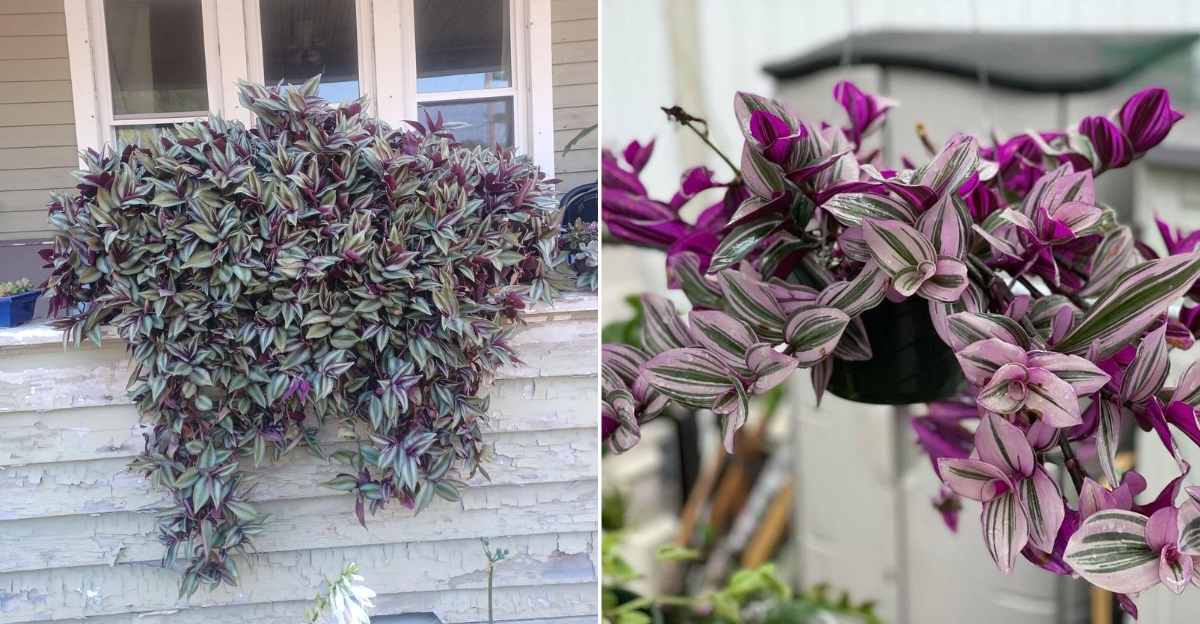
Looking for a fast-growing plant that brings color and charm to your California garden?
Wandering Jew is a striking choice, appreciated for its striped leaves, rich purples, and easygoing nature.
This trailing plant grows well in warm conditions, bright light, and mild coastal climates, making it suitable for patios, hanging baskets, and sunny indoor spaces.
Many beginners succeed with it because it roots readily and often recovers well from light neglect.
Picture trailing vines cascading over containers, adding bold texture and lively color to quiet corners. With adequate light, moderate watering, and occasional trimming, this plant can reward you with steady growth and vibrant foliage.
1. Best Growing Conditions
Temperature plays an important role in keeping your plant healthy through the seasons. Wandering Jew generally prefers warm conditions around 60 to 80 degrees, a range commonly found in many California homes.
Most indoor environments fall within this range, allowing steady growth without much adjustment. Humidity also influences performance, particularly in drier inland areas where indoor air can become quite dry.
While these plants tolerate typical household humidity, they often show richer color and fuller growth when the air is moderately humid. Occasional misting or grouping plants together can help create a slightly more humid environment.
Coastal California homes often have naturally higher humidity, which may help plants stay vibrant with less effort. Inland growers may notice some leaf tip browning during very dry periods, suggesting the plant could benefit from added humidity.
A small humidifier can be helpful during winter when indoor heating lowers moisture levels. Avoid placing the plant near heating vents, air conditioners, or drafty windows where temperature fluctuations may stress the foliage.
Stable conditions support steady growth and reduce leaf drop.
Protection from cold drafts is important, as these tropical plants can be damaged by temperatures below about 50 degrees, making outdoor growing less reliable in areas with frost.
2. Indoor Or Outdoor?
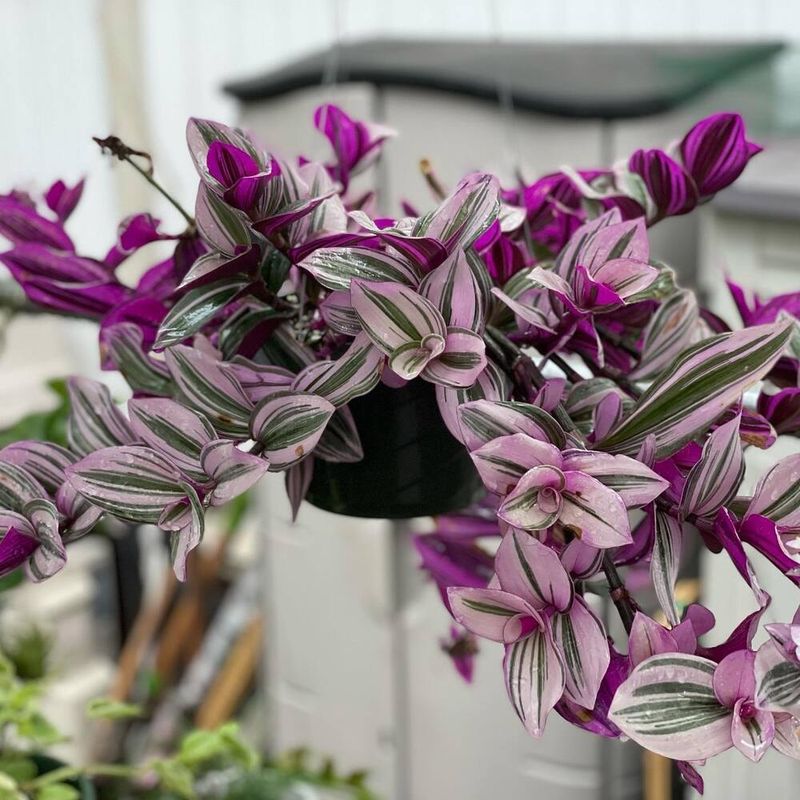
Many California gardeners wonder whether to keep these colorful trailers indoors or grow them outside. The answer largely depends on your local climate and whether you’re willing to bring plants inside when temperatures cool.
Coastal regions with mild winters may allow year-round outdoor growing, while inland areas with occasional frost usually require some indoor protection.
Growing indoors provides more consistent conditions and reduces exposure to weather changes.
The plant can do well on a bright windowsill, in a hanging basket with filtered light, or on shelves where trailing vines can spill naturally. This method suits renters, apartment dwellers, or anyone seeking steady growth without seasonal moves.
Outdoor container growing can create attractive porch displays and add color to shaded patio areas during warmer months.
These plants prefer sheltered locations with bright, indirect light and some protection from strong afternoon sun.
Keep in mind that frost can damage exposed foliage, so containers may need to be moved indoors if temperatures approach 50 degrees. Some California growers keep plants outdoors from spring through fall, then bring them inside for winter.
This seasonal approach offers natural light and airflow while reducing cold stress. Whichever method you choose, gradual transitions help minimize shock from sudden environmental changes.
3. Light For Strong Color
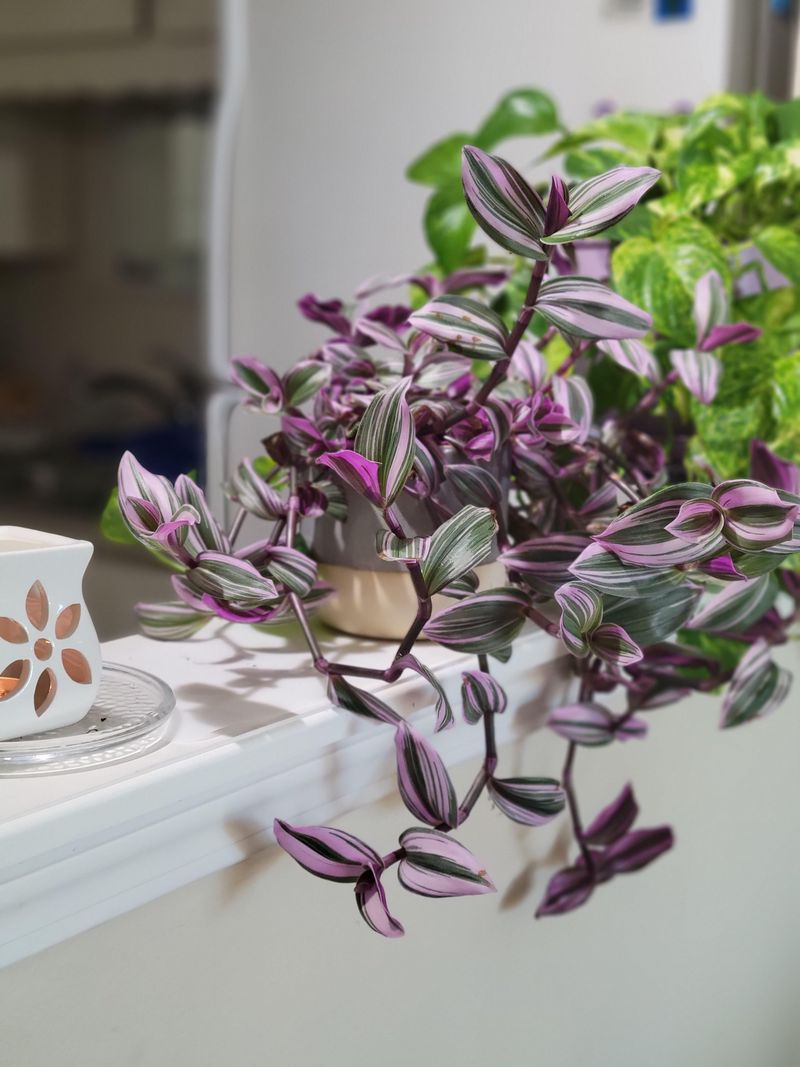
Light intensity strongly influences how vibrant and colorful your plant’s leaves appear over time.
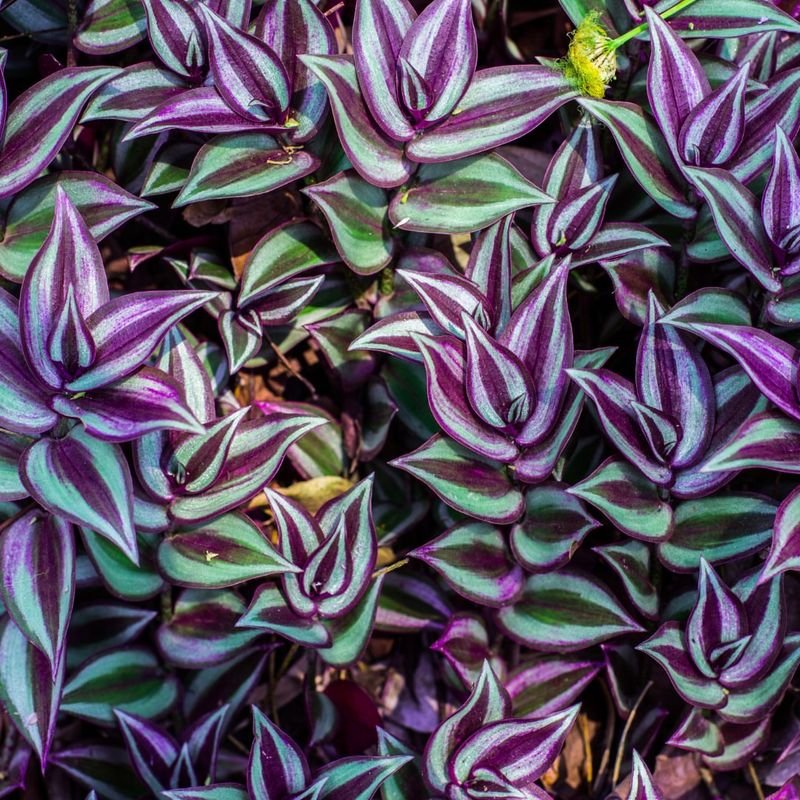
Bright indirect light often brings out deeper purples, brighter silvers, and richer greens that make Wandering Jew appealing.
Too little light can cause colors to fade and leaves to appear mostly green, reducing the contrast of the variegation. East-facing windows usually provide gentle morning sun that supports growth without overwhelming the foliage.
North-facing windows can also work, though coloration may be slightly less intense than in brighter locations. South- and west-facing windows in California may provide strong direct sun, which can sometimes cause leaf scorch or faded patches if exposure is prolonged.
Outdoor plants benefit from some protection from intense afternoon sun, especially during the hottest periods. Covered patios, light shade, or spots beneath trees can create suitable filtered light conditions.
Extended direct sun may damage leaves or reduce coloration. Observing your plant’s growth can help guide light adjustments.
Leggy stems with wider leaf spacing often suggest insufficient light, while brown or crisp edges may indicate excessive sun or dryness. A balance of bright, filtered light helps maintain compact growth, good color, and steady development.
4. Watering The Right Way
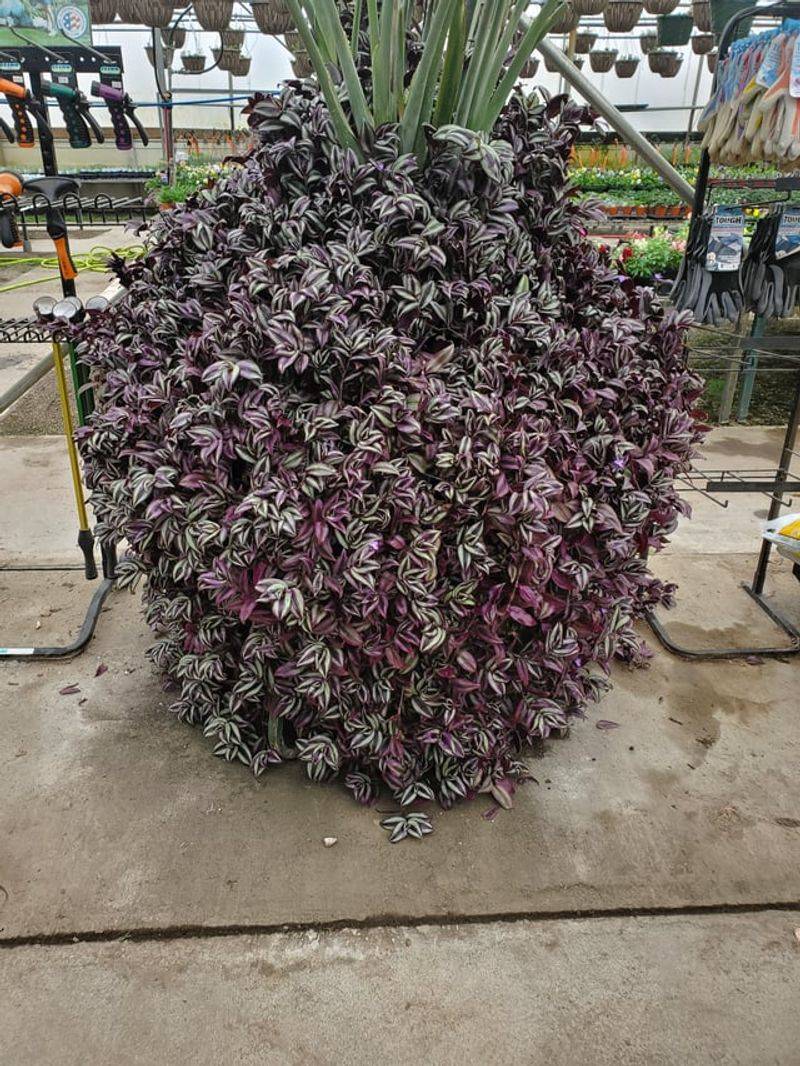
Overwatering is one of the most common problems for Wandering Jew plants in California homes and gardens.
These plants prefer evenly moist soil but do not tolerate persistently soggy conditions that can lead to root rot.
The goal is to keep soil from drying out completely while avoiding waterlogged conditions. Check the top inch of soil before watering by placing your finger into the potting mix.
When that layer feels dry, water thoroughly until excess drains from the bottom. During warmer months, this may mean watering more often, while winter usually requires less frequent watering as growth slows.
Coastal areas with higher humidity may need less watering than dry inland regions where soil dries more quickly. Observe your specific environment rather than following a fixed schedule.
Slight leaf drooping can sometimes signal the plant needs water, and leaves often recover after watering. Empty saucers after watering so roots are not left in standing water, which helps reduce the risk of root problems.
Yellowing leaves and soft stems can indicate excess moisture, while dry brown tips may suggest underwatering. Adjust watering gradually based on how the plant responds.
5. Soil And Drainage
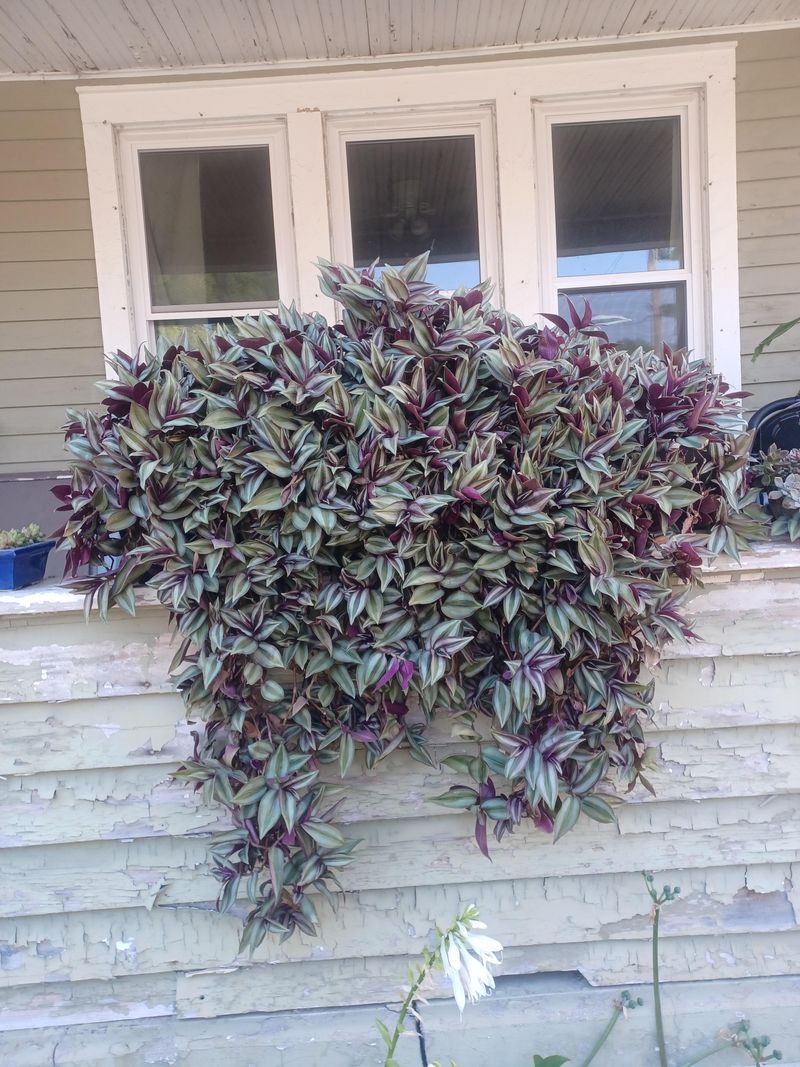
Proper soil plays an important role in helping your plant stay healthy and avoid common issues. Wandering Jew grows best in a light, well-draining potting mix that allows water to pass through while holding enough moisture for roots.
Standard houseplant potting soil usually works well, or you can blend your own using equal parts potting soil, perlite, and peat moss. Containers with drainage holes are strongly recommended for healthy root development.
Without drainage, excess water may collect at the bottom and create low-oxygen conditions that can lead to root problems. This is especially helpful in California where watering practices vary, making good drainage important.
Heavy garden soil or clay-based mixes tend to stay wet and compact in containers, which can limit aeration and stress roots over time. These dense soils are better suited for in-ground planting rather than containers.
Commercial potting mixes designed for indoor plants typically provide the light texture these plants prefer. Repotting every year or two can refresh soil structure and reduce compaction as organic material breaks down.
Spring is often a good time for repotting, when plants are actively growing and recover more easily from root disturbance.
Choose containers only slightly larger than the current pot, as oversized pots hold more moisture and may increase the risk of overwatering.
6. Pruning For Full Growth
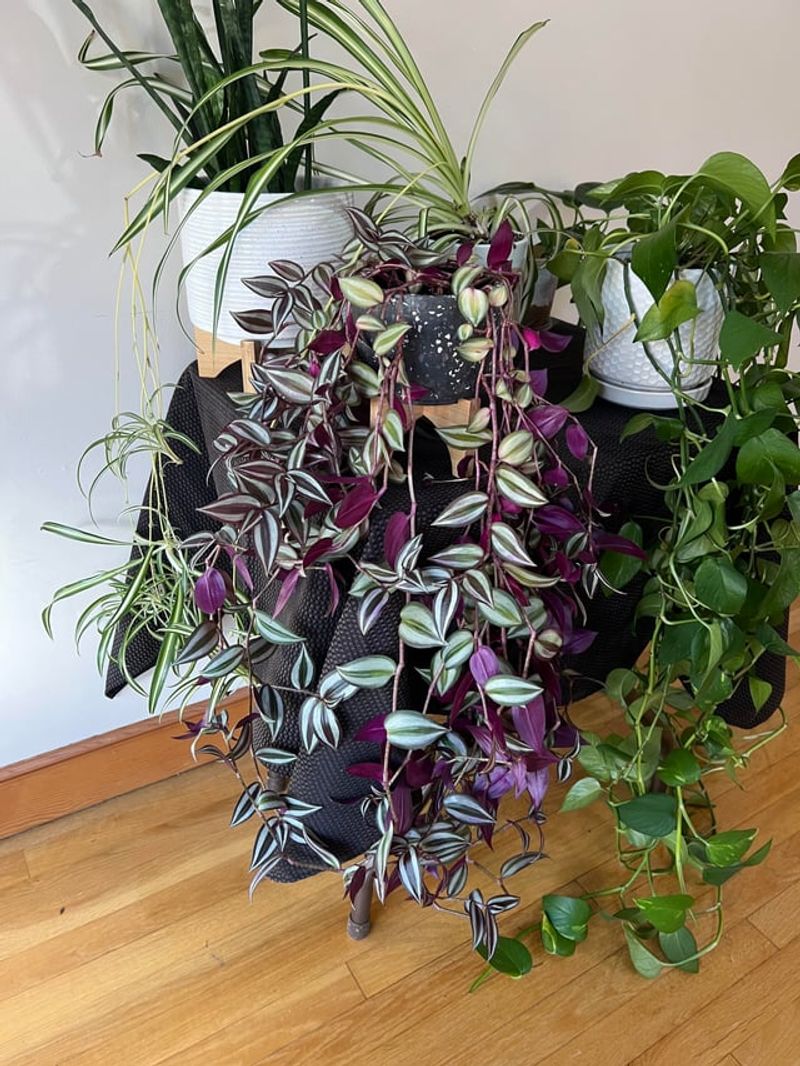
Regular pruning helps turn sparse, straggly vines into fuller, bushier growth that highlights the plant’s cascading habit. Without trimming, stems can grow long and leggy with leaves mostly at the tips, leaving portions of bare stem.
Pruning encourages branching from lower nodes and promotes a denser, more balanced appearance. Pinch or cut stems back by about one-third periodically to maintain compact, vigorous growth.
Use clean scissors or pinch soft stem tips between your fingers to remove the growing point, which can stimulate new shoots from buds along the stem and gradually increase foliage.
In much of California’s mild climate, pruning can be done at many times of year, though regrowth is usually fastest in spring and summer.
If the plant becomes overly leggy, more substantial trimming is often well tolerated and can encourage fuller growth. Pruned cuttings can be saved for propagation rather than discarded.
Bare stems near the base may indicate insufficient light or a need for rejuvenation pruning. Cutting back more firmly can encourage fresh growth, which often returns fuller and more colorful over time.
7. Common Problems
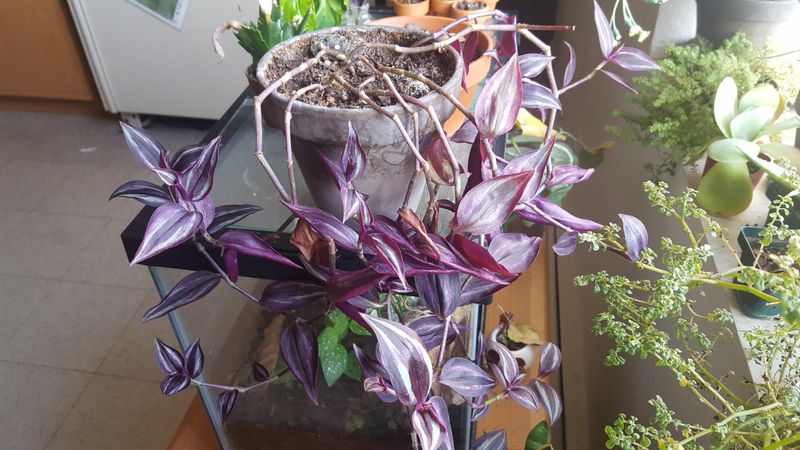
Faded leaf color can frustrate California growers who expect strong purple and silver variegation. This issue is often related to insufficient light, which may cause plants to lose some of their coloring and appear more green.
Moving the plant to a brighter location can gradually improve color as new growth develops. Leggy stems with long spaces between leaves commonly occur when plants stretch toward limited light, creating a thinner appearance.
Increasing light and pruning regularly can help encourage fuller, more compact growth. Brown, crispy leaf tips and edges are often linked to low humidity, inconsistent watering, or general environmental stress in drier climates.
While usually not serious, these symptoms can affect appearance. Slightly increasing humidity and maintaining more consistent watering can help improve plant condition.
Root problems may appear as yellowing leaves, soft stems, and reduced vigor, often associated with excess moisture or poor drainage. Addressing the issue early by improving drainage and adjusting watering can help the plant recover.
Spider mites sometimes appear in dry indoor environments, but maintaining moderate humidity and gently cleaning leaves can help reduce their presence.
8. Easy Propagation
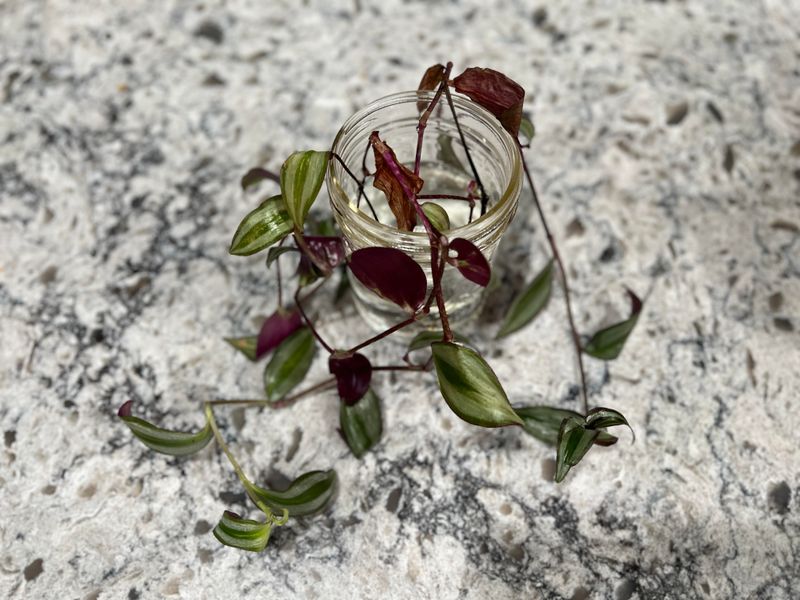
Creating new plants from cuttings is one of the simpler propagation methods for many houseplants. Wandering Jew generally roots readily, allowing even beginners to succeed with basic care.
This makes it easy to expand your collection, share plants with friends, or refresh older plants that have become leggy over time. Cut healthy stem sections about four to six inches long, making the cut just below a leaf node where roots often form most easily.
Remove the lower leaves so the bare stem can sit in water or soil without excess moisture around foliage. Each cutting should include at least two or three nodes, as these are the areas where new roots typically develop.
Water propagation allows you to observe root growth, which can be especially enjoyable for beginners. Place cuttings in a glass of water in bright, indirect light and refresh the water regularly.
Roots often appear within a couple of weeks, and cuttings can be moved to soil once roots are established. Direct soil propagation can also work well and avoids the need for transplanting.
Insert cuttings into lightly moist potting mix and keep the soil slightly damp while roots form. Warmer conditions may encourage faster rooting compared to cooler environments.
Planting several cuttings together in one container can create a fuller appearance more quickly than growing a single cutting alone.