Here’s How To Make Spider Plants Bushier In California
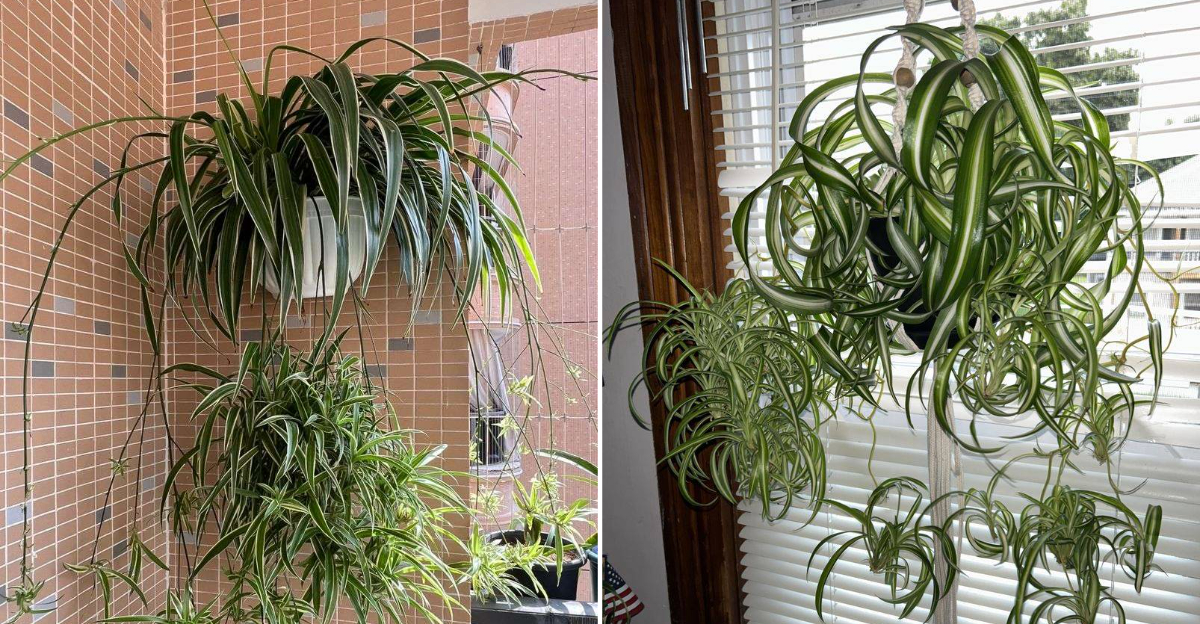
Spider plants are already famous for being easygoing, but when they grow full and bushy, they truly steal the show. If yours looks thin, stretched, or a little tired, a few simple changes can bring it back to life fast.
California’s bright light and mild climate give you a natural advantage, so it does not take much to encourage thicker growth and more baby plantlets.
Picture a lush fountain of arching green leaves spilling over the pot, fresh new shoots filling every gap, and a plant that looks vibrant from every angle.
The secret is guiding energy back into the center, giving the right light, and using a few smart care tricks that wake the plant up. Ready to turn your spider plant into a full, fluffy centerpiece?
With a little attention and the right routine, you can enjoy a healthier, denser plant that keeps growing stronger all year.
1. Give Them Bright, Indirect Light
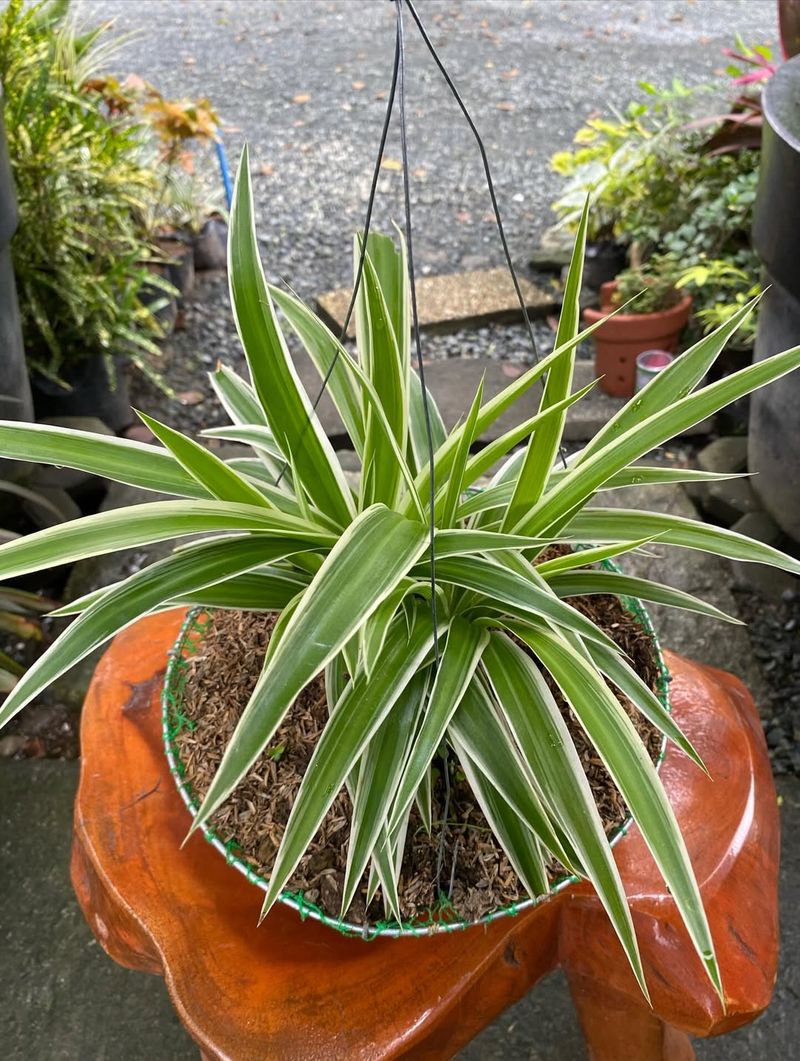
Morning light through a west-facing window can be beneficial, but strong direct afternoon sun through glass may scorch the leaves. Spider plants grow best with bright light without prolonged intense midday exposure.
If placed too far from a window or in very low light, growth may become stretched and sparse rather than compact.
Rotating the plant every week or two can help ensure even light exposure, preventing one-sided growth and encouraging a balanced, symmetrical shape that looks fuller and healthier over time.
Indoor spaces with bright, indirect light, such as near sheer curtains or set back from a sunny window, generally support fuller growth. Outdoors, dappled shade under a patio cover or tree canopy can provide suitable conditions.
In deep shade, growth may slow and foliage may become thinner. During winter, when daylight hours are shorter, moving the plant slightly closer to a light source can help maintain steady growth and prevent legginess.
Observe how the plant responds over time. If new leaves appear pale or growth slows, moving it closer to brighter light may help.
The aim is consistent, moderate brightness that supports dense, healthy growth without causing leaf stress or damage. Healthy light conditions also encourage stronger roots and more offshoots, contributing to a fuller, more vigorous plant.
2. Trim To Trigger Fuller Growth
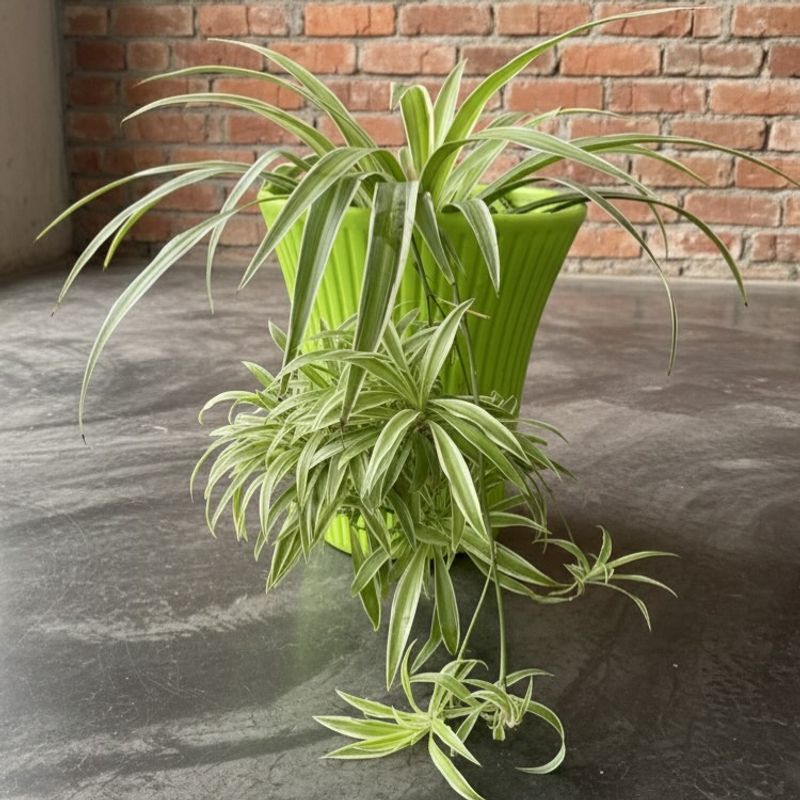
Pruning can help improve overall appearance and encourage new growth by removing leggy stems and damaged leaves. Spider plants often respond to trimming by producing fresh shoots from the base, which can lead to a fuller look over time.
Brown tips, yellowing older leaves, and excessively long stems can be removed to improve plant health and appearance.
Regular light grooming also helps the plant direct energy toward strong, productive growth rather than maintaining aging foliage that contributes little to overall fullness.
Use clean, sharp scissors or pruning shears to remove unwanted foliage near the base, close to the soil line. Long arching stems that carry plantlets can also be trimmed if they make the plant appear sparse or unbalanced.
Spider plants generally tolerate pruning well and often recover with continued growth. Avoid tearing leaves by hand, since clean cuts heal faster and reduce stress on the plant.
In California’s mild climate, spider plants may grow much of the year, though spring and early summer typically support faster regrowth. After pruning, new shoots often develop from the center over time, gradually filling in the plant and improving density.
Consistent care after trimming, including proper light and watering, helps ensure strong, compact regrowth.
3. Feed Lightly, But Consistently
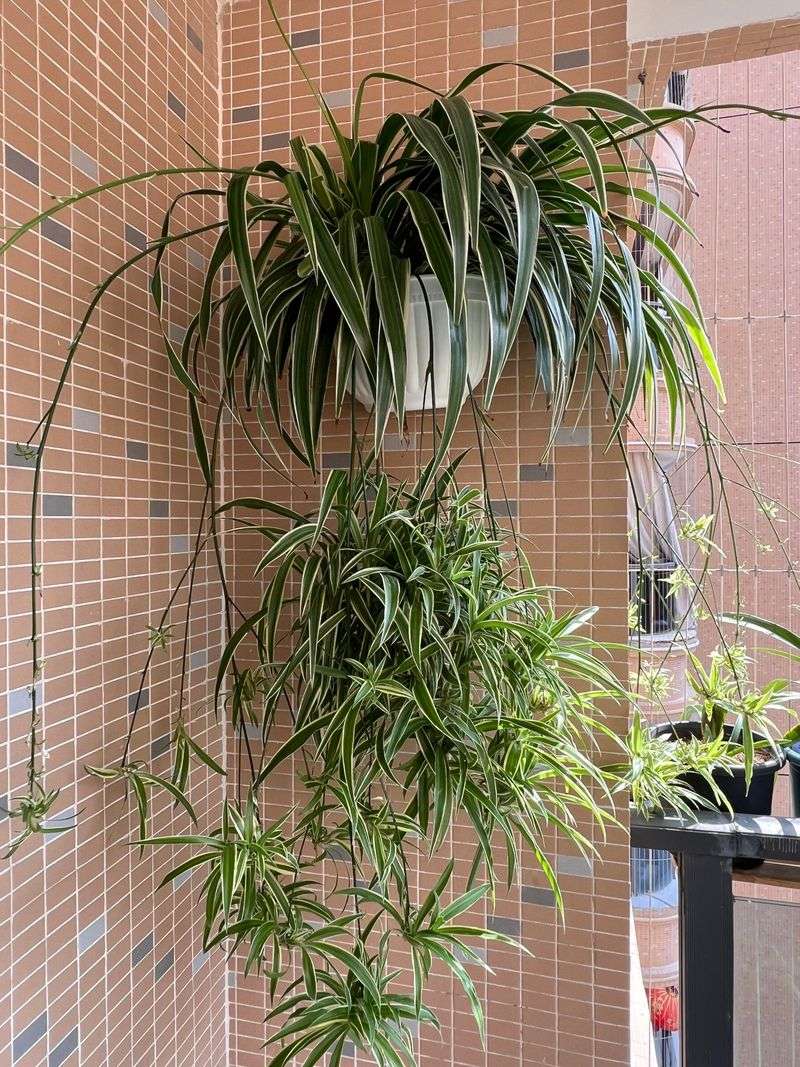
Spider plants are not heavy feeders, but they benefit from occasional, moderate nutrition to support healthy foliage.
Both lack of fertilization and excessive feeding can affect growth, insufficient nutrients may lead to slower growth and paler leaves, while overfertilization can contribute to brown tips and root stress.
Maintaining a gentle, balanced feeding routine helps the plant stay vigorous without encouraging weak, overly soft growth that can flop or discolor.
A balanced, water-soluble houseplant fertilizer diluted to about half strength can be applied every four to six weeks during active growth.
In many parts of California, this often corresponds roughly to spring through early fall, with less feeding during cooler months when growth slows.
Liquid fertilizers can be incorporated into normal watering for even distribution. Always water lightly beforehand if the soil is very dry to avoid stressing roots with concentrated nutrients.
Organic options such as diluted fish emulsion or compost-based feeds may also be used if preferred. Moderate, consistent feeding generally supports steady growth.
With appropriate care, spider plants often develop more plantlets, fuller foliage, and healthy root systems over time, contributing to a dense, attractive appearance.
4. Don’t Overwater, Roots Need Air
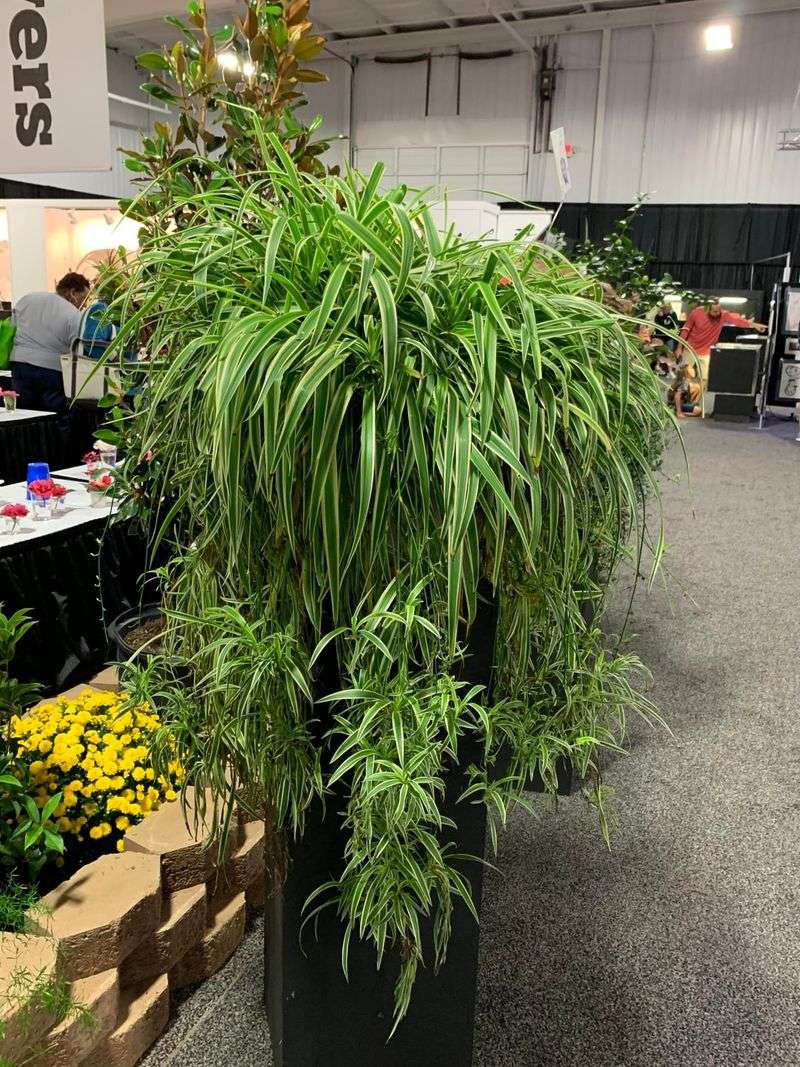
Excessively wet soil is a common obstacle when growing spider plants. These plants store some moisture in their thickened roots, which allows them to tolerate short dry periods better than constantly saturated conditions.
When roots remain in waterlogged soil, oxygen levels drop, which can contribute to rot, yellowing leaves, and reduced growth.
Consistently soggy conditions may also lead to a weak root system that struggles to support new foliage, slowing the plant’s ability to fill out and look full.
Dry air can be misleading, surface soil may feel dry while deeper layers remain moist. Spider plants generally do best with a cycle of thorough watering followed by partial drying, allowing the upper portion of the soil to dry before watering again.
Watering frequency varies depending on environment, container size, and temperature, but indoor plants are often watered about once a week, with adjustments as needed. Checking soil moisture with a finger or wooden stick can help avoid overwatering.
Well-draining soil is important. A typical potting mix amended with perlite or coarse material helps excess water drain and improves root aeration.
Healthy roots support steady shoot growth, contributing to a fuller, more vigorous plant, and help prevent common problems associated with poor drainage.
5. Repot To Encourage New Shoots
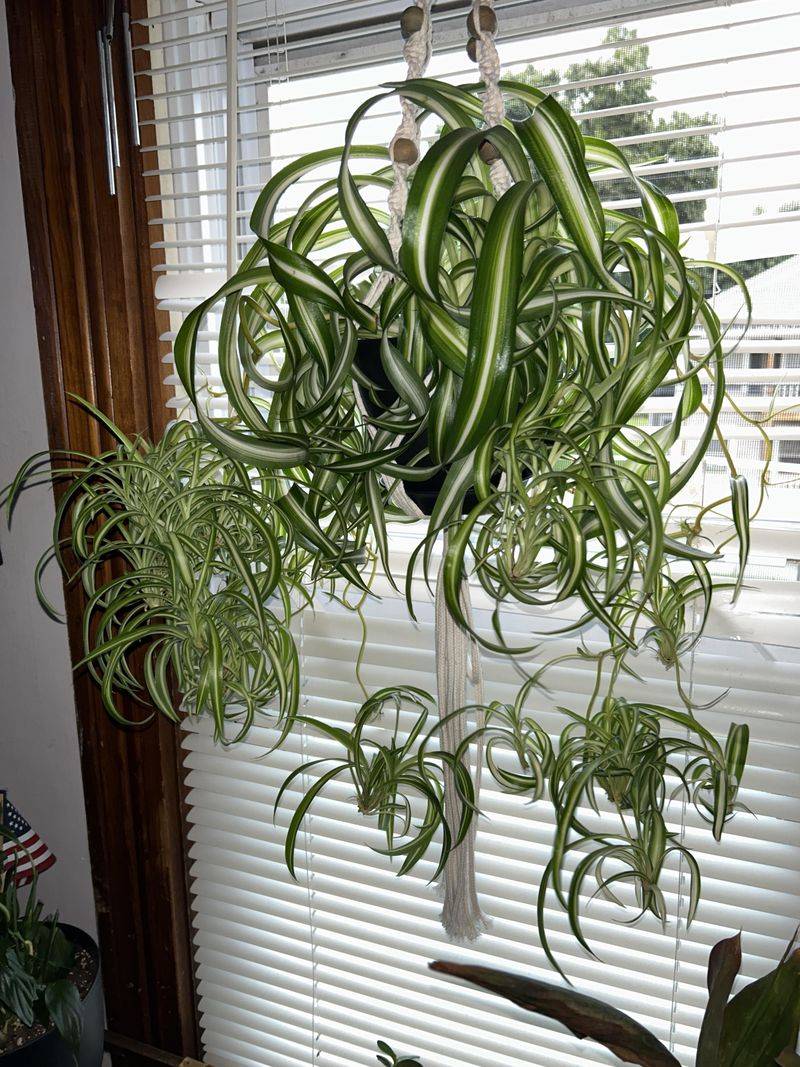
Roots circling tightly inside a pot can indicate that a spider plant has outgrown its container, and crowded roots may limit vigorous new growth.
When a plant becomes rootbound, it often prioritizes maintaining existing tissues rather than producing abundant new foliage.
Repotting into a slightly larger container gives roots additional space and can encourage renewed growth. Gently loosening tightly packed roots during repotting can also help them spread more easily into fresh soil and establish more efficiently.
Choose a pot about one to two inches wider in diameter than the current one, since moving to an excessively large container may slow above-ground growth while roots expand into the new soil.
Spring is often a convenient time for repotting, though in California’s mild conditions it can be done at other times of year.
Use fresh, well-draining potting mix to improve growing conditions. Ensure the new container has drainage holes to prevent excess moisture buildup.
After repotting, many plants show increased growth over the following weeks as roots establish in the new space.
With improved root room and proper care, spider plants often produce more shoots and fuller foliage over time, gradually developing a denser, healthier appearance.
6. Use Babies To Thicken The Pot
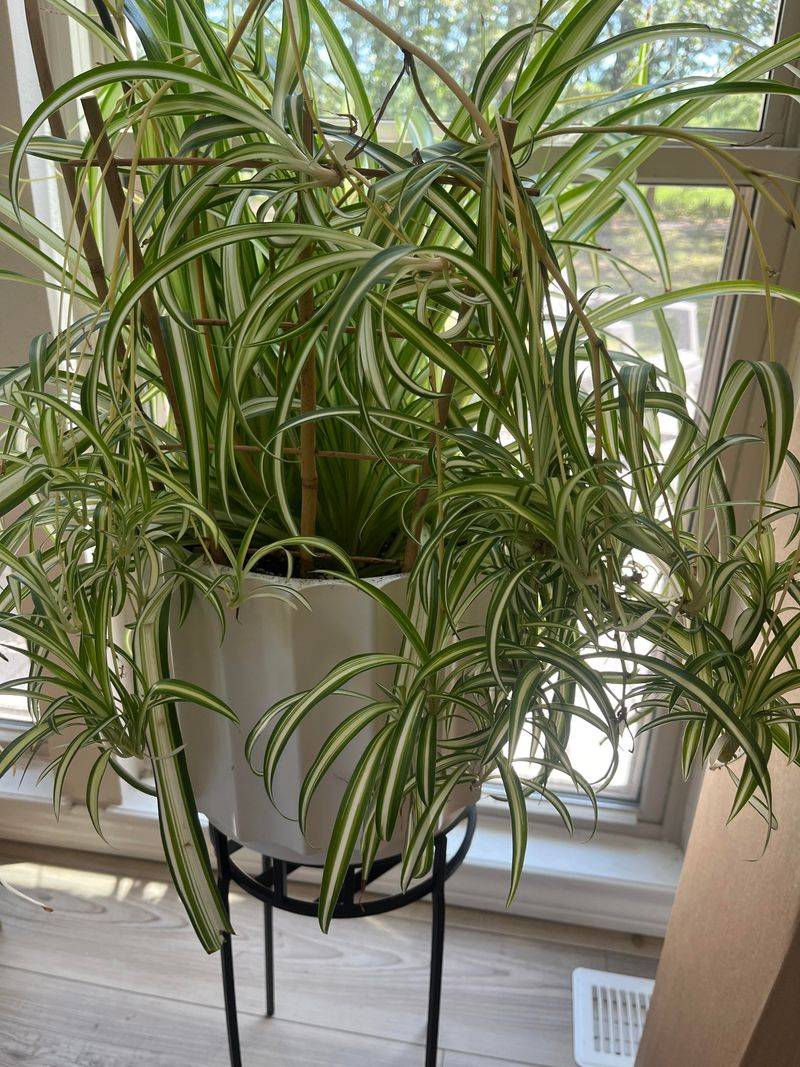
Those dangling baby spider plants can be used to help create a fuller container. Instead of leaving them hanging or removing them entirely, small plantlets can be rooted in the soil around the main plant.
This approach resembles the plant’s natural spreading habit and can create a denser, layered appearance more quickly than waiting for a single plant to fill in. It also allows you to thicken sparse areas of the pot and create a more balanced, visually full arrangement.
Wait until the plantlets develop small root beginnings, which often occurs while still attached to the parent plant. They can be cut with a short piece of stem and placed into the soil near the edge of the pot, spaced to allow room for growth.
Rooting tends to occur readily under warm, bright conditions, particularly during active growing periods. Lightly firming the soil around the base helps keep the young plants stable as they establish.
After establishing, the new plants begin growing on their own and contribute to a fuller look. Several plantlets can be grown in one container if space allows.
Over time, multiple growth points can create a denser, more cascading plant, resulting in a lush, mature appearance.
7. Warmth And Humidity Boost Growth
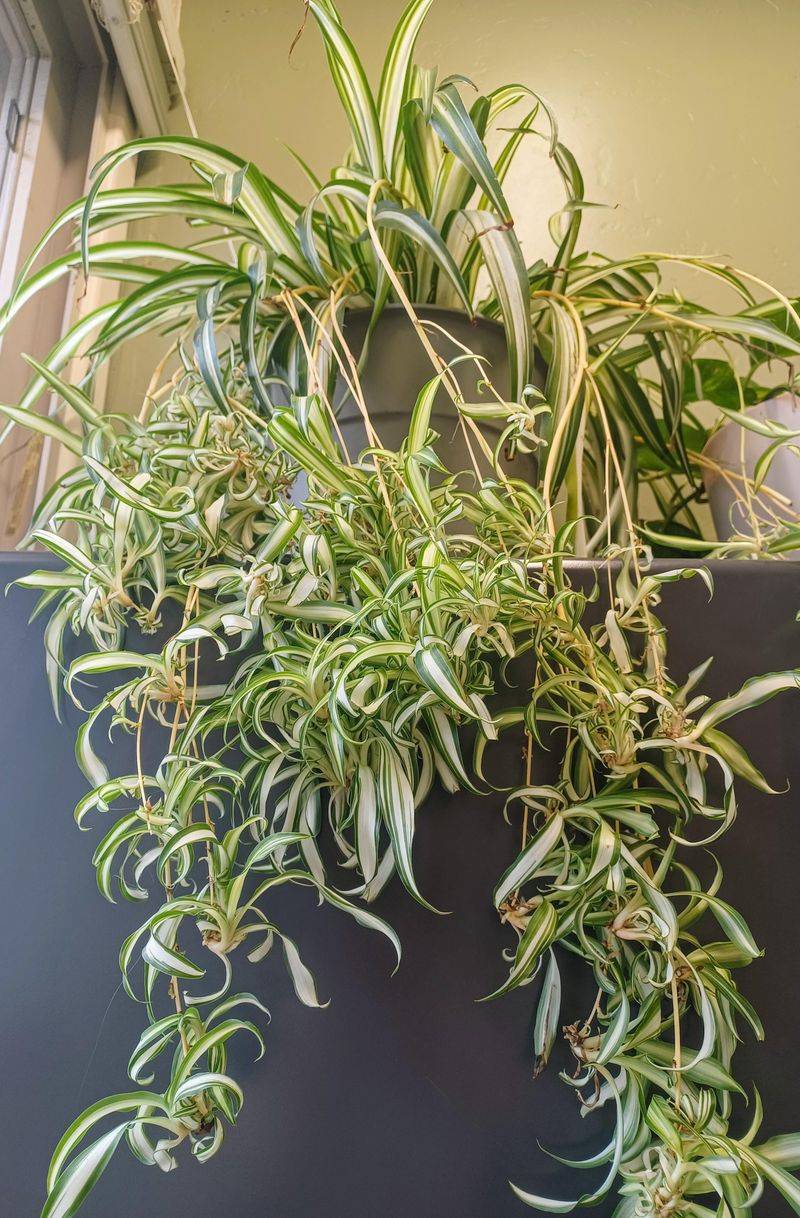
Spider plants grow best in moderate warmth and moderate humidity, though they tolerate a range of indoor conditions. Very dry air, cold drafts, and sudden temperature swings can slow growth and may contribute to brown leaf tips.
Maintaining stable conditions generally supports healthier, fuller growth.
Indoor plants benefit from placement away from heating vents, air conditioners, and drafty windows that create inconsistent environments.
Grouping plants together can slightly raise local humidity, and placing pots on trays with pebbles and water may also help increase moisture around them.
Rooms such as kitchens or bathrooms sometimes provide naturally higher humidity.
Outdoor spider plants in coastal areas may receive more ambient moisture, while inland conditions can be drier, occasionally benefiting from light misting during very dry periods. Temperatures roughly between 65 and 80°F are generally favorable for steady growth.
When conditions are comfortable and stable, spider plants tend to grow more vigorously and produce denser foliage over time.