Here’s How To Tell If A Skunk Is Living Under Your Deck In Wisconsin
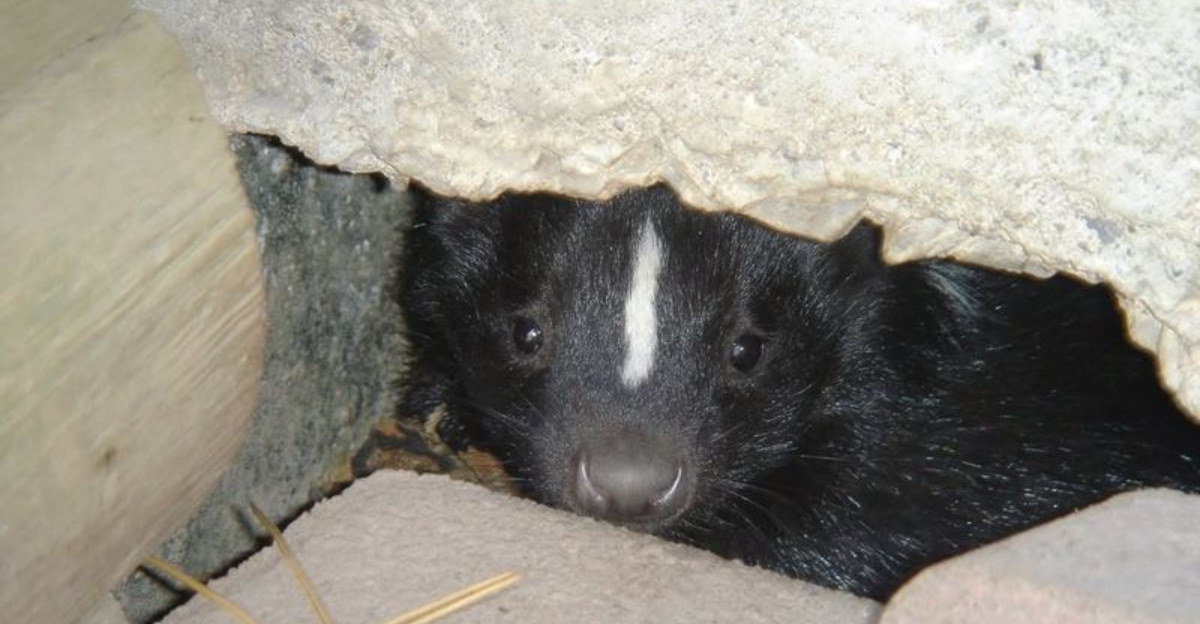
A quiet Wisconsin backyard can hide more activity than most homeowners realize, and the space beneath a deck is prime real estate for a skunk seeking shelter.
Cold nights, easy protection from predators, and a steady food supply make this spot especially attractive.
Subtle signs begin to appear long before anyone catches a glimpse of the animal itself.
Recognizing those clues early allows you to protect your property, avoid unpleasant encounters, and address the issue before it becomes a much larger problem.
Strong Musky Odor Lingering Around Your Property
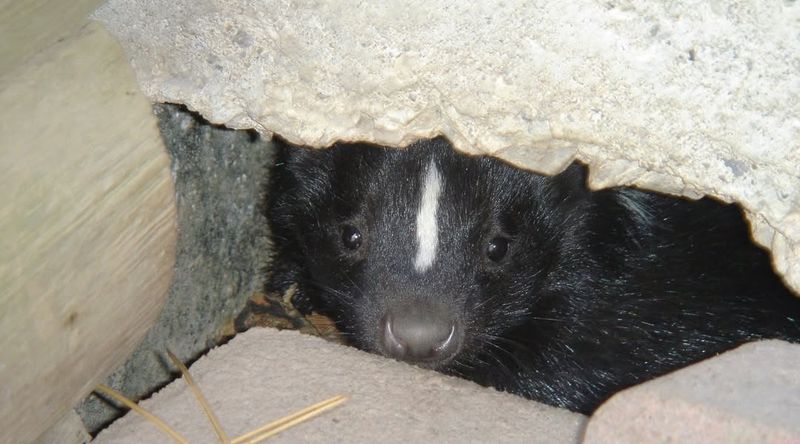
Skunks produce a distinctive smell that many Wisconsin homeowners recognize immediately.
Even when they haven’t sprayed, these animals give off a musky scent that’s noticeably different from other wildlife.
You might catch whiffs of this odor near your deck, especially during early morning or evening hours when skunks are most active.
The smell can be faint at first, almost like a distant spray carried on the breeze.
As the skunk settles in and marks its territory, the odor becomes stronger and more persistent throughout your yard.
Wisconsin’s humid summer air can make the scent even more noticeable, spreading it across your outdoor living spaces.
Pay attention to whether the smell is concentrated in one area, particularly near deck openings or gaps in the lattice.
If your pets suddenly show interest in sniffing around the deck foundation, they may be detecting scents you haven’t fully noticed yet.
This odor often clings to the area and doesn’t dissipate quickly, unlike passing smells from neighborhood animals.
Trust your nose as your first line of defense in identifying unwanted visitors beneath your deck.
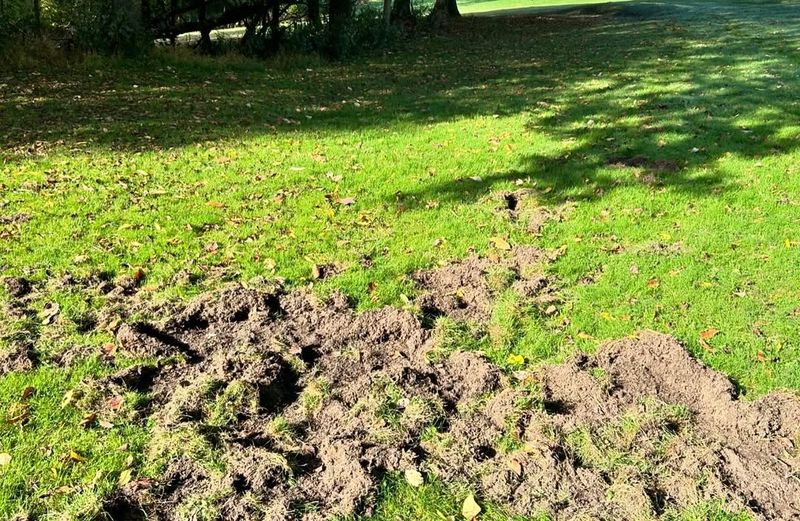
Small Cone-Shaped Holes Dug Throughout Your Lawn
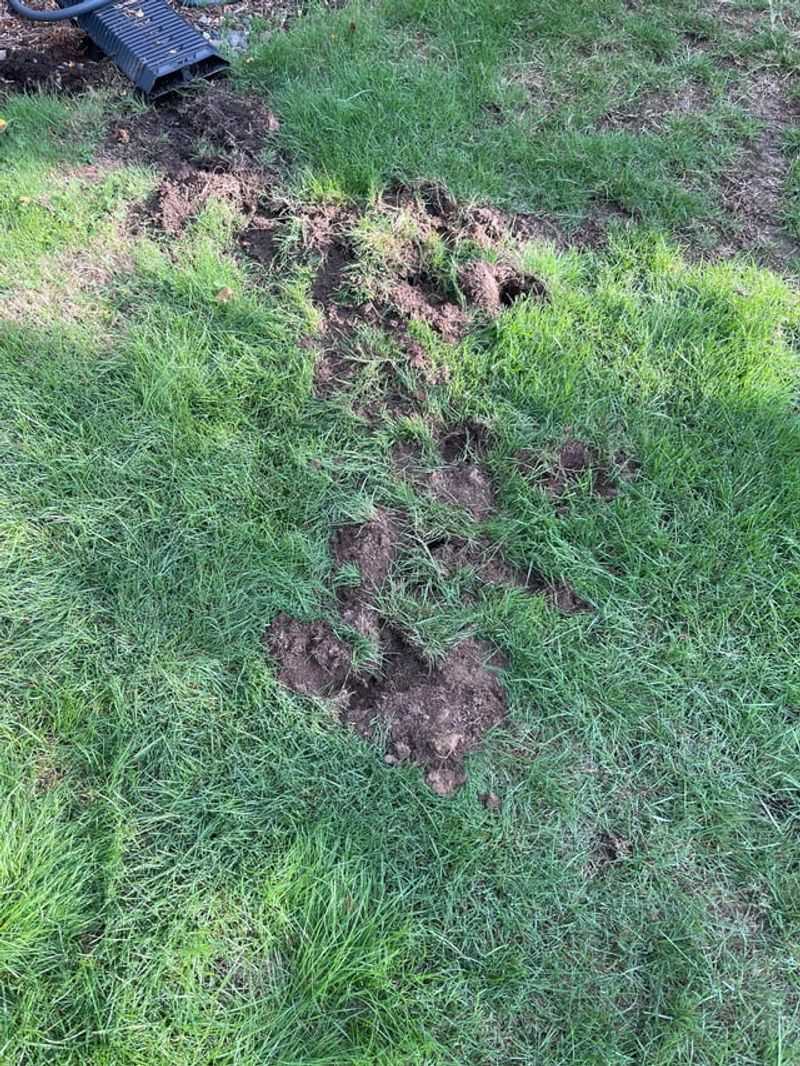
Skunks are enthusiastic diggers when searching for their favorite foods like grubs, beetles, and earthworms.
Their digging creates distinctive cone-shaped holes about three to four inches across and a few inches deep.
Unlike squirrels or other animals that dig randomly, skunks create multiple holes in a concentrated area as they methodically search for food.
You’ll often find these holes clustered near your deck where the soil is softer and insect populations thrive in the shade.
Wisconsin lawns are particularly vulnerable during spring and fall when grub populations peak and skunks feed heavily before winter.
The holes appear overnight since skunks do most of their foraging after sunset and before dawn.
If you notice fresh dirt piles each morning, you’re likely dealing with an active skunk rather than old abandoned burrows.
Grass around these holes may look torn up or rolled back as skunks use their strong claws to access insects beneath the surface.
Check your flower beds and garden edges too, as skunks don’t limit their digging to just lawn areas.
These persistent excavations signal a skunk has found your property to be an excellent feeding ground worth returning to nightly.
Visible Tracks With Five Toes And Claw Marks
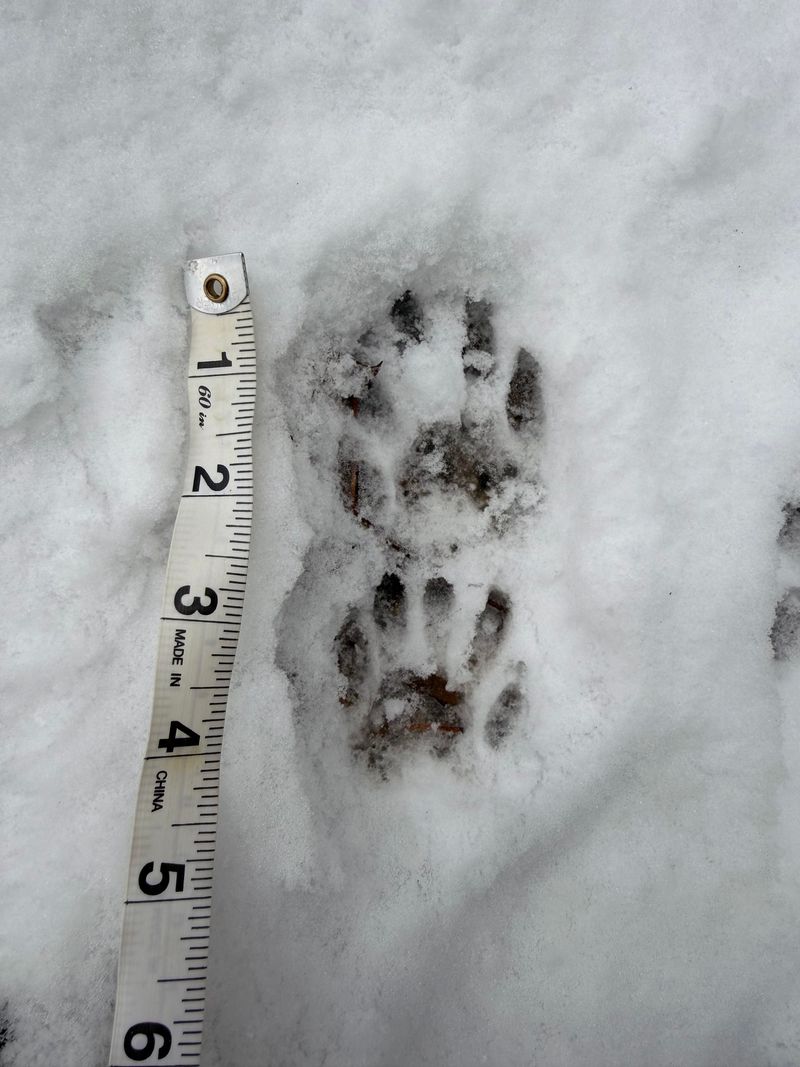
Skunk tracks are surprisingly easy to identify once you know what to look for in the soft soil around your deck.
Each print shows five toes arranged in a distinctive pattern with visible claw marks extending beyond the toe pads.
The front paws measure about one to two inches long, while the back paws are slightly larger and more elongated.
Look for these prints in muddy areas, soft garden soil, or even in light snow during Wisconsin’s transitional seasons.
Skunks have a unique walking pattern that creates tracks appearing in pairs, with the hind foot landing near where the front foot stepped.
Fresh tracks will have sharp, clear edges, while older ones become blurred and less defined over time.
Check areas around deck access points, near foundation walls, and along pathways the animal uses repeatedly to enter and exit.
You might also spot dragging marks between prints since skunks have a somewhat waddling gait with low-slung bodies.
Wisconsin’s clay-rich soil holds prints exceptionally well, especially after rain when the ground is damp but not soaked.
Taking photos of suspicious tracks can help you compare them to reference images or show wildlife professionals for confirmation.
Disturbed Deck Lattice Or Foundation Openings
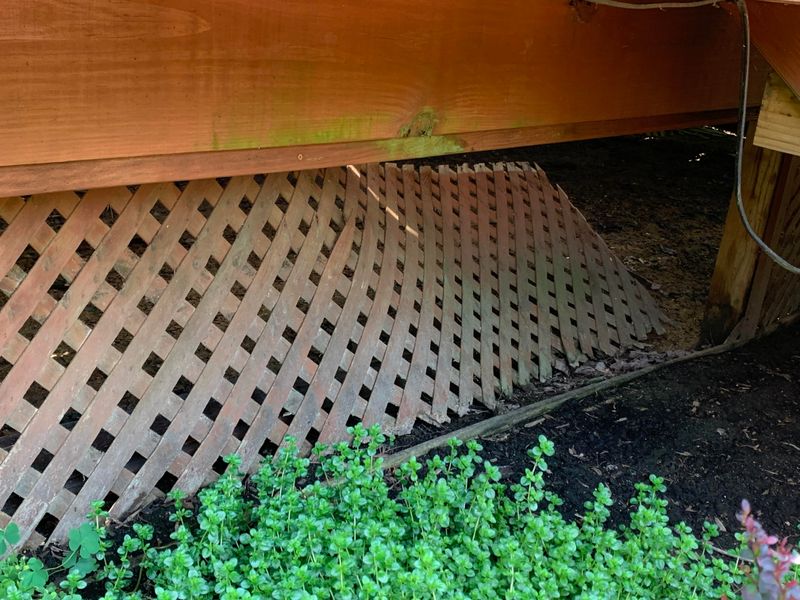
Skunks are surprisingly resourceful when it comes to creating entrances to their chosen den sites.
They’ll push aside loose lattice panels, dig under deck boards, or exploit existing gaps in your deck’s foundation.
Walk around your entire deck perimeter and look for panels that appear bent, broken, or pushed outward from the inside.
Fresh dirt piles near the deck base often indicate a skunk has been digging to widen an access point.
The openings don’t need to be large since skunks can squeeze through surprisingly small spaces despite their fluffy appearance.
An entrance hole of six to eight inches in diameter provides plenty of room for an adult skunk to come and go comfortably.
Check for muddy smudges or fur caught on rough edges near these openings as additional evidence of regular use.
Wisconsin’s freeze-thaw cycles can create gaps in deck foundations that skunks quickly discover and exploit for shelter.
Vegetation near entrances may appear flattened or worn from repeated traffic as the animal establishes a regular path.
Addressing these structural vulnerabilities quickly prevents skunks from establishing permanent residence under your deck.
Nocturnal Sounds Like Scratching Or Shuffling Noises
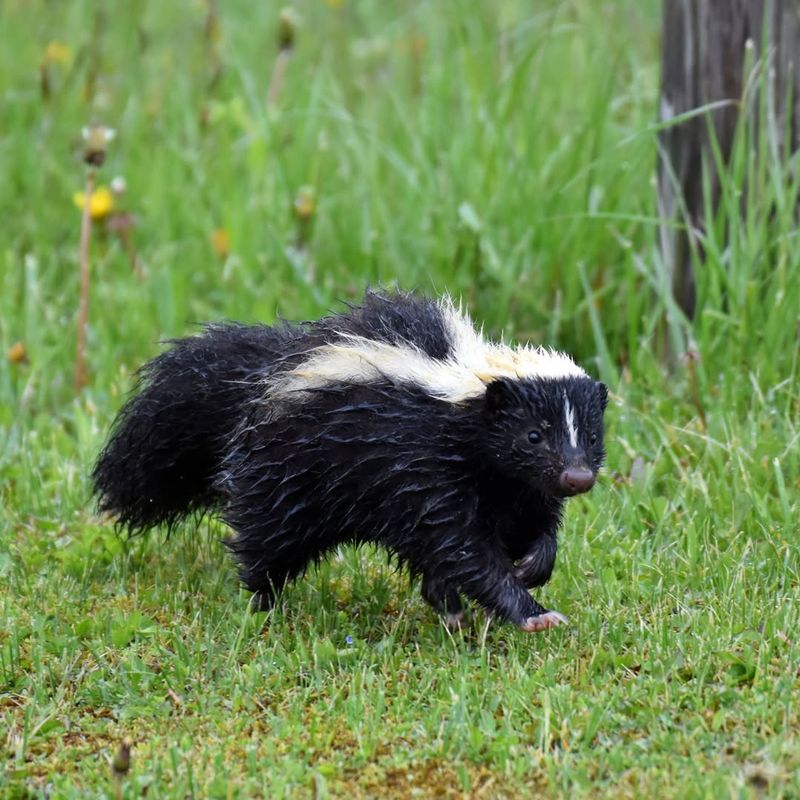
Skunks are primarily nocturnal creatures, meaning they’re most active during nighttime hours when your home is quiet.
You might hear scratching, shuffling, or rustling sounds coming from beneath your deck after the sun goes down.
These noises occur as skunks move around their den, arrange nesting materials, or enter and exit for nightly foraging trips.
Mother skunks with babies create even more noise as the young ones play, wrestle, and learn to move around their sheltered space.
The sounds are often most noticeable during spring when females raise their kits under Wisconsin decks and porches.
Unlike mice or rats that create high-pitched squeaking, skunk sounds are lower-pitched and more substantial due to their larger size.
You might also hear faint vocalizations including hisses, chirps, or chattering when multiple skunks interact beneath your deck.
Pay attention during the hours just after sunset and before sunrise when skunks are transitioning between rest and activity.
If you have a bedroom or living space near the deck, these sounds can be surprisingly audible through floorboards or foundation walls.
Consistent nightly noises in the same location strongly suggest a resident skunk rather than a passing visitor.
Droppings Near The Deck That Resemble Cat Feces

Skunk droppings provide clear evidence of their presence and are often found near den entrances or along regular travel routes.
The feces typically measure one to two inches long and have blunt ends, resembling cat droppings in size and shape.
Fresh skunk scat appears dark brown or black with a somewhat tubular form that may contain visible insect parts like beetle shells.
You’ll often find these droppings in small groups or scattered along pathways leading to and from your deck area.
Unlike dog waste, skunk droppings have a distinct musky odor that’s milder than their spray but still noticeably different from other animals.
Look for scat near the corners of your deck, along fence lines, or in areas where skunks feel protected from open exposure.
Wisconsin skunks consume varied diets depending on the season, so droppings may contain berry seeds in summer or more insect remains in spring.
The presence of fresh droppings appearing regularly indicates an active skunk rather than an animal that passed through once.
Always avoid direct contact with wildlife droppings as they can carry parasites or diseases harmful to humans and pets.
Use gloves and proper disposal methods if you need to clean up suspected skunk feces from your property.
Pets Acting Strangely Or Avoiding Certain Areas
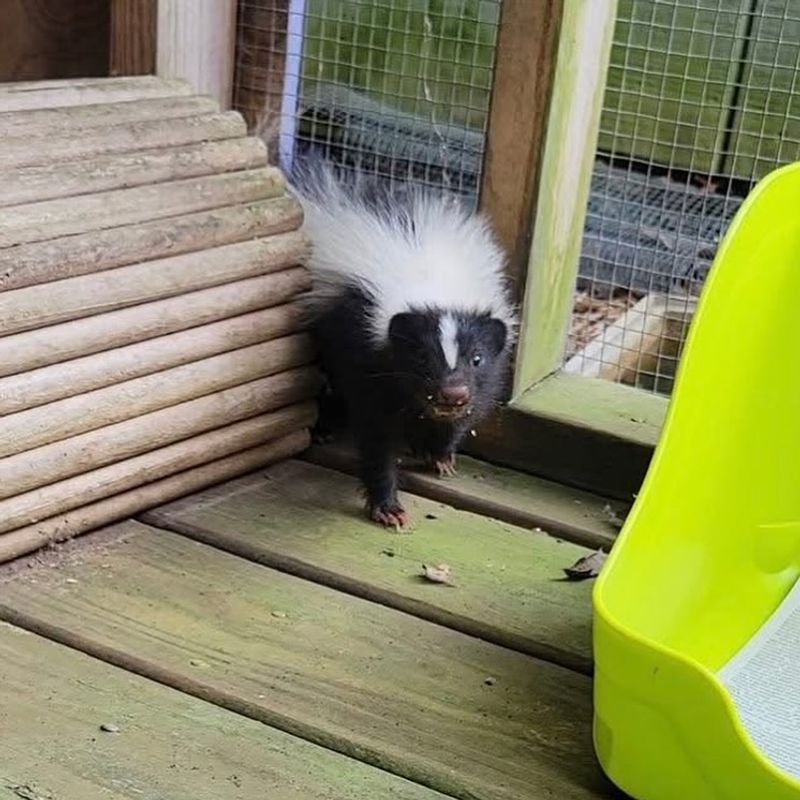
Your pets often detect wildlife long before you notice any obvious signs around your property.
Dogs may become fixated on your deck, barking at it persistently or refusing to leave the area during outdoor time.
Cats might avoid walking near the deck entirely or display nervous behavior like flattened ears and low postures when nearby.
Some pets become obsessed with sniffing around deck openings, whining, or pawing at lattice panels to investigate interesting scents.
Wisconsin pet owners should watch for sudden changes in their animals’ outdoor routines or favorite spots in the yard.
A dog that previously loved lounging under the deck might suddenly refuse to go near it once a skunk moves in.
Cats with outdoor access may start staying inside more often or avoiding certain pathways they previously used regularly.
Pets that have encountered skunks before often show extreme caution or fear when detecting the scent again.
If your pet returns home with a faint musky smell after being outside, they may have had a close encounter without being sprayed directly.
Trust your pet’s instincts as they’re picking up on sensory information you might miss until the situation becomes more obvious.
Flattened Vegetation Creating Trails To Your Deck
Skunks are creatures of habit that use the same routes repeatedly when traveling between their den and feeding areas.
Over time, this consistent traffic creates visible trails through grass, groundcover, and low vegetation around your Wisconsin property.
These pathways typically measure four to six inches wide and appear as flattened or slightly worn strips leading directly to deck openings.
Look for trails that originate from wooded areas, brushy fence lines, or other natural cover that skunks use for protection during travel.
The paths often follow the edges of structures rather than crossing open lawn where skunks feel more vulnerable to predators.
Grass along these trails may appear bent or matted down, especially noticeable in the morning dew when the disturbed vegetation stands out.
You might also notice small branches pushed aside or displaced mulch along the route where the skunk regularly passes.
Wisconsin’s lush summer growth can hide these trails, but they become more visible during spring and fall when vegetation is shorter.
Multiple trails leading to the same deck entrance suggest an established den with frequent use rather than occasional visits.
Following these pathways can help you identify where skunks are entering your property and which areas they frequent most.
Evidence Of Nesting Materials Under The Deck
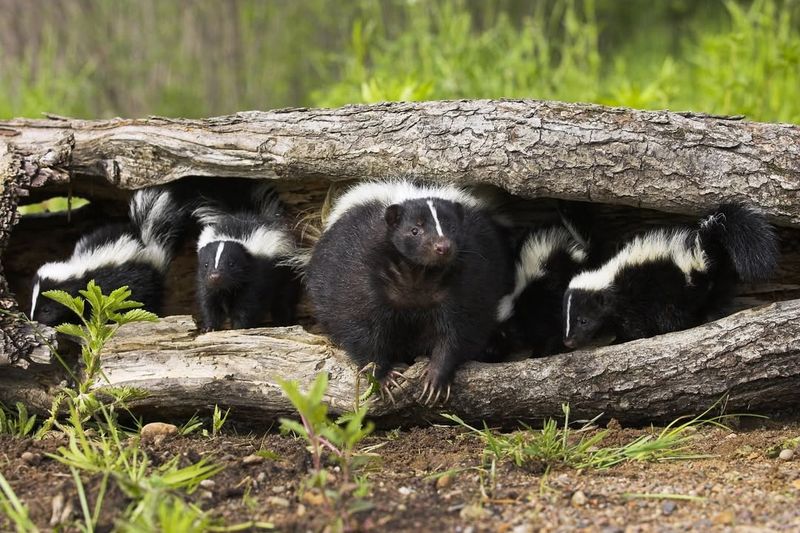
When skunks decide to make your deck their permanent home, they’ll gather materials to create a comfortable den.
Peek through deck boards or lattice openings and look for accumulations of dried leaves, grass, paper, or fabric scraps.
Female skunks preparing to raise young are especially diligent about creating soft, insulated nests during Wisconsin’s spring months.
These nesting areas typically appear in the darkest, most protected corners under your deck where the skunk feels safest.
You might notice that leaves or yard debris near your deck mysteriously disappear as the animal collects materials.
Skunks will even drag in items like old rags, plastic bags, or shredded insulation if they find these materials accessible nearby.
The nest itself can be quite substantial, sometimes measuring a foot or more across depending on how long the skunk has been established.
During late spring and early summer, you might hear baby skunks chirping or moving around in these nesting areas.
Wisconsin’s variable spring weather makes sheltered deck spaces particularly attractive for skunks raising vulnerable young.
Finding nesting materials indicates a more serious situation requiring professional wildlife removal rather than simple deterrence methods.
Garbage Or Compost Being Disturbed Overnight
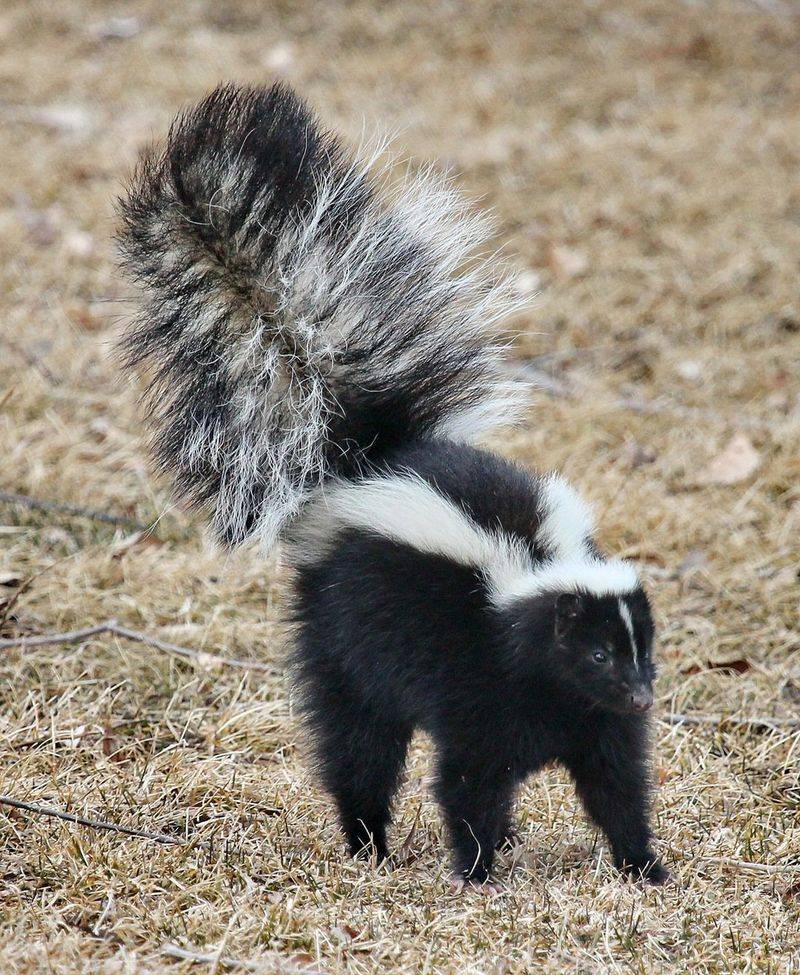
Skunks are opportunistic feeders that readily investigate garbage cans, compost bins, and outdoor pet food as easy meal sources.
If your trash containers are being tipped over or ransacked overnight, a skunk living nearby might be the culprit.
Unlike raccoons that create chaotic messes, skunks tend to be more methodical, selectively removing items they want to eat.
You might find garbage bags torn open with specific food items missing while other trash remains relatively undisturbed.
Compost piles are particularly attractive to Wisconsin skunks since they contain fruit scraps, vegetable matter, and insects in various stages.
Check for digging around the base of compost bins or trails leading from your deck to these food sources.
Pet food left outside overnight provides an irresistible buffet that encourages skunks to visit your property regularly.
The pattern of disturbances helps identify the responsible animal since skunks typically visit during similar hours each night.
Security cameras or motion-activated lights can confirm whether a skunk is your nighttime visitor or if another animal is responsible.
Eliminating these easy food sources makes your property less attractive and may encourage the skunk to relocate elsewhere.