Here’s What It Means When You Start Seeing More Hawks In Your North Carolina Yard
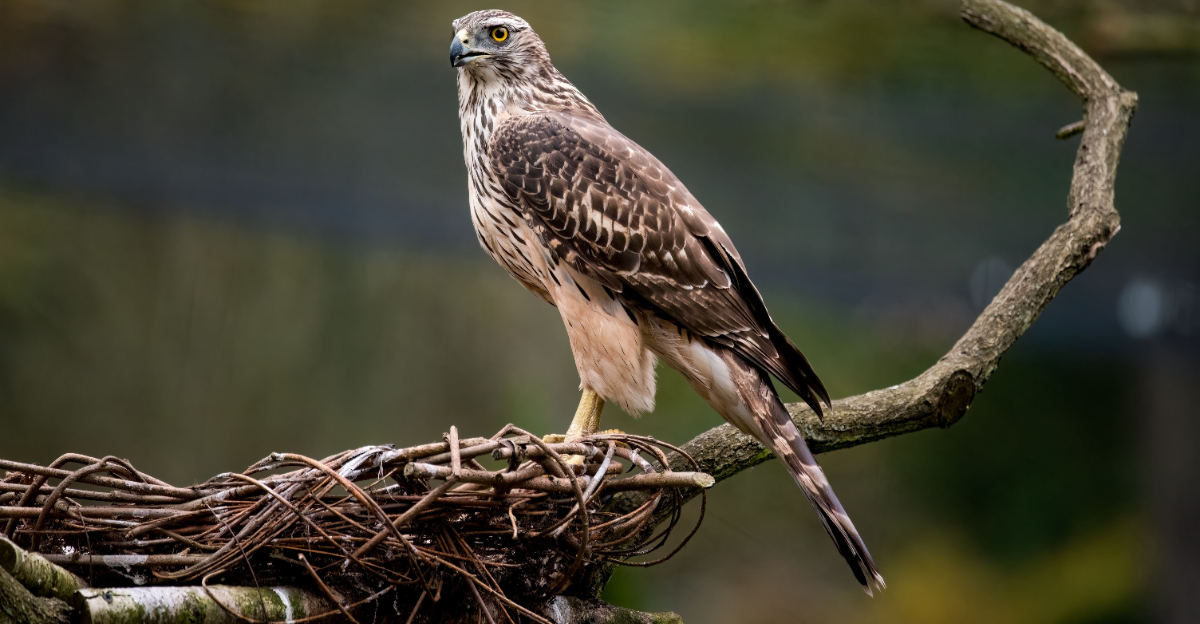
A sharp cry overhead and a broad winged silhouette circling the sky can instantly capture your attention and spark curiosity.
Across North Carolina, many homeowners have begun noticing more hawks gliding above their yards, and these sightings often reveal fascinating changes within the local environment.
Hawks are skilled birds of prey that help maintain balance by controlling rodent and small animal populations, making them vital to healthy ecosystems.
Their presence can be linked to seasonal migration patterns, shifting food sources, and the availability of safe nesting and hunting spaces throughout North Carolina landscapes.
As neighborhoods grow greener and backyard habitats become more wildlife friendly, these majestic raptors find new opportunities to thrive close to home. Observing their behavior offers valuable insight into the natural rhythms unfolding around you.
Understanding why hawks appear more often can deepen your appreciation for North Carolina’s wildlife and the subtle connections shaping your backyard ecosystem.
1. Seasonal Migration Brings More Hawks Through The Area
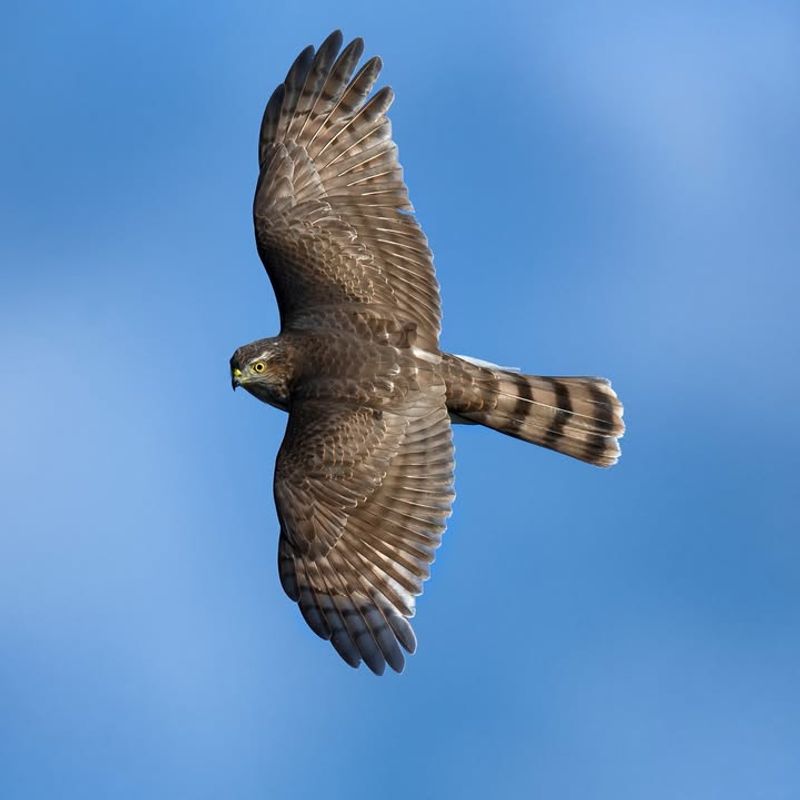
North Carolina sits along a major migration corridor for several hawk species. Every spring and fall, thousands of raptors pass through the state on their way to breeding or wintering grounds.
Broad-winged hawks, in particular, travel in large groups called kettles during September.
These migration events can dramatically increase the number of hawks you see in your yard. Sharp-shinned hawks and Cooper’s hawks also migrate through the region in significant numbers.
Many birds follow mountain ridges and coastlines where updrafts make flying easier. Migration timing varies by species, but most activity occurs from late August through October in fall.
Spring migration happens from March through May, though it’s typically less concentrated. Weather patterns influence when and where hawks appear during these journeys.
Favorable wind conditions can bring dozens of hawks through residential areas in a single day. Some individuals pause to rest and hunt during migration, making your yard a temporary stopover.
These seasonal movements explain why you might see more hawks during certain months than others.
Watching migration patterns can be rewarding and educational for nature enthusiasts. Your yard becomes part of a much larger ecological story spanning thousands of miles. Understanding these rhythms helps explain the natural ebb and flow of hawk activity.
2. Local Hawk Populations Become More Active In Breeding Season
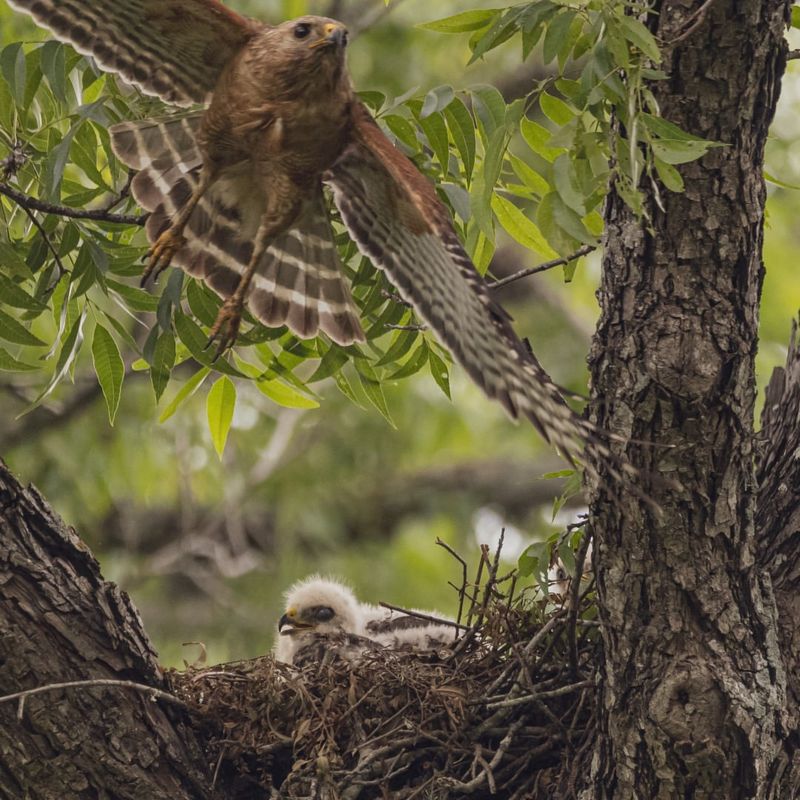
Hawks become much more visible during their breeding season, which typically runs from late winter into spring. Red-tailed hawks start courtship displays as early as February in North Carolina.
These displays involve dramatic aerial acrobatics that make them hard to miss. Territorial behavior intensifies as pairs claim and defend nesting areas. Males and females perform sky-dances, circling high above their territory while calling loudly.
This increased activity brings hawks into the open more frequently than during quieter times of year.
Nest-building also draws attention as hawks gather sticks and materials from surrounding areas. They often choose tall trees with good visibility, sometimes right in suburban neighborhoods.
Once eggs are laid, adults become especially protective and vocal. Both parents participate in hunting to feed growing chicks, which means more frequent flights and hunting attempts. You might notice hawks perched on fence posts or utility poles scanning for prey.
Their hunting activity peaks when nestlings are growing rapidly and demanding constant food.
This breeding-season visibility lasts several months as young hawks grow and eventually fledge. The combination of territorial displays, nest construction, and intensive hunting makes spring the most active viewing period.
Breeding success contributes to healthy local hawk populations that you can enjoy year-round.
3. Increased Prey Activity Attracts Hunting Hawks
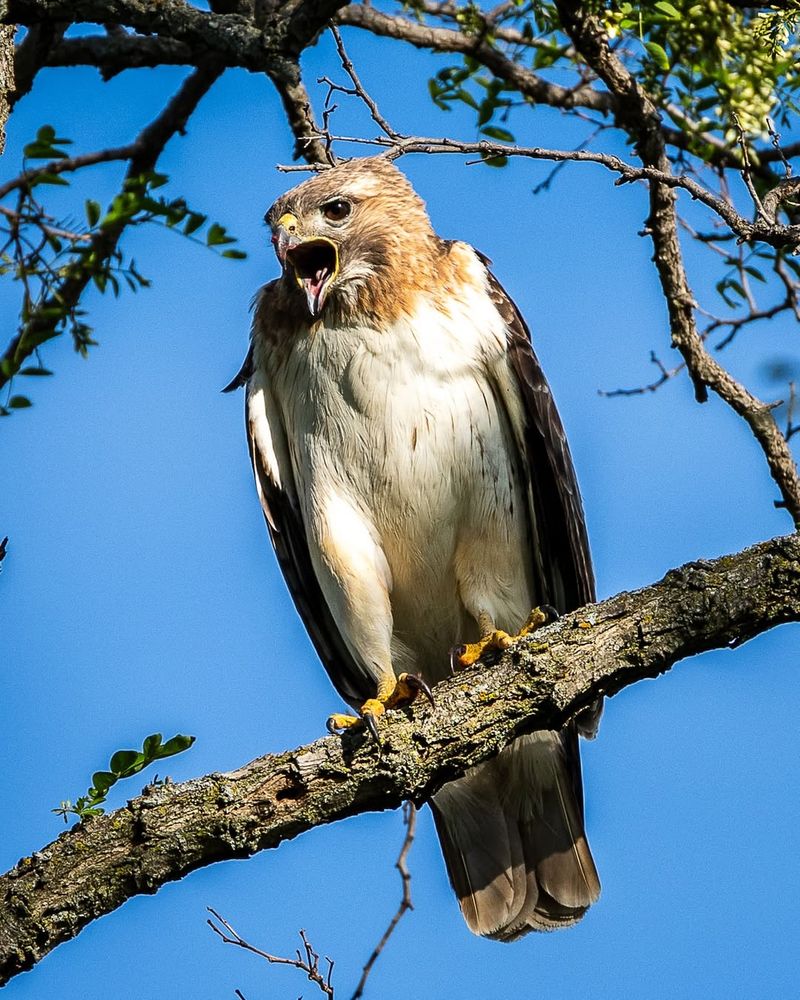
Warmer months bring a surge in prey animal activity throughout North Carolina. Rodents, small birds, lizards, and insects become much more active and visible during spring and summer.
This abundance naturally draws hawks to areas where hunting opportunities are plentiful. Mice and voles reproduce rapidly in favorable conditions, creating population booms that don’t go unnoticed by predators.
Songbirds also become more active during nesting season, moving frequently to gather food for their young. Hawks are opportunistic hunters that follow these prey concentrations.
Your yard might host more prey animals than you realize, especially if you have gardens, bird feeders, or natural vegetation. Ground-feeding birds like doves and sparrows attract hawk attention when they gather in groups.
Even chipmunks and squirrels become potential targets for larger hawk species. Reptiles emerge from winter dormancy and bask in sunny spots, making them vulnerable to aerial predators. Snakes, lizards, and even small turtles can attract hawks to specific locations.
The diversity of prey available in North Carolina supports multiple hawk species with different hunting preferences.
When prey populations are healthy and active, hawks adjust their hunting territories accordingly. Your yard becomes part of their regular patrol route if it offers consistent hunting success.
This ecological relationship explains why hawk sightings often correlate with overall wildlife activity in your area.
4. Mature Trees Provide Ideal Perching And Nesting Sites
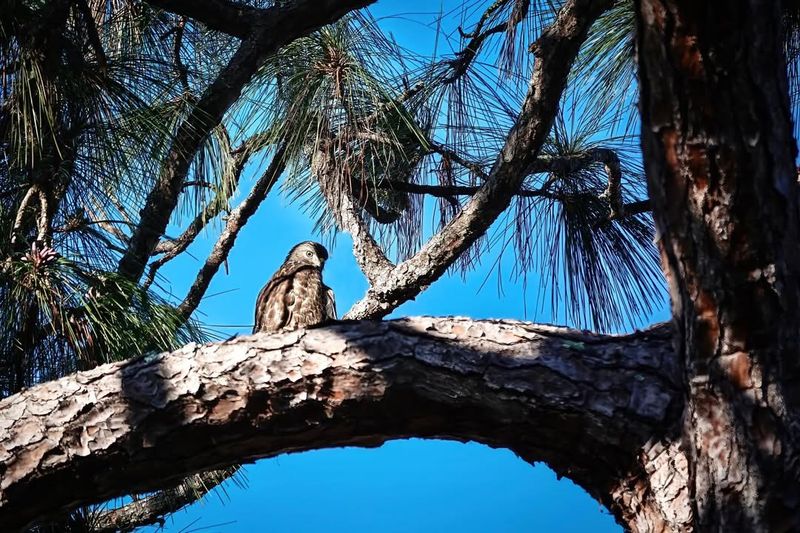
Hawks require elevated vantage points for both hunting and nesting, and mature trees provide exactly what they need. Tall oaks, pines, and other large trees offer sturdy branches high above the ground.
From these perches, hawks can scan wide areas for movement and potential prey below. Red-tailed hawks and red-shouldered hawks prefer trees that stand above the surrounding canopy. These positions give them clear sightlines and quick access to hunting grounds.
Properties with older, established trees naturally attract more hawk attention than newer developments.
Nesting also depends heavily on suitable tree structure and height. Hawks build large stick nests that require strong, horizontal branches for support.
They typically choose locations between thirty and sixty feet high, though some species nest even higher.
Trees near open areas are especially valuable because they combine perching sites with nearby hunting opportunities. A tall tree at the edge of your lawn creates an ideal setup for hawks.
The same tree might be used year after year if the hawks successfully raise young there. Even trees without nests serve important functions as hunting perches and resting spots. Hawks rotate between several favorite trees throughout their territory.
If your property has mature woodland or large specimen trees, you’ve created prime hawk habitat without even trying.
5. Open Lawns And Fields Make Hunting Easier
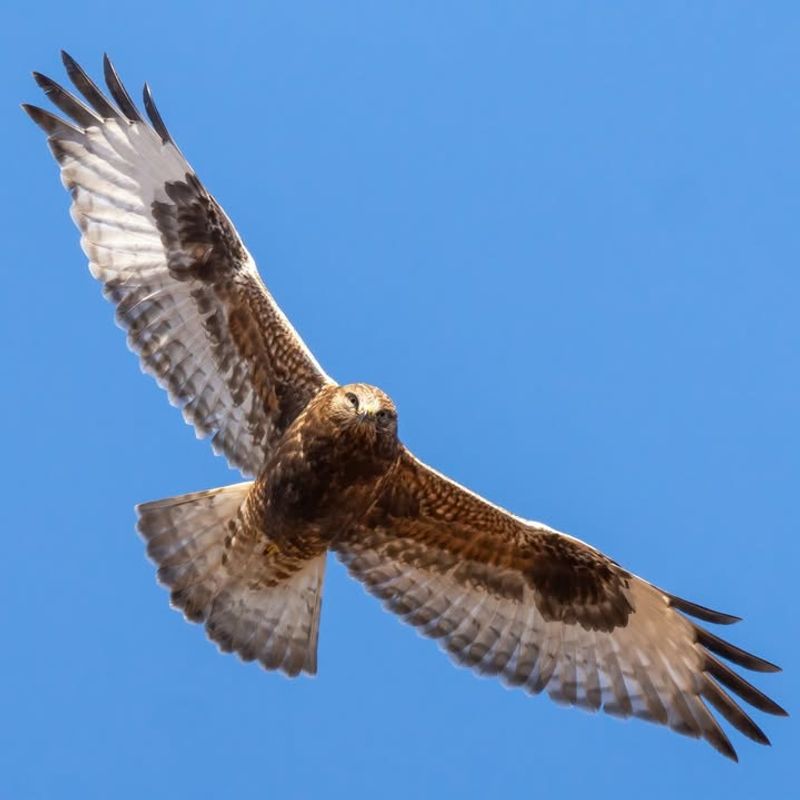
Hawks are visual hunters that rely on spotting prey from a distance. Open lawns, mowed fields, and grassy areas provide the clear sightlines they need to hunt effectively.
Unlike dense forests where vegetation blocks views, open spaces allow hawks to detect even small movements.
Red-tailed hawks often hunt from perches overlooking fields and lawns, then swoop down when they spot a target. This hunting style requires minimal cover between the perch and the prey.
Your well-maintained yard might be more attractive to hawks than wild, overgrown areas. Prey animals are also more exposed in open areas, which increases hunting success rates for hawks. Rodents crossing lawns or birds feeding on the ground become easy targets.
This efficiency draws hawks to suburban and rural properties with open landscape designs.
Golf courses, parks, and large residential lots with expansive lawns see frequent hawk activity for this reason. Even smaller yards can attract hunting hawks if they offer enough open space.
The contrast between open ground and perching trees creates an ideal hunting setup. Hawks have adapted remarkably well to human-modified landscapes that mimic natural grasslands and savannas.
Your yard management practices inadvertently create perfect hunting conditions. This explains why hawks often prefer yards to nearby woodlands where visibility is limited.
6. Bird Feeders Can Indirectly Attract Hawks
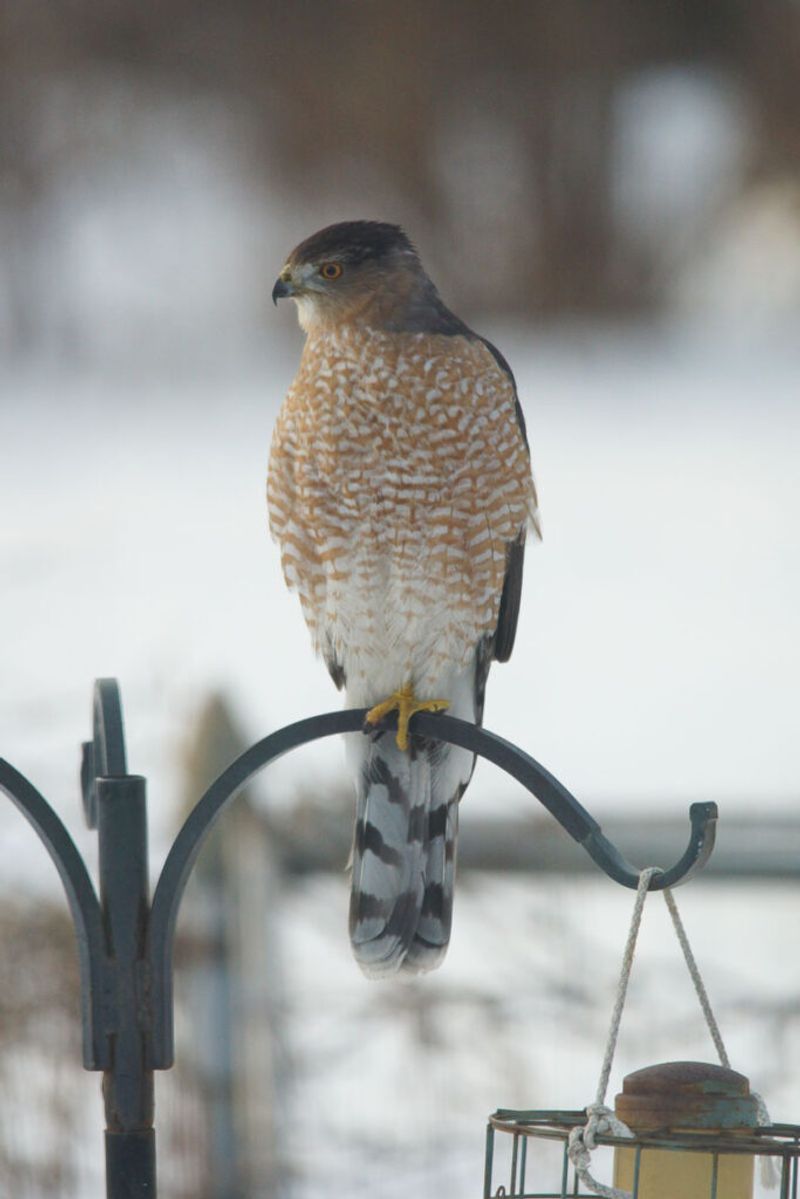
Bird feeders bring concentrations of small birds to your yard, and hawks notice these gatherings. While you’re enjoying cardinals and finches at your feeder, a sharp-shinned hawk might be watching from nearby cover.
This creates an ecological dynamic where your feeder becomes part of a larger food chain. Cooper’s hawks and sharp-shinned hawks specialize in hunting other birds, and feeders create predictable hunting opportunities.
These hawk species are agile fliers that can pursue prey through obstacles. They often perch quietly near active feeders, waiting for the right moment to strike.
Songbirds gathered at feeders sometimes become so focused on eating that they lose awareness of their surroundings. This makes them vulnerable to sudden hawk attacks from above or behind.
The presence of hawks doesn’t mean you should remove your feeders, though. Hawks are natural parts of the ecosystem, and their presence indicates a healthy bird population overall.
Predation at feeders is actually relatively uncommon despite the dramatic nature of such events. Most feeder birds successfully evade hawk attacks through quick reflexes and alarm calls.
You can provide cover near feeders by planting shrubs where songbirds can escape quickly. This balances the feeding opportunity with safety for smaller birds.
Understanding this predator-prey relationship helps you appreciate the complete ecosystem functioning in your yard.
7. Cooler Weather Can Push Hawks Into New Areas
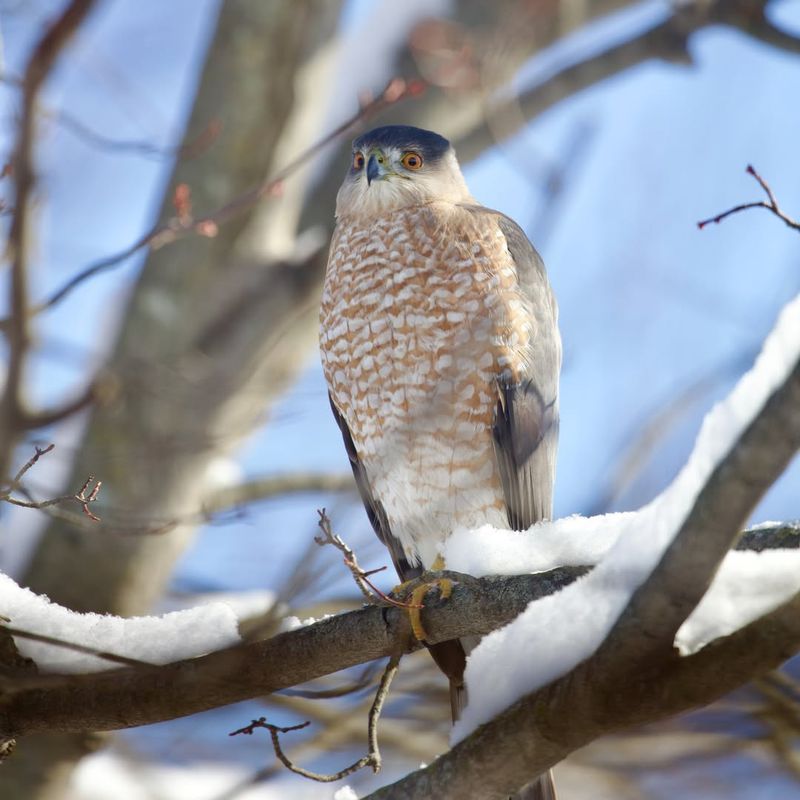
Weather patterns influence hawk distribution and movement throughout North Carolina. Cold fronts, storms, and temperature changes can push hawks into areas they don’t normally frequent.
Some northern hawk species move farther south during particularly harsh winters, increasing sightings in the state.
Rough-legged hawks, for example, typically winter in the northern United States but occasionally appear in North Carolina during severe cold snaps. These visitors from Arctic regions bring exciting variety to local hawk populations.
Weather-driven movements are less predictable than regular migration patterns. Wind patterns also affect where hawks hunt and travel on any given day. Strong winds might push hawks away from exposed ridges into more sheltered valley locations.
Your yard could suddenly become more attractive during certain weather conditions. Temperature changes affect prey activity, which in turn influences hawk behavior and distribution.
Warmer winter days bring rodents and reptiles out of hiding, attracting hunting hawks. Conversely, very cold periods might concentrate hawks in areas where prey remains accessible.
Snow and ice cover can dramatically change hunting conditions, forcing hawks to adjust their territories temporarily. Open water areas and snow-free patches become focal points for both prey and predators.
These weather-related shifts explain why hawk sightings can vary unexpectedly from week to week throughout the year.
8. Urban And Suburban Areas Now Support More Raptors
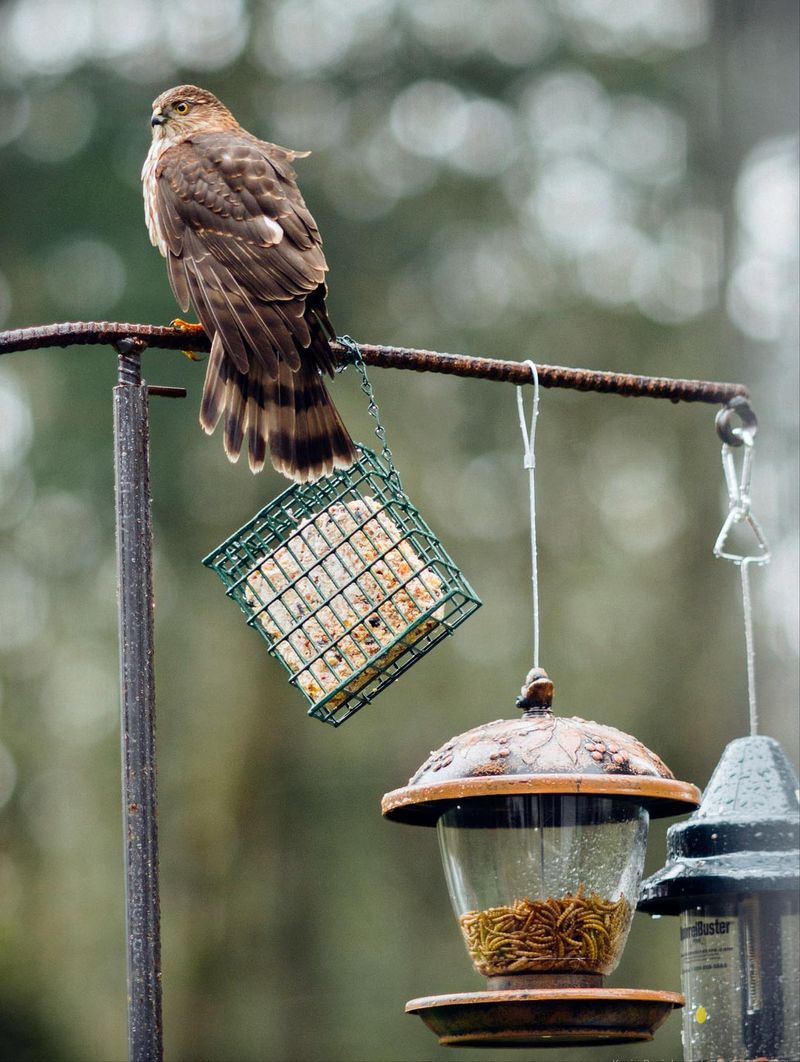
Hawks have adapted surprisingly well to living alongside humans in developed areas. Suburban neighborhoods with mature trees, open lawns, and abundant prey now support healthy raptor populations.
This adaptation represents a significant shift in hawk behavior over recent decades. Red-shouldered hawks particularly thrive in suburban settings where they find suitable nesting trees and reliable food sources.
These hawks have learned that human presence doesn’t necessarily pose a threat. They nest successfully in residential areas, parks, and even urban greenspaces.
Development patterns that preserve some trees while creating open areas accidentally mimic ideal hawk habitat. The combination of perching sites, hunting grounds, and prey abundance meets all their basic needs.
Many suburban yards actually support more prey animals than heavily farmed or purely wild landscapes.
Hawks also benefit from reduced competition in suburban areas compared to dense forests. Fewer large predators mean hawks face less pressure for territory and resources.
This allows higher hawk densities in some residential neighborhoods than in remote wilderness.
Tolerance and appreciation from homeowners have helped hawks establish in developed areas. Most people enjoy seeing these magnificent birds and don’t view them as threats.
This positive relationship between hawks and humans continues to expand raptor ranges into new suburban territories throughout North Carolina.
9. Juvenile Hawks Begin Exploring After Leaving The Nest
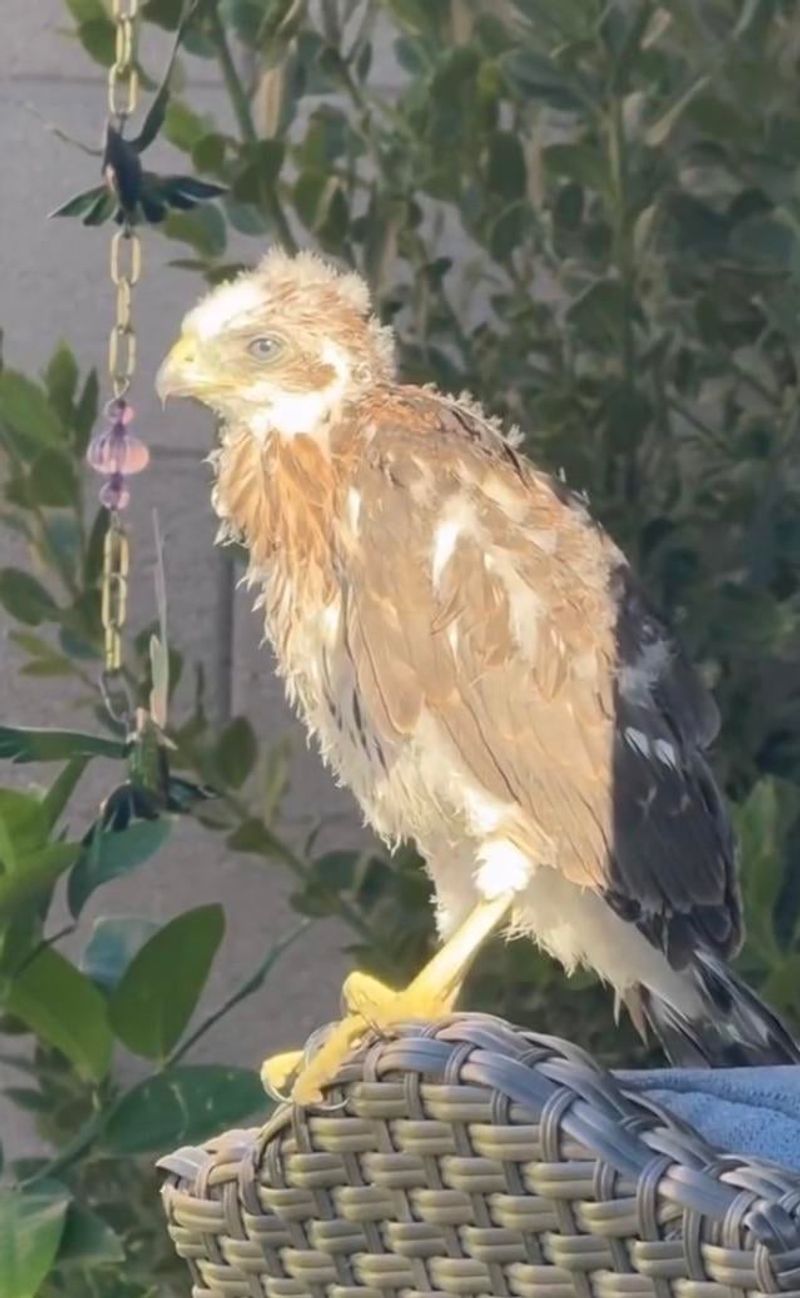
Young hawks leave their nests in late spring and summer, a process called fledging. These juveniles spend several weeks learning to hunt while still begging food from their parents.
During this period, you might see multiple hawks in areas that previously had only a breeding pair.
Fledgling hawks are often clumsy and conspicuous as they practice flying and hunting skills. They perch in obvious locations and vocalize frequently, making them easy to notice. This increased visibility can make it seem like hawk populations have suddenly exploded.
As summer progresses, juvenile hawks begin dispersing away from their natal territories. This dispersal spreads young birds across the landscape as they search for unoccupied territories.
Your yard might receive visits from several different juvenile hawks during this exploration phase.
Young hawks are less experienced hunters, so they often spend more time searching for food than adults. This means longer periods of visible activity as they move between perches and attempt hunts.
Their inexperience also makes them bolder around humans and developed areas. Dispersal continues through late summer and fall as juveniles establish their first winter territories. This natural process brings new individual hawks into areas year after year.
The cycle of breeding, fledging, and dispersal maintains dynamic hawk populations throughout North Carolina.
10. More Sightings Often Reflect Healthy Local Ecosystems
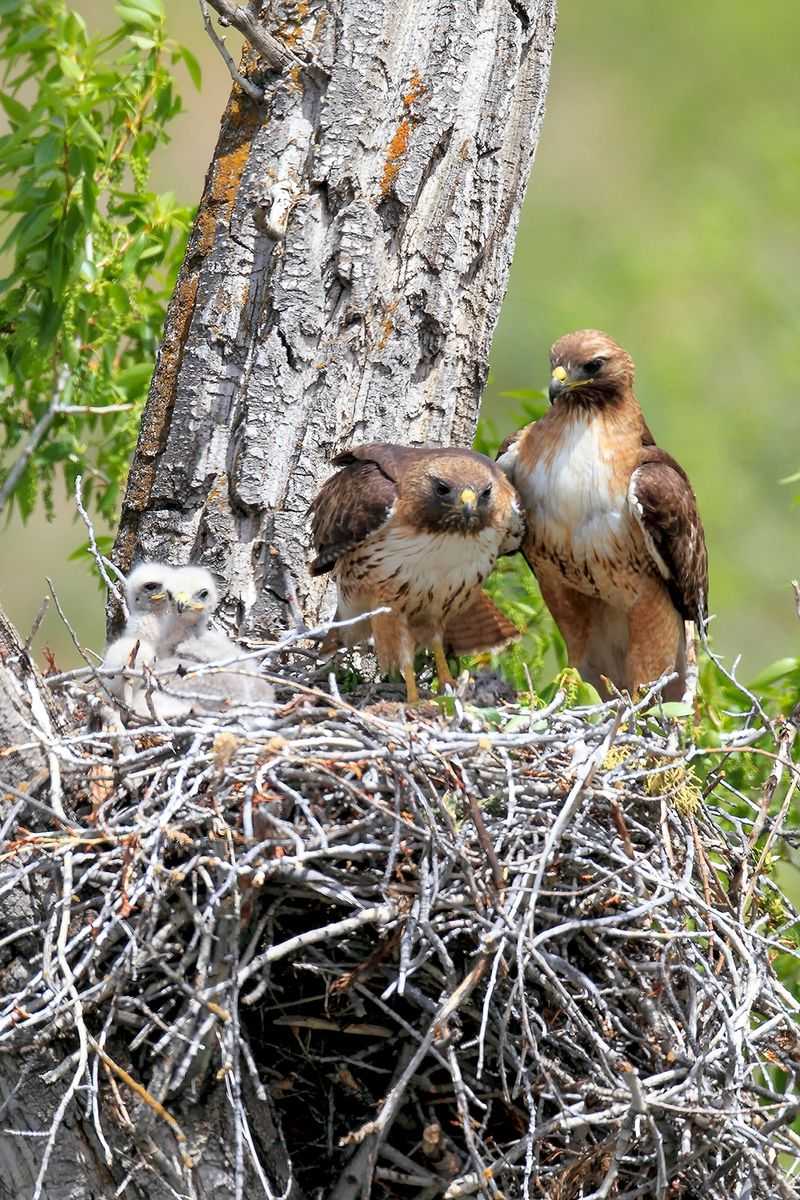
Hawks sit at the top of the food chain as apex predators in many North Carolina ecosystems. Their presence indicates that lower levels of the food web are functioning properly.
Healthy prey populations support healthy predator populations in a balanced ecological relationship.
A yard that attracts hawks likely supports diverse wildlife including insects, small mammals, reptiles, and birds. This biodiversity reflects good habitat quality with adequate food, water, and shelter.
Hawks essentially serve as indicators of overall ecosystem health. Areas with pollution, habitat destruction, or depleted prey populations cannot support thriving hawk populations.
The fact that you’re seeing more hawks suggests your local environment is doing well. This should be viewed as a positive sign rather than a concern.
Conservation efforts over past decades have helped hawk populations recover from historical declines caused by pesticides and persecution. Species like the peregrine falcon and bald eagle have made remarkable comebacks.
Even common hawks now thrive in greater numbers than they did fifty years ago. Seeing hawks in your yard means you’re part of a functioning natural system. These magnificent birds connect your property to larger ecological processes across the region.
Appreciating their presence helps foster a deeper understanding of the natural world operating all around us every day.