Here’s What It Really Takes To Grow Monstera Obliqua Indoors In Oregon
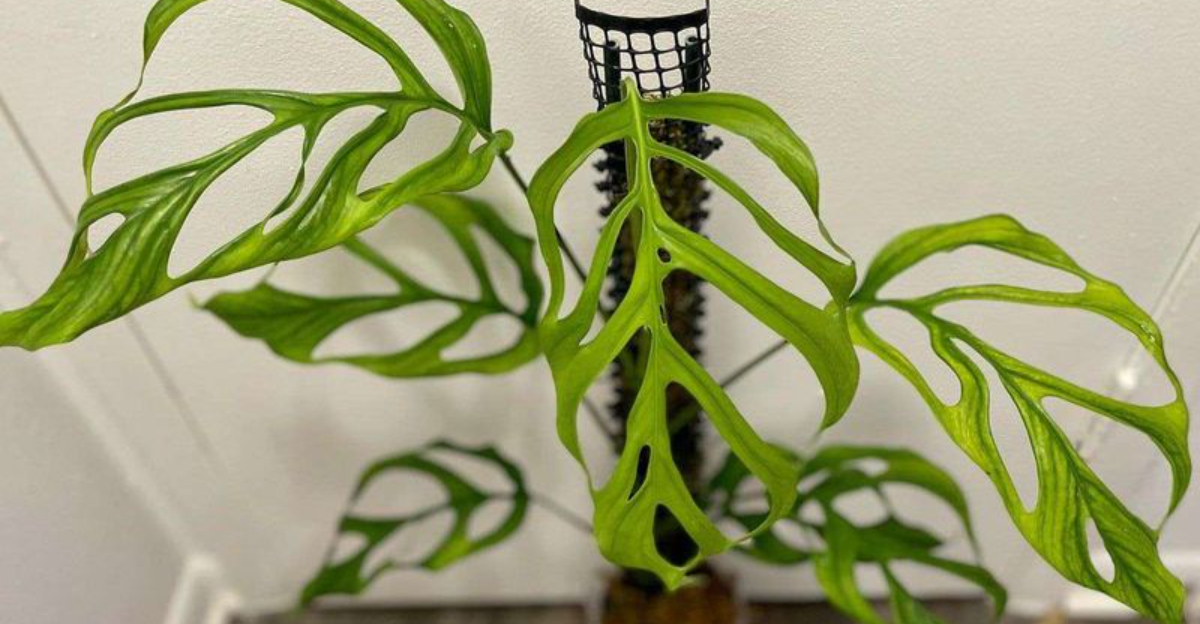
Monstera obliqua is the dream plant for indoor gardeners in Oregon, but it’s not your average houseplant. Famous for its dramatic, hole-filled leaves, it’s stunning—but also notoriously tricky to grow.
Anyone who’s tried it knows it demands the right mix of light, humidity, and patience.
This plant isn’t about set-it-and-forget-it care. It thrives in bright, indirect light, likes consistently moist soil without sitting in water, and enjoys higher humidity than most homes naturally provide, especially in winter.
Finding that balance is the key to keeping leaves healthy and preventing those dreaded yellowing edges.
With the right conditions, Monstera obliqua can become a real showstopper, adding bold texture and a tropical feel to any indoor space. But it rewards gardeners who pay attention and understand its needs.
From choosing the right soil mix to providing gentle support as it climbs, every step matters.
For Oregon plant lovers willing to meet its requirements, this plant is a conversation starter and a point of pride. With a little care and careful monitoring, it’s possible to grow Monstera obliqua indoors successfully and enjoy its unique, delicate leaves year after year.
1. Why Monstera Obliqua Is Different From Other Monsteras
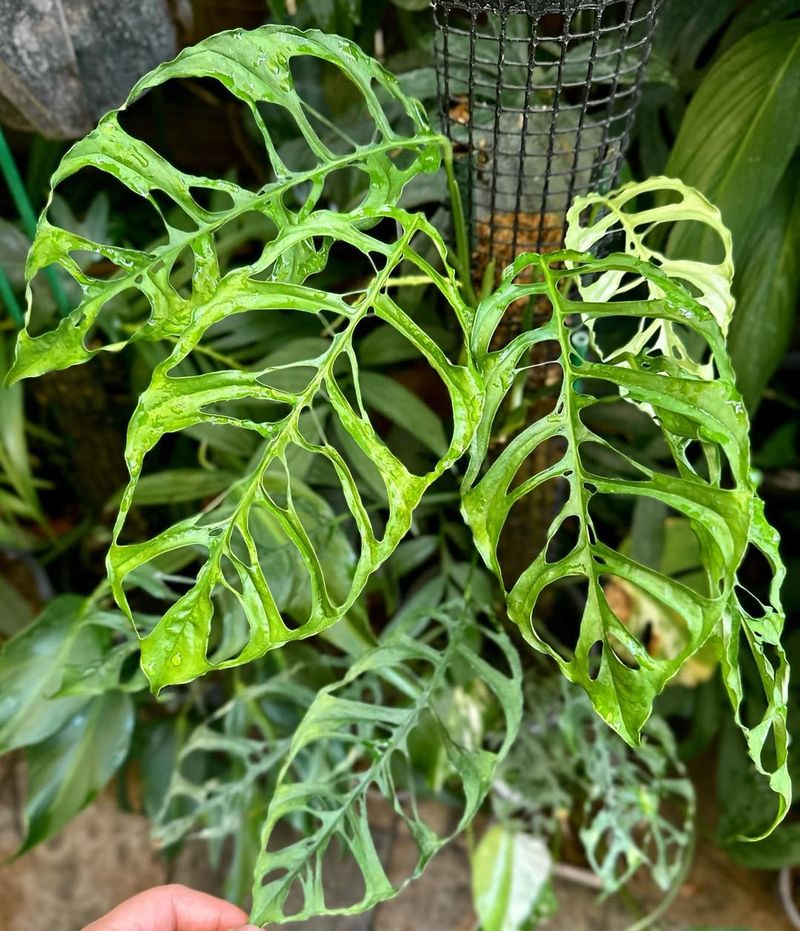
Most people see pictures online and assume this plant behaves like a standard Monstera deliciosa or adansonii. It doesn’t.
Monstera obliqua has paper-thin leaves with more holes than actual leaf tissue, making it fragile and prone to tearing or browning at the slightest environmental stress.
Your deliciosa might bounce back from a missed watering or a drafty corner, but obliqua won’t give you that grace. It grows incredibly slowly, sometimes producing just one or two leaves per year under ideal conditions.
That means every leaf matters, and losing one to crispy edges or fungal issues feels like a major setback.
This plant evolved in humid rainforest understories where air moisture stays near saturation and temperatures never swing wildly. Oregon homes, especially in winter, are the opposite of that environment.
Your heating system pulls moisture out of the air, and even humidifiers struggle to create the consistent 80-90% humidity this plant craves.
You’ll also notice that obliqua doesn’t tolerate bright light the way other Monsteras do. Too much sun scorches those delicate fenestrations instantly.
It’s a plant that requires you to think differently, move slower, and pay closer attention than you’re used to with more forgiving tropicals.
2. Light Requirements For Healthy Leaf Development
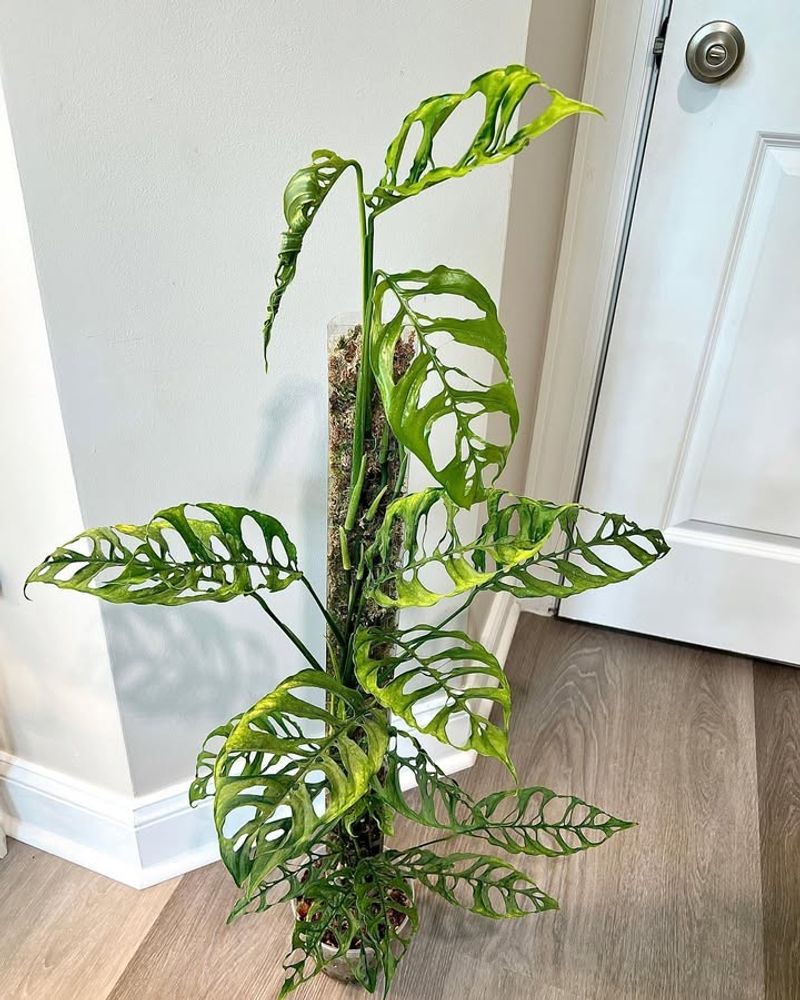
Bright indirect light sounds simple until you’re standing in an Oregon living room during January trying to figure out what that actually means.
Your obliqua needs enough light to photosynthesize and produce new leaves, but direct sun will burn those fragile tissues within hours.
Think filtered light through a sheer curtain or a spot several feet back from an east-facing window.
During our short winter days, you might need to supplement with a grow light to keep your plant from going dormant or declining.
A small LED panel positioned about 12 to 18 inches above the plant can make a huge difference when natural daylight drops to just eight or nine hours.
Watch the leaves closely—if they start looking pale or stretched, they’re reaching for more light.
Avoid placing your obliqua near south or west windows unless you can guarantee heavy shade from trees or buildings outside.
Even in Oregon’s cloudy climate, a few hours of direct afternoon sun can scorch the leaf edges and cause permanent damage.
The plant won’t recover quickly because of its slow growth rate.
Rotate your plant every few weeks so all sides receive even light exposure. This prevents lopsided growth and keeps the foliage balanced, which matters more with a slow-growing specimen where every leaf counts toward the overall appearance.
3. Humidity Levels This Plant Actually Needs
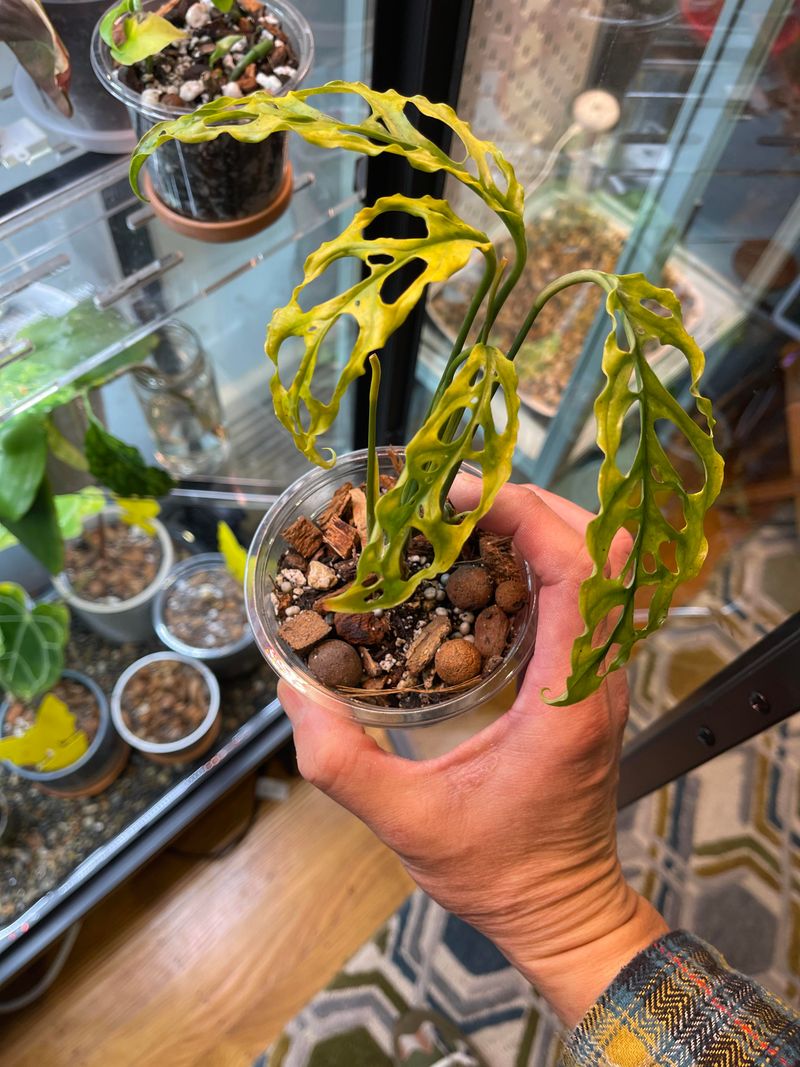
Here’s the hard truth: Monstera obliqua needs 80 to 90 percent humidity to thrive, and most Oregon homes sit around 30 to 40 percent during winter. That gap is massive, and closing it requires real effort and equipment.
A single tabletop humidifier won’t cut it unless your plant lives in a very small, enclosed space.
Many growers keep obliqua in glass cabinets, terrariums, or modified IKEA display cases with added humidity trays and small fans for air circulation.
These setups let you control the microclimate without turning your entire house into a rainforest.
You can monitor humidity with a digital hygrometer and adjust misting or humidifier output as needed.
If you’re trying to grow this plant on an open shelf, you’ll need multiple humidifiers running constantly, and even then, you might see crispy leaf edges or browning fenestrations. The thinner the leaf tissue, the faster it loses moisture to dry air.
Your obliqua will show stress much sooner than hardier plants.
Group your obliqua with other humidity-loving plants to create a shared moisture zone, but don’t crowd them so tightly that air can’t circulate. Stagnant humid air invites fungal problems, which this delicate plant is also prone to.
It’s a balancing act that requires daily observation and tweaking.
4. Temperature Stability And Draft Protection
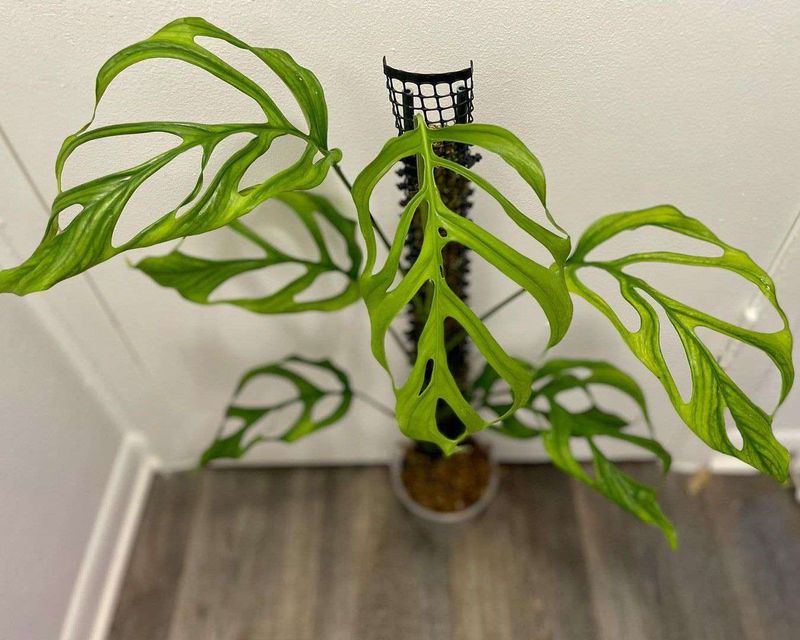
Monstera obliqua doesn’t tolerate temperature swings, and Oregon homes are full of them. You might heat your living room to 70 degrees during the day, but at night it drops to 60 near the windows.
That 10-degree shift stresses the plant and slows growth even further. Aim to keep your obliqua in a consistently warm spot between 65 and 80 degrees year-round.
Drafts from doors, windows, or heating vents are another silent killer. Cold air blowing across those thin leaves causes immediate damage, and you’ll see browning or curling within a day or two.
Check your plant’s location carefully—hold your hand near the leaves and feel for any airflow that might be coming from cracks, vents, or opening doors.
Avoid placing your obliqua on windowsills, even if the light seems perfect. Windows lose heat rapidly at night, and the temperature difference between the glass surface and the room can be significant.
A shelf or stand a few feet away from the window provides more stable conditions and protects against sudden cold snaps.
If you use a space heater or adjust your thermostat frequently, consider keeping your obliqua in a room with more stable heating.
Bedrooms or bathrooms with steady warmth and higher baseline humidity often work better than living rooms where temperatures fluctuate with daily activity and door openings.
5. Soil And Potting Mix That Prevent Root Rot
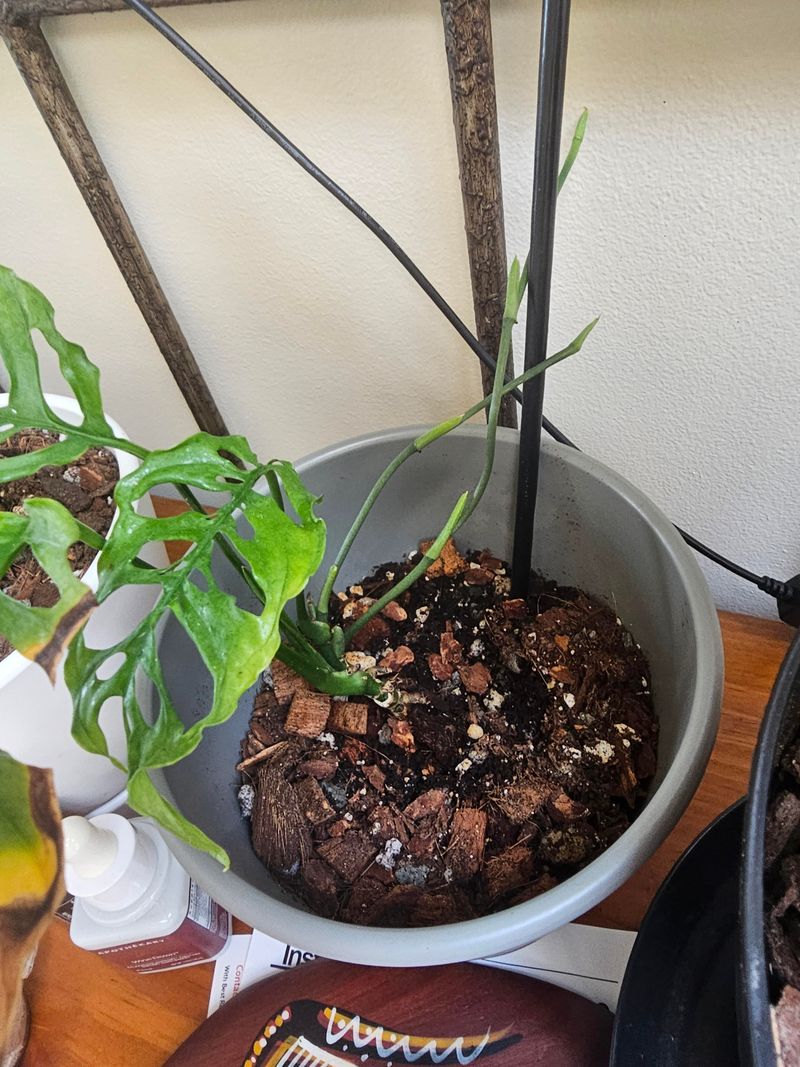
Standard potting soil is too dense for Monstera obliqua. Those delicate roots need a mix that drains fast but still holds some moisture—think airy, chunky, and loose.
A good starting recipe includes orchid bark, perlite, peat moss or coco coir, and a handful of activated charcoal to keep things fresh.
You want the mix to dry out slightly between waterings without staying bone-dry for long. Obliqua roots are thin and sensitive, so they’ll rot quickly if they sit in soggy soil, but they’ll also shrivel if the mix dries out completely.
It’s a narrow margin, and your potting medium plays a huge role in getting it right.
Some Oregon growers use semi-hydroponic setups or LECA (lightweight expanded clay aggregate) to avoid soil issues entirely.
These methods let you control water and oxygen levels more precisely, and they reduce the risk of fungal problems that thrive in damp organic matter.
If you’re new to semi-hydro, start with a smaller, less expensive plant to practice before risking your obliqua.
Choose a pot with drainage holes and avoid anything too large. Obliqua grows slowly, so it doesn’t need frequent repotting.
A pot that’s too big holds excess moisture around the roots and increases rot risk. Stick with a snug fit and only size up when roots clearly fill the container.
6. Watering Without Causing Stress Or Rot
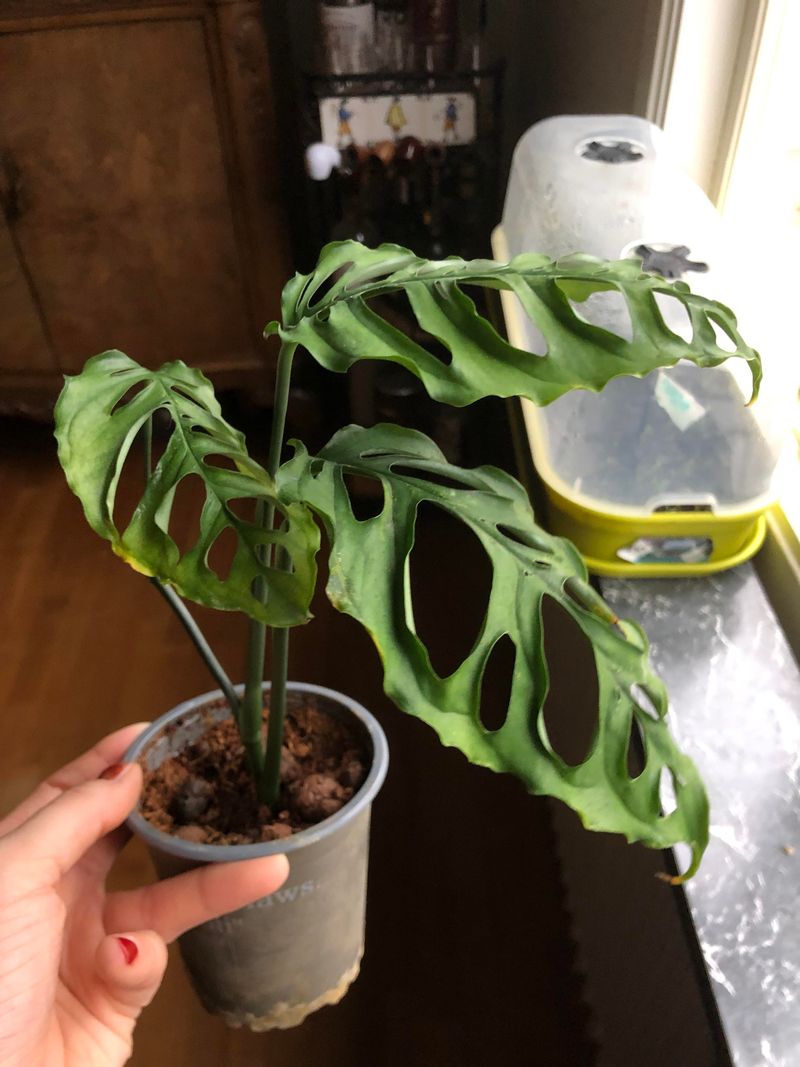
Watering Monstera obliqua feels like walking a tightrope. Too much water and the roots rot within days.
Too little and those paper-thin leaves crisp up at the edges. You need to water when the top inch or two of the mix feels dry, but the deeper layers still hold slight moisture.
Use room-temperature filtered or distilled water if possible. Tap water in many Oregon areas contains minerals and chlorine that can build up in the delicate root zone over time.
Pour slowly and evenly until water drips from the drainage holes, then let the pot drain completely before placing it back on a saucer or shelf.
During winter, your obliqua will need less frequent watering because the air is drier but the plant’s growth slows. Check the soil more often but water less.
In summer, if you’re running humidifiers and the plant is in a terrarium, you might water even less frequently because the enclosed environment holds moisture longer.
Pay attention to the leaves. If they start to yellow or look soggy, you’re overwatering.
If the edges turn brown and crispy, you’re either underwatering or the humidity is too low. Sometimes both issues look similar, so check the soil moisture with your finger or a moisture meter before adjusting your routine.
This plant demands observation and patience.
7. Supporting Growth With Poles And Structure
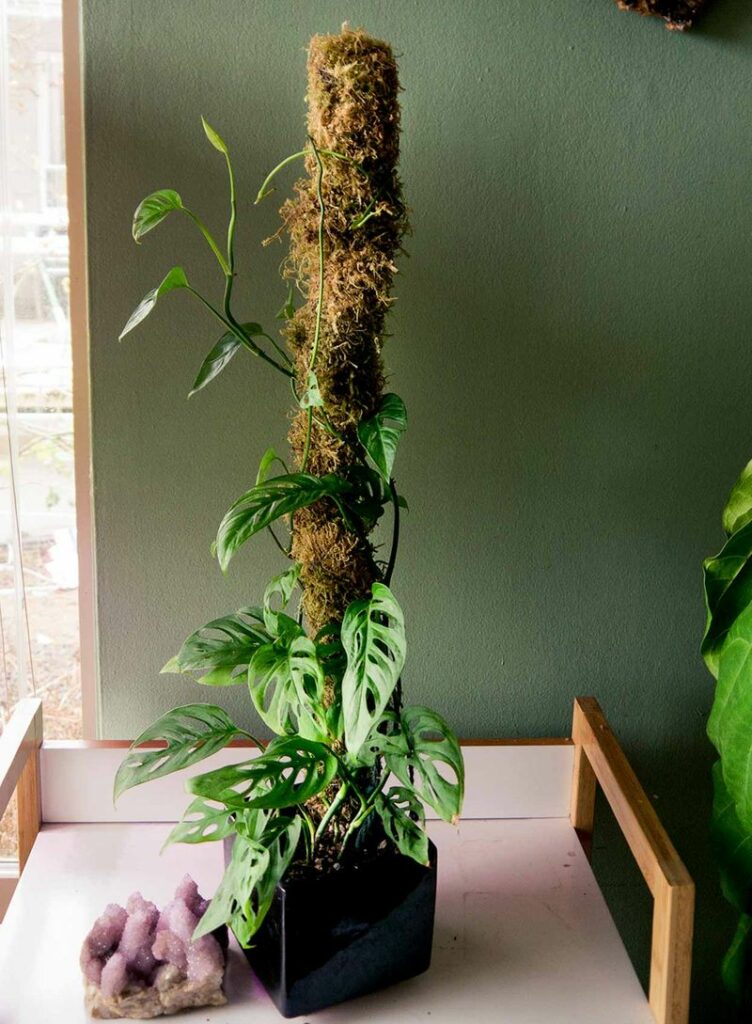
Monstera obliqua is a climbing plant, and giving it something to climb makes a real difference in how it grows and how healthy the leaves look.
A moss pole, coco coir pole, or even a small wooden plank wrapped in sphagnum moss provides support and helps the plant produce larger, more fenestrated leaves over time.
Install the support when you pot or repot the plant so you don’t disturb the roots later. Gently tie the stem to the pole using soft plant ties or strips of fabric.
Avoid wire or tight materials that could cut into the delicate stem tissue. As new growth appears, guide it upward and secure it loosely.
Moss poles work especially well because you can mist them to add extra humidity around the plant. The aerial roots will eventually attach to the moist moss, and the plant will climb naturally.
Keep the moss damp but not dripping, and refresh it every few months as it breaks down.
If your obliqua is still very small, you might not need a pole right away. Wait until the plant has a few mature leaves and shows signs of wanting to climb.
Forcing support too early can stress a young plant. Once it’s established and growing steadily, adding structure encourages stronger, healthier growth and makes the plant easier to display and manage indoors.
8. Common Mistakes Oregon Growers Make
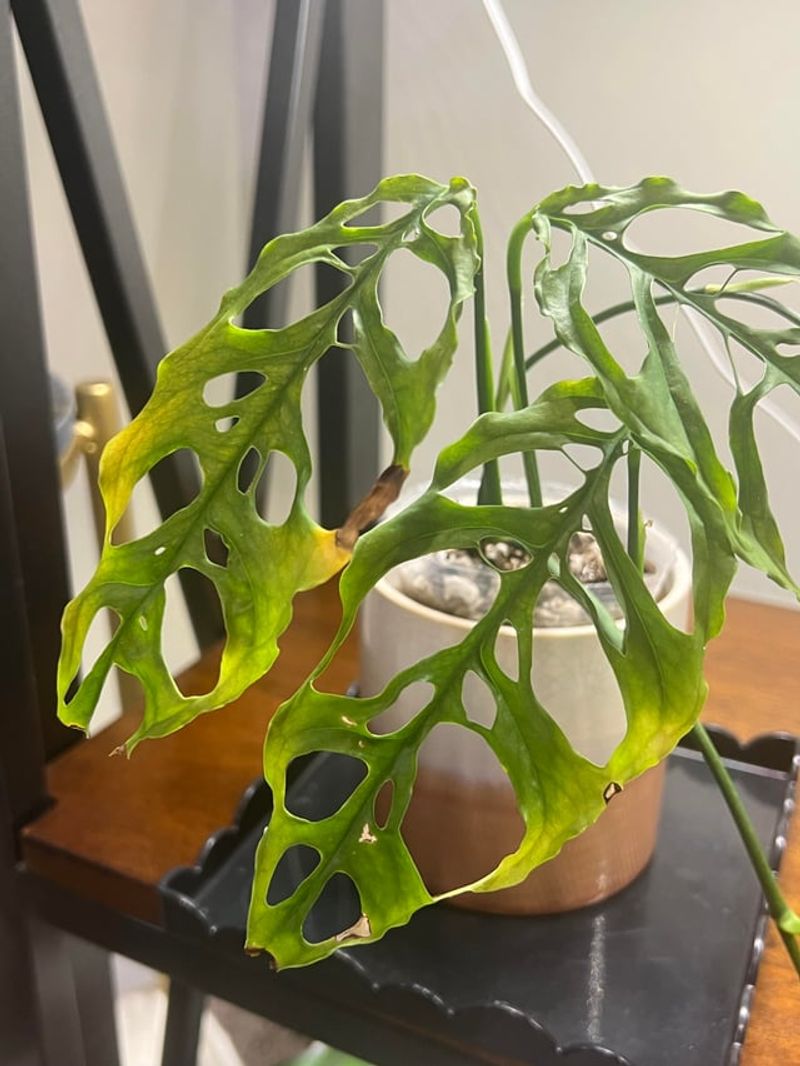
One of the biggest mistakes is treating Monstera obliqua like a regular houseplant. People buy one, place it on a shelf next to their pothos, and wonder why it declines within weeks.
This plant needs specialized care, and skipping the humidity setup or using standard potting soil almost guarantees failure.
Another common error is overwatering out of anxiety. Because obliqua is expensive and delicate, people tend to fuss over it too much.
They water on a schedule instead of checking the soil, or they mist constantly thinking it helps with humidity. Misting doesn’t raise ambient humidity effectively, and wet leaves in stagnant air invite fungal infections.
Oregon growers also underestimate how much our winter heating systems dry out indoor air. You might feel comfortable at 68 degrees, but your obliqua is suffering in 35 percent humidity.
Without a hygrometer and a real plan to boost moisture levels, the plant will slowly decline no matter how carefully you water or fertilize.
Finally, many people don’t accept how slowly this plant grows. They expect new leaves every few weeks like they’d see with adansonii, and when that doesn’t happen, they assume something is wrong.
Obliqua is naturally slow, and patience is part of the care routine. If you’re looking for fast, rewarding growth, choose a different Monstera species.
This one rewards careful, consistent attention over months and years, not weeks.