Here’s What NOT To Do In Your Pennsylvania Garden During Snow
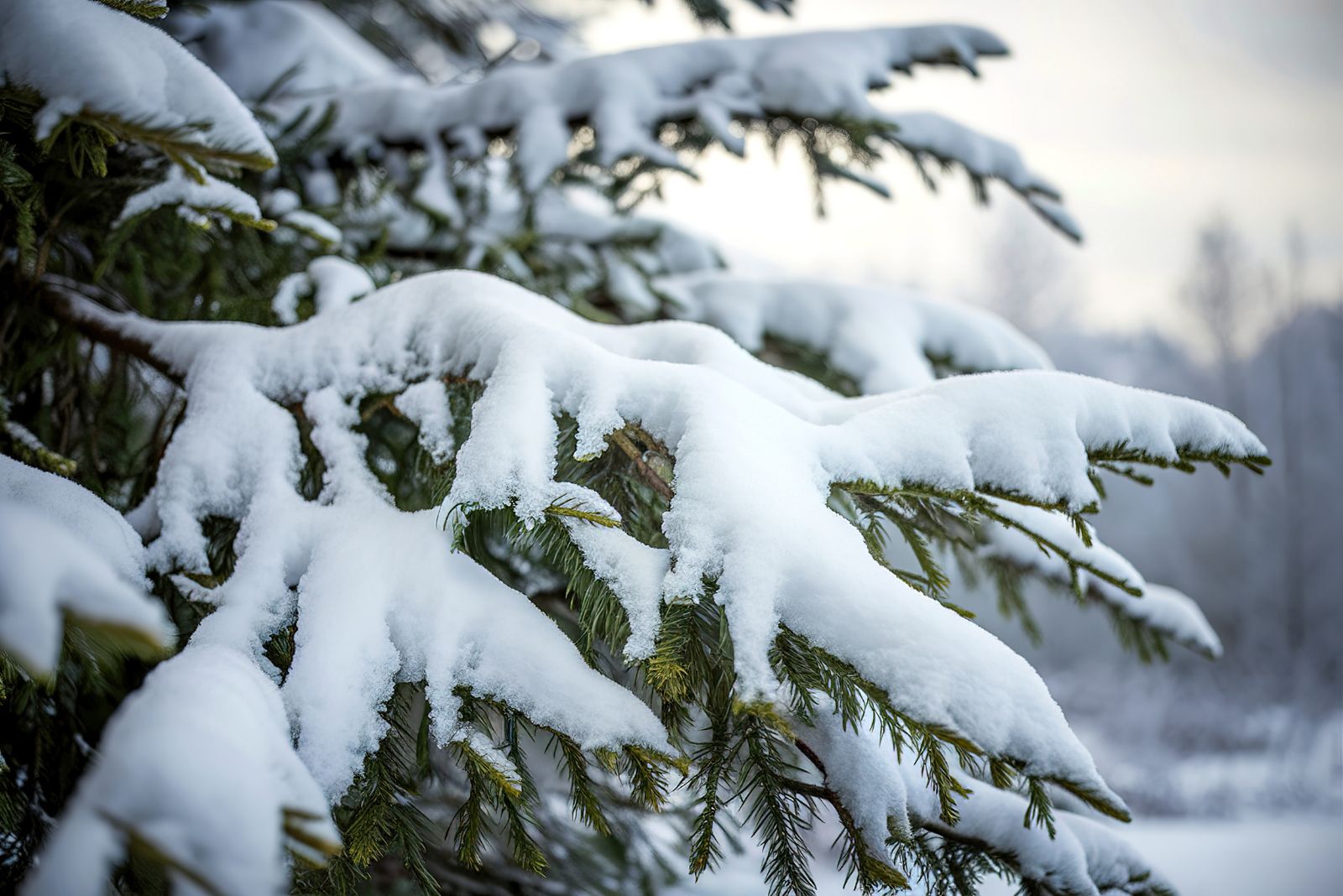
A fresh blanket of snow can make your Pennsylvania garden look calm and peaceful, but beneath that quiet surface, your plants are more vulnerable than they seem. Winter is not just a waiting period.
The choices you make during snowy days can shape how healthy and vibrant your garden looks when spring finally returns.
It might feel harmless to walk across frozen beds, shake snow off branches, or jump into early cleanup, yet some common winter habits can actually cause lasting damage.
Compacted soil, broken stems, and stressed roots are just a few problems that can start with simple mistakes. The good news is that protecting your garden in snowy conditions is easier than you think.
Before you step outside, here are the key things you should avoid doing in your Pennsylvania garden during snow to keep your plants safe, strong, and ready for warmer days ahead.
1. Don’t Walk On Snow-Covered Garden Beds
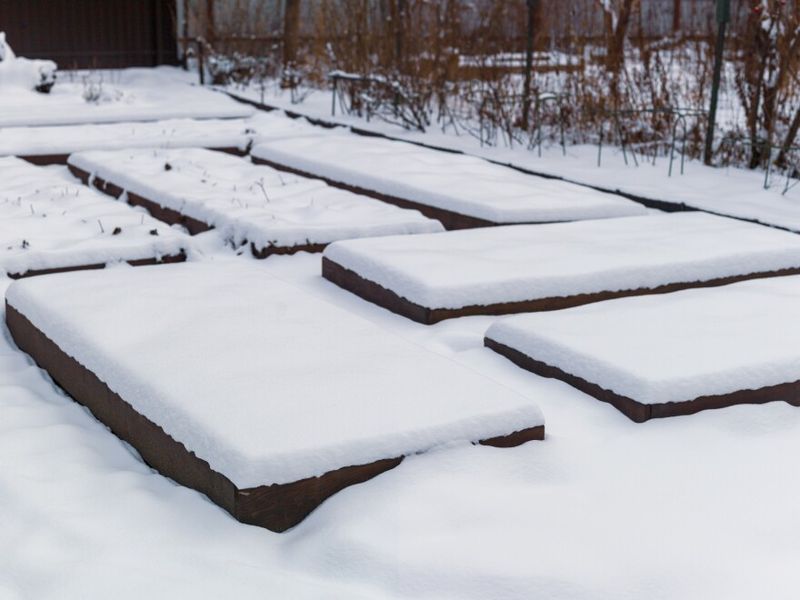
You might not think twice about cutting across your garden beds to grab the snow shovel or take a shortcut to the garage. But walking on snow-covered garden beds in Pennsylvania winters is one of the most damaging things you can do without even realizing it.
Snow acts like a soft cushion sitting on top of your soil. When you step on it, all that weight pushes straight down into the earth below.
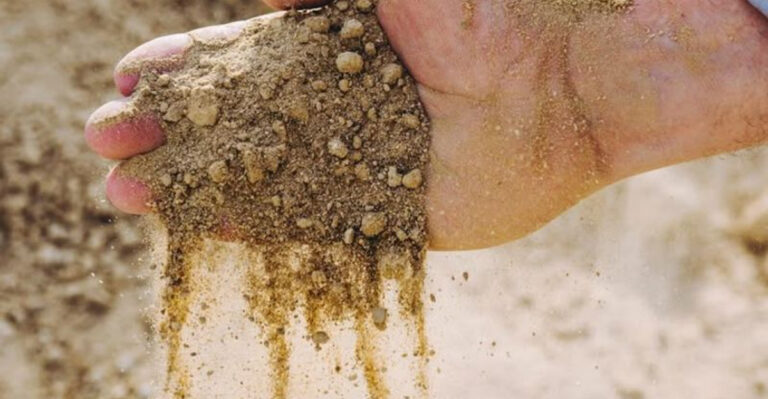
The soil underneath gets compacted, which means the tiny air pockets that roots depend on get squeezed out. Without those air pockets, roots struggle to breathe and absorb nutrients properly.
Compacted soil also drains poorly. When the snow melts or spring rains arrive, water has nowhere to go and just sits on top. This can lead to root rot or other moisture-related problems for your perennials and bulbs.
Dormant plants hiding under the snow are especially vulnerable. Many Pennsylvania gardeners have tulip bulbs, hostas, and perennial roots just below the surface waiting for spring. One heavy footstep can crush or shift those bulbs without you ever knowing.
The fix is simple. Stick to your garden paths, stepping stones, or hard surfaces when moving around your yard during winter.
If you do not have defined paths, now is a great time to plan some for next season. Protecting your soil structure during Pennsylvania winters means healthier, more productive garden beds when warmer weather returns in spring.
2. Don’t Knock Heavy Snow Off Trees And Shrubs Forcefully
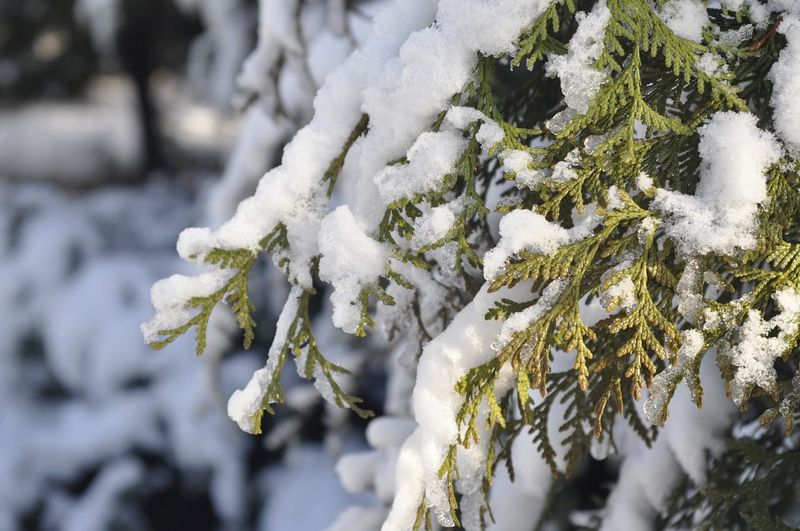
Picture this: you wake up after a big Pennsylvania snowstorm and head outside to find your favorite arborvitae bent sideways under a heavy load of wet snow.
Your first instinct is to grab a broom and shake it free as fast as possible. Hold on, because that instinct can actually cause more harm than good.
Frozen branches become extremely brittle during cold snaps. When temperatures drop well below freezing, the wood loses flexibility and snaps much more easily than it would in warmer weather.
Shaking or hitting branches forcefully can cause them to crack or break off entirely, leaving permanent damage that affects the plant for years.
Evergreens like arborvitae, boxwood, and juniper are especially common in Pennsylvania landscapes, and they are among the most vulnerable to this kind of rough handling. Once a branch splits at the base, it rarely heals the same way.
If you feel you must remove snow, use a soft broom and brush upward gently from the bottom of the branch. This lifts the snow off rather than snapping the branch downward under the weight.
For ice-covered branches, the safest move is to leave them alone entirely and let the ice melt on its own.
Nature has a way of handling these situations. Most healthy trees and shrubs in Pennsylvania can tolerate a normal snow load just fine.
Stepping back and letting things melt naturally is often the smartest and safest choice you can make for your landscape.
3. Don’t Prune During Deep Freezes
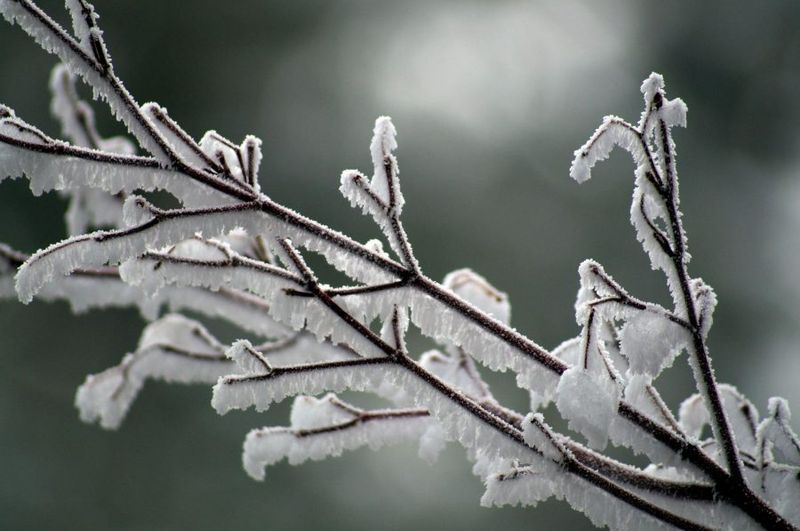
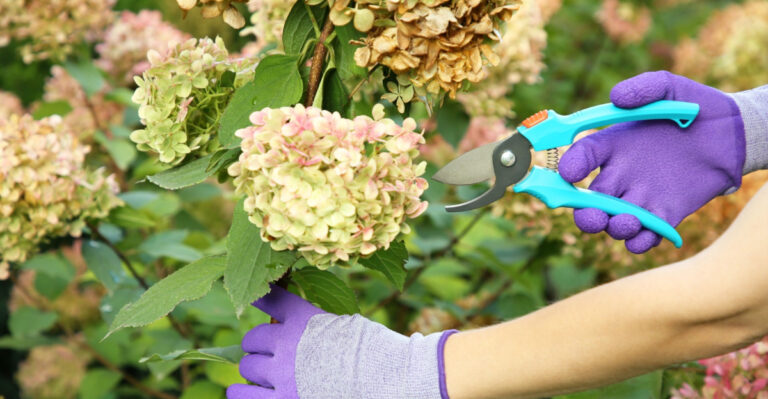
Grabbing the pruning shears during a cold Pennsylvania winter might seem like a productive way to get ahead on garden chores. After all, the plants are dormant and out of the way, right?
Actually, pruning during a deep freeze can set your plants back significantly once spring arrives.
When you make a cut on a branch or stem, you are creating an open wound on the plant. During warmer seasons, plants can seal those wounds relatively quickly.
In freezing temperatures, that process slows almost to a stop. The exposed tissue is left vulnerable to winter injury, frost damage, and even fungal or bacterial infections that take hold in the cold.
There is another problem too. Pruning sometimes signals the plant to push out new growth.
If a warm spell follows a prune in mid-winter, as Pennsylvania weather is known to deliver from time to time, that fresh tender growth can be wiped out by the next hard freeze.
The right timing for pruning depends on the specific plant. Most deciduous shrubs and trees in Pennsylvania do best when pruned in late winter, just before new growth begins, typically from late February into March.
Spring-blooming shrubs like forsythia and lilac should be pruned right after they bloom, not before.
Patience pays off here. Waiting just a few more weeks until conditions improve gives your plants the best chance of bouncing back strong.
A good pair of clean, sharp pruning shears used at the right time makes all the difference in a healthy Pennsylvania garden.
4. Don’t Leave Salt Build-Up Around Plants
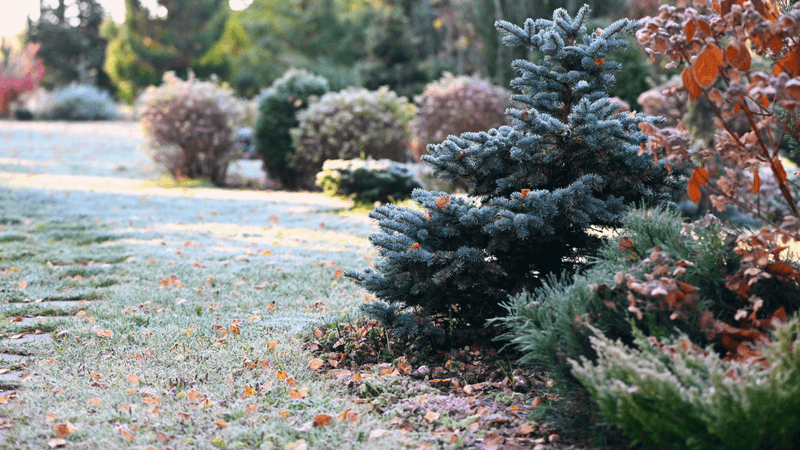
Road salt is everywhere in Pennsylvania during winter. The state highway department uses it heavily, and most homeowners spread it on sidewalks and driveways without a second thought. It keeps things safe underfoot, but it comes at a real cost to nearby plants.
Salt works by lowering the freezing point of water, which is great for melting ice. But when that salty water runs off into your garden beds, it gets absorbed into the soil.
High salt concentrations in the soil pull moisture away from plant roots through a process called osmosis. Essentially, the roots get dehydrated even when there is plenty of water around.
Plants along the edges of driveways, sidewalks, and roads in Pennsylvania are the most at risk.
You might notice browning on the tips of evergreen foliage, stunted growth in spring, or shrubs that look stressed even after the snow is long gone. Salt damage can linger in the soil for months if nothing is done.
When temperatures rise above freezing, rinse affected garden areas thoroughly with fresh water. This helps flush the salt deeper into the soil and away from the root zone.
Adding organic matter like compost can also help improve soil structure and reduce the lasting effects of salt exposure.
Whenever possible, choose plant-safe de-icing products for your own walkways. Options made with calcium magnesium acetate or potassium chloride are far gentler on nearby plants than traditional rock salt.
Your Pennsylvania garden will thank you come spring when everything starts waking back up.
5. Don’t Remove Protective Mulch Too Early
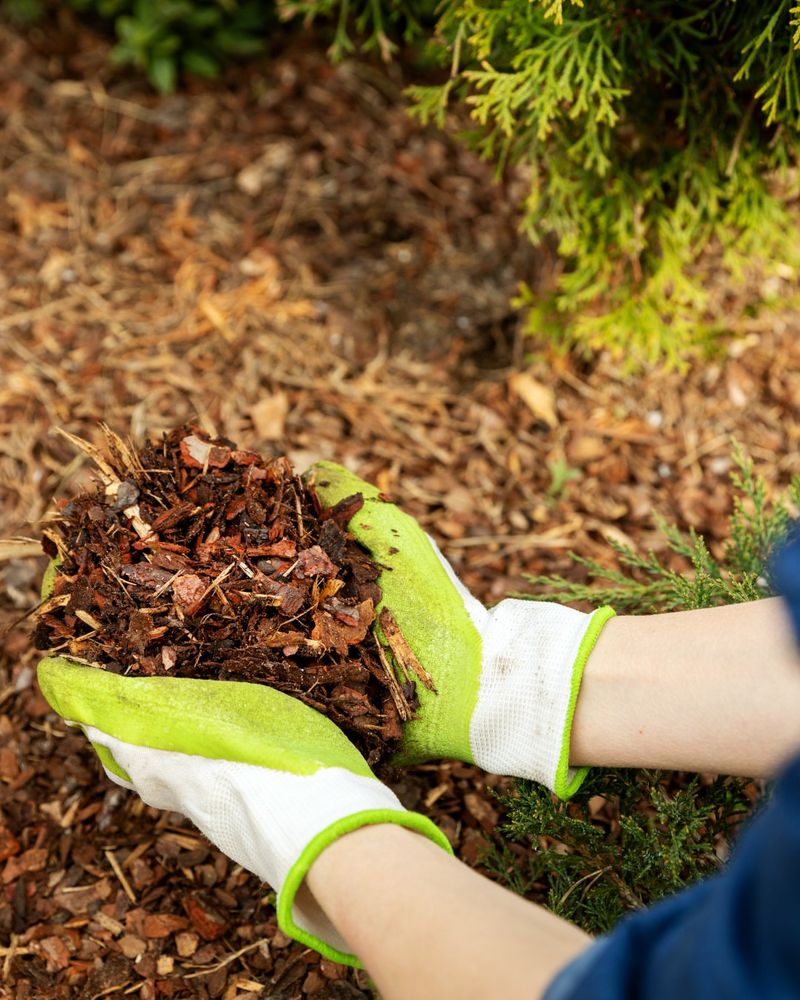
Mulch is one of the most underappreciated tools in a Pennsylvania gardener’s toolkit, especially during winter. That layer of wood chips, shredded leaves, or straw sitting over your garden beds is doing a lot more than just looking tidy.
It is actively protecting your plant roots from the brutal freeze-thaw cycles that Pennsylvania winters are famous for.
When temperatures swing from below freezing at night to above freezing during the day, the soil expands and contracts repeatedly. This movement can actually push shallow-rooted plants and bulbs right out of the ground, a phenomenon called frost heaving.
Mulch acts as a buffer, keeping soil temperatures more stable and reducing how much that expansion and contraction happens.
A warm weekend in February can fool even experienced gardeners into thinking spring has arrived. Pulling back that mulch too soon exposes roots and crowns to temperatures that will almost certainly drop again.
A late frost in Pennsylvania can happen well into April in some regions, including areas around Harrisburg and the northern counties.
The right move is to leave your mulch in place until you start seeing consistent daytime temperatures above 50 degrees Fahrenheit and nighttime lows staying well above freezing.
Watch for signs of new growth pushing through the mulch as your cue to begin pulling it back gradually, not all at once.
Removing it in stages over a week or two gives your plants time to adjust. Rushing this step is one of the most common springtime mistakes Pennsylvania gardeners make after a long winter.
6. Don’t Let Heavy Snow Collapse Your Shrubs
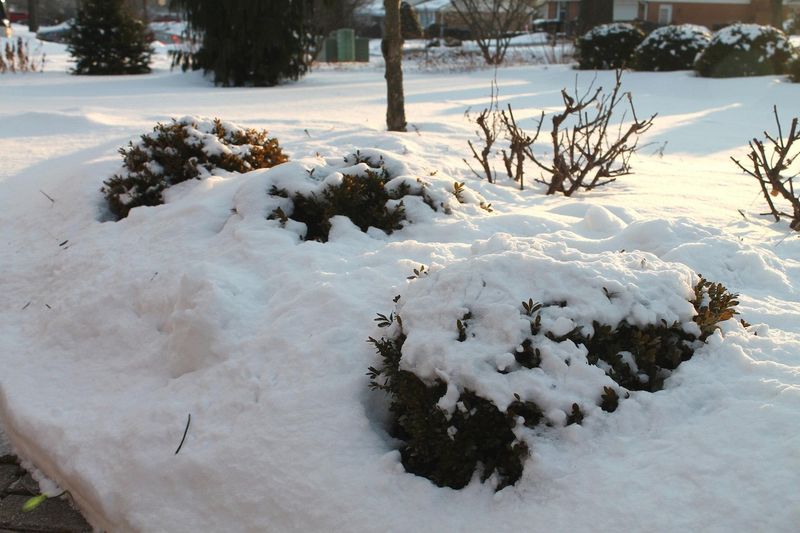
Wet, heavy snow is a signature feature of Pennsylvania winters, especially in the central and eastern parts of the state.
Unlike the light, fluffy powder you might see further north, Pennsylvania snowfall often comes loaded with moisture. That extra weight adds up fast, and your shrubs feel every pound of it.
Evergreen shrubs like boxwood, yew, and arborvitae are particularly prone to being flattened or deformed by heavy snow loads. When branches get pushed outward and downward repeatedly over a season, they can lose their natural shape permanently.
Some shrubs develop a wide, splayed-out form that never fully recovers, even after years of regrowth.
One smart strategy is to prepare your vulnerable shrubs before the storms even arrive. Using soft garden twine or burlap strips, you can gently tie the branches of upright shrubs together in a loose bundle.
This keeps them from spreading under the weight of snow and ice. Just make sure not to tie them too tightly, as you want air to still circulate around the plant.
If snow has already piled on, use a soft broom to carefully lift it away from the bottom up. Work slowly and avoid any forceful movements, especially when temperatures are near or below freezing and branches are at their most brittle.
Taking ten minutes before a predicted storm to wrap or support your most valuable shrubs can save you a season of frustration. A little prevention goes a long way in keeping your Pennsylvania landscape looking its best all year round.
7. Don’t Assume Dormant Plants Are Gone For Good
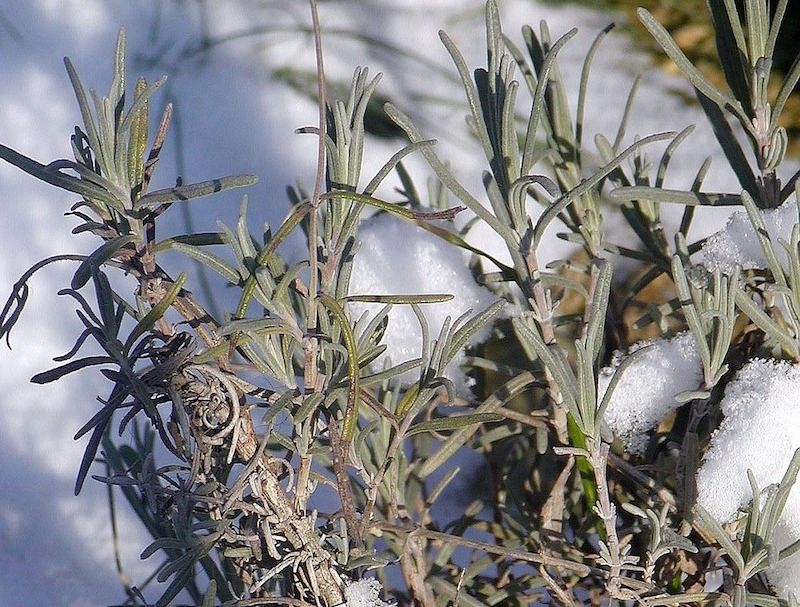
Every winter, Pennsylvania gardeners pull out perfectly healthy plants because they look completely lifeless under the snow.
Brown stems, shriveled foliage, and bare soil can make even experienced gardeners nervous. But looks are very deceiving in a winter garden.
Most perennials, ornamental grasses, and hardy shrubs go dormant during cold months as a survival strategy. They are not gone.
They are simply resting. All the energy the plant needs for spring is stored safely underground in the roots, waiting for the right signal to push back up.
Snow actually helps with this process by acting as insulation, keeping soil temperatures from dropping too low during the coldest nights.
Common Pennsylvania garden favorites like coneflowers, black-eyed Susans, hostas, and daylilies all go through this cycle every year. They can look completely finished by December, but by late April they are bursting with new growth.
Digging them up or tossing them in the compost pile in February is a frustrating mistake that many new gardeners make.
The best advice is simple: wait. Give your plants until mid to late spring before making any decisions about whether they have survived the winter.
Look for small signs of new growth emerging from the base or from underground before writing anything off.
Even shrubs that look completely brown and crispy after a harsh Pennsylvania winter often surprise gardeners with new green growth once temperatures warm up consistently.
Patience is genuinely one of the most powerful tools you have as a gardener, especially after a tough winter season.