Here’s When To Apply Lime Sulfur Spray For Healthier Plants In Oregon
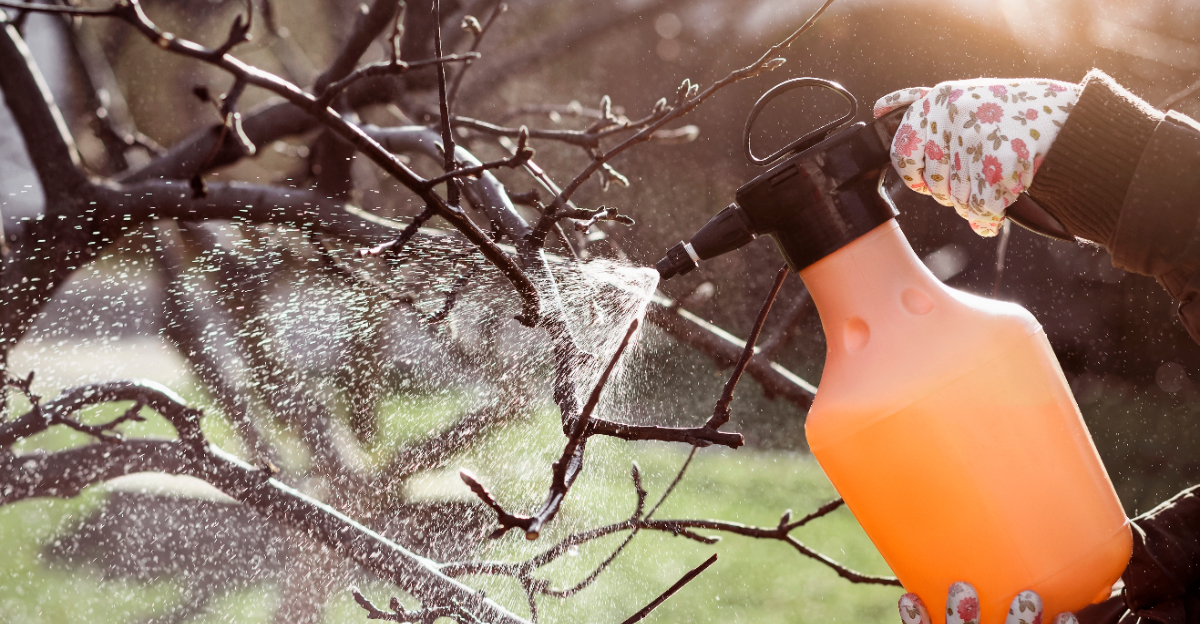
Lime sulfur spray might not sound exciting, but in the garden it is basically a reset button for trouble.
Think of it as a deep clean for your trees and shrubs, clearing out hidden pests and lingering disease before they get a chance to cause chaos.
Spray at the right moment and you are one step ahead, giving your plants a fresh, healthy start and saving yourself a season of frustration.
There is a little timing strategy involved, a bit of weather watching, and just enough garden know how to make it feel like a smart win.
Done right, this simple move can mean fewer problems, stronger growth, and a garden that feels happier and more productive as the season gets rolling. Not bad for one cloudy day with a spray bottle and a plan.
1. Late Winter Is The Ideal Window
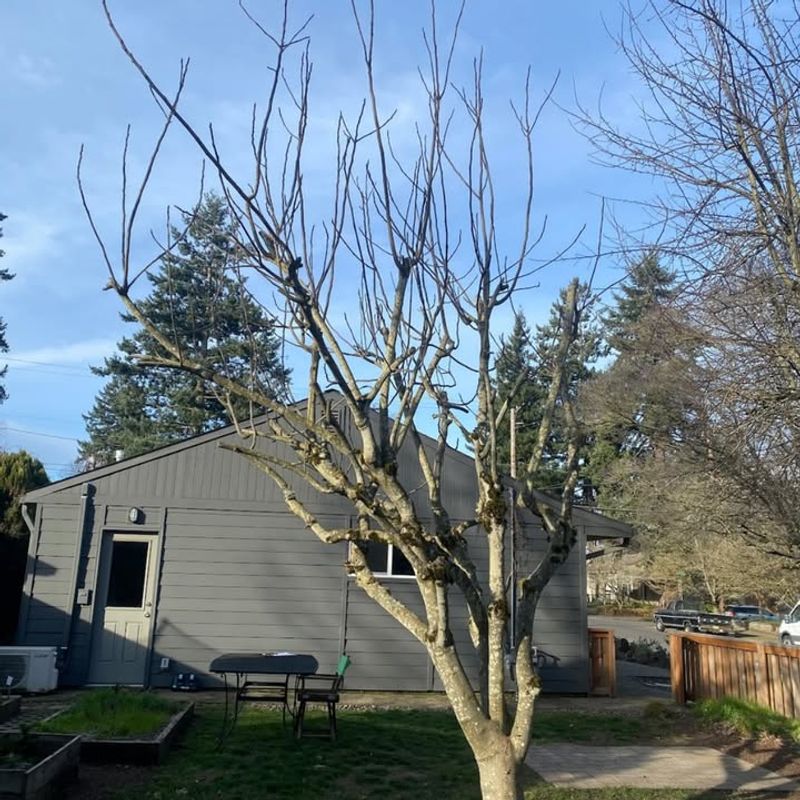
Oregon’s late winter offers a sweet spot that gardeners often overlook. Temperatures hover just above freezing, rain showers come and go, and your fruit trees stand bare and still.
This quiet window, usually falling between late January and early March depending on your location, is when lime sulfur works its magic best.
During this time, plants remain fully dormant but the worst of winter’s freeze has passed. The spray clings to bark and branches without harming living tissue because there’s nothing actively growing yet.
Pests and disease spores that survived the cold are still tucked into bark crevices, exactly where you want to hit them.
Coastal gardeners might start a bit earlier since their winters stay milder. Inland areas around Bend or La Grande should wait until February when hard freezes become less frequent.
The key is catching that period after the coldest snaps but well before any green tissue appears.
Mark your calendar around Valentine’s Day as a rough reminder. Your trees won’t mind the attention, and you’ll set yourself up for a cleaner growing season ahead.
2. Spray During Dormant Season Only
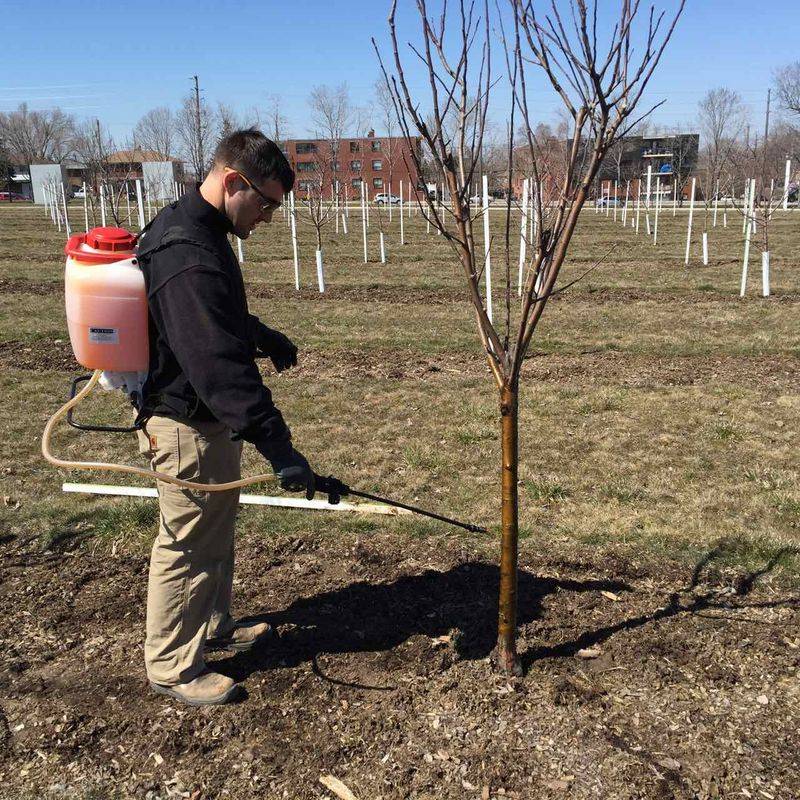
Walking past your fruit trees in December, you’ll notice they’ve shed every leaf and settled into their winter rest. This dormancy isn’t just a phase; it’s your green light for lime sulfur application.
The spray is intensely strong, designed to harm organisms on contact, which means it can also burn any living green tissue it touches.
Dormancy protects your trees by shutting down all active growth. Buds stay tightly sealed, bark hardens, and sap flow slows to nearly nothing.
In this state, trees can handle the caustic nature of lime sulfur without suffering damage. Try spraying once leaves emerge or buds start opening, and you’ll see scorched foliage and stunted growth within days.
Oregon’s dormant season typically runs from November through early March, though microclimates vary. A tree is truly dormant when you see zero green growth, no swelling buds, and bare wood throughout the canopy.
Some gardeners make the mistake of spraying too early in fall when trees still have leaves, or too late in spring when buds begin their first swelling.
Patience pays off here. Wait for complete dormancy, and your trees will thank you with healthier growth come spring.
3. Apply Before Buds Begin To Swell
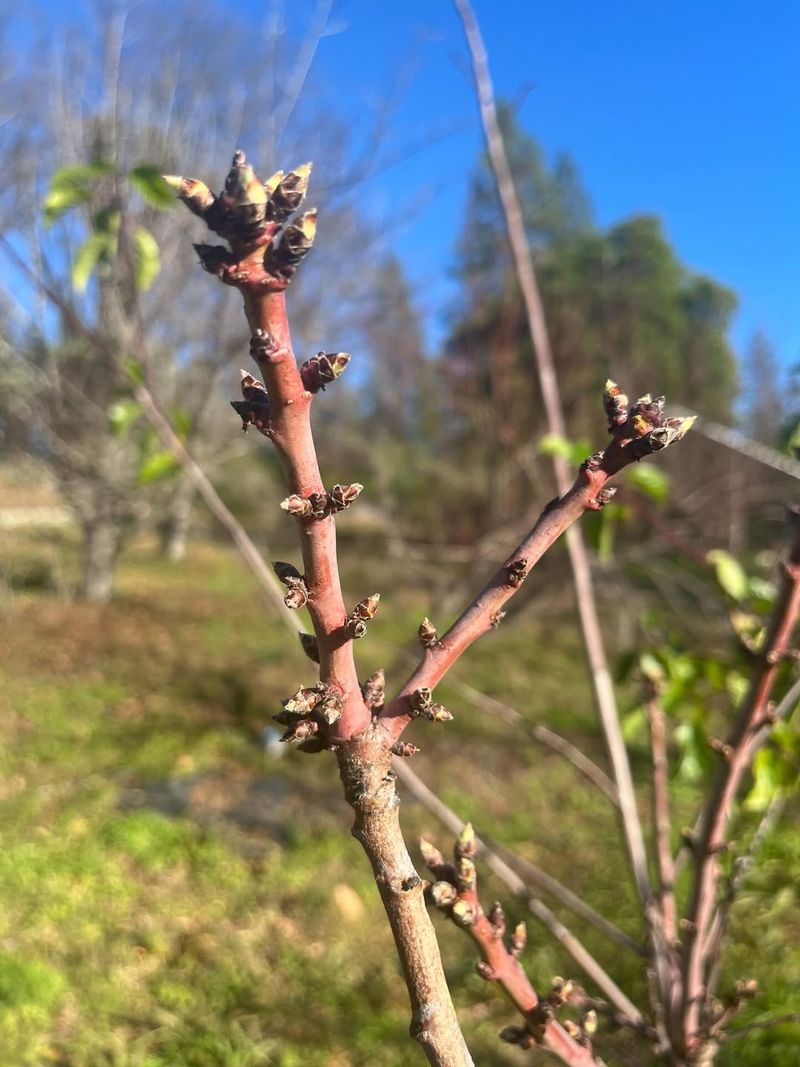
Those first warm February days can fool you. Sunshine breaks through the clouds, temperatures climb into the 50s, and suddenly your fruit trees start waking up.
You’ll notice buds that were tight and hard begin to soften and swell slightly. This is your deadline.
Once buds start their swelling process, even just a little, they become vulnerable to lime sulfur’s strength. The protective scales begin to separate, exposing tender tissue underneath.
Spray at this stage and you risk burning emerging leaves and flowers, which defeats the entire purpose of protecting your tree’s health.
Check your trees every few days as late winter progresses. Run your fingers along the branches and look closely at bud tips.
Dormant buds feel firm and tight, with scales pressed closely together. Swelling buds show a subtle roundness and may display tiny gaps between scales.
The difference is small but critical.
In Oregon’s Willamette Valley, this transition often happens in late February or early March. Higher elevations and colder areas east of the Cascades might not see bud swell until mid-March.
Your specific timing depends on your local weather patterns and the type of fruit tree you’re growing, so observation beats calendar dates every time.
4. Choose A Dry, Frost-Free Day
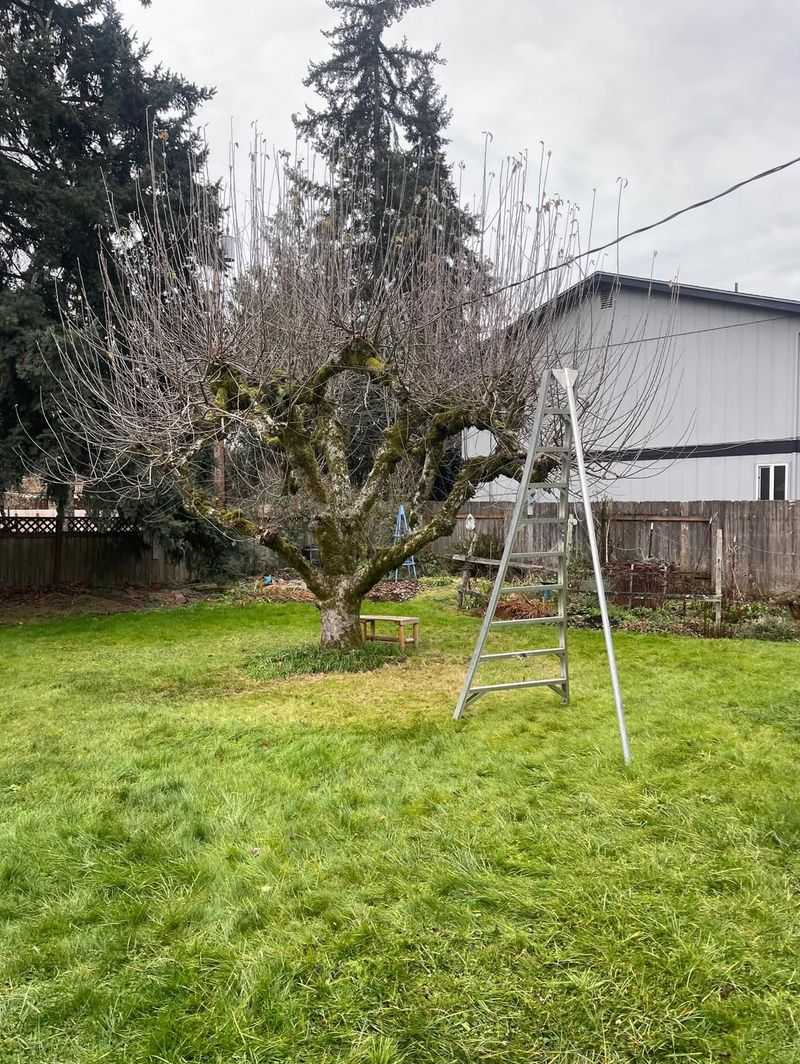
Oregon weather in late winter can be tricky. One day brings sunshine, the next dumps rain, and frost warnings pop up when you least expect them.
For lime sulfur application, you need a specific kind of day that doesn’t come along every week.
The spray needs several hours to dry on bark surfaces before rain washes it away. Check your forecast for at least 24 hours of dry weather, ideally 48 if you can get it.
Morning application works best because it gives the spray all day to dry before evening dew settles. Avoid windy days too, since lime sulfur drifts easily and can damage nearby plants or irritate your eyes and skin.
Temperature matters just as much as moisture. Frost-free means nighttime lows staying above 32 degrees, not just daytime warmth.
If temperatures drop below freezing within 24 hours of spraying, the liquid can crystallize on bark and lose effectiveness. Plus, frozen spray can cause bark damage on some sensitive varieties.
Watch for those rare winter windows when high pressure settles in, bringing clear skies and mild temperatures for several days straight. These breaks between storm systems offer your best opportunity.
Yes, you might wait weeks for perfect conditions, but rushing the job on a marginal day wastes product and effort.
5. Target Overwintering Pests And Disease
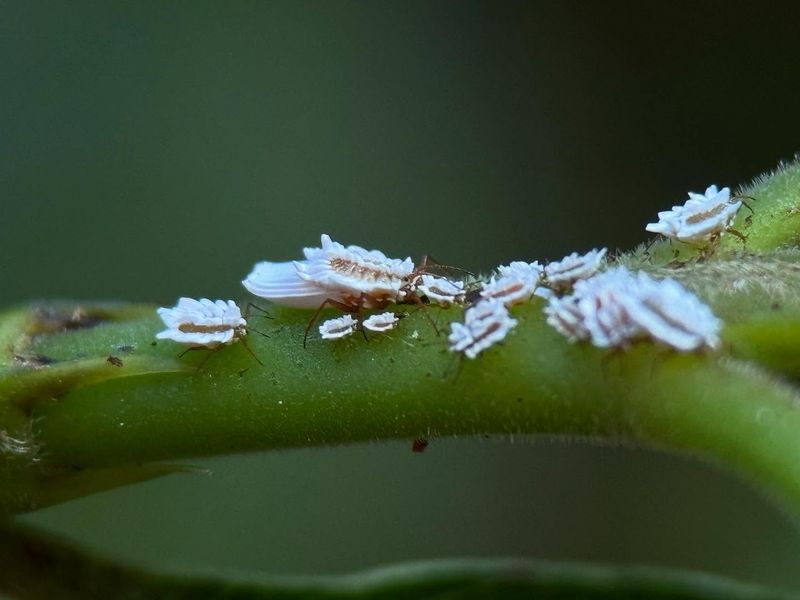
Underneath that quiet winter bark, a whole community of unwanted guests is waiting out the cold. Scale insects tuck themselves into crevices, fungal spores nestle in bark folds, and mite eggs cluster near bud bases.
Oregon’s mild, wet winters create perfect conditions for these organisms to survive until spring arrives.
Lime sulfur spray works because it reaches these hiding spots with a contact harm. The sulfur component tackles fungal diseases like peach leaf curl, powdery mildew, and various rusts that plague Oregon fruit trees.
The lime portion helps the spray stick and penetrate into tiny bark cracks where pests shelter. Together, they create an environment these organisms simply cannot survive.
Peach leaf curl is especially problematic in our region because winter rains spread spores. Treating during dormancy stops this disease before it starts, which is far easier than fighting it once leaves emerge curled and reddened.
Scale insects, those tiny armored bumps you might notice on branches, also succumb to properly timed lime sulfur applications.
The beauty of dormant spraying is that you’re hitting problems before they become visible. Come spring, you’ll see cleaner bark, healthier buds, and far fewer disease symptoms.
It’s preventive care at its most effective.
6. Timing For Fruit Trees vs Roses
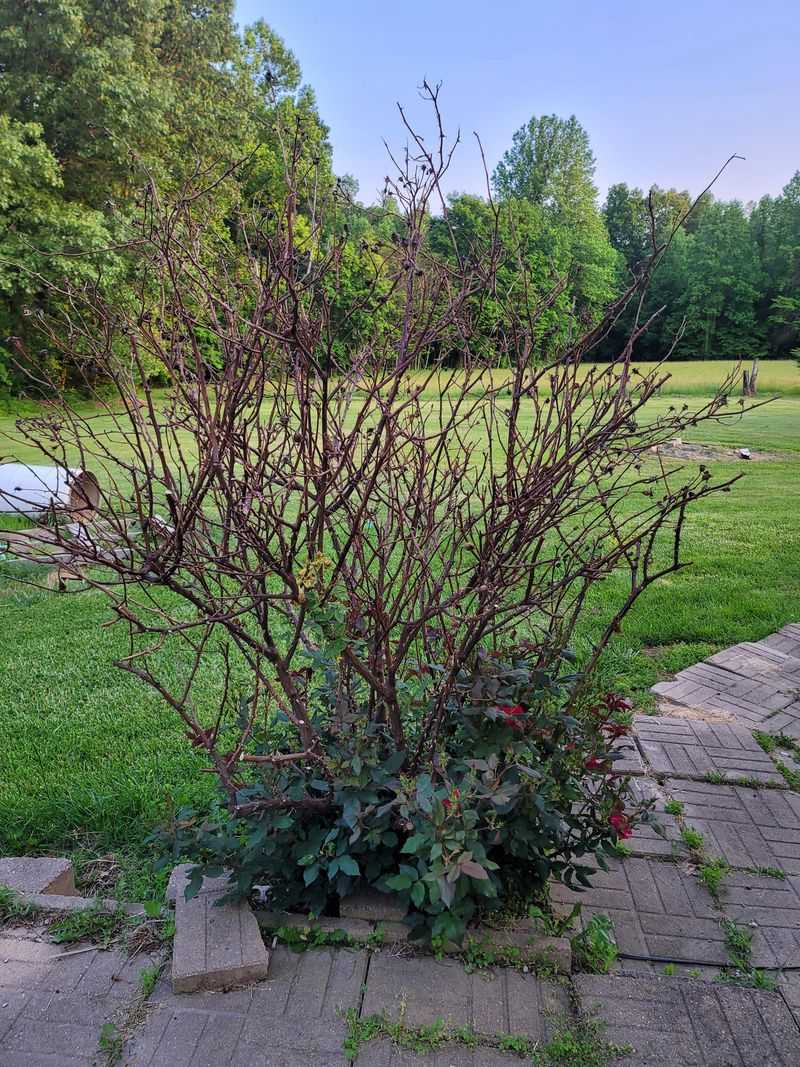
Not all plants wake up on the same schedule, which means your lime sulfur timing needs to shift depending on what you’re treating. Fruit trees and roses both benefit from dormant spraying, but their dormancy patterns differ enough to matter.
Fruit trees, especially apples, pears, and stone fruits, stay dormant longer into spring. You can usually spray them anytime from late January through early March in most of Oregon.
They tolerate lime sulfur well and actually need the thorough coverage since they’re prone to so many fungal issues in our climate. Apply when temperatures stay above freezing but before any green tissue appears.
Roses break dormancy earlier and more gradually. Their buds start swelling in late February in milder areas, sometimes even earlier along the coast.
You’ll want to spray roses in February to catch them while fully dormant. Wait too long and you’ll see red shoots emerging, which means you’ve missed your window.
Pay attention to each plant type separately. Just because your apple trees are still dormant doesn’t mean your roses are.
Walk your garden and assess each group individually. Some gardeners tackle roses first in, then move to fruit trees, splitting the job into two sessions based on plant needs rather than trying to do everything at once.
7. When Not To Spray
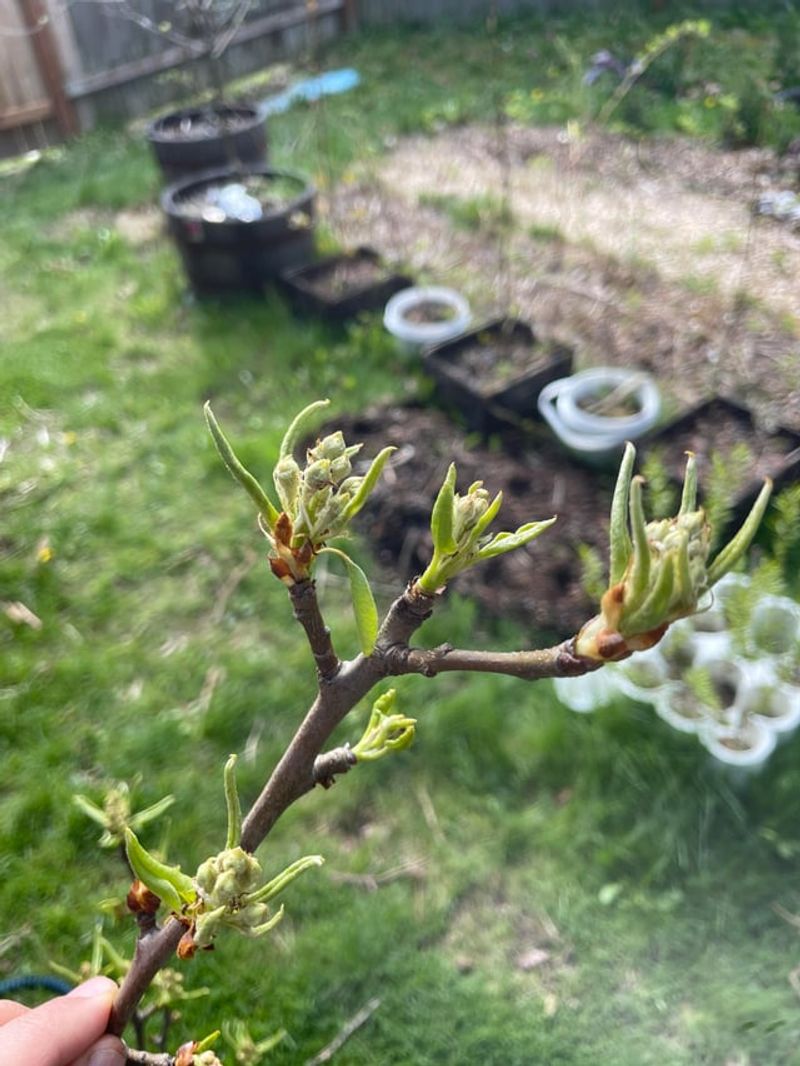
Sometimes the best gardening decision is knowing when to put the sprayer away. Lime sulfur has a narrow application window, and stepping outside that window causes more harm than good.
Recognizing these situations protects your plants and saves you from wasted effort.
Never spray once buds show green tissue. Even a tiny bit of emerging leaf or flower means the plant is too active to handle lime sulfur safely.
You’ll burn tender growth and potentially damage the entire season’s crop. If you missed your window, accept it and plan better for next year rather than risking plant health.
Avoid application during active growth periods from spring through fall. Some gardeners mistakenly think lime sulfur works as a growing season fungicide, but it absolutely does not.
The spray is far too harsh for plants with leaves and actively growing tissue. Summer fungal problems need different, gentler products.
Skip spraying if rain is forecast within 24 hours or if temperatures will drop below freezing that night. Also avoid extremely hot days above 70 degrees, which can happen during unusual winter warm spells.
The spray can volatilize and cause phytotoxicity even on dormant plants when it’s too warm.
When in doubt, wait. Missing one season’s spray is better than damaging your trees with poorly timed application.
There’s always next winter.