Here’s Why More Oregon Gardeners Are Growing Nasturtiums
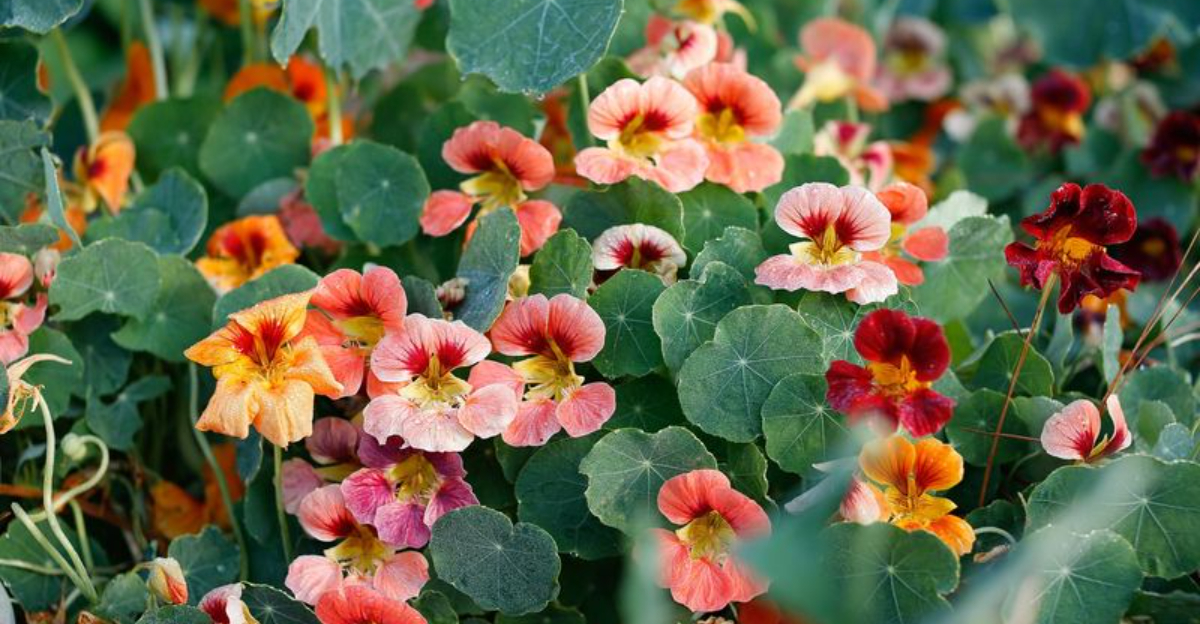
Nasturtiums have been showing up in more Oregon gardens lately, and it’s not just because they look pretty. These bright, easygoing plants have a way of winning people over once they’re planted.
If you’ve noticed them popping up in garden beds, hanging baskets, or even vegetable patches, there’s a good reason for that.
A lot of gardeners are looking for plants that do more than just take up space. They want something low-maintenance, useful, and fun to grow.
Nasturtiums check all those boxes. They grow quickly, handle our climate well, and bring color to areas that might otherwise feel a little dull.
They’re also a favorite for beginner gardeners who want quick results without a lot of stress. And for more experienced growers, they offer extra benefits that make garden life easier and more balanced.
If you’ve ever wondered whether nasturtiums are worth adding to your garden, you’re definitely not alone. More and more Oregon gardeners are discovering how simple and rewarding they can be.
Here’s why nasturtiums are becoming such a popular choice across Oregon gardens.
1. Easy Growth In Oregon’s Cool Spring Weather
When April arrives and you’re eager to get planting but worried about frost, here’s a flower that won’t let you down.
Cool-season annuals like these handle Oregon’s unpredictable spring weather beautifully, sprouting quickly even when soil temperatures hover in the low 50s.
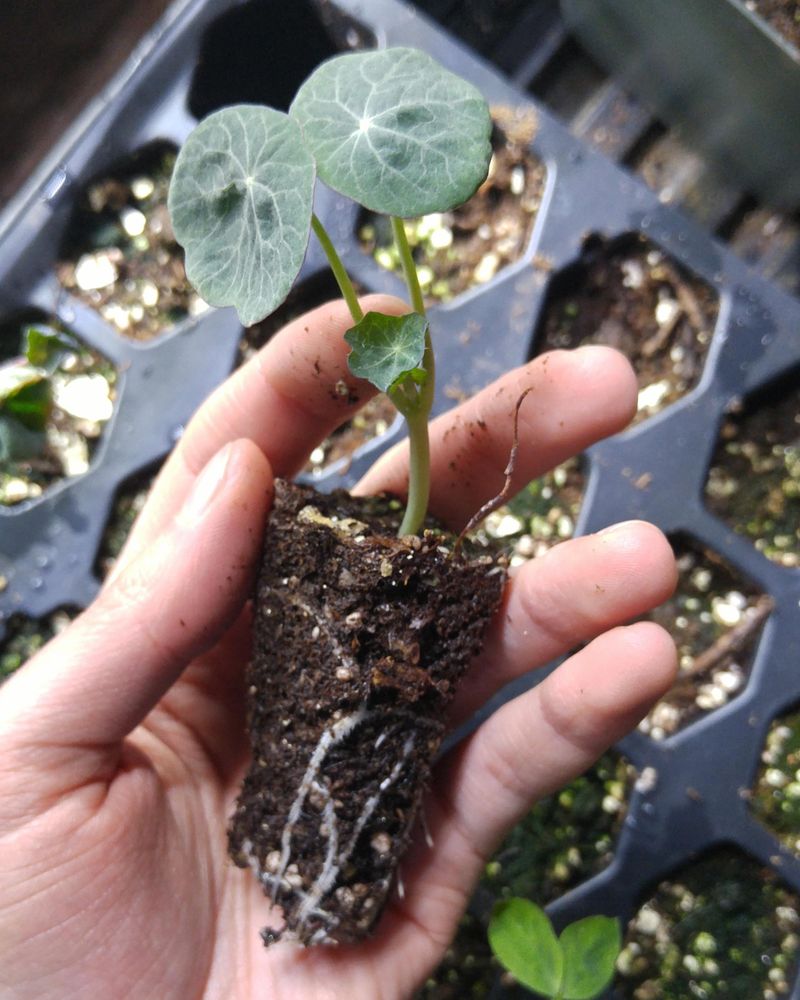
You can direct-sow seeds right into garden beds as early as mid-March in many valley areas. The large seeds are easy to handle, and kids love planting them because they’re big enough to space by hand.
Within two weeks, you’ll see rounded leaves pushing through the soil.
Unlike heat-loving annuals that sulk through our cool May mornings, these plants actually prefer temperatures between 55 and 75 degrees. They establish strong root systems before summer arrives, which means better drought tolerance later.
Oregon State Extension recommends them specifically for gardeners who want reliable germination without fussing over soil warmers or indoor seed starting.
Plant them in full sun to partial shade, and watch them fill in fast. They tolerate our clay-heavy soils better than many annuals, though they appreciate decent drainage.
If your garden tends to stay wet in spring, adding a little compost helps, but they’re remarkably forgiving compared to pickier flowers.
2. Natural Pest Distraction In Vegetable Gardens
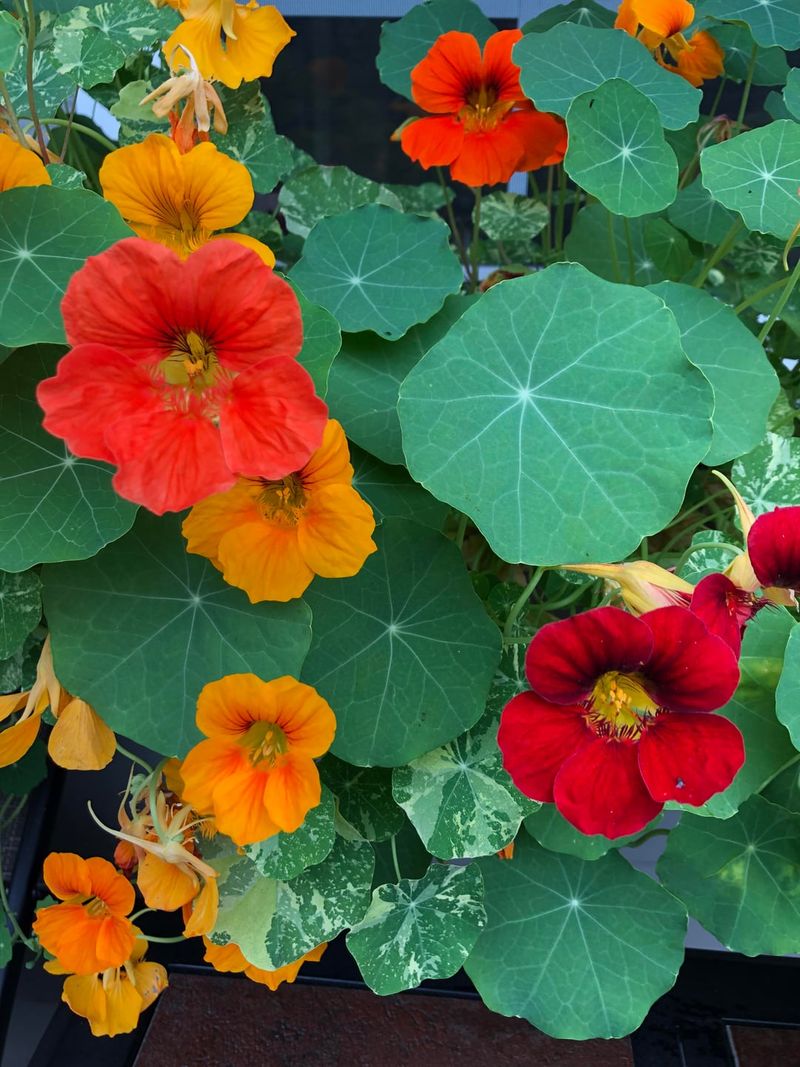
Walk through any thriving Oregon vegetable garden in June and you’ll likely spot these bright flowers tucked between tomato cages and along kale rows. Gardeners aren’t just planting them for looks, they’re using an old companion planting trick that actually works.
Aphids love tender new growth, and these plants produce it in abundance. When you place them near vegetables like cabbage, broccoli, or beans, aphids often choose the flowers first.
This gives you time to spot problems early and deal with them before your food crops get hammered.
It’s important to understand this isn’t pest elimination. You’re creating a trap crop that draws insects away from what you want to protect.
Some gardeners plant a border of them around their raised beds, while others tuck individual plants near vulnerable crops. Either way, you’ll need to monitor both plants and remove heavily infested leaves when needed.
Oregon State University research supports companion planting for integrated pest management, and this is one of the easiest strategies to try. The flowers also attract beneficial insects like hoverflies and ladybugs, which prey on aphids naturally.
You get color, distraction, and helpful predators all in one planting.
3. Bright Color That Fills Empty Garden Spaces
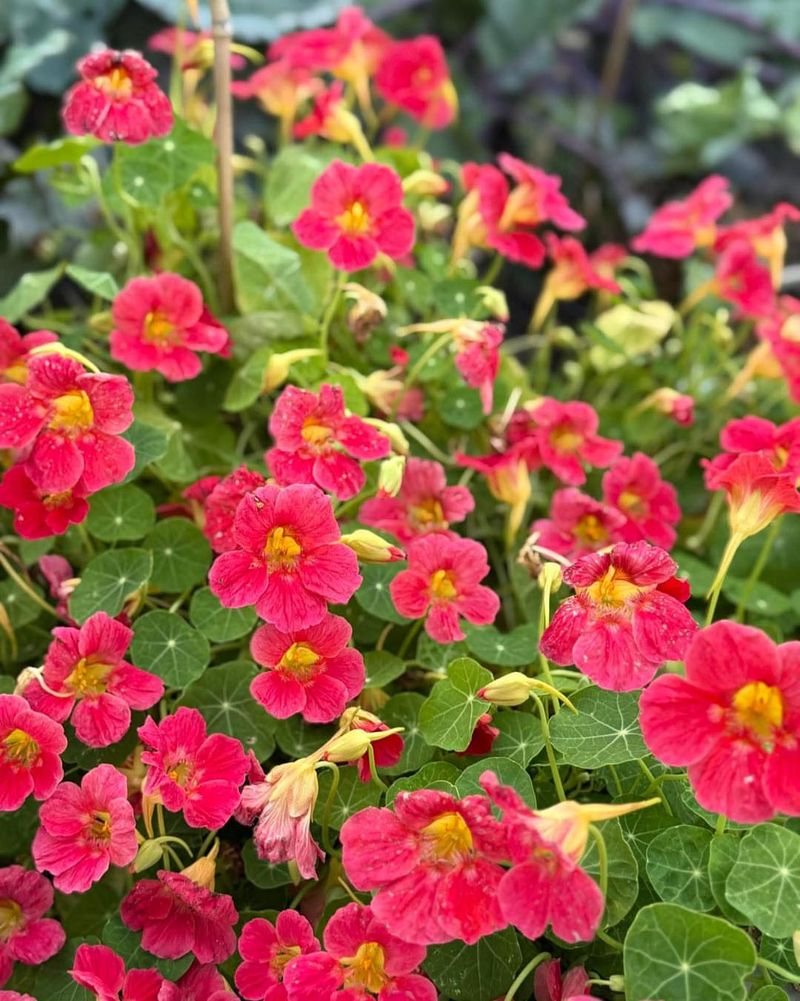
Every gardener knows that awkward spot, the gap between shrubs, the bare patch where spring bulbs faded, or the corner that just looks tired. Fast-growing annuals solve this problem beautifully, and few fill space as enthusiastically as these trailing bloomers.
Their vining habit means they spread horizontally, covering ground quickly without growing tall. You can plant them along pathways where they’ll spill over edges, or use them to soften the hard lines of retaining walls and raised beds.
In just six weeks from seeding, you’ll have lush green foliage covered in blooms that range from deep red to sunny yellow.
Oregon’s mild summers keep them blooming longer than gardeners in hotter climates ever see. While nasturtiums can fade in intense heat, our typical 75-to-85-degree days are perfect.
They’ll keep producing flowers from late May clear through September if you give them occasional water during dry spells.
Plant them densely for maximum impact, spacing seeds about six inches apart creates a continuous carpet of color. They also self-seed readily, so you might find volunteers popping up in the same spot next spring.
Many Oregon gardeners love this low-effort repeat performance.
4. Edible Flowers And Leaves For Home Kitchens
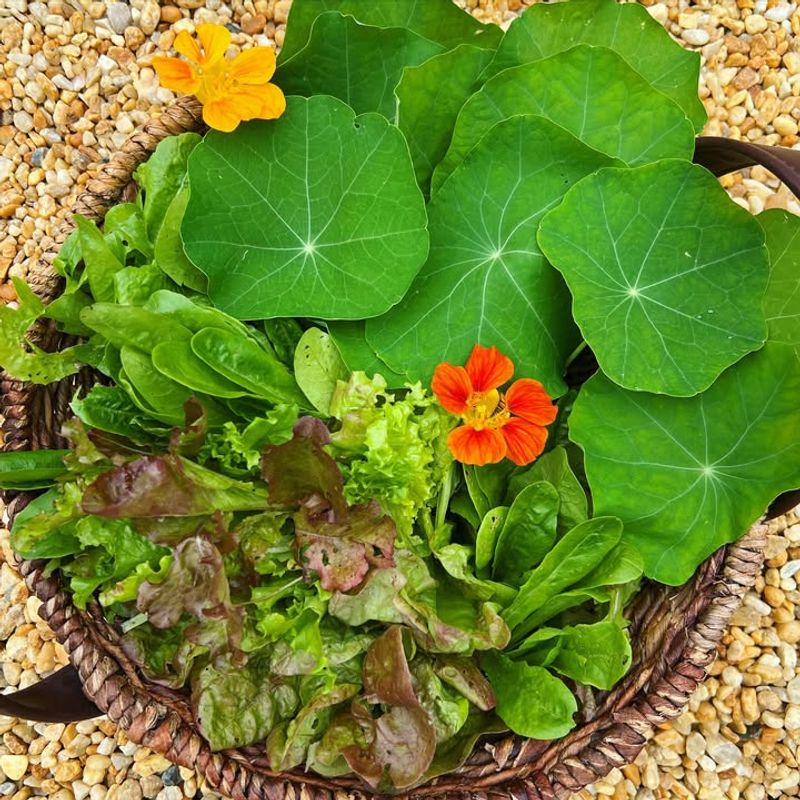
Imagine stepping into your garden to pick salad greens and returning with a handful of colorful, peppery flowers too. Edible landscaping has become increasingly popular with Oregon gardeners, and these plants deliver beauty you can actually eat.
Both the flowers and leaves have a pleasant, spicy flavor similar to watercress or arugula. The younger leaves are milder and work well in mixed green salads, while the blooms make stunning garnishes for everything from summer pasta to birthday cakes.
You can stuff the flowers with herbed cream cheese for appetizers or float them in iced tea for backyard gatherings.
Since you’re eating them, avoid any chemical pesticides or fertilizers. The good news is they rarely need either.
They actually prefer lean soil, too much nitrogen produces lush leaves but fewer flowers. A simple organic compost mulch provides all the nutrition they need.
Harvest flowers in the morning after dew dries but before the day heats up. Rinse them gently and use them fresh, they don’t store well.
Kids especially love picking and eating flowers, making this a fun way to get young gardeners excited about homegrown food. Just make sure everyone knows which garden plants are safe to eat.
5. Pollinator Attraction Without Extra Work
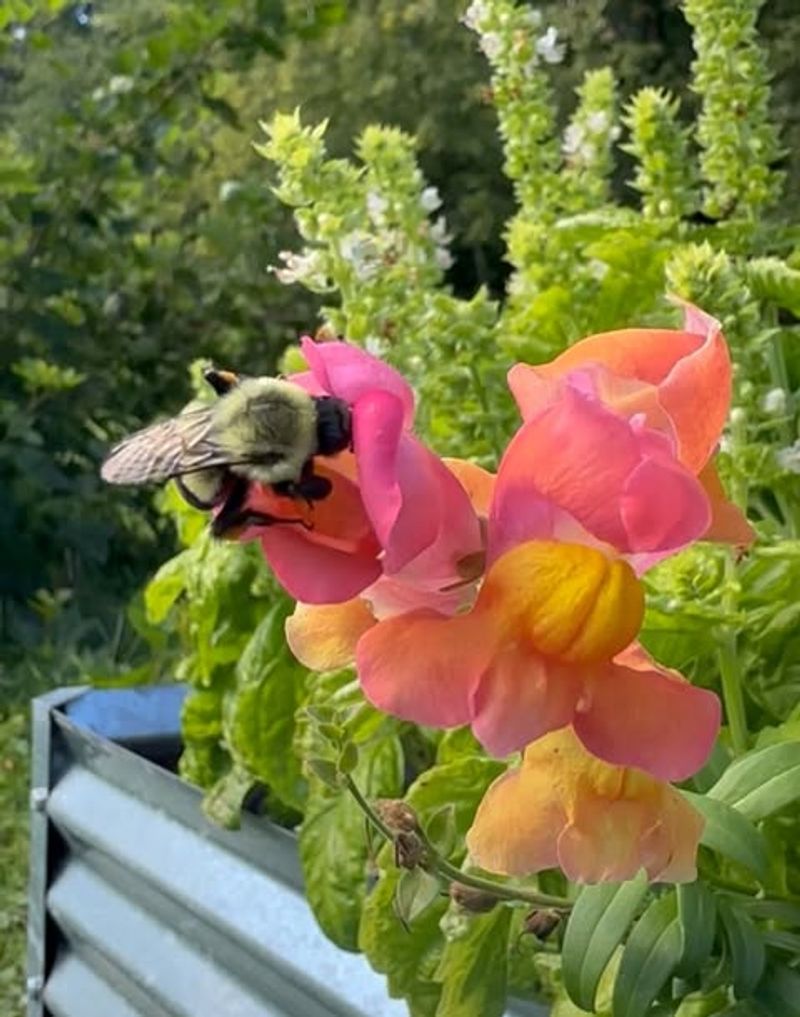
Oregon gardeners are increasingly aware of pollinator health, and choosing the right flowers makes a real difference. These cheerful bloomers attract bees, hummingbirds, and beneficial insects without requiring any special care or maintenance on your part.
The open flower structure makes nectar easily accessible to a wide range of pollinators. Bumblebees especially love them, and you’ll often see several bees working the same plant at once on sunny mornings.
Hummingbirds visit regularly too, particularly drawn to the red and orange varieties.
Unlike some ornamental flowers bred for showiness but lacking nectar, these remain pollinator-friendly because they’re closer to their wild ancestors. They bloom continuously without deadheading, which means there’s always fresh nectar available.
This consistent food source helps support pollinator populations throughout the growing season.
Creating pollinator habitat doesn’t have to mean complicated native plant gardens or expensive perennials. Sometimes the simplest choices work beautifully.
Plant them near your vegetable beds to improve pollination of squash, cucumbers, and beans. The more pollinators you attract to your garden, the better your harvests will be.
They also provide habitat for beneficial predatory insects that help control pests naturally. It’s a complete ecosystem boost from one easy annual flower.
6. Low-Maintenance Care Requirements
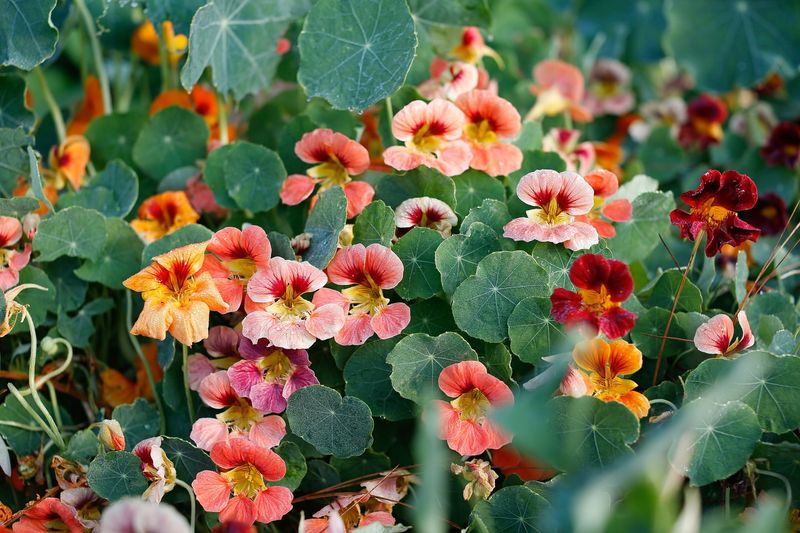
Busy gardeners appreciate plants that don’t demand constant attention, and these rank among the easiest annuals you can grow. Once established, they need minimal watering and absolutely no fertilizing to perform well in Oregon gardens.
Water them regularly for the first few weeks after planting to help roots establish. After that, they’re surprisingly drought-tolerant for an annual.
During typical Oregon summers, watering once or twice a week is plenty. If you get consistent rain, you might not need to water at all.
Skip the fertilizer entirely. These plants actually bloom better in lean soil because rich conditions produce excessive foliage at the expense of flowers.
If your soil is extremely poor, a light layer of compost at planting time is sufficient. Too much nitrogen creates lush green growth but disappointing blooms.
You don’t need to deadhead spent flowers to keep them blooming. They’re self-cleaning and will continue producing new buds throughout the season.
This saves you time compared to petunias or other annuals that require regular grooming.
Pests are rarely a serious problem. Yes, aphids may appear, but as mentioned earlier, that’s often intentional when using them as trap crops.
Overall disease pressure is low in Oregon’s climate, making these one of the most reliable, hands-off flowers you can plant.
7. Success In Containers And Raised Beds
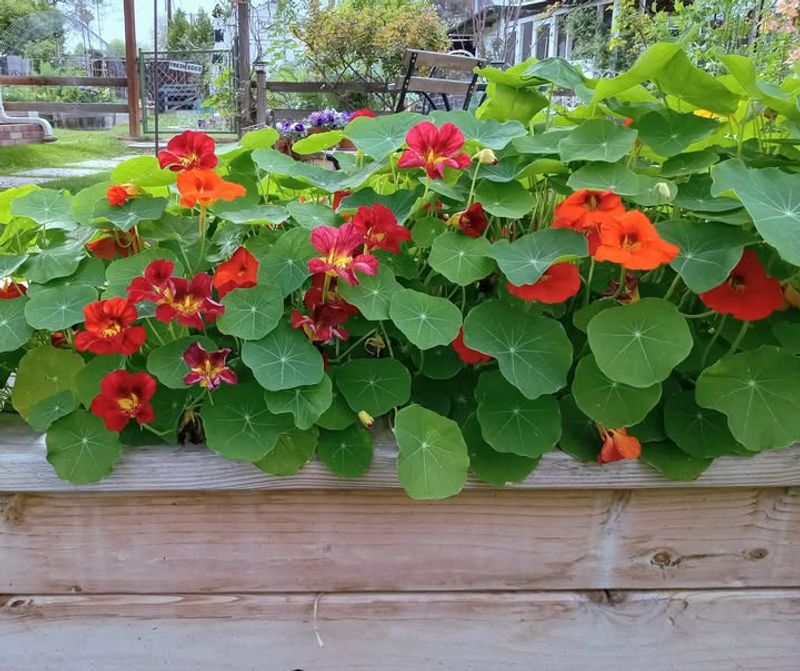
Not everyone has expansive garden space, but that shouldn’t stop you from enjoying these cheerful bloomers. Container gardening has exploded in popularity across Oregon, and these plants adapt beautifully to pots, window boxes, and raised beds.
Their trailing habit makes them perfect for containers where they can spill over edges. Plant them in pots at least eight inches deep with good drainage holes.
A standard potting mix works fine, remember, they prefer lean conditions, so skip the fertilizer-enriched blends.
Pair them with upright plants like herbs or lettuce for attractive combination containers. The flowers cascade down while herbs grow upward, creating visual interest and maximizing space.
You can harvest both edible flowers and herbs from the same pot.
In raised beds, plant them along the edges where they’ll soften the wood or metal sides. They won’t compete aggressively with vegetables, making them ideal companions.
Their shallow root systems mean they won’t interfere with deeper-rooted crops like tomatoes or peppers.
Container-grown plants dry out faster than in-ground plantings, so check soil moisture every few days during warm weather. Water when the top inch feels dry.
Placing containers where they receive morning sun and afternoon shade helps prevent soil from drying too quickly in July and August.
8. Long Bloom Season In Mild Summers
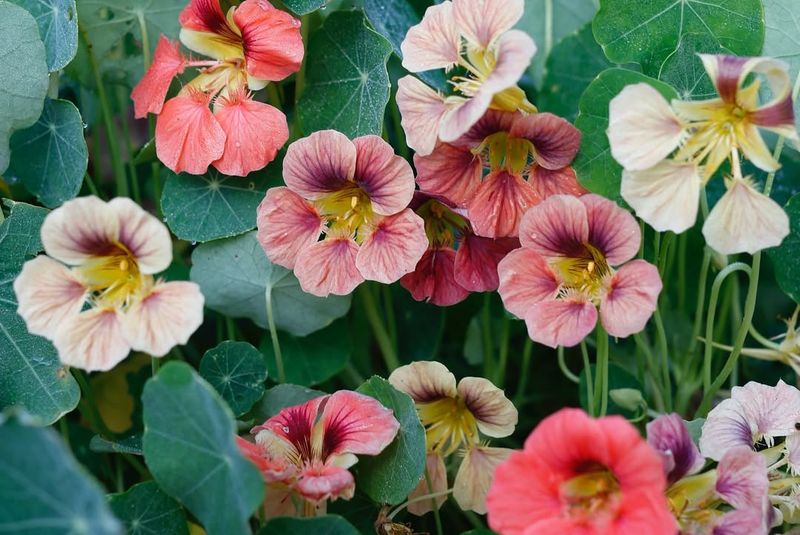
One frustration many gardeners face is annuals that bloom briefly then fade just when summer really arrives. Oregon’s climate offers a distinct advantage here, our mild temperatures extend the blooming period considerably compared to hotter regions.
While gardeners in California or Arizona watch their plants struggle through 95-degree days, yours will keep producing flowers straight through summer. The key is our moderate heat.
Temperatures that rarely exceed 85 degrees are ideal for continuous blooming without stress.
From late May through September, you’ll have steady color. Some years, if fall stays mild, they’ll bloom right into October.
This gives you nearly five months of flowers from a single spring planting, remarkable value for a fast-growing annual.
The flowers develop quickly after each flush, so there’s rarely a gap in blooming. As long as they receive adequate water during dry spells, they’ll keep putting out new buds.
Morning sun with afternoon shade can extend the season even further in warmer microclimates.
This extended performance makes them incredibly cost-effective. Compare this to petunias that need replacing mid-summer or impatiens that struggle in our cooler nights.
These keep delivering month after month with zero drama, which is exactly what Oregon gardeners appreciate most.