Here’s Why Oregon Mock Orange Need Early Spring Care
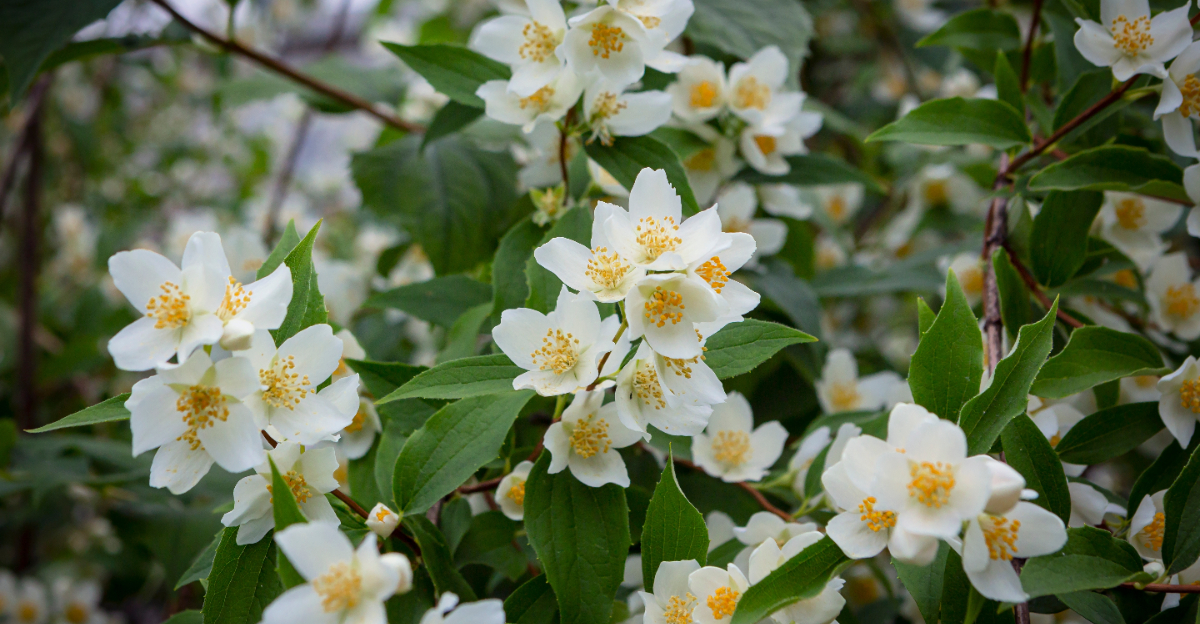
Oregon mock orange is one of those shrubs that can almost steal the show when it blooms. Its fragrant, white blossoms light up gardens and fill the air with a sweet scent that screams spring.
But to get that stunning display, a little early spring care goes a long way. While mock orange is pretty low-maintenance, giving it some attention before the growing season kicks off ensures it has the energy it needs for a vibrant bloom.
Early spring is the perfect time to tidy up any dead or damaged branches, which not only helps the plant look cleaner but also promotes healthy growth.
Plus, a little pruning now encourages more blooms later on. Taking care of your mock orange before it starts its growing season sets it up for success.
This small effort can lead to a garden filled with those beautiful blossoms and refreshing fragrance all through spring and summer.
1. Boosts Summer Blooms
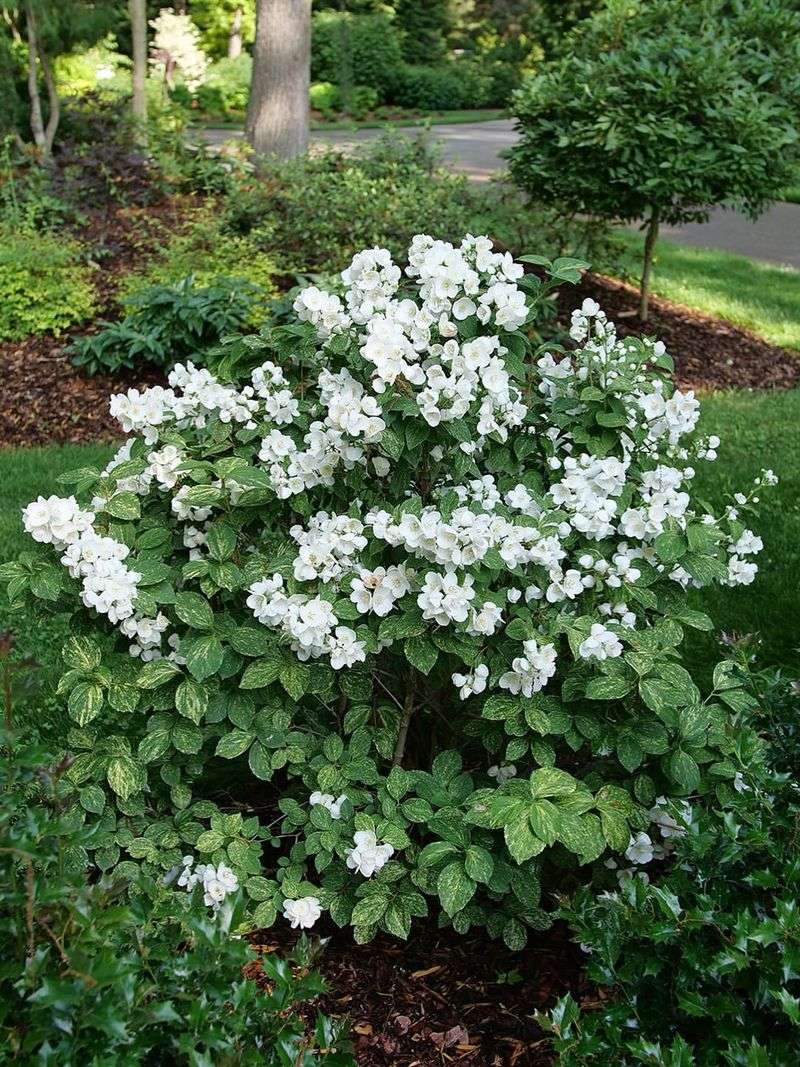
Nothing beats the sight of a Mock Orange shrub loaded with white, sweet-smelling flowers in an Oregon summer garden. The secret to getting that jaw-dropping bloom display starts months before the first flower opens.
Early spring care sets the stage for everything that comes later.
Mock Orange blooms on wood that grew during the previous season. That means the branches your shrub put out last year are holding the flower buds for this summer.
If those branches are healthy going into spring, your bloom season will be spectacular.
Applying a thin layer of compost around the base of the shrub in early spring gives the plant a gentle boost of nutrients. This feeds the root system right when the plant is waking up and starting to push energy into its stems and buds.
Gardeners in Oregon who skip this step often notice fewer flowers or smaller bloom clusters. The soil in many Oregon yards can be nutrient-depleted after a wet winter, so adding compost makes a real difference.
A well-fed Mock Orange rewards you with more flower clusters, richer fragrance, and a longer blooming period throughout the summer months.
2. Prevents Fungal Issues
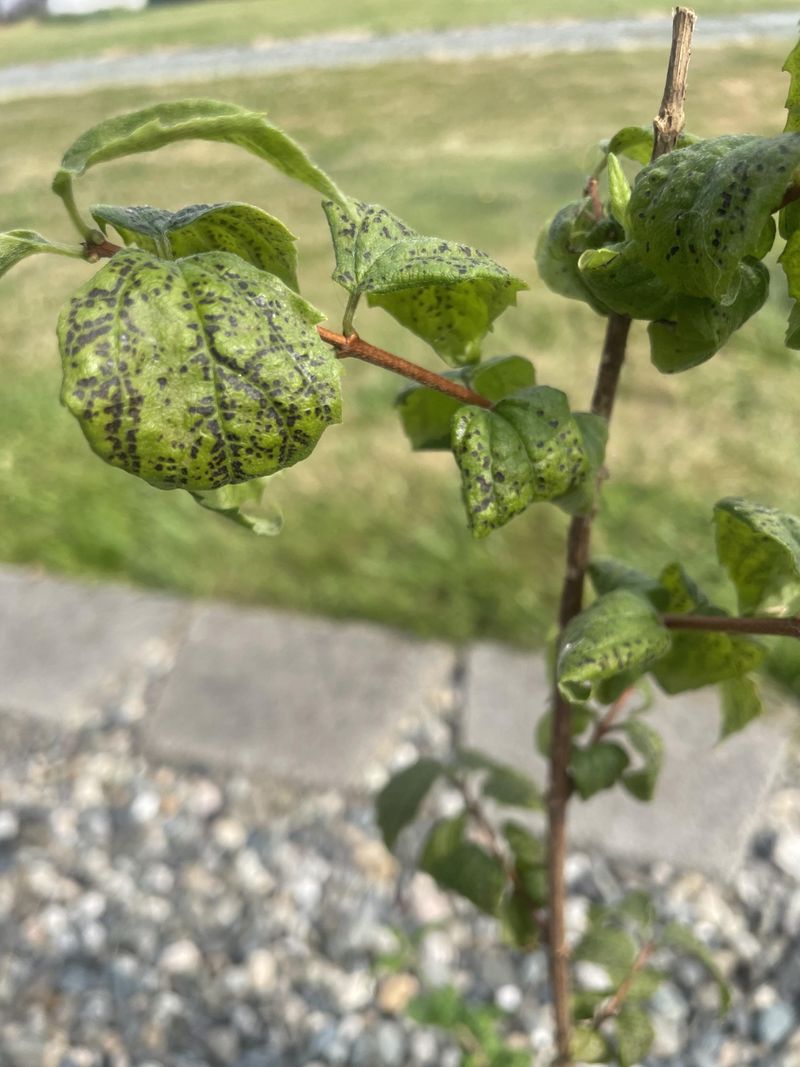
Oregon’s wet winters create the perfect conditions for fungal problems on garden shrubs. Mock Orange is generally tough, but when moisture sits on branches and leaves for too long, fungi can take hold and cause real damage.
Early spring is the best time to get ahead of this problem.
Start by removing any damaged wood you spot as the shrub comes out of dormancy. Dead wood is a favorite spot for fungal spores to settle and spread.
Clearing it out early reduces the risk significantly.
Avoid overhead watering whenever possible. Water the base of the shrub instead, keeping the foliage dry.
This simple habit makes a big difference in preventing the moist conditions that fungi love.
Good air circulation is also key, and pruning helps with that. Thinning out crowded branches allows air to move freely through the shrub.
In Oregon, where spring rain is common and humidity stays high for weeks, this step is especially important.
Keeping fallen leaves and old mulch cleared away from the base of the plant also helps. Fungal spores often overwinter in garden debris.
A clean base in early spring gives your Mock Orange a much healthier start to the growing season.
3. Protects Flower Buds
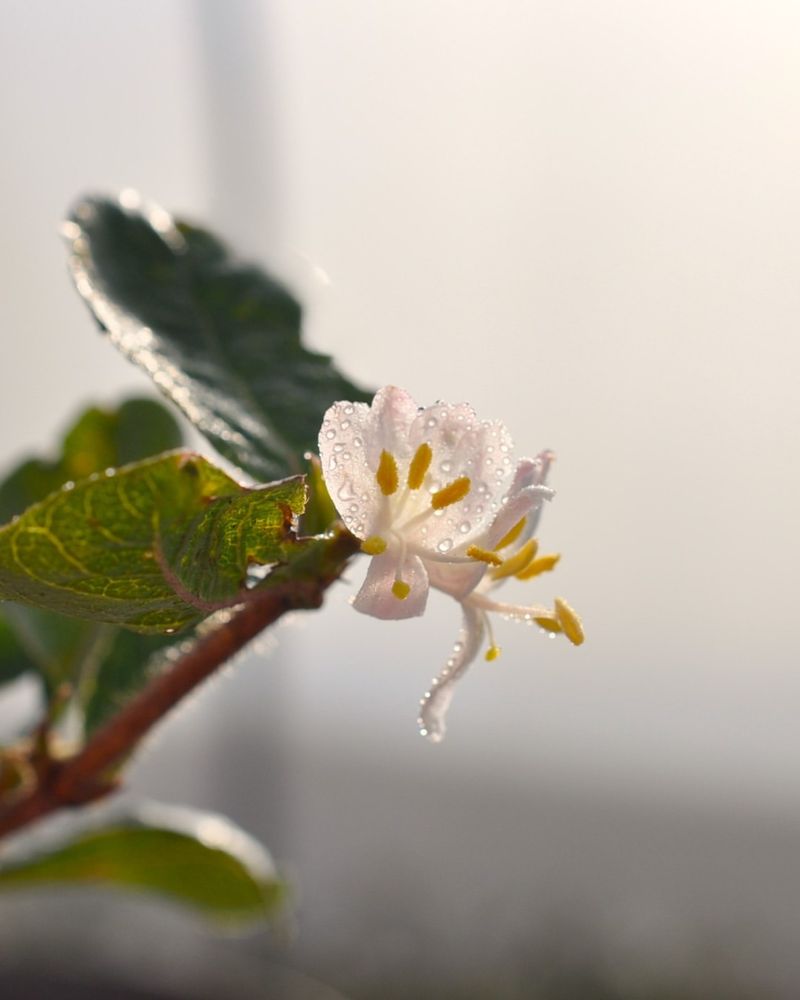
Flower buds on a Mock Orange shrub are more fragile than they look. By the time early spring arrives in Oregon, those tiny buds are already forming along last year’s branches.
Protecting them during this critical window is one of the most important things you can do for your shrub.
One of the biggest mistakes gardeners make is pruning too early in the season. Cutting branches in late winter or early spring removes the very buds that would have become this summer’s flowers.
Always wait until after the shrub finishes blooming to do any major pruning.
Late frost is another threat to watch for in Oregon, especially in higher elevation areas or inland valleys. If a cold snap is in the forecast, covering your Mock Orange with a light frost cloth overnight can protect those developing buds from damage.
Deer and other wildlife can also browse new growth and buds in early spring when food sources are limited. A simple wire cage or deer deterrent spray can protect your shrub during this vulnerable time.
Taking these small protective steps in early spring ensures that when summer arrives, your Mock Orange is ready to put on a full, breathtaking display of fragrant white flowers that make your Oregon garden shine.
4. Improves Airflow
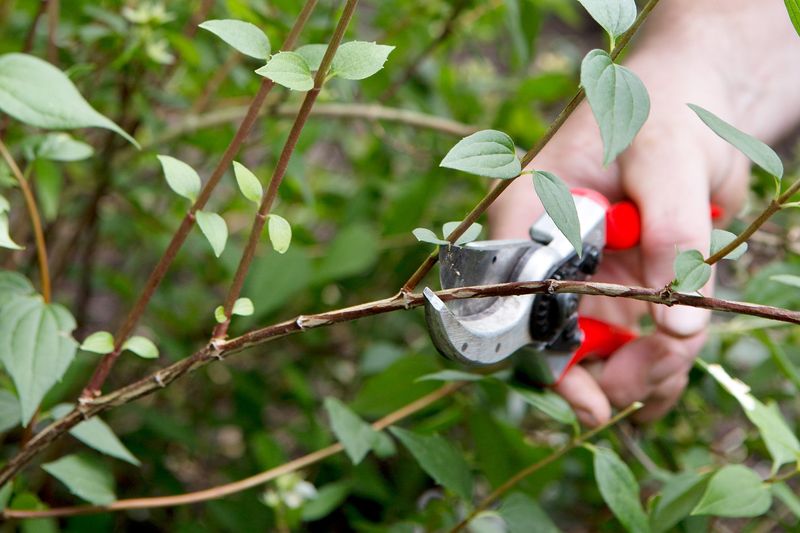
A crowded shrub is a struggling shrub. When branches grow too close together, air gets trapped inside the plant.
That trapped, stagnant air creates the perfect environment for pests and fungal problems to develop, especially in Oregon where spring air is often damp and cool.
Improving airflow starts with selective pruning in early spring. Look for branches that cross over each other or grow inward toward the center of the shrub.
Removing these opens up the middle of the plant and lets fresh air move through freely.
You don’t need to take off a lot of wood to make a difference. Even removing three to five crowded branches can dramatically change how air flows through the shrub.
Think of it like giving your Mock Orange room to breathe.
Better airflow also helps leaves dry faster after Oregon’s frequent spring rains. Wet leaves for extended periods invite disease.
When the plant can dry out quickly, it stays healthier throughout the season.
Another benefit of improved airflow is better light penetration. Sunlight reaching the inner branches encourages more even growth and stronger stems.
Stronger stems mean better support for those heavy clusters of white flowers that make Mock Orange such a showstopper in Oregon gardens every summer.
5. Supports Soil Moisture
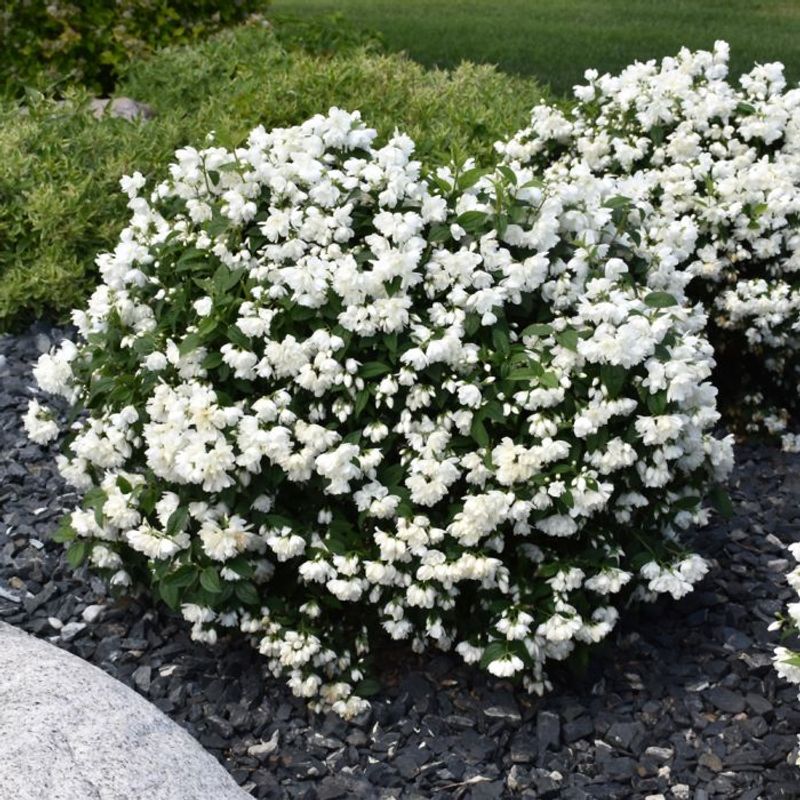
Soil moisture plays a bigger role in plant health than most people realize. Mock Orange is drought-tolerant once it’s well established, but during early spring when the plant is actively waking up and pushing new growth, consistent soil moisture is really important.
Oregon’s early spring weather can be unpredictable. Some weeks bring heavy rain, while others are surprisingly dry.
Applying a two to three inch layer of mulch around the base of your Mock Orange helps even out these swings by retaining moisture in the soil between rain events.
Use organic mulch like wood chips, shredded bark, or compost. These materials slowly break down over the season, adding nutrients to the soil as they decompose.
Keep the mulch a few inches away from the main stem to prevent moisture buildup right at the base of the plant.
Checking soil moisture regularly in early spring helps you decide when to water. Stick your finger about two inches into the soil near the shrub.
If it feels dry, it’s time to water. If it still feels moist, wait a day or two before checking again.
Consistent moisture in early spring supports healthy root activity and helps the shrub build the energy it needs to produce a full, gorgeous bloom display later in the Oregon summer season.
6. Prevents Root Stress
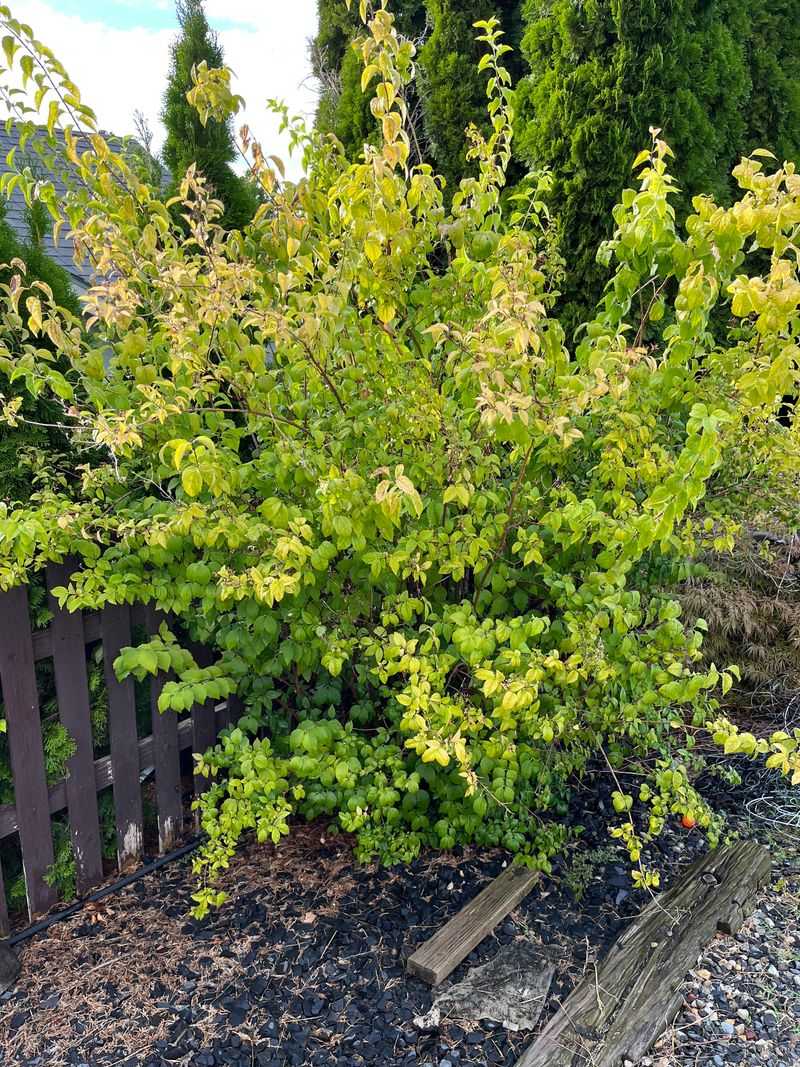
Roots are the foundation of any healthy shrub, and Mock Orange is no different. When roots are stressed, the whole plant suffers.
Early spring is the perfect time to take steps that protect the root zone before the growing season picks up speed.
Compacted soil is one of the most common causes of root stress in Oregon gardens. Heavy winter rains can compact the soil surface, making it harder for roots to absorb water and oxygen.
Gently loosening the top inch or two of soil around the base of the shrub helps break up compaction without disturbing the roots.
Avoid digging or tilling too close to the shrub. Mock Orange has a fairly shallow root system that can be damaged easily.
Use a hand fork or a light garden rake to loosen the soil carefully.
Extreme temperature swings in early spring can also stress roots. A layer of mulch acts as insulation, keeping soil temperatures more stable even when Oregon weather shifts from warm days to cold nights unexpectedly.
Fertilizing with a gentle, slow-release organic fertilizer in early spring also supports root health. It gives the root system a steady supply of nutrients without the shock that can come from strong chemical fertilizers.
Healthy roots mean a stronger, more resilient Mock Orange all season long.
7. Proper Timing!
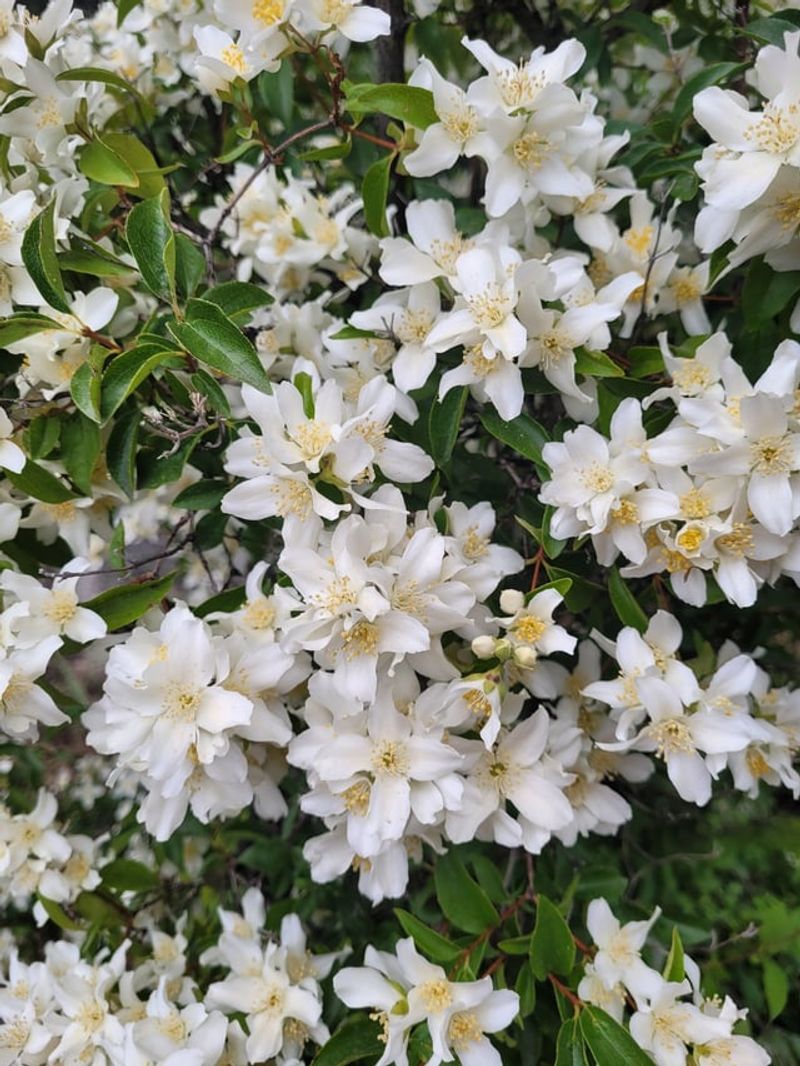
Timing is everything when it comes to caring for Mock Orange. Do things too early, and you risk damaging tender new growth.
Wait too long, and you miss the window when your efforts will have the biggest impact. Getting the timing right is what separates a good bloom season from a great one.
In Oregon, early spring typically means late February through March, depending on your location and elevation. This is when the shrub is just beginning to come out of dormancy.
It’s the ideal time to apply compost, refresh mulch, check for winter damage, and plan your post-bloom pruning schedule.
Mark your calendar for after bloom time, which usually falls in late spring to early summer across Oregon. That’s when pruning should happen.
Cutting back right after flowering gives the shrub the maximum amount of time to grow new wood before next winter, which means more flower buds for the following year.
Staying on schedule also means you won’t accidentally prune at the wrong time or miss the narrow window for fertilizing. Keeping a simple garden journal helps a lot.
Write down when you applied mulch, when the shrub bloomed, and when you pruned.
Good timing is the glue that holds all your other care steps together. When every task happens at the right moment, your Mock Orange thrives in your Oregon garden season after season.