Here’s Why Oregon Native Wildflowers Matter For Our Pollinators
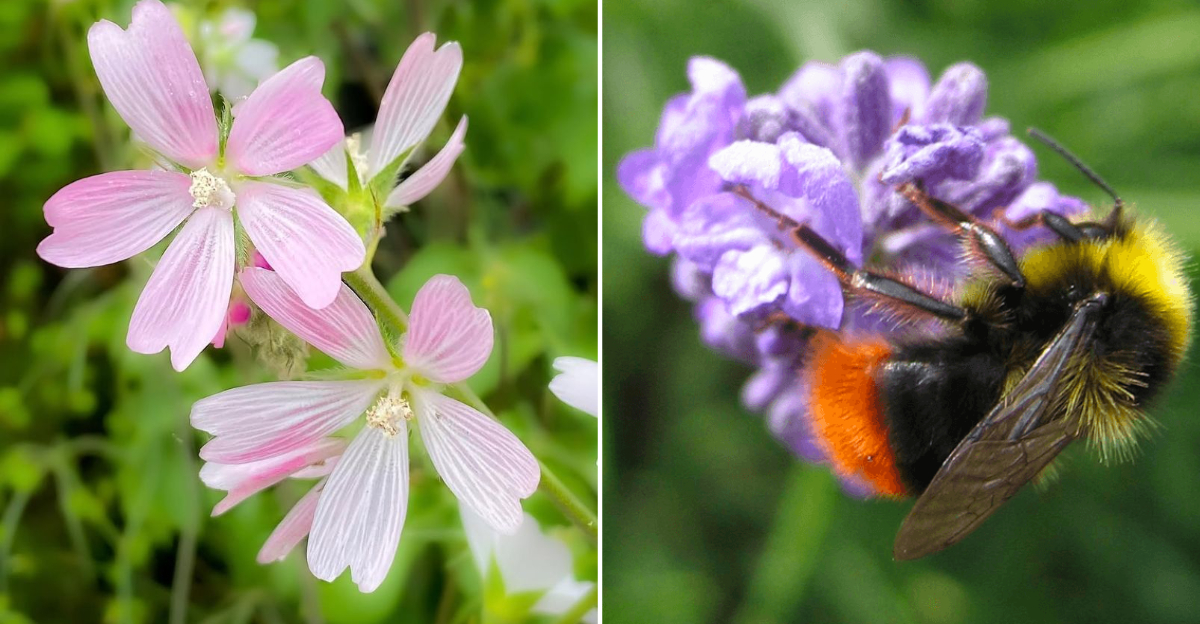
Step outside on a spring morning in Oregon and you can almost hear it, that gentle hum of bees getting to work and butterflies drifting through the air. Pollinators are busy little powerhouses, and they rely on more than just any pretty flower.
Native wildflowers are the real MVPs of the garden, perfectly timed and perfectly suited to support local insects that have evolved alongside them for centuries.
These plants know Oregon’s soil, rainfall, and shifting seasons like old friends. They bloom right when pollinators need food most, offering nectar and pollen that truly nourish native bees, butterflies, and other beneficial insects.
Unlike many ornamental imports, native wildflowers provide the exact resources local species depend on to survive and reproduce. When you plant them, you are not just adding color to your yard.
You are rebuilding tiny ecosystems, strengthening food chains, and giving pollinators a fighting chance. A handful of native blooms can turn an ordinary space into a vibrant haven buzzing with life.
1. Built For Oregon’s Ecosystems
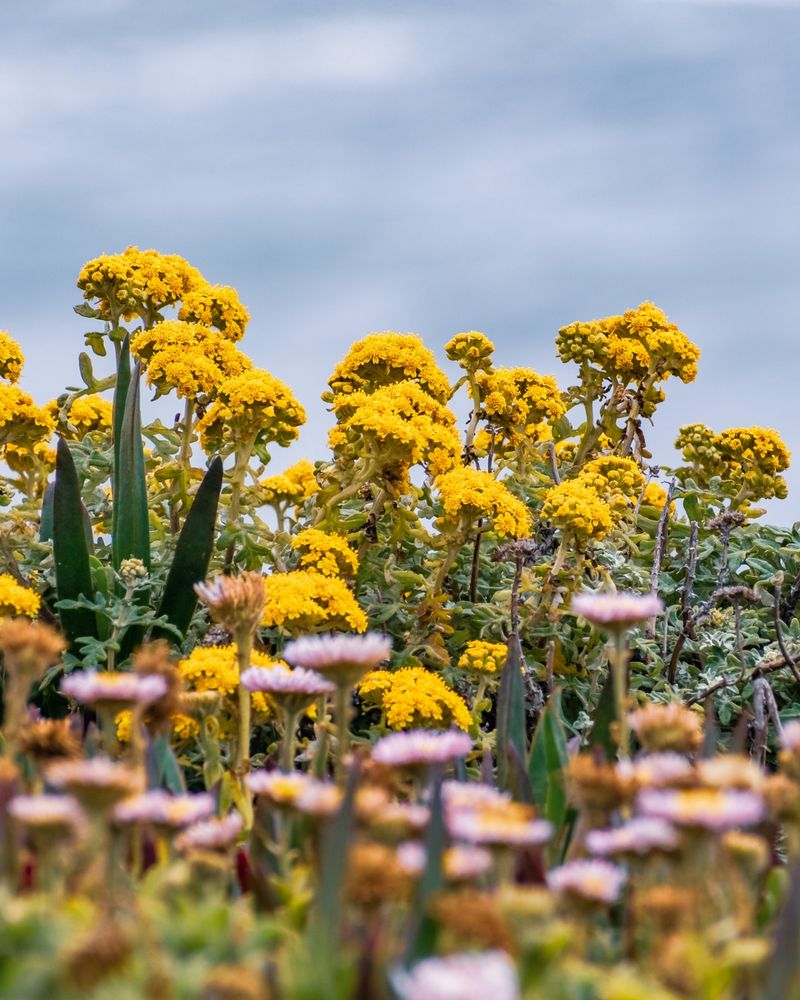
Long before Oregon had cities, farms, or roads, native wildflowers were already growing across its valleys, forests, and coastlines. These plants did not arrive by accident.
They developed over thousands of years as a natural part of Oregon’s ecosystems.
Native wildflowers like camas, farewell-to-spring, and Oregon sunshine are perfectly suited to local soils and rainfall patterns. They do not need extra fertilizer or special care to grow well.
They fit right into the land as if they were always meant to be there, because they were.
Pollinators in Oregon evolved alongside these plants. Native bees, butterflies, and other insects learned to recognize the shapes, colors, and scents of local wildflowers.
That connection runs deep. When you remove native plants from Oregon landscapes, you break a bond that took thousands of years to form.
Planting native wildflowers helps restore that bond. It brings back the natural balance that Oregon’s ecosystems depend on.
Whether you have a small backyard in Portland or a large property in the Willamette Valley, choosing native plants supports the living web that keeps Oregon wild and thriving.
2. The Right Food At The Right Time
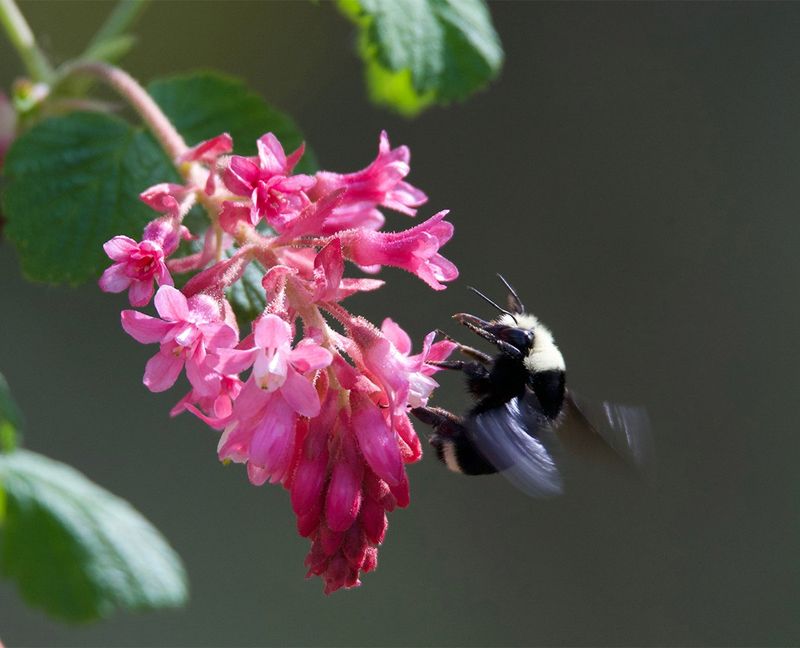
Pollinators do not just need food. They need the right food at the right time of year.
That is where native wildflowers truly shine. In Oregon, native plants bloom in a carefully timed sequence that stretches from early spring all the way into fall.
Early bloomers like red flowering currant and blue-eyed grass show up just as queen bumblebees are emerging from winter. Late-season bloomers like goldenrod and aster keep bees fueled up before cold weather sets in.
This staggered bloom schedule acts like a natural buffet that never fully closes.
Non-native garden flowers often bloom all at once or at the wrong times. They can leave pollinators without food during critical periods.
Native wildflowers, on the other hand, have evolved to match the hunger cycles of Oregon’s bees, butterflies, and other insects.
If you want to support pollinators in Oregon, think about bloom time when choosing plants. Try to have something flowering in your garden from March through October.
A mix of native wildflowers that bloom at different times will keep pollinators coming back all season long and give them a reliable source of energy when they need it most.
3. Essential For Native Bees
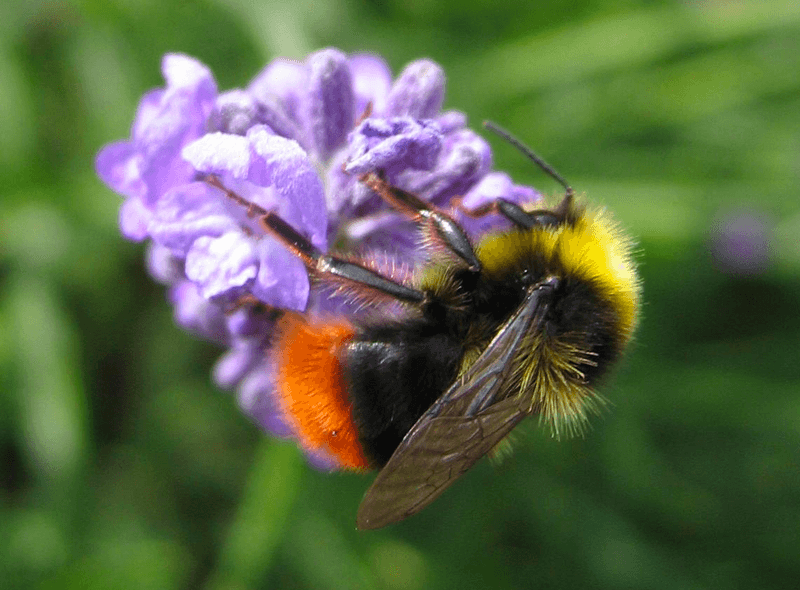
Oregon is home to over 500 species of native bees. That number might surprise you.
Most people only think of honeybees, but Oregon’s native bees include mason bees, mining bees, sweat bees, and bumblebees, just to name a few.
These native bees have very specific needs. Many of them can only collect pollen from certain types of flowers.
Some bees have mouthparts shaped to fit specific native blooms perfectly. Without those flowers, they simply cannot feed themselves or their young.
Phacelia, wild buckwheat, and clarkia are just a few Oregon native wildflowers that native bees absolutely love. These plants produce pollen and nectar in forms that local bees can easily access and use.
Exotic ornamental flowers sometimes offer little to no nutritional value for Oregon’s native bee species.
Protecting native bees matters more than most people realize. Native bees are responsible for pollinating many of Oregon’s wild plants and food crops.
Blueberries, squash, and tomatoes all benefit from native bee activity. By planting native wildflowers in Oregon gardens and green spaces, you are directly helping hundreds of bee species survive and keep local food systems strong and healthy.
4. Stronger Than Non-Native Flowers
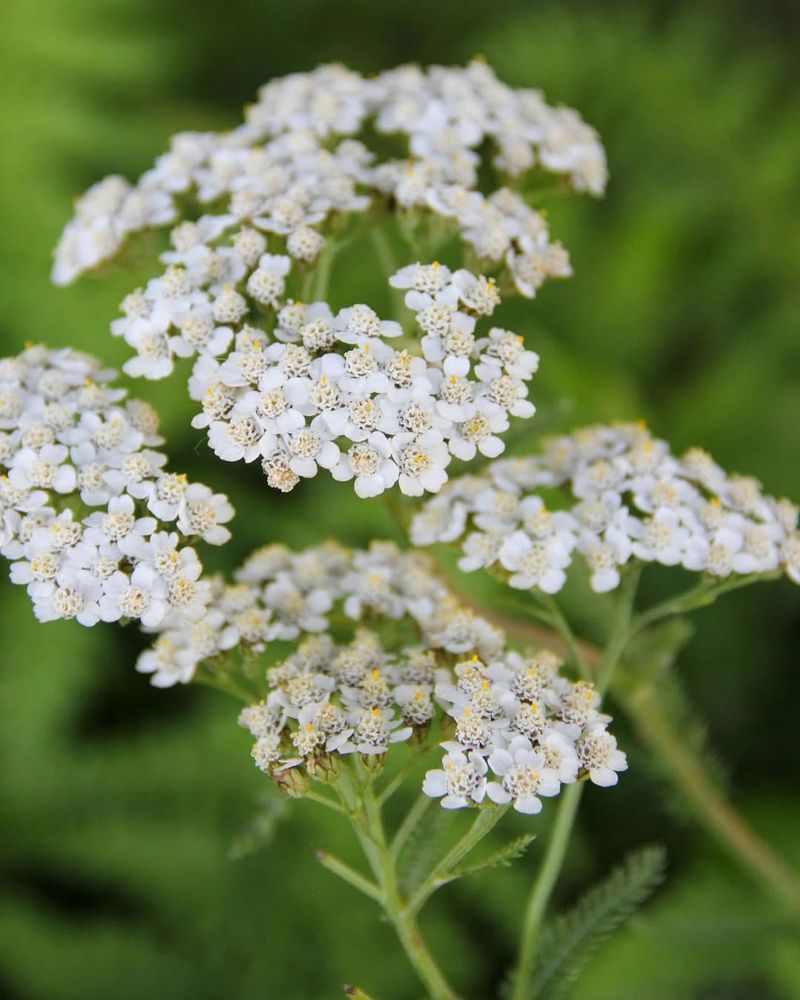
Walk through any big box garden center and you will find rows of colorful flowers from all over the world. They look beautiful in the store.
But once planted in Oregon’s soil, many of them struggle to survive without constant watering, feeding, and attention.
Native wildflowers are a completely different story. Plants like yarrow, Douglas aster, and self-heal have adapted to Oregon’s specific conditions over thousands of years.
They know how to handle the state’s dry summers, wet winters, and everything in between.
Because native wildflowers are so well adapted, they tend to be much tougher than non-native options.
They bounce back from drought. They resist local pests. They spread naturally without becoming invasive.
And they do all of this without needing chemical sprays or synthetic fertilizers that can harm pollinators.
For Oregon gardeners and land managers, this toughness is a huge advantage. You spend less time maintaining native wildflower plantings and more time enjoying them.
The plants take care of themselves once established, and they keep producing the pollen and nectar that local pollinators need.
Choosing native over non-native is one of the smartest decisions any Oregon gardener can make for both the environment and their own peace of mind.
5. Support The Full Life Cycle
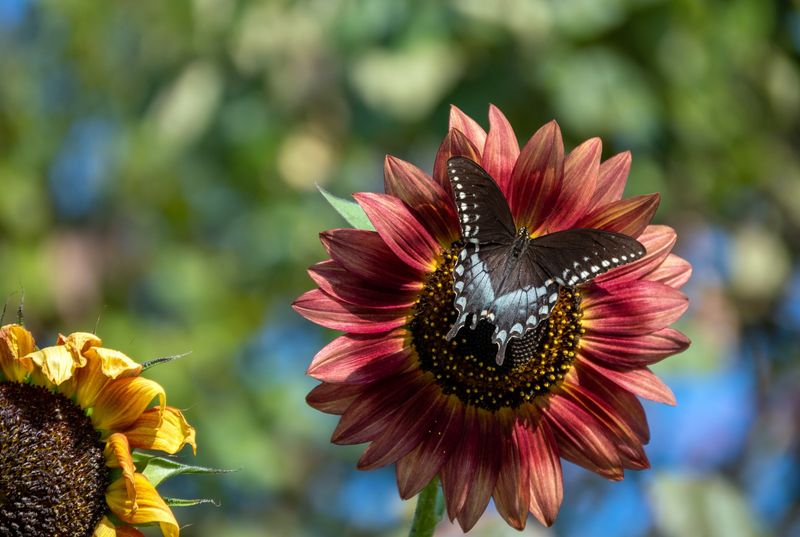
Pollinators need more than just flowers to drink from. They need plants that support every stage of their lives.
Native wildflowers in Oregon do exactly that by providing food, shelter, and nesting materials throughout the year.
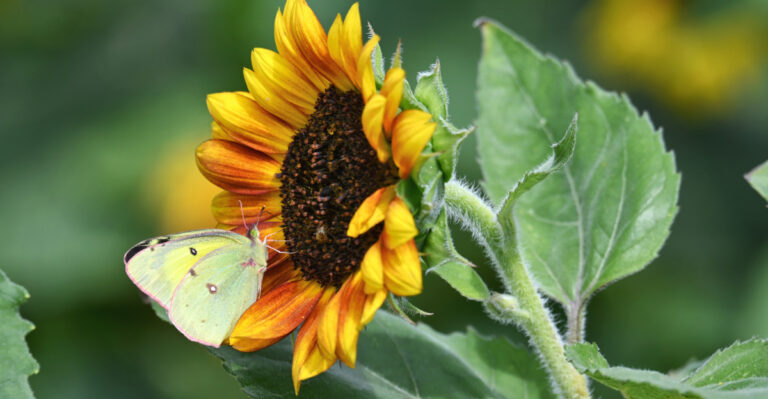
Take the western tiger swallowtail butterfly as an example. Its caterpillars feed on native Oregon trees and shrubs.
The adult butterfly visits native wildflowers for nectar. Without both pieces in place, the species cannot complete its life cycle.
The same pattern holds true for hundreds of other pollinator species across Oregon.
Some native bees nest in the hollow stems of dried wildflower stalks. Others lay eggs in burrows near native plant roots.
Leaving dried plant material in your garden over winter gives these insects a place to shelter and raise their young. Cutting everything down in fall removes those critical homes.
Supporting the full life cycle means thinking beyond just blooms. It means letting native plants go to seed, keeping some bare soil for ground-nesting bees, and leaving leaf litter where it falls.
Small changes like these make a huge difference for Oregon’s pollinators. A garden that supports the whole life cycle is far more valuable than one that simply looks pretty from the curb.
6. Resilient In Oregon’s Climate
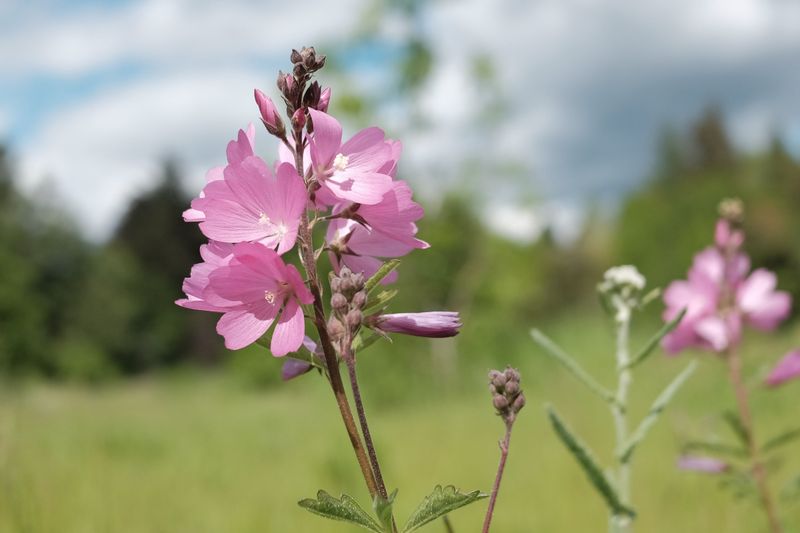
Oregon’s climate can be tricky. Winters in the Willamette Valley are gray and rainy.
Summers east of the Cascades can be blazing hot and dry. The coast gets pounded by salt wind and fog. Most garden plants from other regions simply cannot handle all of that.
Native wildflowers were made for it. Plants like blue wild rye, pearly everlasting, and Oregon iris have adapted to handle whatever the state throws at them.
They store water efficiently, spread their roots deep, and time their growth to match local weather patterns.
This resilience makes native wildflowers incredibly low maintenance for Oregon homeowners and restoration projects alike. Once established, they rarely need extra watering or special protection.
They simply grow, bloom, and support pollinators season after season without much fuss. Climate change is making Oregon’s weather less predictable. Droughts are getting longer.
Rain events are becoming more intense. In this changing environment, native wildflowers are even more valuable because their built-in toughness helps them adapt.
Pollinators that depend on these plants benefit from that stability too. Planting resilient native species today is one of the best ways to protect Oregon’s pollinators against the challenges of tomorrow’s climate.
7. Create Real Pollinator Habitat
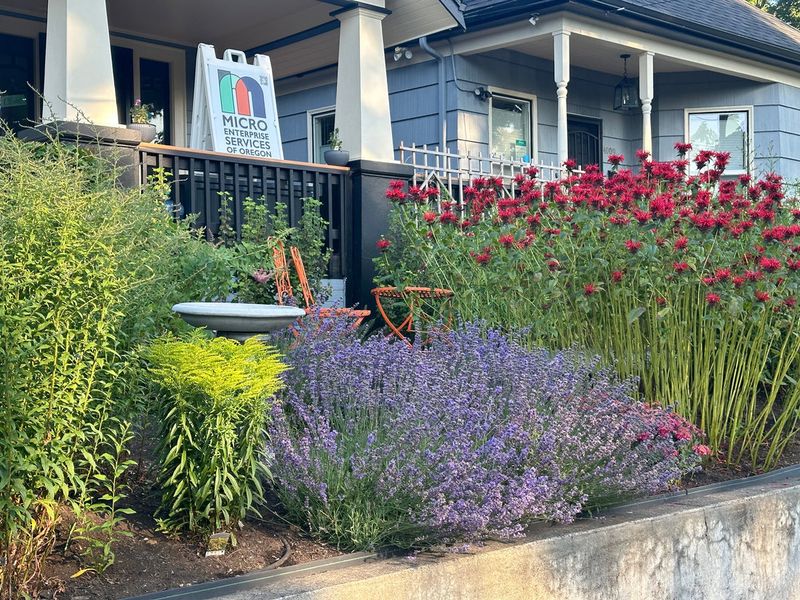
There is a big difference between a garden that looks nice and a garden that truly functions as habitat. Habitat means food, shelter, water, and nesting space all working together. Native wildflowers are the foundation of real pollinator habitat in Oregon.
A patch of native blooms in your yard becomes a mini-ecosystem. Bees collect pollen and nectar. Beetles shelter in dense foliage. Butterflies lay eggs on specific host plants.
Birds follow the insects for food. Everything connects. That kind of living, buzzing activity simply does not happen in a lawn or a bed of non-native annuals.
Oregon cities like Portland, Eugene, and Bend have been working hard to increase pollinator habitat through community gardens, roadside plantings, and park restorations.
Homeowners can join that effort by converting even a small section of their yard into a native wildflower patch. Every bit of habitat added helps.
Creating real habitat also means reducing pesticide use. Many common lawn and garden chemicals harm pollinators even when used as directed.
Pairing native wildflower plantings with a pesticide-free approach gives Oregon pollinators the safest and most productive environment possible. Habitat is not just about plants. It is about creating a place where wildlife can truly live and grow.
8. Small Plantings, Big Impact
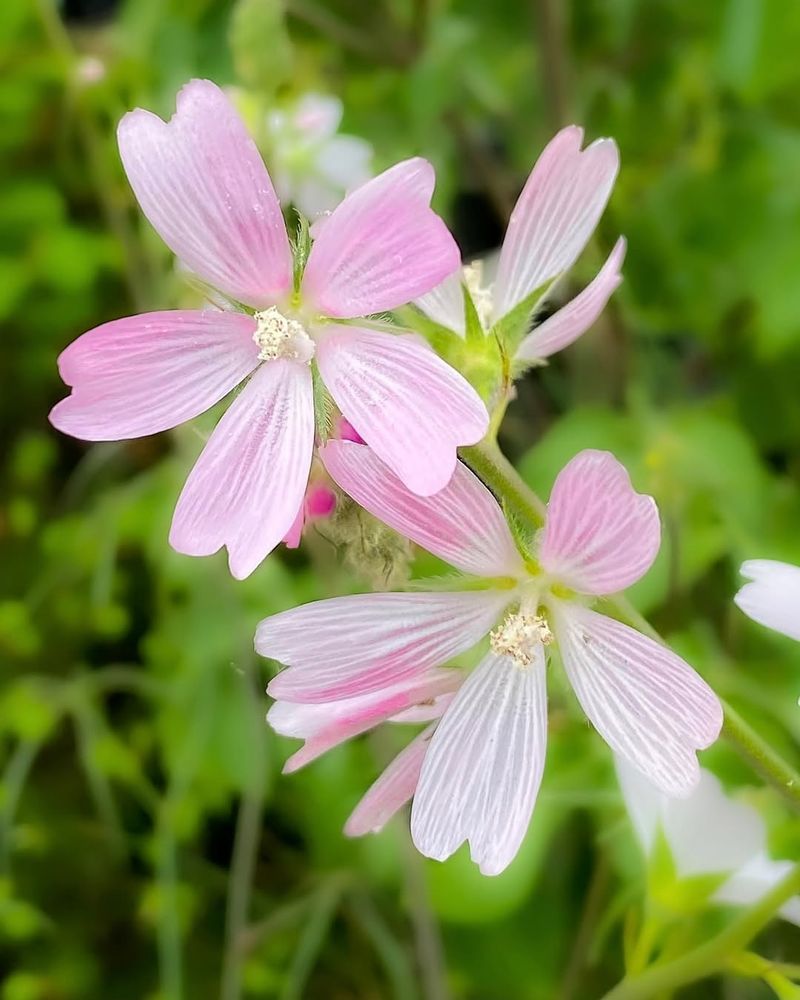
You do not need acres of land to make a difference for Oregon’s pollinators. Even a window box, a container garden, or a three-foot patch of bare soil can become a meaningful source of food and shelter for local bees and butterflies.
Research shows that small, scattered plantings of native wildflowers can have a surprisingly large cumulative effect.
When neighbors across a street or neighborhood all add a few native plants, those patches connect into corridors that pollinators can travel through. In Oregon’s urban areas, these green corridors are incredibly valuable.
Starting small also makes the project less overwhelming. Pick two or three native wildflowers suited to your yard’s sun and soil conditions.
Oregon State University Extension and local native plant societies are great resources for finding the right plants for your specific location in Oregon. Plant them, water them through the first summer, and then step back and watch the activity begin.
Over time, even modest native plantings tend to expand naturally as plants self-seed. What starts as a small corner of clarkia and penstemon can grow into a thriving patch that supports dozens of pollinator species.
Small actions, when repeated across communities, create real and lasting change for Oregon’s precious pollinators.