Here’s Why Some California Hibiscus Won’t Bloom Fully
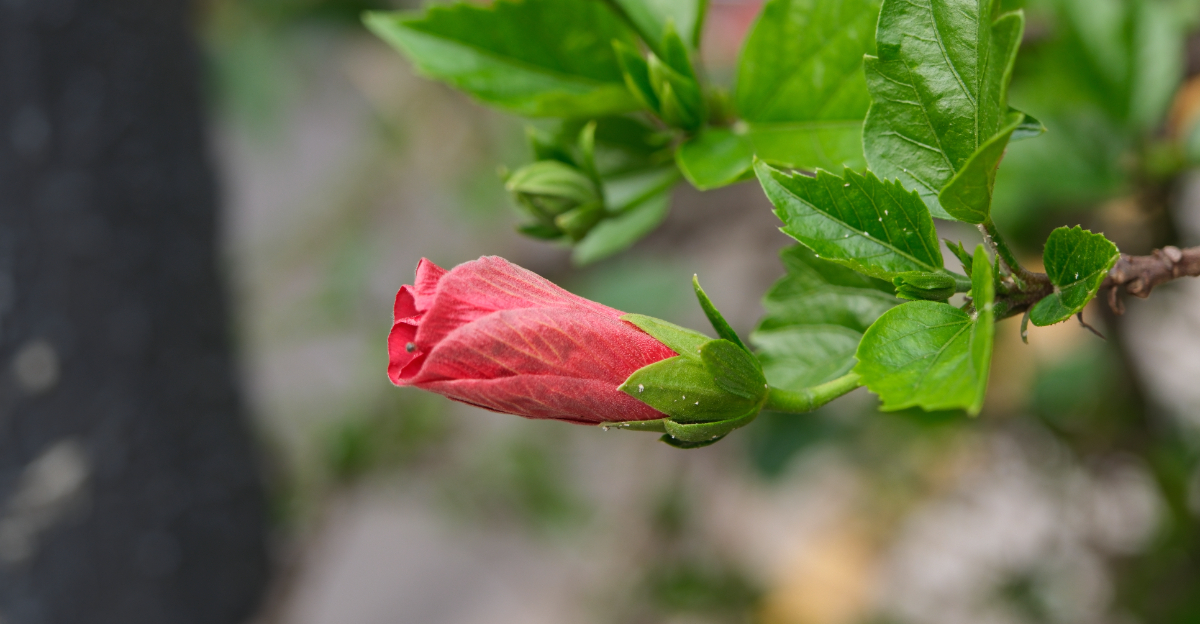
Hibiscus in bloom are the ultimate California show-offs. Big, bold, impossible to ignore. That is why it feels so confusing when yours grows plenty of leaves but only delivers a few half-hearted flowers. You planted it for tropical drama, not a foliage display.
If your hibiscus is holding back, there is always a reason. Sometimes it is something small and easy to fix.
Other times it is a subtle environmental stress that is quietly affecting those buds before they ever get a chance to shine.
The plant might look healthy at first glance, which makes the mystery even more frustrating.
Before you give up or assume it just is not meant for your yard, take a closer look. A few common issues could be standing between you and those oversized, jaw-dropping blooms. Once you spot the culprit, you can help your hibiscus get back to doing what it does best.
1. Not Enough Sun
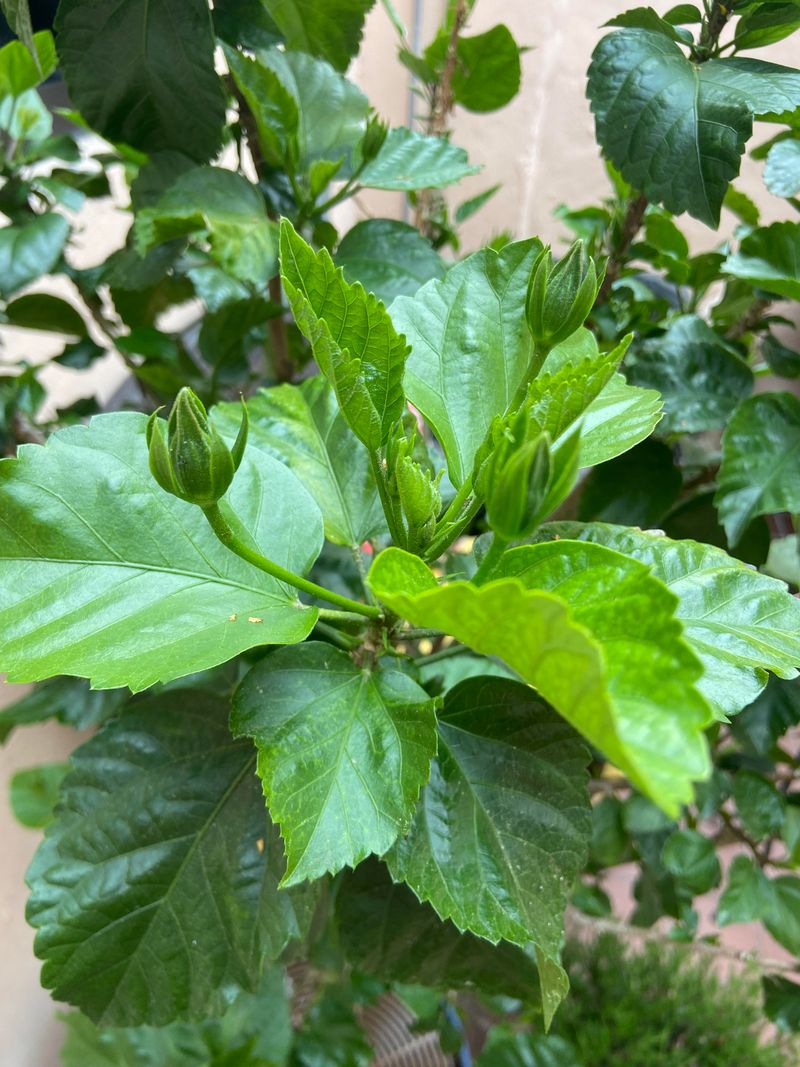
Sunlight is basically the fuel that powers a hibiscus plant. Without enough of it, your plant simply won’t have the energy to push out those big, showy blooms you’re hoping for.
In California, it might seem like sun is never a problem, but shaded yards, tall fences, and nearby trees can block more light than you’d think. Hibiscus needs at least six hours of direct sunlight every day to bloom well.
If your plant is sitting in a spot that gets only a few hours of morning light, that’s probably why the flowers aren’t showing up. The plant stays alive, but it puts all its energy into leaves instead of blooms.
Try moving container plants to a sunnier spot, or trimming back anything that’s casting shade. If your hibiscus is planted in the ground, consider whether nearby trees have grown bigger over the years and are now blocking light that used to get through.
In coastal California areas like Santa Barbara or San Francisco, fog can also reduce sun hours, so picking the sunniest spot in your yard really matters. More sun equals more blooms, plain and simple.
2. Watering Mistakes
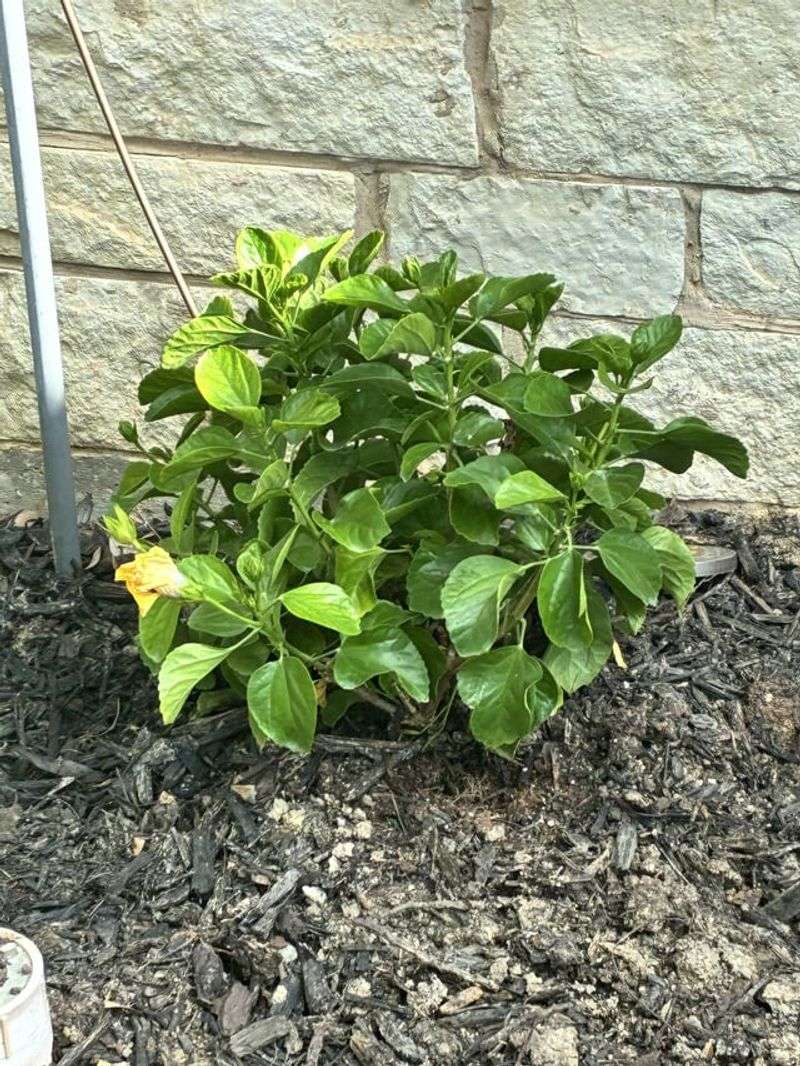
Water too little and your hibiscus gets stressed. Water too much and you invite root rot and other problems.
Getting the watering balance right is one of the trickiest parts of growing hibiscus in California, especially because the climate can change so much from one region to another.
In hot inland areas like Fresno or Riverside, hibiscus may need water every day during summer. In cooler coastal zones, watering two or three times a week might be plenty.
The key is to check the soil before you water. Stick your finger about an inch into the ground. If it still feels moist, wait another day.
Overwatering is actually one of the most common mistakes California gardeners make. When roots sit in soggy soil for too long, they can’t absorb nutrients properly, which means the plant can’t produce healthy flowers.
Underwatering causes buds to drop before they even open, which is super frustrating after you’ve waited weeks to see a bloom.
A consistent watering schedule, combined with well-draining soil, gives your hibiscus the steady moisture it needs to bloom fully and stay healthy all season long.
3. Too Much Nitrogen
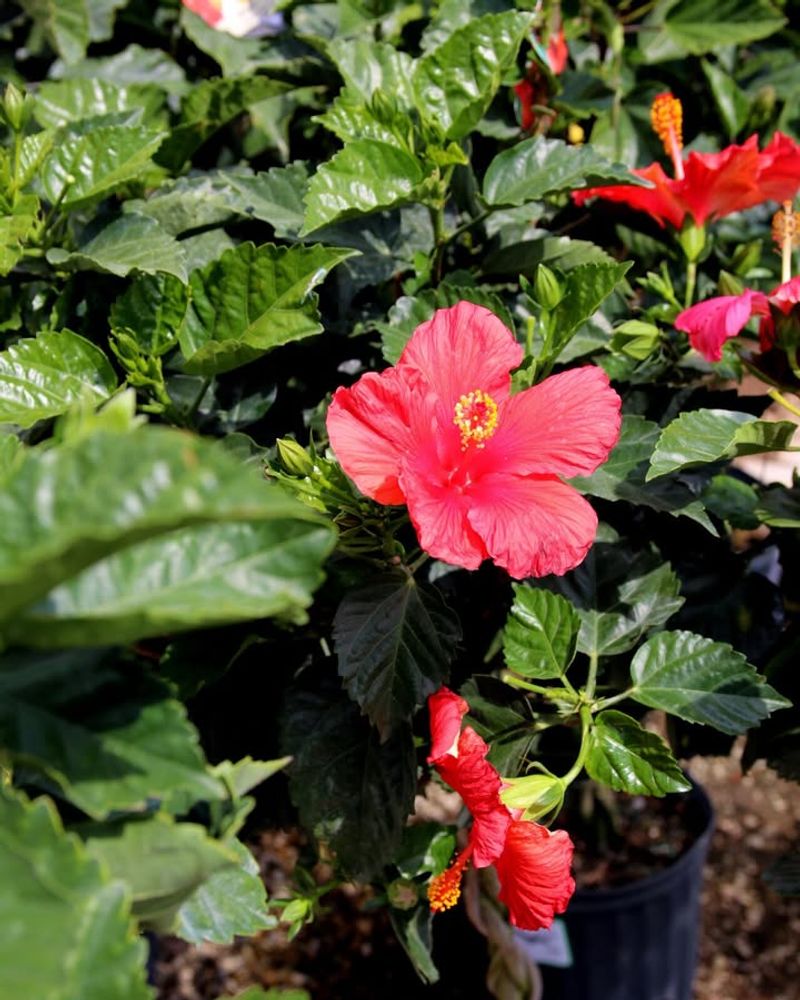
Here’s something that surprises a lot of gardeners: feeding your plant too much can actually stop it from blooming. When hibiscus gets too much nitrogen, it grows big and green and looks really healthy.
But underneath all that leafy growth, the plant has stopped putting energy into flowers.
Nitrogen is the nutrient that pushes leafy, green growth. It’s great for lawns and leafy vegetables, but hibiscus needs a different balance.
Look for fertilizers with a higher middle and last number, like 10-30-20 or similar. Those numbers represent phosphorus and potassium, which support root strength and flower production.
A lot of California gardeners use all-purpose fertilizers without realizing they’re giving their hibiscus way too much nitrogen. If your plant looks incredibly green and full but hasn’t bloomed in a long time, switch your fertilizer.
Also, avoid fertilizing right before or during the coolest months, since the plant isn’t actively growing then anyway. Feed your hibiscus during its active growing season, typically spring through early fall in California, and use a bloom-boosting formula.
You might be surprised how quickly the flowers start showing up once you make the switch.
4. Cold Night Shock
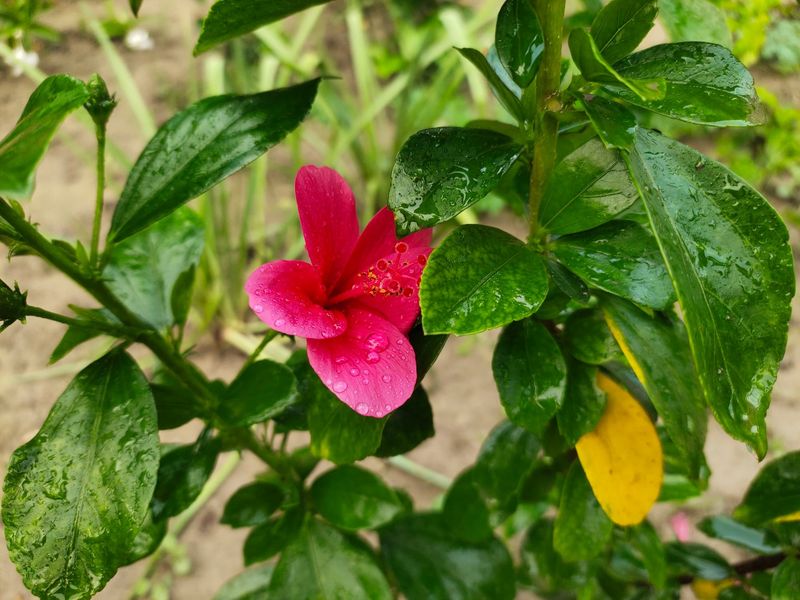
California has a reputation for warm, sunny weather, but nights can get surprisingly cold, especially in places like the Inland Empire, high desert areas, or even parts of the Bay Area.
Hibiscus is a tropical plant at heart, and when temperatures drop below 50 degrees Fahrenheit at night, it starts to struggle.
Cold nights send a signal to the plant that it’s time to slow down and conserve energy. When that happens, flower buds may drop off before they ever open.
The plant isn’t doing anything wrong. It’s just responding to what feels like the beginning of a cold season, even if warm days return quickly.
If you’re growing hibiscus in a pot, bring it indoors or into a garage on nights when temperatures are expected to drop. For plants in the ground, a frost cloth draped loosely over the plant can help hold in warmth.
Pay attention to the forecast, especially from October through March in California. Even a few cold nights in a row can set back weeks of growth and bud development.
Protecting your plant from cold night shock is one of the easiest ways to keep blooms coming strong.
5. Heat Stress
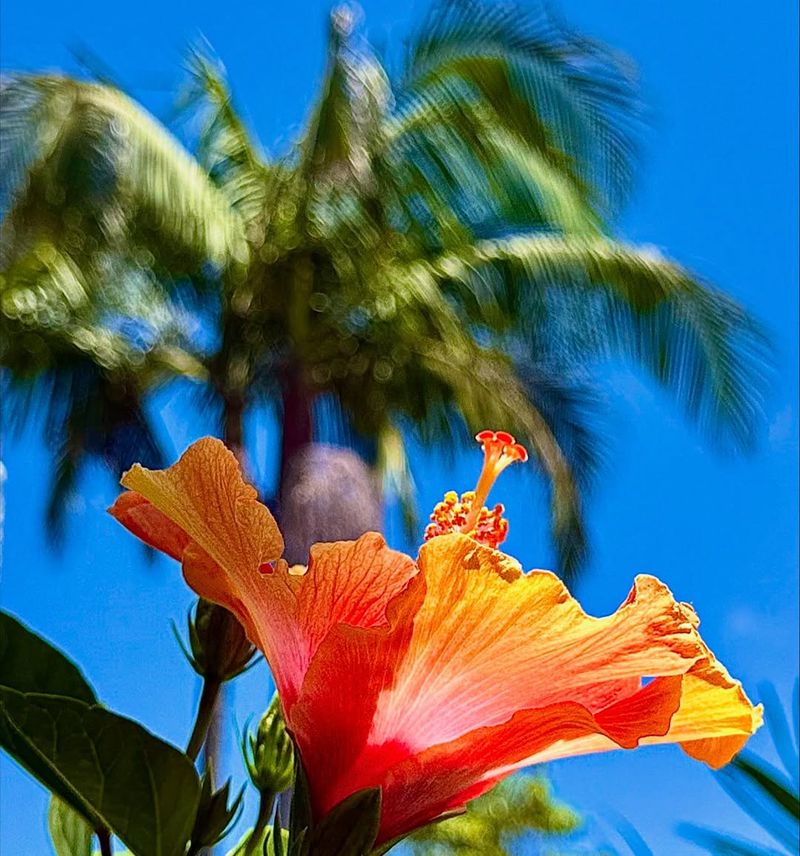
Ironically, too much heat can be just as harmful as too much cold. In California’s Central Valley and Southern California desert regions, summer temperatures can climb well above 100 degrees Fahrenheit.
When that happens, hibiscus goes into survival mode and stops blooming to protect itself.
You’ll notice signs of heat stress pretty quickly. Leaves may look dull or slightly curled at the edges.
Buds might drop before opening. Flowers that do open may look smaller than usual or fade faster.
The plant isn’t broken. It’s just trying to manage the extreme conditions around it.
There are a few things you can do to help. First, make sure your plant gets some afternoon shade during the hottest part of the day, usually between noon and four in the afternoon.
A shade cloth can work really well for container plants. Mulching around the base of the plant helps keep the soil cooler and holds in moisture.
Water more frequently during heat waves, ideally in the early morning so the roots can absorb it before the day heats up.
With a little extra care during California’s hottest months, your hibiscus can bounce back and start blooming again once temperatures ease up.
6. Sneaky Pest Damage
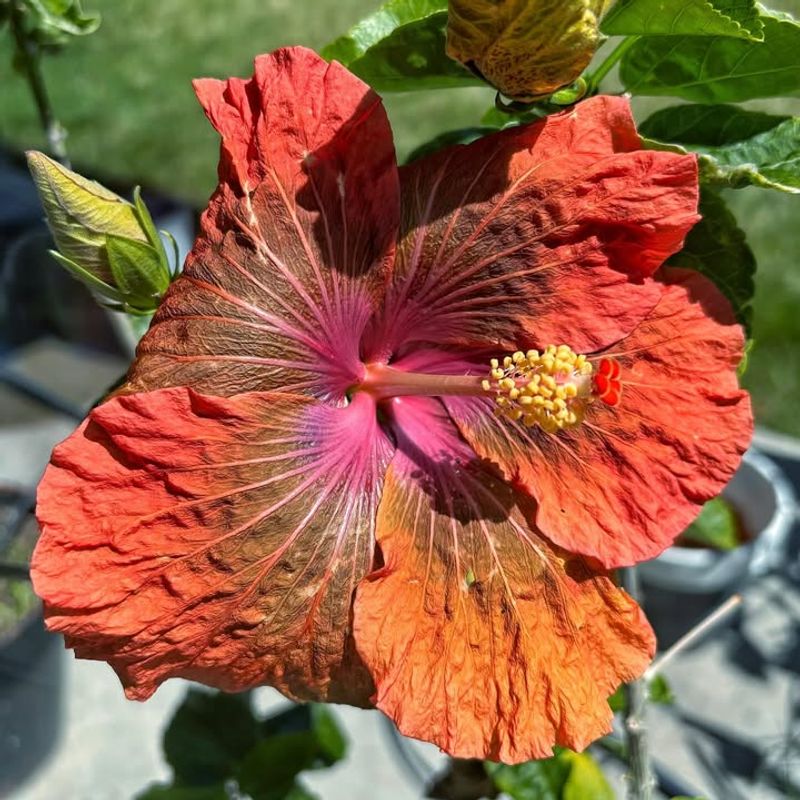
Sometimes the reason your hibiscus won’t bloom has nothing to do with water or sun. Tiny pests can quietly move in and cause serious damage before you even notice them.
Aphids, spider mites, and thrips are three of the most common culprits in California gardens, and all of them love hibiscus.
Aphids cluster on new growth and suck out sap, which weakens the plant and prevents healthy bud development. Spider mites are so small you might not see them at first, but you’ll notice fine webbing under leaves and a dusty, tired look to the foliage.
Thrips actually get inside flower buds and feed there, causing blooms to look streaky, deformed, or to drop before fully opening.
Check your plant regularly, especially the undersides of leaves and around new buds. A strong spray of water can knock off aphids.
For spider mites and thrips, neem oil or insecticidal soap works really well and is safe to use in home gardens. Catching pest problems early makes a big difference.
In California’s warm climate, pests can reproduce fast and spread quickly, so staying on top of inspections every week or two keeps your hibiscus healthy and blooming beautifully all season.
7. Bad Timing on Pruning
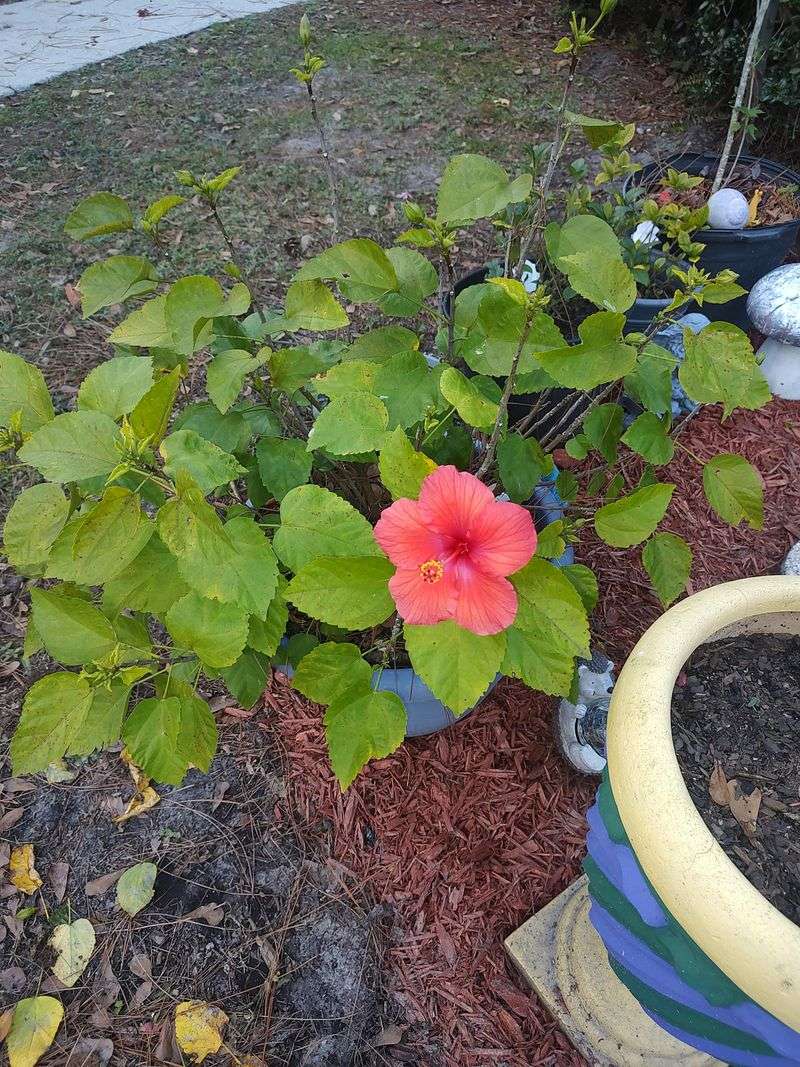
Pruning is actually really good for hibiscus when you do it at the right time. But cut your plant back at the wrong moment and you could accidentally remove all the new growth that was about to turn into flowers.
It’s one of those mistakes that’s easy to make and hard to see coming.
Hibiscus produces blooms on new growth, meaning the fresh stems that grow after pruning are the ones that will carry the flowers. If you prune too late in the season, the plant doesn’t have enough time to grow new stems and set buds before cooler weather slows things down.
In California, late fall or winter pruning is risky for this reason.
The best time to prune hibiscus in California is in early spring, just as the plant starts showing signs of new growth. This gives it the whole warm season to push out fresh stems and lots of blooms.
A light trim is usually better than a heavy cutback, especially if you want flowers sooner rather than later. Remove dead or crossing branches, and shape the plant gently.
Avoid cutting into older, woody growth unless absolutely necessary. Good timing with your pruning shears can honestly make the difference between a flower-covered plant and a bare one.
8. Salt-Stressed Soil
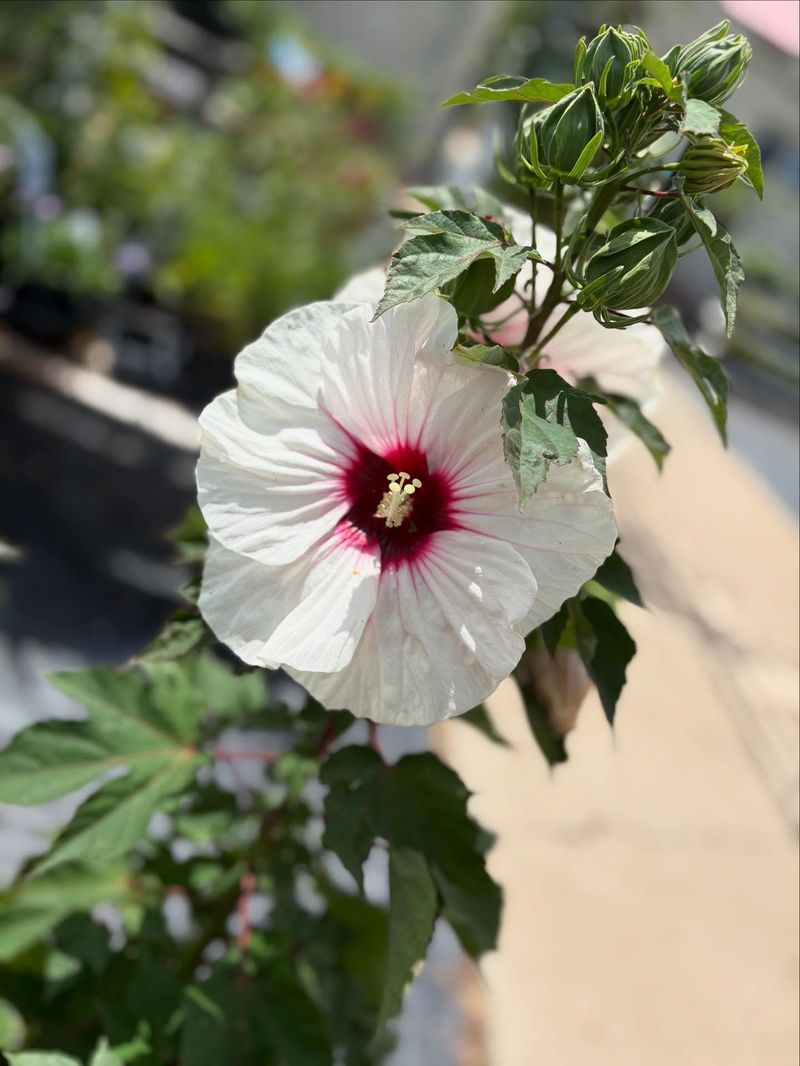
Soil salt buildup is a problem that doesn’t get talked about enough, but it’s surprisingly common in many parts of California. It happens when minerals from irrigation water or fertilizers build up in the soil over time.
The plant’s roots start to struggle, and one of the first signs is that blooms slow down or stop altogether.
In Southern California especially, tap water can have higher mineral content than in other parts of the country. When you water your garden regularly with this water and don’t allow for enough drainage or flushing, salts accumulate in the root zone.
You might notice brown or crispy edges on leaves, which is a classic sign of salt stress. The plant looks like it needs water, even when the soil is moist.
Flushing the soil deeply with water every few weeks can help push those salts down and away from the root zone. Using filtered or rain-collected water when possible makes a real difference, especially for potted plants.
Make sure your containers have good drainage holes so water and dissolved salts can escape. Also, avoid over-fertilizing, since unused fertilizer salts sit in the soil and add to the problem.
Healthy, low-salt soil gives your California hibiscus the clean foundation it needs to bloom fully and look its best.