Here’s Why Some Oregon Nasturtiums Turn Yellow Too Soon
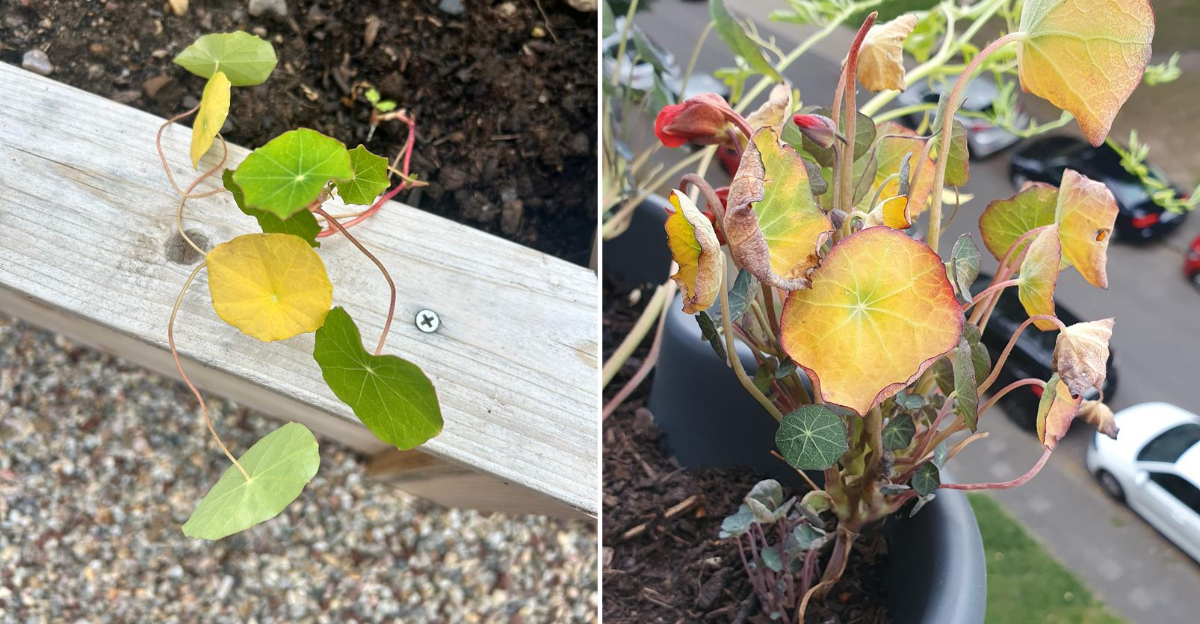
Nasturtiums are supposed to be carefree. They spill, they climb, they flash those fiery blooms like they have zero worries in the world.
So when yours start turning yellow way too early, it feels personal. In Oregon, the culprit is often hiding in plain sight. Too much love is a big one.
Rich soil and extra fertilizer can push out lots of pale growth while stressing the plant in sneaky ways. These flowers actually prefer things a little lean.
Overwatering is another common trap, especially during stretches of cool, damp weather. Soggy roots can quickly lead to yellowing leaves that seem to spread overnight.
Then there is the light factor. Along the coast or during gray spells in the Willamette Valley, limited sun can slow growth and fade that vibrant green.
On the flip side, sudden heat waves east of the Cascades can shock tender plants just as fast.
The good news is nasturtiums bounce back quickly once you spot the issue. A few small tweaks can restore that lush green look and keep the blooms coming strong.
1. Overwatering
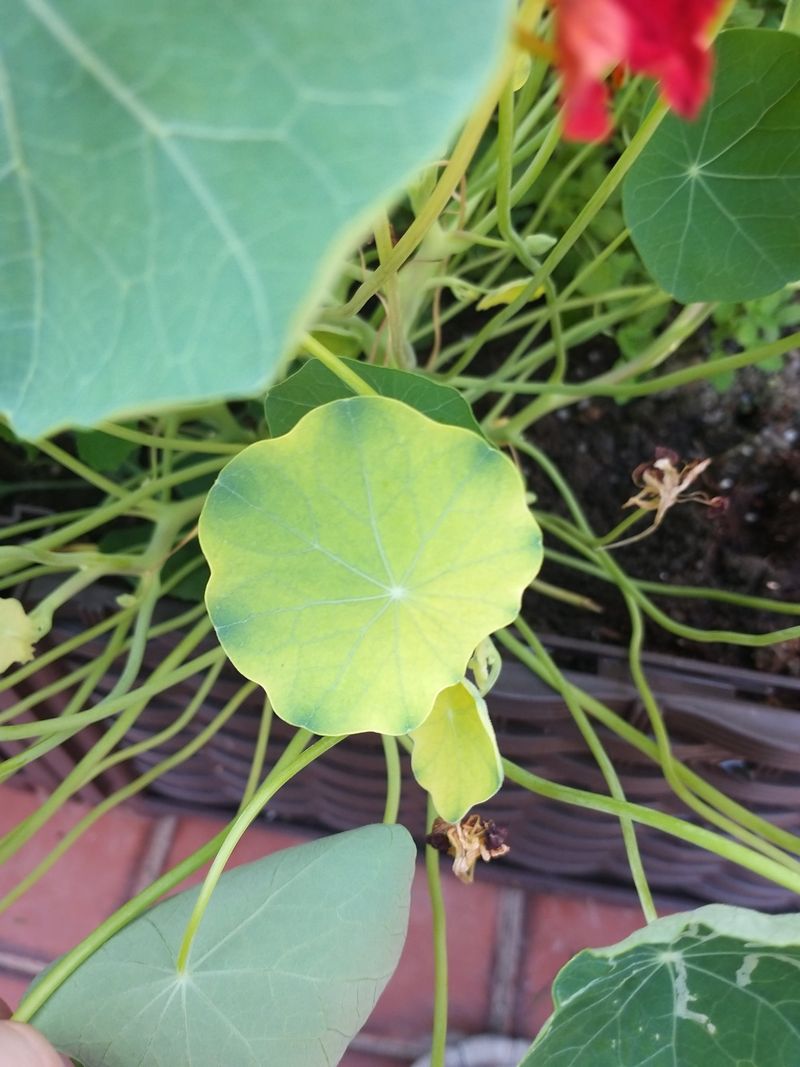
Too much water is one of the most common reasons nasturtiums turn yellow in Oregon gardens. It might seem like a good idea to water your plants often, especially during warm spells, but nasturtiums actually prefer drier conditions.
Overwatering suffocates the roots and makes it hard for the plant to absorb nutrients properly.
When roots sit in waterlogged soil for too long, they start to break down. The plant reacts by turning its leaves yellow as a distress signal.
Many Oregon gardeners make this mistake during the cool, rainy spring season when the soil stays wet for days at a time.
A good rule of thumb is to stick your finger about an inch into the soil before watering. If it still feels damp, wait another day or two.
Nasturtiums grown in Oregon’s Willamette Valley especially benefit from a “less is more” watering approach. Cut back on watering and see if new leaves come in green and healthy.
Most of the time, simply adjusting your watering schedule is all it takes to bring your nasturtiums back to their best.
2. Poor Drainage
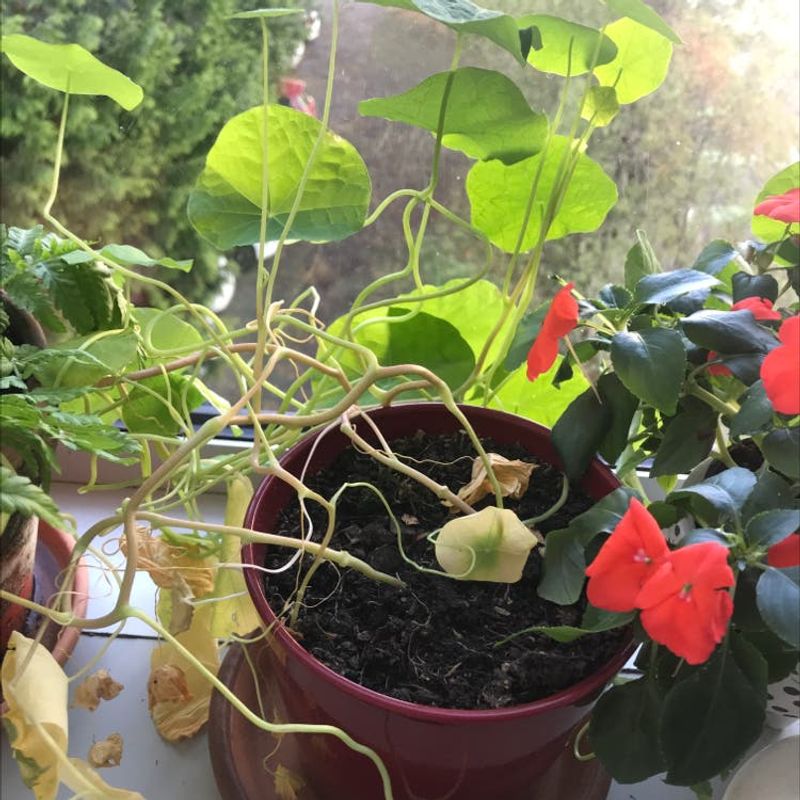
Even if you are not overwatering, poor drainage can cause the exact same problem. Oregon has a lot of clay-heavy soil, especially in the Portland metro area and parts of the Willamette Valley.
Clay soil holds onto water for a long time, which keeps roots wet even when you think the ground has dried out.
Nasturtiums need well-draining soil to stay healthy. When water cannot move through the ground quickly enough, roots become stressed and oxygen-starved.
That stress shows up as yellowing leaves, wilting, and slow growth. It is one of those sneaky problems that can fool gardeners into thinking something else is wrong.
To fix poor drainage, try mixing compost or perlite into your garden bed before planting. Raised beds are a great solution for Oregon gardeners dealing with heavy clay.
Container planting is another smart option because you have full control over the soil mix. Make sure any pot you use has holes in the bottom so excess water can escape easily.
With the right soil setup, your nasturtiums will have the breathing room they need to thrive all season long.
3. Too Much Shade
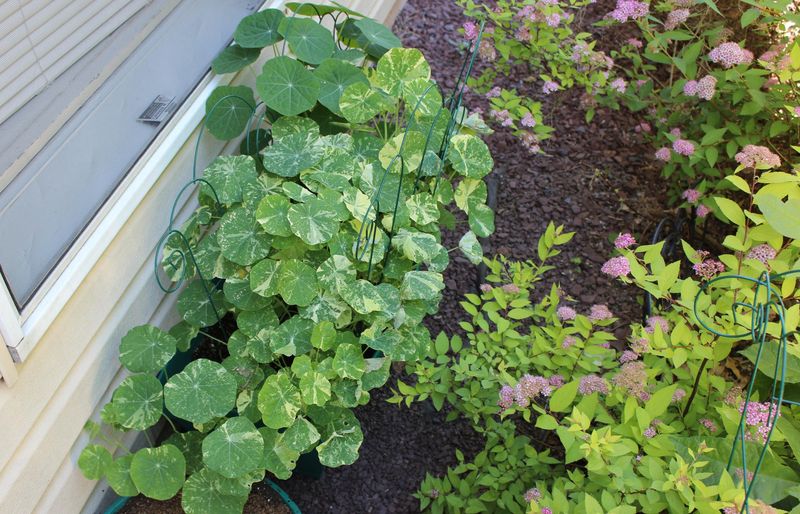
Nasturtiums love sunlight. They are sun-hungry plants that need at least six hours of direct light each day to stay green and healthy.
Oregon’s famous cloudy skies can already limit how much sun your garden gets, so planting nasturtiums in a shaded spot makes things even harder for them.
When a nasturtium does not get enough light, it cannot produce enough energy through photosynthesis. The leaves start to lose their deep green color and slowly turn yellow.
You might also notice the plant growing long, stretched-out stems as it reaches toward any available light source. That is a clear sign your plant is struggling.
Take a look at where your nasturtiums are planted. Are they under a tree, near a tall fence, or next to a building that blocks the afternoon sun?
Moving them to a sunnier spot can make a big difference. In Oregon, south-facing garden beds tend to get the most consistent light throughout the day.
If you are growing nasturtiums in containers, simply move the pot to a brighter location. A little more sunshine can quickly turn those yellow leaves back to a rich, vibrant green.
4. Sudden Heat Stress
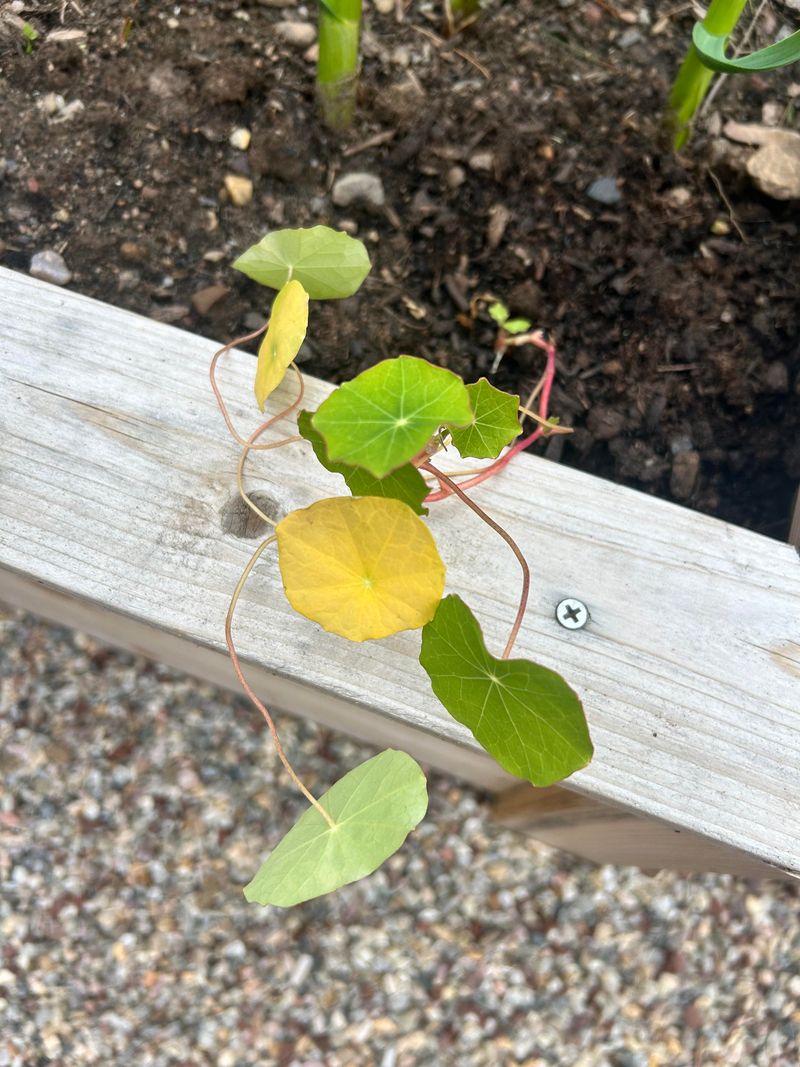
Oregon summers can surprise even experienced gardeners. While the state is known for mild, rainy weather, heat waves are becoming more common, especially east of the Cascades and in the Willamette Valley.
When temperatures spike suddenly, nasturtiums can go into shock, and yellowing leaves are one of the first signs.
Heat stress happens when a plant loses water faster than its roots can replace it. The leaves begin to yellow, wilt, and sometimes develop crispy brown edges.
Nasturtiums are cool-season-friendly plants, which means they prefer temperatures between 55 and 75 degrees Fahrenheit. Anything above 85 degrees for several days in a row can cause serious stress.
During an Oregon heat event, try giving your nasturtiums some afternoon shade using a light cloth or shade cover. Water them in the early morning so the soil stays moist during the hottest part of the day.
Avoid watering in the evening, which can encourage mold. Mulching around the base of the plant also helps keep soil temperature down.
Once cooler weather returns, most nasturtiums bounce back well. Being prepared before a heat wave hits gives your plants the best chance of making it through without major damage.
5. Excess Nitrogen
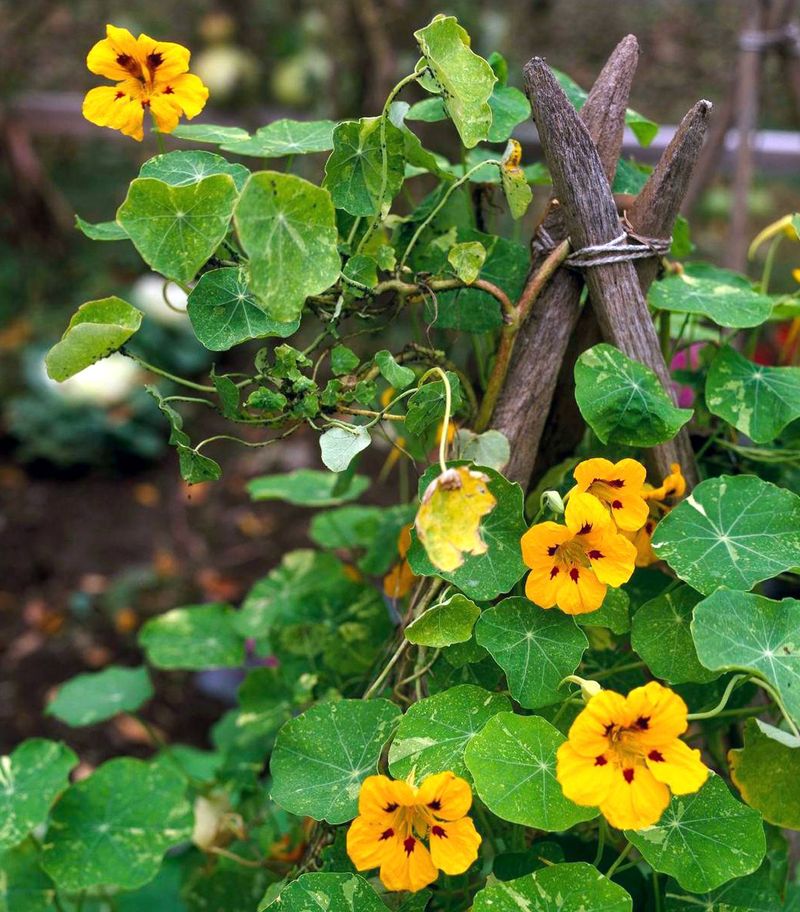
Here is something that surprises a lot of new gardeners: nasturtiums actually do not like rich, heavily fertilized soil. Most plants love a boost of nitrogen, but nasturtiums are the exception to that rule.
Too much nitrogen pushes the plant to grow lots of leafy green growth at the expense of flowers, and it can also lead to yellowing leaves over time.
In Oregon, gardeners often add compost or fertilizer to improve their heavy clay soil. While that is a smart move for many plants, it can backfire with nasturtiums.
Excess nitrogen throws off the balance of nutrients the plant needs, which can eventually cause the older lower leaves to turn yellow and fall off.
The fix is simple: stop fertilizing your nasturtiums. They thrive in poor to average soil conditions and actually produce more blooms when they have to work a little harder.
If you have already added a lot of compost to your garden bed, try growing nasturtiums in a container with a basic potting mix instead. No fertilizer needed.
Oregon gardeners are often amazed at how well nasturtiums perform when left alone in lean soil. Less really is more when it comes to feeding these resilient, beautiful plants.
6. Overcrowding
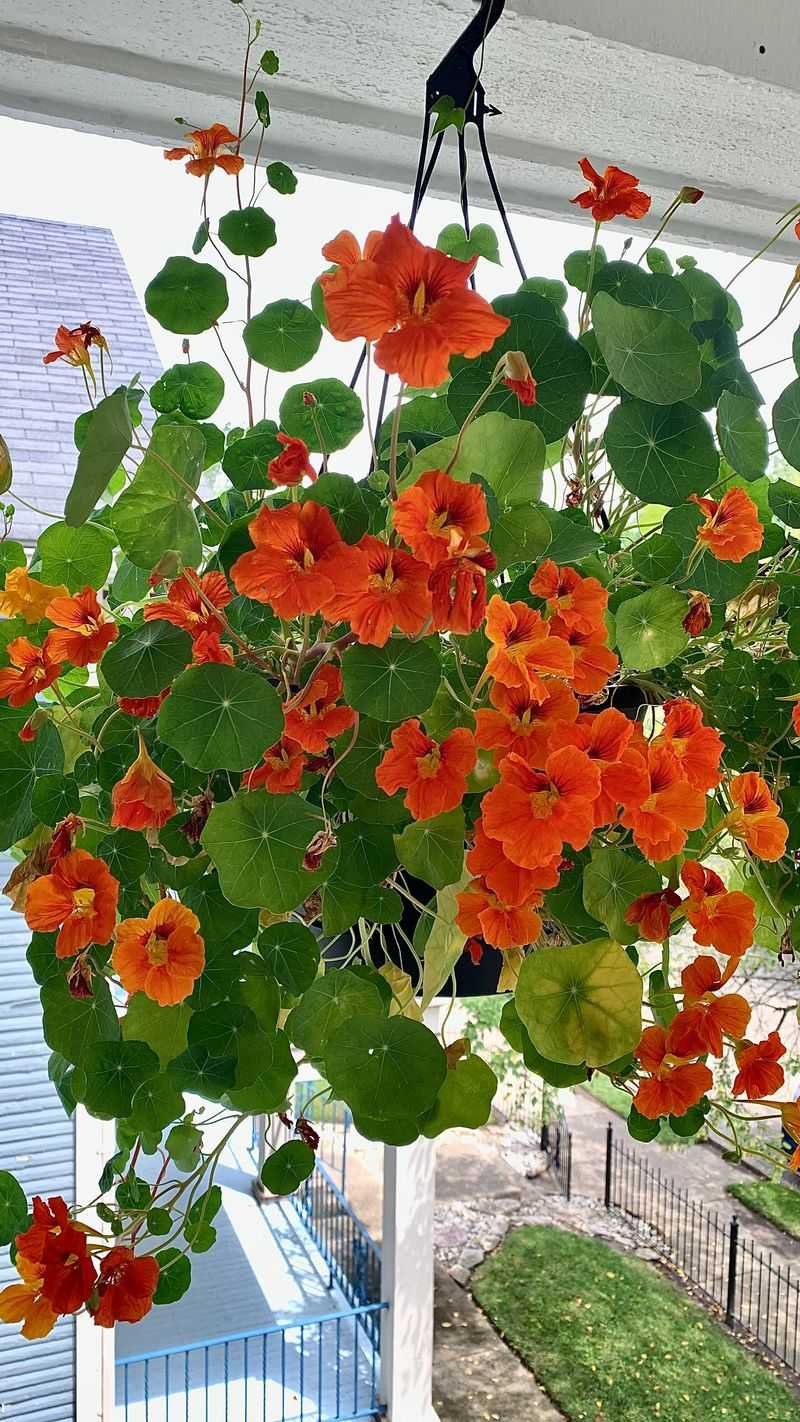
Nasturtiums grow fast. Really fast. If you plant them too close together, they will quickly compete for water, nutrients, and light. That competition stresses every plant in the group, and yellowing leaves are usually the first visible result.
Overcrowding is a surprisingly common issue in Oregon gardens where space is limited. When plants are packed in too tightly, airflow between them also decreases.
Poor airflow creates a damp, humid environment that encourages fungal problems, which can also cause yellowing.
It becomes a chain reaction where one issue leads to another if the spacing problem is not addressed early on.
Nasturtium seeds should be planted about 10 to 12 inches apart. If your plants are already in the ground and too crowded, carefully thin them out by removing the weakest-looking ones.
It might feel wasteful, but giving the remaining plants more space will help them grow stronger and stay healthier. In Oregon’s mild growing season, nasturtiums have plenty of time to fill in a space naturally without being crammed together.
Proper spacing also makes it easier to spot pest problems early, which is a bonus for keeping your whole garden in great shape.
7. Aphid Damage
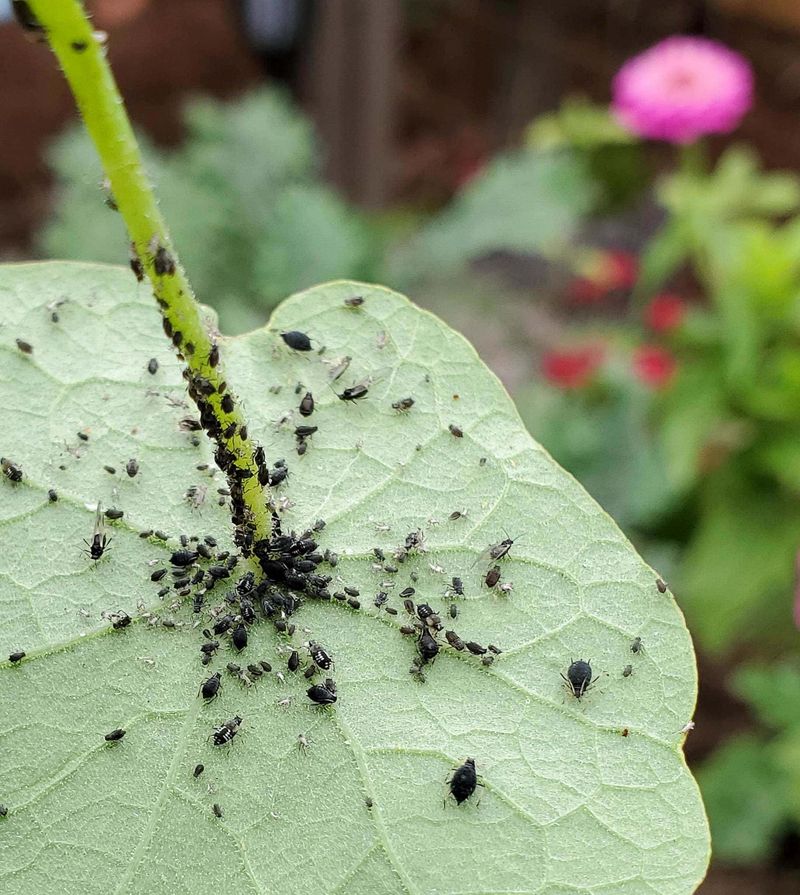
Aphids are tiny, soft-bodied insects that love nasturtiums almost as much as gardeners do. In Oregon, aphid populations can explode quickly during warm spring and early summer months.
They cluster on the undersides of leaves and stems, sucking out plant sap and leaving behind a sticky residue called honeydew.
As aphids feed, they weaken the plant steadily. Leaves start to curl, pucker, and turn yellow. A heavy aphid infestation can cause significant damage in just a few weeks.
Interestingly, some Oregon gardeners actually plant nasturtiums on purpose as a trap crop to lure aphids away from vegetables like kale and broccoli. But when the infestation gets out of hand, the nasturtiums themselves suffer.
Checking the undersides of leaves regularly is the best way to catch aphids early. A strong spray of water from a garden hose can knock them off the plant.
You can also use insecticidal soap spray, which is safe and effective for home gardens. Encouraging natural predators like ladybugs and lacewings in your Oregon garden helps keep aphid numbers in check over the long run.
Healthy, well-spaced nasturtiums are also less attractive to aphids than stressed, crowded plants.
8. Season Ending
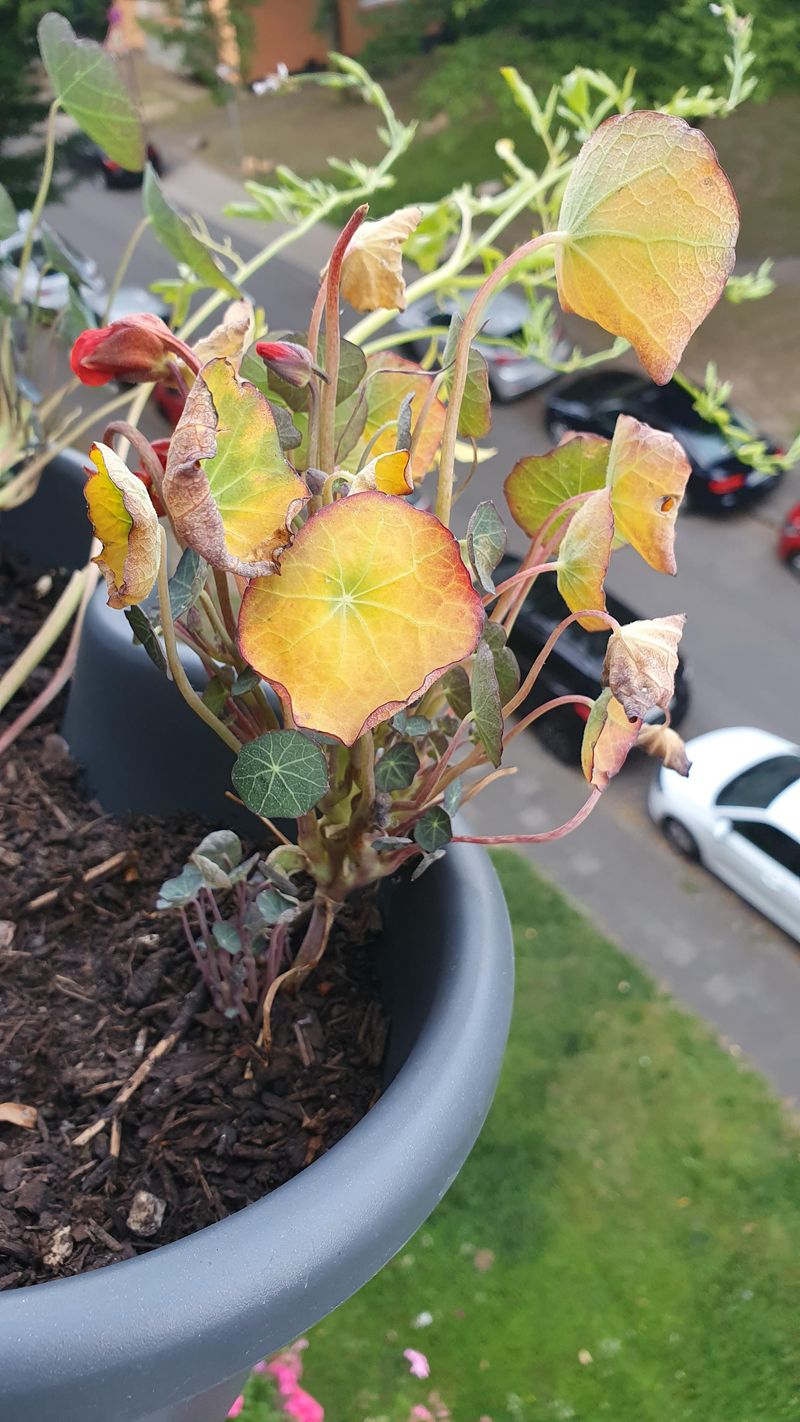
Sometimes yellowing nasturtium leaves are not a sign of a problem at all. They are just a sign that the growing season is wrapping up.
In Oregon, temperatures begin to drop in late September and October, and nasturtiums respond to those cooler, shorter days by starting to slow down and fade naturally.
As the plant ages and prepares to set seed, the lower leaves often turn yellow first. This is completely normal and is part of the plant’s natural life cycle.
Oregon’s coastal regions may see this happen a little later than inland areas like Bend or Medford, where fall arrives more abruptly. Either way, the yellowing is not something to worry about at this stage.
One great thing about nasturtiums is that they self-seed freely. As the flowers fade and seeds form, you can collect them and store them in a cool, dry place for next spring.
Or simply leave them on the ground and let nature do the work. Many Oregon gardeners are delighted to find nasturtiums popping up on their own the following year without planting a single seed.
Embrace the end of season as a natural transition rather than a failure, and look forward to next year’s colorful display.