Here’s Why You Might Be Seeing Robins Earlier Than Usual In Michigan
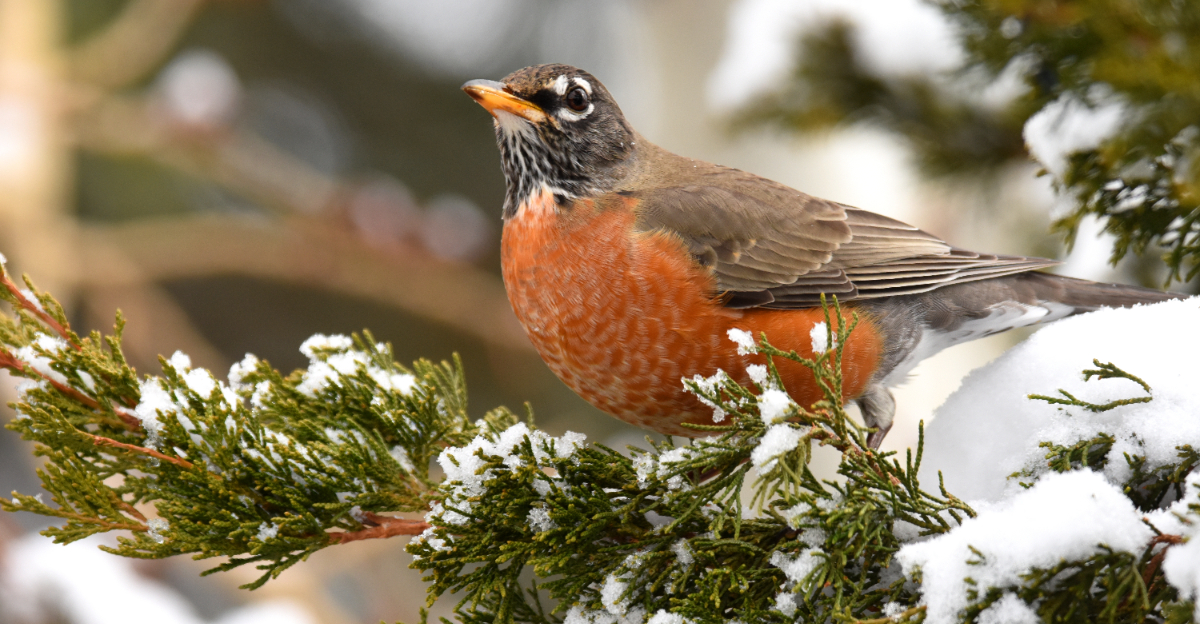
A bright orange breast against gray winter skies often feels like a promise that warmer days are not far away. Across Michigan, many residents have begun noticing American Robins appearing earlier in the season, sometimes while winter still lingers.
These familiar birds have adapted in remarkable ways, and several factors help explain their changing patterns.
Milder winter stretches, shifting food availability, and evolving migration behavior all influence when robins return or remain active in Michigan landscapes.
Some now stay through parts of the colder months if berries and shelter remain accessible, while others arrive sooner as temperatures fluctuate. Their early presence often signals subtle environmental changes happening all around us.
Observing these cheerful visitors offers a fascinating glimpse into how wildlife adjusts to seasonal shifts.
Understanding why robins show up earlier helps deepen appreciation for their resilience and highlights the quiet transformations shaping Michigan’s natural world year after year.
1. Mild Winters Allow Some Robins To Stay Year Round
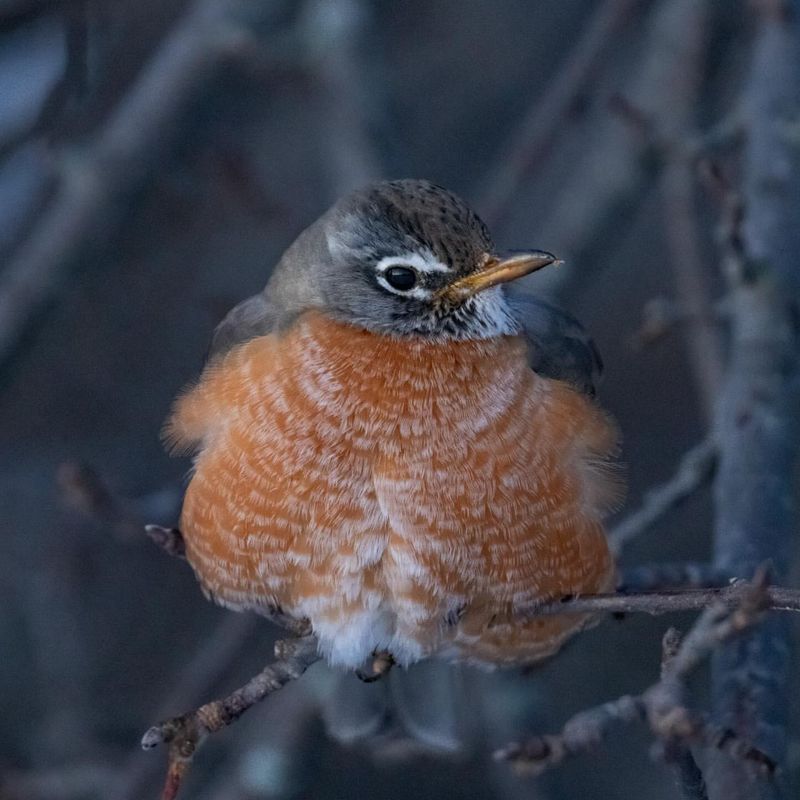
Warmer winters across Michigan mean fewer robins feel the need to travel hundreds of miles south anymore. Many individual birds now find conditions comfortable enough to stick around through December and January.
When temperatures stay above freezing more often, robins can survive quite well without making long journeys.
These year-round residents blend into winter landscapes by staying quieter and less visible than during spring. They roost in sheltered areas like dense evergreens and wooded thickets where they conserve energy.
People often assume all robins migrate completely, but that’s actually a common misconception about their behavior.
Research shows that American Robins adjust their migration patterns based on winter severity and food availability. Some populations in southern Michigan barely migrate at all during exceptionally mild years.
Northern Michigan robins might move just a few counties south rather than leaving the state entirely.
The birds that remain through winter become more noticeable when late February or early March arrives. They emerge from their hiding spots and start singing and foraging more actively.
This creates the impression that robins arrived early when some never actually left the area at all.
2. Early Spring Warm Spells Trigger Increased Robin Activity
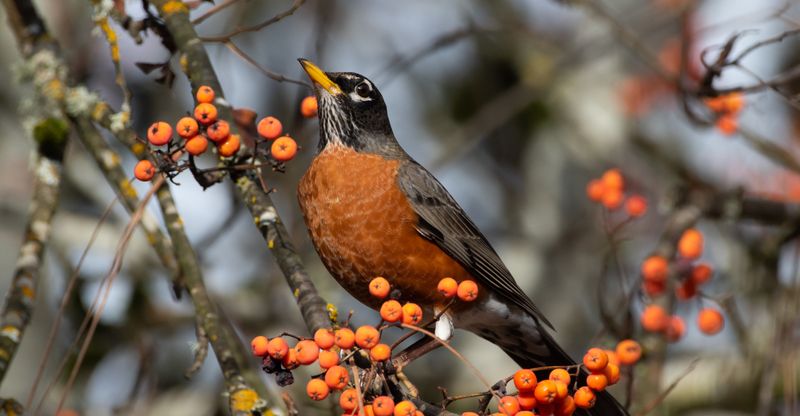
Sudden warm days in late winter wake up robins that were staying quiet and hidden. These temperature jumps make the birds much more active, vocal, and visible throughout neighborhoods.
A single week of fifty-degree weather can transform a silent landscape into one filled with robin songs.
Warmth triggers hormonal changes that prepare robins for breeding season activities ahead. Males start establishing territories and singing from high perches to attract mates and warn rivals.
This dramatic increase in visibility makes people think robins just arrived when they were present but inactive.
The birds also shift their behavior patterns during warm spells by foraging more intensively. They spend hours searching for food to rebuild energy reserves after conserving through cold periods.
Their constant movement across lawns and gardens makes them impossible to miss during these active phases.
Temperature fluctuations can fool both birds and people about the true arrival of spring. Robins respond to immediate weather conditions rather than calendar dates or long-term seasonal patterns.
A warm February day produces the same behavioral response as a typical April morning would trigger.
3. Food Availability Keeps Robins In Northern Areas Longer
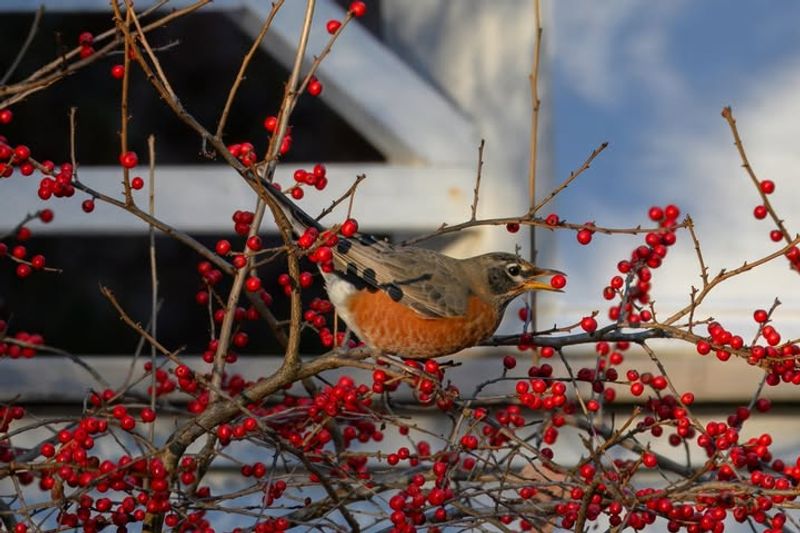
Abundant winter food sources give robins excellent reasons to delay migration or skip it altogether. Berries from plants like crabapples, hawthorns, and winterberry holly provide crucial nutrition throughout cold months.
When these food sources remain plentiful, robins can maintain healthy body conditions without traveling south.
Insect availability also plays a significant role in robin distribution patterns during winter. Mild temperatures allow some insects to remain active longer into fall and emerge earlier in spring.
Robins supplement their berry diet with protein from beetles, larvae, and other invertebrates when conditions permit.
Urban and suburban landscapes often provide more diverse food options than natural areas. Ornamental plantings create berry buffets that sustain robin flocks through challenging weather.
These human-modified environments essentially extend the northern range where robins can successfully overwinter.
Flocks of robins move between food patches throughout winter rather than migrating long distances. They might travel fifty miles between berry-rich areas while staying within Michigan’s borders.
This localized movement pattern keeps birds nearby and ready to become visible the moment conditions improve in early spring.
4. Climate Trends Influence Migration Timing
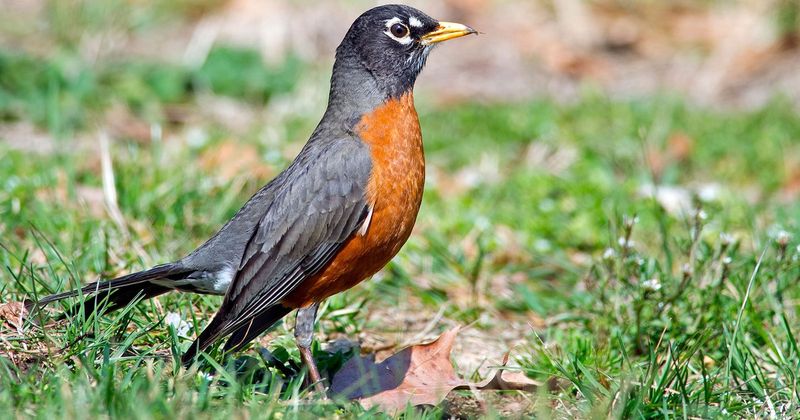
Long-term warming trends across the Great Lakes region have gradually shifted bird migration schedules. Scientific studies document that many robin populations now arrive at breeding grounds one to two weeks earlier than decades ago.
These changes reflect broader ecological responses to sustained temperature increases over multiple years.
Robins use environmental cues like day length and temperature to time their migrations appropriately. When average temperatures rise even slightly, these cues trigger earlier than traditional patterns.
The birds aren’t necessarily changing their internal programming but responding accurately to altered external conditions.
Climate shifts also affect the ecosystems that robins depend on during migration and breeding. Earlier snowmelt and plant growth create favorable conditions sooner in the season.
Robins naturally adjust their timing to match peak food availability for raising young successfully.
Population-level changes happen gradually as individual birds that arrive earlier enjoy reproductive advantages. Those that time their arrival with optimal conditions raise more offspring who inherit similar timing preferences.
Over generations, entire populations shift their migration schedules to match changing climate patterns across their range.
5. Snow Melt Exposes Feeding Areas Earlier
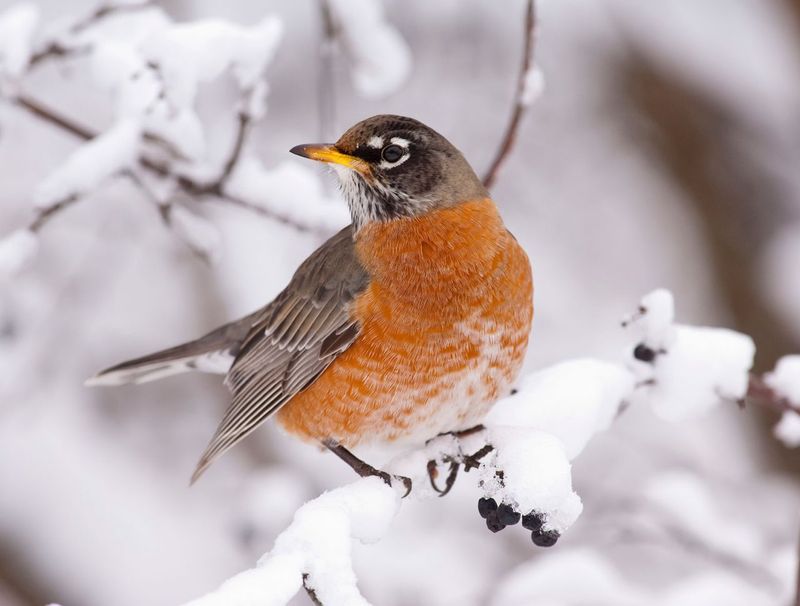
When snow disappears from lawns and fields ahead of schedule, robins suddenly have access to prime feeding territory. These birds rely heavily on soft, exposed soil where they can hunt for earthworms and insects.
Early snow melt creates perfect foraging conditions that draw robins into visible areas immediately.
Robins possess incredible eyesight that helps them spot subtle movements of worms near the soil surface. They tilt their heads and watch intently before striking with remarkable accuracy.
Open ground allows them to use this hunting strategy effectively, which becomes impossible when snow covers everything.
Patchy snow melt creates a mosaic of available feeding spots across the landscape. Robins concentrate in these clear areas, making them highly visible to people looking out windows.
South-facing slopes, areas near buildings, and spots with dark soil all melt faster and attract foraging birds first.
The timing of snow melt varies considerably from year to year based on winter severity and spring temperatures. Years with light snow accumulation or early warm periods allow robins to begin intensive foraging much sooner.
This variability explains why robin sightings seem dramatically earlier some springs compared to others.
6. Some Robins Only Move Short Distances In Winter
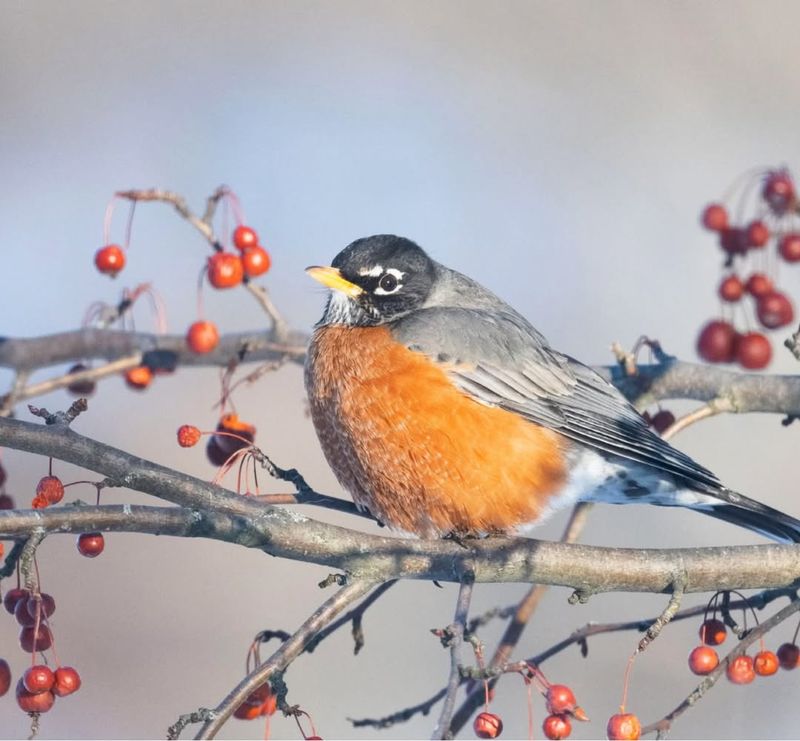
American Robins often migrate much shorter distances than most people realize. Many birds simply move from northern Michigan to southern Michigan or across state lines into Ohio or Indiana.
This regional movement strategy keeps them relatively close to breeding territories while avoiding the harshest winter conditions.
Short-distance migrants can respond quickly to improving weather by returning to breeding areas rapidly. They might be only a hundred miles away when conditions improve in late winter.
This proximity allows them to reappear in yards and parks much faster than birds wintering in southern states.
Individual robins show remarkable variation in their migration strategies based on age and experience. Younger birds might migrate farther south while older, experienced birds winter closer to breeding grounds.
This diversity within populations creates complex patterns of presence and absence throughout winter months.
The concept of migration as a simple north-south journey oversimplifies what actually happens with robins. Many birds move in response to food availability and weather rather than following fixed routes.
They might shift east, west, or barely move at all depending on local conditions each winter season.
7. Urban And Suburban Areas Provide Winter Shelter
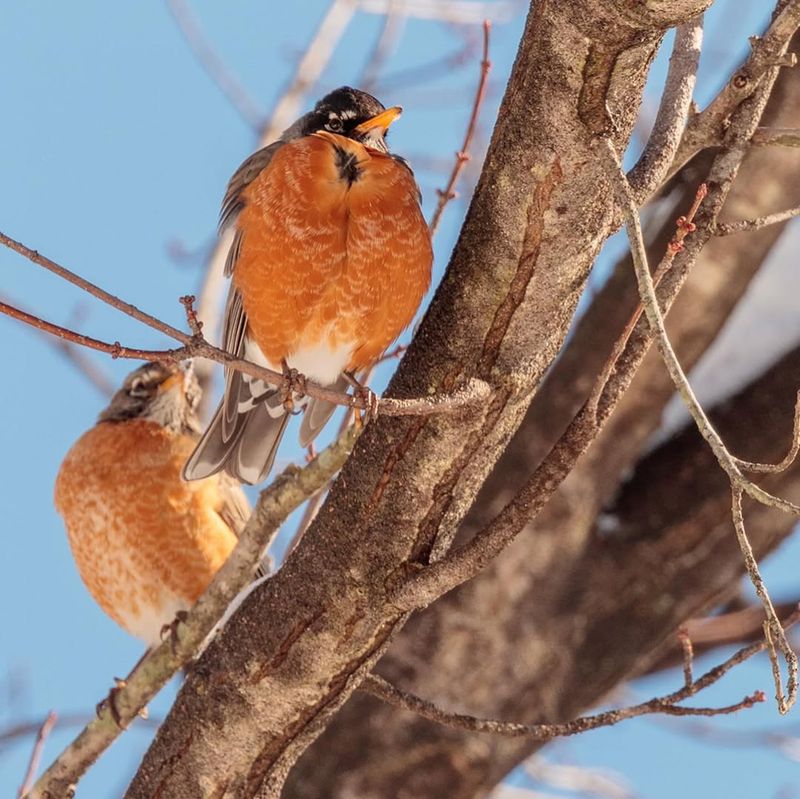
Towns and neighborhoods create surprisingly favorable winter conditions that help robins survive cold months. Buildings radiate heat that raises temperatures by several degrees compared to rural areas.
This urban heat island effect makes a real difference during frigid nights when every degree matters for survival.
Landscaping in developed areas provides excellent shelter and food resources for overwintering robins. Foundation plantings with evergreens offer protected roosting spots out of wind and weather.
Ornamental fruit trees and berry-producing shrubs deliver concentrated food sources within small areas.
Suburban yards often maintain more open ground throughout winter than natural areas. Homeowners clear sidewalks and driveways, creating edges where snow melts first.
These small patches of exposed ground give robins early access to soil invertebrates before rural areas thaw completely.
Human activity in neighborhoods also creates indirect benefits for robins during winter. Outdoor lighting extends foraging time slightly during short winter days.
Compost piles, mulched gardens, and leaf litter provide habitat for insects that robins consume. These combined factors make developed areas surprisingly attractive winter habitat for adaptable bird species like robins.
8. Breeding Season Behavior Starts Earlier In Some Years
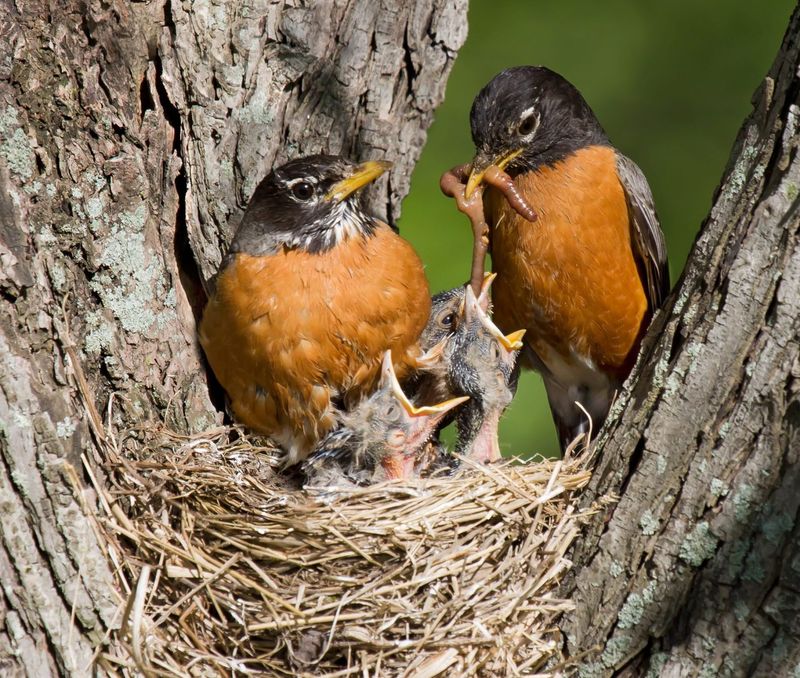
Robins become dramatically more conspicuous when they begin preparing for nesting season. Males establish territories and sing persistently from dawn until dusk to advertise their presence.
This vocal behavior makes them impossible to ignore even if they were present but quiet throughout winter.
Territorial behavior involves chasing rivals and defending prime nesting areas aggressively. These aerial pursuits and confrontations happen in plain view across yards and parks.
The sudden increase in visible activity creates the strong impression that robins just arrived in the area.
Courtship displays also contribute to the perception of early arrival each spring. Males perform elaborate behaviors to attract females, including special flights and feeding demonstrations.
Paired birds spend considerable time searching for nest sites in trees, shrubs, and building ledges together.
The timing of these breeding behaviors varies by several weeks depending on weather patterns. Warm early springs trigger hormonal changes that initiate nesting preparations ahead of schedule.
Robins that were quietly present all winter suddenly transform into highly visible, active participants in neighborhood life when breeding season begins.
9. Berry Producing Plants Support Winter Survival
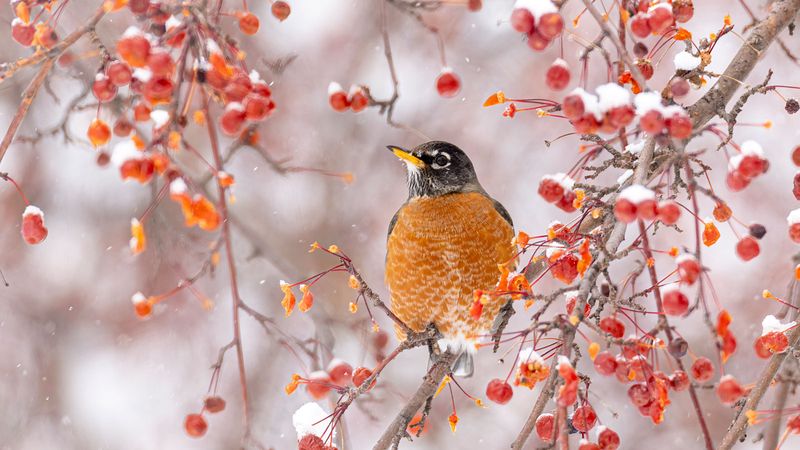
Native and ornamental plants with persistent fruits provide essential nutrition for robins throughout winter. Species like American holly, crabapple, and mountain ash hold their berries well into cold months.
These reliable food sources allow robin flocks to survive locally rather than migrating to distant regions.
Robins switch their diet dramatically from summer to winter by focusing almost entirely on fruits. While they prefer protein-rich insects during breeding season, berries sustain them when invertebrates become unavailable.
This dietary flexibility represents a key adaptation that enables their presence across diverse conditions.
Different berry species ripen and remain palatable at different times throughout winter. Early winter might feature vibrant red berries while late winter offers shriveled but still nutritious fruits.
Robins track these resources carefully and move between patches as food quality changes over time.
Landscaping choices by homeowners and municipalities directly impact robin winter survival and distribution. Properties with diverse berry-producing plants support more overwintering birds than those without fruit sources.
This human influence on habitat quality helps explain why some neighborhoods see robins earlier and more consistently than others each spring.
10. Larger Robin Populations Increase Sightings
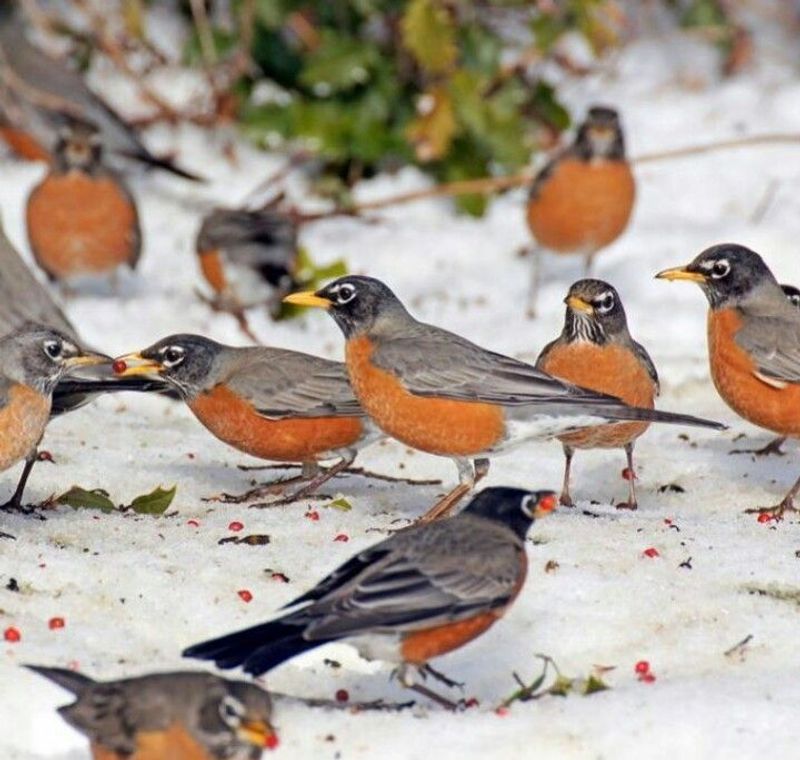
Robin populations fluctuate naturally over time due to breeding success and survival rates. Years following mild winters and productive breeding seasons produce larger populations.
When more robins exist overall, people naturally encounter them more frequently regardless of arrival timing.
Distribution patterns also shift as populations expand or contract across their range. Successful populations spread into areas they previously used less intensively.
This expansion creates the impression of earlier or more abundant arrivals in locations where robins were historically less common.
Scientific surveys show that American Robin populations have remained relatively stable across North America. However, regional variations occur where habitat changes favor or discourage robin presence.
Michigan’s mix of suburban development and retained natural areas generally provides excellent robin habitat.
Increased awareness and observation also contribute to perceived changes in robin abundance and timing. More people watching birds through windows, using feeders, and participating in citizen science projects notice robins more consistently.
Social media amplifies individual sightings into broader perceptions about population trends and seasonal timing.
This combination of actual population dynamics and observation patterns shapes our collective understanding of when robins appear each year.