7 Historic Forests In Michigan Worth Planning A Road Trip Around
There’s a certain kind of quiet you only notice once you’re deep in the woods, where the air feels cooler and the trees seem older than anything around you. In Michigan, those places aren’t hard to find if you know where to go, and many of them carry stories that go back long before paved roads and busy highways.
These historic forests stretch across both peninsulas, offering a mix of towering pines, shaded trails, and landscapes shaped by logging history and natural recovery. Some protect rare old-growth stands, while others give you miles of scenic drives where the forest feels endless.
Each stop brings a slightly different experience, but they all share that sense of stepping into something that has been there for generations.
If you’re up for a road trip that trades busy stops for quiet trails and long forest drives, a few of these places are ready to pull you in right from the first mile.
1. Hiawatha National Forest With Vast Woodlands And Scenic Shoreline Drives
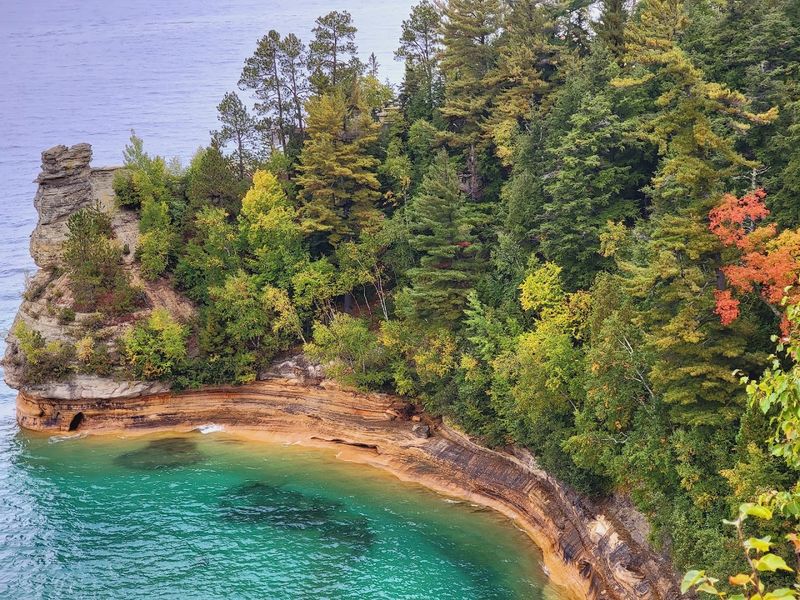
Stretching across nearly 900,000 acres, Hiawatha National Forest offers a remarkable mix of landscapes that shift from sandy Lake Superior shorelines to dense inland woodlands. Located in Manistique, MI 49854, United States, this vast area is split into two sections by Lake Michigan, creating multiple access points and a wide range of experiences depending on where you begin.
Old-growth pockets remain scattered throughout the forest, giving visitors a glimpse of what Michigan’s forests may have looked like centuries ago. Towering trees form high canopies that filter light in a way that feels calm and immersive rather than overwhelming.
Trails wind through varied terrain, from quiet lakeshores to forest interiors, offering options for both relaxed walks and longer hikes. Historical landmarks such as Point Iroquois Lighthouse add another layer of interest, connecting the landscape to Michigan’s maritime past.
The presence of Lake Superior shapes parts of the forest in unique ways. Coastal sections bring cooler air, shifting vegetation, and the steady sound of waves nearby.
Inland areas feel more enclosed, with thicker tree cover and a deeper sense of quiet.
Seasonal changes bring noticeable variety. Spring introduces wildflowers, summer deepens the green canopy, and autumn adds warm tones across hardwood sections.
Winter opens the area to snowshoeing and cross-country skiing, with trails taking on a slower, more peaceful character.
With both developed campgrounds and more remote backcountry sites, the forest supports different styles of exploration while maintaining its long-standing natural character, with scenic byways and quiet overlooks offering additional ways to experience its scale.
2. Ottawa National Forest That Feels Wild, Quiet, And Deeply Rooted In History
At e6248 US-2, Ironwood, MI 49938, United States, Ottawa National Forest stretches across more than one million acres of Michigan’s western Upper Peninsula. The scale alone sets it apart, but it’s the landscape that leaves a lasting impression.
Rugged terrain, ancient rock formations, and hundreds of lakes create a setting that feels both expansive and varied.
Sections of old-growth forest remain, particularly among hemlock and hardwood stands that have persisted for generations. These areas provide a sense of continuity with the region’s past, offering a contrast to landscapes shaped by earlier logging activity.
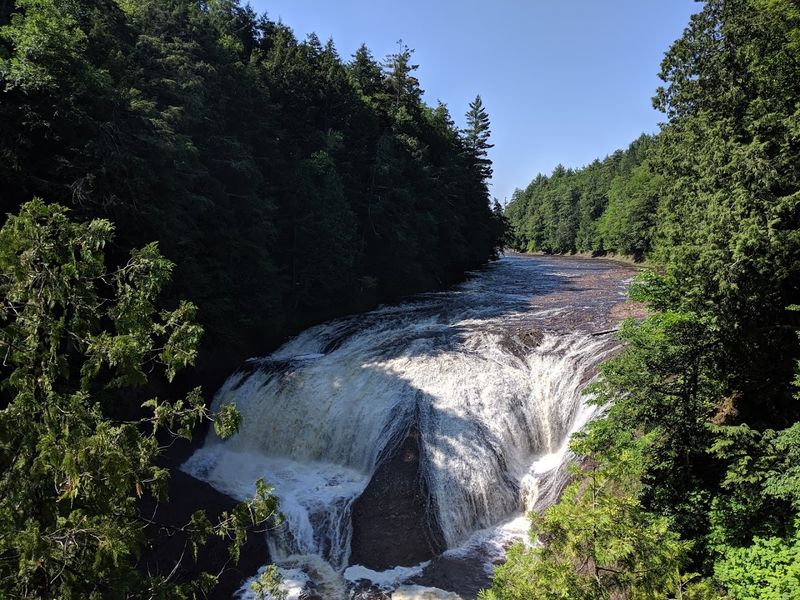
The Black River Harbor Scenic Byway leads visitors through one of the forest’s most visually rewarding areas. Along the route, several waterfalls appear in succession, each surrounded by dense forest and shaped by the terrain in slightly different ways.
Waterways play a major role in how the forest is experienced. Rivers designated as Wild and Scenic move through quiet corridors, while smaller lakes invite paddling or shoreline exploration.
Wildlife is part of the environment as well, with species such as black bears and a wide range of birds inhabiting the area.
Autumn tends to draw attention as leaves shift into strong color contrasts, especially among maple and birch stands. In winter, snow changes access and activity, with snowmobiling routes and quieter backcountry travel becoming more common.
The trail network supports both short visits and longer trips, allowing people to experience the forest at their own pace without feeling rushed, with scenic pull-offs, quiet picnic areas, and lesser-used paths offering additional ways to explore.
3. Hartwick Pines State Park Where Old-Growth Giants Still Tower Over The Forest
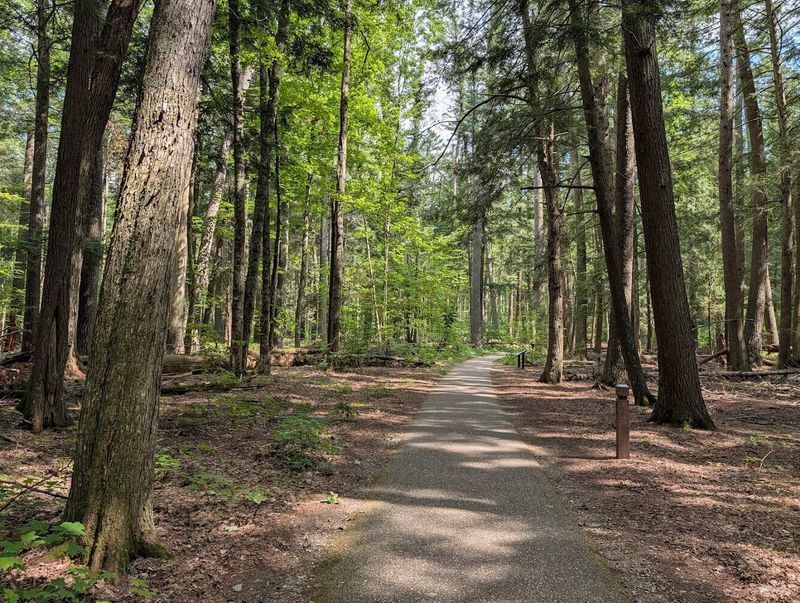
One of the more accessible ways to experience Michigan’s remaining old-growth pine forest can be found at Hartwick Pines State Park. Covering over 9,000 acres, the park protects a smaller section of untouched woodland where towering white and red pines continue to stand after centuries of change.
Some of these trees are estimated to be more than 300 years old, reaching heights of around 150 feet. Walking beneath them creates a noticeable shift in atmosphere, with filtered light and quiet surroundings that feel distinct from younger forests nearby.
The park also includes a logging museum that provides useful context. Exhibits and preserved structures highlight how the timber industry once shaped Michigan’s landscape and economy.
This historical perspective helps explain why so little old-growth forest remains today.
Trails are well maintained and guide visitors through both the preserved old-growth area and surrounding second-growth sections. The contrast between the two highlights differences in tree size, spacing, and overall structure.
Seasonal changes bring subtle variation rather than dramatic shifts. Spring introduces low-growing wildflowers, summer emphasizes dense green canopy, and autumn adds warmer tones to the landscape.
Winter quiets the area, with snow settling along branches and trails.
Camping options within the park make longer stays possible, giving visitors time to explore without rushing. The combination of history, accessibility, and preserved forest makes this park a meaningful stop on any Michigan road trip.
You can find it at 3612 State Park Dr, Grayling, MI 49738, United States.
4. Porcupine Mountains Wilderness State Park With Rugged Forest Trails And Lake Views
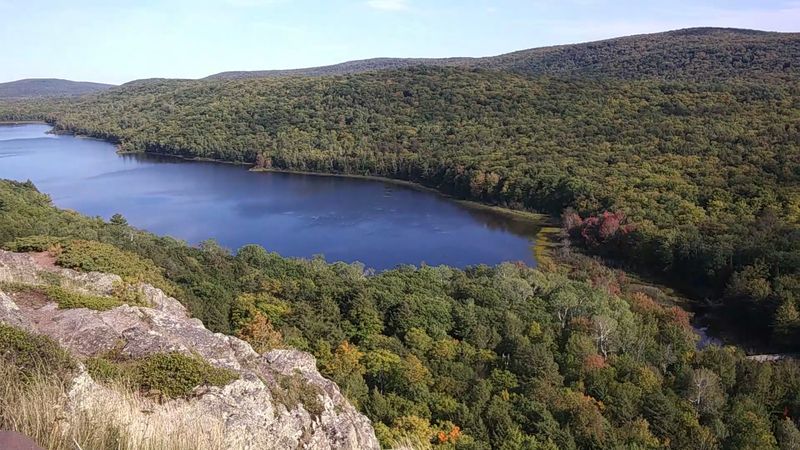
Spanning roughly 60,000 acres, this area is often considered among Michigan’s more expansive natural landscapes. Porcupine Mountains Wilderness State Park includes ridges, valleys, and forested slopes that feel more rugged than much of the surrounding region.
Large sections of old-growth forest remain, particularly among hemlocks and hardwoods. These areas create a layered canopy that changes the way light moves through the forest, giving certain trails a quieter, enclosed feel.
More than 90 miles of trails cross the park, offering a range of routes. Some follow lakeshores, while others move deeper into the interior.
The Lake of the Clouds overlook provides one of the most widely recognized views, with forested ridges surrounding a still body of water below.
Water features appear throughout the park. Manido Falls and Manabezho Falls are among the more accessible examples, each shaped by the rocky terrain and steady water flow.
Camping options vary from backcountry sites to rustic cabins, allowing visitors to stay within the landscape for longer periods. Lake Superior borders part of the park, adding shoreline environments that contrast with the inland forest.
Wildlife is part of the experience, though sightings depend on timing and conditions. The combination of terrain, forest structure, and access options creates a setting that supports both shorter visits and more extended exploration, with changing weather and elevation adding variety throughout different parts of the park.
You can find it at 33303 Headquarters Rd, Ontonagon, MI 49953, United States, where nearby overlooks and trailheads provide additional access points.
5. Estivant Pines Nature Sanctuary Preserving Some Of Michigan’s Oldest Trees
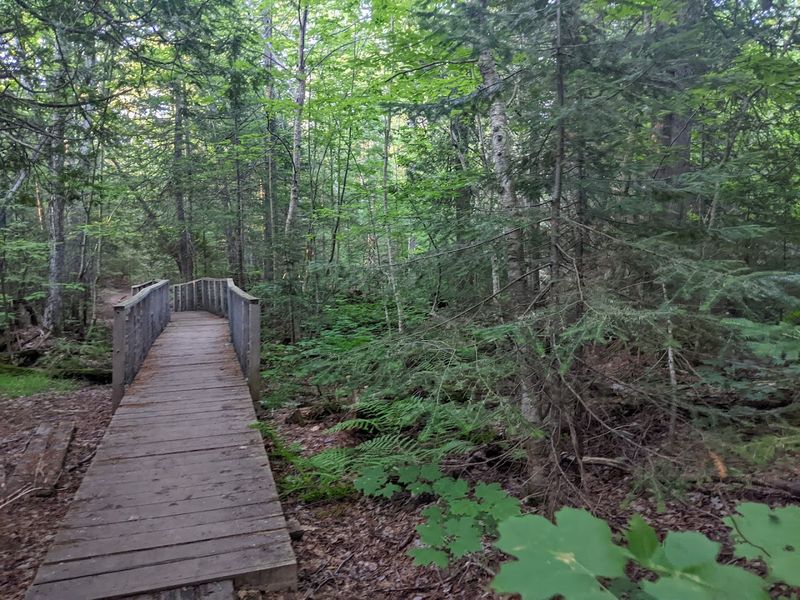
Burma Rd, Copper Harbor, MI 49918, United States marks the entrance to Estivant Pines Nature Sanctuary, a relatively small but significant protected area in Michigan’s Keweenaw Peninsula. Despite covering only about 80 acres, it preserves one of the region’s remaining stands of old-growth white pine.
Some trees here are believed to be over 300 years old. Their survival reflects both the sanctuary’s remote location and the efforts made to protect it from past logging.
The result is a landscape that feels notably different from surrounding areas.
Trails move gently through the forest, allowing close views of these large trees. Trunks are wide enough that several people would be needed to circle one, giving a clear sense of scale without needing explanation.
Plant life on the forest floor includes species that tend to thrive in older ecosystems. Birdwatchers often visit for the chance to spot species associated with mature woodland habitats, adding another layer of interest beyond the trees themselves.
Unlike more developed parks, this sanctuary remains relatively simple. There are no extensive facilities, which helps maintain a quieter atmosphere.
The experience depends more on observation and slow movement than structured activity.
Reaching the sanctuary may require a bit of planning, especially when combined with other stops around the Keweenaw Peninsula. That effort tends to feel worthwhile once inside, where the forest offers a steady, uninterrupted sense of place that reflects Michigan’s natural past, with quiet trails and minimal signage guiding visitors through the preserved landscape.
6. Tahquamenon Falls State Park Where Forest Trails Lead To Iconic Waterfalls
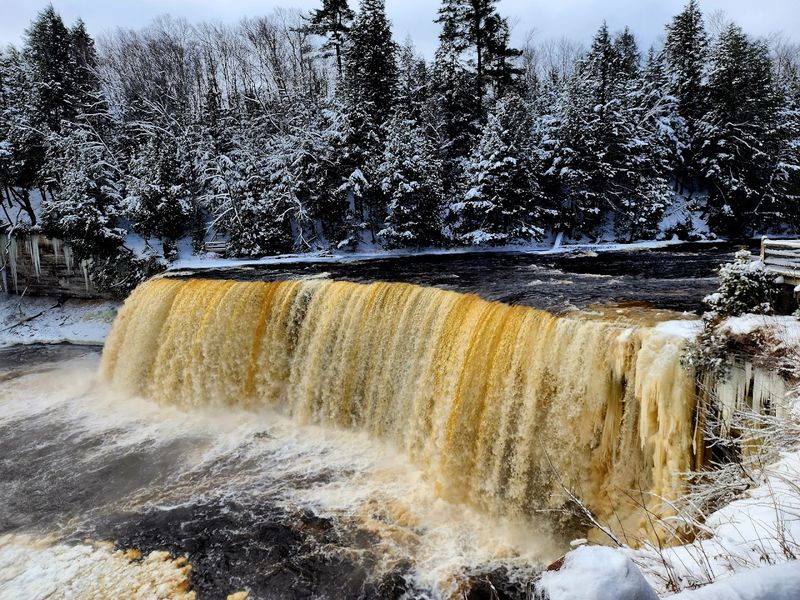
Covering around 50,000 acres, Tahquamenon Falls State Park is widely recognized for its distinctive waterfalls. The Upper Falls, one of the largest east of the Mississippi River, draws attention with its amber-colored water, shaped by tannins from upstream vegetation.
Beyond the falls, the park includes extensive forest areas made up of sugar maples, birches, and hemlocks. At 41382 W M-123, Paradise, MI 49768, United States, trails extend well beyond the main viewing areas, leading through quieter sections where the forest becomes the primary focus.
A four-mile stretch connects the Upper and Lower Falls, with the latter dividing into several smaller cascades. During warmer months, access to a nearby island offers a different perspective of the flowing water.
Interpretive signs along some trails explain the surrounding ecosystem, including how water movement and soil conditions shape the landscape. This adds context without interrupting the natural experience.
Autumn introduces noticeable color variation across the hardwood sections, while winter changes how the park is accessed. Snow-covered trails and partially frozen falls create a slower, more subdued atmosphere, with fewer crowds and more opportunities to experience the landscape at a quieter pace.
Camping facilities allow visitors to stay nearby, making it easier to explore beyond the busiest areas. The mix of water features and forest trails gives the park a balanced feel, where both elements contribute to the overall experience without competing for attention, while nearby access points and overlooks provide additional ways to take in the surrounding forest scenery.
7. Sylvania Wilderness Area Known For Clear Lakes And Undisturbed Forest Landscapes
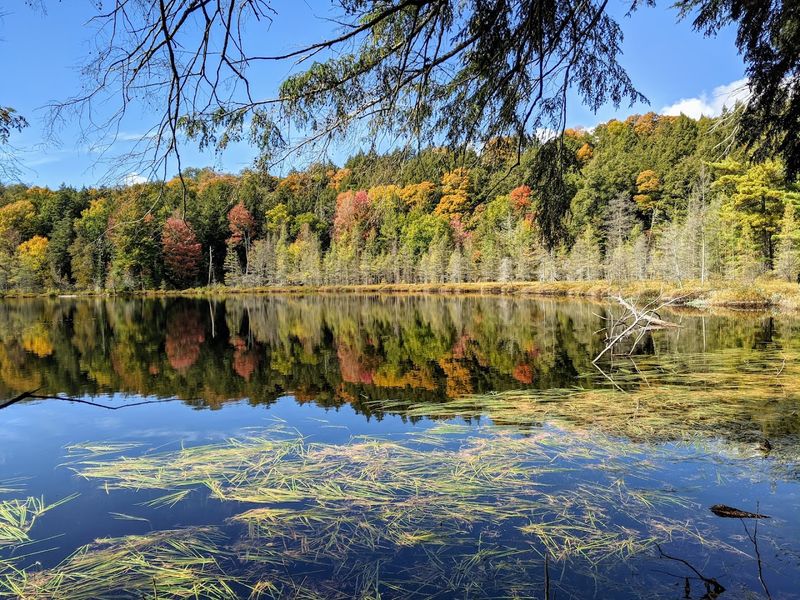
Within Ottawa National Forest, the Sylvania Wilderness Area protects around 18,000 acres of relatively undisturbed forest and lake ecosystems near Watersmeet, MI 49969, United States. The designation as a wilderness area means motorized access is restricted, helping maintain a quieter, less developed setting that feels removed from busier outdoor destinations.
More than 30 clear lakes are scattered throughout the landscape, each bordered by forest that has remained largely untouched by logging. This combination of water and old-growth trees creates a setting that feels consistent across much of the area.
Trails and portage routes connect different lakes, allowing for multi-day trips that involve both hiking and paddling. Movement through the area tends to be slower, shaped by the terrain and the need to carry equipment between waterways.
The forest includes species such as hemlock, birch, and maple, forming dense stands along shorelines. Wildlife is present, though encounters vary depending on season and time of day.
Fewer visitors reach this area compared to more accessible parks, which contributes to a stronger sense of quiet. In autumn, reflections of changing leaves appear across the lakes, adding visual depth without altering the overall calm.
Winter access is limited to non-motorized travel, such as skiing or snowshoeing. For those prepared for fewer amenities, Sylvania offers a largely consistent and relatively undisturbed environment shaped by long-standing natural processes, with quiet campsites and minimal signage guiding the experience, and long stretches of shoreline that remain unchanged through the seasons, along with clear water views that shift subtly with light and weather throughout the day.