10 Houseplant Cuttings To Start In January For Spring In New York Apartments
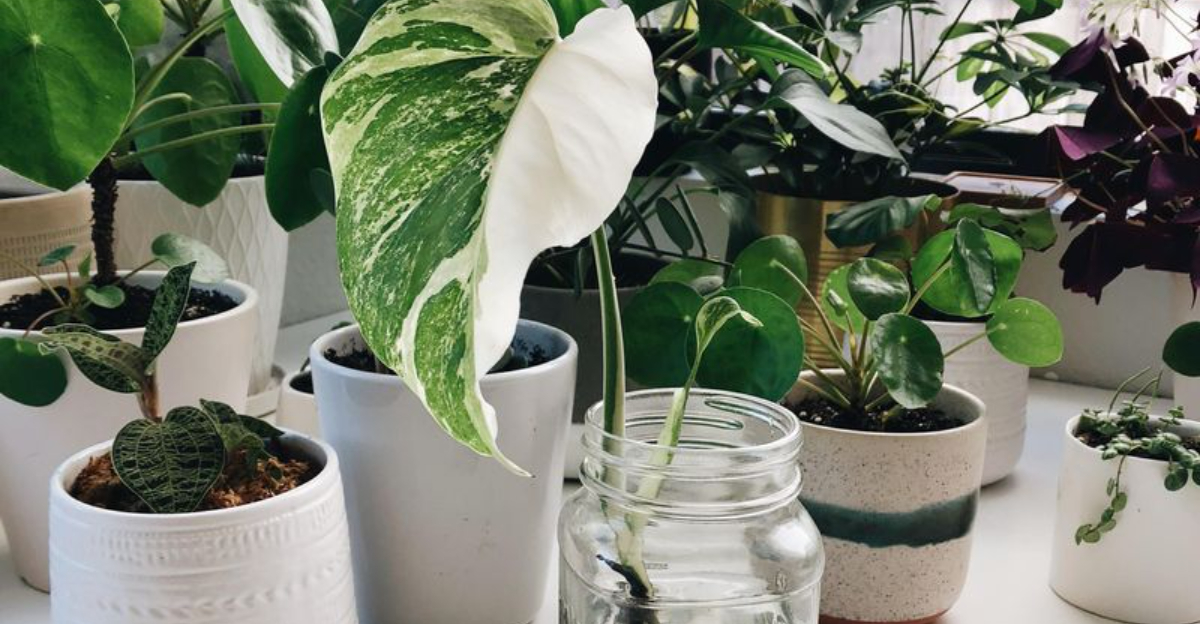
January in New York can feel long and gray, but it’s also the perfect moment to kickstart your spring greenery indoors.
Apartment dwellers across the city are turning to houseplant cuttings to grow fresh foliage, brighten their spaces, and build a healthy plant collection before warmer weather arrives.
With limited light and cozy living spaces, choosing the right cuttings makes all the difference.
From easy-to-root classics to eye-catching favorites that flourish with a little care, these plants offer big rewards by spring.
Ready your jars and potting mix — these ten houseplant cuttings are ideal for New York apartments and perfect for bringing life back into winter days.
1. Pothos
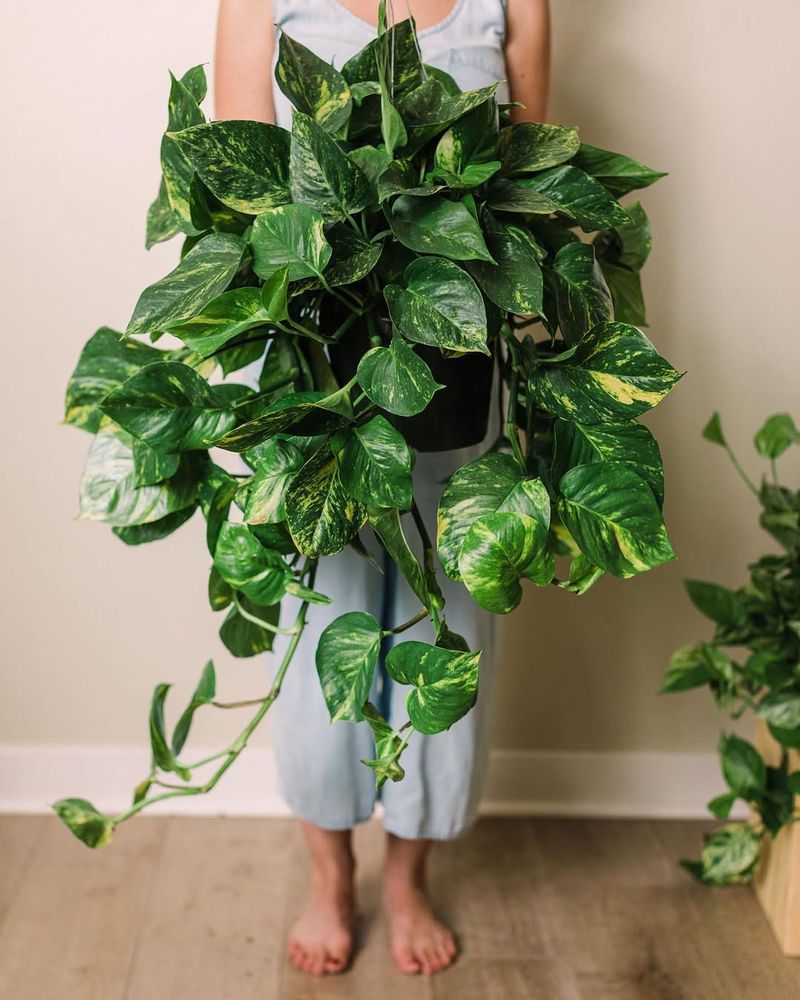
Pothos stands out as one of the easiest houseplants to propagate, making it perfect for beginners who want quick results this January.
Snip a healthy stem just below a leaf node, and you’ll notice tiny roots appearing within seven to ten days.
New York apartments with low light won’t discourage this plant since pothos thrives even in dim corners away from bright windows.
Place your cuttings in a clear jar so you can watch the fascinating root development happen right before your eyes daily.
Change the water every few days to keep it fresh and prevent any bacterial growth that could slow down rooting.
Once roots reach about two inches long, transfer your pothos into a small pot filled with well-draining soil for continued growth.
By spring, you’ll have a cascading green beauty ready to hang from shelves or trail across your apartment walls beautifully.
This plant also purifies indoor air, making your living space healthier while adding a touch of natural elegance to any room.
2. Spider Plant
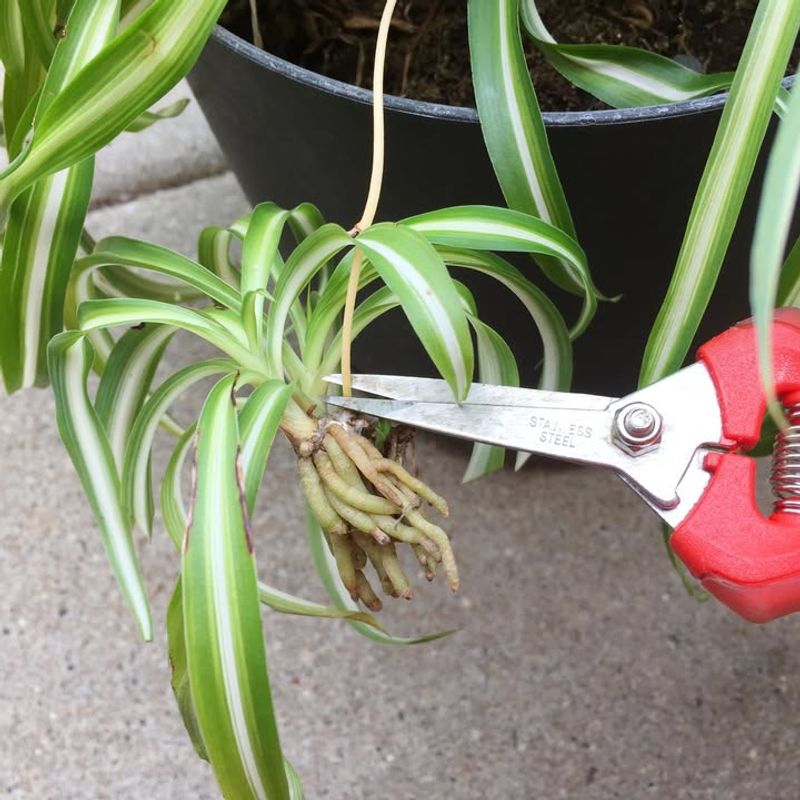
Spider plants produce adorable baby plantlets that dangle from long stems, looking like tiny spiders hanging on delicate silk threads.
Propagating these babies couldn’t be simpler since they already have small root nubs ready to grow when placed in water.
Snip off a healthy baby plantlet and submerge its base in a glass of room-temperature water near your apartment window.
Within two weeks, you’ll see those tiny roots expand rapidly, creating a strong foundation for a brand-new plant this spring.
Spider plants appreciate bright indirect light, which is easy to find in most New York apartments with east or west-facing windows.
These plants are incredibly forgiving if you forget to water them occasionally, making them ideal for busy city dwellers.
Transfer rooted babies into pots filled with standard potting mix, and they’ll grow into full plants by late March or April.
Their arching green and white striped leaves add a cheerful, retro vibe to any space, reminding you of classic 1970s decor.
3. Philodendron
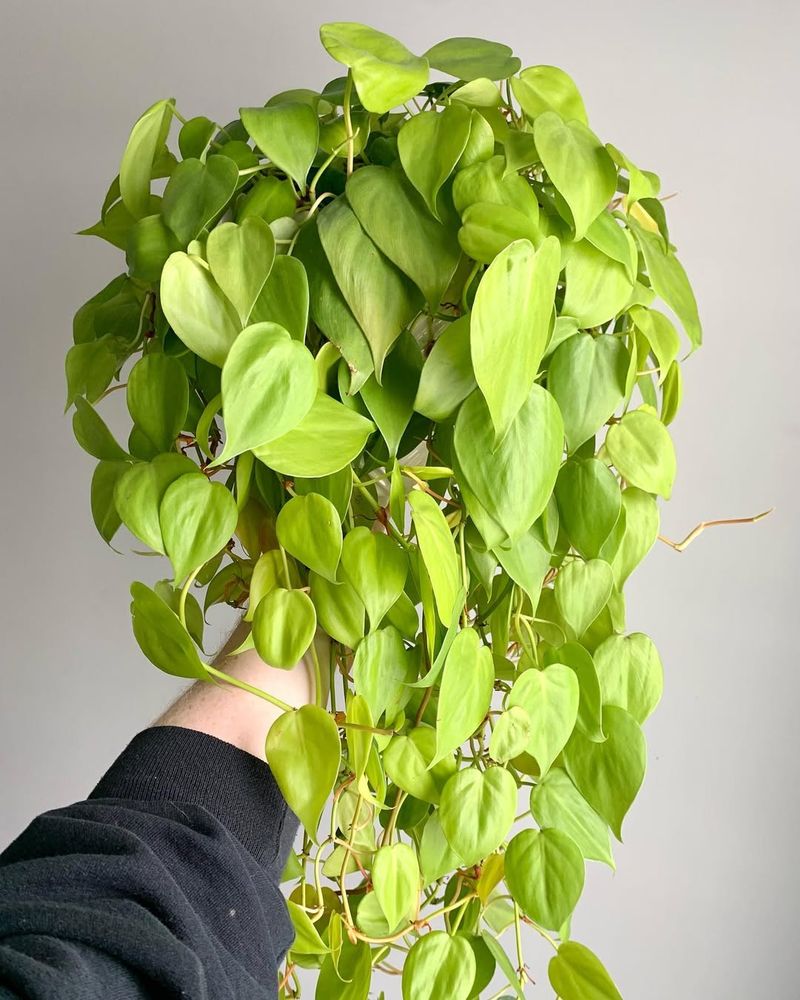
Philodendrons are beloved for their glossy, heart-shaped leaves that instantly bring tropical vibes into cramped urban New York apartments during cold winters.
Cutting a stem section with at least two leaves and one node gives you everything needed for successful propagation this January.
Drop your cuttings into water and place them somewhere warm, like near a radiator, but not in direct harsh sunlight.
Roots typically emerge within ten to fourteen days, showing off their white, hair-like structures that spread through the water beautifully.
Philodendrons adapt well to typical apartment conditions, tolerating both lower light levels and occasional neglect without losing their lush appearance.
Refresh the water weekly to maintain oxygen levels and prevent any cloudiness that might indicate bacterial buildup in the container.
Once roots grow about three inches long, pot your philodendron in moist soil and watch it flourish throughout spring.
This plant grows quickly, so by May you’ll have a stunning display of cascading foliage perfect for hanging baskets.
4. Tradescantia
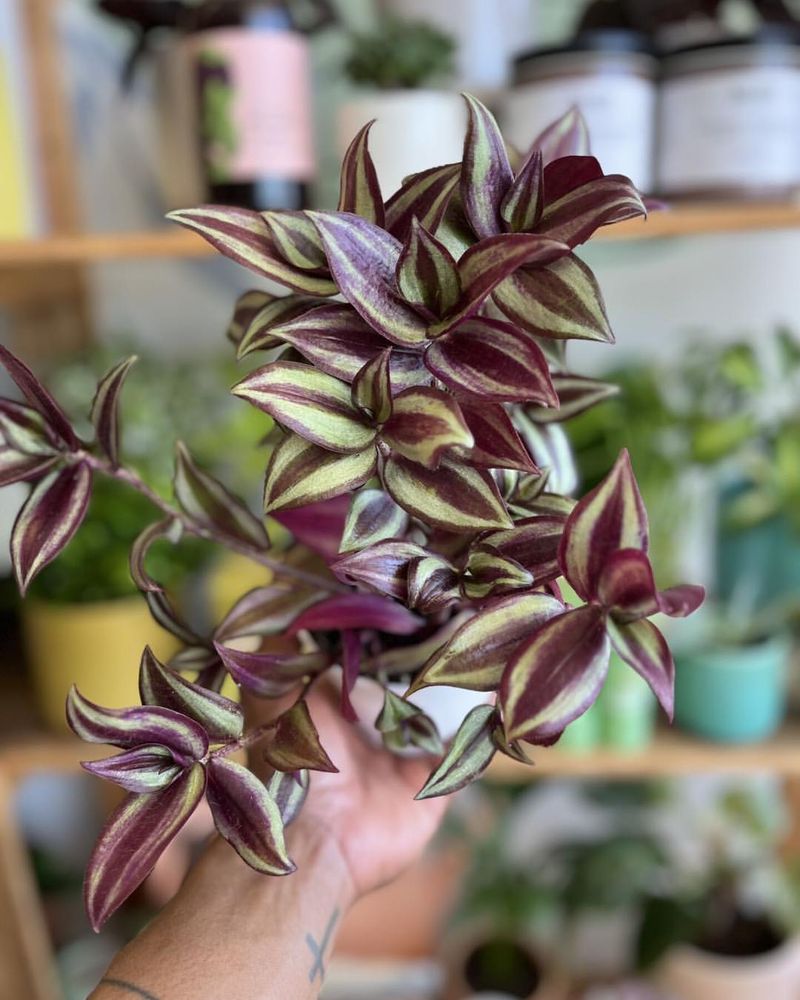
Tradescantia, commonly called wandering jew or inch plant, explodes with vibrant purple, pink, and green striped foliage that brightens dreary January days.
Snip several four-inch stem pieces and remove the lower leaves to prevent them from rotting when submerged in water.
This plant roots incredibly fast, often showing visible growth within just three to five days in a sunny apartment window.
Tradescantia loves bright light, which helps maintain its stunning color variegation and prevents the stems from becoming leggy or pale.
Group multiple cuttings together in one container to create a fuller, bushier plant that looks impressive by early spring.
Change the water every few days, and you’ll notice how quickly these cuttings develop thick, healthy root systems.
Transfer rooted cuttings into hanging baskets or decorative pots, and they’ll cascade beautifully over the edges within weeks.
Regular pinching encourages branching, giving you an even fuller plant that becomes a stunning focal point in any New York small space.
5. English Ivy
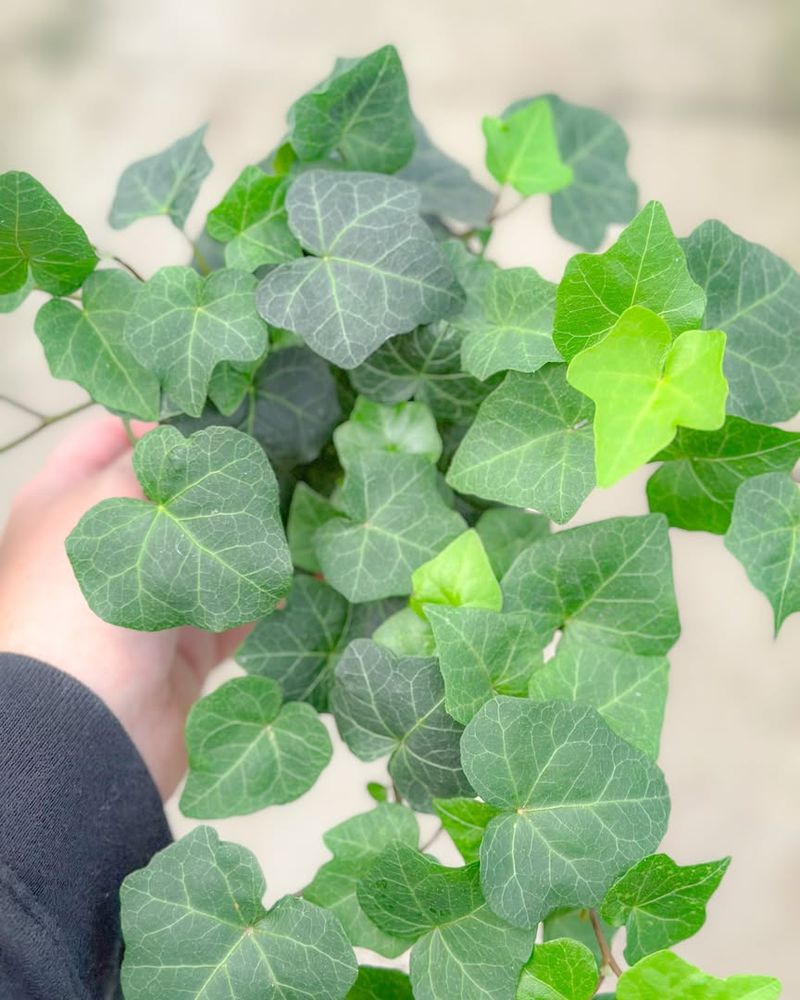
English ivy brings classic elegance with its trailing vines and distinctive lobed leaves that evoke images of old European gardens.
Cut healthy stem sections about four to six inches long, making sure each piece includes several leaf nodes for optimal rooting.
Remove leaves from the bottom two inches of each cutting to create a clean stem that can sit in water.
Place your cuttings in bright indirect light, and you’ll see roots developing within two to three weeks in most apartment conditions.
Ivy appreciates cooler temperatures, which makes January propagation in New York apartments particularly successful since rooms stay comfortably cool during winter.
Keep the water level consistent and change it weekly to ensure your cuttings receive adequate oxygen for healthy root development.
Once roots reach two inches, transplant your ivy into small pots with well-draining soil that stays slightly moist but never soggy.
By spring, you’ll have beautiful trailing vines perfect for draping over bookshelves, mantels, or creating living green curtains near windows.
6. Coleus
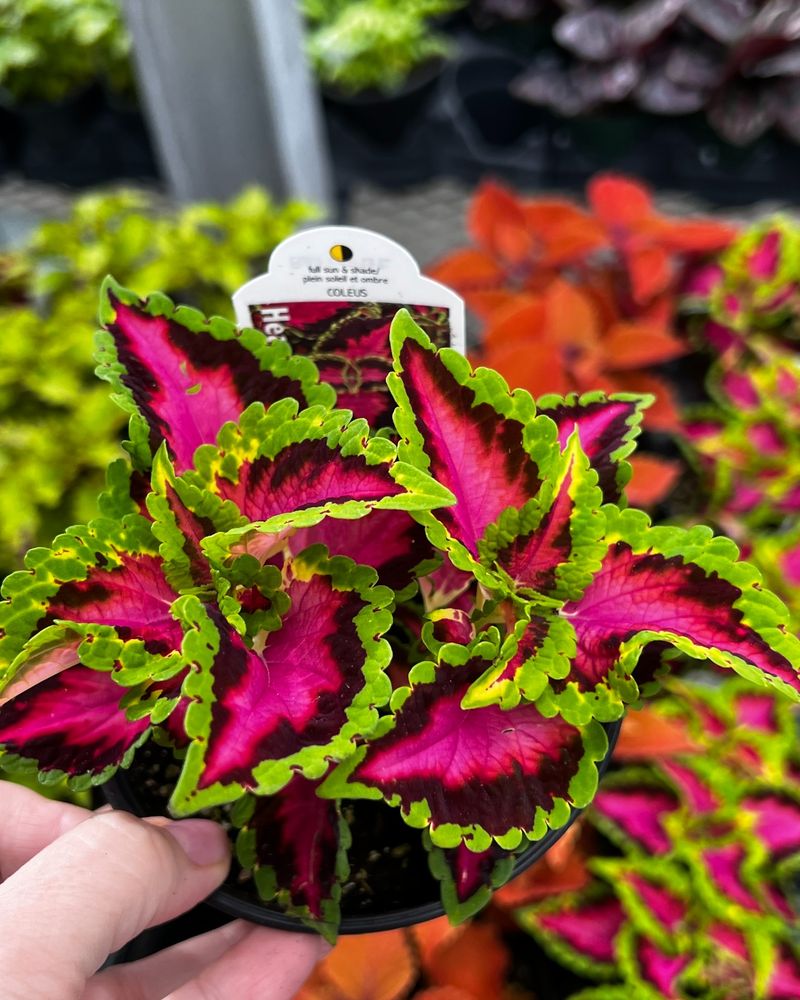
Coleus plants dazzle with their wildly colorful foliage in shades of red, orange, yellow, purple, and green all mixed together.
Snip stem cuttings about three to four inches long from a healthy mother plant, choosing stems with the most vibrant colors.
Strip away the lower leaves and place cuttings in water, positioning them in a spot with bright but filtered light.
Roots appear remarkably quickly, often within just five to seven days, making coleus one of the fastest-rooting plants you’ll propagate.
New York apartments with south-facing windows provide ideal light conditions that keep coleus colors bold and prevent them from fading.
Refresh the water every three to four days to maintain clarity and provide fresh nutrients for developing roots.
After roots grow about an inch and a half long, pot your coleus in rich, moist soil for continued vigorous growth.
By late spring, you’ll have bushy, colorful plants that look like living works of art, adding drama to any room.
7. Begonia
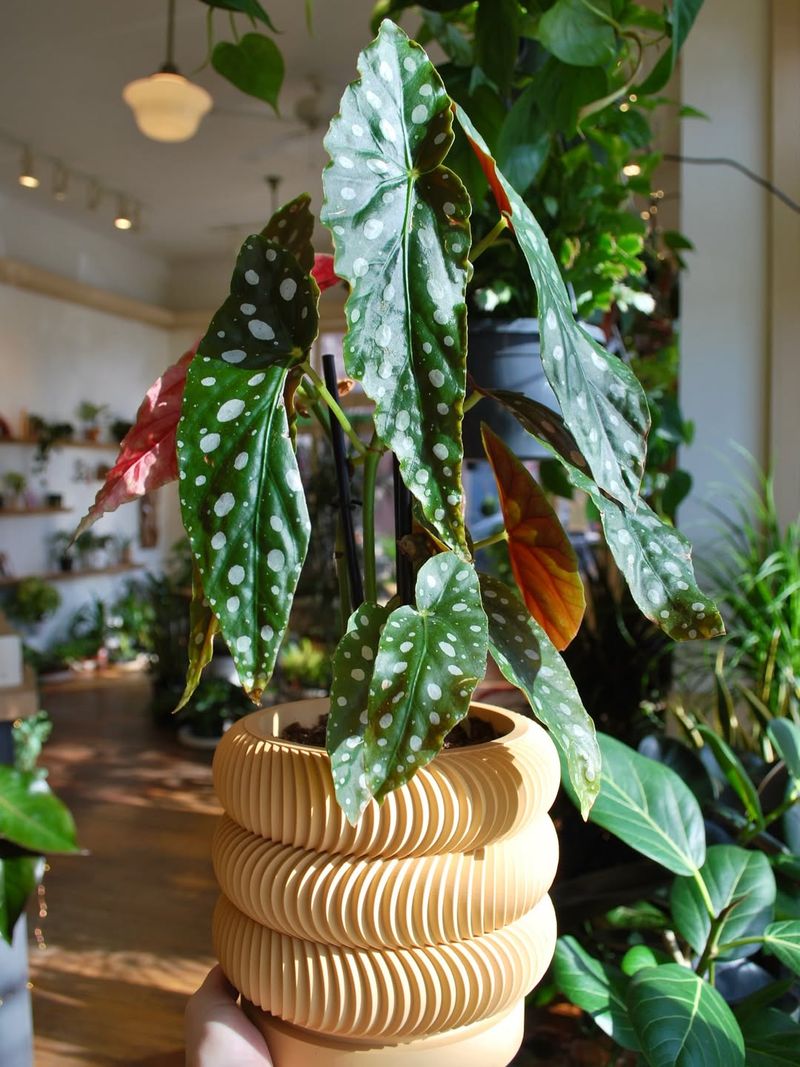
Begonias offer stunning variety, from angel wing types with polka-dotted leaves to rex begonias showcasing metallic, swirled patterns that mesmerize.
Select healthy stems with at least two leaf nodes, cutting just below a node with clean, sharp scissors or pruning shears.
Place cuttings in shallow water, ensuring only the stem base stays submerged while leaves remain dry to prevent rot.
Begonias prefer warm, humid conditions, so placing them near a humidifier or bathroom window helps them root faster this January.
Watch for roots to emerge within ten to fourteen days, appearing as delicate white threads that gradually thicken over time.
Change water every few days and add a tiny piece of charcoal to keep it fresh and discourage bacterial growth.
Once roots measure about two inches, carefully transplant your begonia into a small pot with light, airy potting mix.
Come spring, your begonia will reward you with lush foliage and possibly even delicate flowers that add charm to your space.
8. Peperomia
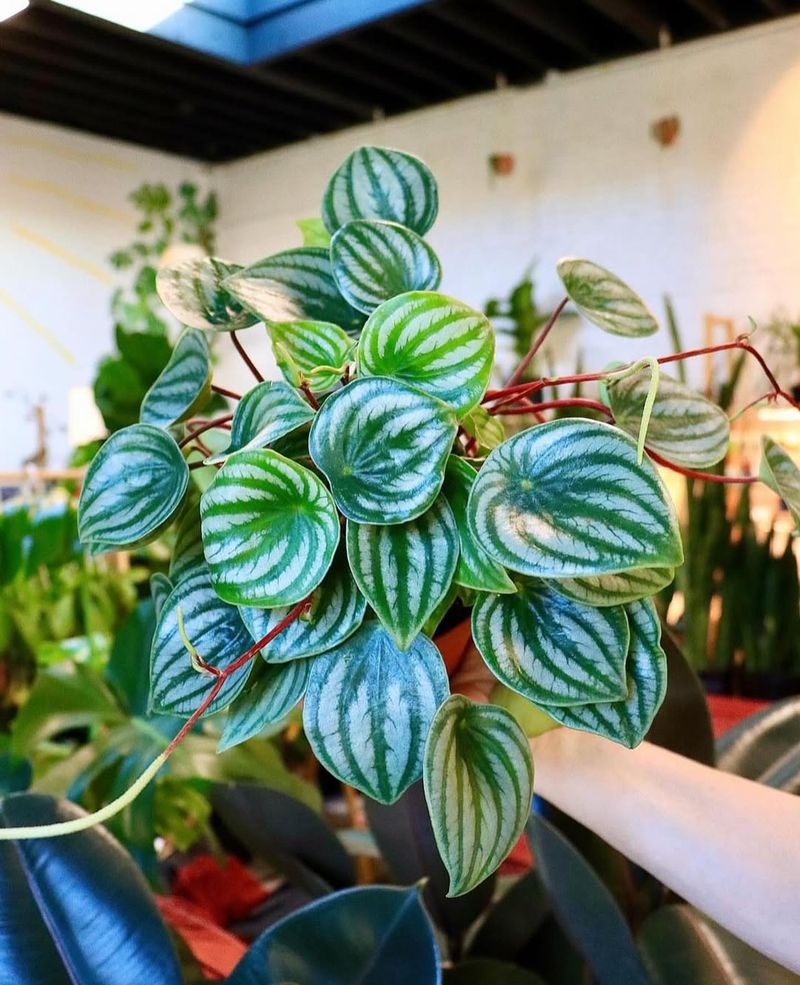
Peperomia plants come in amazing varieties, from watermelon peperomia with striped leaves to ripple peperomias with textured, wavy foliage.
You can propagate peperomia using either stem cuttings or even single leaves, making this plant incredibly versatile for January propagation in New York.
Cut a healthy stem with two leaves attached, or simply snip a mature leaf with its petiole still connected.
Submerge only the stem or petiole in water, keeping the actual leaf blade above the waterline to prevent rotting.
Peperomia roots slowly compared to other houseplants, so patience becomes essential as you wait three to four weeks for results.
These plants tolerate lower light levels well, making them perfect for apartments without abundant natural sunlight during winter months.
Change water weekly and keep your cuttings in a consistently warm spot, ideally between 65 and 75 degrees Fahrenheit.
After roots develop sufficiently, pot your peperomia in a small container with well-draining soil that dries slightly between waterings.
9. Swedish Ivy
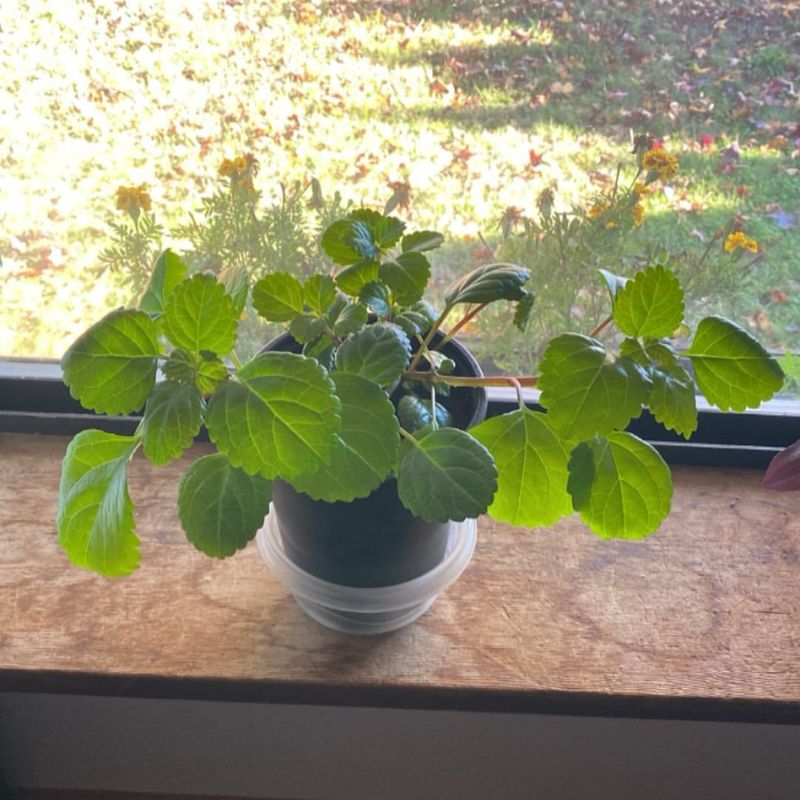
Swedish ivy isn’t actually ivy at all, but rather a fast-growing trailing plant with glossy, scalloped leaves and a pleasant appearance.
Snip stem cuttings about four inches long, making sure each cutting has several sets of healthy leaves for photosynthesis during rooting.
Remove the bottom leaves and place stems in water, positioning them where they’ll receive bright but indirect light throughout the day.
This plant roots exceptionally fast, often showing visible root growth within just four to six days in warm apartment conditions.
Swedish ivy appreciates consistent moisture, so check water levels daily and top off as needed to keep stems submerged properly.
The plant also enjoys humidity, which winter apartment heating often lacks, so occasional misting helps cuttings stay happy and healthy.
Once roots reach about two inches, transplant your Swedish ivy into hanging baskets or pots with drainage holes for proper growth.
By spring, you’ll have lush, trailing plants perfect for adding greenery to high shelves or creating living curtains near windows.
10. Monstera Deliciosa
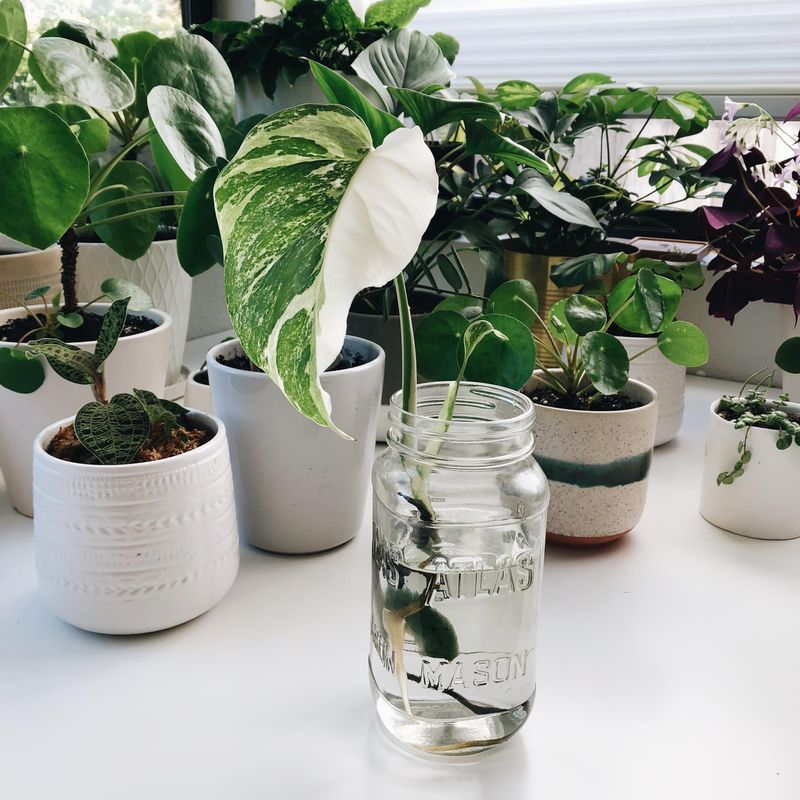
Monstera deliciosa, famous for its dramatic split leaves, has become an Instagram sensation and a must-have for trendy New York apartment dwellers.
Cut a stem section that includes at least one leaf and one aerial root, which helps the cutting establish itself faster.
Place your cutting in a tall, narrow container filled with water, ensuring the aerial root and stem node stay fully submerged.
Monstera prefers bright, indirect light, so position it near an east or west-facing window away from harsh afternoon sun rays.
Roots typically develop within two to three weeks, growing from both the node and the existing aerial root structure.
Change water weekly to prevent stagnation, and consider adding a drop of liquid fertilizer once roots begin actively growing.
After roots reach three to four inches long, carefully pot your monstera in a container with rich, well-draining soil.
By late spring, your cutting will produce new leaves, each one potentially larger and more fenestrated than the last one.