7 Houseplant Cuttings To Take In January Before Spring In Illinois Homes
January is a quiet but powerful time for plant lovers in Illinois, especially indoors when growth hasn’t fully kicked off yet.
Houseplant cuttings taken now get a head start, settling in and rooting before spring light pushes new growth.
This small winter task feels productive when outdoor gardening is on pause.
Starting cuttings early makes spring care feel easier and more rewarding later on.
1. Pothos

Pothos plants practically beg you to propagate them because they root so easily that even complete beginners will find success with them.
Illinois homes stay warm during winter months, creating ideal conditions for pothos cuttings to develop strong roots before springtime arrives outside your windows.
Snip a stem section that includes at least three leaves and one node, which is the bumpy spot where leaves attach themselves.
Place your cutting in a clear glass filled with fresh water, making sure the node stays submerged while leaves remain above the surface.
Roots usually appear within one or two weeks, and you can watch the entire process unfold right before your very own eyes.
Change the water every few days to keep it clean and oxygenated, which helps prevent bacterial growth that could slow down root development.
Pothos cuttings thrive in bright indirect light, so position them near an east or west-facing window in your Illinois home for best results.
Once roots reach two inches long, you can transfer the cutting into potting soil or continue growing it in water indefinitely if desired.
This plant tolerates low light conditions, making it perfect for rooms that do not receive much natural sunlight during gloomy Midwestern winter days.
Pinching back new growth after planting encourages a fuller, bushier pothos instead of long trailing vines with sparse leaves.
2. Spider Plant
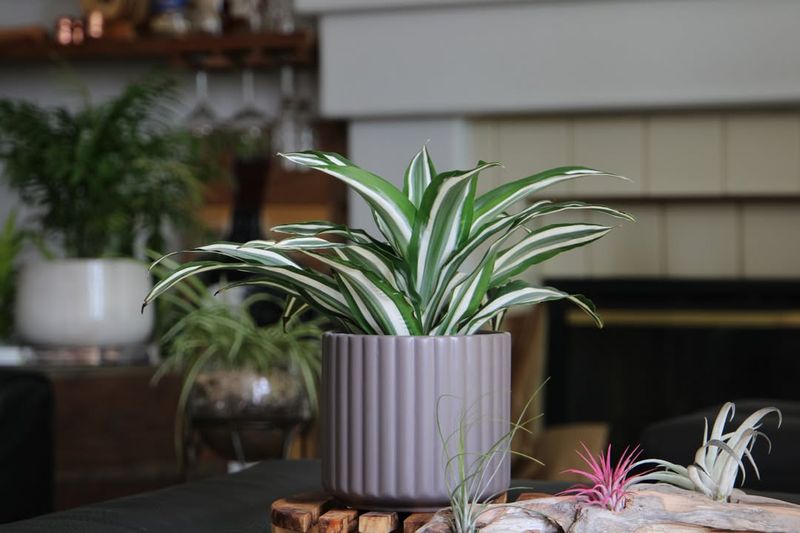
Spider plants produce adorable baby plantlets that dangle from long stems, making propagation feel more like collecting treasures than doing actual gardening work.
January provides excellent timing for snipping these babies off and starting your collection before spring gardening season demands your attention outdoors in Illinois.
Each baby plantlet already has tiny root nubs forming, which means they are practically ready to grow independently with minimal effort required.
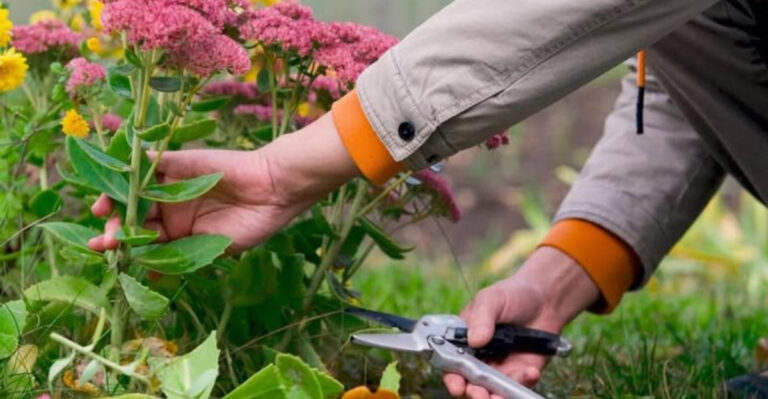
Simply cut a plantlet from the mother plant using clean scissors, making sure you include a small portion of the connecting stem attached.
You can root spider plant babies directly in moist potting soil or place them in water until stronger roots develop over several weeks.
These cuttings appreciate bright indirect light and consistent moisture, though they forgive occasional neglect better than many other houseplants do in homes.
Spider plants help purify indoor air, which becomes especially valuable during winter when Illinois homes stay sealed tight against frigid outdoor temperatures.
Watch for new growth emerging from the center of each plantlet within a few weeks, signaling that roots have successfully established themselves.
Once established, spider plants produce their own babies, creating a never-ending cycle of free plants you can share with friends and family members.
Rotating the pots occasionally helps young spider plants grow evenly and prevents them from leaning toward one light source as they settle in.
3. Tradescantia
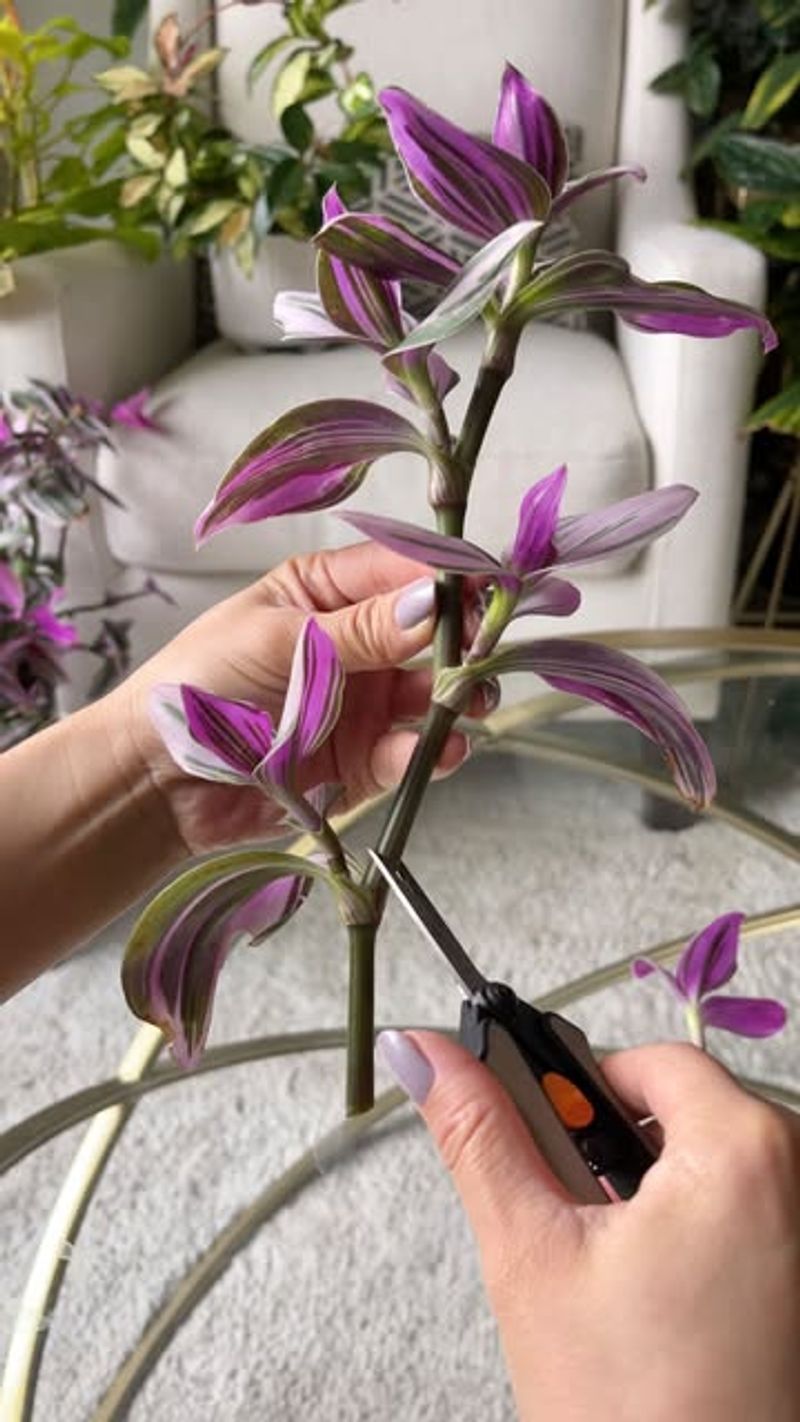
Tradescantia plants feature stunning purple and green foliage that adds instant drama to any room, and they root faster than almost any houseplant.
Taking cuttings in January gives you plenty of time to multiply your collection before outdoor gardening activities consume your weekends throughout Illinois springtime.
Select healthy stems that show vibrant color and no signs of damage, then cut them into sections about four to six inches long.
Remove the lower leaves from each cutting, leaving just two or three sets at the top to reduce moisture loss during the rooting period.
Tradescantia cuttings root successfully in either water or soil, so choose whichever method feels more convenient for your current indoor gardening setup.
If using water propagation, change it every three days to maintain freshness and prevent algae growth that could interfere with root development.
These plants prefer bright indirect light, which helps maintain their bold purple coloring that can fade in overly shady spots around Illinois homes.
Roots typically emerge within one week, making tradescantia one of the most rewarding plants for impatient gardeners who want quick results and gratification.
Once rooted, these cuttings grow vigorously and can fill out a hanging basket within just a few months of consistent care and attention.
Pinching the tips regularly after planting keeps tradescantia compact and vibrant instead of letting long, leggy stems take over the pot.
4. Philodendron
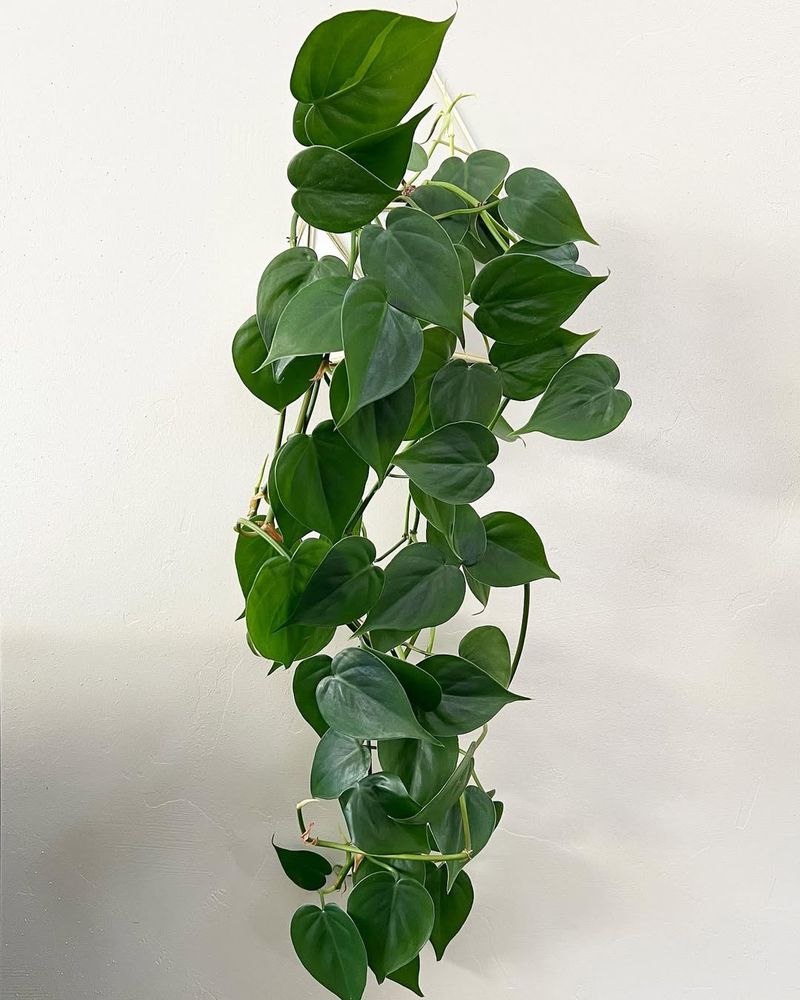
Philodendrons rank among the easiest houseplants to propagate, making them perfect candidates for January cutting projects when Illinois weather keeps you stuck indoors.
Heart-leaf philodendrons feature glossy foliage that trails beautifully from shelves or hangs gracefully from baskets, adding elegance to any indoor space you choose.
Cut stems just below a node using sharp, clean scissors or pruning shears to ensure a clean cut that heals quickly without rotting.
Each cutting should include at least two or three leaves and one healthy node, which is where new roots will emerge during propagation.
Submerge the node in water while keeping leaves above the surface, then place the container in a warm spot with bright indirect sunlight.
Philodendron cuttings develop roots within two to three weeks, and you can watch white root tendrils spreading through the clear glass container.
These plants tolerate a wide range of indoor conditions, making them ideal for different rooms throughout your Illinois home regardless of light availability.
Transfer cuttings to potting soil once roots reach about three inches long, or continue growing them hydroponically if you prefer that method instead.
Regular pruning encourages bushier growth, and every stem you trim becomes another potential cutting to expand your indoor jungle even further this season.
Grouping several rooted cuttings into one pot creates a fuller plant right away and gives your philodendron a lush, established look much faster.
5. Coleus
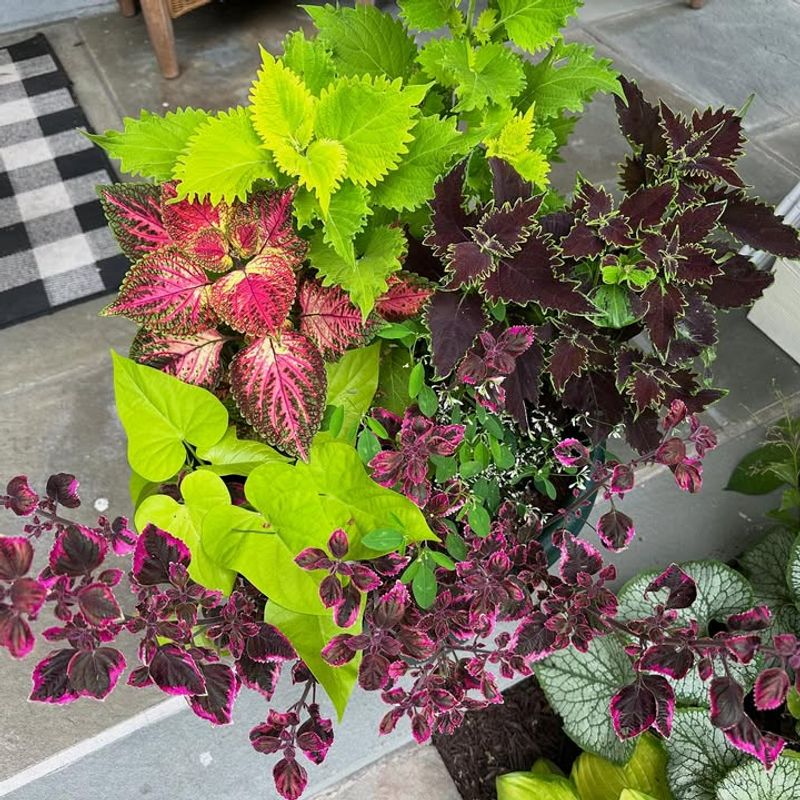
Coleus plants bring explosive color indoors with leaves featuring reds, pinks, yellows, and greens in patterns that rival any flower you might grow outside.
Most gardeners treat coleus as outdoor annuals, but taking cuttings in January lets Illinois residents enjoy these beauties year-round as permanent houseplant companions.
Select stems that display the most vibrant coloration and healthy growth, then cut sections about four to five inches long using sterilized scissors.
Strip away the bottom leaves from each cutting, leaving only the top two or three leaf sets to reduce water loss during rooting.
Coleus roots incredibly fast in plain water, often showing visible root growth within just five to seven days under proper indoor conditions.
Position cuttings in a bright location that receives several hours of indirect sunlight daily, which helps maintain the intense leaf coloration coleus loves.
These plants grow quickly once established, so you can create full, bushy specimens by spring if you start your cuttings during January.
Pinch back growing tips regularly to encourage branching and prevent leggy growth, which creates more compact and attractive plants for your Illinois home.
Coleus cuttings transition beautifully to soil once roots develop, and they adapt well to indoor growing conditions with minimal fuss or special requirements.
Rotating pots every week helps coleus grow evenly and keeps one side from fading or stretching toward the light source.
6. Begonia
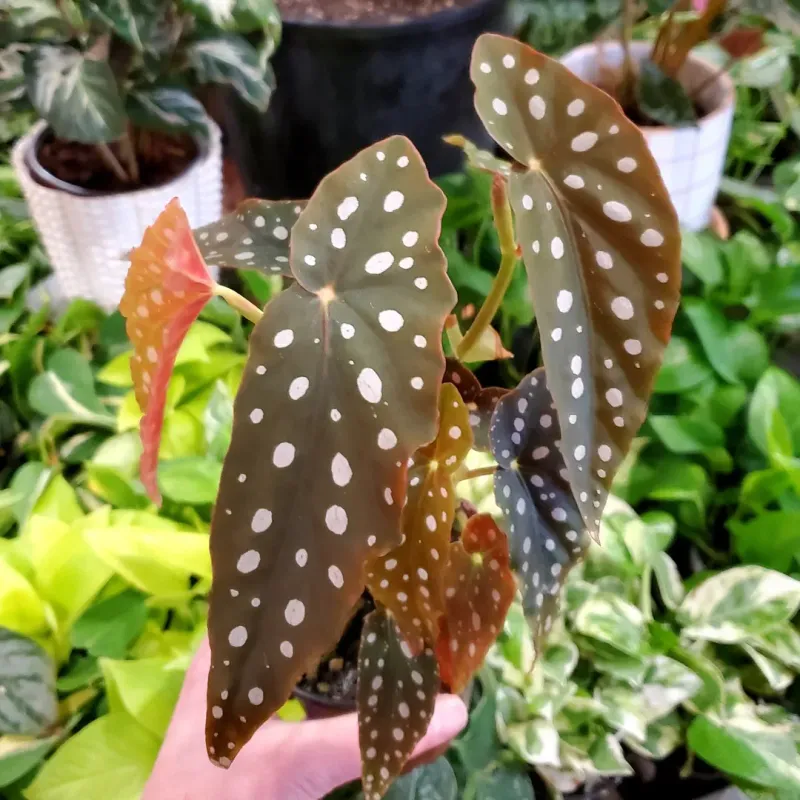
Begonias offer incredible leaf diversity with patterns and textures that make them look almost too beautiful to be real houseplants growing indoors.
January presents an excellent opportunity for Illinois plant lovers to multiply their begonia collection while winter weather prevents any outdoor gardening activities.
Stem cuttings work best for most begonia varieties, though some types can also be propagated from individual leaf sections with remarkable success.
Cut a healthy stem that includes several leaves and at least one node, then remove the lower leaves to expose the node clearly.
Begonia cuttings benefit from high humidity, so covering them with a clear plastic bag creates a mini greenhouse effect that encourages faster rooting.
Use well-draining potting mix rather than water for begonia propagation, as these plants prefer soil that stays lightly moist but never soggy wet.
Place your cuttings in bright indirect light away from cold drafts, which can slow root development and stress tender new growth significantly.
Roots typically form within three to four weeks, though some begonia varieties may take slightly longer depending on growing conditions in your home.
Illinois winters provide stable indoor temperatures that begonias appreciate, making this season ideal for successful propagation without temperature fluctuations that stress new cuttings.
7. Peperomia
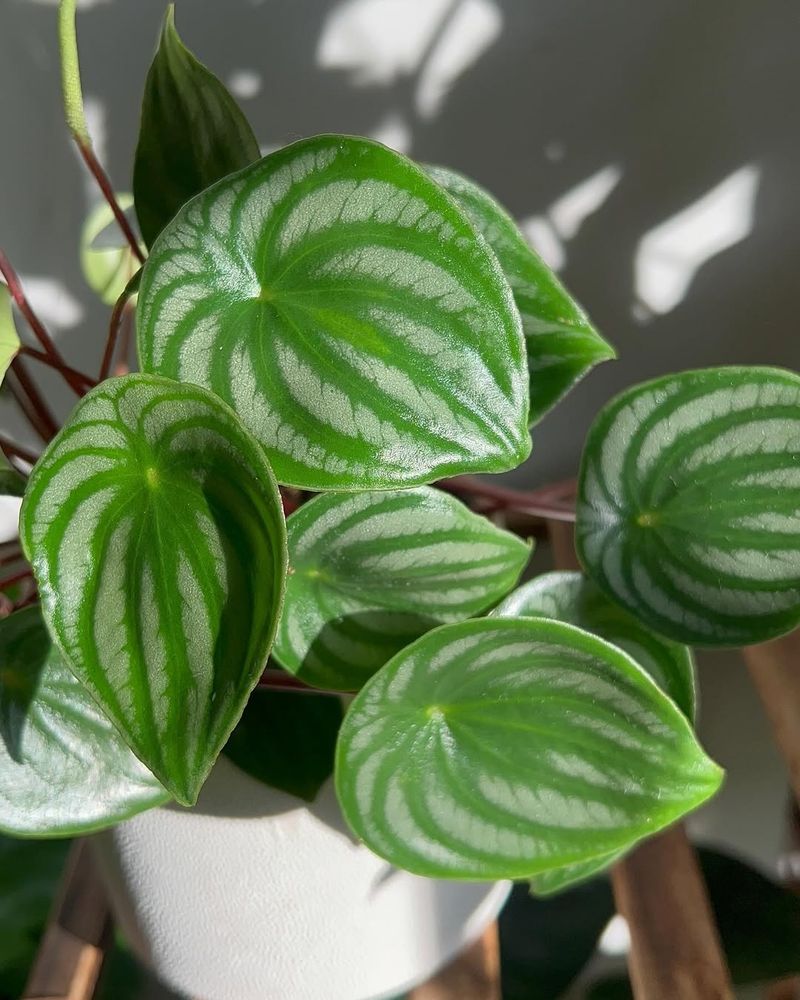
Peperomia plants come in countless varieties with fascinating leaf shapes and textures, ranging from smooth and glossy to deeply ridged and textured.
These compact plants suit small spaces perfectly, and taking cuttings in January means you can fill every sunny windowsill in your Illinois home.
Both stem and leaf cuttings work well for peperomia propagation, giving you flexibility depending on which plant parts look healthiest and most vigorous.
For stem cuttings, snip below a node and remove lower leaves, then insert the cutting into moist potting soil rather than water.
Leaf cuttings require cutting a healthy leaf with its stem attached, then planting the stem portion into soil where roots will eventually develop.
Peperomias prefer slightly drier conditions than many other houseplants, so avoid overwatering your cuttings which can lead to rot and propagation failure.
Bright indirect light suits these plants best, though they tolerate lower light levels better than many tropical houseplants do throughout Illinois winter months.
New growth appears slowly on peperomia cuttings, so patience becomes essential as roots establish themselves over several weeks or even months sometimes.
Once established, these charming little plants require minimal care and attention, making them perfect for busy people who want greenery without constant maintenance.
Using small pots with drainage holes helps control moisture levels and gives peperomia cuttings the steady environment they need to root successfully without staying too wet.