7 Houseplant Cuttings To Take In January For Strong Roots Before Spring In California
January might seem like an odd time to think about plant propagation, but California gardeners know this month offers a unique advantage.
Indoor conditions during winter provide the perfect environment for cuttings to develop strong, healthy root systems without the stress of intense summer heat.
Taking cuttings now means your new plants will be ready to thrive when spring arrives, giving you a head start on expanding your indoor jungle.
These seven houseplants root beautifully in January and will reward your patience with vibrant growth in the coming months.
1. Pothos (Epipremnum Aureum)
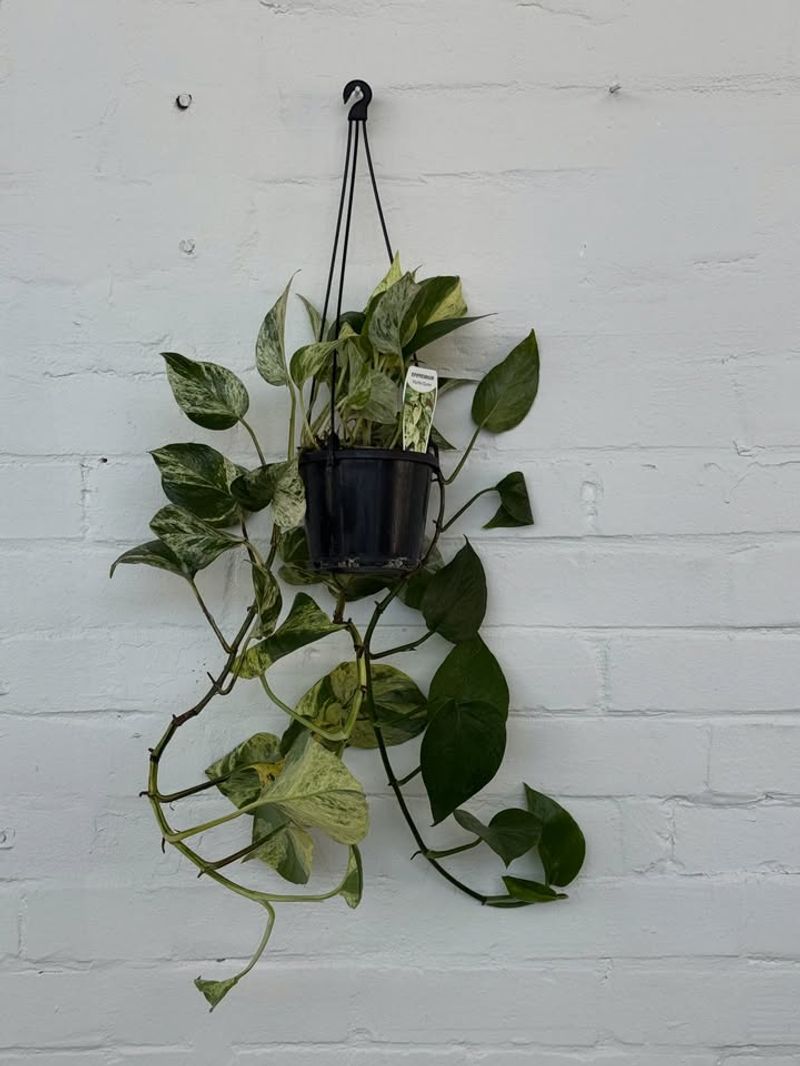
Few houseplants propagate as reliably as pothos, making it the ideal choice for beginners testing their green thumb this January.
Snip a stem section that includes at least two or three leaf nodes, and you’ll soon witness tiny white roots emerging from those bumpy spots along the stem.
Water propagation works wonderfully for pothos cuttings, allowing you to watch the entire rooting process unfold in a clear container on your kitchen counter.
Change the water every few days to keep it fresh and prevent any cloudiness that might slow root development.
California’s mild winter temperatures indoors create perfect conditions for pothos to establish roots without the shock of extreme temperature swings.
Within two to three weeks, you’ll notice a network of roots spreading through the water, signaling readiness for potting.
This trailing vine adapts to various light conditions, though it appreciates bright indirect light during the rooting phase.
Once roots reach about two inches long, transfer your cutting to moist potting soil and watch it flourish.
Pothos cuttings taken in January will develop robust root systems that support vigorous spring growth.
The satisfaction of growing new plants from simple stem cuttings makes pothos an endlessly rewarding houseplant companion.
2. Spider Plant (Chlorophytum Comosum)
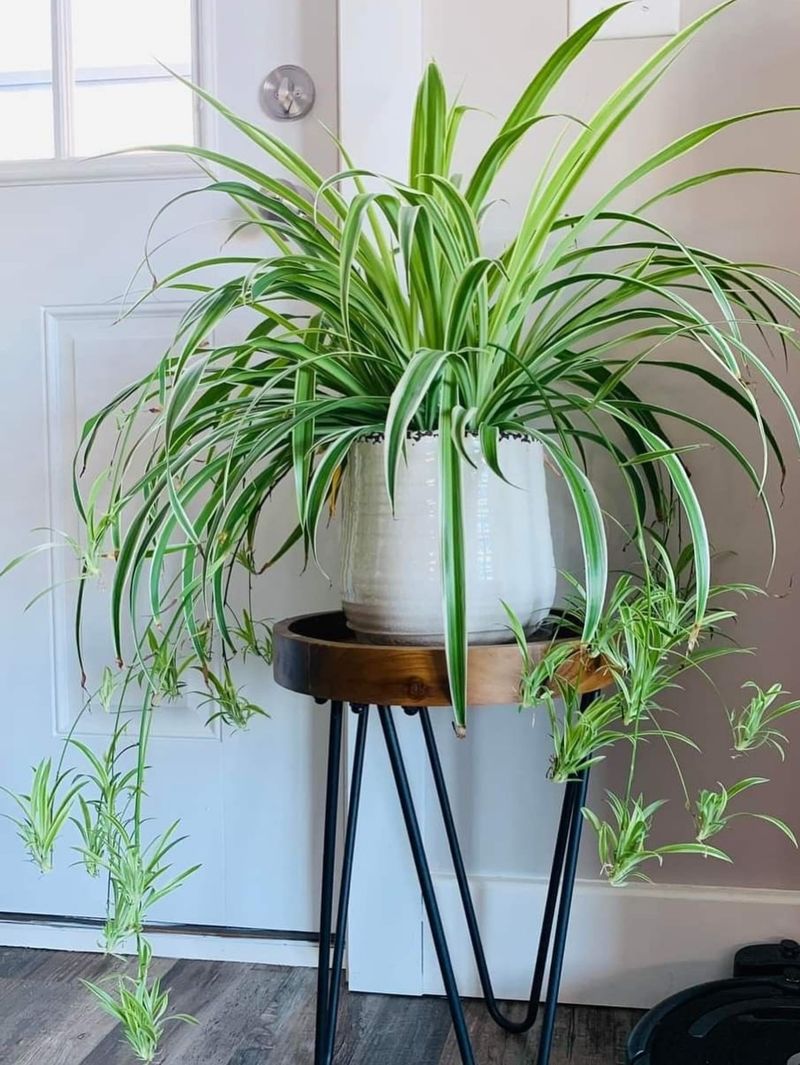
Mother Nature designed spider plants with propagation in mind, producing adorable baby plantlets that dangle from long stems like tiny green parachutes.
These spiderettes come equipped with their own starter root nubs, making January propagation almost foolproof even for nervous first-timers.
You can either snip the babies off and place them directly in water or soil, or leave them attached to the mother plant until roots develop more fully.
Many gardeners prefer the water method because watching those delicate roots expand brings a special kind of joy to dreary winter days.
Spider plants thrive in California homes during January, appreciating the cooler indoor temperatures that prevent stress during the rooting process.
Position your cuttings in a spot with bright but filtered sunlight, avoiding harsh direct rays that might scorch the tender young leaves.
Within just one to two weeks, you’ll observe substantial root growth that indicates readiness for transplanting into soil.
These cheerful plants forgive minor care mistakes, bouncing back from occasional neglect with remarkable resilience.
Taking spider plant cuttings now ensures you’ll have vigorous young plants producing their own babies by summer.
Their cascading foliage adds dimension to any room while purifying indoor air throughout the year.
3. Tradescantia (Wandering Jew)
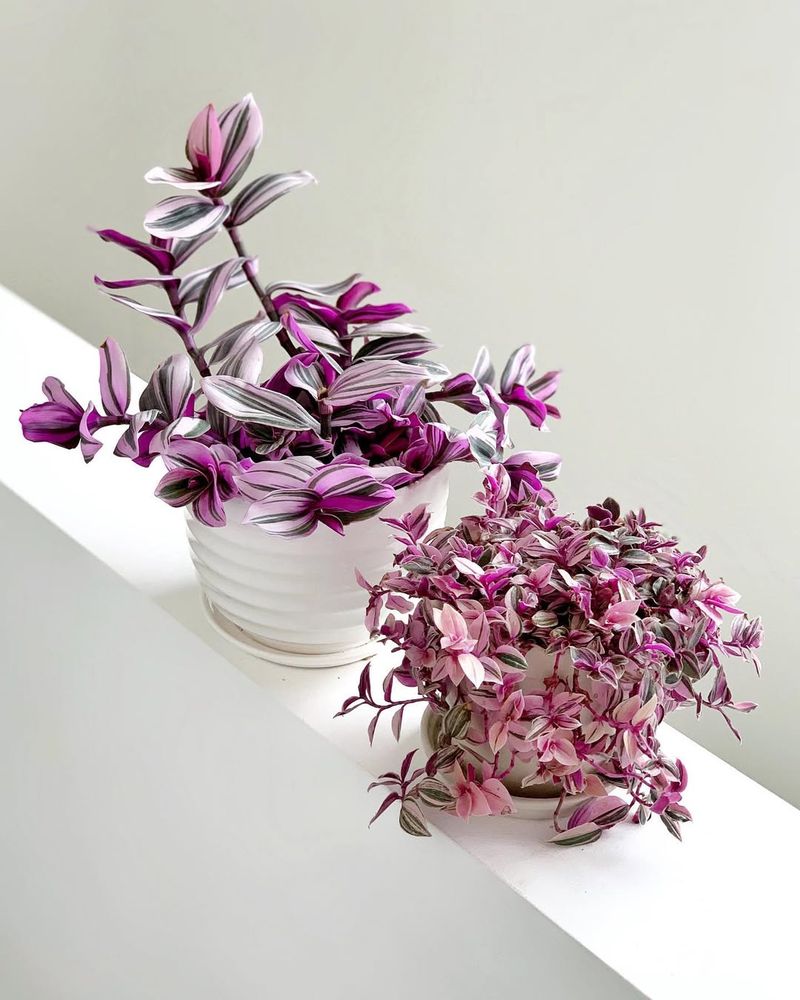
With leaves that shimmer in shades of purple, silver, and green, tradescantia brings a splash of color to your propagation station this January.
This fast-growing trailing plant roots so quickly that you might check your cuttings one morning and find an impressive root system has appeared overnight.
Simply cut a stem section about four to six inches long, remove the lower leaves, and pop it into a jar of room-temperature water.
The nodes where leaves once attached will sprout roots within days, sometimes showing visible growth in less than a week.
Tradescantia cuttings appreciate California’s moderate indoor humidity during winter months, though they’ll adapt to drier conditions if necessary.
Place your propagation containers in bright indirect light to maintain the vibrant leaf coloration that makes these plants so eye-catching.
Direct sunlight can bleach the colorful foliage, so a spot near an east-facing window works perfectly during January’s shorter days.
Once roots reach one to two inches in length, plant several cuttings together in one pot for an instantly full, lush appearance.
This forgiving plant rewards even novice propagators with reliable success and rapid growth that’s truly satisfying to witness.
Your January cuttings will develop into trailing beauties ready to cascade from hanging baskets come spring.
4. Philodendron Heartleaf (Philodendron Hederaceum)
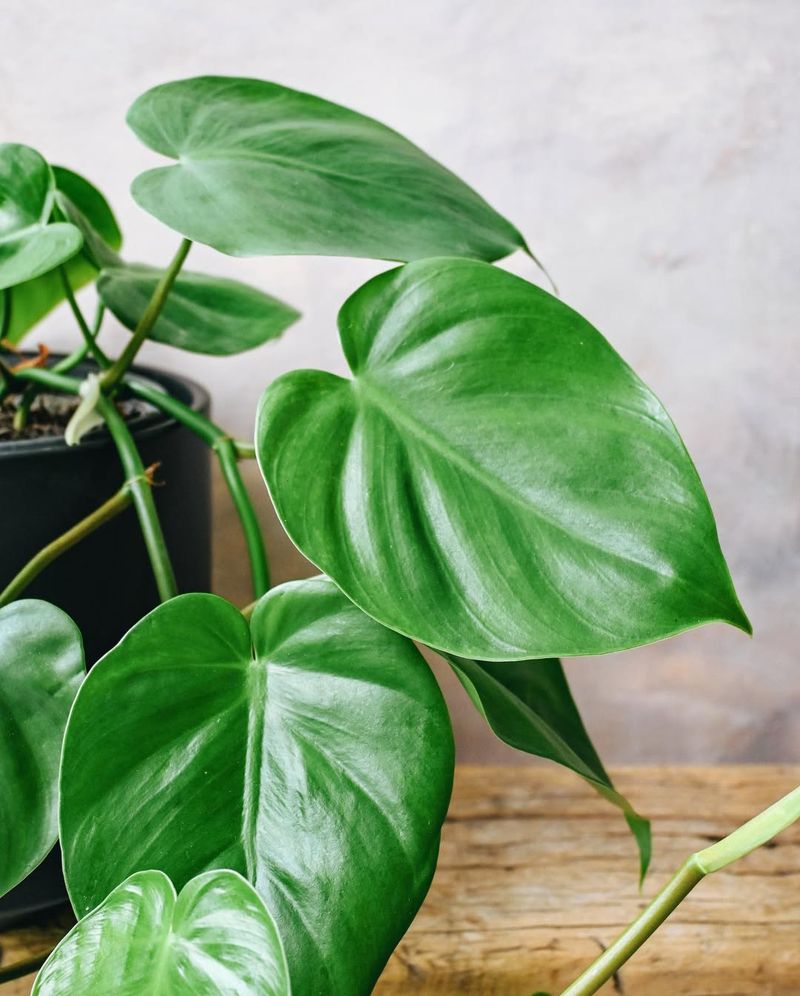
Glossy heart-shaped leaves make philodendron cuttings instantly recognizable, and their reliable rooting habits make them perfect for January propagation projects.
Choose healthy stems with several leaves and make your cut just below a node using clean, sharp scissors or pruning shears.
Each node holds the potential to produce roots, so including multiple nodes on your cutting increases your chances of abundant root development.
Drop your prepared cuttings into containers of fresh water and position them where they’ll receive plenty of indirect light throughout the day.
California homes maintain comfortable temperatures during January that philodendrons absolutely love, encouraging steady root growth without stress.
You’ll notice the first tiny root bumps appearing within a week, gradually extending into longer, branching root structures over the following weeks.
Keep water levels consistent and refresh the water weekly to provide oxygen and prevent bacterial growth that could hinder rooting.
Heartleaf philodendrons tolerate a range of indoor conditions, making them wonderfully low-maintenance additions to any plant collection.
By the time spring sunshine arrives, your January cuttings will have transformed into independent plants with established root systems.
These climbing vines can be trained up moss poles or allowed to trail gracefully from shelves, adapting to your design preferences.
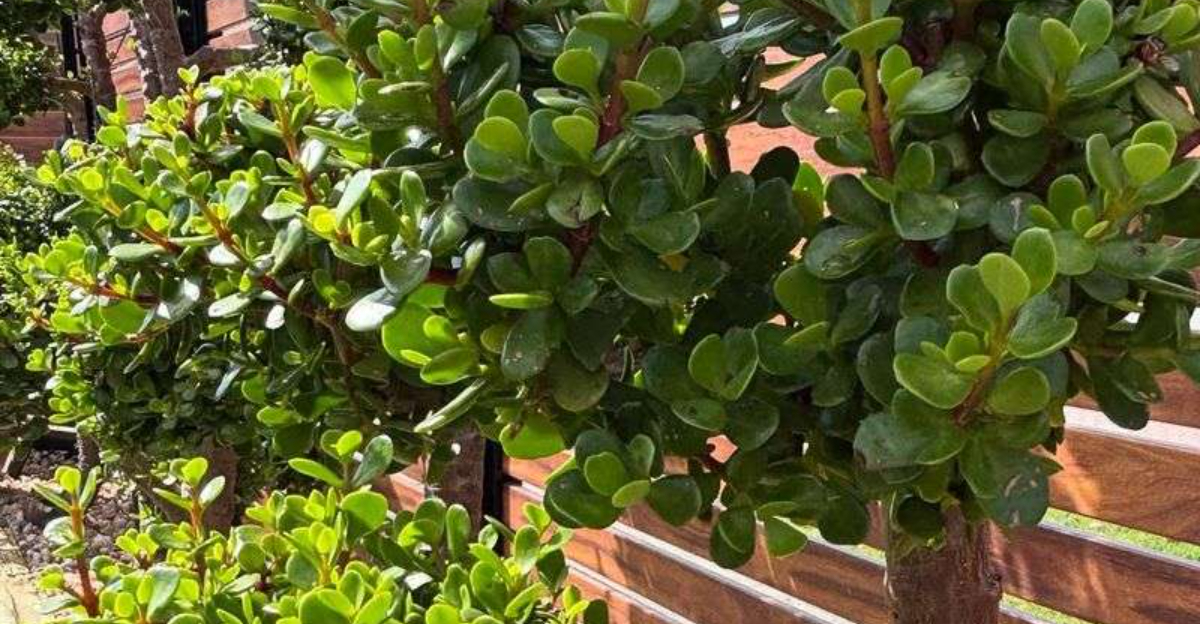
5. Jade Plant (Crassula Ovata)
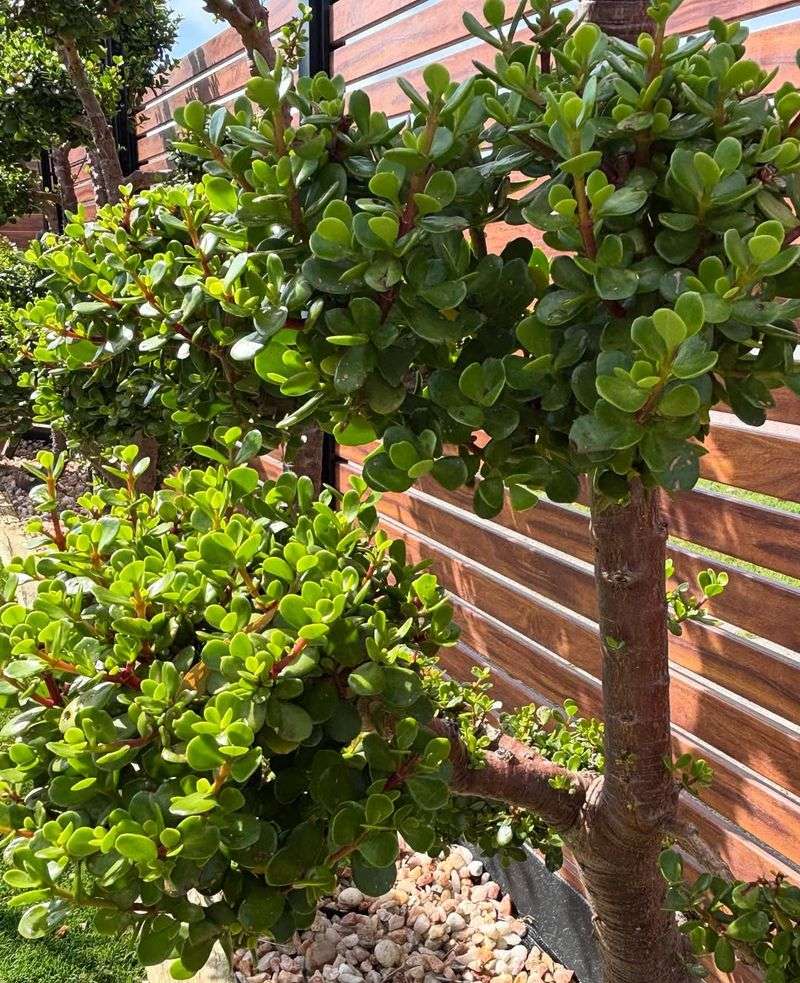
Succulent enthusiasts treasure jade plants for their plump, glossy leaves and tree-like growth patterns that develop over years of patient care.
January propagation requires a slightly different approach than leafy houseplants because jade cuttings need time to form a protective callus before rooting begins.
Select a healthy stem or even a single leaf, make a clean cut, and then set it aside in a dry location for three to five days.
This waiting period allows the cut surface to seal over, preventing rot when you eventually place the cutting in soil.
After the callus forms, nestle your cutting into well-draining cactus or succulent mix, barely covering the cut end with soil.
Water sparingly at first, just enough to keep the soil very lightly moist, as jade plants store water in their leaves and hate soggy conditions.
California’s relatively dry indoor winter air actually benefits jade cuttings, reducing the risk of fungal issues during the vulnerable rooting stage.
Place your propagation pot in a bright spot with some direct morning sunlight to encourage healthy, compact growth.
Roots typically develop over four to six weeks, so patience becomes your most valuable tool when propagating these slow but steady succulents.
Your January cuttings will mature into charming miniature trees that can live for decades with proper care.
6. Begonia (Rex And Cane Varieties)
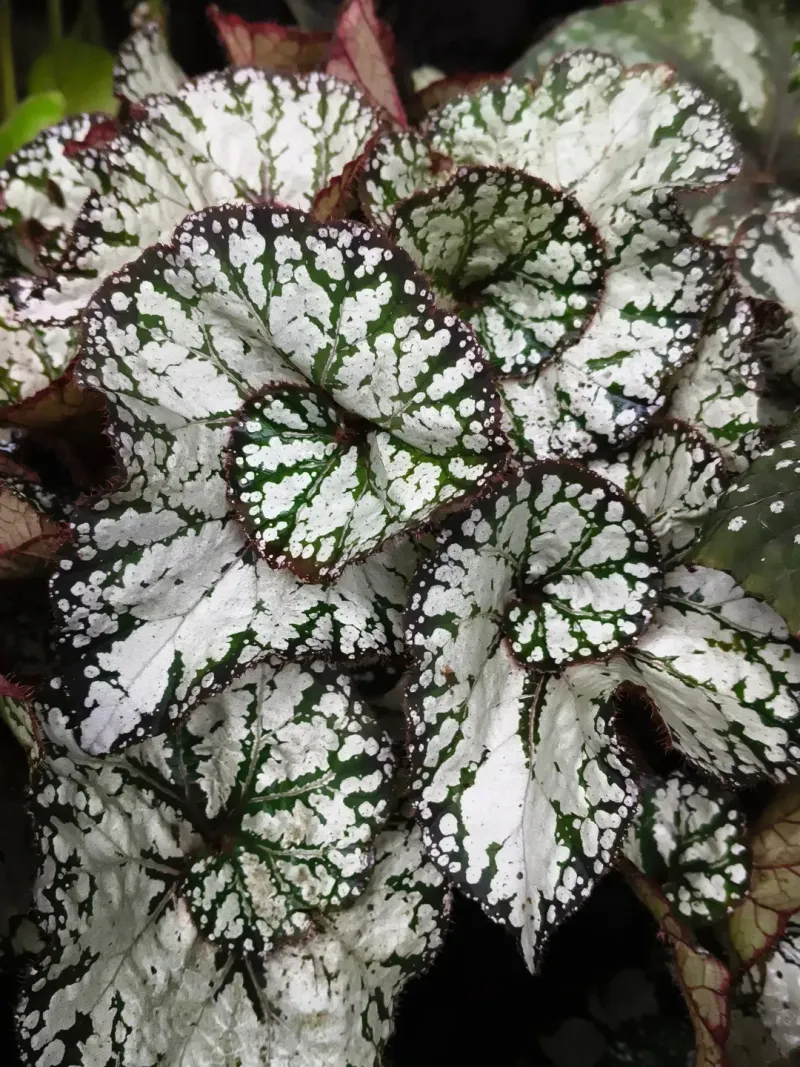
Begonias offer some of the most stunning foliage in the houseplant world, with patterns and colors that rival any flower display.
Rex begonias can be propagated from leaf cuttings alone, while cane begonias root best from stem sections that include at least one node.
For leaf propagation, select a mature healthy leaf and cut it into wedge-shaped sections, ensuring each piece includes a main vein.
Press these sections gently into moist, well-draining potting mix and cover the container with plastic wrap to maintain humidity around the cuttings.
Cane begonia stems should be cut into three to four inch sections and inserted into soil with at least one node buried beneath the surface.
January’s cooler temperatures in California homes help prevent the rot that sometimes plagues begonia cuttings in warmer, more humid months.
Keep the soil consistently moist but never waterlogged, checking daily to ensure proper moisture levels without overdoing it.
Bright indirect light encourages rooting without scorching the delicate leaves that make begonias so special.
New growth typically emerges within three to six weeks, signaling successful root development beneath the soil surface.
Your patience will be rewarded with spectacular plants showcasing intricate leaf patterns that add artistic flair to any indoor space.
7. Snake Plant (Dracaena Trifasciata)
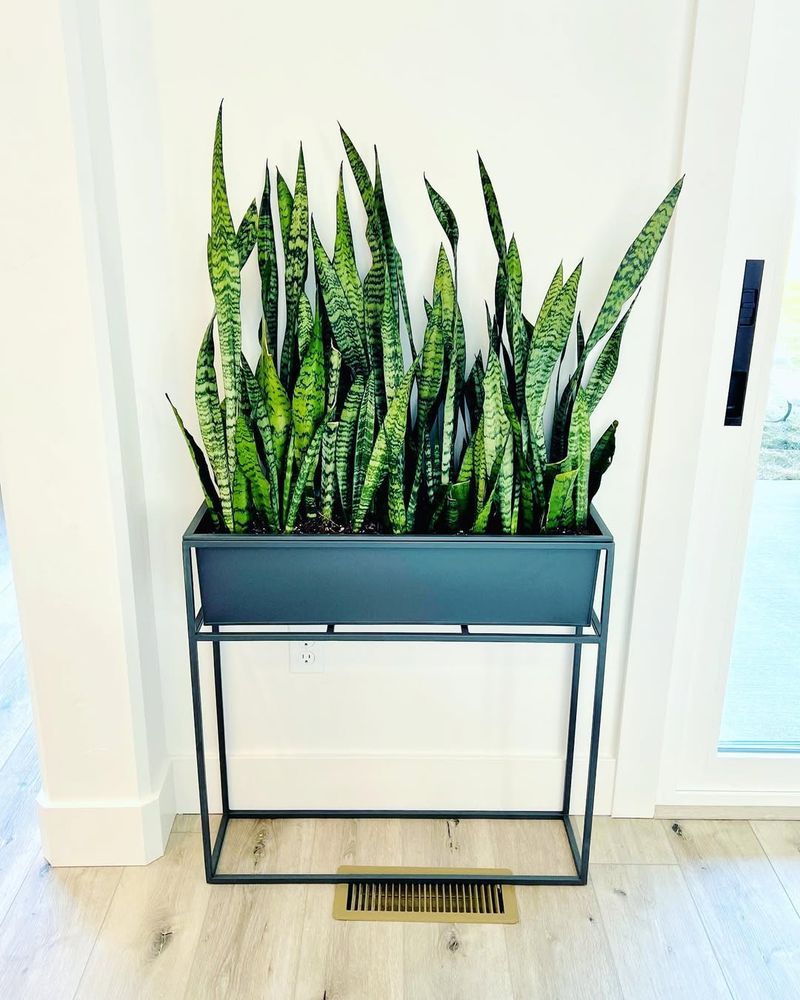
Nearly indestructible once established, snake plants challenge propagators with their slow but ultimately rewarding rooting process.
Cut a healthy leaf into three to four inch sections, making sure to mark which end was closest to the soil since planting them upside down prevents rooting.
Allow these sections to dry and callus for a day or two before inserting the bottom third into a gritty, fast-draining soil mixture.
Snake plants despise excess moisture, so water only when the soil becomes completely dry, which might mean watering just once every two to three weeks in January.
California’s dry indoor winter environment actually benefits snake plant propagation by minimizing the risk of rot during the lengthy rooting period.
Position your cuttings in a warm spot with bright indirect light, though these tough plants tolerate lower light better than most houseplants.
Root development happens slowly, often taking two to three months before you notice any new growth emerging from the soil.
This extended timeline requires patience, but the reward is a virtually carefree plant that thrives on neglect once established.
Starting snake plant cuttings in January means they’ll have developed decent root systems by the time spring arrives.
These architectural plants add modern elegance to any room while purifying air and requiring minimal attention from busy plant parents.