10 Houseplant New Year’s Resolutions I Am Actually Keeping In 2026 In California
California sunshine makes growing houseplants easier, but that doesn’t mean I always give them the attention they truly deserve each day.
This year feels different because I’m setting realistic goals that actually fit into my busy schedule without causing unnecessary stress or guilt.
My indoor jungle needs consistent care, not grand promises that fade away by February when life gets hectic and overwhelming again.
These ten resolutions focus on simple habits that will keep my plants thriving throughout the year in my California home beautifully.
1. Watering On A Consistent Schedule

Overwatering has been my biggest mistake in the past, and I’ve learned that consistency matters more than frequency when caring for plants.
California’s dry climate means my pothos and snake plants need different amounts of water depending on the season and indoor humidity levels.
I’m setting phone reminders every Sunday morning to check soil moisture before automatically pouring water into each pot without thinking it through.
Sticking my finger two inches deep into the soil tells me exactly what each plant needs instead of guessing based on appearance alone.
Some plants like succulents prefer drying out completely, while ferns enjoy staying slightly moist but never waterlogged or sitting in standing water.
Tracking watering dates in a simple notebook helps me notice patterns and adjust my routine based on seasonal changes throughout the year.
This resolution saves plants from root rot and keeps them healthy without requiring hours of complicated research or expensive moisture meters daily.
2. Rotating Plants For Even Growth
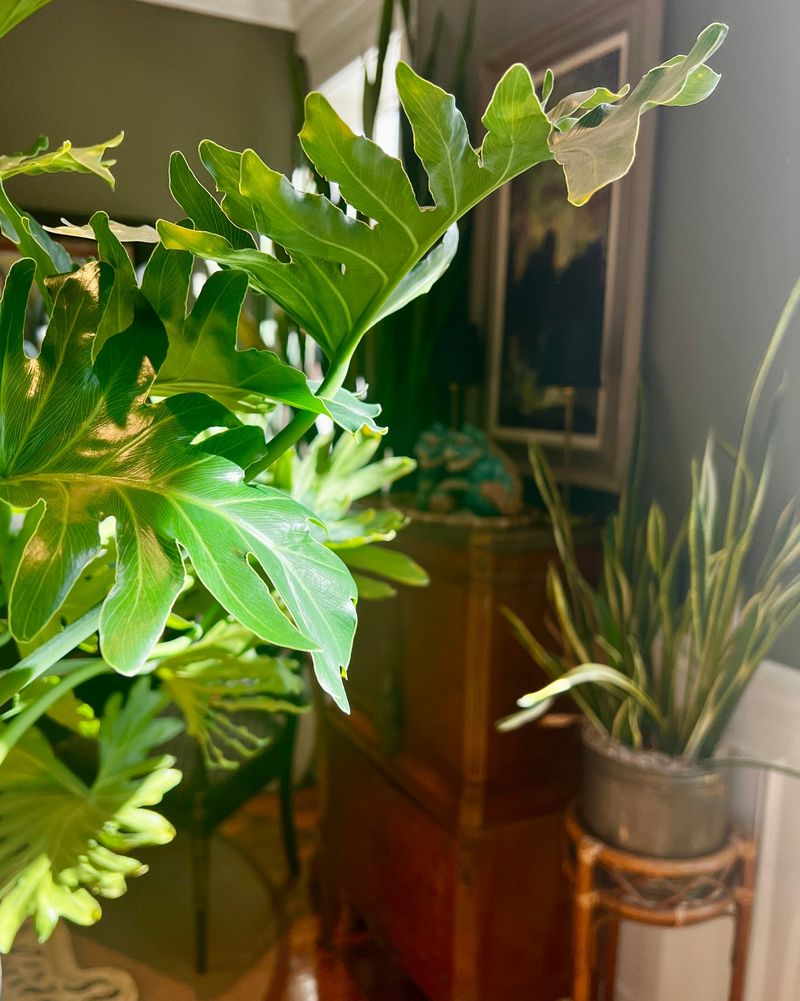
My fiddle leaf fig kept leaning toward the window like it was trying to escape, and I finally realized rotation prevents this problem.
California homes get intense sunlight from specific directions, causing plants to grow lopsided if they stay in one position for too long.
Rotating each plant a quarter turn every week ensures all sides receive equal light exposure and develop balanced, attractive growth patterns naturally.
I’m pairing this task with my Sunday watering routine so I don’t forget to spin pots while checking soil moisture levels carefully.
Plants near south-facing windows need more frequent rotation because California sun intensity varies dramatically depending on the direction and time of year.
Even low-light plants benefit from occasional rotation to prevent stems from stretching awkwardly toward the nearest light source in the room.
This simple habit takes less than five minutes weekly but makes a noticeable difference in plant symmetry and overall health throughout months.
3. Fertilizing During Growing Season
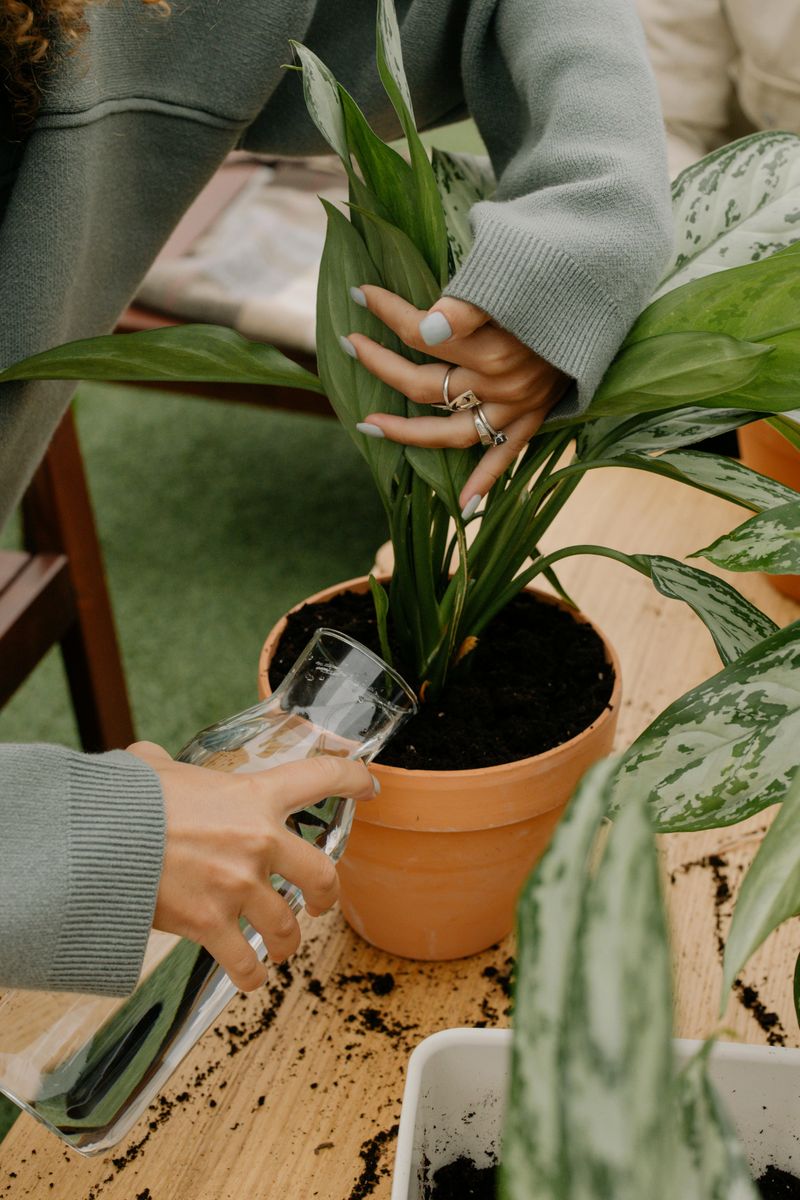
I used to think potting soil alone provided everything my plants needed, but nutrients get depleted faster than I ever imagined possible.
Spring and summer are prime growing seasons in California, when plants actively produce new leaves and roots that require extra nutritional support.
Diluted liquid fertilizer applied every two weeks during warmer months gives plants the boost they need without causing chemical burn damage.
I’m choosing a balanced fertilizer with equal nitrogen, phosphorus, and potassium ratios that works well for most common houseplant varieties at home.
Skipping fertilizer during fall and winter matches plants’ natural dormancy period when growth slows down significantly in cooler indoor temperatures here.
Measuring carefully prevents over-fertilizing, which causes brown leaf tips and salt buildup in soil that harms roots over extended time periods.
This resolution transforms lackluster plants into vibrant, fast-growing specimens that fill my California home with lush greenery and fresh oxygen daily.
4. Repotting When Roots Get Crowded
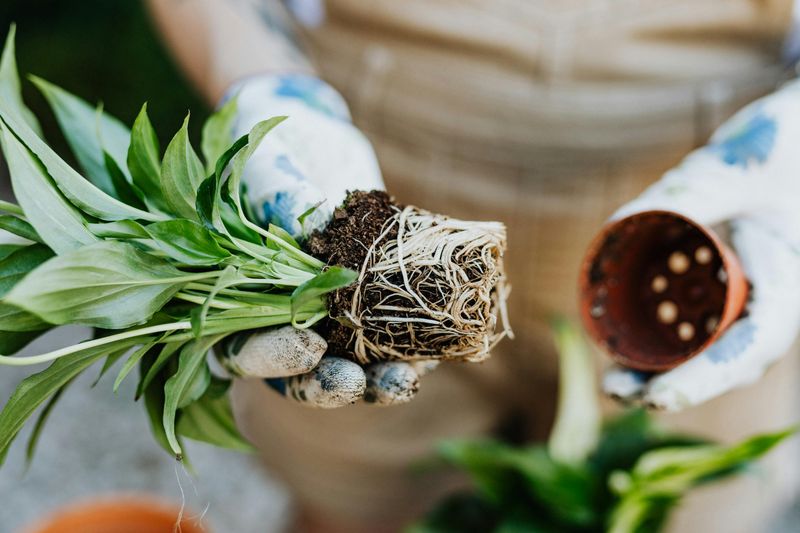
Roots circling the pot’s bottom signal that plants have outgrown their containers and need more space to continue developing properly now.
California’s mild climate encourages faster growth rates, meaning my monstera and rubber plant need repotting more frequently than I originally anticipated.
I’m committing to checking root systems every spring by gently sliding plants from pots to assess whether they need larger homes immediately.
Choosing pots only two inches wider than current containers prevents overwatering issues while giving roots adequate room to spread out comfortably inside.
Fresh potting mix replenishes nutrients and improves drainage, which becomes compacted and depleted after a year of regular watering and fertilizing routines.
Repotting during active growth periods helps plants recover quickly from the stress of being moved into new containers with minimal shock.
This resolution prevents stunted growth and yellowing leaves caused by cramped roots competing for limited resources in overly small pots for months.
5. Cleaning Dust Off Leaves Regularly
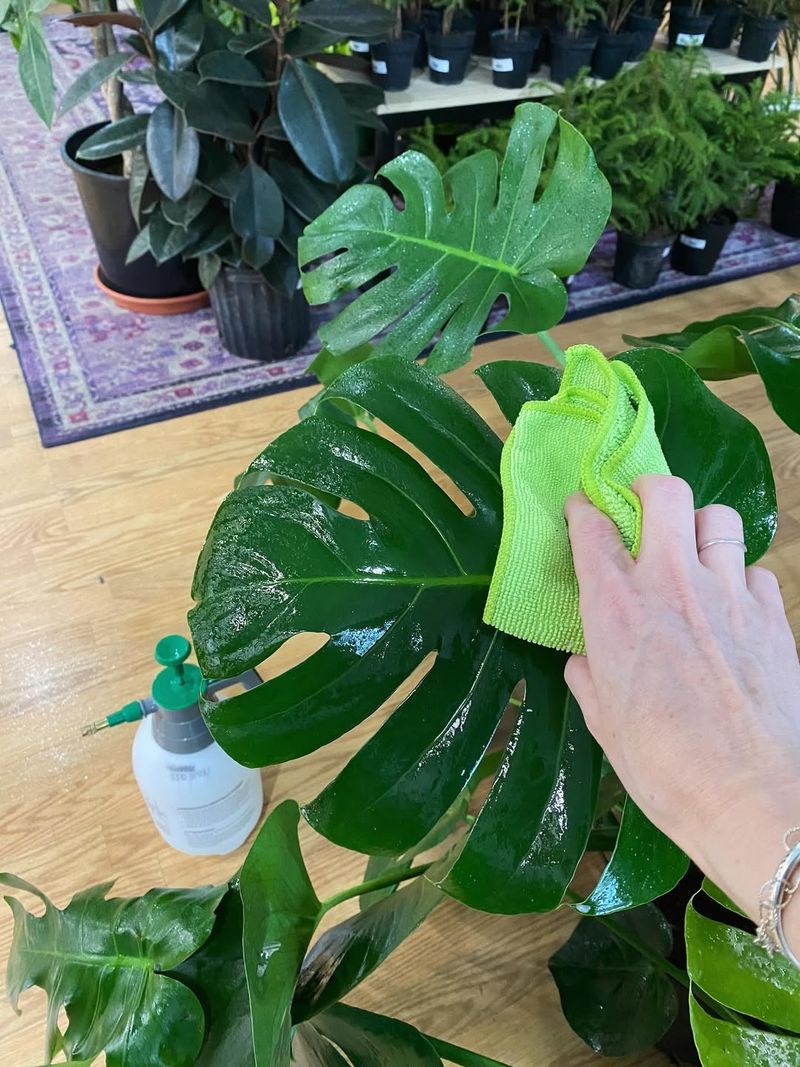
Dust accumulation blocks sunlight from reaching leaf surfaces, reducing plants’ ability to photosynthesize efficiently and produce energy for healthy growth patterns.
California homes get dusty quickly, especially during dry summer months and wildfire season when air quality decreases and particles settle everywhere indoors.
I’m wiping down large-leaved plants like bird of paradise and philodendron every two weeks using a soft, damp cloth gently.
Smaller plants with numerous tiny leaves get a lukewarm shower in the bathroom, which rinses away dust while providing extra humidity benefits.
Clean leaves also look more attractive and vibrant, making my indoor garden feel fresh and well-maintained instead of neglected and shabby looking.
This practice helps me spot pest problems early, like spider mites or scale insects that hide under dusty leaf surfaces unnoticed.
Regular cleaning improves air circulation around leaves and prevents fungal issues that develop in damp, dusty conditions over extended time periods indoors.
6. Monitoring For Pests Before They Spread
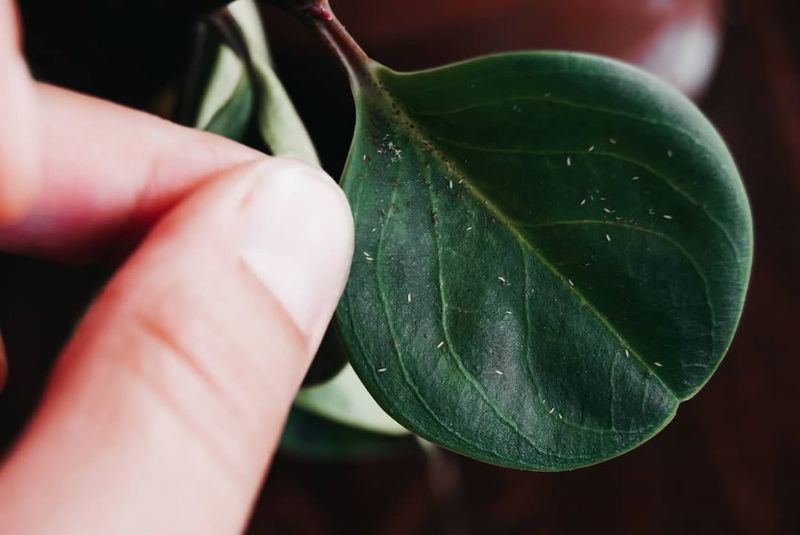
Tiny bugs can multiply rapidly and devastate entire plant collections before I even notice something’s wrong with my precious indoor greenery here.
California’s warm indoor temperatures create ideal breeding conditions for common pests like aphids, mealybugs, and fungus gnats that attack vulnerable plants quickly.
I’m inspecting leaf undersides and stems during my weekly watering routine to catch early signs of infestation before problems become unmanageable disasters.
Sticky traps placed near plants help monitor flying pest populations and alert me to issues that require immediate attention and targeted treatment plans.
Isolating new plants for two weeks before introducing them to my collection prevents bringing pests home from nurseries or friends’ houses accidentally.
Natural remedies like neem oil spray or insecticidal soap work effectively on small infestations without harsh chemicals that harm plants or indoor air.
Early detection makes pest control easier and less stressful, protecting my entire houseplant collection from widespread damage that takes months to reverse.
7. Adjusting Light Conditions Seasonally
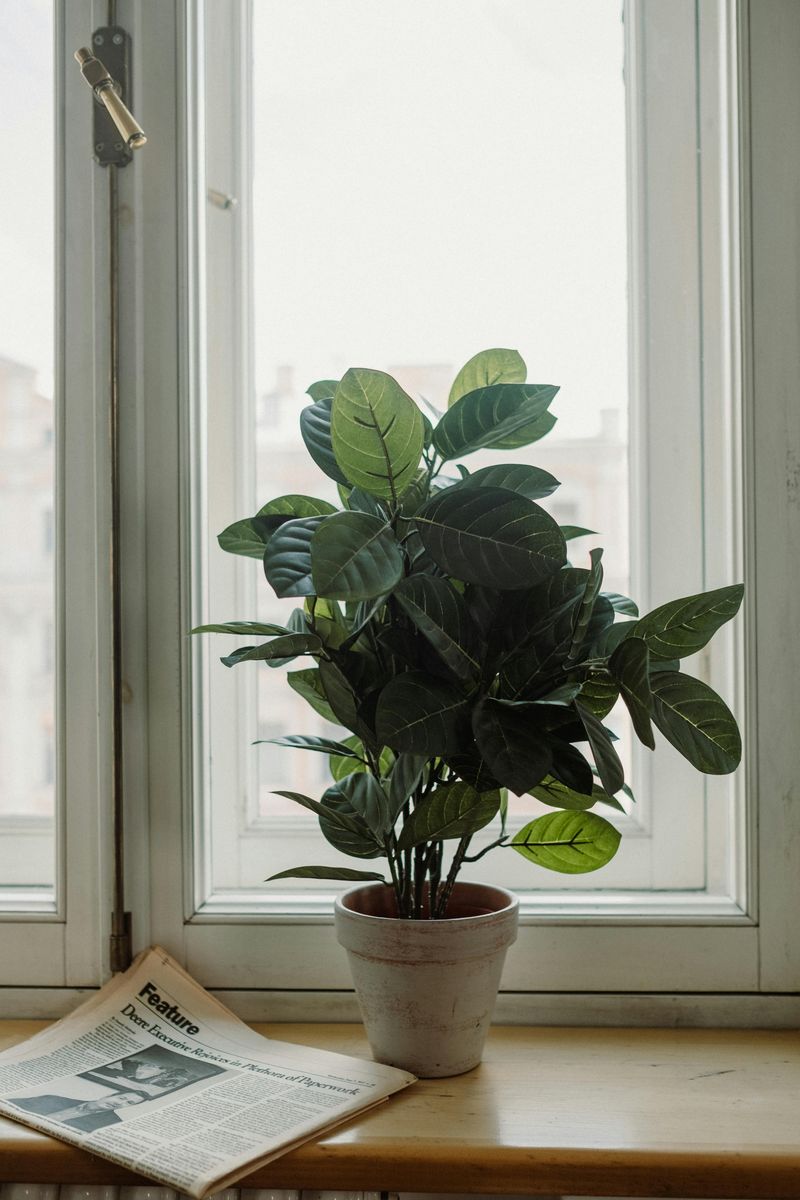
California sun angle changes dramatically between summer and winter, affecting how much light reaches plants positioned near windows throughout different seasons yearly.
My snake plants thrived in summer’s indirect light but struggled during winter when the sun’s lower position reduced brightness levels significantly indoors.
I’m moving light-loving plants closer to windows during shorter winter days and pulling them back during intense summer months for balance.
South-facing windows provide the brightest light year-round in California, perfect for cacti and succulents that crave intense sunshine for optimal growth.
East-facing windows offer gentle morning sun that suits most tropical houseplants without causing leaf burn from harsh afternoon rays hitting directly.
Observing how plants respond to their current positions helps me make adjustments before leaves start yellowing or stretching toward light sources.
This seasonal awareness prevents common problems like leggy growth in winter or sunburned leaves in summer, keeping plants healthy throughout the year.
8. Increasing Humidity For Tropical Plants
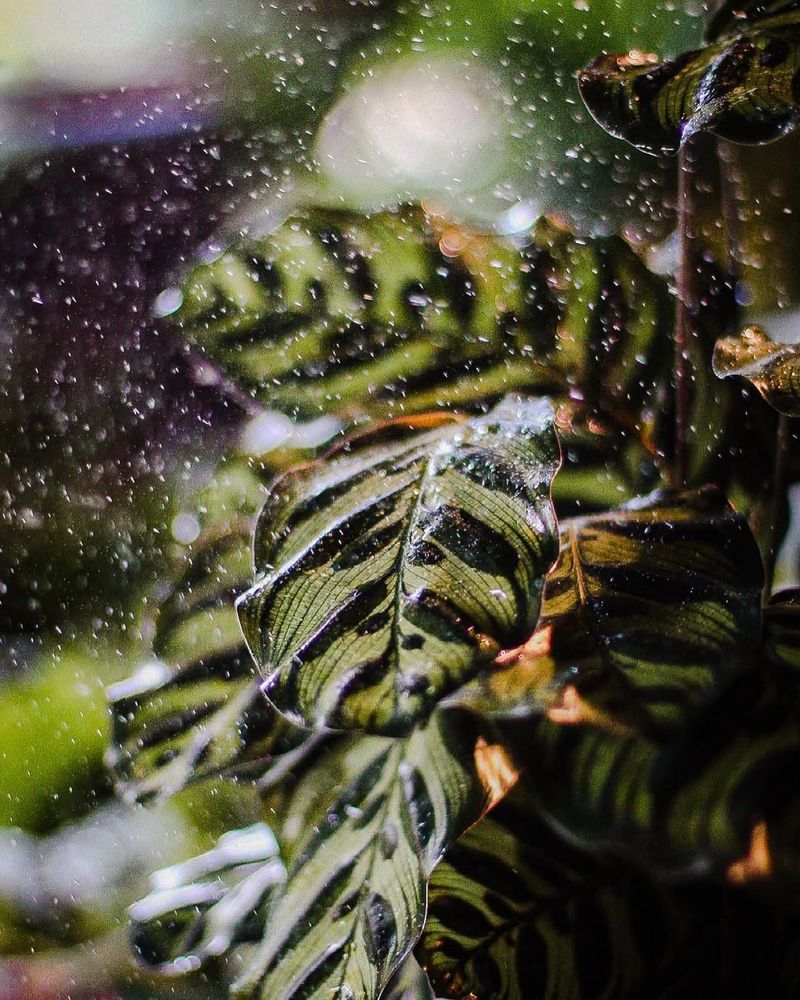
California’s low humidity levels stress tropical plants like calatheas and ferns that evolved in rainforest environments with constant moisture in the air.
Brown leaf edges and crispy tips indicate insufficient humidity, a common problem in California homes with heating and air conditioning systems running.
I’m grouping humidity-loving plants together to create a microclimate where they benefit from each other’s transpiration and shared moisture naturally occurring.
Pebble trays filled with water placed under pots provide localized humidity without making soil too wet or causing root rot problems unnecessarily.
Running a small humidifier near my plant shelf during dry months maintains ideal moisture levels between forty and sixty percent consistently throughout.
Misting provides temporary relief but isn’t enough alone, so I’m combining multiple methods to create stable humidity conditions plants actually need.
This resolution transforms struggling tropical plants into thriving specimens with lush, glossy foliage that looks healthy and vibrant in my California home daily.
9. Pruning Withered Or Yellowing Leaves Promptly
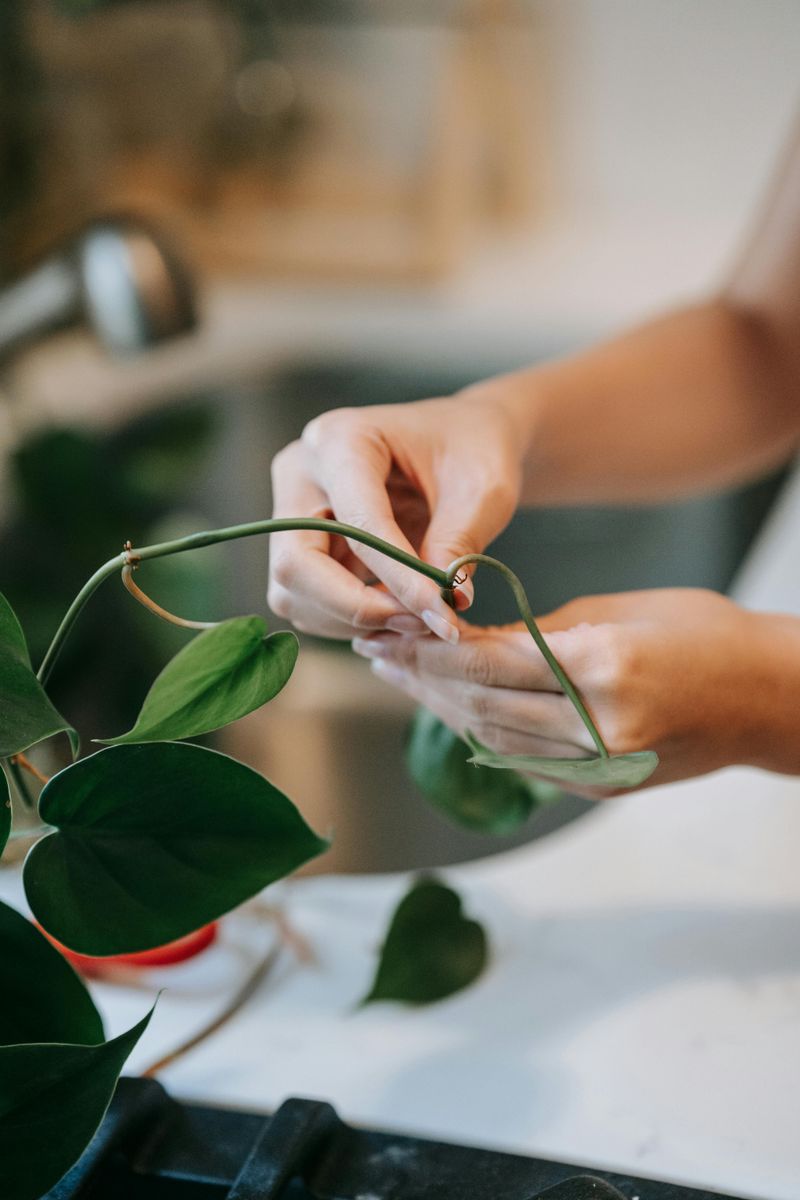
Old leaves naturally yellow and fade as plants age, but leaving them attached wastes energy that could support new growth instead beautifully.
I’ve been guilty of ignoring brown tips and yellow leaves, hoping they’d magically recover, but they never do and just look increasingly worse.
Sharp, clean scissors or pruning shears make quick work of removing damaged foliage without tearing stems or spreading diseases between plants accidentally.
Cutting close to the main stem or soil level keeps plants looking tidy and encourages fresh growth to emerge from healthy nodes.
Regular pruning also improves air circulation around remaining leaves, reducing fungal problems that develop in crowded, poorly ventilated conditions inside homes here.
I’m checking plants weekly for leaves that need removal, making this a quick maintenance task rather than an overwhelming project later on.
This simple habit keeps my California plant collection looking vibrant and well-cared-for instead of scraggly and neglected throughout the entire year ahead.
10. Learning Each Plant’s Specific Needs
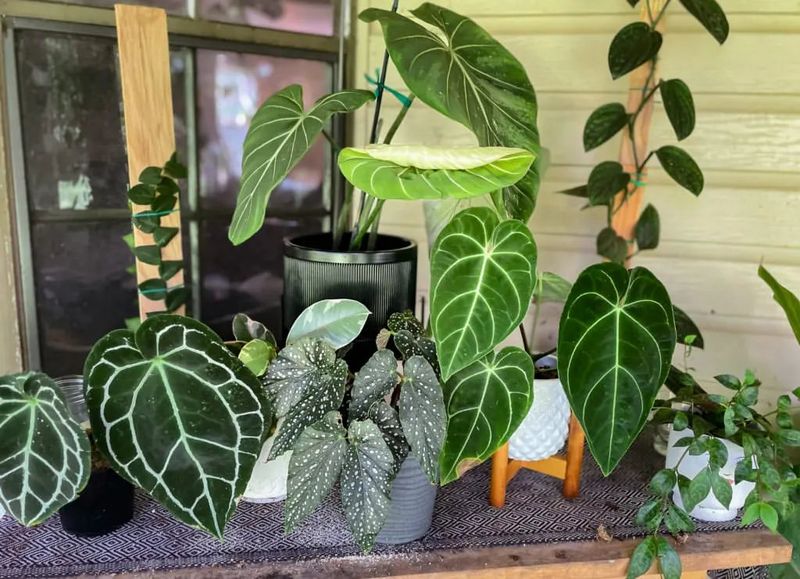
Treating all plants the same way was my biggest beginner mistake, since each species has unique requirements for water, light, and care.
California’s climate lets me grow diverse plants indoors, but that means learning different care routines for succulents versus ferns versus flowering varieties.
I’m creating a simple reference sheet listing each plant’s name, watering frequency, light preferences, and any special needs for quick consultation.
Taking five minutes to research new plants before bringing them home prevents costly mistakes and ensures I can provide appropriate conditions immediately.
Some plants like being root-bound while others need frequent repotting, and knowing these preferences prevents unnecessary stress on individual specimens here.
Understanding dormancy periods helps me adjust care seasonally, avoiding overwatering or over-fertilizing when plants naturally slow down their growth cycles temporarily.
This knowledge-based approach transforms plant care from guesswork into confident decision-making that keeps every plant thriving in my California home successfully always.