7 Houseplant New Year’s Resolutions I’m Actually Keeping In 2026 (From A Washington Home)
Every year starts with big intentions—and houseplants are no exception.
I’ve promised better watering habits, more light, fewer impulse buys… and broken most of those promises by February.
This year, I did things differently. Instead of lofty goals, I chose realistic resolutions that fit my Washington home and lifestyle.
Small changes, consistent habits, and a little grace made all the difference.
These seven resolutions aren’t flashy, but they’re sustainable—and my plants are proof.
If you’ve ever felt guilty about crispy leaves or forgotten feedings, you’re not alone.
These resolutions focus on progress, not perfection, and they’re the reason my plants are still thriving well into 2026.
1. I’m Finally Watering Based On The Season—Not A Schedule
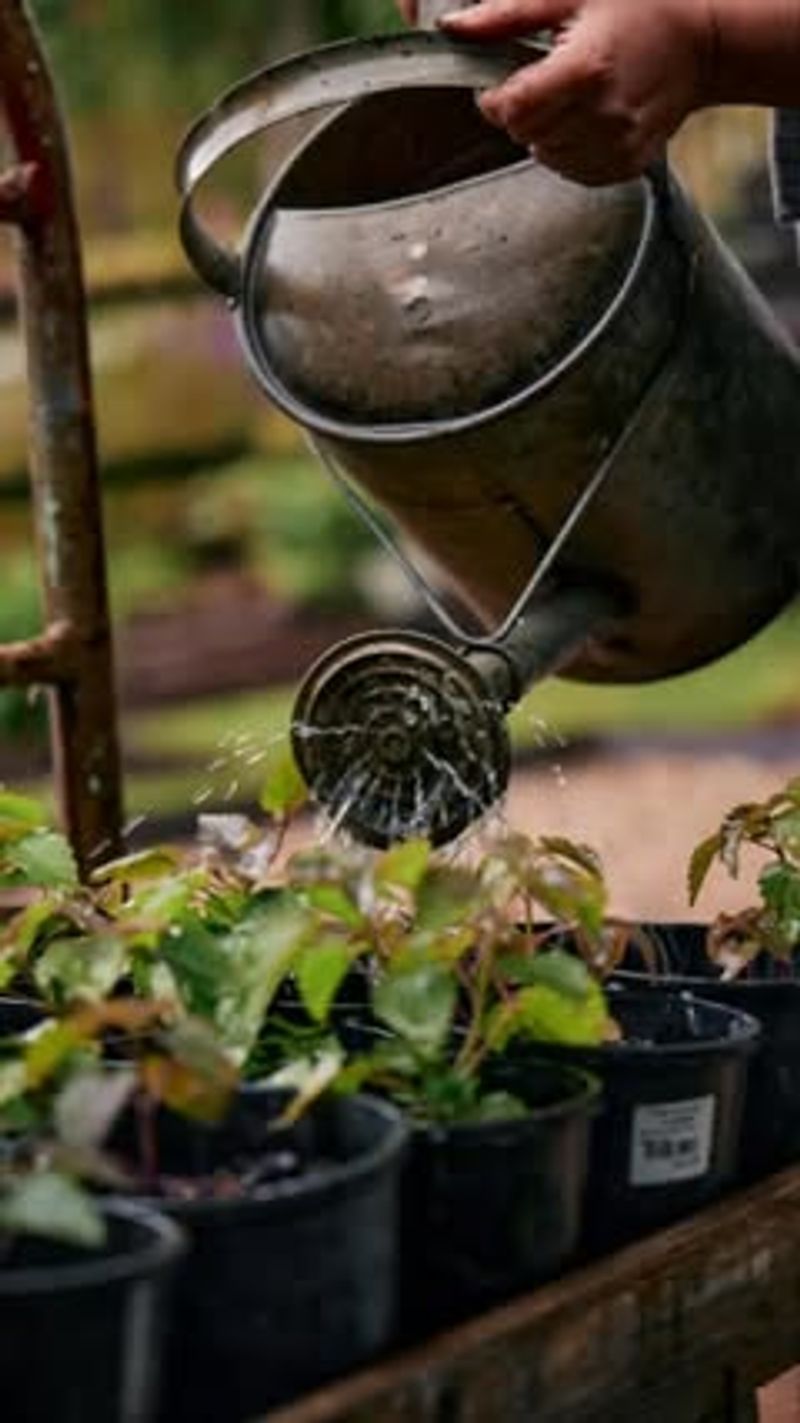
For years, I stuck to a rigid watering schedule that made absolutely no sense for where I live.
Every Monday, I would walk around with my watering can like clockwork, giving each plant a drink whether it needed one or not.
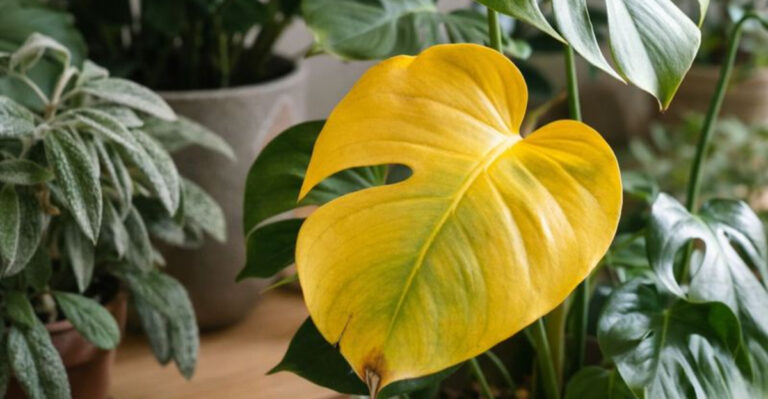
The result was a lot of yellowing leaves, mushy roots, and confusion about what I was doing wrong.
Washington winters are wet, dark, and cold, which means my plants barely use any water at all during those months.
The soil stays damp for weeks because there is not enough light or warmth to encourage growth or evaporation.
Meanwhile, summer brings longer days and warmer temperatures, so suddenly my plants are thirsty all the time.
Now I check the soil before I water, and I pay attention to what season we are in.
In winter, some of my plants go two or three weeks without needing a drop.
In summer, that same plant might need water twice a week.
This shift has made a huge difference in plant health.
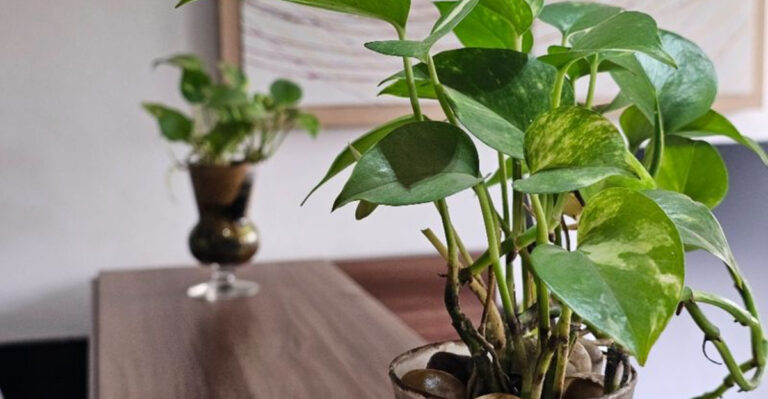
My pothos no longer has brown tips, and my snake plants are not sitting in soggy soil anymore.
It feels less like following rules and more like actually understanding what my plants need.
Watering based on the season instead of a schedule has been one of the easiest and most effective changes I have made.
2. I Stopped Buying Plants That Hate Low Light
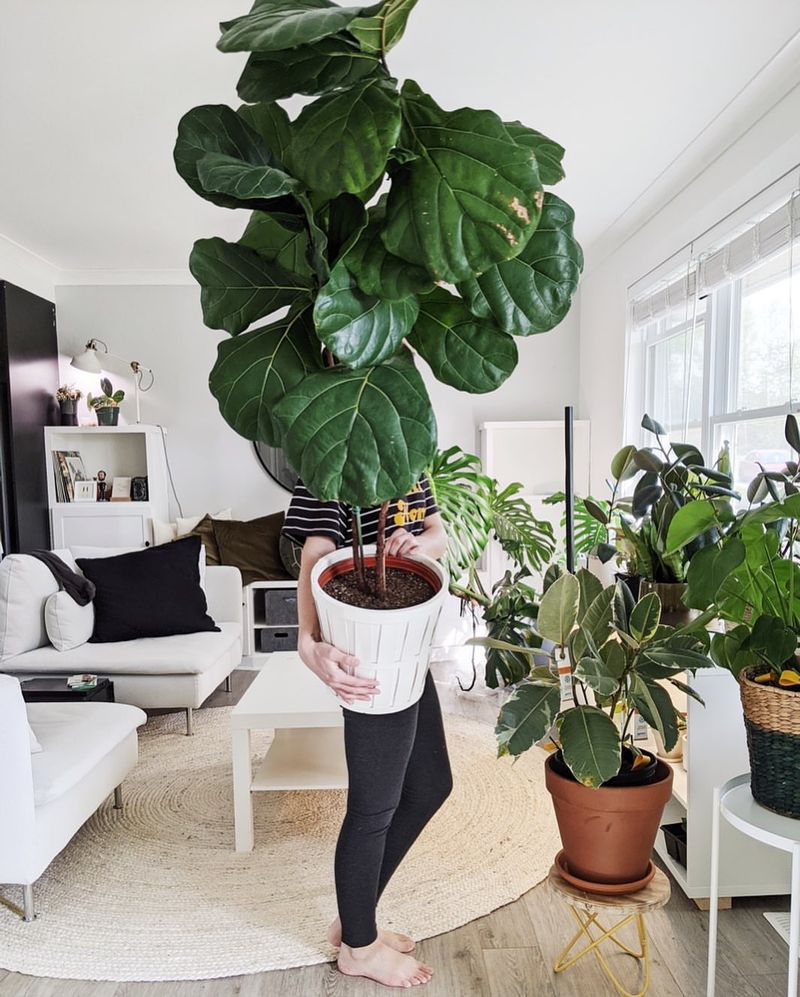
I used to bring home plants that looked beautiful at the nursery, only to watch them struggle and fade in my living room.
Fiddle leaf figs, succulents, and anything labeled as needing bright indirect light became a source of guilt and frustration.
Washington homes just do not get consistent sunlight, especially from October through April.
Most of my windows face north or are blocked by tall trees and neighboring buildings.
Even on sunny days, the light that comes through is soft and fleeting.
I realized I was setting myself up for failure by choosing plants that needed conditions I could not provide.
Now I focus on plants that actually thrive in lower light.
Pothos, snake plants, ZZ plants, and philodendrons have become my go-to choices.
These plants do not sulk when the clouds roll in for weeks at a time, and they do not demand a south-facing window.
This change has reduced my stress and saved me money.
I am no longer replacing plants every few months or feeling bad about their decline.
Instead, I am watching my collection grow steadily and healthily.
Choosing plants that match my home environment instead of fighting against it has been a game changer.
It turns out that working with what I have is way more rewarding than chasing what I do not.
3. I’m Grouping Plants To Beat Dry Indoor Air
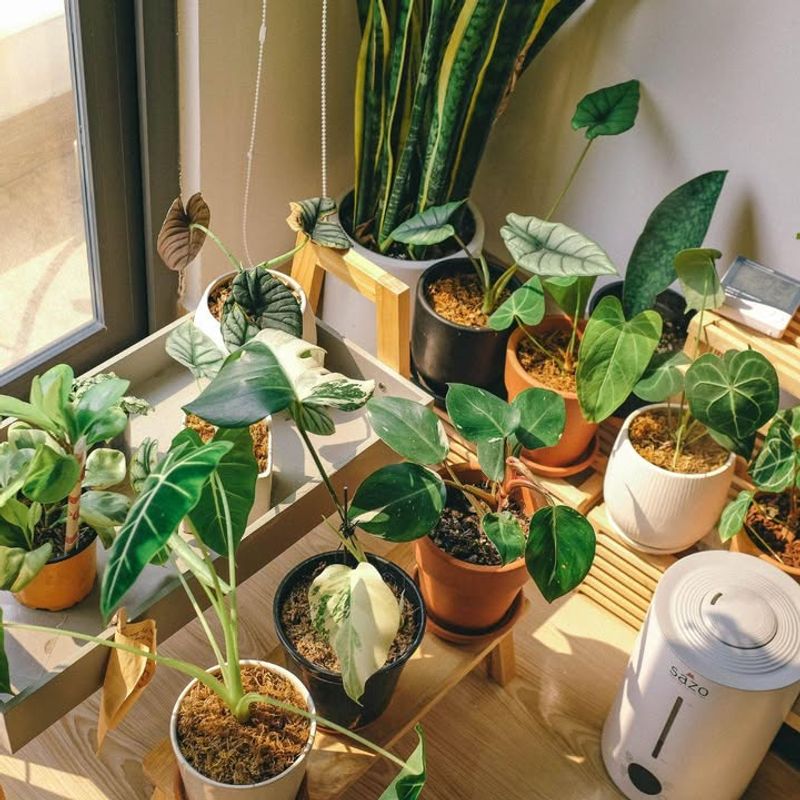
Winter in Washington means turning on the heat, which instantly transforms my home into a dry, desert-like environment.
My plants hate it just as much as my skin does.
I noticed crispy leaf edges, browning tips, and plants that looked stressed no matter how much I watered them.
Grouping plants together has become my favorite low-effort solution to this problem.
When plants are clustered, they create a little microclimate where moisture released by one plant benefits the others around it.
It is like they are helping each other survive the harsh indoor conditions.
I started by moving several plants onto one bookshelf and another group onto my kitchen counter.
Within a few weeks, I noticed the leaves looked healthier and the air around them felt slightly less dry.
It is not a perfect fix, but it definitely helps.
I also added a small humidifier nearby, which has made an even bigger difference.
But even without that, grouping alone has reduced the stress on my plants.
It is especially helpful in small spaces where you can not dedicate an entire room to plant care.
This resolution has been surprisingly easy to keep because it requires no extra daily effort.
I just rearranged what I already had, and my plants are responding well.
It is one of those simple tricks that feels almost too easy but actually works.
4. I Clean Leaves Regularly—Even When I’m Busy
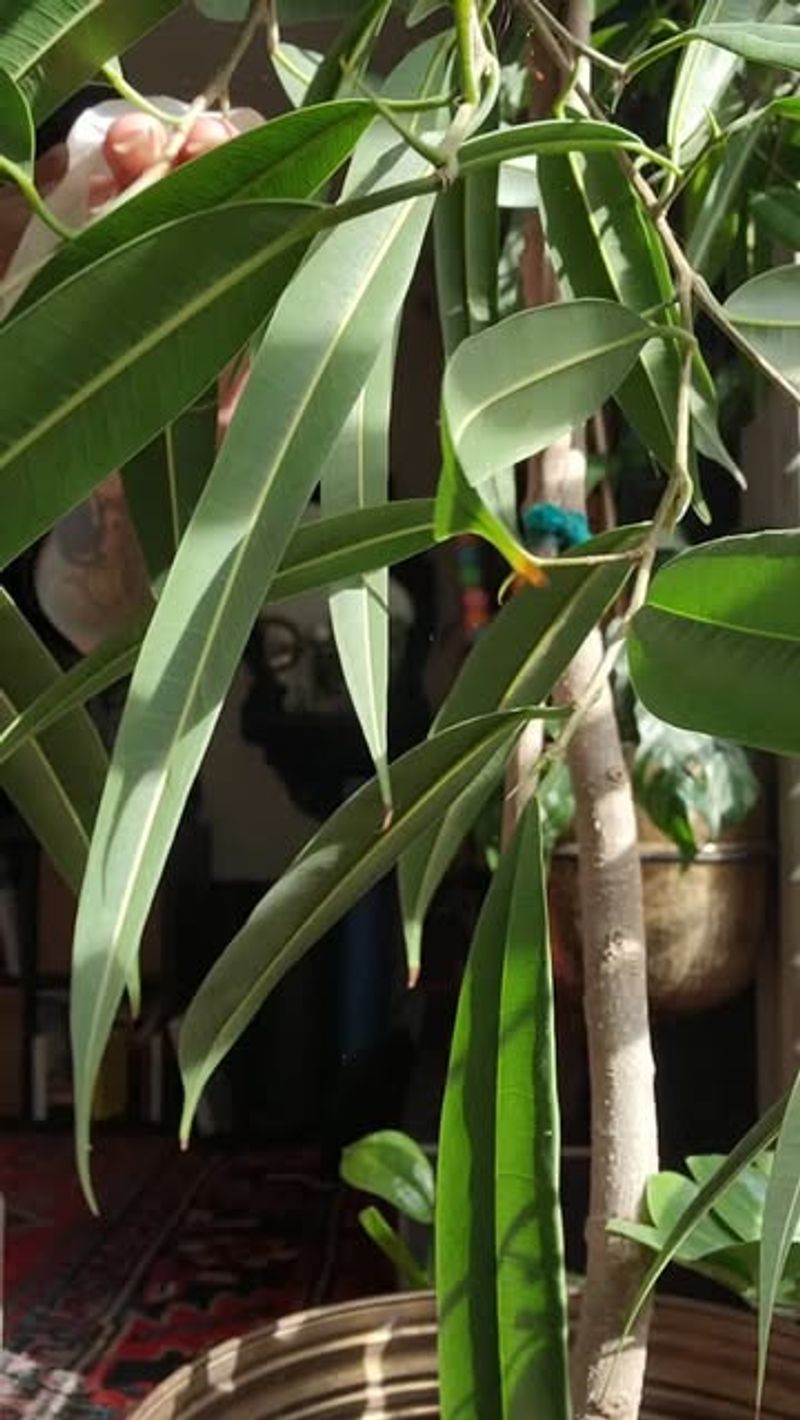
Dust buildup on plant leaves is something I used to ignore completely.
It seemed like such a minor thing compared to watering, fertilizing, or repotting.
But after learning how much dust actually interferes with photosynthesis, I realized I was making my plants work way harder than they needed to.
Washington homes can get dusty, especially during winter when windows stay closed and the air is stagnant.
A thin layer of dust might not look like much, but it blocks light from reaching the leaf surface.
That means less energy for the plant and slower growth overall.
Now I wipe down my plant leaves every couple of weeks with a damp cloth.
It takes maybe ten minutes, and I usually do it while listening to music or a podcast.
For smaller plants, I will give them a gentle rinse in the shower, which also helps wash away any pests that might be hiding.
The difference has been noticeable.
My plants look shinier, healthier, and more vibrant.
They also seem to respond better to the limited light we get during the darker months.
It is one of those tasks that feels a little tedious at first, but once it becomes routine, it is actually kind of satisfying.
Keeping this habit has reminded me that small, consistent actions add up over time.
Clean leaves mean happier plants, and happier plants mean a more enjoyable indoor garden.
5. I’m Resisting Impulse Plant Purchases
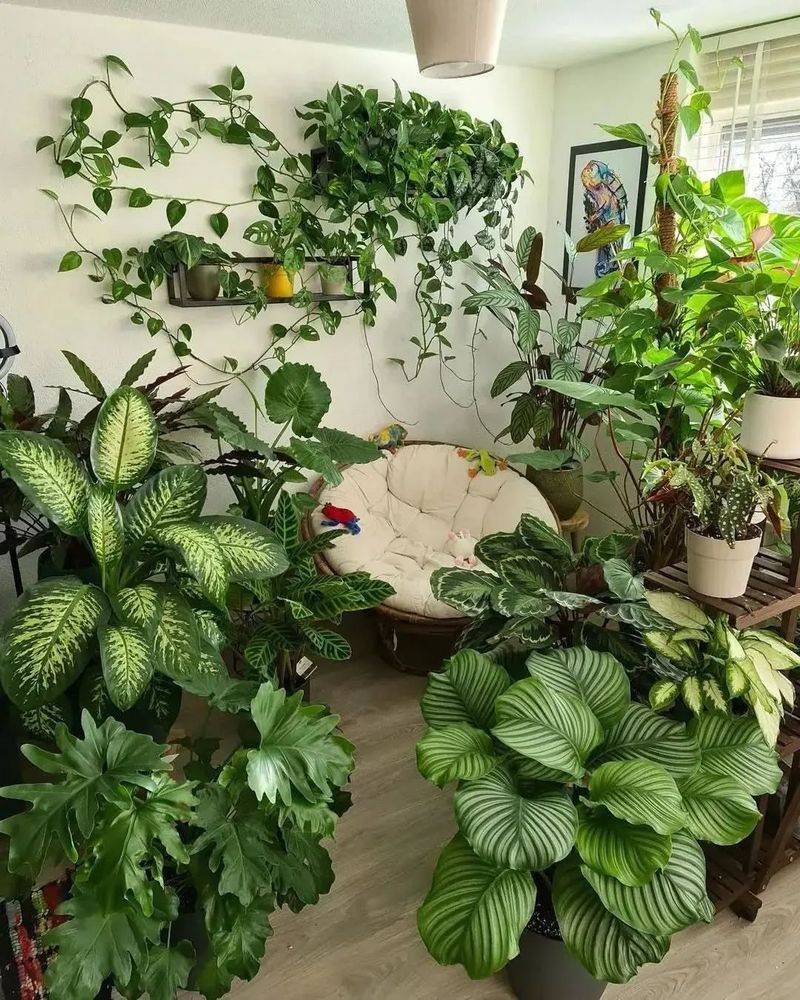
I have a history of bringing home plants that looked amazing at the store but had no place in my actual life.
A gorgeous calathea caught my eye once, and I bought it without thinking about the fact that it needed high humidity and consistent moisture.
It lasted about six weeks before it started looking sad and crispy.
Impulse buys like that used to happen all the time.
I would see a plant, fall in love with its leaves or color, and convince myself I could make it work.
But more often than not, I did not have the right light, the right space, or the right schedule to care for it properly.
Now I take a different approach.
Before I buy a plant, I ask myself a few questions.
Do I have the right light conditions for this plant?
Do I have space for it to grow?
Am I realistically going to remember to water it as often as it needs?
I also keep a list on my phone of plants that would actually work in my home.
When I am tempted by something new, I check the list first.
If it is not on there, I walk away.
This resolution has saved me money and guilt.
I am no longer collecting plants that struggle or require more attention than I can give.
Instead, I am building a collection that fits my lifestyle and my home environment, which feels so much better.
6. I’m Treating Winter As Survival Mode, Not Growth Mode
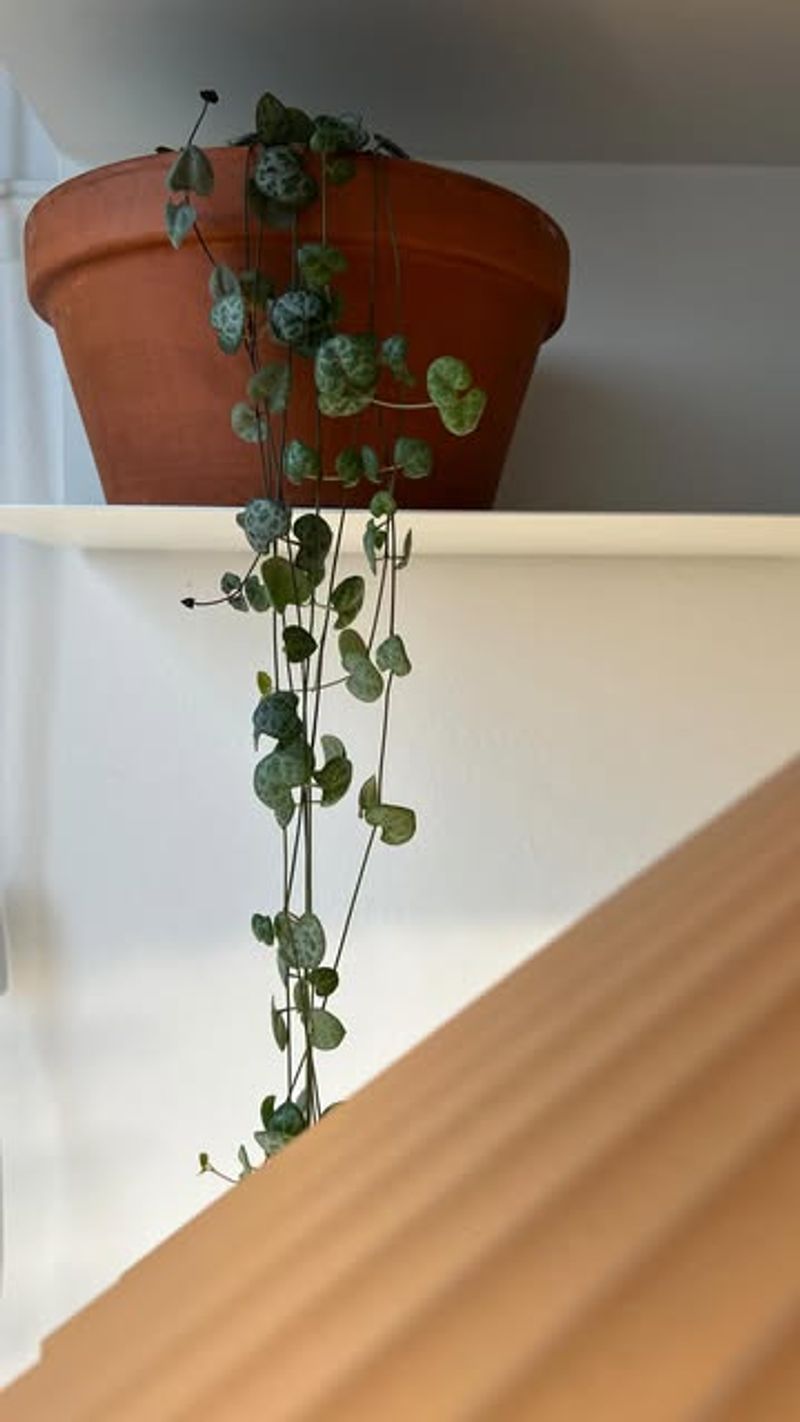
For a long time, I treated my plants the same way all year round.
I fertilized them every month, repotted whenever I felt like it, and expected them to keep growing steadily no matter what season it was.
That approach led to a lot of confusion and some unhappy plants.
Washington winters are long, dark, and cold.
Most houseplants naturally slow down or go dormant during this time because there is not enough light or warmth to support active growth.
Pushing them to grow during these months just stresses them out.
Now I treat winter as survival mode.
I stop fertilizing completely from November through February.
I avoid repotting unless it is absolutely necessary.
I also cut back on watering since the plants are not using as much energy or moisture.
This shift in mindset has made a huge difference.
My plants look healthier because I am not forcing them to do something they are not ready for.
They rest during the winter and then bounce back with new growth once spring arrives and the light returns.
It has also made plant care feel less stressful during the busy holiday season.
I am not worrying about growth or trying to keep up with a complicated care routine.
Instead, I am just making sure my plants stay comfortable and stable until the sun comes back.
Winter has become a time of patience rather than pressure.
7. I’m Choosing Progress Over Perfection With My Plants
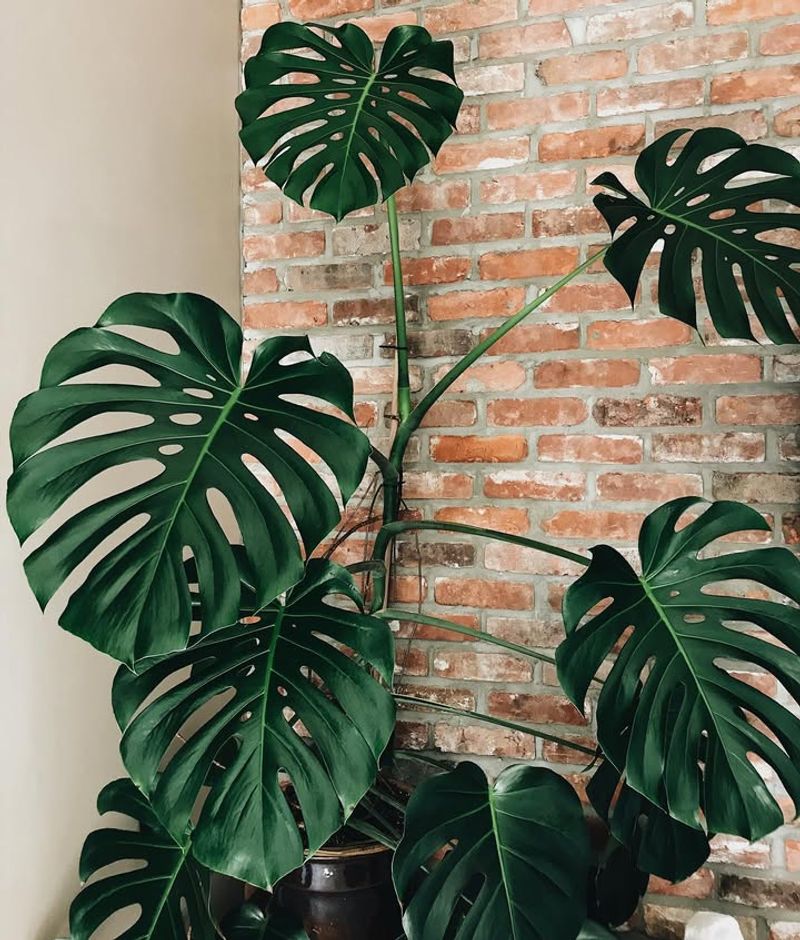
Plant care used to feel like a test I was constantly failing.
Every yellow leaf, every dropped stem, every plant that did not make it felt like proof that I was doing something wrong.
I would compare my collection to the perfect photos I saw online and feel discouraged.
But plants are living things, and living things do not always go according to plan.
Some plants are just harder to keep alive in certain environments, and that is okay.
Washington’s climate is challenging, and not every plant is going to thrive here no matter how hard I try.
This year, I am letting go of the guilt and focusing on what I am learning instead.
Every plant that struggles teaches me something about light, water, or humidity.
Every plant that thrives reminds me that I am capable of creating a healthy environment.
I am also giving myself permission to make mistakes.
If a plant does not work out, I try to figure out why and then move on.
I do not beat myself up about it or see it as a personal failure.
Progress is more important than perfection, and my plant collection is proof of that.
Keeping plants in Washington means adapting, experimenting, and being realistic about what works.
It is not about having a flawless jungle in every corner of my home.
It is about enjoying the process, learning as I go, and celebrating the plants that do well despite the challenges.