9 Houseplant Watering Mistakes New York Residents Keep Making Every Winter
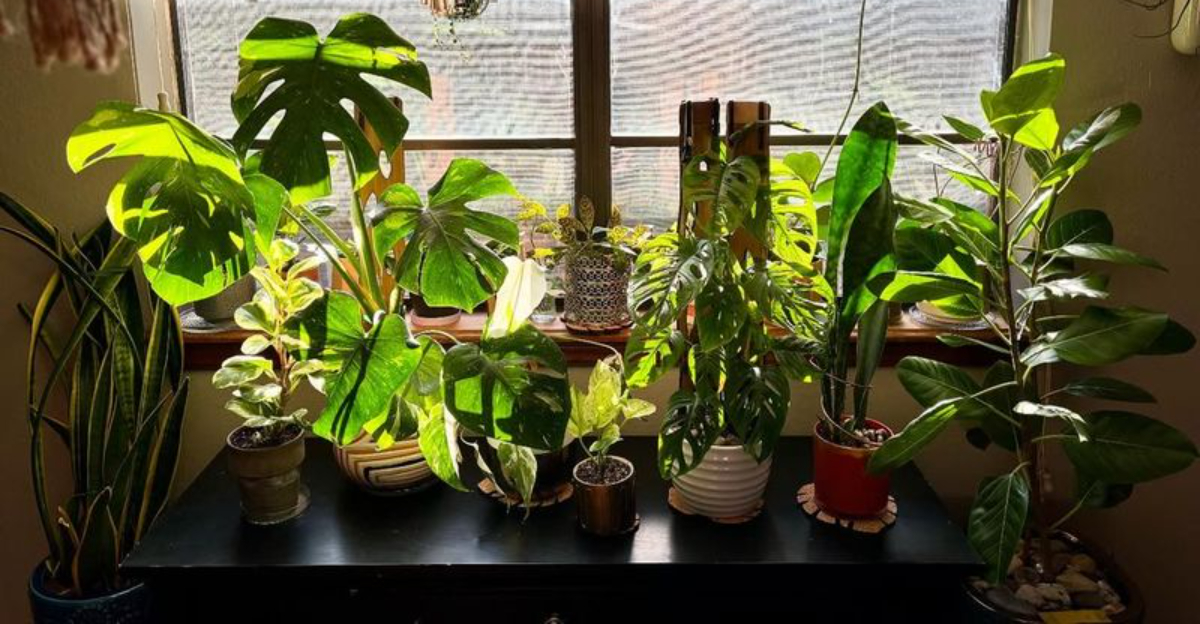
When winter wraps its icy fingers around New York, houseplants often pay the price.
Short days, overheated apartments, and drafty windows turn watering into a guessing game that many residents lose.
Before you know it, leaves are dropping faster than tickets to a Broadway premiere.
Winter is the season when even green-thumbed New Yorkers slip up, giving plants too much water, too little water, or watering at the worst possible time.
But don’t throw in the trowel—understanding a few simple mistakes can save your indoor jungle from winter woes.
This guide highlights the common pitfalls New Yorkers face and offers the solutions that keep houseplants looking fresh, perky, and ready for spring.
1. Watering On The Same Schedule As Summer
Your plants enter a dormant phase when winter arrives, which means their growth slows down dramatically.
They simply don’t need as much water because they’re not actively producing new leaves or roots.
Sticking to your summer watering schedule can lead to waterlogged soil that suffocates the roots.
Most houseplants need about half the water in winter compared to their growing season.
Check the soil moisture before watering rather than following a strict calendar.
Poke your finger about two inches into the soil to feel if it’s actually dry.
If it still feels damp or cool, wait a few more days before watering.
New York apartments often have unpredictable heating systems that affect how quickly soil dries out.
A plant near a radiator might need more frequent watering than one in a cooler room.
Pay attention to each plant’s individual needs rather than watering everything at once.
Your fiddle leaf fig and snake plant have completely different requirements even in the same season.
Adjust your routine based on what the plant actually needs, not what the calendar tells you.
2. Ignoring The Dry Indoor Air Problem
Central heating systems in New York apartments create desert-like conditions that suck moisture from everything, including your plants.
Many people respond by watering more frequently, but this addresses the wrong problem entirely.
The issue isn’t that roots need more water—it’s that leaves lose moisture through transpiration too quickly.
Overwatering to compensate for dry air just creates soggy soil while leaves still suffer from low humidity.
Instead, focus on increasing the moisture in the air around your plants.
Group plants together to create a mini humid microclimate where they share transpired moisture.
Place trays filled with pebbles and water beneath pots, making sure the pot bottoms don’t actually sit in water.
Consider investing in a small humidifier for the room where you keep most of your plants.
Misting provides only temporary relief and can actually promote fungal problems if done excessively.
Monitor your apartment’s humidity levels with an inexpensive hygrometer from any hardware store.
Most tropical houseplants prefer humidity levels between 40-60 percent, while New York winter apartments often drop below 30 percent.
3. Using Ice Cold Tap Water Straight From The Faucet
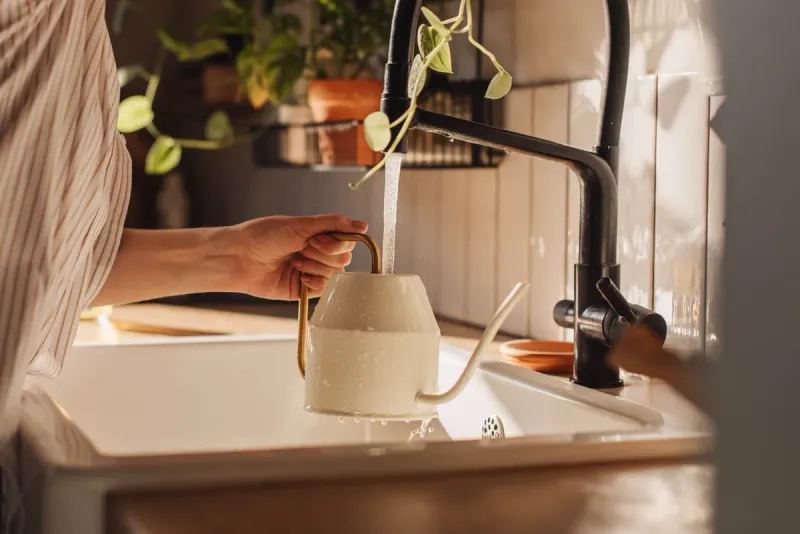
New York tap water runs extremely cold during winter months, and shocking your plants with icy water can stress their root systems significantly.
Cold water slows down nutrient absorption and can even damage sensitive root hairs.
Tropical plants especially hate the temperature shock since they evolved in warm, consistent climates.
Room temperature water allows roots to absorb moisture efficiently without going into shock.
Fill your watering can the night before and let it sit out until it reaches room temperature.
This practice also allows chlorine to evaporate from tap water, which benefits your plants even more.
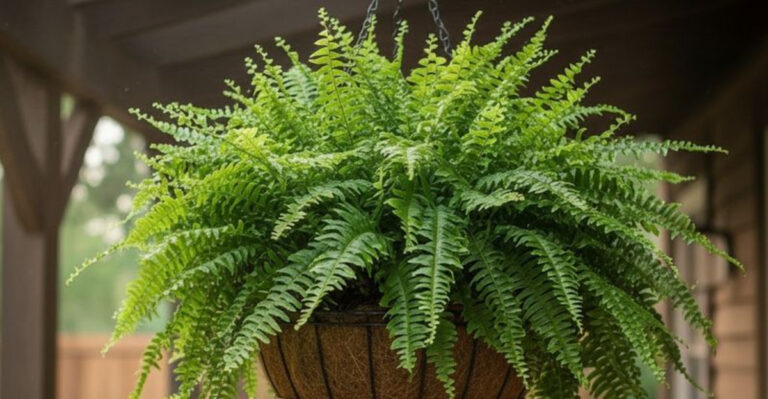
Some sensitive plants like calatheas and ferns really appreciate dechlorinated water.
If you forget to prepare water ahead of time, mix cold tap water with some warm water to achieve a lukewarm temperature.
Test it with your finger—it should feel neutral, neither cold nor warm.
Think about how you wouldn’t want an ice-cold shower on a winter morning.
Your plants feel the same way about freezing water hitting their roots.
This simple adjustment takes minimal effort but makes a noticeable difference in plant health throughout the season.
4. Watering From Above Instead Of Bottom Watering
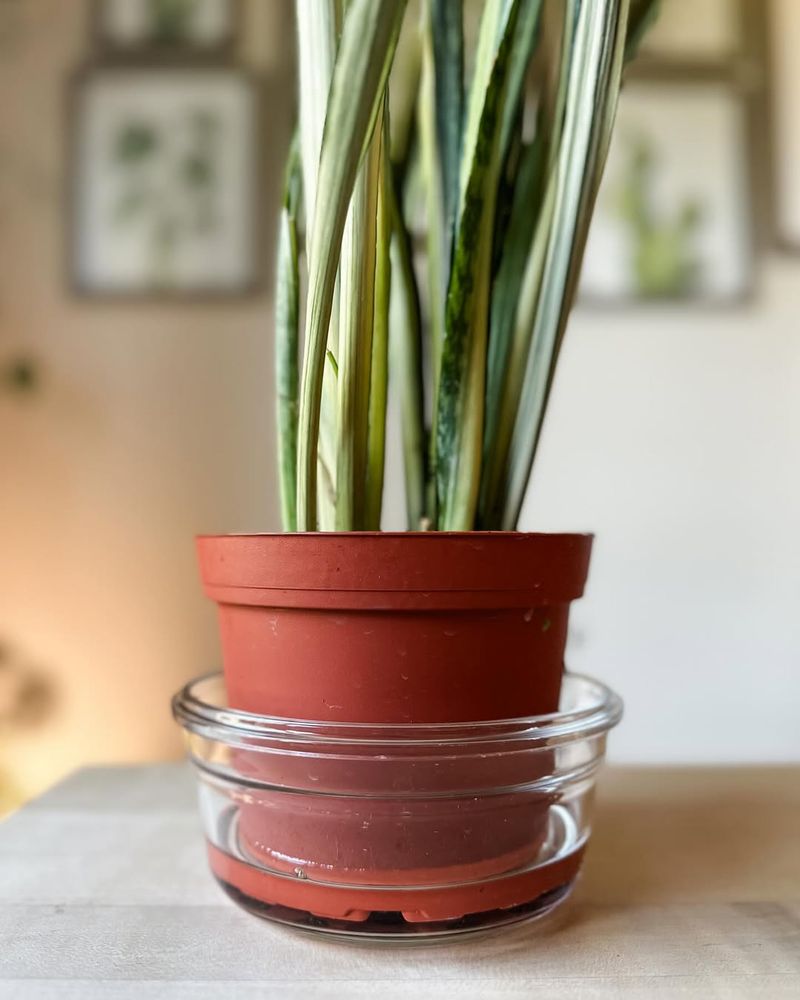
Pouring water from the top might seem like the natural approach, but it can create several problems during winter months.
Top watering often leads to uneven moisture distribution, with water running down the sides of the pot while the center stays dry.
It can also compact the soil surface over time, making water absorption even more difficult.
Bottom watering encourages roots to grow downward as they search for moisture, creating stronger root systems.
Place your potted plant in a tray or basin filled with water and let it soak for 20-30 minutes.
The soil will absorb water through the drainage holes until the top surface feels moist.
This method ensures thorough hydration without leaving the soil surface soggy and prone to fungal growth.
It’s particularly helpful for plants with fuzzy leaves or crowns that rot easily when wet.
African violets and begonias especially benefit from this watering technique.
You’ll also avoid the common problem of water splashing onto leaves and furniture.
After the soil has absorbed enough moisture, remove the pot from the water tray and let excess drain completely.
This prevents root rot while ensuring your plant gets exactly the hydration it needs.
5. Forgetting That Different Plants Have Different Needs
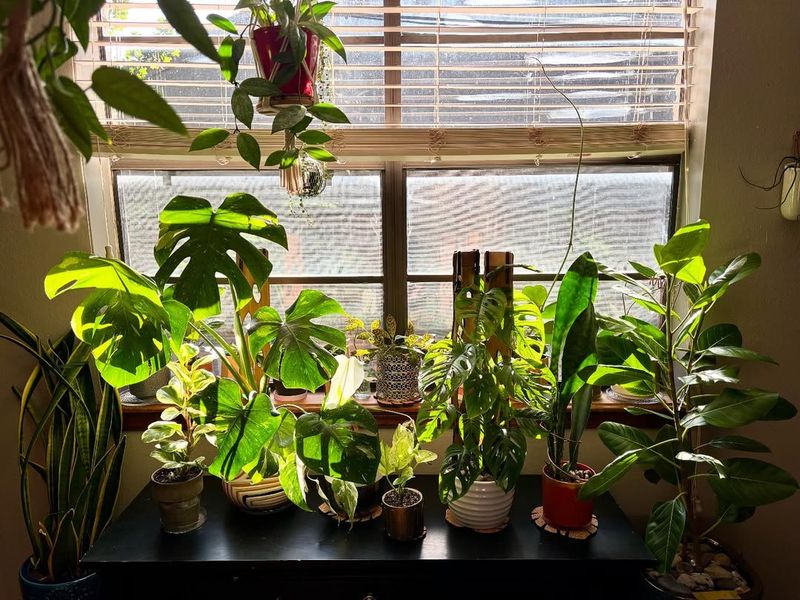
Walking around with a watering can and giving every plant the same amount of water is a recipe for trouble.
Your succulent collection needs vastly different care compared to your ferns, even when they’re sitting on the same shelf.
Cacti might go weeks without water in winter, while moisture-loving plants need more frequent attention.
Snake plants and ZZ plants store water in their thick leaves and roots, making them drought-tolerant champions.
These can easily go two to three weeks between waterings during New York winters.
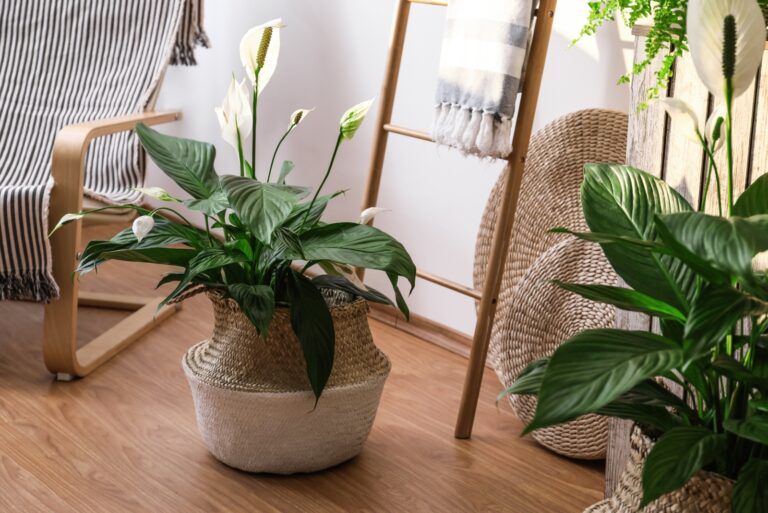
Meanwhile, calatheas and peace lilies prefer consistently moist soil and will show distress if they dry out completely.
Learn the specific requirements of each plant species in your collection.
Create a simple chart or use a plant care app to track different watering schedules.
Group plants with similar needs together to make your routine more efficient.
Pay attention to pot size too—smaller pots dry out faster than larger ones regardless of plant type.
A small pot of pothos needs more frequent watering than the same plant in a gallon-sized container.
Taking time to understand each plant’s preferences will transform your success rate dramatically.
6. Neglecting To Check Drainage Holes Before Watering
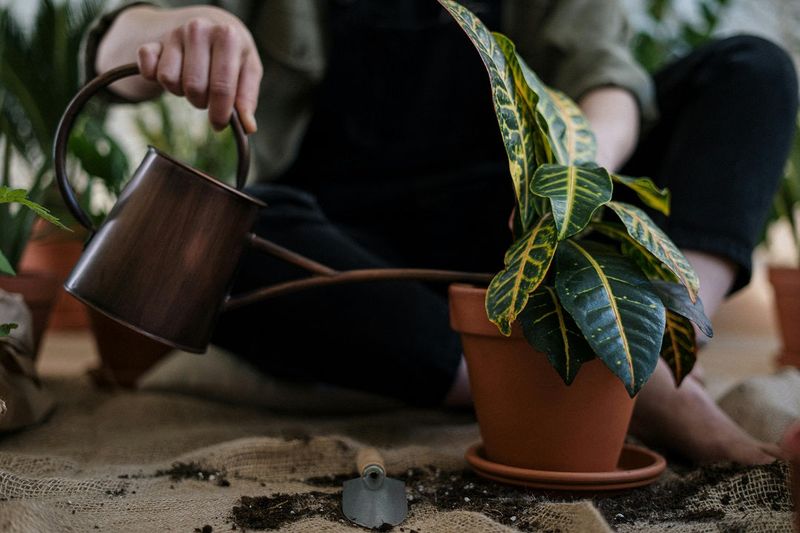
Drainage holes serve as the most important feature of any plant pot, yet many people overlook their condition entirely.
Roots can actually grow through drainage holes and block them over time, or soil can compact and seal them shut.
Without proper drainage, water has nowhere to escape, creating a swampy environment that roots cannot tolerate.
Before each watering session, flip the pot over and make sure water can flow freely through the holes.
If you spot roots poking through, it might be time to repot into a larger container.
Sometimes decorative pots come without drainage holes, which makes them unsuitable for direct planting.
Use them as cache pots with a properly draining nursery pot nestled inside instead.
After watering, always empty saucers and trays so plants don’t sit in standing water.
This is especially crucial during winter when plants absorb water more slowly.
Even five minutes of sitting in water won’t cause immediate harm, but overnight soaking can spell disaster.
Check drainage holes monthly as part of your regular plant maintenance routine.
This simple habit prevents countless watering-related problems and keeps root systems healthy throughout the challenging winter season.
7. Overwatering Plants Near Heat Sources
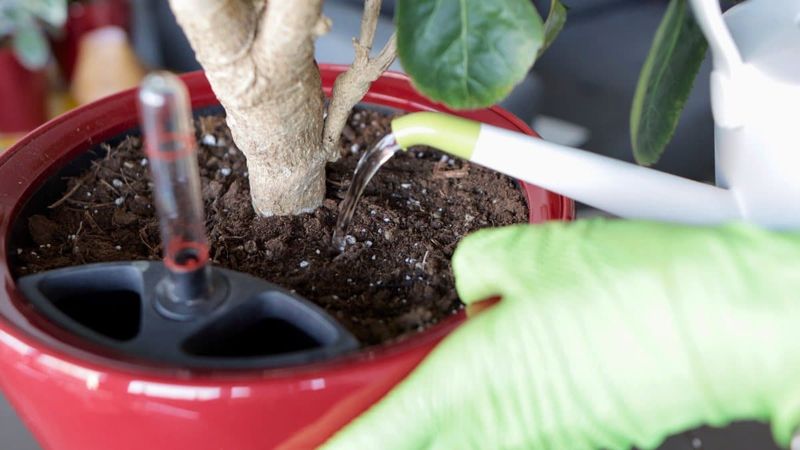
Radiators and heating vents are everywhere in New York apartments, and plants often end up positioned near these heat sources by necessity.
The constant warmth makes soil dry out much faster than in cooler spots, which can trick you into watering too frequently.
While the soil surface might feel bone dry, deeper layers could still hold plenty of moisture.
That radiator heat evaporates surface moisture quickly but doesn’t necessarily mean the entire root ball needs water.
Always check soil moisture at multiple depths before deciding to water.
Plants near heat sources also suffer from the double whammy of dry air and warm temperatures.
They might show signs of stress like crispy leaf edges, which looks like underwatering but is actually a humidity issue.
Adding water won’t fix leaves damaged by dry air—you need to address the environmental conditions instead.
Consider moving plants away from direct heat sources if possible, even just a few feet makes a difference.
If relocation isn’t an option, use humidity trays and monitor soil moisture extra carefully.
These plants might need water slightly more often than others, but not as much as the dry surface suggests.
Balance is key when dealing with these tricky microclimates.
8. Watering During The Wrong Time Of Day
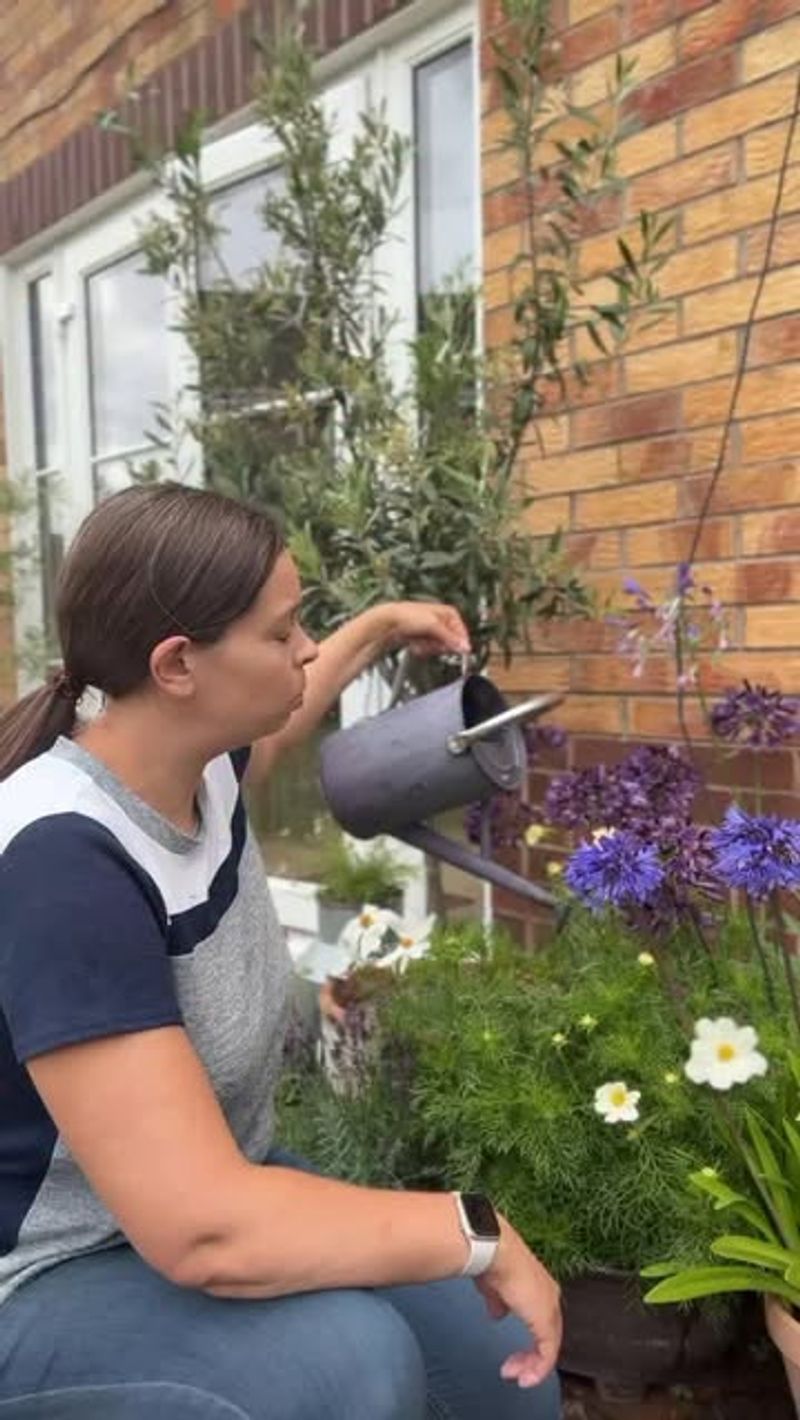
Timing your watering sessions might seem unnecessary, but it actually affects how well plants process that moisture.
Morning watering gives plants all day to absorb what they need while excess moisture evaporates naturally.
Evening or nighttime watering means soil stays wet longer, creating conditions where fungal problems can develop.
Cold winter nights combined with wet soil create the perfect environment for root rot and other moisture-related issues.
Plants naturally slow their water uptake at night, so evening watering just prolongs the time roots sit in dampness.
Morning also aligns with natural processes—plants are gearing up for photosynthesis and ready to use that water productively.
You’ll also notice any drainage issues or overwatering problems during daylight hours when you can address them immediately.
If mornings are impossible due to your schedule, aim for early afternoon at the latest.
This still gives several hours for excess water to drain and evaporate before nighttime temperatures drop.
Avoid watering right before you leave for work without checking drainage trays.
Coming home to a plant sitting in water all day defeats the purpose of careful watering.
Establishing a consistent morning routine benefits both you and your plants throughout winter.
9. Misreading Signs Of Overwatering As Thirst
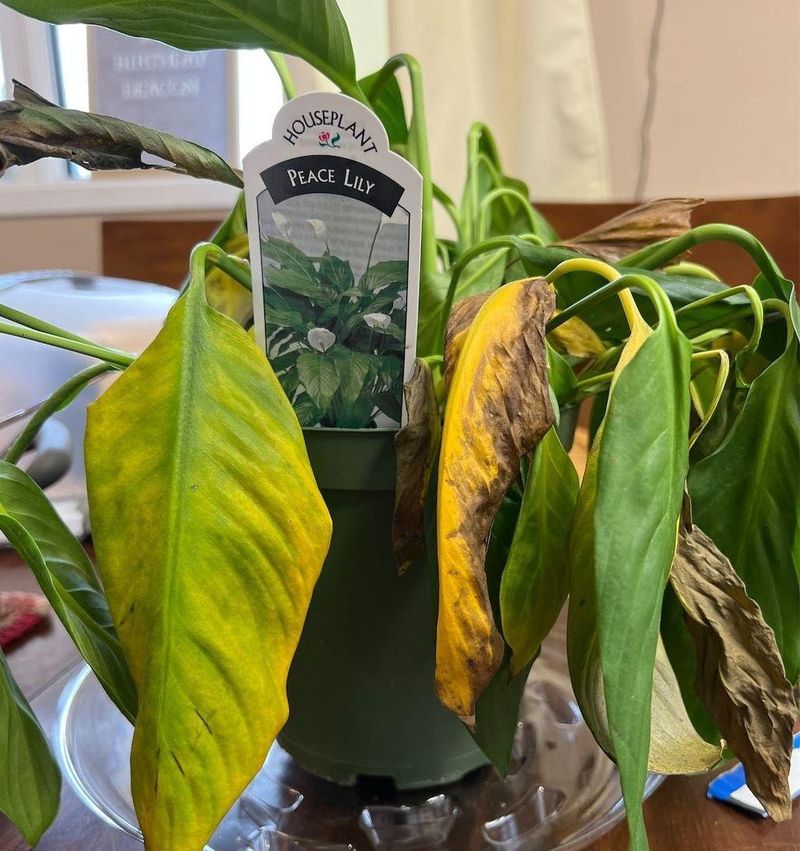
Wilting leaves can signal either too much water or too little, which confuses even experienced plant parents.
When you see droopy leaves, the instinct is to grab the watering can immediately.
However, overwatered plants also wilt because their roots can’t function properly in waterlogged soil.
Yellow leaves, mushy stems, and a sour smell from the soil all indicate overwatering rather than drought.
The soil will feel constantly damp or soggy when you stick your finger in deep.
Underwatered plants have dry, crispy leaves and soil that pulls away from the pot edges.
The pot also feels noticeably lighter when you pick it up compared to a well-watered plant.
Learning to distinguish between these two opposite problems saves countless plants from well-meaning but harmful treatment.
When in doubt, wait an extra day or two before watering—most plants tolerate slight underwatering better than overwatering.
Invest in a moisture meter if you struggle to judge soil dampness by touch.
These inexpensive tools take the guesswork out of watering decisions.
Understanding what your plant is actually telling you transforms your ability to provide proper care throughout the challenging winter season.