15 Houseplants Anyone Can Easily Propagate That Thrive In Michigan Homes
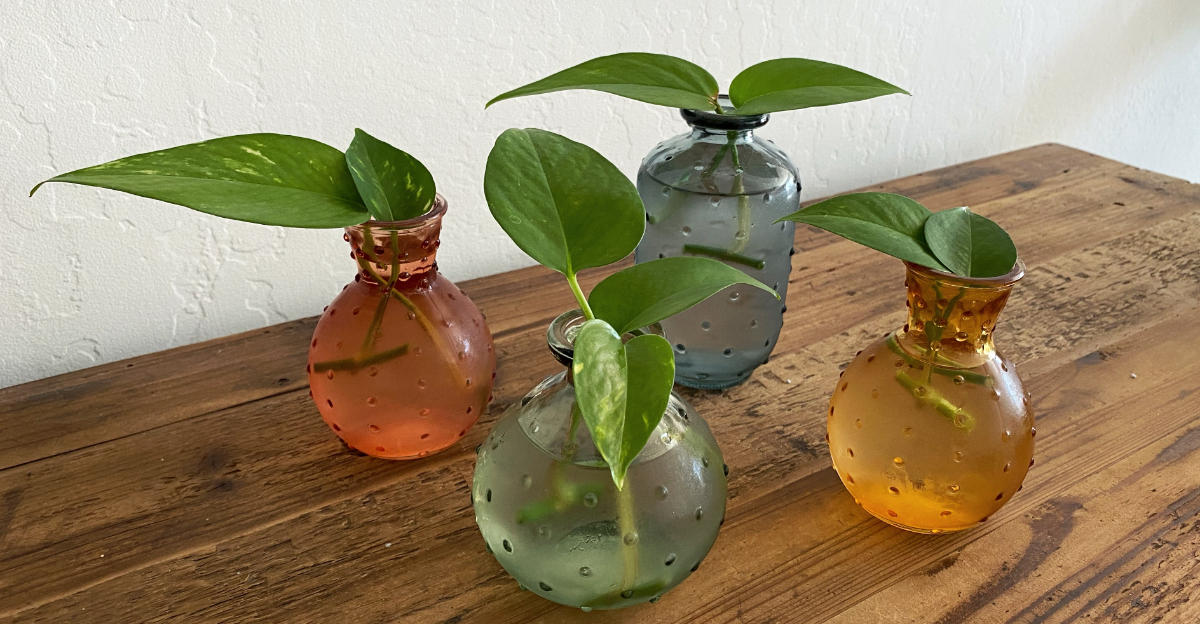
Watching a tiny cutting grow into a thriving plant brings a special kind of satisfaction that makes indoor gardening even more rewarding.
Many houseplants in Michigan adapt well to seasonal light changes and indoor heating, making home propagation both simple and successful.
Starting new plants from cuttings or divisions not only saves money but also allows you to expand your indoor collection in a meaningful, hands on way.
Many popular varieties root quickly and grow steadily when given proper light, warmth, and gentle care suited to Michigan home conditions.
This process is ideal for beginners learning the basics as well as experienced plant lovers looking to multiply their favorites. Over time, small cuttings turn into lush greenery that brightens living spaces and adds life to every room.
With the right plant choices, Michigan gardeners can easily grow a thriving indoor jungle while enjoying the quiet joy of nurturing new growth from the very beginning.
1. Spider Plant Produces Ready To Root Baby Plants
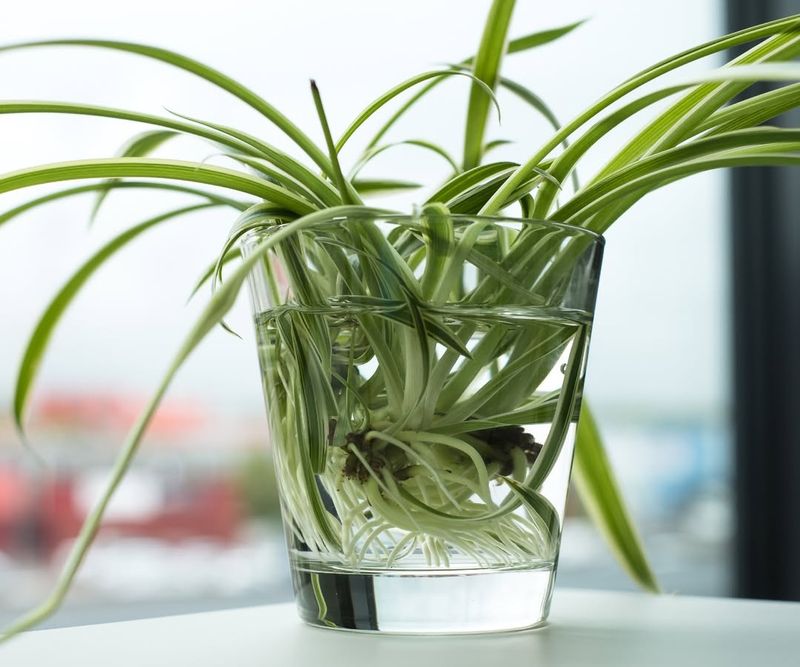
Tiny plantlets dangle from long stems like nature’s ready-made starter plants. These babies come equipped with small root nubs, eliminating much of the propagation work. Simply snip them off and pot them in moist soil.
You can also root these plantlets in water before transferring to soil. Either method works reliably, giving you flexibility based on your preference. The babies establish themselves quickly once separated from the parent plant.
Michigan’s indoor humidity levels suit spider plants perfectly during heating season. They tolerate the dry air better than many tropical houseplants while still growing vigorously. Their arching leaves create beautiful cascading displays in hanging baskets.
Wait until the plantlets develop small root bumps before removing them. This ensures they have the foundation needed for independent growth. Mature babies separate easily with a gentle tug or clean scissors.
One established spider plant produces dozens of babies throughout the growing season. This abundance lets you fill window shelves, share with neighbors, or create lush groupings.
The variegated varieties propagate as easily as solid green types, maintaining their striped patterns in offspring.
2. Pothos Roots Quickly In Water With Almost No Effort
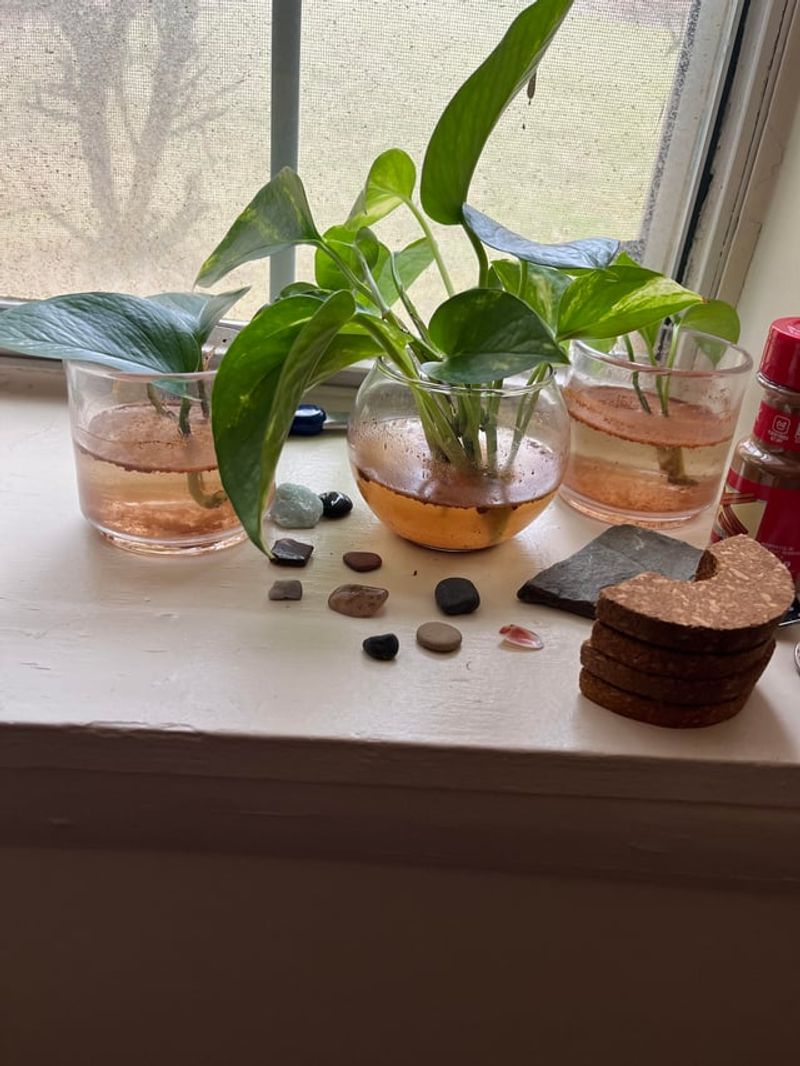
Snip a stem section below a leaf node and place it in water. Roots appear within seven to ten days, making this one of the fastest plants to propagate indoors. The process requires no special equipment or rooting hormone.
Change the water every few days to keep it fresh and oxygenated. Within three weeks, your cutting develops a robust root system ready for soil planting. You can also leave cuttings in water permanently if you prefer that look.
Pothos adapts beautifully to Michigan homes where winter light levels drop significantly. These vines tolerate low light better than most houseplants, thriving even in north-facing rooms. Their heart-shaped leaves add charm to any space while purifying indoor air.
Room temperature water works perfectly for rooting these cuttings. Avoid placing them in direct sunlight, which can heat the water and harm developing roots. A bright spot away from windows provides ideal conditions.
Each node on the stem can produce roots, so one healthy vine yields multiple new plants. This generous nature makes pothos perfect for sharing with friends or filling your home with greenery. The golden and marble varieties propagate just as easily as standard green types.
3. Snake Plant Grows New Plants From Leaf Or Division
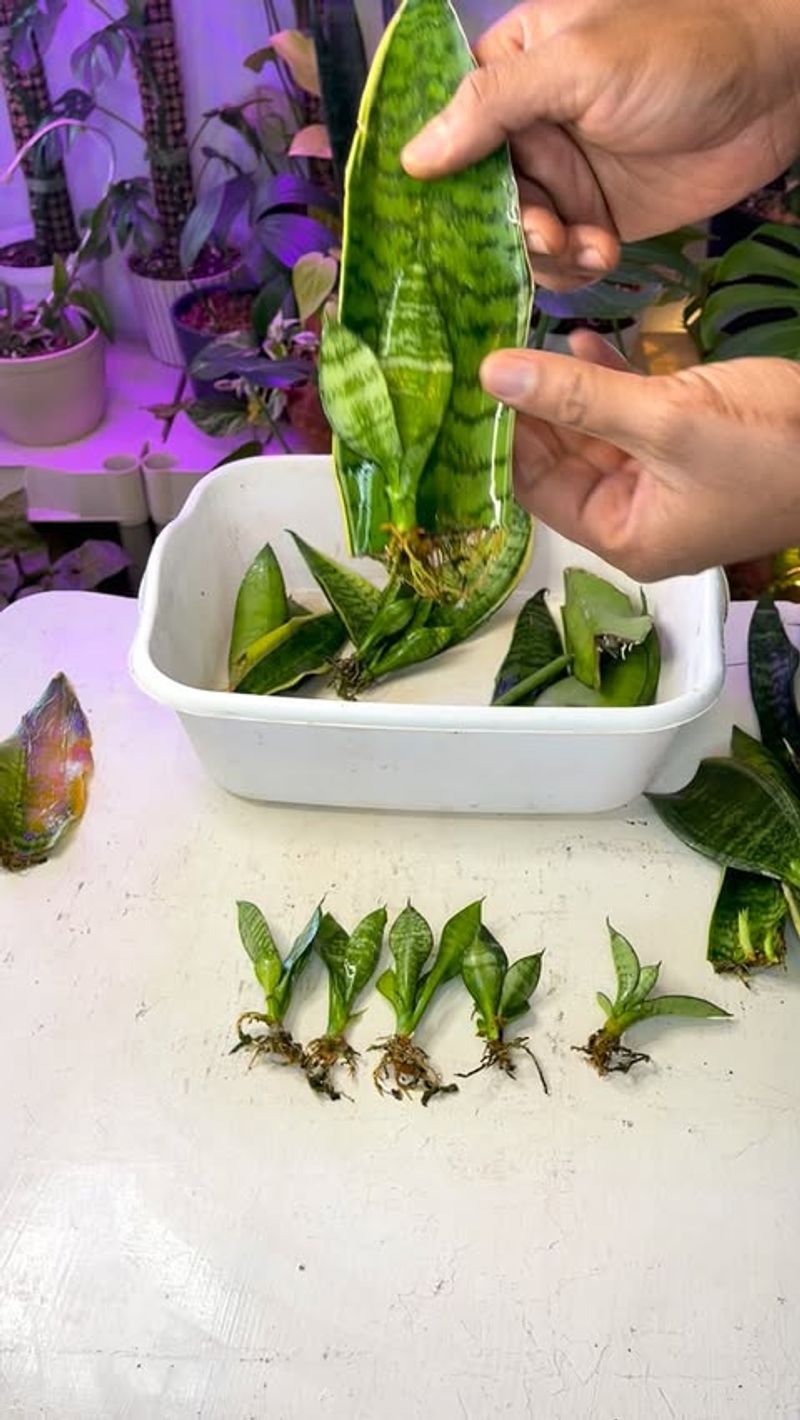
Dividing established clumps offers the fastest way to multiply snake plants. Unpot the parent, shake off excess soil, and separate the rhizomes with a clean knife. Each division with roots attached becomes an independent plant immediately.
Leaf cuttings provide another propagation method, though slower than division. Cut a healthy leaf into three-inch sections and insert them into moist soil. Roots and new shoots emerge from the base after several weeks.
These succulent-like plants handle Michigan’s dry winter air exceptionally well. They store water in their thick leaves, reducing the need for frequent watering. This makes them perfect for busy households or forgetful waterers.
Allow cut surfaces to dry for a day before planting to prevent rot. This callusing period protects the tissue from moisture-related problems. Place leaf cuttings in bright indirect light and keep soil barely moist.
Variegated varieties lose their yellow edges when grown from leaf cuttings, producing solid green offspring.
Division preserves the original pattern perfectly. Both methods create tough, architectural plants that tolerate neglect better than most houseplants while adding dramatic vertical interest to rooms.
4. Philodendron Roots Easily From Stem Cuttings
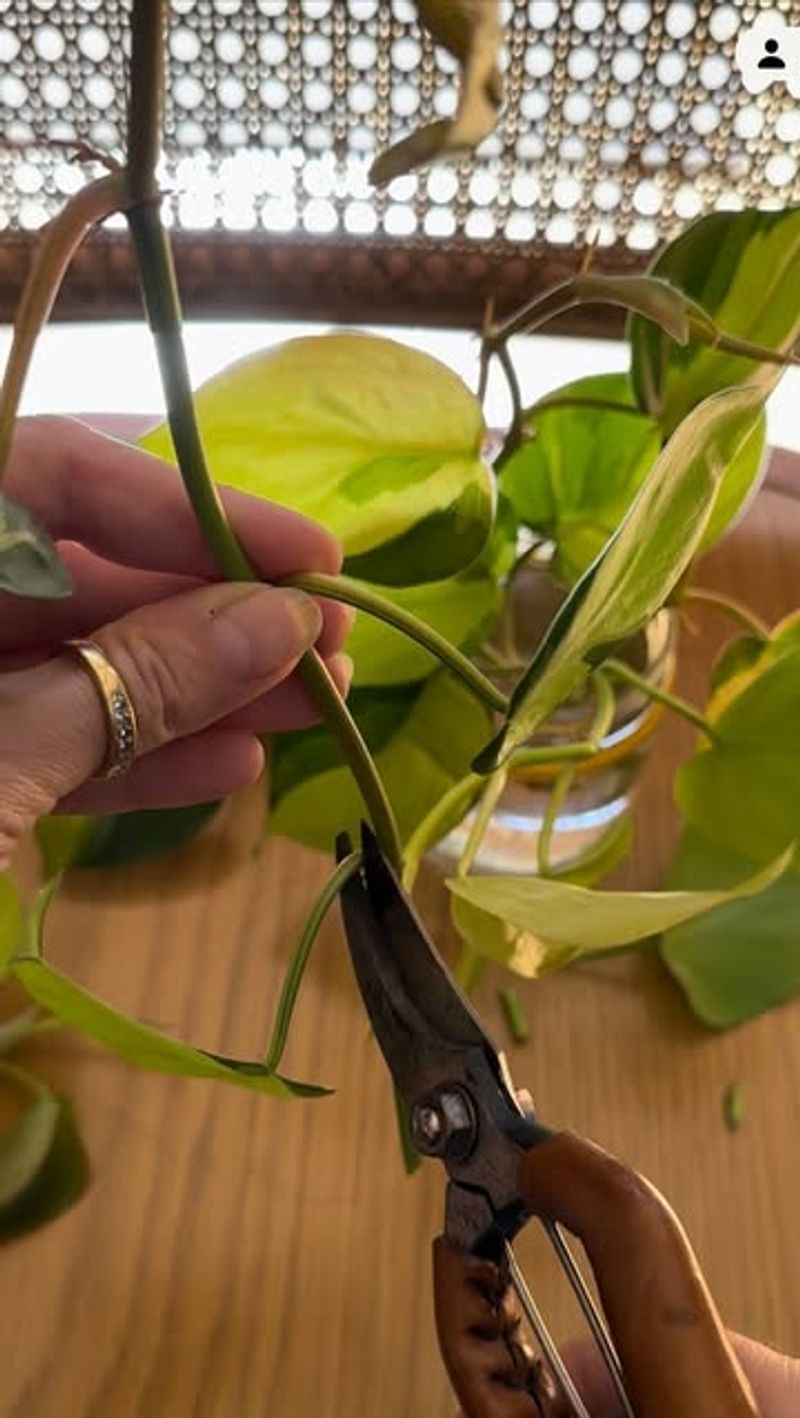
Cut stems just below a node where leaves attach to the main vine. These nodes contain the cells that generate new roots when placed in water. Most philodendron species root within two weeks under normal household conditions.
Keep cuttings in bright indirect light while roots develop. Direct sun can overheat the water and stress the cutting. Room temperature water encourages faster root growth than cold water from the tap.
Michigan homes provide excellent growing conditions for these tropical vines year-round. They adapt to lower winter light levels while maintaining healthy growth. Their tolerance for varied conditions makes them reliable performers in any room.
Each cutting needs at least one leaf and one node to succeed. Larger cuttings with multiple leaves establish faster but single-node pieces work fine too. Remove any leaves that would sit below the water line to prevent rot.
Transfer cuttings to soil once roots reach two inches long. They adjust quickly to the transition from water to potting mix. Heartleaf philodendrons propagate most easily, but split-leaf and brasil varieties root just as reliably with proper care and patience.
5. Tradescantia Spreads Rapidly From Simple Cuttings
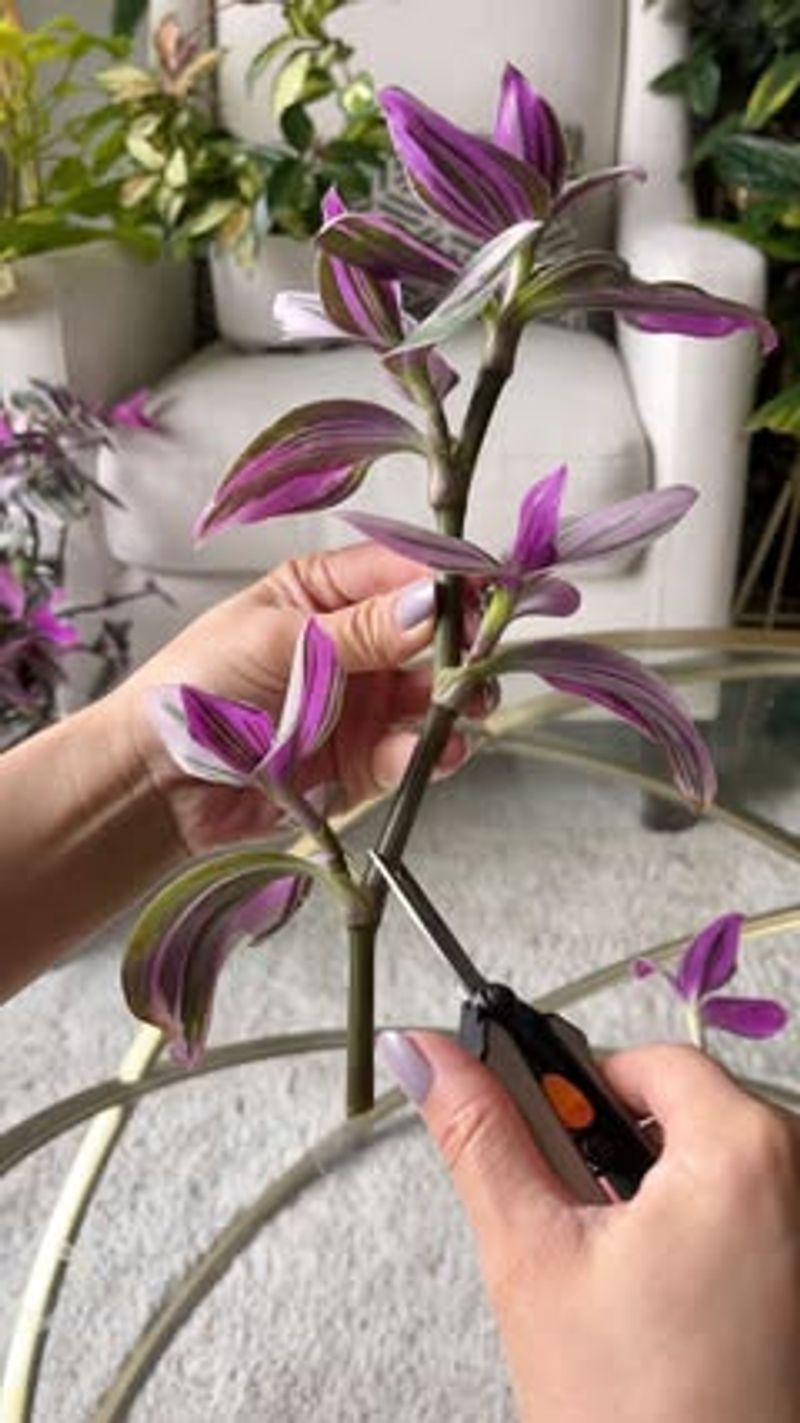
Pinch off stem tips about four inches long and stick them in water or moist soil. Roots appear within days, making this one of the speediest plants to propagate. The rapid growth means you can create full pots quickly from just a few cuttings.
These vibrant plants feature purple, pink, or silver-striped leaves that brighten any indoor space. Their trailing habit works beautifully in hanging baskets or on high shelves. The cascading stems grow several feet long with minimal care.
Tradescantia handles Michigan’s variable indoor conditions without complaint. They grow actively under bright light but tolerate medium light reasonably well. Regular pinching encourages bushier growth and provides endless propagation material.
Multiple cuttings placed together in one pot create instant fullness. Space them about an inch apart for a lush appearance from the start. They root while growing, so you see progress immediately.
The purple varieties maintain their deep color best in bright light. Lower light causes them to fade toward green, though they remain healthy.
These forgiving plants bounce back quickly from neglect, making them perfect for learning propagation techniques without pressure or worry about failure.
6. ZZ Plant Multiplies Through Division Or Rhizomes
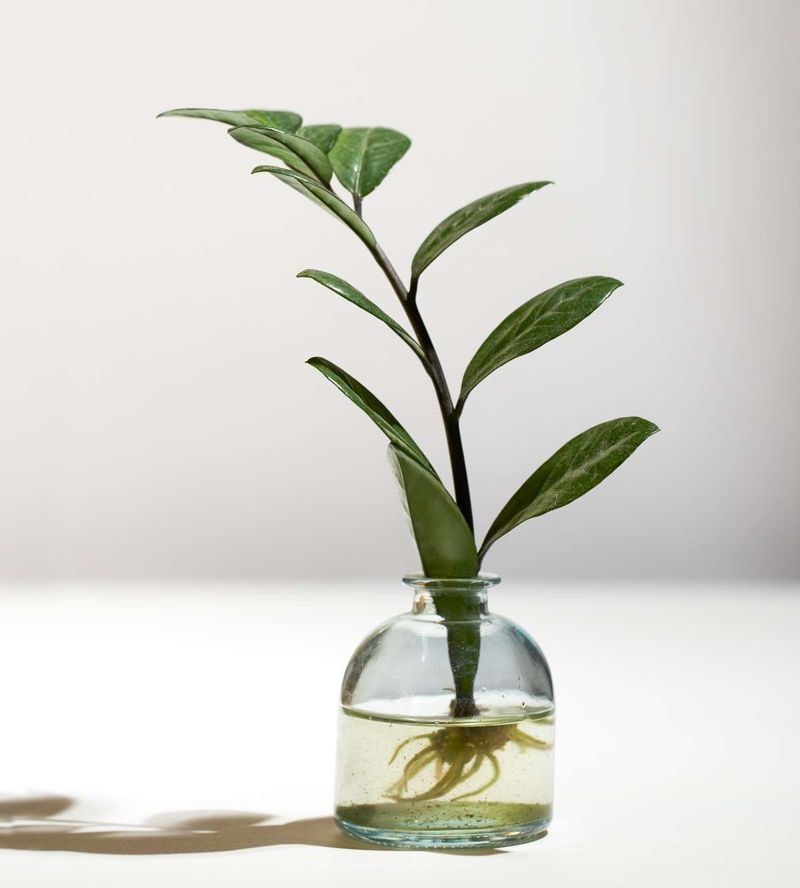
Separating rhizomes during repotting creates new plants instantly. These potato-like structures store water and nutrients, giving divisions a strong start. Each section with stems attached grows independently once separated and replanted.
The process takes patience because ZZ plants grow slowly compared to vining types. However, their extremely low maintenance needs make up for the gradual pace. They tolerate neglect better than almost any other houseplant.
Michigan’s dry winter indoor air poses no challenge for these tough succulents. They need watering only when soil becomes completely dry, sometimes just once monthly. Their glossy leaves resist dust and maintain their shine without wiping.
Individual leaflets can also root when placed in soil, though this method takes many months. Division remains the most practical approach for home gardeners wanting faster results. The parent plant must be mature and crowded before division becomes viable.
ZZ plants adapt to low light conditions that would weaken most houseplants. They grow slowly in dim corners but remain healthy and attractive.
Their upright architectural form adds modern elegance to any room while requiring almost no attention beyond occasional watering and yearly repotting when rootbound.
7. Aloe Vera Produces Offsets That Grow Into New Plants
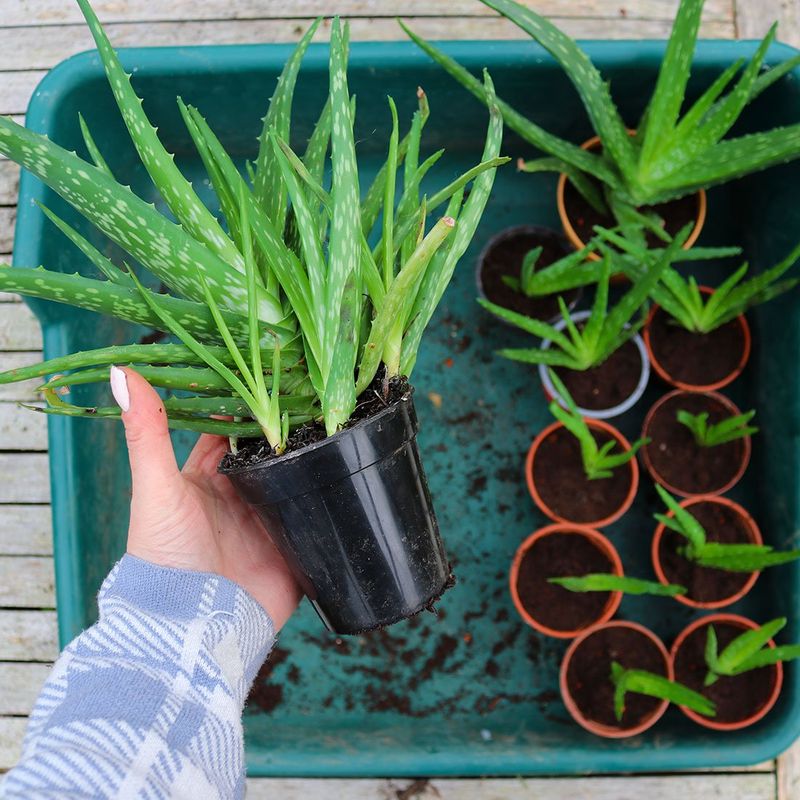
Small pups emerge around the base of mature aloe plants naturally. These miniature versions develop their own root systems while still attached to the parent. Once they reach about three inches tall, they separate easily for individual potting.
Gently unpot the parent plant and brush away soil to expose the connections. Use a clean knife to cut pups away, ensuring each has some roots attached. Let cut surfaces dry for a day before planting to prevent moisture problems.
Michigan homes provide suitable conditions for aloe growth, especially near sunny windows. These succulents prefer bright light and infrequent watering. They store moisture in their thick leaves, making them drought-tolerant between waterings.
Plant offsets in well-draining cactus mix rather than regular potting soil. Standard soil retains too much moisture and can cause root rot. Terra cotta pots help wick away excess water while adding rustic charm.
The medicinal gel inside aloe leaves soothes minor burns and skin irritations. Having multiple plants ensures you always have fresh gel available.
Pups grow into full-sized plants within two years, creating an endless supply of this useful succulent for your home and medicine cabinet.
8. Peace Lily Multiplies Through Simple Division
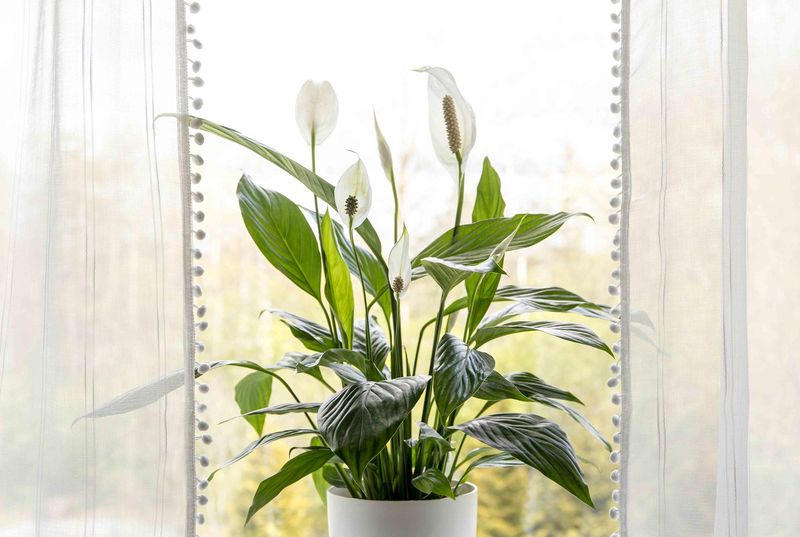
Crowded peace lilies practically beg for division when roots fill their pots completely. Unpot the plant and locate natural separation points between crown clusters. Pull or cut these sections apart, ensuring each has both roots and leaves.
Spring offers the ideal timing for this task when plants enter active growth. However, peace lilies tolerate division during other seasons if necessary. Water divisions thoroughly after replanting to help them settle into new pots.
Michigan’s indoor conditions suit these tropical plants surprisingly well. They bloom reliably in medium light and tolerate lower light better than most flowering houseplants. Their white spathes add elegance to bathrooms and offices where light levels stay moderate.
Each division may look sparse initially but fills out within months. Use pots only slightly larger than the root mass to prevent overwatering issues. Peace lilies prefer staying slightly rootbound rather than swimming in excess soil.
These plants signal watering needs by drooping dramatically when thirsty. They perk up within hours of watering, making them perfect for people learning to read plant signals.
The dramatic foliage and reliable white blooms make them rewarding subjects for propagation and long-term enjoyment in homes.
9. Jade Plant Roots Easily From Leaf Or Stem Cuttings
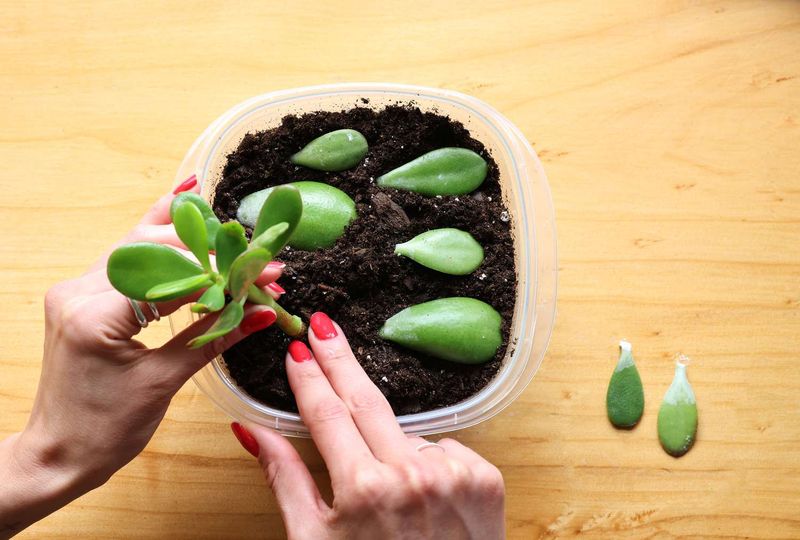
Both leaves and stem sections root reliably when allowed to callus before planting. Twist leaves gently from stems or cut three-inch stem pieces. Let them sit exposed to air for two days until the cut surface dries completely.
Place callused cuttings on top of barely moist cactus soil. Roots develop from the base and anchor themselves into the growing medium. Avoid burying cuttings deeply or keeping soil too wet during this critical stage.
These miniature tree-like succulents adapt well to Michigan’s indoor environment. They prefer bright light and tolerate the dry air from heating systems. Their thick trunks and branches develop character over time, resembling tiny ancient trees.
Patience proves essential because jade plants grow slowly from cuttings. Visible progress may take several weeks, but the wait rewards you with sturdy plants. Keep them in warm locations away from cold drafts during winter.
Stem cuttings produce faster results than individual leaves. However, leaves offer a way to salvage pieces that break off accidentally.
Both methods eventually create full plants with the jade’s characteristic plump leaves and tree-like structure that brings bonsai-style elegance to windowsills and shelves.
10. Mint Grows New Roots From Stem Cuttings Quickly
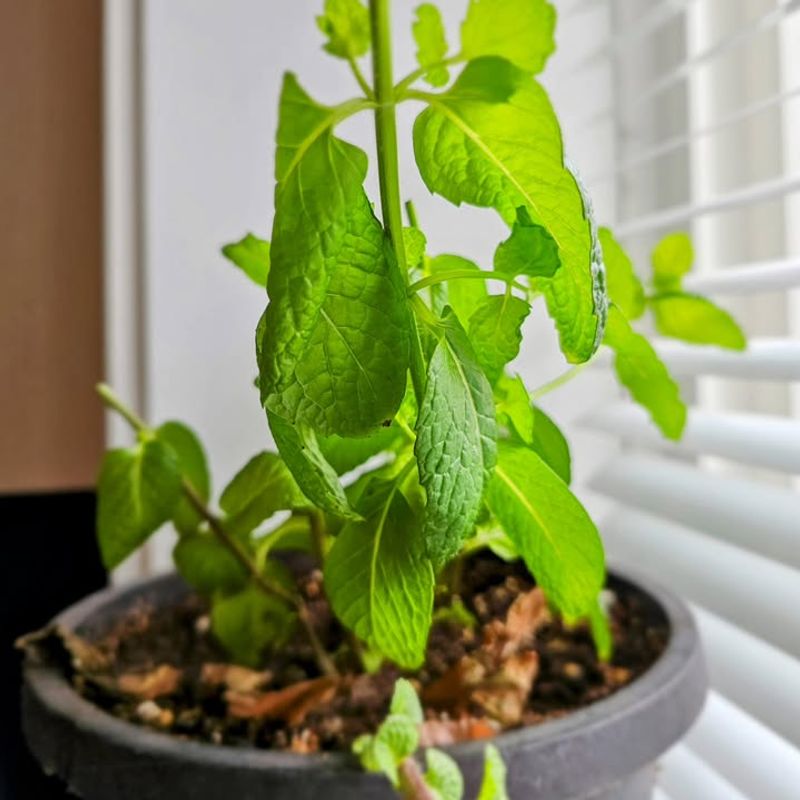
Snip four-inch stem tips from healthy mint plants and place them in water. Roots emerge within a week, faster than most herbs. The stems continue growing while rooting, so you see immediate progress.
Mint thrives indoors on sunny Michigan windowsills during winter months. The fresh leaves provide year-round seasoning for cooking and tea. Growing your own ensures you always have this aromatic herb available without grocery store trips.
Change the water every few days to keep it oxygenated and clean. Once roots reach an inch long, transfer cuttings to pots filled with regular potting soil. Mint adapts quickly to the transition from water to soil.
These vigorous herbs can become invasive outdoors but behave perfectly in containers. Indoor growing lets you enjoy mint’s benefits without worrying about it taking over garden beds. The refreshing scent fills rooms when you brush against the leaves.
Pinch stem tips regularly to encourage bushy growth and prevent legginess. Each pinched tip becomes another cutting for propagation.
Multiple varieties including peppermint, spearmint, and chocolate mint all root equally well, giving you options for different flavors and aromatic experiences in your indoor herb collection.
11. Coleus Roots Fast In Water Or Soil
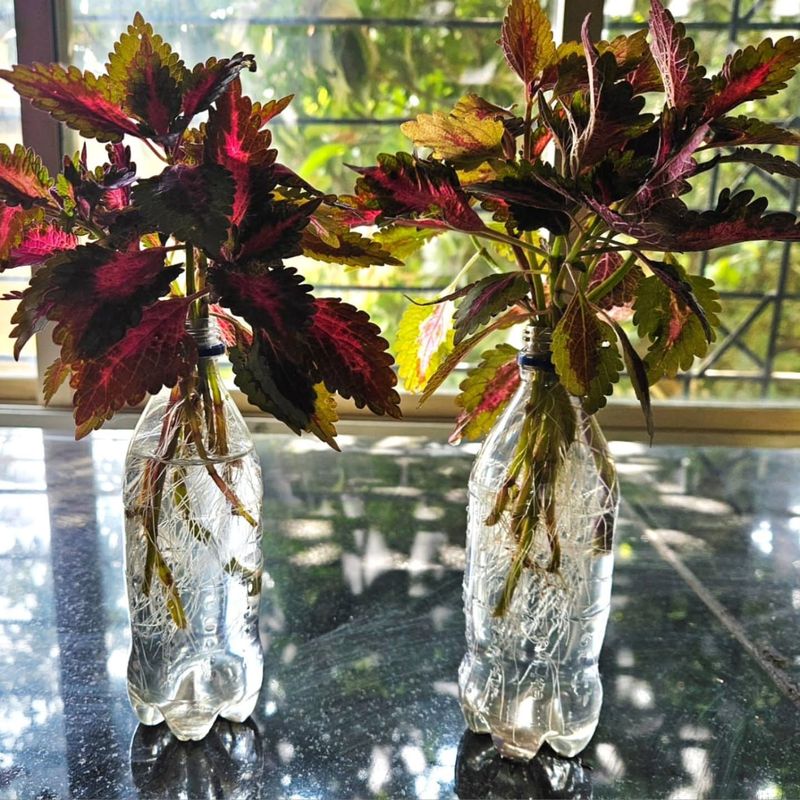
Cut stems below a leaf node and remove lower leaves before rooting. Place cuttings in water or insert them directly into moist potting mix. Both methods produce roots within ten days under warm conditions.
The spectacular leaf patterns on coleus plants rival any flower for visual impact. Colors range from deep burgundy to lime green with intricate patterns. These foliage plants bring tropical flair to Michigan homes during gray winter months.
Bright indirect light maintains the most intense leaf colors. Lower light causes colors to fade, though plants remain healthy. Rotate pots regularly to ensure even growth on all sides.
Pinch growing tips frequently to maintain compact, bushy shapes. Each pinched stem provides another cutting for expanding your collection. Coleus grows rapidly, so regular pinching prevents leggy, sparse plants.
These tender perennials cannot survive Michigan winters outdoors but thrive as houseplants. Take cuttings from garden plants in fall to enjoy their colors year-round.
The ease of propagation means you can create dozens of plants from a single parent, filling your home with bold patterns and vibrant hues that brighten even the darkest winter days.
12. Begonia Multiplies From Leaf Or Stem Cuttings
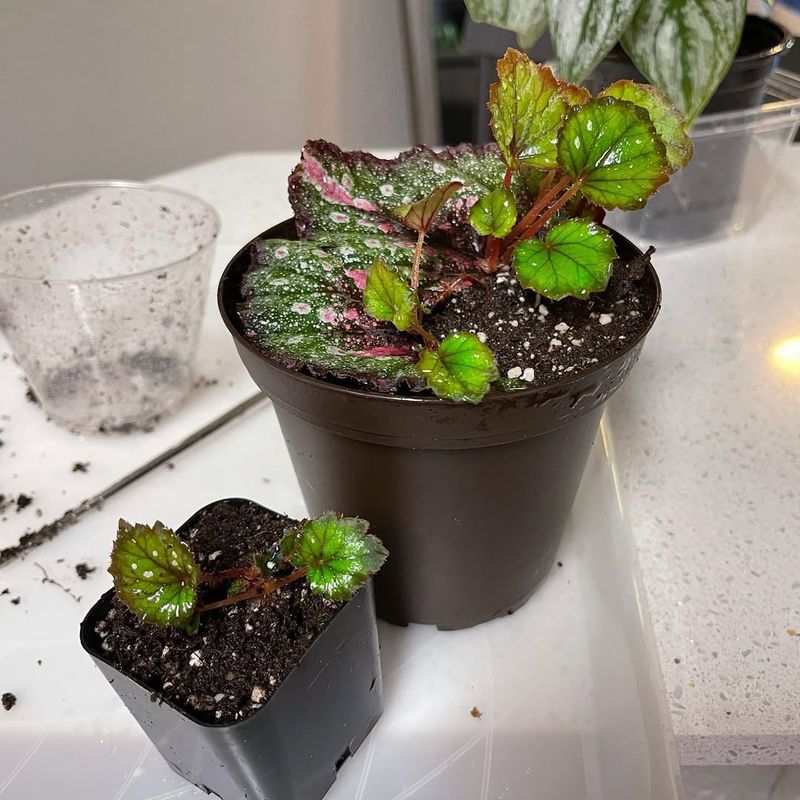
Rex begonias root from leaf cuttings placed on moist soil surface. Cut mature leaves into sections, each with a main vein. Lay pieces flat on soil and keep them consistently moist but not soggy.
Cane-type begonias propagate easily from stem cuttings in water or soil. Cut four-inch sections and remove lower leaves before rooting. New plants develop within weeks under warm, humid conditions.
Michigan homes during heating season can be quite dry for begonias. Place propagation containers on pebble trays filled with water to increase local humidity. Avoid misting, which can promote fungal problems on leaves.
These diverse plants offer endless variety in leaf patterns and colors. Some feature metallic silver markings while others show deep purple undersides. The decorative foliage provides year-round interest without requiring flowers.
Bright indirect light suits most begonia types, though requirements vary by species. Avoid direct sun, which can scorch the delicate leaves.
Consistent moisture and moderate temperatures encourage the best growth and most vibrant leaf colors in these stunning foliage plants that propagate generously for patient gardeners.
13. African Violet Produces New Plants From Leaf Cuttings
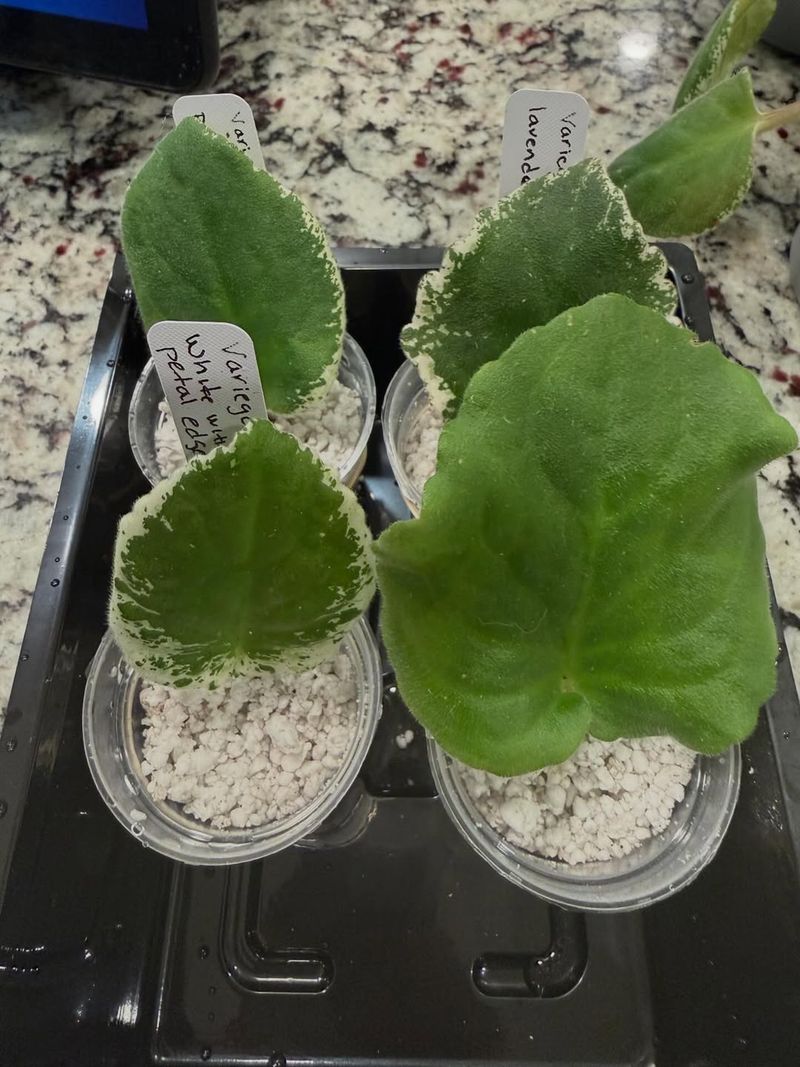
Select healthy leaves from the outer ring of the plant. Cut stems at an angle and insert them into moist vermiculite or seed-starting mix. Cover the container with plastic to maintain humidity during the rooting period.
Tiny plantlets emerge from the base of the leaf stem after several weeks. These babies develop their own leaves and roots while still attached to the parent leaf. Separate them for individual potting once they reach about an inch tall.
African violets bloom reliably indoors with proper care and lighting. They prefer bright indirect light and consistent moisture. Michigan gardeners often succeed with these plants on east-facing windowsills where morning sun stays gentle.
Room temperature water prevents shocking the sensitive roots. Always water from below by adding water to the saucer rather than wetting leaves. Fuzzy foliage develops spots when water sits on the surface.
These compact plants fit perfectly on small shelves and desks. Their cheerful blooms appear year-round when conditions suit them.
Dozens of varieties offer flowers in purple, pink, white, and bicolors with single or double petals that bring constant color to indoor spaces with minimal effort.
14. Swedish Ivy Roots Easily From Trailing Stems
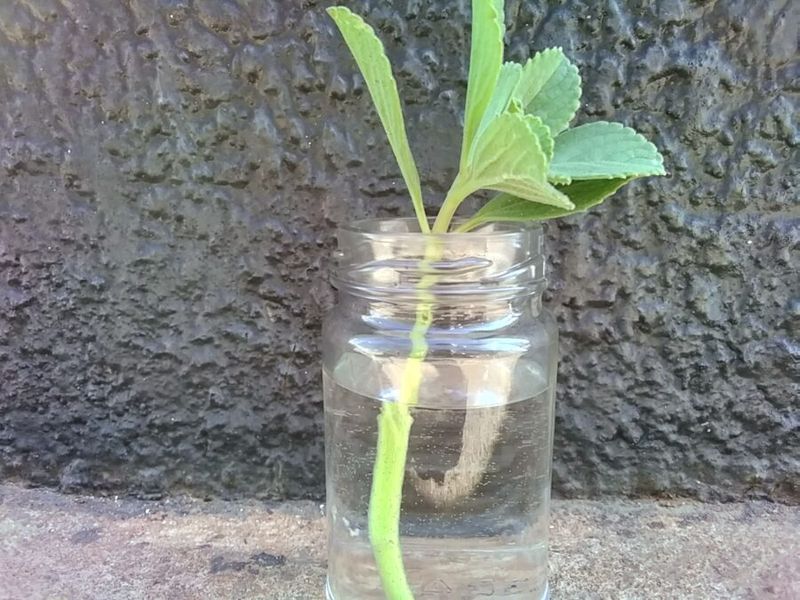
Snip stem sections four to six inches long from trailing vines. Remove leaves from the bottom half and place cuttings in water. Roots appear within a week, making this one of the fastest plants to propagate.
The round, scalloped leaves have a fresh appearance that brightens any space. Swedish ivy grows vigorously in hanging baskets where stems cascade several feet. Regular pinching maintains fullness and provides constant propagation material.
These plants adapt well to Michigan’s indoor environment year-round. They tolerate medium light but grow more vigorously in brighter locations. The forgiving nature makes them perfect for beginners learning propagation techniques.
Multiple cuttings placed together create instant fullness in new pots. Space them about two inches apart for a lush look from the start. They grow together quickly, forming a unified plant.
Swedish ivy occasionally produces tiny white or purple flowers, though it grows primarily for foliage. The glossy leaves resist dust and maintain their appearance without frequent cleaning.
This reliable plant propagates so easily that you can share cuttings with everyone you know while keeping your own collection full and thriving throughout every season.
15. Chinese Money Plant Produces Offsets For Easy Propagation
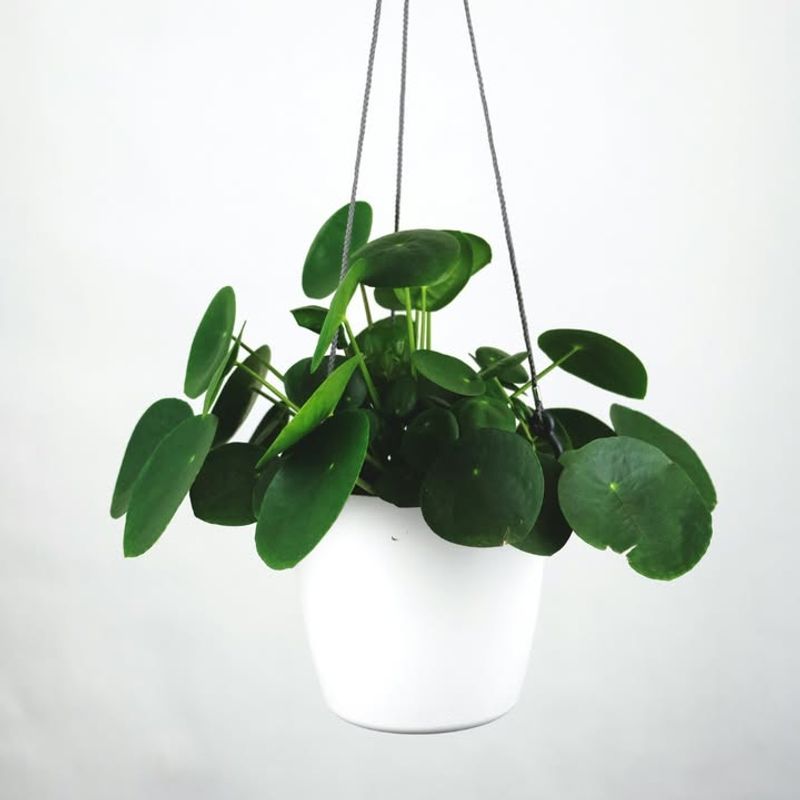
Small plantlets emerge from the soil around the parent plant’s base. These offsets develop from underground runners and pop up with their own root systems. Wait until they reach about two inches tall before separation.
Gently excavate around each pup to expose its connection to the parent. Cut or pull it away carefully, ensuring roots remain attached. Plant offsets in small pots with well-draining soil and water lightly.
The distinctive round leaves resemble coins standing on edge, giving this plant its common name. Stems hold leaves perpendicular to their length, creating an unusual architectural display. This modern appearance suits contemporary home decor perfectly.
Bright indirect light keeps the plant compact and encourages offset production. Rotate pots weekly so all sides receive equal light exposure. This prevents lopsided growth and maintains the symmetrical shape.
Michigan homes provide suitable growing conditions for these trendy plants. They tolerate average humidity and room temperatures well.
The parent plant produces offsets generously once established, giving you an endless supply of these charming plants to share with friends or arrange in groups for dramatic impact on shelves and tables throughout your home.