9 Houseplants California Gardeners Should Divide In March For Double The Plants
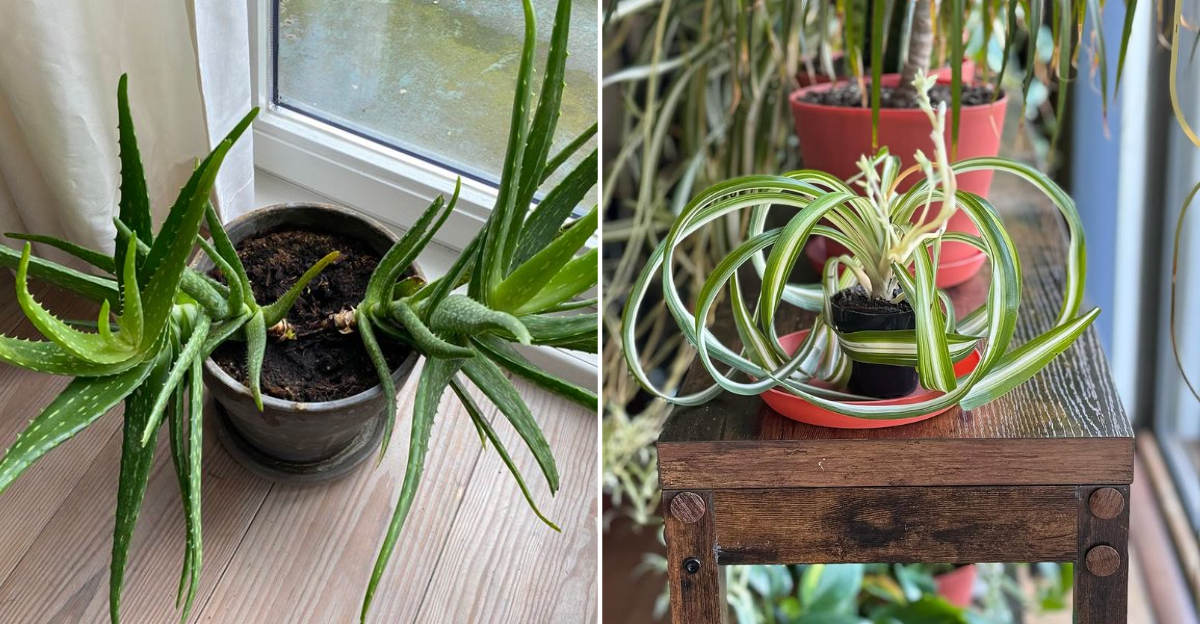
If your houseplants are starting to look a little crowded, March is the perfect time to play plant matchmaker. Longer days and brighter sunshine wake many indoor plants up after their winter slowdown, which means they’re ready for a fresh start and a little extra space.
Here’s the fun part. Some houseplants naturally grow in clumps, and with a gentle split you can turn one plant into two, three, or sometimes even more. It’s basically the closest thing gardeners have to a buy one get several free deal.
California’s bright spring light helps newly divided plants settle in quickly, pushing out fresh leaves and roots as they adjust to their new pots.
A quick afternoon of dividing can suddenly fill empty corners, decorate more rooms, or even give you a few plant gifts for friends.
If a few pots around your home are starting to look packed, March is the perfect moment to multiply your houseplant jungle.
1. Spider Plant
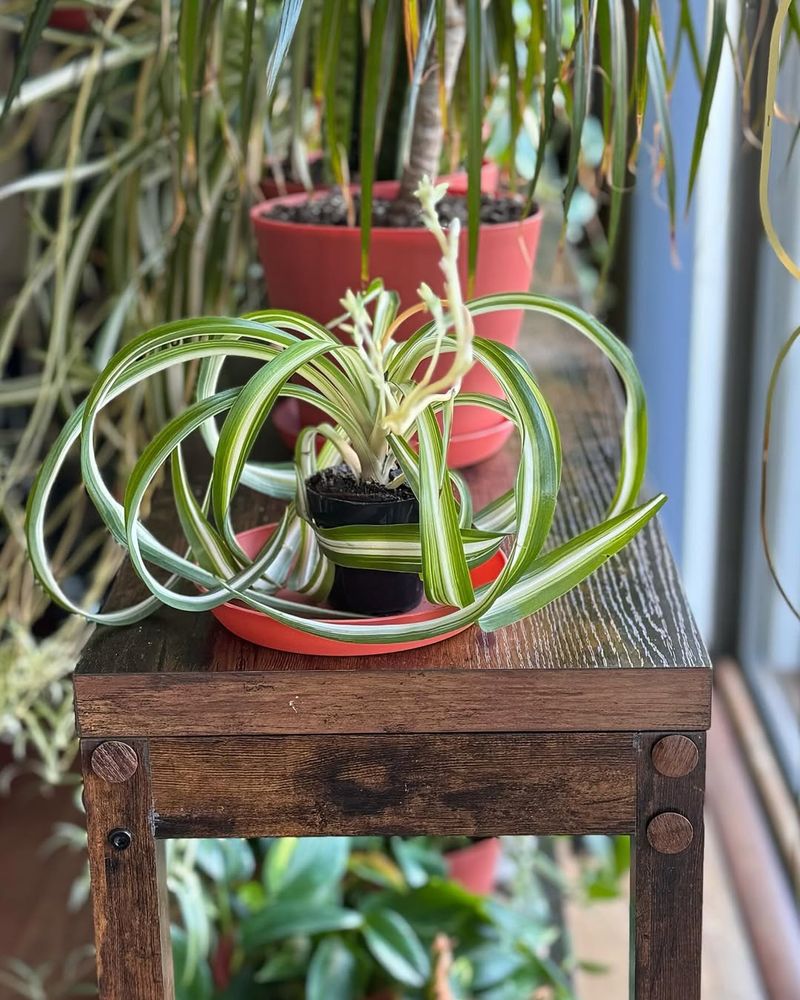
Few houseplants are as generous as the spider plant. It practically hands you new plants by growing little offshoots, called spiderettes or pups, right off its long trailing stems.
March is the perfect moment to snip those pups and start fresh pots.
In California homes, spider plants do really well near bright windows with indirect light. To divide, simply cut the small offshoots from the main plant using clean scissors.
You can place each pup in a small glass of water until roots appear, then move them into fresh potting soil.
Each new plant needs its own pot with good drainage. Water them lightly at first and keep them in a warm spot.
Within a few weeks, you will notice new growth starting to appear. Spider plants are also great air purifiers, which makes them a smart choice for any California home.
They tolerate low light, occasional missed waterings, and even a little neglect. Once rooted, they grow fast and begin producing their own pups before you know it.
Sharing extra plants with neighbors or friends is a fun bonus that comes with growing spider plants.
2. Peace Lily
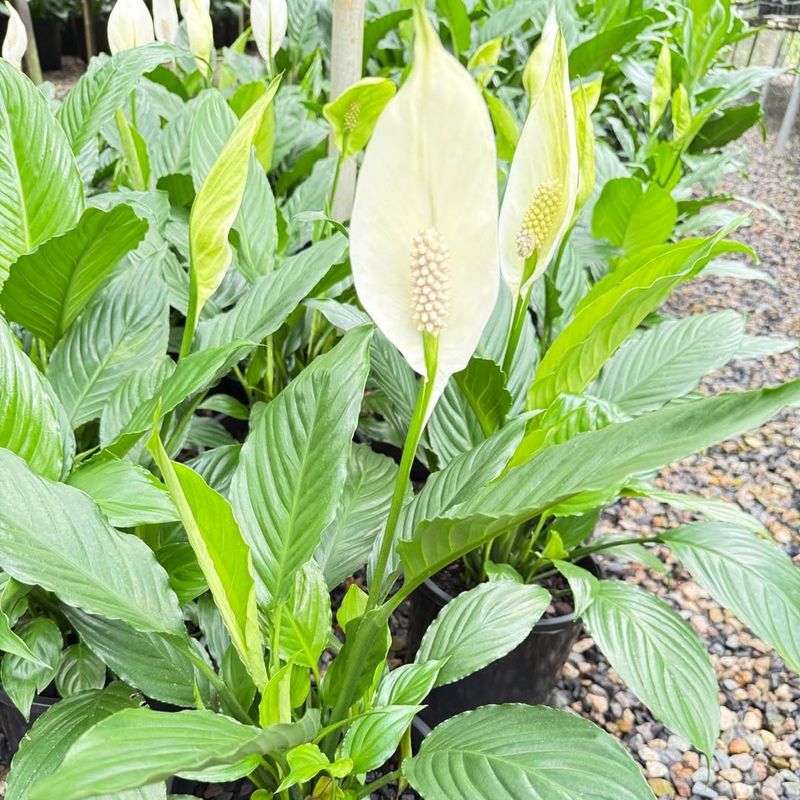
There is something calming about a peace lily in full bloom. Those glossy green leaves and bright white flowers make it one of the most popular houseplants in California, and March is a great time to divide one into two or more thriving plants.
When a peace lily gets too crowded in its pot, the leaves start to droop faster than usual and blooming slows down. That is your signal to act.
Gently remove the plant from its pot and shake off the extra soil so you can see the root system clearly.
Look for natural clusters of stems with their own roots attached. Carefully pull or cut these sections apart, making sure each division has healthy roots and a few leaves.
Replant each section in fresh, well-draining potting mix and water thoroughly. Place the new pots in a spot with bright, indirect light.
Peace lilies prefer consistent moisture but do not like sitting in soggy soil. In California’s warm indoor spaces, they settle in quickly after dividing.
Within a few weeks, you should see fresh new leaves pushing up, which is a sure sign your division was a success.
3. Snake Plant
Snake plants are practically legendary for being tough. They handle low light, irregular watering, and dry California air without much fuss.
But here is something many plant owners do not know: these sturdy plants can be divided in March to create brand-new, fully independent plants.
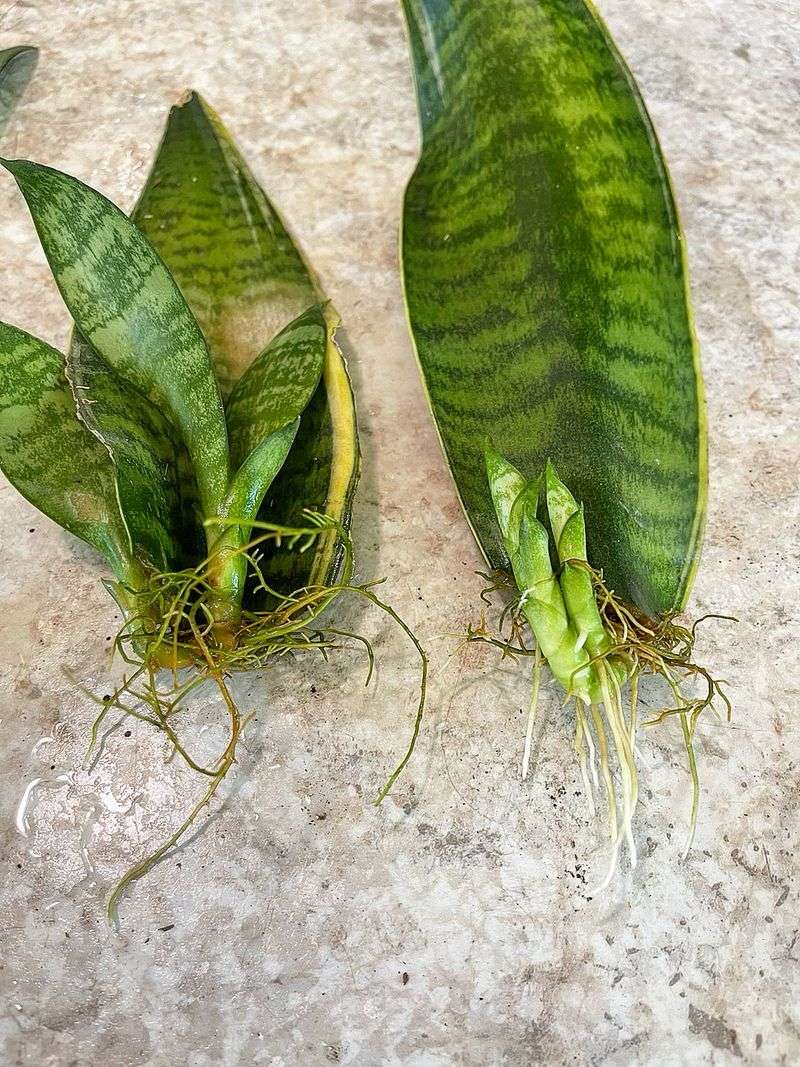
Over time, a snake plant fills its pot with thick underground stems called rhizomes. When you see roots pushing out of the drainage holes or the plant looking overcrowded, it is ready to divide.
Take the plant out of its pot and brush away the soil gently.
Use a clean, sharp knife to cut through the rhizome, making sure each section has at least one healthy leaf and a good set of roots. Let the cut sections sit out for a few hours so the cut edges can dry slightly before planting.
This helps prevent any issues with moisture. Plant each division in fresh, well-draining soil, ideally a cactus or succulent mix.
Water lightly and place in indirect light. Snake plants are slow growers, but once settled into their new pots in a California home, they thrive with very little attention and look sharp doing it.
4. Pothos
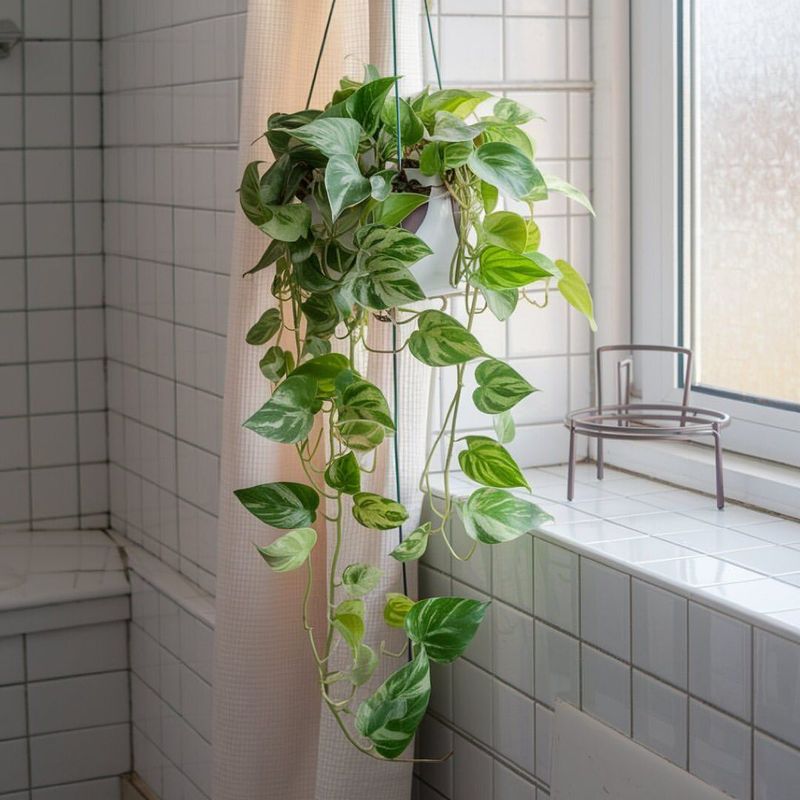
Ask any California plant lover for their top beginner-friendly houseplant and pothos will almost always make the list. It grows fast, looks beautiful trailing from shelves or hanging baskets, and responds really well to division in early spring.
Dividing pothos is simple and satisfying. If your plant has grown into a thick, tangled bundle of stems and roots, it is time to split it up.
Carefully remove the plant from its pot and gently loosen the root ball with your fingers.
Separate the stems into smaller groups, keeping roots attached to each section. Each new division should have at least two or three healthy stems with leaves.
Plant each group in its own pot filled with fresh, lightweight potting mix. Water well and place the new pots in bright, indirect light.
Pothos adjust quickly and you will likely see new leaf growth within a couple of weeks. They also root easily in water if you prefer that method first.
In California’s warm climate, pothos grow actively in spring and summer. Regular dividing keeps them from becoming too dense and encourages bushier, more vibrant growth throughout the year.
5. ZZ Plant
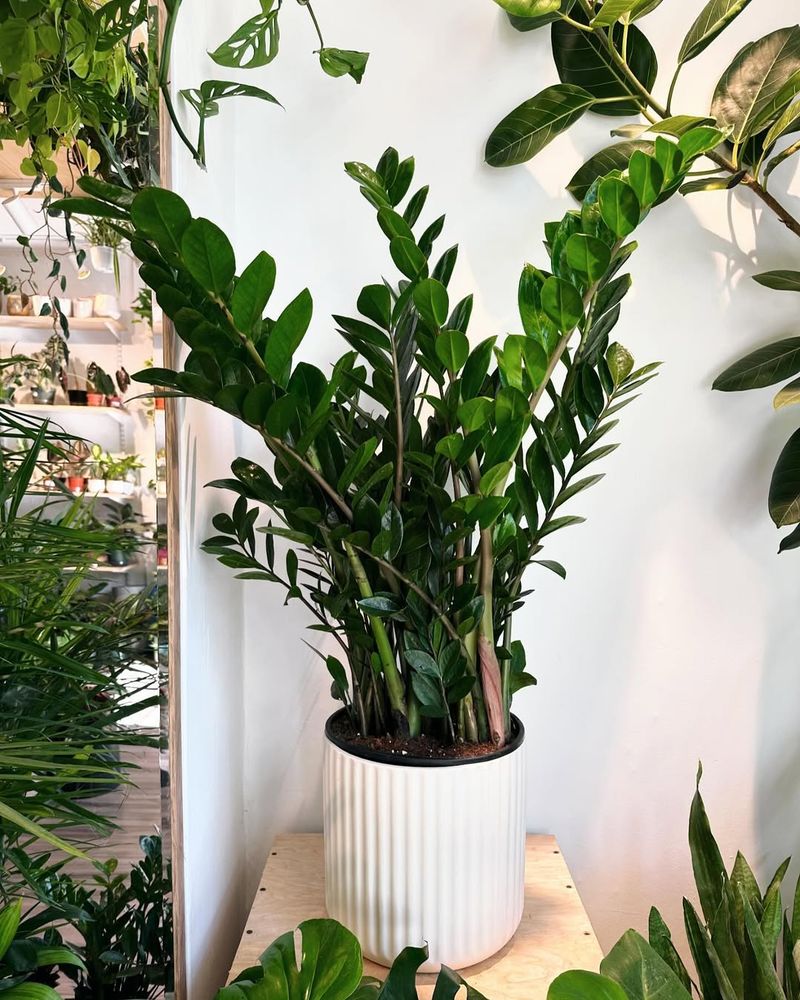
Shiny, dark green leaves and an almost sculpture-like appearance make the ZZ plant one of the most stylish houseplants around.
It is also incredibly easygoing, which is why it shows up in so many California homes and offices. March is a smart time to divide one and double your collection.
ZZ plants grow from thick underground rhizomes that store water, which is why they handle drought so well.
When the pot becomes overcrowded or rhizomes start pushing against the sides, dividing is the right move. Remove the plant carefully and shake off the soil.
You will see chunky, potato-like rhizomes connected at the base. Use a clean knife to separate them into sections, making sure each piece has at least one stem and a healthy rhizome attached.
Allow the cut surfaces to dry for a few hours before planting. Place each division in a pot with well-draining cactus or succulent mix.
Water sparingly at first since ZZ plants prefer drier conditions. Set the new pots in a spot with low to medium indirect light.
In California’s mild spring, ZZ plants settle into their new homes steadily and reward patience with glossy, upright growth that adds real elegance to any room.
6. Aloe Vera
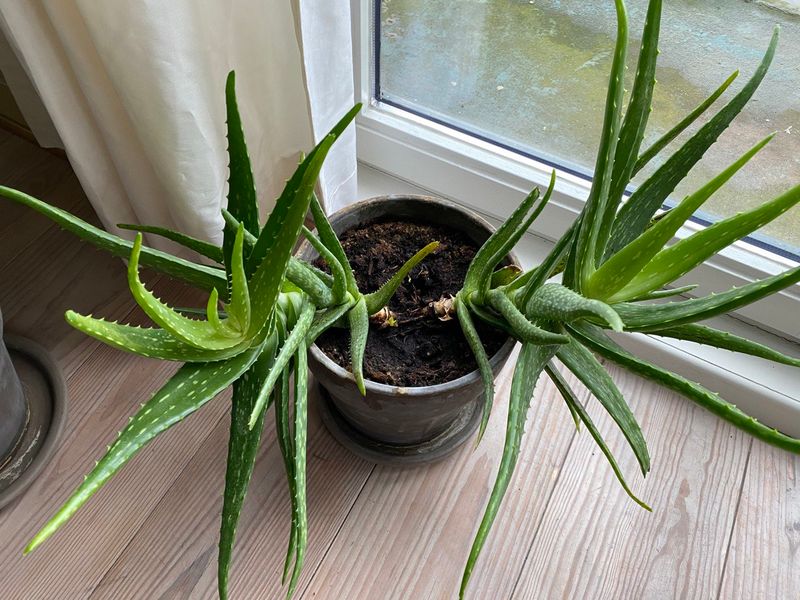
Aloe vera is practically a California classic. It loves the sunny weather, handles dry conditions like a pro, and has been used for centuries to soothe sunburns and skin irritation.
What makes March so great for aloe is that the plant naturally produces small offsets called pups around its base, ready to be separated and potted on their own.
Pups are miniature versions of the main plant, and they grow right from the root system. Gently tip the pot on its side and ease the plant out.
Look for pups that are at least a few inches tall and have their own roots already forming.
Use a clean knife or your fingers to detach each pup from the parent plant. If a pup does not have visible roots yet, set it aside in a dry spot for a day or two before planting.
This allows the base to callous over, which helps with rooting. Plant each pup in a well-draining cactus mix and place in a sunny window.
Water sparingly for the first few weeks. California’s bright spring light is ideal for helping new aloe divisions settle in and start growing strong, healthy leaves.
7. Cast Iron Plant
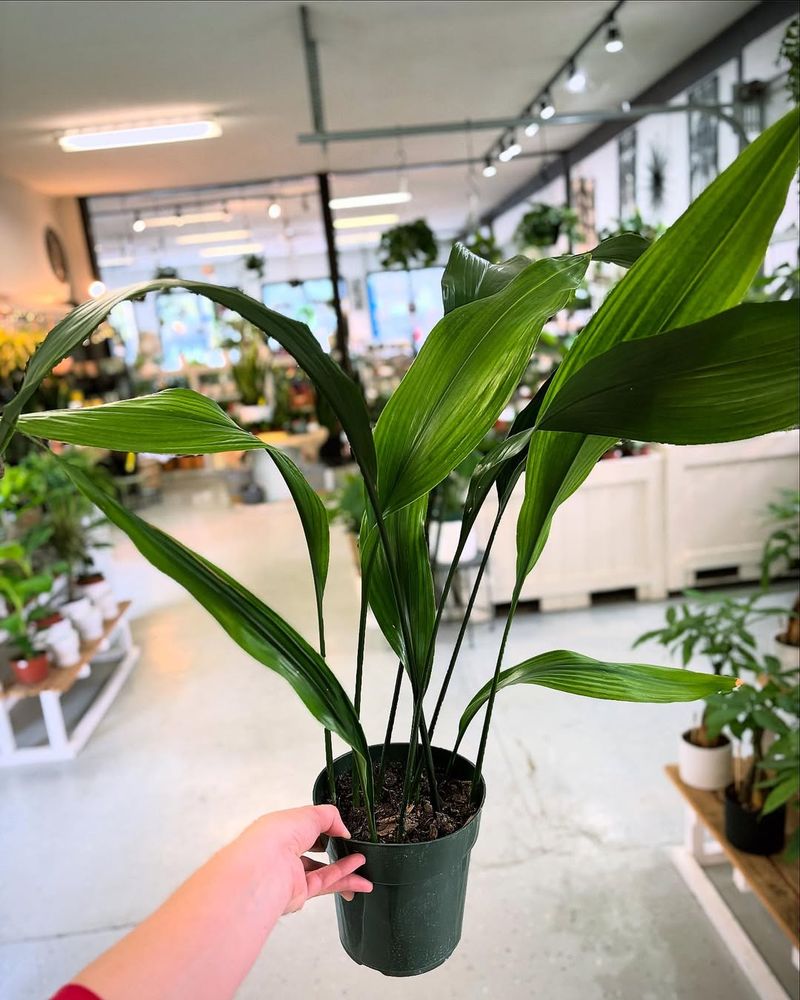
True to its name, the cast iron plant is nearly impossible to break. It handles low light, irregular watering, and even neglect better than almost any other houseplant.
California gardeners who have one tucked into a dim corner have probably noticed it slowly filling its pot over time. March is the right time to divide it.
Cast iron plants grow by sending up new shoots from underground rhizomes. Dividing them is straightforward, though the thick, dense root system takes a little muscle to work through.
Remove the plant from its pot and use a sharp, clean knife to cut through the root mass.
Make sure each division has several healthy leaves and a good chunk of roots attached. Do not worry if the roots look tangled; just be patient and work through them carefully.
Replant each section in fresh potting soil and water thoroughly. Place the new pots in low to medium indirect light since cast iron plants prefer shade over direct sun.
They are slow growers, so do not expect rapid changes right away. In California homes and patios, these plants are reliable long-term companions that reward consistent care with deep, rich greenery year after year.
8. Boston Fern
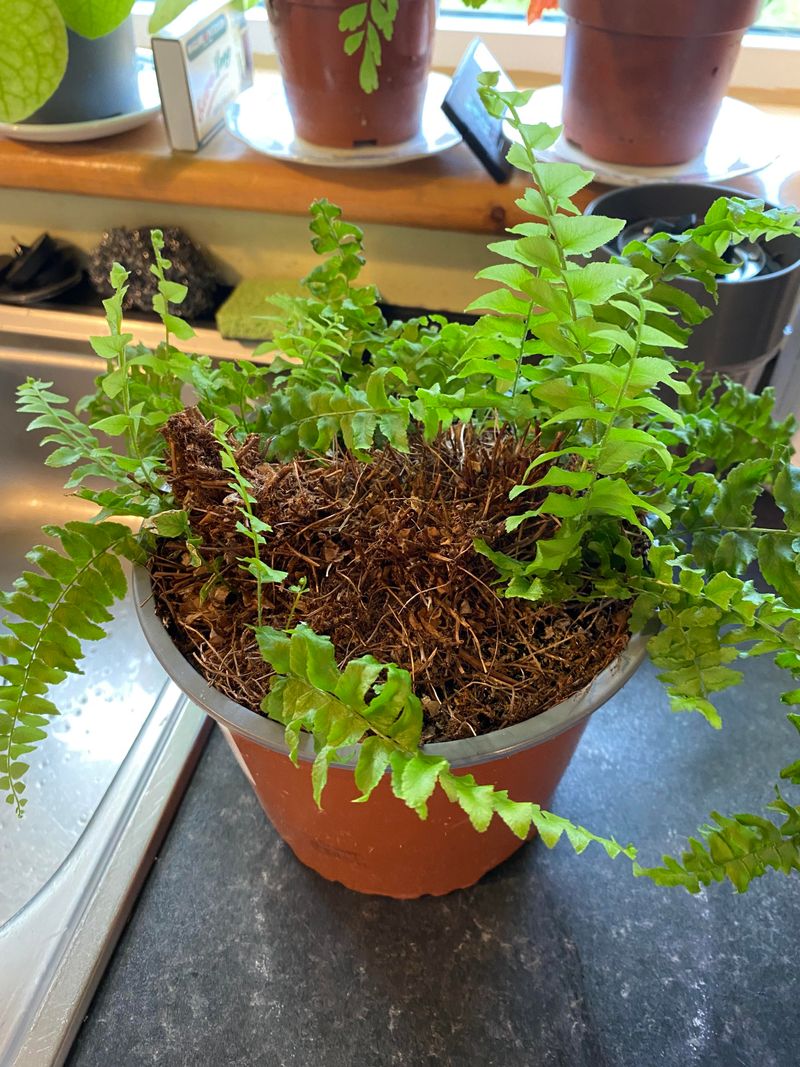
Boston ferns have a wonderfully full, feathery look that adds life to any room or porch. They are a favorite in California, especially in coastal areas where the air has a little more moisture.
When a Boston fern outgrows its pot, dividing it in March gives the plant a fresh start and you an extra one for free.
A rootbound fern is easy to spot. The roots fill the pot completely and the plant may look tired or stop producing new fronds.
Take the plant out of its container and you will likely see a dense, tangled root ball. That is perfectly normal and means it is ready.
Use your hands or a clean knife to split the root ball into two or three sections. Each section needs healthy roots and several green fronds.
Replant each piece in fresh, moisture-retaining potting mix and water well. Ferns love humidity, so misting the fronds regularly or placing the pot on a pebble tray with water helps a lot.
Keep the newly divided plants in bright, indirect light and away from heating vents. In California’s mild spring climate, Boston ferns bounce back quickly after dividing and reward you with lush, graceful growth throughout the warmer months.
9. Chinese Evergreen
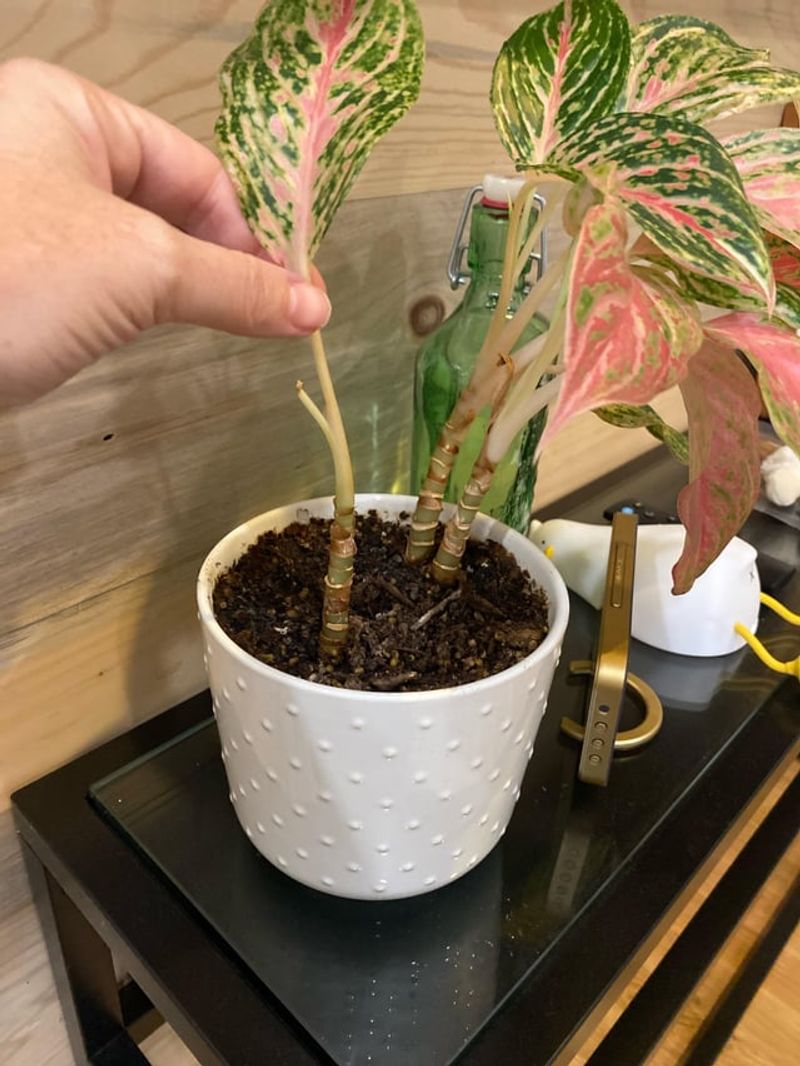
Not every houseplant can look this good with so little effort. Chinese evergreens come in a wide range of leaf patterns, from deep green with silver markings to bold red and pink varieties.
They thrive in low light, making them ideal for California apartments or rooms that do not get much direct sun.
March is a wonderful time to divide a Chinese evergreen that has grown multiple stems or crowns at the base. Start by removing the plant from its pot and gently loosening the soil around the roots.
You should be able to spot separate clusters of stems, each with their own root sections.
Carefully pull or cut these clusters apart, keeping as many roots intact as possible on each division. Pot each new plant in fresh, well-draining potting mix and water it gently.
Avoid placing newly divided plants in bright direct sunlight since they prefer indirect or filtered light. Keep the soil evenly moist but not waterlogged during the first few weeks of adjustment.
Chinese evergreens are forgiving plants and settle into new pots fairly quickly. In California homes, they add a lush, tropical feel to any space and continue growing steadily with minimal care throughout the year.