10 Houseplants That Aren’t A Good Fit For New York Homes
New York homes are full of character, but they also come with quiet challenges that many houseplants simply aren’t built to handle.
Between limited natural light, compact rooms, radiator heat, and dry winter air, indoor conditions can work against even the most popular plants.
Many people bring home a plant that looks flawless at the store, only to watch it slowly decline without any clear reason.
In city apartments, the problem is often the plant itself rather than the care it receives. Certain houseplants demand space, humidity, or sunlight that New York living rarely provides.
These plants tend to struggle subtly at first, showing small signs of stress that are easy to ignore.
Over time, those issues turn into constant maintenance, repeated leaf drop, or plants that never look fully healthy.
Keeping the wrong houseplants can turn a calming hobby into an ongoing source of frustration.
Knowing which plants clash with New York homes makes it much easier to build an indoor space that actually feels alive instead of difficult to maintain.
1. Fiddle Leaf Fig
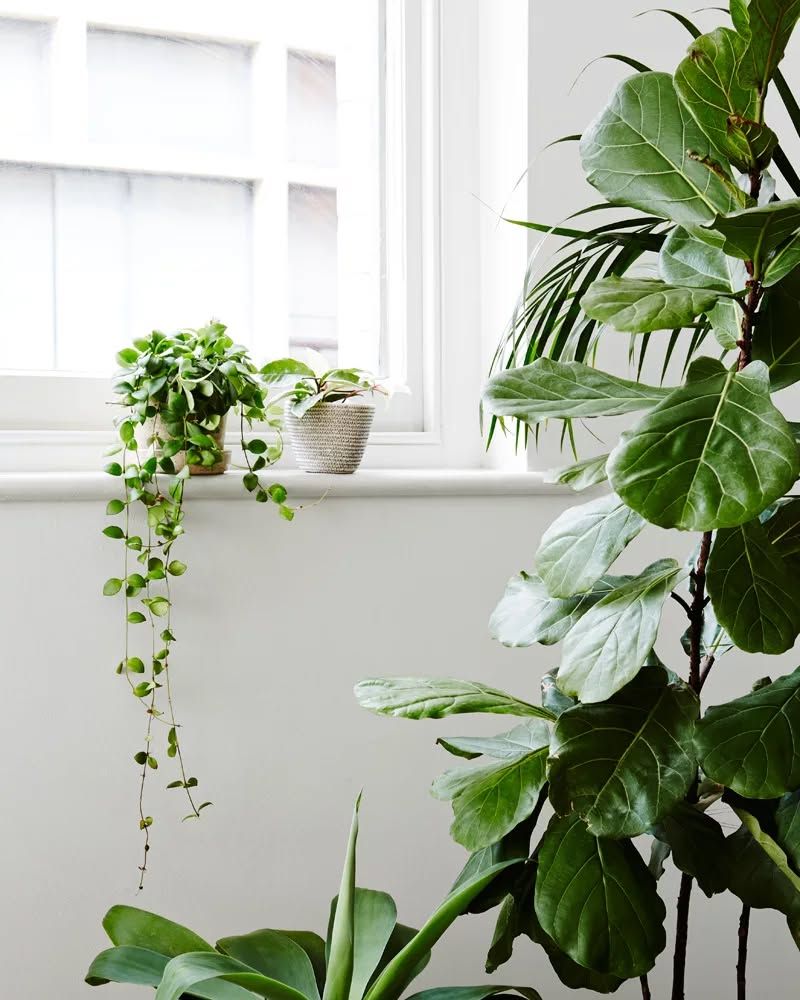
Walk into any trendy apartment and you might spot one standing tall in a corner. This Instagram-famous plant has become a design staple, but appearances can be deceiving when it comes to care requirements.
New York apartments present several obstacles for this finicky species. The leaves drop at the slightest change in environment, whether from moving it across the room or adjusting your thermostat.
Inconsistent watering schedules cause brown spots that spread quickly across those large, violin-shaped leaves.
Bright, indirect light becomes tricky to provide in many Manhattan or Brooklyn walk-ups. These plants demand several hours of quality light daily, which north-facing windows simply can’t deliver.
Even with a south-facing window, winter months reduce available sunlight dramatically.
Humidity levels throughout New York State buildings fluctuate wildly between seasons. Radiator heat in winter creates desert-like conditions that cause leaf edges to crisp and brown.
Summer air conditioning doesn’t help much either, creating different stress factors.
Space requirements make this plant impractical for smaller living situations. Mature specimens reach six feet or taller, dominating precious square footage.
Their width expands considerably too, demanding floor space many residents can’t spare.
Pest problems develop frequently on stressed plants. Spider mites love the dry indoor conditions common in city apartments.
Scale insects also find these plants irresistible, creating sticky residue on leaves and furniture below.
2. Maidenhair Fern
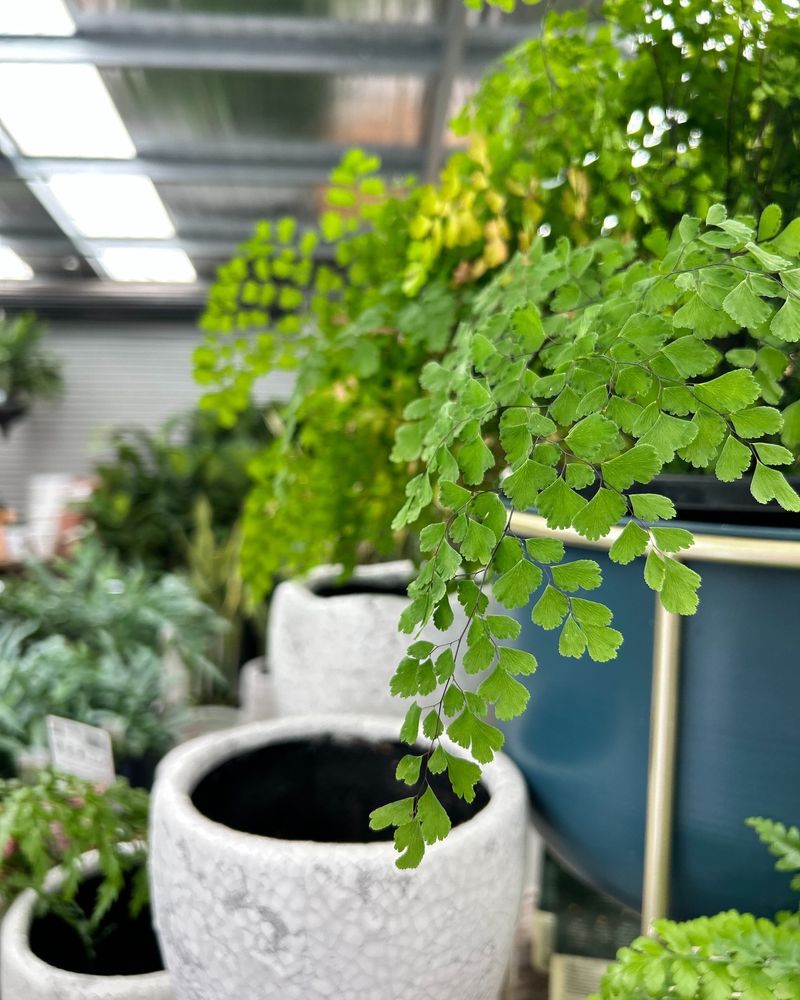
Delicate fronds cascade like green waterfalls from hanging baskets in garden centers. The ethereal beauty stops many shoppers in their tracks, but this plant’s reputation for difficulty is well-earned through countless failed attempts.
Moisture requirements border on obsessive for this species. Soil must stay consistently damp without becoming waterlogged, a balance that challenges even experienced plant parents.
Miss watering by even a day and those delicate leaves turn crispy brown.
Humidity needs exceed what most New York homes naturally provide. These ferns evolved in misty forest environments where moisture hangs thick in the air.
Central heating systems suck humidity from indoor spaces, leaving levels far below what maidenhair ferns require for survival.
Bathroom placement seems like an obvious solution, but most bathrooms lack adequate natural light. These plants need bright, filtered light to photosynthesize properly.
Dark corners lead to weak, sparse growth that looks nothing like the lush specimens at nurseries.
Temperature sensitivity adds another layer of complexity. Drafts from windows or air conditioning vents cause immediate stress.
Radiators create hot spots that dry out the plant faster than you can water it.
Recovery from neglect rarely happens with this species. Once fronds turn brown, they don’t bounce back.
The entire plant often declines rapidly after one mistake, leaving you with an empty pot and regret.
3. Calathea
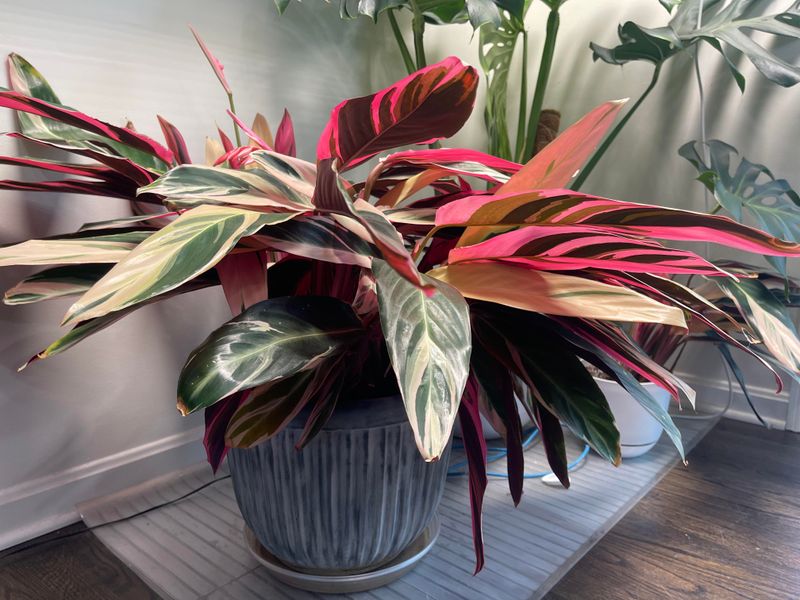
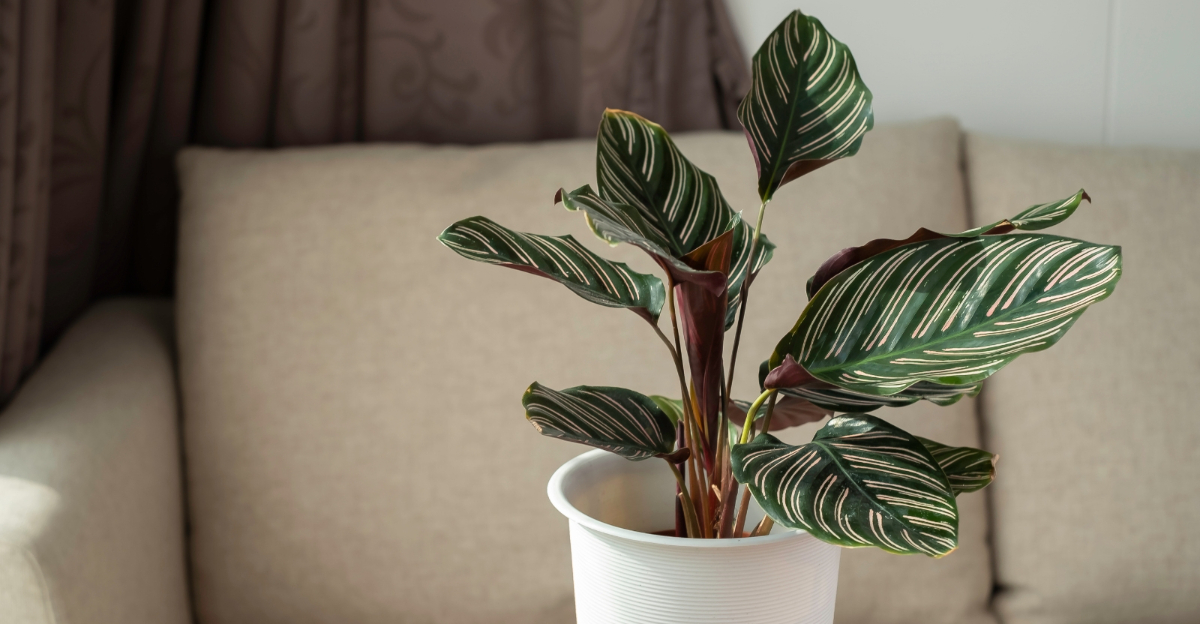
Stunning leaf patterns draw plant collectors like moths to flame. Stripes, spots, and vibrant colors make these tropical beauties stand out in any collection.
Unfortunately, their beauty comes with extraordinarily high maintenance demands that frustrate most owners.
Prayer plant movements fascinate observers as leaves fold upward each evening. This natural behavior requires specific environmental conditions that typical apartments throughout New York rarely maintain consistently.
Stress from improper care causes leaves to stop moving and start curling at the edges.
Water quality matters tremendously for these sensitive plants. Tap water in many New York City neighborhoods contains fluoride and chlorine that cause brown tips and edges.
Using filtered or distilled water becomes necessary, adding expense and inconvenience to regular care routines.
Humidity requirements rival those of tropical rainforests. Levels below 60 percent cause immediate visible stress through leaf curling and browning.
Pebble trays and misting provide temporary relief but rarely solve the underlying problem in heated or air-conditioned spaces.
Light preferences confuse many plant parents trying their best. Too much sun bleaches the colorful patterns that make these plants desirable.
Insufficient light causes leggy growth and faded coloring. Finding the sweet spot proves nearly impossible in apartments with limited window options.
Pest infestations develop quickly on weakened specimens. Spider mites thrive in the dry conditions that stress these plants.
Once established, pests spread rapidly through the dense foliage, making treatment difficult and often unsuccessful.
4. Croton
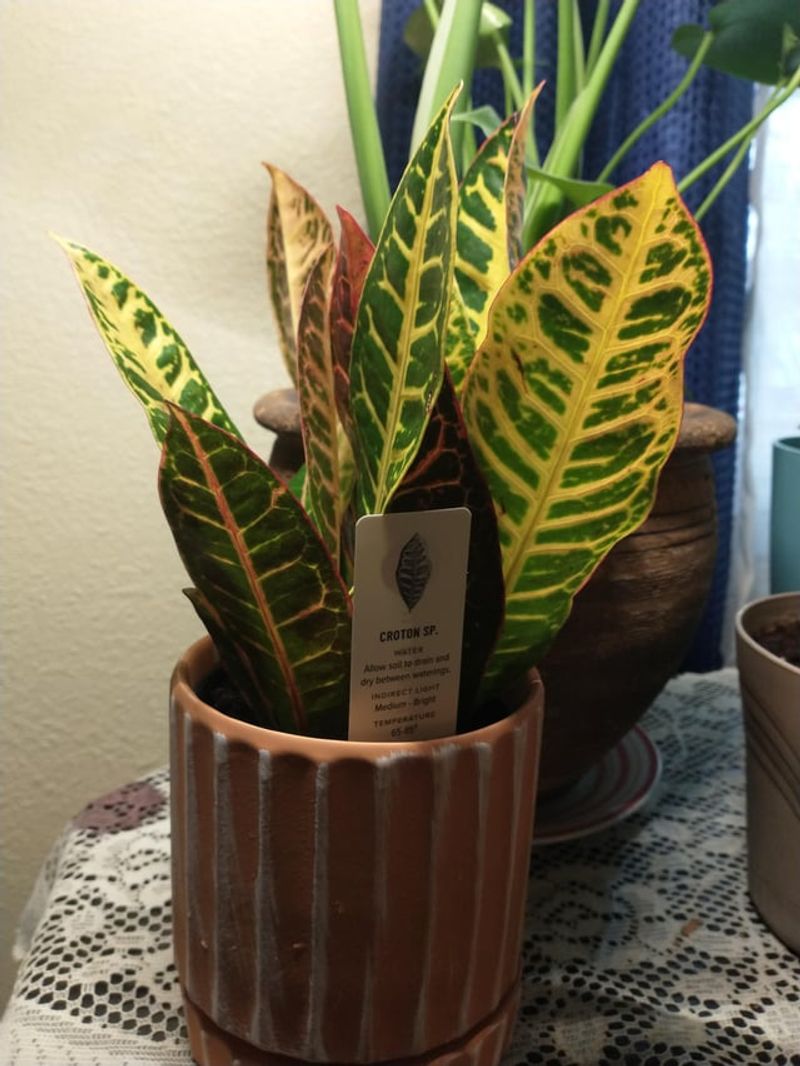
Vibrant colors explode across each leaf like an artist’s palette. Reds, oranges, yellows, and greens swirl together in patterns that seem almost unnatural.
Garden centers display these showstoppers prominently, but their care requirements make them poor choices for most indoor environments.
Light demands exceed what many New York apartments can provide year-round. These plants need direct sunlight for several hours daily to maintain their spectacular coloring.
Without adequate brightness, leaves fade to mostly green, losing the vibrant hues that justified the purchase price.
Leaf drop happens constantly when growing conditions aren’t perfect. Changes in temperature, light, or watering schedule trigger massive leaf loss that leaves stems bare and unattractive.
Plants rarely recover their former fullness once this decline begins in earnest.
Cold sensitivity makes winter transport risky in New York State. Even a brief exposure to temperatures below 50 degrees during the trip from store to home can cause shock.
Leaves may look fine initially but drop days later from cold damage sustained during transit.
Space requirements grow substantial as plants mature. Young specimens look manageable on shelves or tables, but healthy crotons quickly outgrow small spaces.
Their spreading habit demands room that studio and one-bedroom apartments simply don’t have available.
Humidity preferences clash with typical indoor conditions. Dry air causes leaf edges to brown and new growth to emerge distorted.
Maintaining adequate moisture in the air requires constant effort through humidifiers or frequent misting sessions.
5. Banana Plant
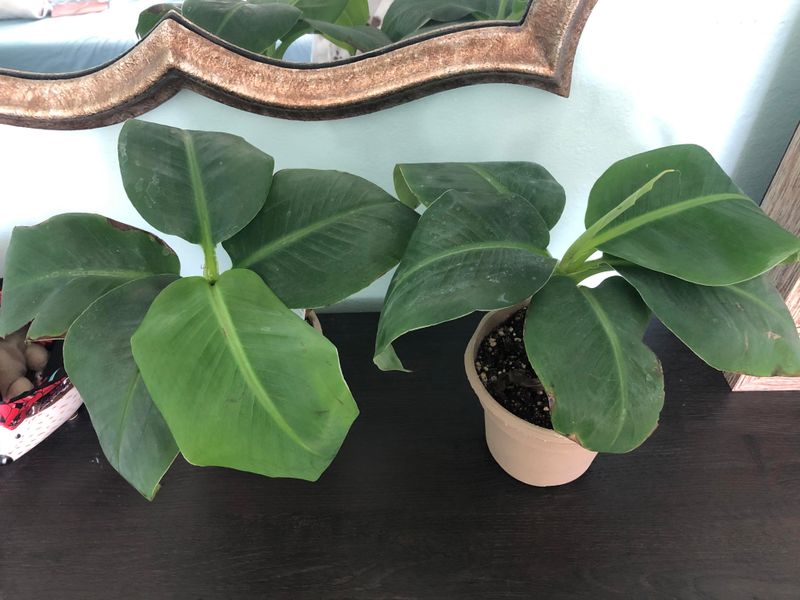
Tropical vibes transform ordinary rooms into exotic retreats. Large, paddle-shaped leaves create dramatic focal points that make design statements.
However, size and care requirements make these plants impractical for nearly all New York living situations regardless of good intentions.
Growth rate surprises first-time owners who underestimate space needs. These plants can add several feet of height in a single growing season under proper conditions.
Ceilings become limiting factors as leaves reach upward and outward, dominating entire rooms.
Light requirements demand south-facing windows with unobstructed exposure. Even then, winter months in New York don’t provide enough intensity for optimal growth.
Supplemental grow lights become necessary, adding electricity costs and setup complexity to regular care routines.
Watering needs increase dramatically during active growth periods. Large leaves transpire moisture rapidly, drying soil faster than smaller houseplants.
Keeping up with watering demands becomes a daily chore during summer months when growth accelerates.
Humidity levels must stay consistently high for leaves to unfurl properly. Low moisture causes emerging leaves to split and tear, creating ragged edges instead of smooth margins.
Brown leaf tips develop quickly when air becomes too dry from heating systems.
Pest problems escalate on stressed plants struggling with inadequate conditions. Spider mites colonize leaf undersides, creating fine webbing and stippled damage.
Scale insects attach themselves to stems and leaf veins, weakening plants and creating unsightly bumps throughout the foliage.
6. Gardenia
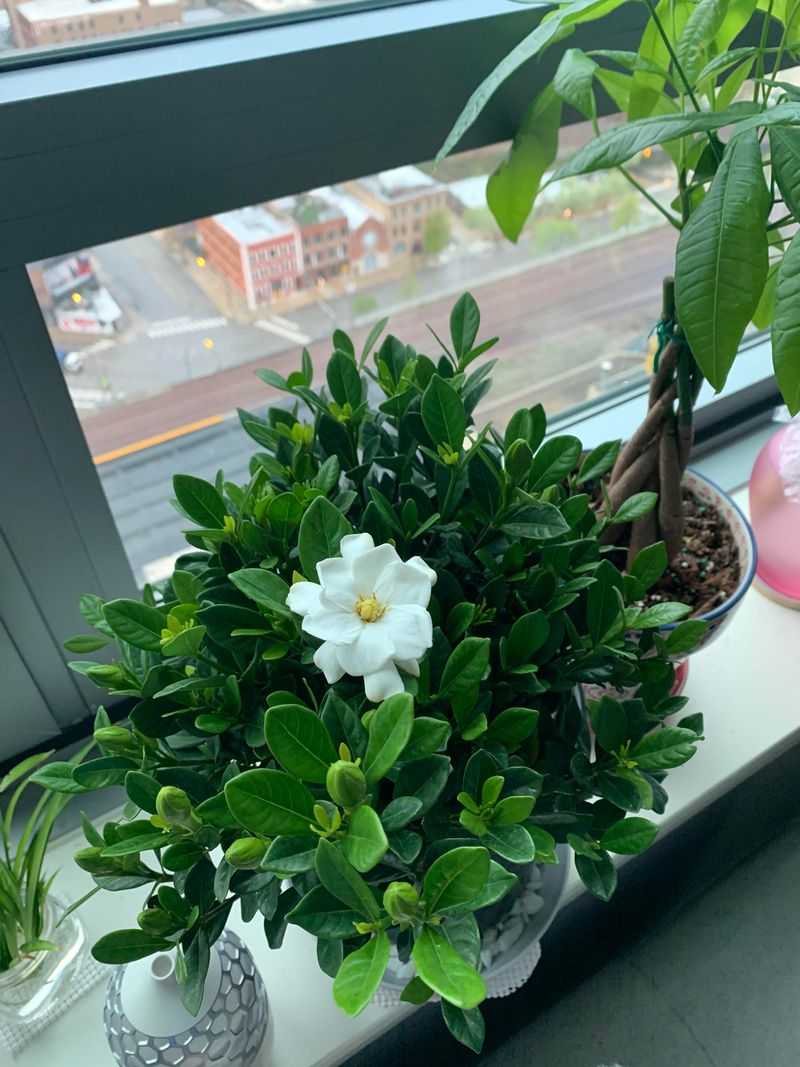
Intoxicating fragrance fills entire rooms when creamy white blooms open. The scent alone justifies the appeal for many hopeful plant parents.
Yet growing these Southern beauties indoors in New York proves frustrating even for those with considerable experience and dedication.
Blooming requirements involve precise environmental conditions rarely achieved indoors. Cool night temperatures combined with warm days trigger flower bud formation.
Maintaining this temperature differential in heated apartments becomes nearly impossible during winter months when blooming should occur.
Acidity preferences for soil and water create ongoing challenges. These plants need acidic growing medium with pH levels between 5.0 and 6.0.
New York tap water tends toward alkalinity, gradually raising soil pH and causing nutrient deficiencies that manifest as yellowing leaves with green veins.
Humidity demands rival those of tropical rainforests despite Southern origins. Levels below 50 percent cause bud drop before flowers ever open.
Dry indoor air from heating systems makes maintaining adequate moisture extremely difficult without dedicated humidifiers running constantly.
Light intensity needs change seasonally but remain consistently high. Bright, indirect light for several hours daily is minimum requirement.
North-facing windows provide insufficient brightness while direct sun through south-facing glass can scorch delicate leaves and flowers.
Pest infestations develop rapidly on stressed specimens. Whiteflies, aphids, and spider mites all find gardenias irresistible.
Once established, pests prove difficult to eliminate without harsh treatments that may damage the plant further or leave residues on fragrant blooms.
7. Boston Fern
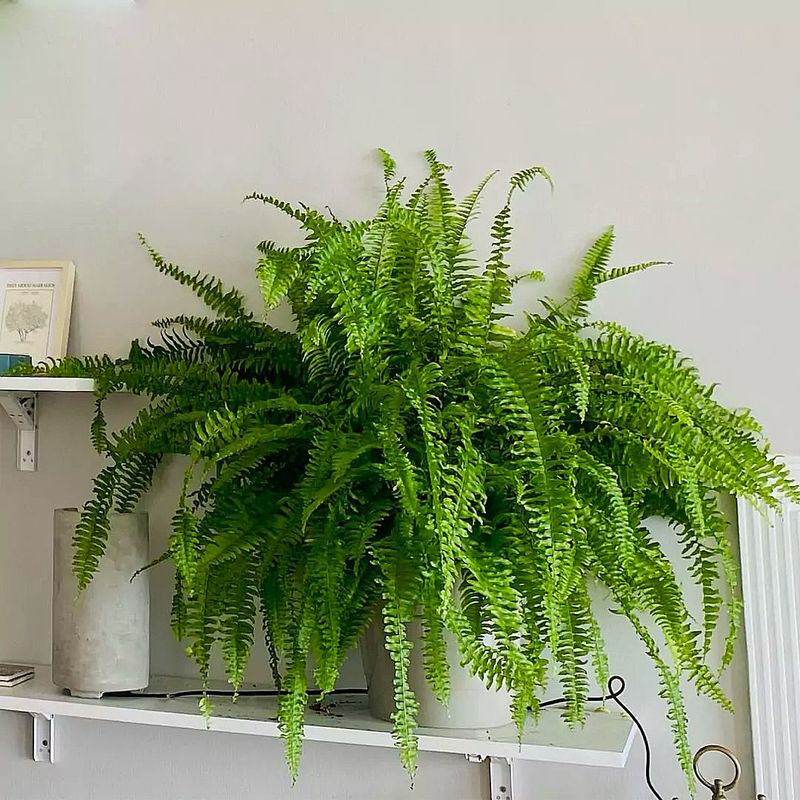
Lush, arching fronds create classic Victorian charm in any space. Hanging baskets overflow with cascading greenery that softens hard edges and adds life to empty corners.
Despite their popularity and availability, these ferns demand more attention than most New York residents can realistically provide.
Moisture requirements border on excessive for busy lifestyles. Soil must remain consistently damp without becoming soggy, a narrow target that’s easy to miss.
A single day of forgotten watering causes fronds to dry and shed countless tiny leaflets across floors and furniture.
Humidity needs exceed normal indoor levels by substantial margins. These plants evolved in naturally humid environments where moisture saturates the air.
Winter heating systems throughout New York State create desert-like conditions that stress ferns beyond recovery. Brown, crispy fronds replace the lush green growth seen at garden centers.
Shedding becomes a constant maintenance issue even with proper care. Tiny leaflets drop continuously, creating mess beneath hanging baskets or on surfaces around potted specimens.
This natural process accelerates dramatically when plants experience any stress from watering, humidity, or temperature fluctuations.
Light preferences prove tricky to satisfy in typical apartments. These ferns need bright, indirect light but suffer in direct sun.
North-facing windows often provide insufficient brightness while south-facing exposures risk leaf scorch. East or west windows work best but aren’t always available in rental units.
Size expansion happens quickly under good conditions. What starts as a manageable plant grows into a massive specimen requiring significant space and support.
Fronds extend several feet in all directions, overwhelming small rooms and crowding nearby furniture or décor.
8. Olive Tree
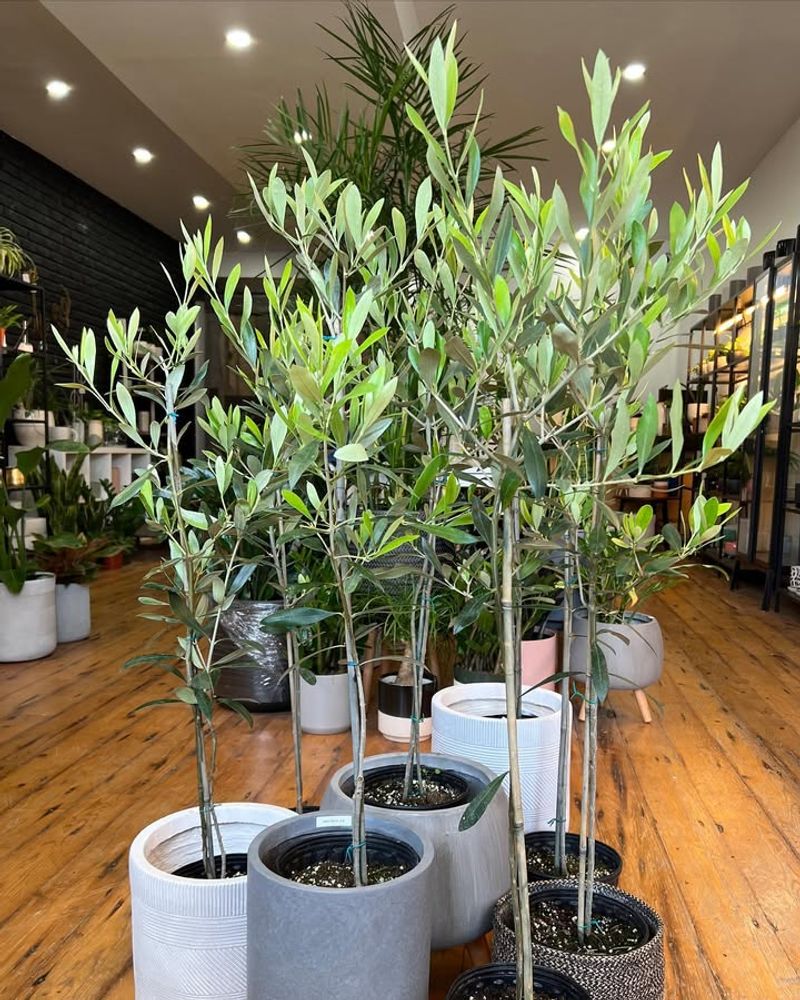
Mediterranean charm brings thoughts of sunny hillsides and coastal breezes. These elegant trees with silvery-green leaves create sophisticated focal points in modern interiors.
However, their cultural requirements clash fundamentally with indoor growing conditions throughout New York regardless of apartment size or window exposure.
Light demands cannot be overstated for this sun-loving species. Olive trees evolved under intense Mediterranean sunshine and need similar conditions indoors.
Even the brightest south-facing windows in New York apartments provide only a fraction of the light intensity these trees require for healthy growth and survival.
Cold dormancy requirements complicate indoor growing significantly. These trees need a period of cool temperatures during winter months to rest and prepare for spring growth.
Maintaining heated apartments at comfortable living temperatures prevents this necessary dormancy, weakening trees over time and reducing vigor.
Air circulation matters tremendously for preventing fungal issues. Stagnant indoor air encourages problems that rarely occur outdoors where breezes constantly move around foliage.
Opening windows helps temporarily but isn’t practical during cold New York winters or hot, humid summers when climate control runs continuously.
Size management becomes increasingly difficult as trees mature. Even with regular pruning, olive trees naturally want to grow large.
Their root systems expand vigorously, quickly outgrowing containers and requiring frequent repotting into ever-larger pots that consume precious floor space.
Pest problems develop frequently on indoor specimens. Scale insects attach to stems and leaves, sucking sap and weakening plants.
Spider mites thrive in dry indoor conditions, creating fine webbing and causing leaves to yellow and drop prematurely from branches.
9. Norfolk Island Pine
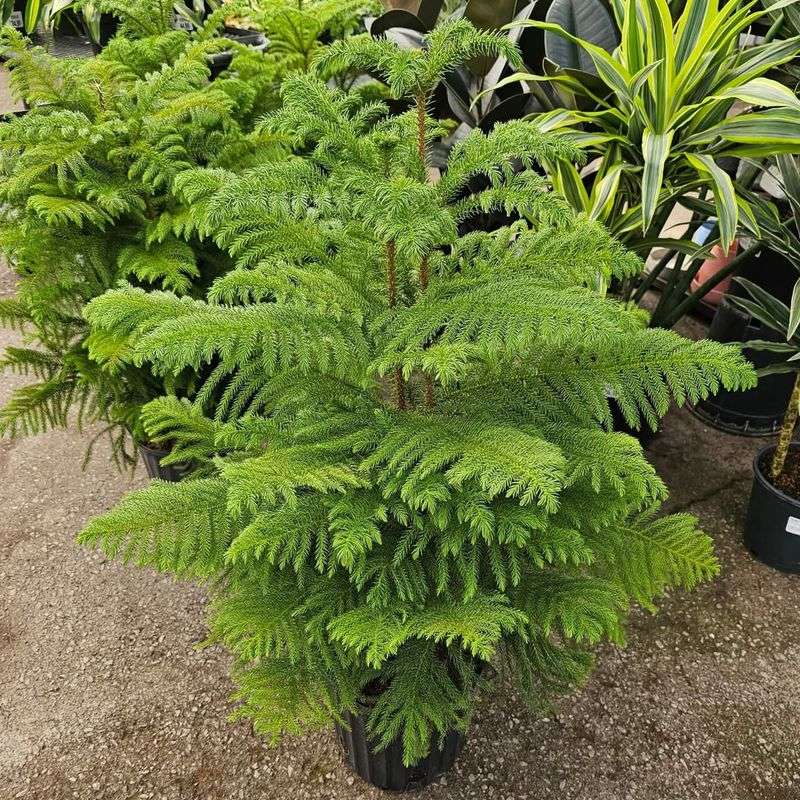
Holiday decorations look perfect draped across these miniature Christmas trees. Symmetrical branches tier upward in pleasing patterns that suggest mountain forests and winter celebrations.
Garden centers stock them heavily during holiday seasons, but their long-term care requirements make them poor choices for permanent indoor residents in New York homes.
Growth patterns eventually outgrow most indoor spaces. These aren’t truly miniature trees but juveniles of a species that reaches massive heights in native habitats.
Indoor specimens grow steadily upward, eventually pressing against ceilings and requiring difficult decisions about pruning or removal.
Light intensity needs far exceed what typical apartments provide year-round. These trees evolved in bright, tropical island conditions with strong, direct sunlight.
Winter months in New York State offer such limited light that trees stretch awkwardly toward windows, losing their compact, symmetrical form and developing weak, elongated growth.
Humidity requirements stay consistently high for healthy needle retention. Dry indoor air causes needles to brown and drop, starting with lower branches and progressing upward.
Once needles fall, branches remain bare permanently since new growth only occurs at branch tips.
Temperature preferences run cooler than most people maintain their living spaces. These trees prefer temperatures between 55 and 65 degrees Fahrenheit, well below the comfort zone for most residents.
Warm apartments stress trees, accelerating needle drop and reducing overall vigor and appearance.
Watering schedules require careful attention to prevent root problems. Soil must stay evenly moist but never waterlogged.
Overwatering leads to root rot that progresses rapidly through the entire root system. Underwatering causes immediate needle browning and drop that permanently damages the tree’s appearance and structure.
10. Alocasia
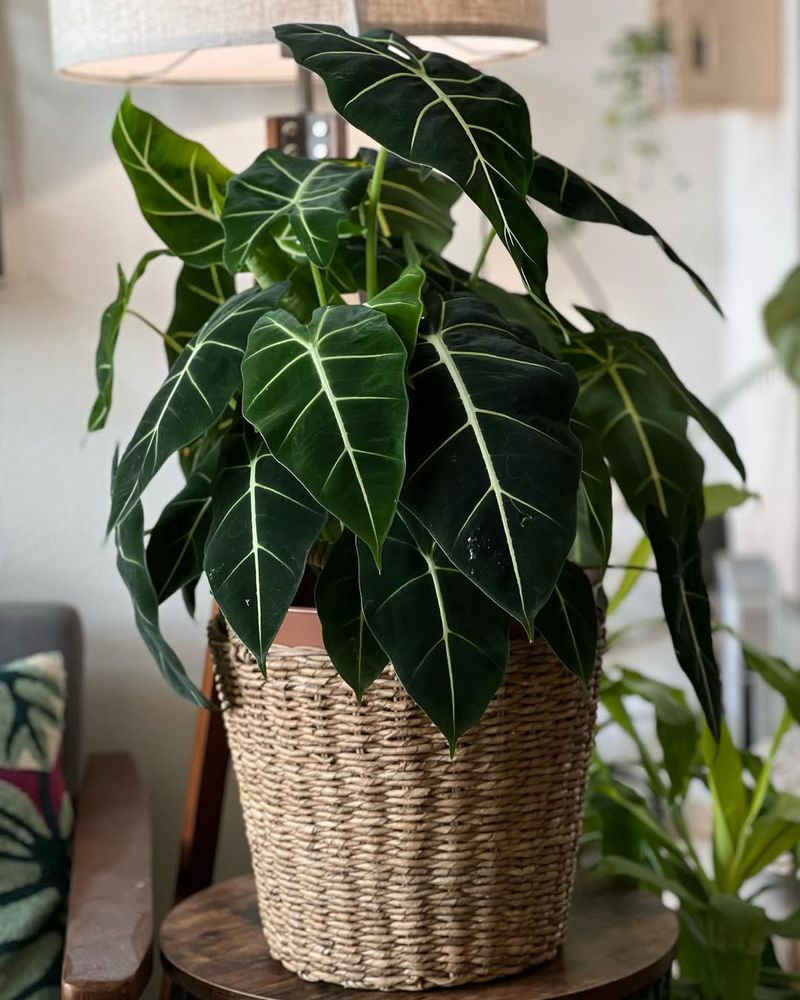
Dramatic arrow-shaped leaves command attention in any plant collection. Bold veining and striking colors make these tropical specimens incredibly photogenic and popular on social media.
Their exotic appearance comes with care requirements that challenge even dedicated plant enthusiasts throughout New York State.
Dormancy periods confuse owners unfamiliar with this natural cycle. Many Alocasia varieties go dormant during winter months, dropping all their leaves regardless of care quality.
Plants look completely lifeless for weeks or months, causing panic among owners who assume they’ve done something wrong.
Humidity needs stay extremely high for active growth and leaf health. Levels below 60 percent cause leaf edges to brown and new leaves to emerge damaged or distorted.
Maintaining such high humidity in typical apartments requires dedicated humidifiers running constantly, increasing electricity costs and maintenance efforts.
Temperature sensitivity makes placement challenging in homes with variable conditions. Cold drafts from windows or air conditioning vents cause immediate stress visible through leaf yellowing and drooping.
Proximity to radiators creates opposite problems with excessive heat and dryness that damage foliage.
Watering requirements shift dramatically between growing and dormant periods. Active plants need consistently moist soil while dormant tubers require barely damp conditions to prevent rot.
Misjudging which phase your plant occupies leads to problems that may not become apparent until significant damage occurs.
Pest attraction increases on stressed specimens struggling with inadequate conditions. Spider mites colonize leaf undersides rapidly, causing stippled damage and fine webbing.
Thrips feed on new growth, distorting emerging leaves and leaving silvery streaks across mature foliage that ruins their ornamental value.