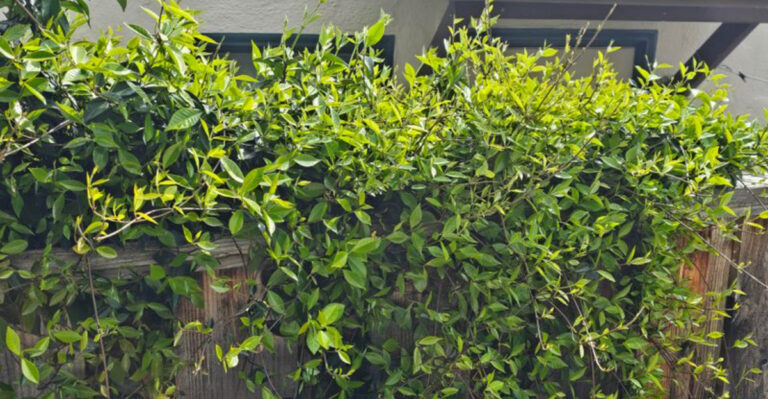
9 Houseplants That Benefit From A Late-Winter Reset In Michigan Homes
Late winter is a turning point for houseplants in Michigan homes, when low light and dry indoor air have quietly taken a toll after months of steady stress.
Plants that looked fine in early winter often show subtle changes by this point, from slowed growth to tired leaves that never quite recover on their own.
Many homeowners keep routines exactly the same through winter without realizing that conditions inside the home are already shifting.
As daylight slowly increases and heating systems keep running, plants respond better when care adjusts to match the season. A small reset during this window helps them regain balance before spring growth begins.
Some houseplants benefit from fresh soil, light pruning, or changes in placement that relieve months of buildup and stagnation.
Others respond best to watering corrections or a pause before feeding resumes.
Ignoring this late winter window often leads to leggy growth, weak leaves, and uneven recovery later in spring.
A well-timed reset helps houseplants move out of winter stronger, steadier, and ready to grow instead of struggling to catch up.
1. Snake Plant
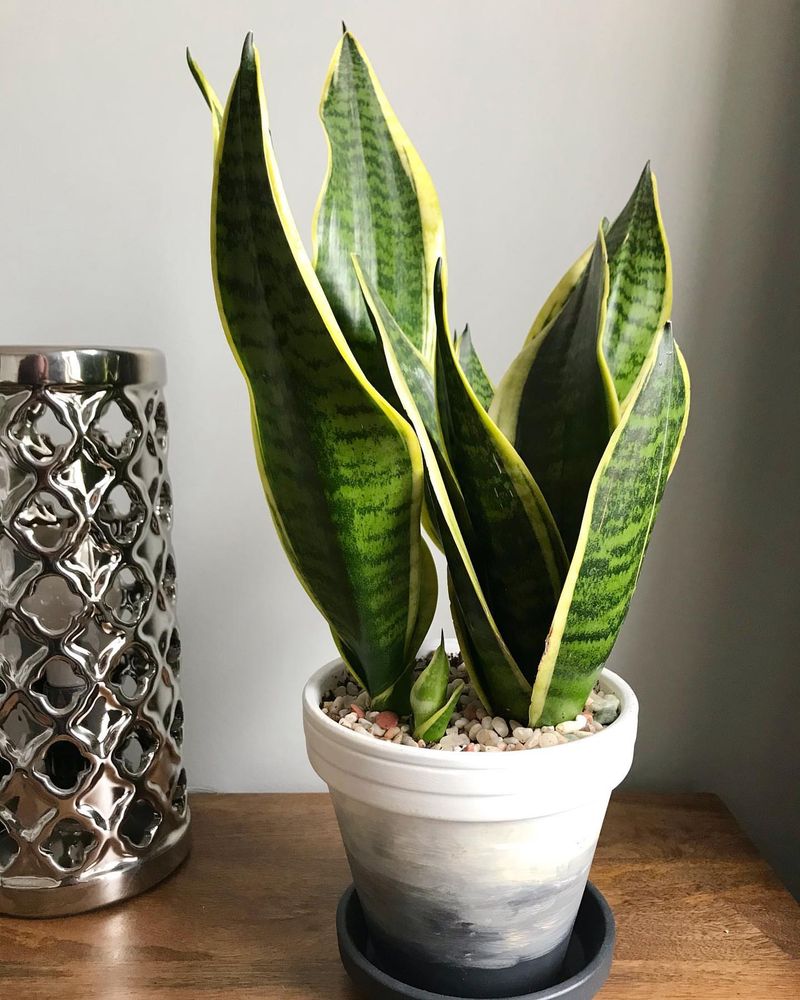
Winter months in Michigan can be tough on indoor greenery, especially when heating systems suck moisture from the air. Snake plants handle dry conditions better than most, but even they appreciate a little attention as winter winds down.
Their thick, sword-shaped leaves store water efficiently, making them low-maintenance favorites.
Dust buildup on those tall leaves can block light absorption during darker months. Wiping them gently with a damp cloth helps the plant breathe and look its best.
Michigan homes often have limited natural light in winter, so clean leaves make a real difference.
Check the soil before watering, as overwatering is the biggest mistake people make with these hardy plants. The roots prefer to dry out completely between drinks.
Late winter is a good time to inspect for any mushy or damaged roots if you suspect trouble.
Repotting might be necessary if roots are poking through drainage holes or circling the pot. Fresh soil gives the plant a nutrient boost heading into spring.
Choose a pot only slightly larger than the current one to avoid excess moisture retention.
Temperature swings near drafty windows can stress snake plants, even though they are generally tough. Moving them a few feet away from cold glass helps maintain steady warmth.
They tolerate a range of conditions but prefer consistency.
Fertilizing is usually unnecessary during winter, but a light feeding in late February can prepare the plant for active growth. Use a diluted balanced fertilizer to avoid burning the roots.
Too much food can do more harm than good.
2. Pothos
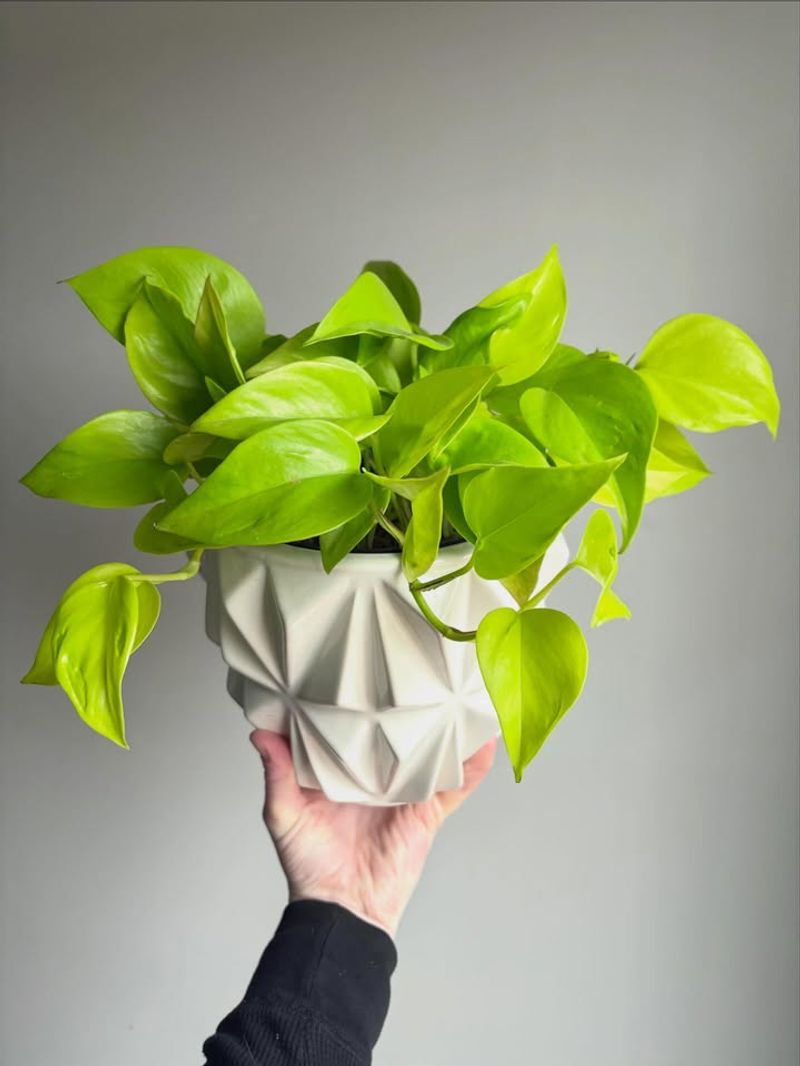
Trailing vines of pothos bring life to any room, cascading gracefully from shelves or hanging baskets. These plants are incredibly forgiving, but Michigan winters can slow their growth and dull their vibrant leaves.
A reset now helps them regain their lush, glossy appearance.
Pruning leggy stems encourages bushier growth and prevents the plant from looking sparse. Cut just above a leaf node, and new shoots will emerge from that spot.
You can even root the cuttings in water to grow more plants for free.
Yellow leaves often signal overwatering or poor drainage, common issues when plants sit in soggy soil during cold months. Let the top inch of soil dry before watering again.
Pothos roots need oxygen just as much as moisture.
Low humidity from indoor heating can cause browning leaf edges, though pothos tolerate dry air better than many tropicals. Misting occasionally or placing a small humidifier nearby can help.
Grouping plants together also creates a microclimate with slightly higher humidity.
Inspect the roots if the plant seems stunted or water drains too quickly through the pot. Root-bound pothos need a new home with fresh potting mix.
Spring into action now so the plant has time to settle before the growing season.
Cleaning the leaves removes dust and allows better photosynthesis, which is crucial during Michigan’s limited winter sunlight. A gentle wipe with a soft cloth works wonders.
Shiny leaves also look more attractive and vibrant.
Pothos can handle lower light, but moving them closer to a window in late winter gives them a boost. Avoid direct harsh sun, which can scorch the foliage.
Bright, indirect light is the sweet spot.
3. Peace Lily
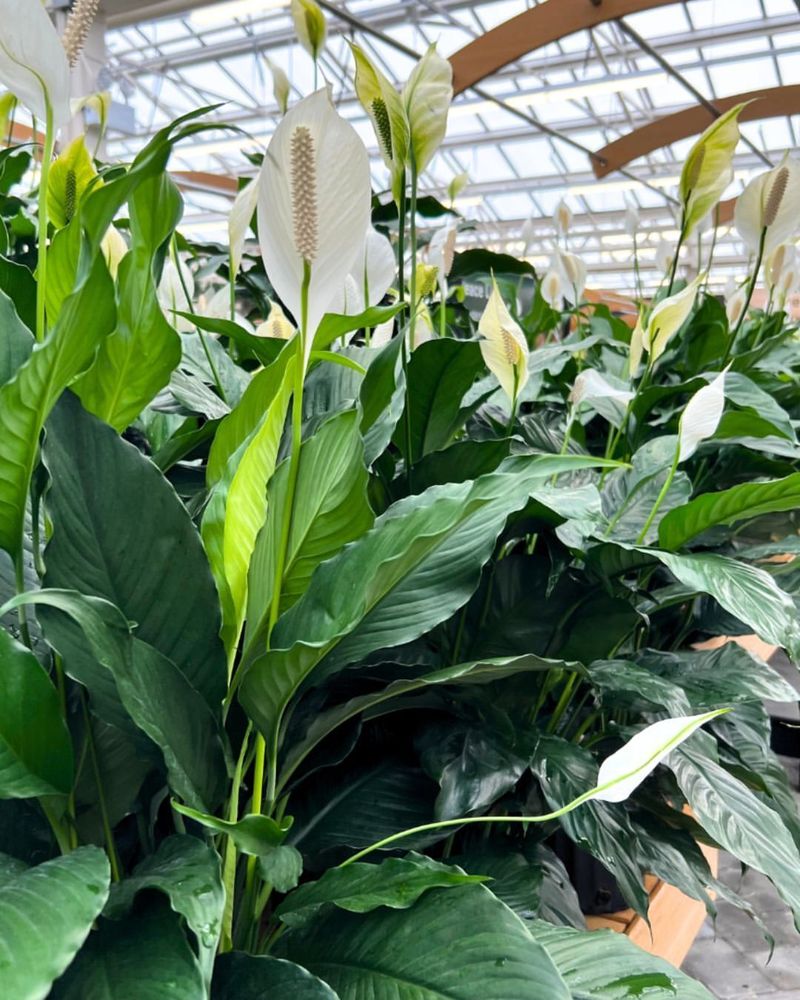
Elegant white blooms and glossy dark green leaves make peace lilies a favorite for Michigan households. They thrive in lower light, which is helpful during the darker winter months.
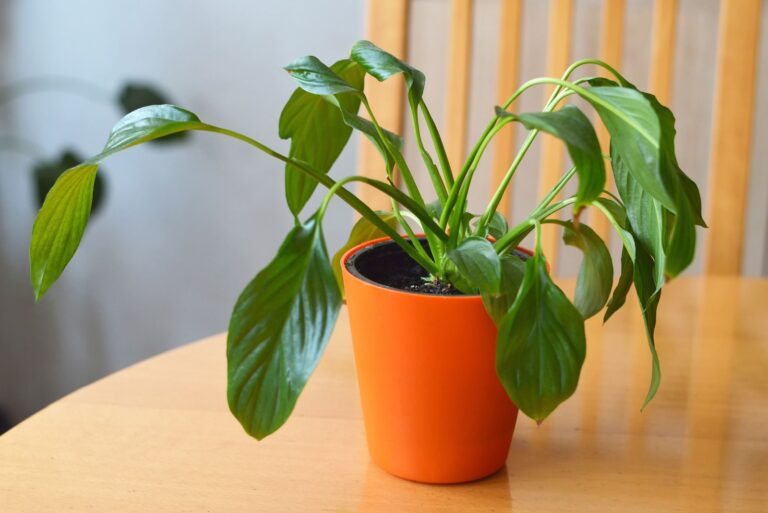
However, dry indoor air and inconsistent watering can leave them looking droopy and sad.
Wilting is often a cry for water, as peace lilies are dramatic about their thirst. They bounce back quickly after a good drink, but letting them wilt repeatedly stresses the plant.
Aim for consistently moist soil without waterlogging.
Brown leaf tips are a common complaint in Michigan homes during winter, usually caused by low humidity or fluoride in tap water. Using filtered or distilled water can reduce this issue.
Trimming off the brown edges keeps the plant looking tidy.
Repotting in late winter gives the roots room to expand before spring growth kicks in. Choose a pot with good drainage and fresh potting soil.
Peace lilies appreciate being slightly root-bound but not cramped.
Dust on the large leaves blocks light and makes the plant less efficient at photosynthesis. Wiping them down with a damp cloth every few weeks keeps them clean and healthy.
This simple task makes a noticeable difference in appearance.
Fertilizing sparingly in late winter can encourage blooming as daylight increases. Use a balanced fertilizer diluted to half strength.
Overfertilizing can lead to brown leaf tips and fewer flowers.
Peace lilies are sensitive to cold drafts, so keep them away from doors and windows that let in chilly Michigan air. They prefer temperatures above 60 degrees Fahrenheit.
Consistent warmth keeps them happy and healthy.
4. Spider Plant
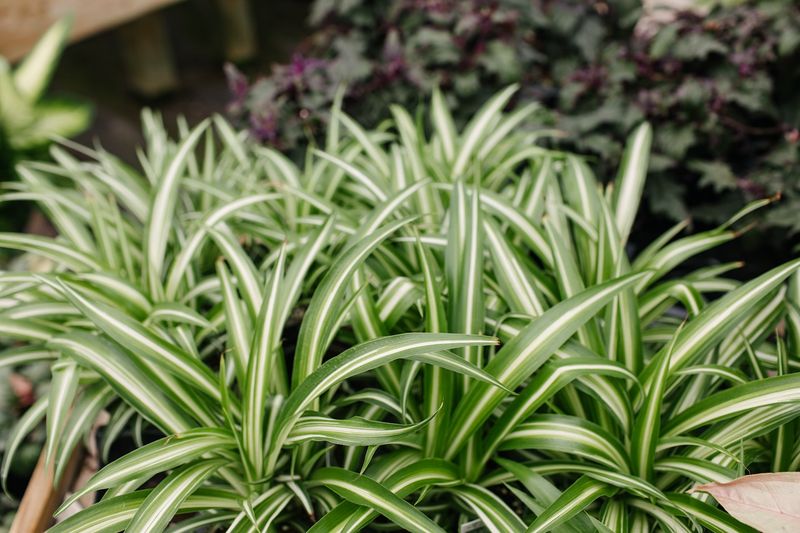
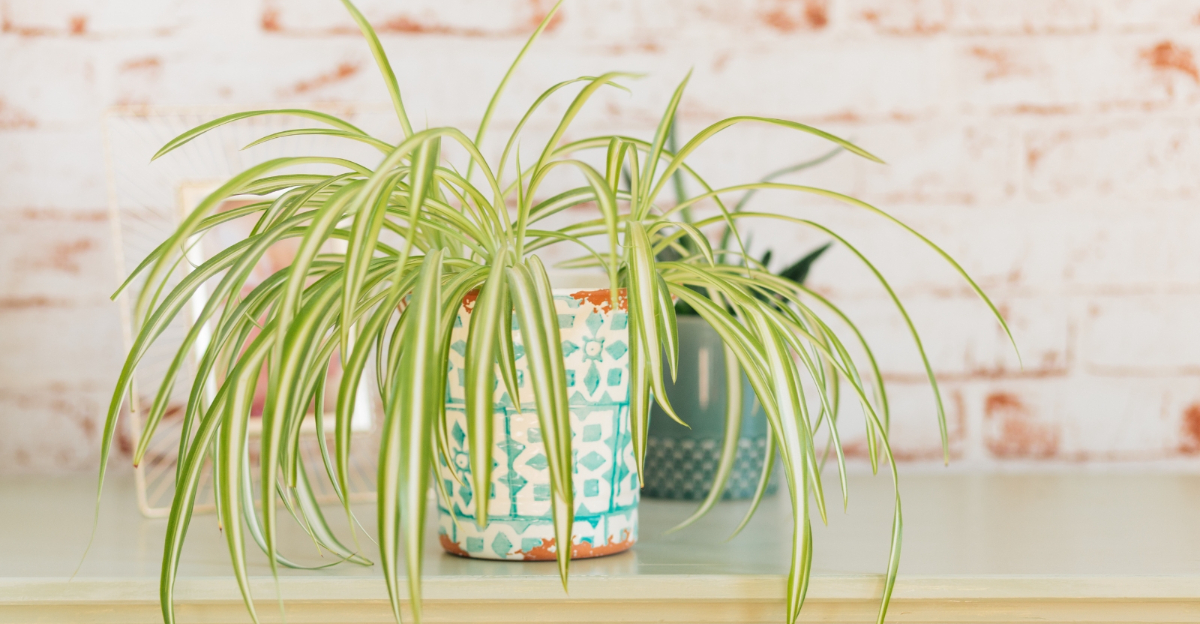
Arching green and white striped leaves give spider plants a cheerful, fountain-like appearance. They produce adorable baby plantlets that dangle from long stems, adding extra charm.
Michigan winters can dry out their leaves and slow their growth, but a reset helps them thrive again.
Brown leaf tips are a frequent issue, often caused by fluoride or chlorine in tap water. Switching to filtered or rainwater can prevent this cosmetic problem.
Trimming off the brown edges keeps the plant looking fresh.
Spider plants are prolific growers and can quickly become root-bound in their pots. Late winter is a great time to repot and give the roots more space.
Fresh soil provides nutrients that may have been depleted over the colder months.
The baby plantlets can be left attached or removed and rooted to create new plants. Snip them off and place them in water or soil to grow independently.
This is a fun way to expand your collection or share with friends.
Dry indoor air from heating systems can stress spider plants, though they handle it better than some tropicals. Occasional misting or a pebble tray with water can boost humidity around the plant.
They appreciate the extra moisture.
Bright, indirect light is ideal, but spider plants tolerate lower light conditions too. Moving them closer to a window in late winter can encourage more vibrant growth.
Avoid direct sun, which can scorch the delicate leaves.
Fertilizing lightly in late winter prepares the plant for spring growth spurts. Use a balanced liquid fertilizer at half strength.
Overfeeding can cause brown tips and weak growth.
Pests like aphids or mealybugs occasionally appear, especially on new growth and plantlets. A quick rinse or insecticidal soap treatment handles most infestations.
Regular inspections catch problems early.
5. ZZ Plant
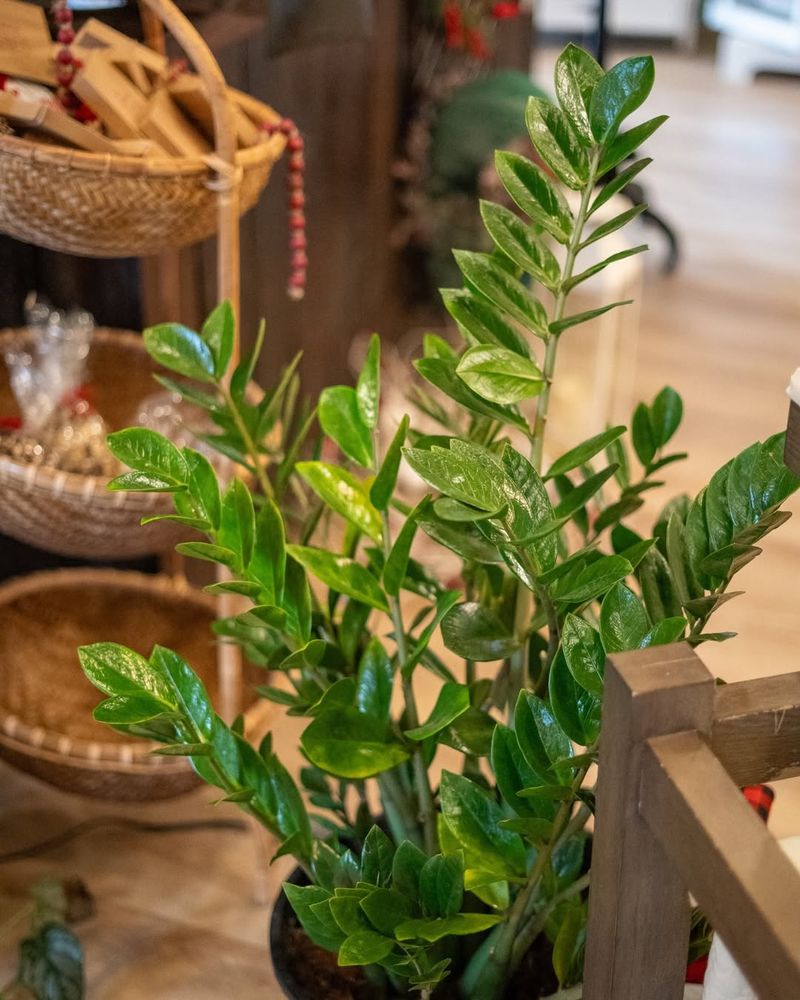
Glossy, waxy leaves on thick stems make ZZ plants look almost artificial in their perfection. They tolerate neglect better than most houseplants, thriving in low light and surviving with minimal water.
Even so, Michigan winters can leave them looking dusty and dull, and a late-winter refresh brings back their shine.
Dust accumulation on those glossy leaves blocks light and makes the plant less efficient at photosynthesis. Wiping them down with a damp cloth restores their natural luster.
This simple task makes a dramatic difference in appearance.
Overwatering is the main threat to ZZ plants, especially during the dormant winter months. Let the soil dry out completely between waterings.
Their thick rhizomes store water, so they handle drought much better than soggy soil.
Repotting is rarely needed, but if the plant is bursting out of its pot, late winter is a good time to upgrade. Choose a pot only slightly larger to avoid excess moisture retention.
Fresh potting mix gives the roots a nutrient boost.
Yellow leaves can indicate overwatering or natural aging, both of which are normal to some extent. Remove yellowed stems at the base to improve appearance and airflow.
This redirects energy to healthier growth.
ZZ plants tolerate low light, but brighter indirect light encourages fuller, more vibrant growth. Moving them closer to a window in late winter can help.
Avoid direct sun, which can scorch the leaves.
Fertilizing is rarely necessary, but a light feeding in late winter can prepare the plant for spring. Use a diluted balanced fertilizer sparingly.
Too much food can cause weak, floppy growth.
Pests are uncommon on ZZ plants, but occasional inspections for mealybugs or spider mites are wise. A gentle rinse or insecticidal soap handles most issues.
Catching problems early makes treatment easier.
6. Philodendron
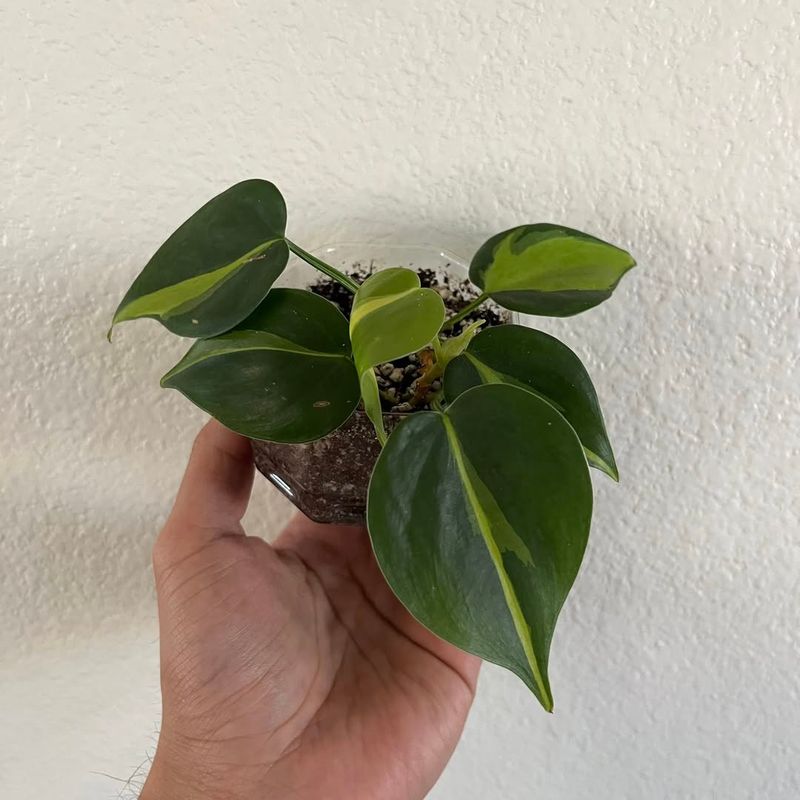
Heart-shaped leaves in shades of green make philodendrons a classic choice for Michigan homes. They grow quickly and adapt well to various light conditions, making them beginner-friendly.
Winter can slow their growth and cause leggy stems, but a reset gets them ready for spring.
Pruning long, sparse stems encourages bushier growth and a fuller appearance. Cut just above a leaf node, and new growth will emerge from that point.
You can root the cuttings in water to propagate more plants easily.
Yellow leaves often signal overwatering or poor drainage, common issues during the dormant winter months. Let the top inch of soil dry before watering again.
Philodendrons prefer consistently moist but not waterlogged soil.
Cleaning the leaves removes dust and allows better photosynthesis, which is crucial during Michigan’s limited winter sunlight. A gentle wipe with a soft cloth works wonders.
Shiny leaves also look more vibrant and healthy.
Low humidity from indoor heating can cause browning leaf edges, though philodendrons tolerate dry air reasonably well. Misting occasionally or using a humidifier can help.
Grouping plants together also raises humidity slightly.
Repotting in late winter gives the roots room to expand before spring growth begins. Choose a pot with good drainage and fresh potting soil.
Philodendrons appreciate being slightly root-bound but not cramped.
Bright, indirect light is ideal, but philodendrons tolerate lower light too. Moving them closer to a window in late winter can encourage more vigorous growth.
Avoid direct harsh sun, which can scorch the foliage.
7. Rubber Plant
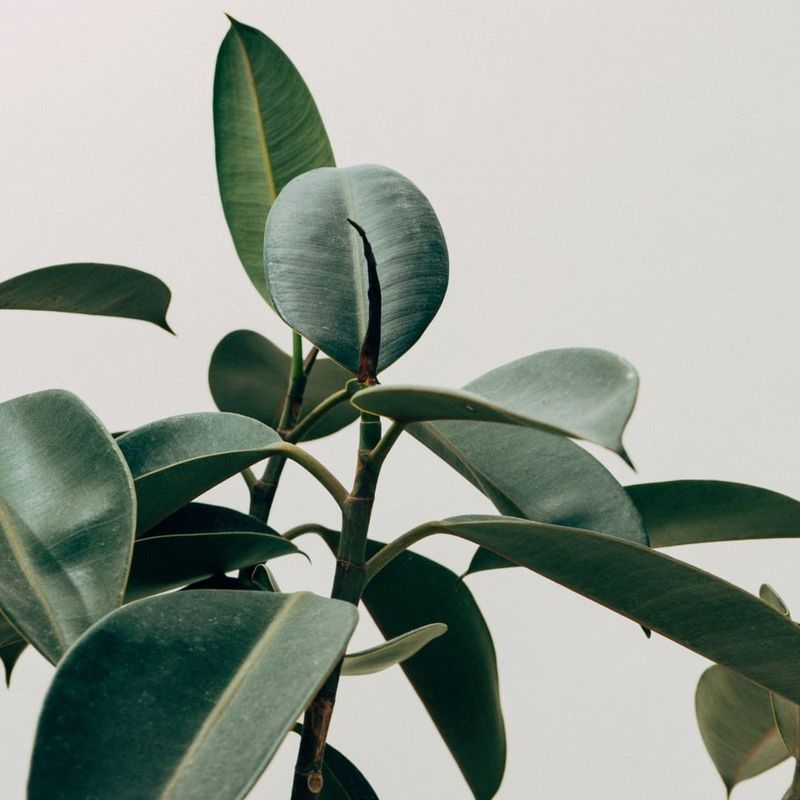
Bold, glossy leaves in deep green or burgundy make rubber plants a striking addition to any Michigan home. They grow into impressive statement pieces with proper care.
Winter can leave their leaves dusty and their growth stunted, but a late-winter reset helps them shine again.
Dust on those large, waxy leaves blocks light and reduces photosynthesis efficiency. Wiping them down with a damp cloth every week or two restores their natural shine.
Clean leaves make the plant look healthier and more attractive.
Overwatering is a common mistake, especially during the dormant winter months when the plant uses less water. Let the top inch or two of soil dry before watering again.
Rubber plants prefer slightly moist soil but not soggy conditions.
Leggy growth can occur when the plant does not receive enough light during Michigan’s darker winter days. Moving it closer to a bright window encourages compact, bushy growth.
Avoid direct harsh sun, which can scorch the leaves.
Pruning tall or sparse stems promotes branching and a fuller appearance. Cut just above a leaf node using clean, sharp scissors.
The plant will respond with new growth from below the cut.
Repotting in late winter gives the roots room to expand before spring growth begins. Choose a pot slightly larger than the current one and use fresh potting soil.
Rubber plants appreciate good drainage to prevent root rot.
Low humidity from indoor heating can cause leaf edges to brown, though rubber plants tolerate dry air better than many tropicals. Occasional misting or a humidifier can help.
They appreciate a bit of extra moisture.
Fertilizing lightly in late winter prepares the plant for vigorous spring growth. Use a balanced liquid fertilizer diluted to half strength.
Overfeeding can cause weak, floppy stems and salt buildup in the soil.
8. Fiddle Leaf Fig
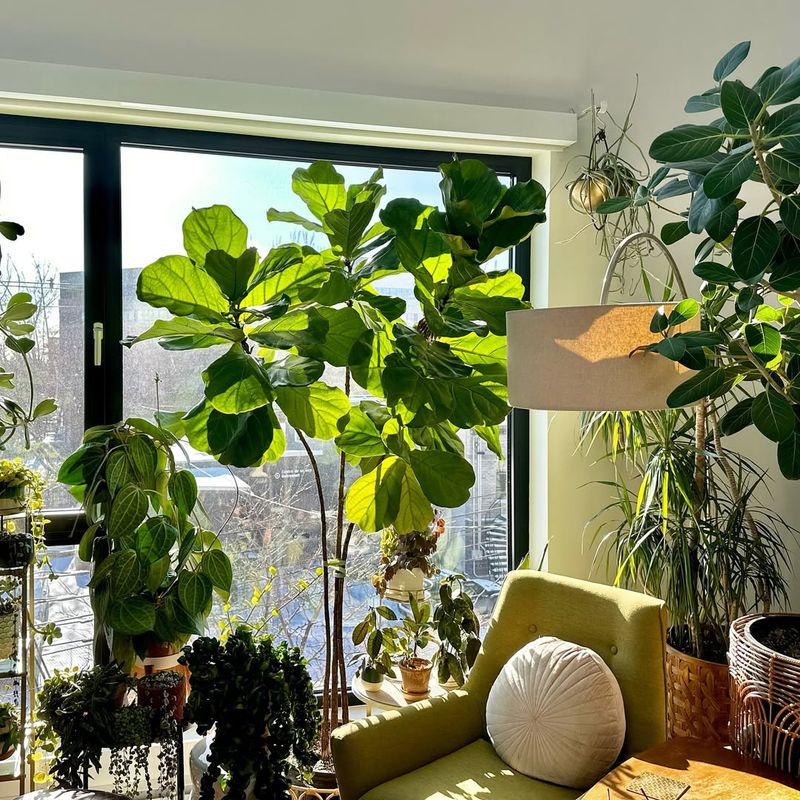
Large, violin-shaped leaves make fiddle leaf figs a dramatic focal point in Michigan homes. They demand a bit more attention than some houseplants, but their stunning appearance is worth the effort.
Winter can stress them with dry air and inconsistent light, so a reset helps them recover.
Dust on those big leaves blocks light and reduces photosynthesis, which is already limited during Michigan’s darker winter months. Wiping them down with a damp cloth every week keeps them clean and healthy.
Shiny leaves also look more vibrant and impressive.
Dropping leaves can signal stress from overwatering, underwatering, or sudden temperature changes. Check the soil moisture and adjust your watering routine accordingly.
Fiddle leaf figs prefer consistently moist soil that drains well.
Low humidity from indoor heating can cause browning leaf edges and crispy spots. Misting occasionally or using a humidifier can help.
Grouping plants together also raises humidity slightly around them.
Bright, indirect light is essential for healthy growth, so position your fiddle leaf fig near a window with filtered sunlight. Rotate the pot weekly to ensure even growth on all sides.
They naturally lean toward the light source.
Repotting in late winter gives the roots room to expand before spring growth kicks in. Choose a pot with good drainage and fresh potting soil.
Fiddle leaf figs appreciate being slightly root-bound but not cramped.
Pruning leggy or damaged stems encourages branching and a fuller appearance. Cut just above a leaf node using clean, sharp scissors.
The plant will respond with new growth from below the cut.
9. Chinese Evergreen
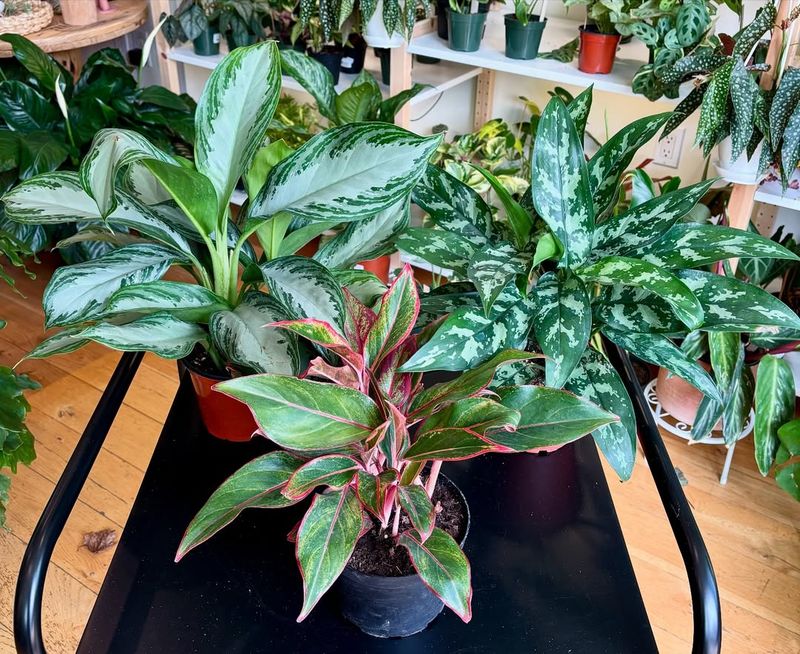
Colorful foliage in shades of green, silver, pink, and red makes Chinese evergreens a vibrant choice for Michigan homes. They tolerate low light and neglect better than many houseplants, making them perfect for beginners.
Winter can dull their colors and slow their growth, but a reset brings them back to life.
Dust on the leaves blocks light and reduces photosynthesis, which is already limited during Michigan’s darker winter months. Wiping them down with a damp cloth every week or two keeps them clean and colorful.
Shiny leaves also look healthier and more attractive.
Overwatering is a common mistake, especially during the dormant winter months when the plant uses less water. Let the top inch of soil dry before watering again.
Chinese evergreens prefer consistently moist but not waterlogged soil.
Yellow or brown leaves can indicate overwatering, underwatering, or aging foliage, all of which are normal to some extent. Remove damaged leaves at the base to improve appearance and airflow.
This redirects energy to healthier growth.
Low humidity from indoor heating can cause browning leaf edges, though Chinese evergreens tolerate dry air reasonably well. Occasional misting or a humidifier can help.
They appreciate a bit of extra moisture.
Repotting in late winter gives the roots room to expand before spring growth begins. Choose a pot with good drainage and fresh potting soil.
Chinese evergreens appreciate being slightly root-bound but not cramped.
Bright, indirect light enhances the colorful foliage, though these plants tolerate lower light too. Moving them closer to a window in late winter can encourage more vibrant colors.
Avoid direct harsh sun, which can scorch the leaves.