9 Houseplants That Call For A Late-Winter Reset In Illinois Homes
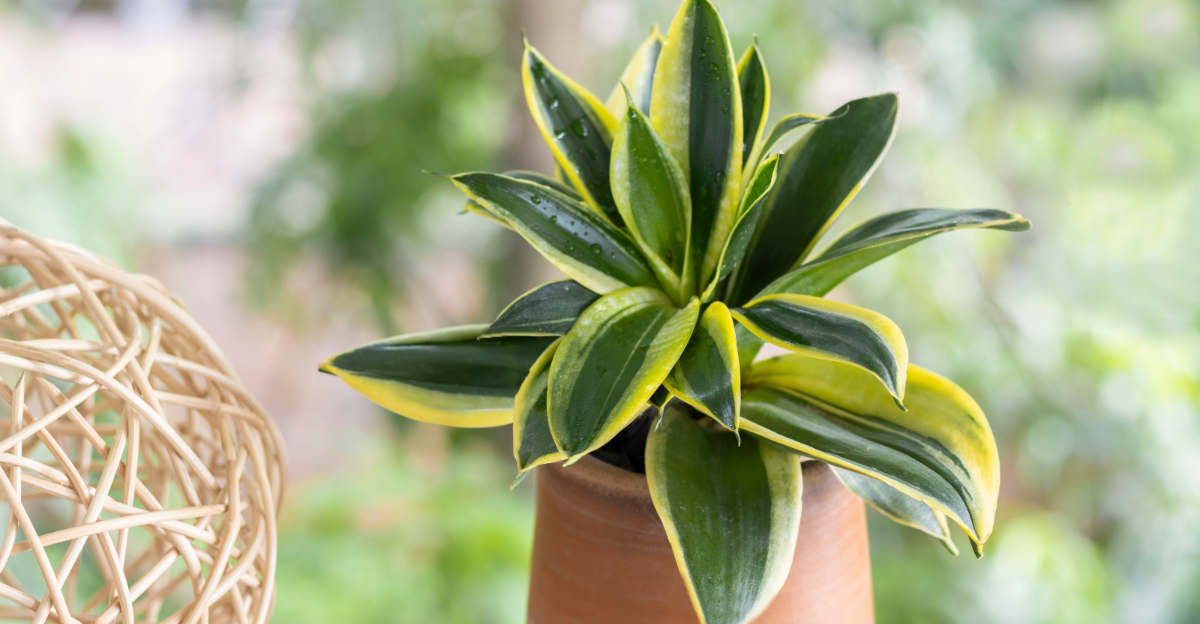
Late winter is a strange in-between moment for houseplants in Illinois homes, when daylight slowly returns but growth still feels hesitant and uneven.
Plants that coasted through winter often start showing subtle signs of stress right now, even if nothing looks dramatically wrong at first glance.
Indoor air stays dry, light angles shift, and old routines that worked in December quietly stop working as days lengthen.
This is the point when certain houseplants respond best to a reset that realigns watering, light, and care before spring growth begins. Skipping this window can leave plants struggling just as they should be picking up momentum.
Illinois homes amplify these issues with heating systems that pull moisture from the air and windows that limit consistent exposure.
Late winter adjustments help plants shed what no longer supports them and prepare for stronger, cleaner growth ahead.
The change isn’t about drastic fixes but about timing care to match what plants are actually experiencing indoors.
Handled now, this reset often determines whether houseplants glide into spring or spend months trying to recover.
1. Fiddle Leaf Fig
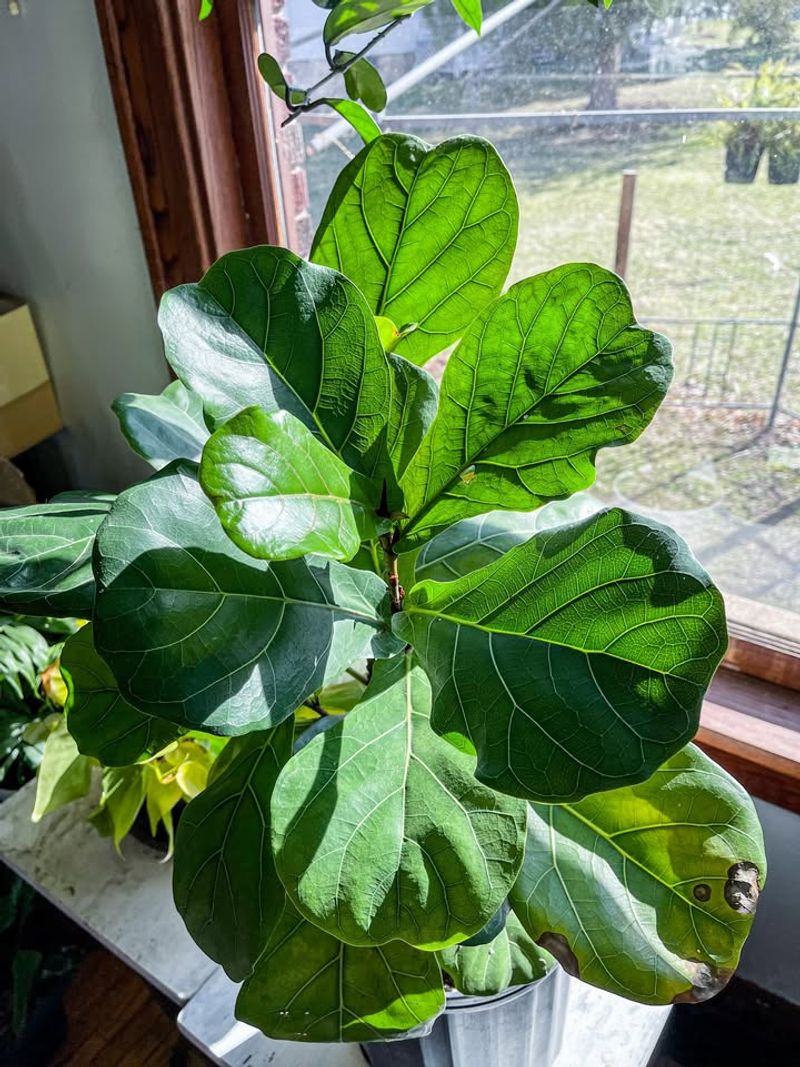
Winter months can really test the patience of any fiddle leaf fig owner. Leaves might start to droop or develop brown spots when indoor heating dries out the air in your Illinois home.
Humidity levels drop fast when the furnace runs nonstop, and this tropical beauty craves moisture in the air.
Misting the leaves every few days helps, but placing a humidifier nearby works even better. You can also set the pot on a tray filled with pebbles and water to create a humid microclimate.
Just make sure the pot sits above the water line so roots don’t get soggy.
Check the soil before watering because overwatering in winter is a common mistake. Stick your finger about two inches deep, and only water when it feels dry.
Fiddle leaf figs grow slower during cold months, so they need less water than in summer.
Dust accumulates on those big, glossy leaves and blocks light absorption. Wipe them gently with a damp cloth every couple of weeks.
This simple task helps the plant photosynthesize better and keeps it looking fresh.
Rotate the pot a quarter turn each week so all sides get equal light exposure. Illinois winters mean shorter days and weaker sunlight, so even a south-facing window might not provide enough brightness.
Consider moving it closer to the glass or adding a grow light if leaves start yellowing.
Avoid placing your fiddle leaf fig near heating vents or drafty windows. Sudden temperature changes stress the plant and cause leaf drop.
A stable environment makes a huge difference in how well it weathers through the season.
2. Snake Plant
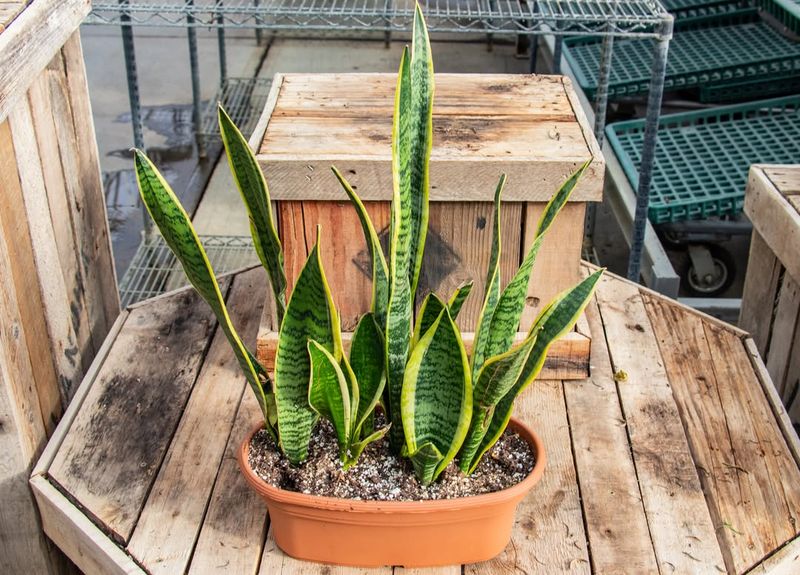
Tough as nails, the snake plant still benefits from a late-winter checkup. Even though it tolerates neglect better than most houseplants, a little attention goes a long way.
Dust builds up on those tall, upright leaves and dulls their natural shine, so a quick wipe-down refreshes the whole look.
Watering needs drop to almost nothing during Illinois winters. Snake plants store water in their thick leaves, so they handle drought like champions.
Check the soil every three to four weeks, and only water if it’s bone dry all the way through.
Overwatering causes root rot, which is one of the few things that can harm this resilient plant. Yellow, mushy leaves signal trouble, so always err on the side of less water.
If you’re unsure, wait another week before watering.
Bright, indirect light keeps snake plants happy, but they adapt to lower light conditions too. Move them closer to a window if you notice slow growth or fading leaf patterns.
Even a few extra hours of natural light each day makes a difference.
Temperature stability matters more than you might think. Snake plants don’t like sudden cold drafts or sitting right next to a heating vent.
Keep them in a spot where the temperature stays consistent, ideally between 60 and 75 degrees.
Repotting isn’t urgent unless roots are poking out of the drainage holes. These plants actually prefer being slightly root-bound, so don’t rush to move them to a bigger pot.
Late winter is a good time to inspect the roots and remove any that look mushy or damaged.
3. Peace Lily
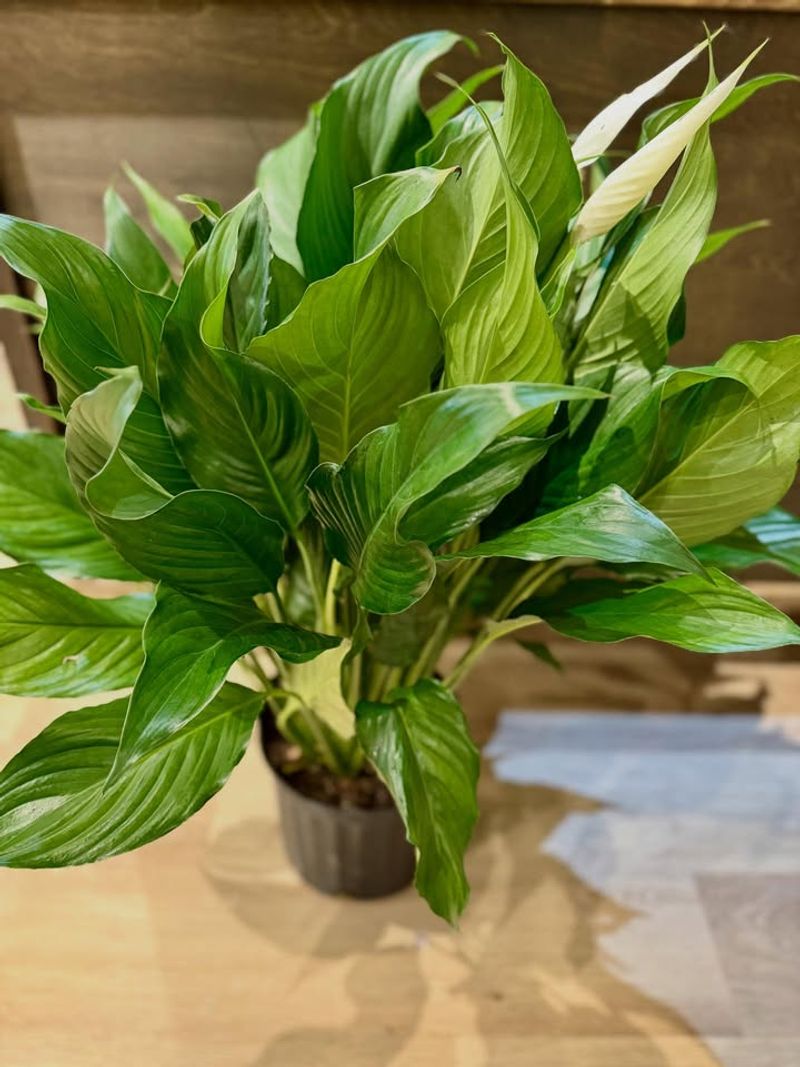
Drooping leaves on a peace lily don’t always mean it’s time to water. Sometimes dry air from indoor heating in Illinois homes causes the dramatic wilting that makes these plants famous.
Humidity is key for peace lilies, and winter air is notoriously dry when furnaces run constantly.
Grouping plants together creates a more humid environment since they release moisture through their leaves. You can also mist your peace lily every few days or place it on a pebble tray with water.
A small humidifier nearby works wonders and benefits all your houseplants at once.
Watering frequency decreases in winter, but peace lilies still need consistent moisture. Let the top inch of soil dry out between waterings, then give it a thorough drink.
Always use room-temperature water to avoid shocking the roots.
Brown leaf tips are a common complaint during late winter. This usually happens from fluoride or chlorine in tap water, so try using filtered or distilled water instead.
Trimming off the brown edges with scissors keeps the plant looking tidy.
Light requirements stay moderate year-round. Peace lilies thrive in bright, indirect light but tolerate lower light better than many flowering plants.
Move yours closer to a window if blooming has stopped completely, as more light encourages those elegant white flowers.
Temperature swings stress peace lilies more than steady coolness. Keep them away from drafty doors and windows, and don’t let them sit in a cold spot overnight.
They prefer temperatures between 65 and 80 degrees.
4. Pothos
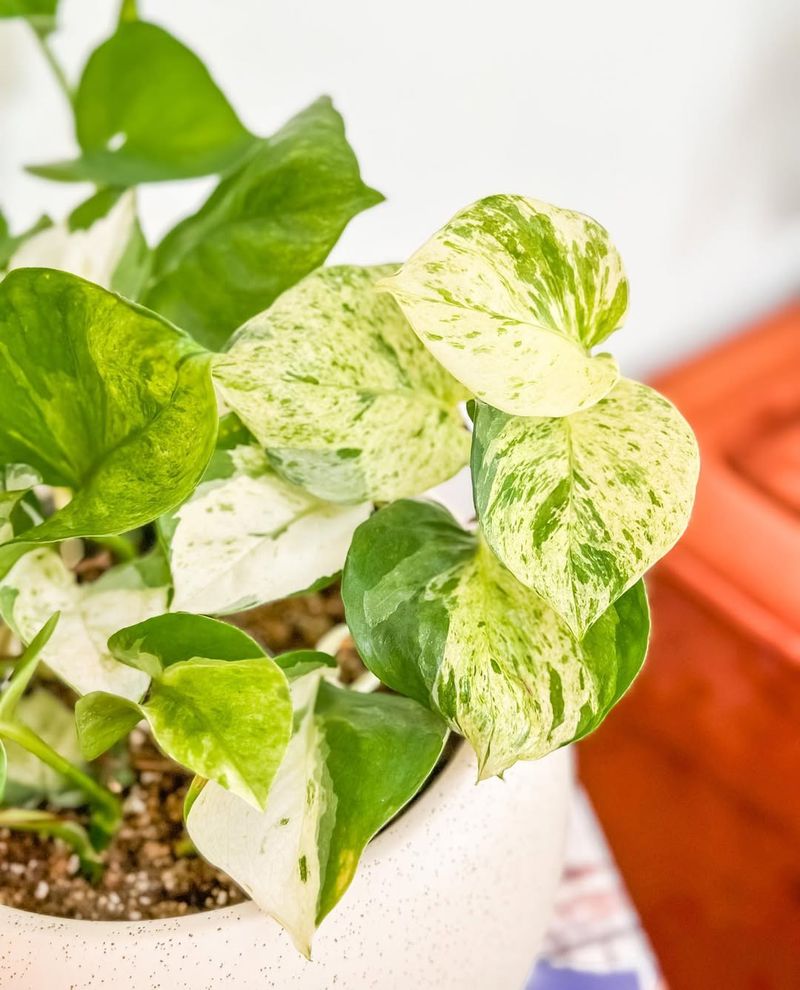
Vining plants like pothos keep growing even when winter slows everything down. Those trailing stems might look a bit leggy or sparse after months of low light in an Illinois home.
Pruning back long vines encourages fuller, bushier growth and gives you cuttings to propagate.
Snip stems just below a leaf node using clean scissors. Each cutting can root in water or soil, giving you new plants to share or fill out the original pot.
This is one of the easiest plants to multiply, and late winter is a great time to do it.
Dust settles on pothos leaves just like any other houseplant. Wipe them down with a damp cloth or give the whole plant a gentle shower in the sink.
Clean leaves absorb light better and look much more vibrant.
Watering needs drop in winter, but pothos still prefers evenly moist soil. Let the top two inches dry out before watering again.
Yellow leaves usually mean overwatering, while brown, crispy edges suggest underwatering or low humidity.
Bright, indirect light keeps pothos looking its best, but it tolerates low light surprisingly well. If the variegation on your plant is fading, move it closer to a window.
More light brings out those beautiful cream or yellow markings.
Temperature consistency matters for healthy growth. Keep your pothos away from cold drafts and heating vents.
Room temperature between 60 and 80 degrees works perfectly.
Check for pests like mealybugs or spider mites, which sometimes appear on stressed plants. Look closely at the undersides of leaves and where stems meet the main vine.
A quick spray with insecticidal soap takes care of most problems.
5. Rubber Plant
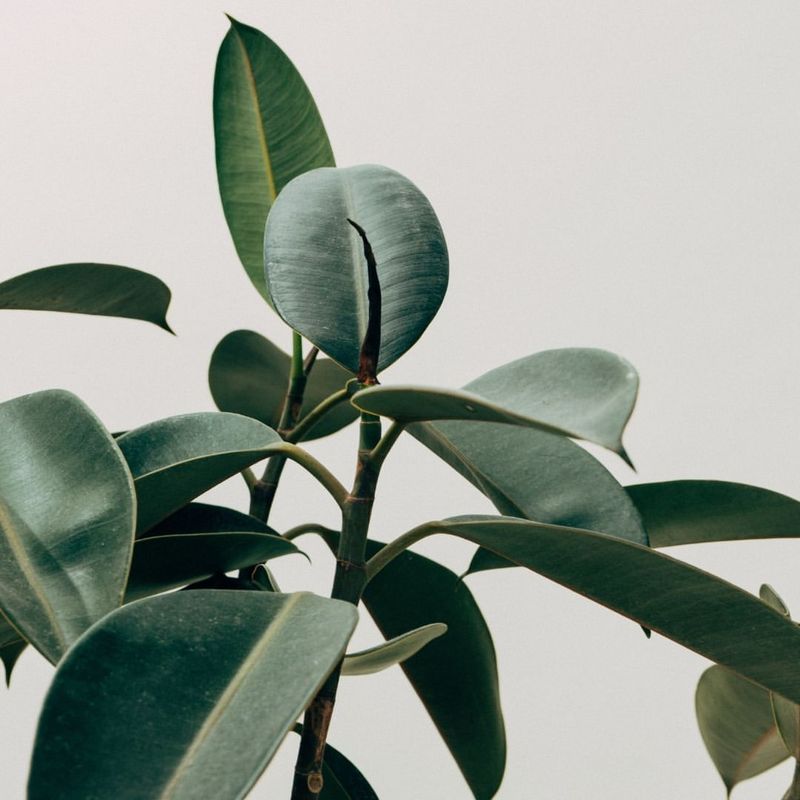
Glossy leaves on a rubber plant can lose their shine during dry Illinois winters. Dust and low humidity dull that natural luster, so a simple wipe-down with a damp cloth brings back the plant’s striking appearance.
This also helps the leaves absorb light more efficiently.
Indoor heating systems create desert-like conditions that stress tropical plants. Rubber plants appreciate extra humidity, so consider misting them a few times a week or placing a humidifier nearby.
Grouping plants together also helps raise the moisture level in the air.
Watering frequency decreases significantly in winter. Let the top two to three inches of soil dry out completely before watering again.
Overwatering leads to root rot, which shows up as yellowing leaves and a mushy stem base.
Light requirements stay high even in winter. Rubber plants thrive in bright, indirect light and can even handle some direct morning sun.
Move yours closer to a south or east-facing window if growth has slowed or leaves are dropping.
Leggy growth happens when light levels are too low. If your rubber plant is stretching toward the window with long gaps between leaves, it needs more brightness.
Pruning leggy stems encourages branching and creates a fuller shape.
Temperature stability is important for preventing leaf drop. Keep your rubber plant away from cold drafts and heating vents.
Sudden temperature changes cause stress, and stressed plants shed leaves quickly.
Inspect the undersides of leaves for pests like spider mites or scale insects. These tiny invaders love dry conditions and can multiply fast.
Wipe leaves with soapy water or neem oil solution if you spot any problems.
6. Spider Plant
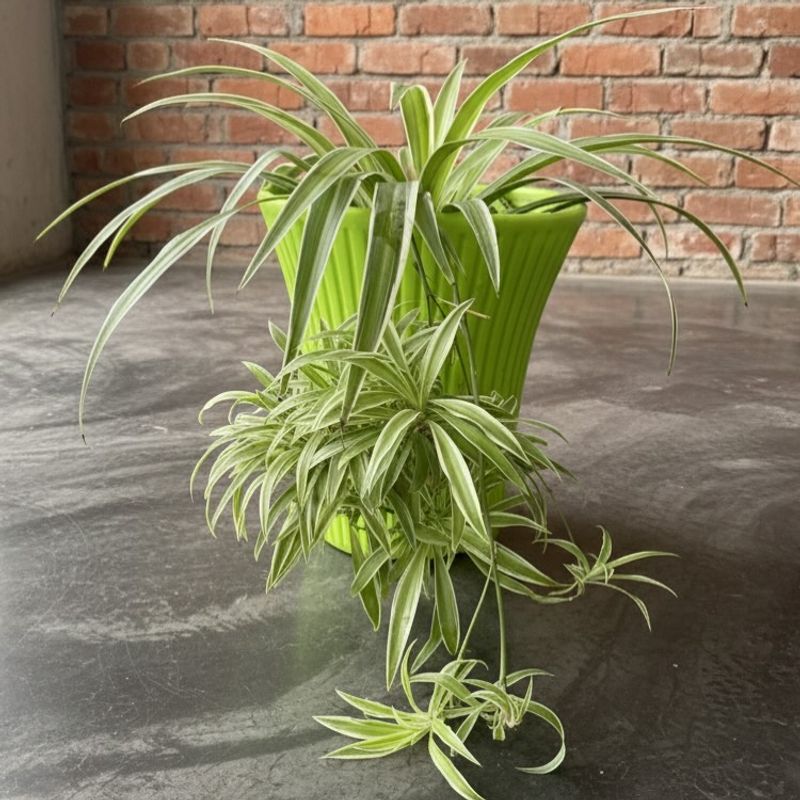
Brown leaf tips are almost inevitable on spider plants during Illinois winters. Dry air and chemicals in tap water cause this cosmetic issue, but it doesn’t harm the plant’s overall health.
Trim off the brown edges with scissors to keep your spider plant looking fresh and tidy.
Using filtered or distilled water helps prevent future browning. Fluoride and chlorine in municipal water build up in the soil and damage leaf tips over time.
Letting tap water sit overnight before using it allows some chemicals to evaporate.
Humidity levels drop drastically when indoor heating runs constantly. Spider plants appreciate occasional misting or placement near a humidifier.
They’re pretty forgiving, but extra moisture in the air keeps the foliage looking its best.
Watering needs decrease in winter, but spider plants still prefer evenly moist soil. Let the top inch dry out between waterings, then water thoroughly until it drains from the bottom.
These plants have thick, tuberous roots that store water, so they handle short dry spells well.
Bright, indirect light keeps spider plants happy and encourages the production of baby plantlets. Move yours closer to a window if growth has slowed or the leaf color is fading.
They tolerate lower light but won’t produce as many offsets.
Those adorable baby spider plants dangling from long stems can be left attached or removed. If you want to propagate, snip off plantlets that have small roots starting and pot them in moist soil.
They root quickly and make great gifts.
Check for pests like aphids or spider mites, which sometimes appear on stressed plants. Wipe down the leaves and inspect the undersides carefully.
A quick spray with insecticidal soap handles most infestations.
7. ZZ Plant
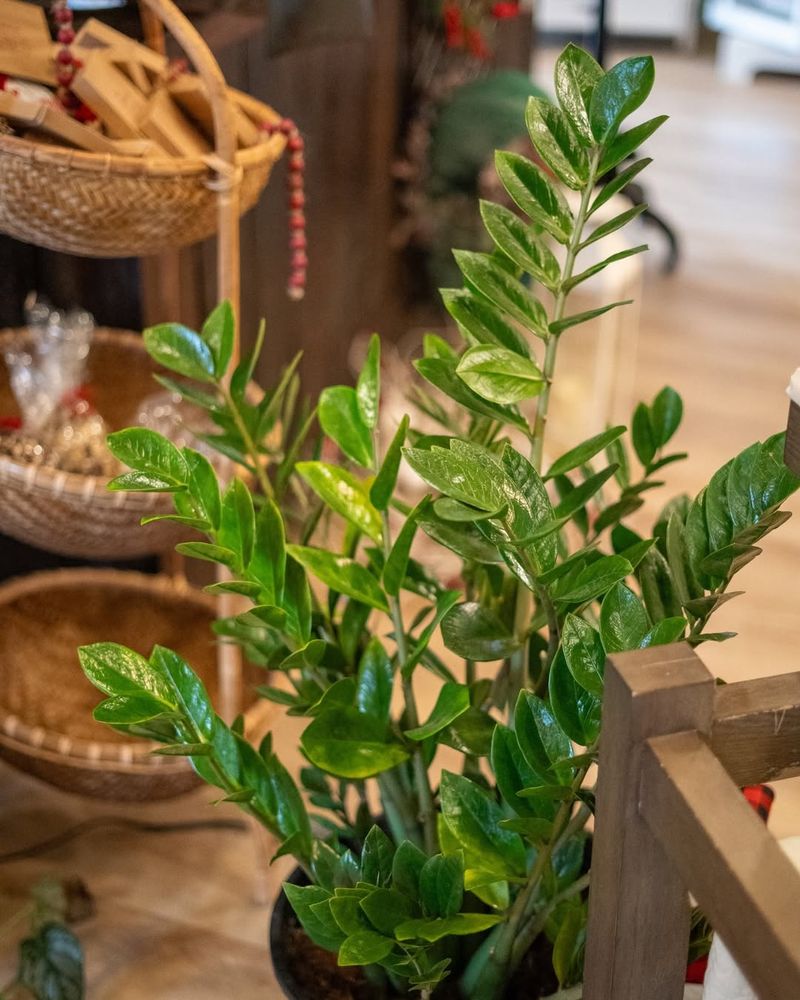
Nearly indestructible, the ZZ plant still appreciates a little late-winter attention. Dust accumulates on those thick, waxy leaves and blocks light, so a quick wipe-down keeps the plant looking polished.
This simple task also lets you check for any issues hiding on the foliage.
Watering needs are minimal during Illinois winters. ZZ plants store water in their thick rhizomes and can go weeks without a drink.
Only water when the soil is completely dry several inches down, and always err on the side of underwatering.
Yellowing leaves almost always signal overwatering. Root rot is one of the few problems that can harm a ZZ plant, so be cautious with the watering can.
If you’re unsure whether to water, wait another week or two.
Light requirements are flexible, making ZZ plants perfect for lower-light spots. They tolerate everything from bright indirect light to fairly dim corners.
However, brighter light encourages faster growth and keeps the foliage a deeper green.
Leggy growth happens when light levels are too low for extended periods. If your ZZ plant is stretching toward the window with long gaps between leaves, consider moving it to a brighter spot.
Pruning leggy stems at the base encourages new growth from the rhizome.
Temperature stability is important for preventing stress. Keep your ZZ plant away from cold drafts and heating vents.
Room temperature between 60 and 75 degrees is ideal, and this plant handles average indoor conditions with ease.
Pests rarely bother ZZ plants, but occasionally spider mites or mealybugs appear. Inspect the undersides of leaves and where stems emerge from the soil.
Wipe away any pests with rubbing alcohol on a cotton swab.
Repotting can wait until the rhizomes are bulging out of the pot. ZZ plants actually prefer being root-bound and grow slowly anyway.
When you do repot, choose a container only slightly larger and use well-draining soil.
8. Monstera
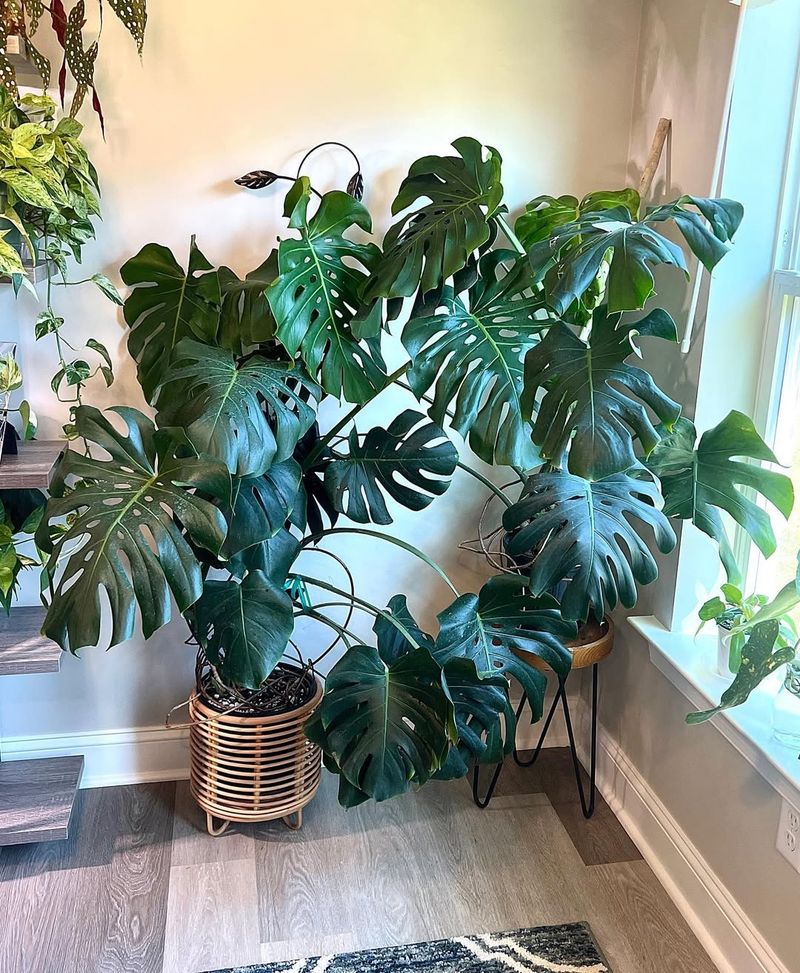
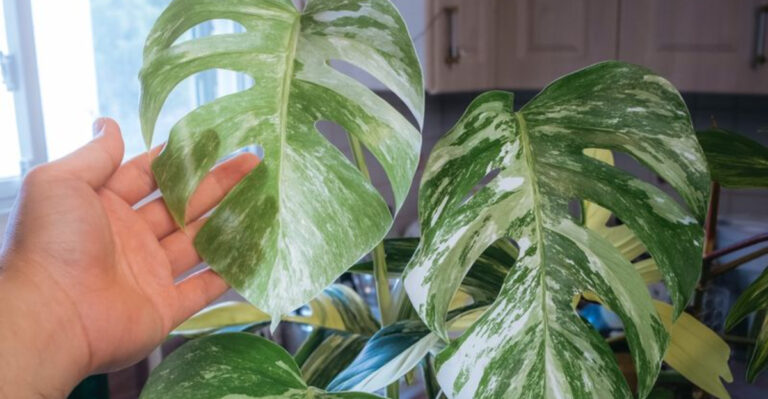
Those iconic split leaves on a monstera can collect quite a bit of dust over winter. Cleaning each leaf individually with a damp cloth brings back the shine and helps the plant photosynthesize more efficiently.
It’s also a good opportunity to check for any pests or damage.
Humidity is crucial for monsteras since they’re native to tropical rainforests. Illinois winters with constant indoor heating create dry conditions that stress these plants.
Misting the leaves, using a humidifier, or placing the pot on a pebble tray with water all help raise moisture levels.
Watering frequency drops during cold months, but monsteras still need consistent moisture. Let the top two to three inches of soil dry out before watering again.
Overwatering causes root rot, while underwatering leads to crispy brown leaf edges.
Bright, indirect light is essential for healthy growth and leaf fenestration. Those dramatic splits and holes won’t develop properly in low light.
Move your monstera closer to a window or add a grow light if new leaves are emerging without splits.
Aerial roots are a natural part of monstera growth and shouldn’t be removed. These roots help the plant climb in its native habitat and can be tucked into the pot or allowed to hang freely.
Some people guide them into the soil for extra support.
Temperature consistency prevents stress and leaf yellowing. Keep your monstera away from drafty windows and heating vents.
Room temperature between 65 and 80 degrees is ideal, and this plant doesn’t tolerate cold well.
Pruning leggy or damaged stems encourages bushier growth. Use clean, sharp scissors and cut just above a leaf node.
Each cutting can be propagated in water or soil, giving you new plants to grow or share.
Repotting can wait until spring unless the plant is severely root-bound. Monsteras grow quickly when happy and may need a larger pot every year or two.
Use a well-draining potting mix and a pot with drainage holes.
9. Calathea
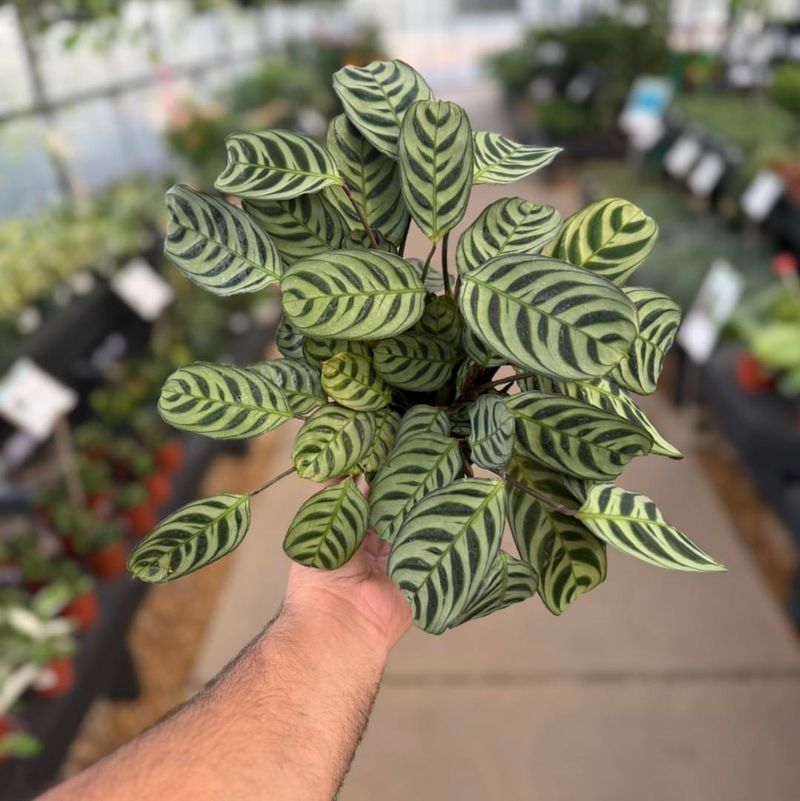
Crispy leaf edges are a telltale sign that your calathea is struggling with dry winter air. These tropical beauties need high humidity to thrive, and Illinois homes with forced-air heating offer the opposite.
Investing in a humidifier or creating a pebble tray setup makes a huge difference.
Misting helps temporarily but doesn’t provide sustained humidity. Grouping several plants together creates a more humid microclimate as they release moisture through their leaves.
Calatheas also do well in bathrooms where shower steam raises humidity naturally.
Watering needs remain consistent but should be adjusted for slower winter growth. Let the top inch of soil dry out slightly between waterings, but never let the soil dry out completely.
Calatheas are sensitive to both overwatering and underwatering.
Water quality matters more for calatheas than for many other houseplants. Fluoride and chlorine in tap water cause brown leaf tips and edges.
Use filtered, distilled, or rainwater whenever possible to keep foliage looking pristine.
Bright, indirect light is essential, but direct sun will scorch those delicate leaves. Place your calathea near an east or north-facing window where it gets gentle light throughout the day.
Too little light causes slow growth and fading leaf patterns.
Temperature fluctuations stress calatheas and cause leaf curling. Keep them away from cold drafts, heating vents, and exterior doors.
They prefer temperatures between 65 and 80 degrees with minimal variation.
Inspect leaves regularly for spider mites, which love dry indoor conditions. Look for tiny webs on the undersides of leaves or speckled damage on the surface.
Wipe down foliage with neem oil solution if you spot any pests.