9 Houseplants That Can Thrive For Decades In California Homes
Some houseplants live for a season or two, but others can grow right alongside you for decades. In California, where the climate is mild and the sun shines often, it’s possible to keep indoor plants alive and thriving for years with just a little care.
Whether you’re new to houseplants or a longtime plant parent, choosing the right varieties is key. Some species are naturally long-living, adaptable, and resilient in the face of California’s dry air, bright light, and temperature swings.
These plants don’t just survive, they flourish, growing stronger and more beautiful over time. They can become a permanent part of your home, moving with you from space to space and filling your rooms with green, vibrant energy.
If you’re ready to grow something that lasts, these long-living houseplants are a perfect match for California homes – and they’re easier to care for than you might think.
1. Snake Plant
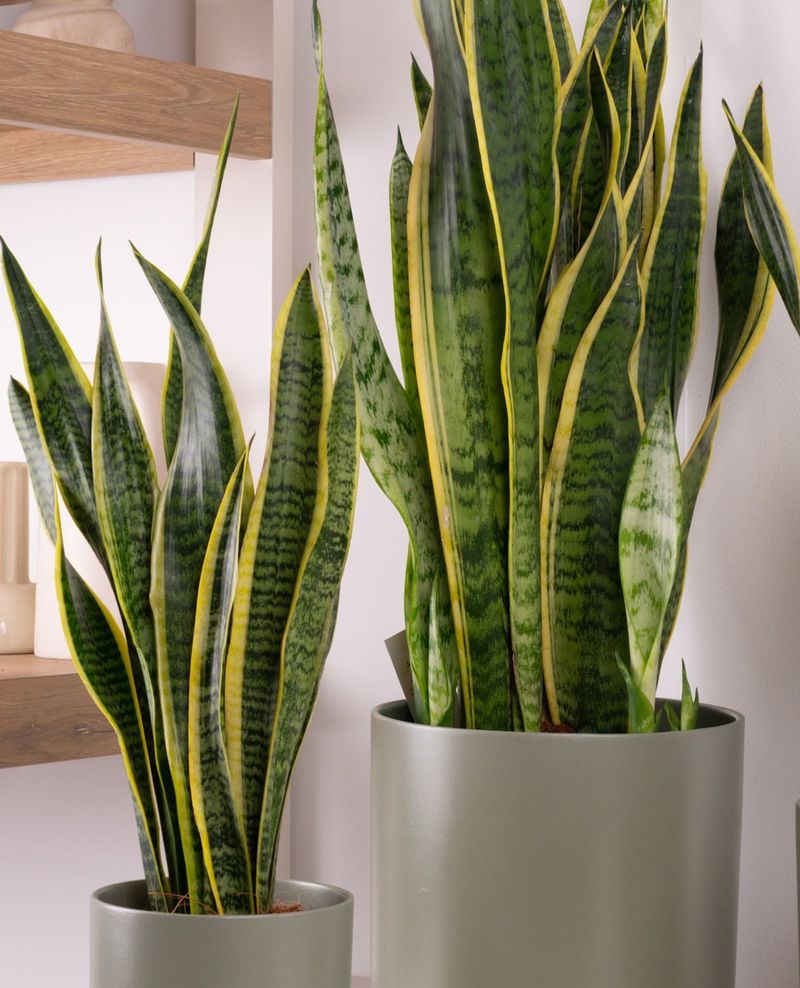
Snake plants have earned their reputation as nearly indestructible houseplants that can outlive many pets and even some appliances. These striking plants feature tall, sword-shaped leaves with beautiful variegated patterns in shades of green, yellow, and cream.
Originally from West Africa, they have adapted remarkably well to indoor environments across California, from foggy San Francisco apartments to sunny San Diego homes.
What makes snake plants exceptional is their ability to tolerate neglect better than almost any other houseplant. They can survive weeks without water and thrive in low light conditions, though they prefer bright indirect light.
Their thick, succulent-like leaves store water efficiently, making them perfect for busy Californians who travel frequently or simply forget to water their plants.
In California homes, snake plants can live for twenty-five years or more with minimal care. They grow slowly but steadily, eventually producing offsets that can be separated and shared with friends.
These plants also purify indoor air by removing toxins like formaldehyde and benzene, making them both beautiful and functional additions to any room in your home.
2. Jade Plant
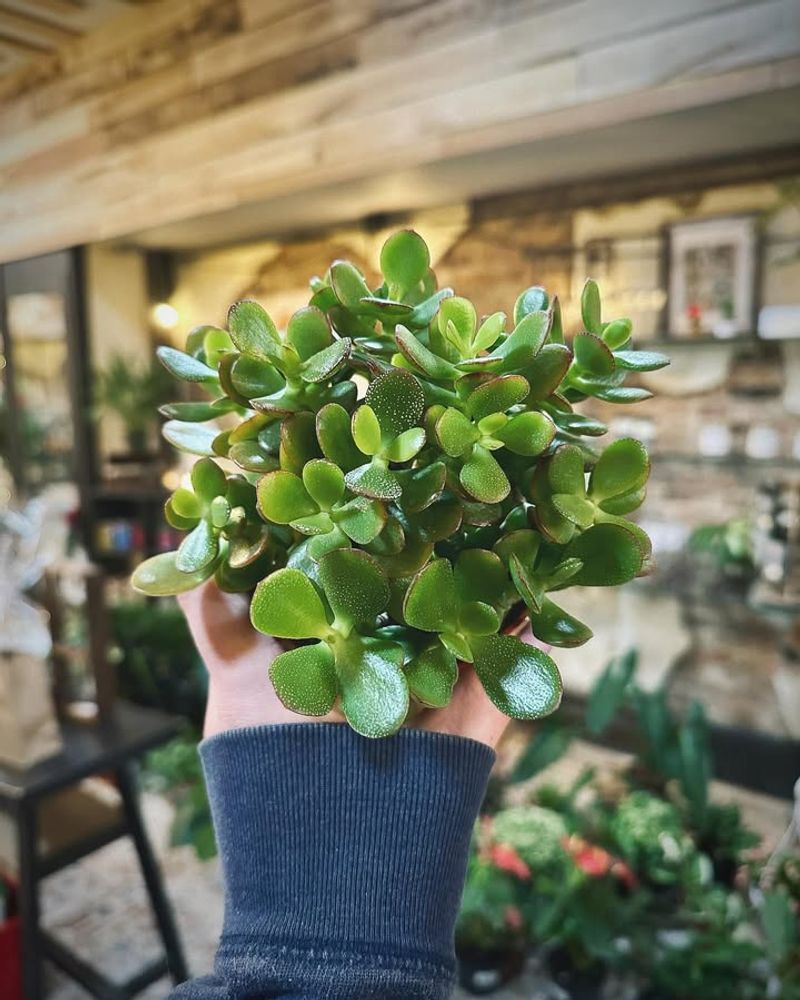
Jade plants bring good fortune according to feng shui traditions, and they certainly bring longevity to California households. These charming succulents develop thick, woody stems and plump, oval-shaped leaves that resemble precious jade stones.
Some jade plants have been passed down through generations, living fifty years or longer and becoming treasured family heirlooms.
California’s climate suits jade plants perfectly, especially in coastal regions where humidity levels remain moderate. They need bright light to maintain their compact shape and develop the reddish edges that make mature plants so attractive.
Water them deeply but infrequently, allowing the soil to dry completely between waterings to prevent root problems.
As jade plants age, they develop character and personality that younger plants simply cannot match. Their trunks become gnarled and tree-like, resembling miniature bonsai specimens.
Many California gardeners move their jade plants outdoors during summer months, taking advantage of the mild weather to encourage robust growth.
With patience and proper care, your jade plant can become a living sculpture that grows more beautiful with each passing decade.
3. Rubber Plant
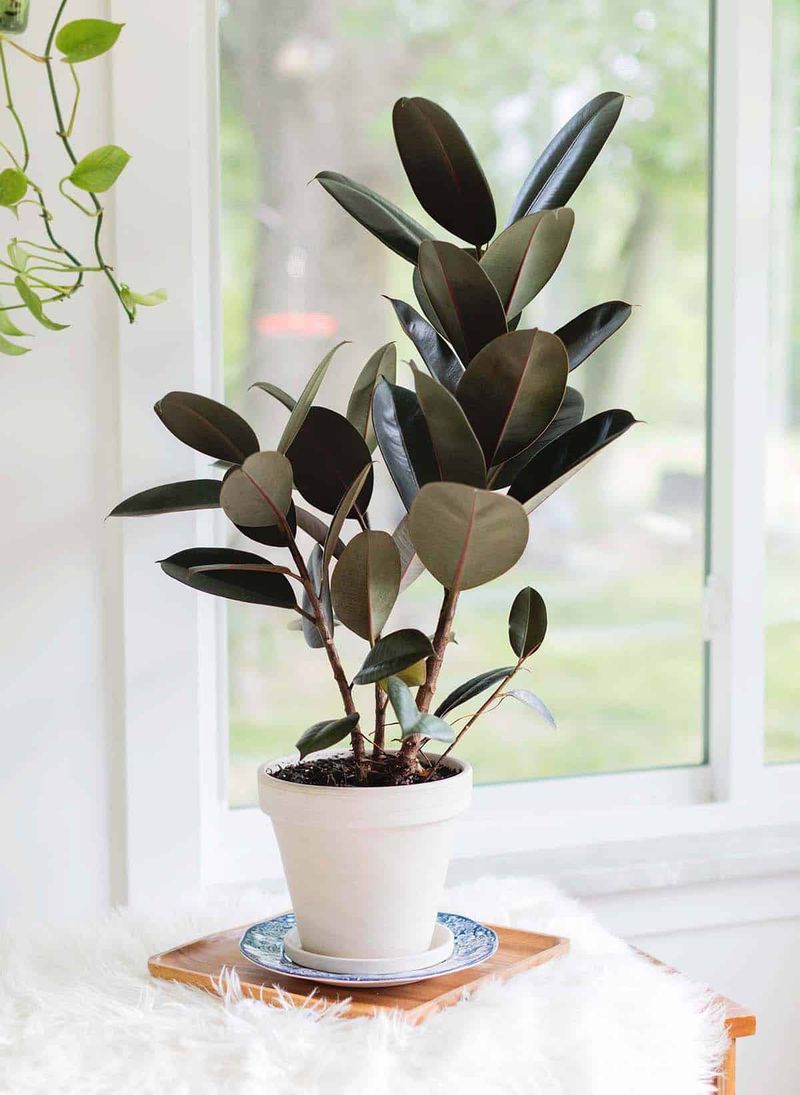
Rubber plants make bold statements with their large, glossy leaves that can span nearly a foot in length.
Native to Southeast Asia, these impressive plants have found a second home in California residences, where they can grow from small tabletop specimens into dramatic floor plants reaching six feet or taller.
Their burgundy-tinged new growth adds extra visual interest as leaves unfurl.
These plants appreciate the bright, filtered light common in California homes with large windows. They dislike being moved frequently, so choose their location carefully and let them settle in for the long haul.
Rubber plants prefer consistent care with regular watering during growing season and occasional leaf cleaning to remove dust and maintain their signature shine.
One rubber plant in Sacramento reportedly lived for over forty years, growing alongside three generations of the same family. They respond well to pruning, which encourages bushier growth and helps control their size in smaller spaces.
California homeowners particularly appreciate how rubber plants adapt to indoor heating and cooling systems without dropping leaves or showing stress.
Their resilience and dramatic appearance make them worthwhile investments for anyone seeking a long-term green companion.
4. Pothos
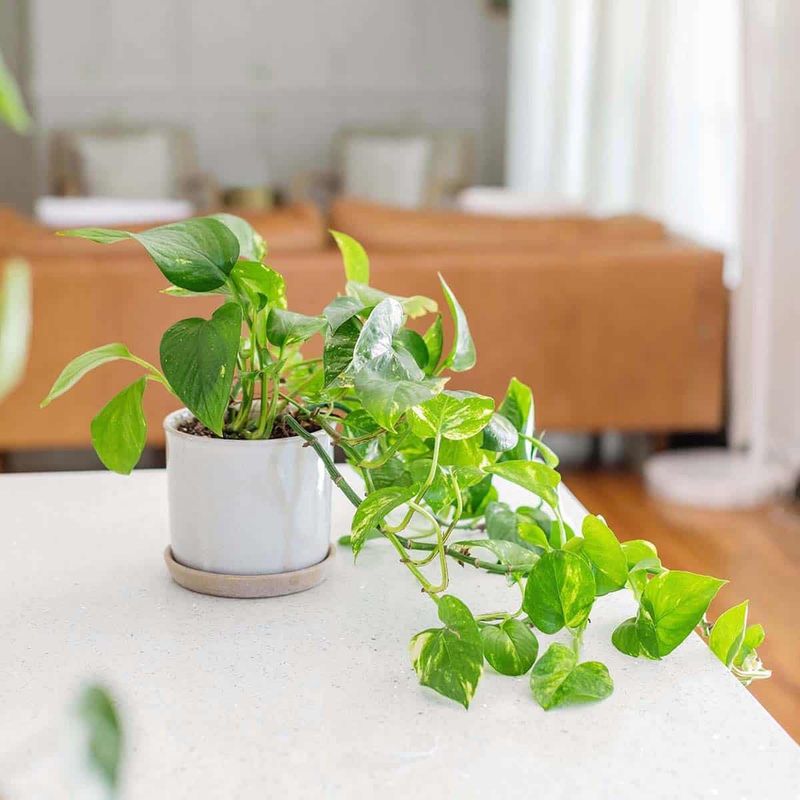
Pothos vines have graced California homes for decades, trailing elegantly from hanging baskets and climbing up moss poles with effortless beauty.
These heart-shaped leaves come in several varieties, including golden pothos with yellow variegation and marble queen with creamy white patterns.
Some California plant enthusiasts have pothos plants that originated from cuttings their grandmothers rooted in the 1970s.
What makes pothos exceptional is their forgiving nature and adaptability to various light conditions. They tolerate low light better than most houseplants, though they grow faster and develop better variegation in brighter spots.
Water them when the top inch of soil feels dry, and they will reward you with vigorous growth that can extend several feet each year.
Pothos plants purify indoor air and can live for decades with minimal intervention. They root easily in water, making propagation simple and allowing you to create new plants from a single mother plant.
Many California homes have pothos vines that have been trained around windows, across bookshelves, or up walls, creating living green curtains that soften interior spaces while requiring very little maintenance or special attention.
5. ZZ Plant
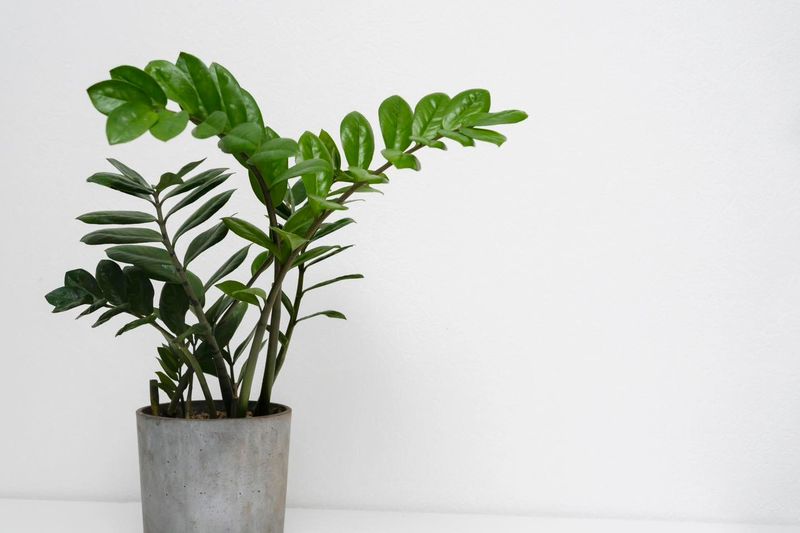
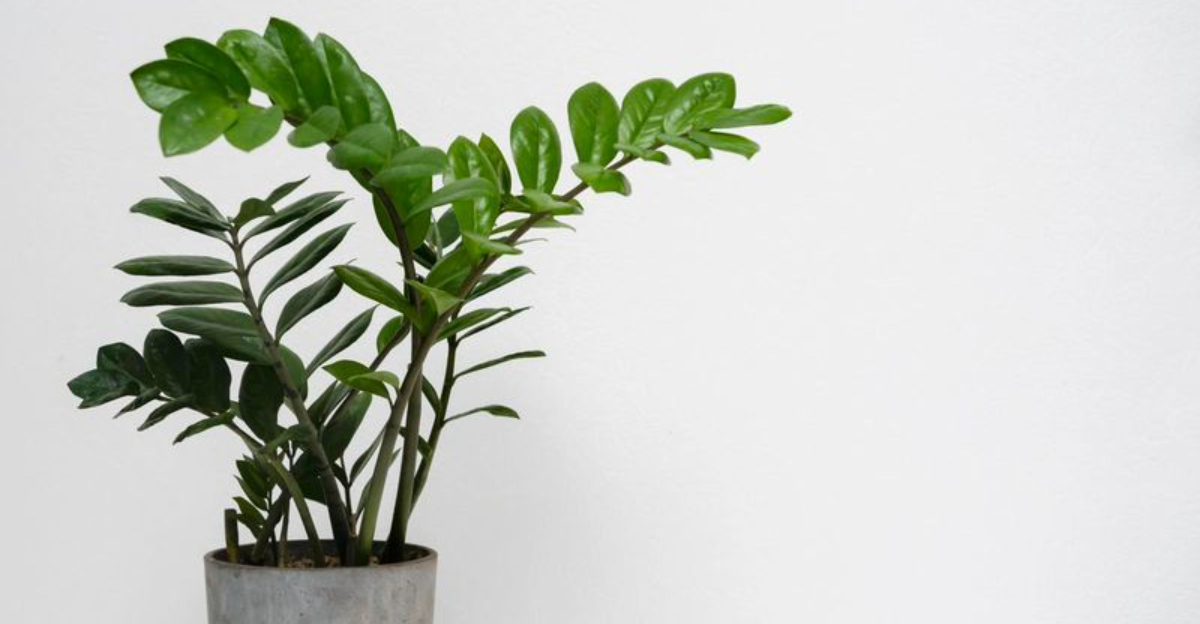
ZZ plants have become increasingly popular in California homes over the past two decades, and for good reason. Their waxy, dark green leaves grow on thick stems that arch gracefully from the soil, creating sculptural forms that look professionally designed.
These African natives store water in underground rhizomes, allowing them to survive extended dry periods without complaint.
Perfect for California apartments and offices with limited natural light, ZZ plants thrive in conditions that would stress most other houseplants. They grow slowly but steadily, eventually forming substantial clumps that can be divided and repotted.
Their tolerance for neglect makes them ideal for people new to houseplant care or those with demanding schedules.
ZZ plants can live thirty years or more in California homes, requiring repotting only every few years as they outgrow their containers. They rarely suffer from pest problems and resist most common plant diseases.
Water them sparingly, perhaps once every two to three weeks, allowing the soil to dry thoroughly between waterings.
Their modern appearance complements contemporary California interior design while their durability ensures they will remain beautiful companions for many years to come.
6. Spider Plant
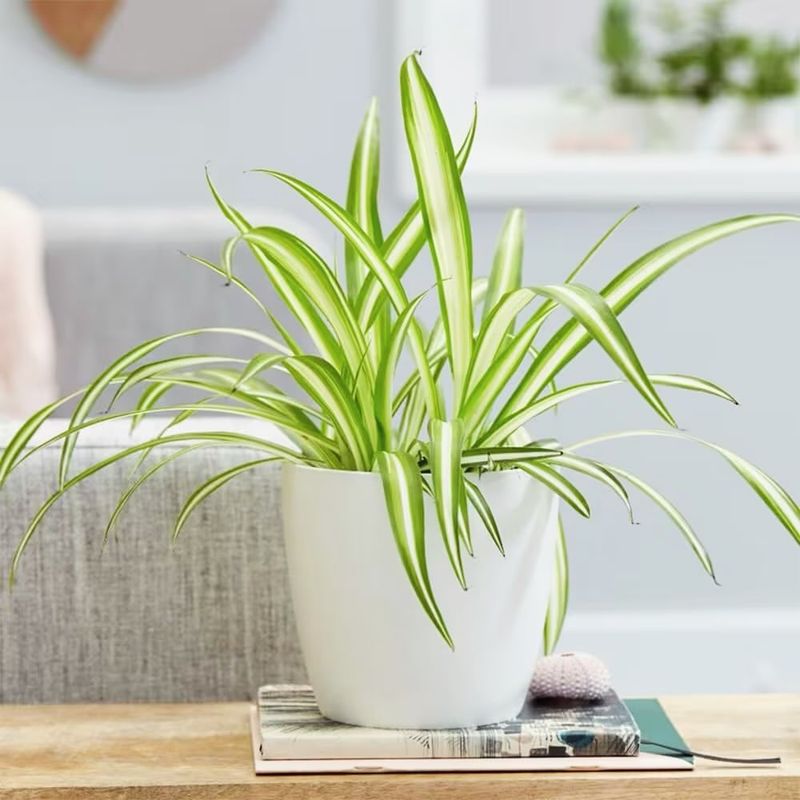
Spider plants have decorated California homes since the 1970s, when they became wildly popular for their air-purifying abilities and easy care requirements. Their arching leaves with cream or white stripes create fountain-like displays that soften any room.
Mature plants produce long stems with tiny white flowers that develop into baby plantlets, earning them the nickname airplane plants.
These cheerful houseplants thrive in the moderate temperatures found in most California residences. They prefer bright, indirect light but adapt to various conditions without fussing.
Spider plants appreciate regular watering during active growth periods, though they can tolerate occasional drying out thanks to their fleshy roots that store moisture and nutrients.
Many California plant collectors have spider plants that originated from their mothers or grandmothers, creating living connections across generations. These plants can live twenty to thirty years or longer, continually producing plantlets that can be rooted in water or soil.
They work beautifully in hanging baskets where their cascading foliage and dangling babies create dynamic visual interest.
Spider plants rarely experience serious problems and bounce back quickly from minor neglect, making them reliable green companions for decades.
7. Aloe Vera
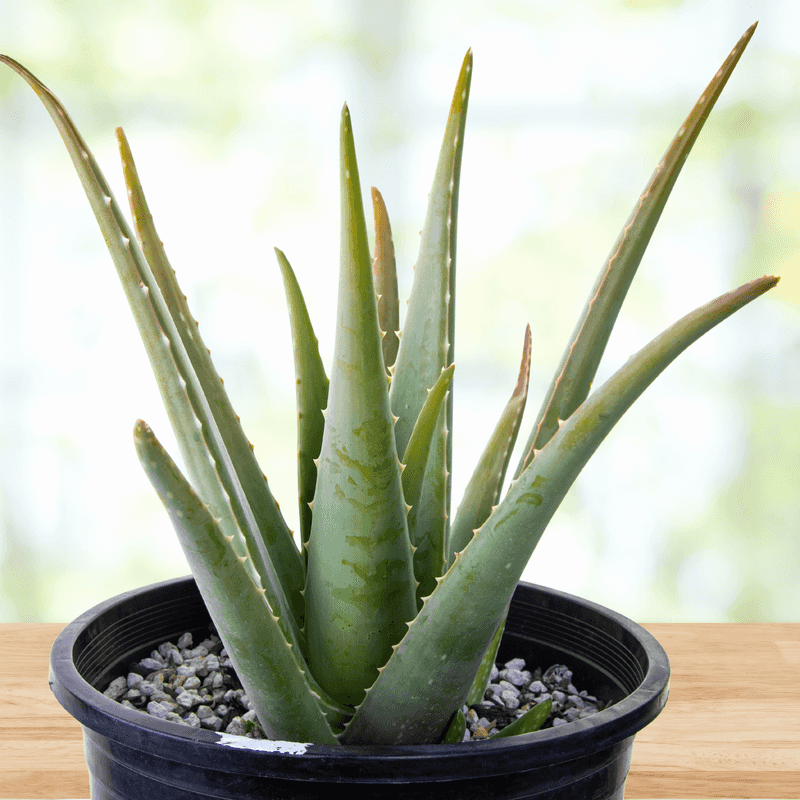
Aloe vera plants serve double duty in California homes as both decorative houseplants and natural first-aid remedies. Their thick, spiky leaves contain gel that soothes minor burns and skin irritations, making them practical additions to kitchens and bathrooms.
These succulents can live for decades, with some specimens reaching twenty-five years or more while maintaining their medicinal properties.
California’s sunny climate provides ideal conditions for aloe vera plants, which need bright light to thrive and maintain their compact form. Place them near south or west-facing windows where they receive several hours of direct sunlight daily.
Like other succulents, they require infrequent watering and well-draining soil to prevent moisture-related issues.
Mature aloe plants produce offsets called pups that cluster around the base of the mother plant. These can be separated and potted individually, allowing you to expand your collection or share with friends and family.
Aloe vera plants grown in California homes often develop orange or pink flowers on tall stalks during spring months, adding unexpected color to their typically green appearance.
Their combination of beauty, utility, and longevity makes them valuable long-term residents in any household.
8. Peace Lily
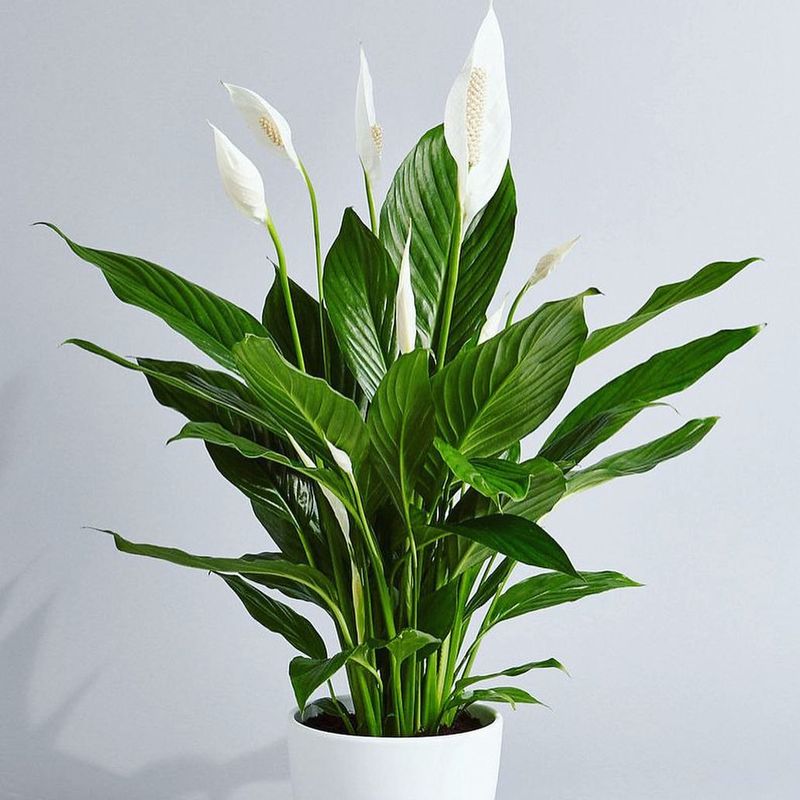
Peace lilies bring elegance and tranquility to California homes with their glossy dark foliage and graceful white flowers. Despite their name, they are not true lilies but members of the Araceae family.
These tropical plants can live for decades when given proper care, with some California specimens reaching twenty years or more while continuing to bloom reliably.
What sets peace lilies apart is their ability to communicate their needs clearly. When they need water, their leaves droop noticeably but perk up within hours of watering.
This helpful trait makes them excellent choices for people learning to read plant signals. They prefer low to medium light, making them suitable for California rooms without direct sun exposure.
Peace lilies bloom throughout the year in California homes, producing their distinctive white spathes that last for weeks.
They appreciate humidity, which California coastal regions provide naturally, though inland residents may need to mist their plants occasionally.
These houseplants filter indoor air pollutants effectively while requiring minimal maintenance.
Their combination of attractive foliage, reliable flowers, and forgiving nature explains why they remain popular choices for long-term indoor gardening in homes throughout the Golden State.
9. Philodendron
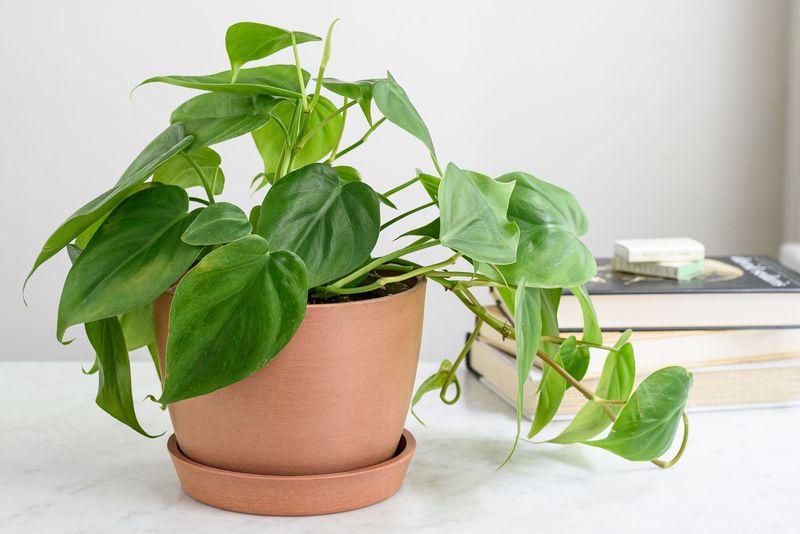
Philodendrons have graced California homes for generations, offering lush tropical beauty with remarkably little effort. These versatile plants come in climbing and non-climbing varieties, with heart-shaped or deeply lobed leaves depending on the species.
Some California families have philodendrons that have been propagated and shared across multiple generations, creating living legacies that span decades.
These adaptable plants tolerate a wide range of light conditions, from low light corners to bright indirect spots near California windows. They grow quickly when happy, producing new leaves regularly throughout the year.
Philodendrons appreciate consistent moisture but forgive occasional lapses in watering, making them suitable for real-world conditions where perfect care is not always possible.
Many California homeowners train climbing philodendrons up moss poles or along walls, creating dramatic green displays that improve with age. These plants can live thirty years or longer, developing substantial root systems and impressive foliage over time.
They rarely suffer from serious pest or disease problems and respond well to occasional pruning to control size or encourage bushier growth.
Their reliable nature and tropical appearance make philodendrons excellent choices for anyone seeking beautiful, long-lived houseplants that enhance California interior spaces.