10 Houseplants That Help Clean Bedroom Air Overnight In Pennsylvania
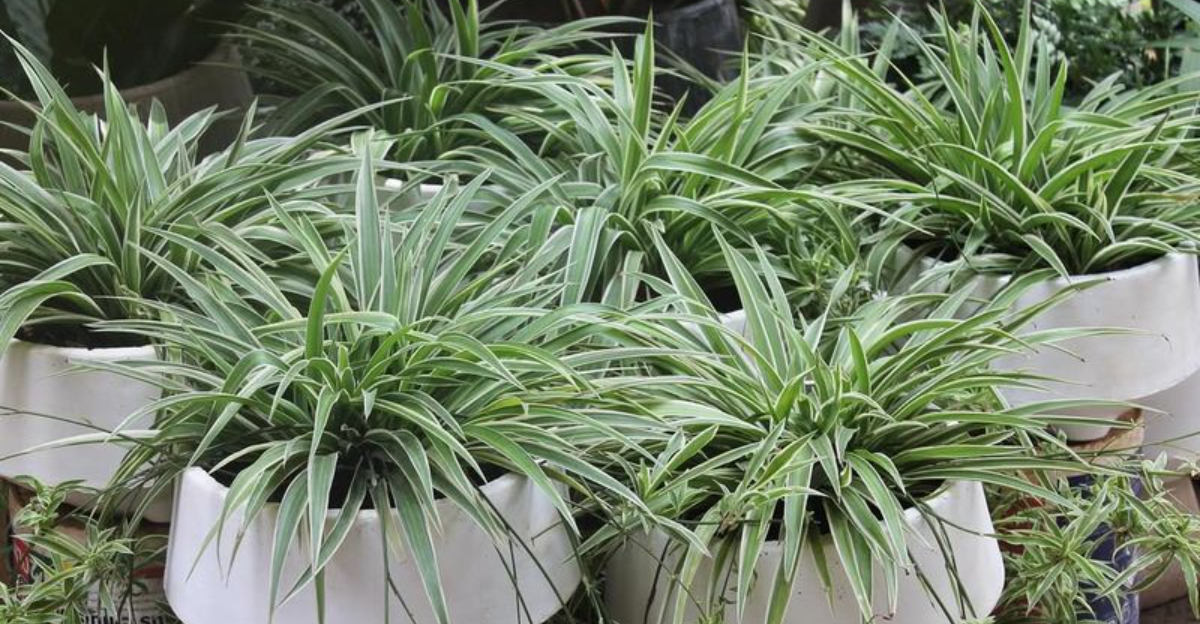
Houseplants are doing more than decorating Pennsylvania bedrooms, especially during the long overnight hours when windows stay closed.
Certain plants naturally help improve indoor air while people sleep, making bedrooms feel fresher by morning without any extra effort.
That is why more Pennsylvania households are choosing specific plants for nighttime spaces instead of treating them as daytime decor only.
1. Snake Plant
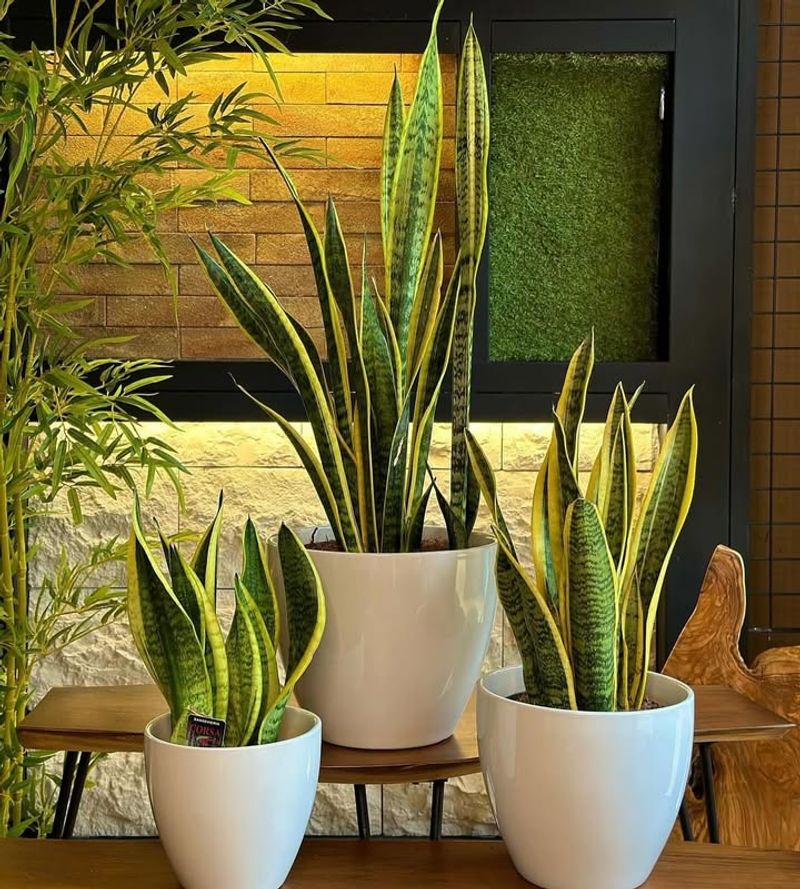
Snake plants stand tall with thick, sword-shaped leaves that look stunning on any Pennsylvania bedroom windowsill or corner table.
Unlike most plants, this variety converts carbon dioxide into oxygen throughout the nighttime hours when you need fresh air most desperately.
Homeowners across Pennsylvania love how little care these plants require, thriving even when you forget to water them for weeks at once.
Their ability to filter out formaldehyde, benzene, and trichloroethylene makes them powerful allies against common household toxins found in cleaning products.
Place one near your bed, and you’ll notice the air feels fresher when you wake up each morning feeling energized.
These plants tolerate low light conditions perfectly, making them ideal for bedrooms that don’t get much direct sunlight during winter months.
Even beginners can succeed with snake plants since they’re nearly impossible to harm with neglect or inconsistent watering schedules throughout busy weeks.
Their striking appearance adds a modern touch to any bedroom decor while silently working to improve your indoor air quality overnight.
2. Spider Plant
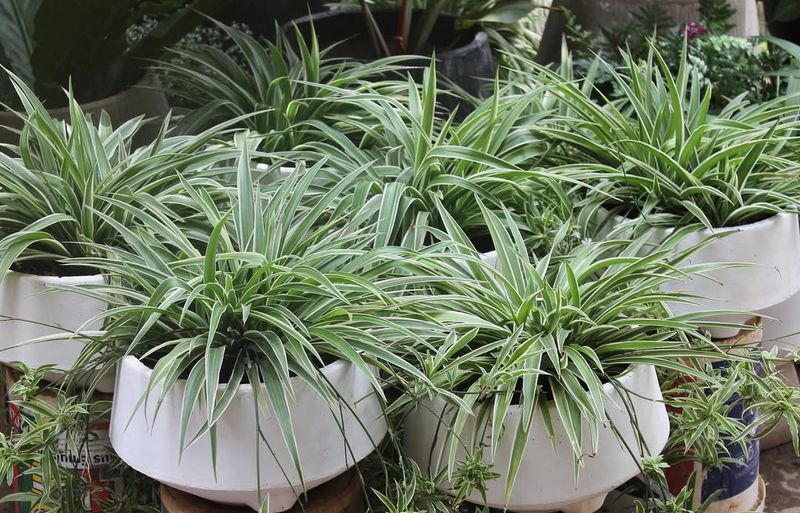
Cascading gracefully from hanging baskets, spider plants create beautiful natural curtains that brighten up any Pennsylvania bedroom with their cheerful appearance.
NASA research confirmed these plants excel at removing carbon monoxide and xylene from indoor spaces, making them perfect for improving nighttime air.
Watching baby spiderettes dangle from long stems adds a touch of whimsy to your sleeping space while they all work together purifying air.
Pennsylvania residents appreciate how spider plants adapt to various light conditions, from bright indirect sun to shadier corners near dressers or bookshelves.
Watering them once weekly keeps their soil moist enough to support healthy growth without risking root rot or other moisture-related problems.
These plants multiply quickly, producing adorable baby plants you can share with friends or spread throughout different rooms in your home.
Their non-toxic nature makes them safe choices for bedrooms shared with curious pets who might nibble on dangling leaves occasionally at night.
Spider plants thrive in Pennsylvania’s indoor humidity levels, requiring minimal fussing while delivering maximum air-cleaning benefits throughout every sleeping hour.
3. Peace Lily
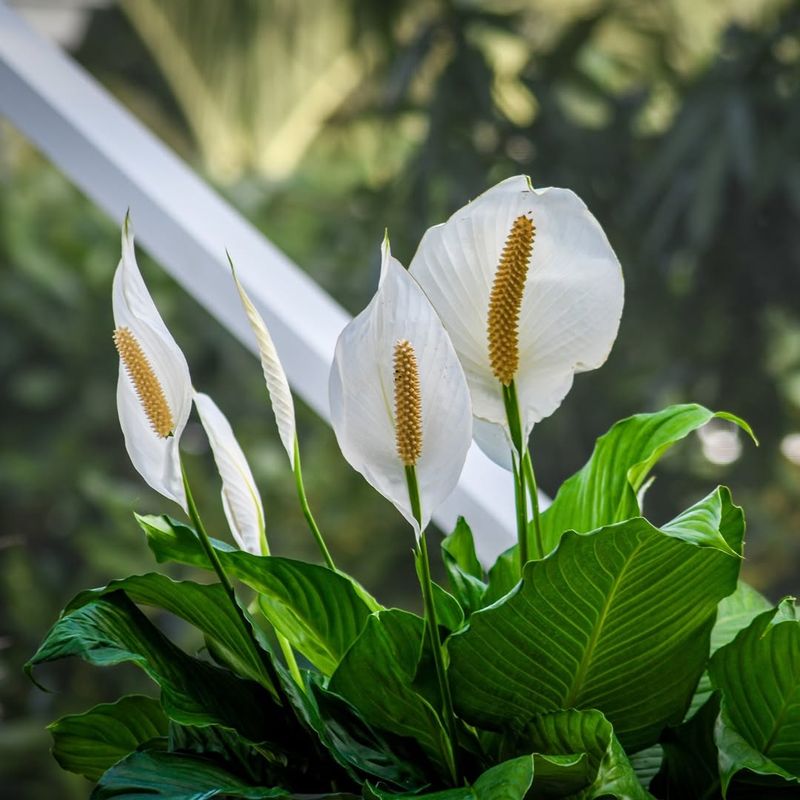
Elegant white blooms emerge from glossy green foliage, making peace lilies one of the most beautiful air-purifying plants for Pennsylvania bedrooms.
Their ability to absorb mold spores from the air proves especially valuable in humid Pennsylvania summers when moisture levels rise indoors.
Peace lilies also filter ammonia, benzene, and formaldehyde, tackling multiple toxins simultaneously while adding sophisticated beauty to your sleeping environment.
Caring for these plants feels effortless since they literally droop when thirsty, giving you obvious signals about when they need watering attention.
Keep them in low to medium light spots away from direct sun, and they’ll reward you with stunning blooms several times yearly.
Pennsylvania homeowners find peace lilies particularly helpful in older homes where off-gassing from furniture and carpets creates indoor air quality concerns.
Their moderate size fits perfectly on nightstands or dressers without overwhelming smaller bedrooms or cluttering limited available space near beds.
Just remember these plants contain compounds that irritate pets, so position them carefully if you share your bedroom with furry companions.
4. Aloe Vera
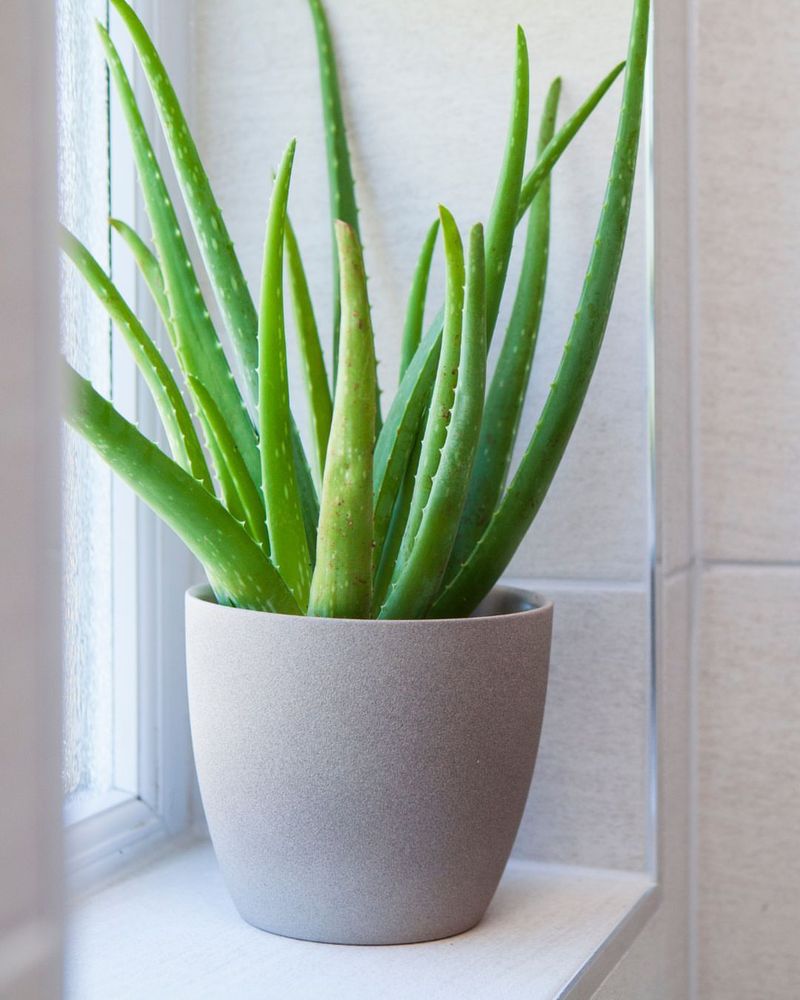
Thick, gel-filled leaves make aloe vera instantly recognizable and incredibly useful for both air purification and treating minor burns or scrapes.
This succulent releases oxygen at night while removing formaldehyde from the air, making it an excellent bedroom companion for Pennsylvania residents.
Placing aloe on a sunny windowsill gives it the bright light it craves while it quietly works to improve your sleep environment.
Pennsylvania’s dry indoor winter air suits aloe perfectly since these plants prefer less frequent watering compared to other houseplant varieties around homes.
Their compact size and slow growth rate mean you won’t need to repot them constantly or worry about them outgrowing their space.
Breaking off a leaf provides instant access to soothing gel for sunburns or skin irritations, adding practical value beyond air purification.
Aloe thrives on neglect, making it perfect for busy people who sometimes forget about plant care during hectic weeks at work.
Watch for baby offshoots called pups that appear around the base, which you can separate and pot to create new plants.
5. Boston Fern
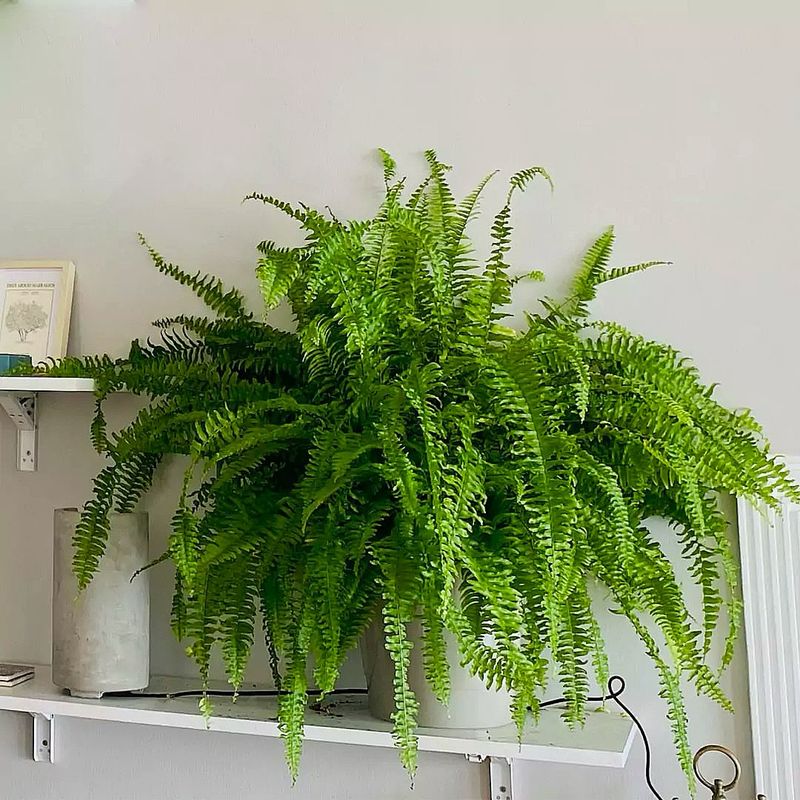
Feathery fronds create a lush, forest-like atmosphere in Pennsylvania bedrooms while Boston ferns work tirelessly to remove formaldehyde and xylene overnight.
These plants act as natural humidifiers, releasing moisture into dry indoor air that often becomes uncomfortable during Pennsylvania’s cold winter months.
Hanging them near windows allows their graceful fronds to catch gentle breezes while they filter toxins from the air you breathe nightly.
Boston ferns prefer consistently moist soil and appreciate regular misting, making them ideal for people who enjoy nurturing their plant collections daily.
Their dramatic appearance transforms plain bedrooms into tranquil retreats that feel more connected to nature and the outdoors you love exploring.
Pennsylvania gardeners often bring outdoor ferns inside for winter, where they continue purifying air while adding vibrant green color to dormant seasons.
These ferns thrive in indirect light and cooler temperatures, making north-facing bedrooms perfect spots for displaying their beautiful cascading foliage.
Regular care includes checking soil moisture and removing brown fronds, simple tasks that become relaxing rituals before bedtime each evening.
6. English Ivy

Trailing vines covered in small, lobed leaves create living artwork when English ivy cascades from shelves or hanging planters in bedrooms.
Research shows this plant excels at filtering airborne fecal particles and mold, making it valuable for Pennsylvania homes with older ventilation systems.
English ivy also removes benzene, formaldehyde, and trichloroethylene, tackling multiple common household pollutants while you rest peacefully through the night.
Growing this plant indoors keeps it contained, unlike outdoor ivy that can become invasive across Pennsylvania’s gardens and natural woodland areas.
Cool bedroom temperatures suit English ivy perfectly since it prefers slightly chilly conditions over the warmth many tropical houseplants require constantly.
Training the vines along curtain rods or around window frames creates beautiful natural decorations that serve functional air-cleaning purposes simultaneously.
Keep the soil evenly moist and provide bright, indirect light for the healthiest growth and most effective air purification throughout nighttime.
Pennsylvania plant lovers appreciate how quickly ivy grows, filling empty spaces and creating lush green displays within just a few months.
7. Rubber Plant
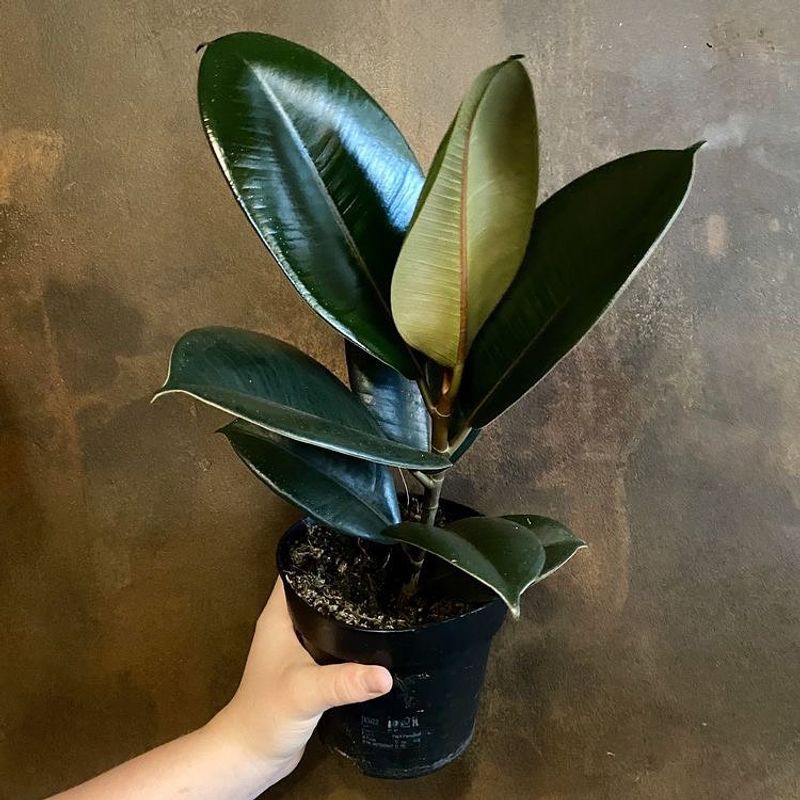
Bold, glossy leaves make rubber plants striking focal points that command attention while quietly removing toxins from Pennsylvania bedroom air overnight.
These plants excel at eliminating formaldehyde, a common pollutant found in furniture, carpets, and building materials throughout homes across the state.
Rubber plants tolerate lower light levels better than many houseplants, making them suitable for bedrooms without abundant natural sunlight during short days.
Their sturdy nature means they withstand occasional neglect, bouncing back quickly even when you forget watering during particularly busy stretches at work.
Pennsylvania homeowners love how rubber plants grow tall and narrow, fitting perfectly in corners without spreading out and consuming valuable floor space.
Wiping dust from their large leaves monthly keeps them looking pristine while maximizing their ability to absorb airborne pollutants effectively each night.
These plants prefer soil that dries slightly between waterings, making them easier to maintain than varieties requiring constant moisture and attention.
Their impressive size and dramatic appearance create statement pieces that elevate bedroom decor while improving the air you breathe during sleep.
8. Golden Pothos
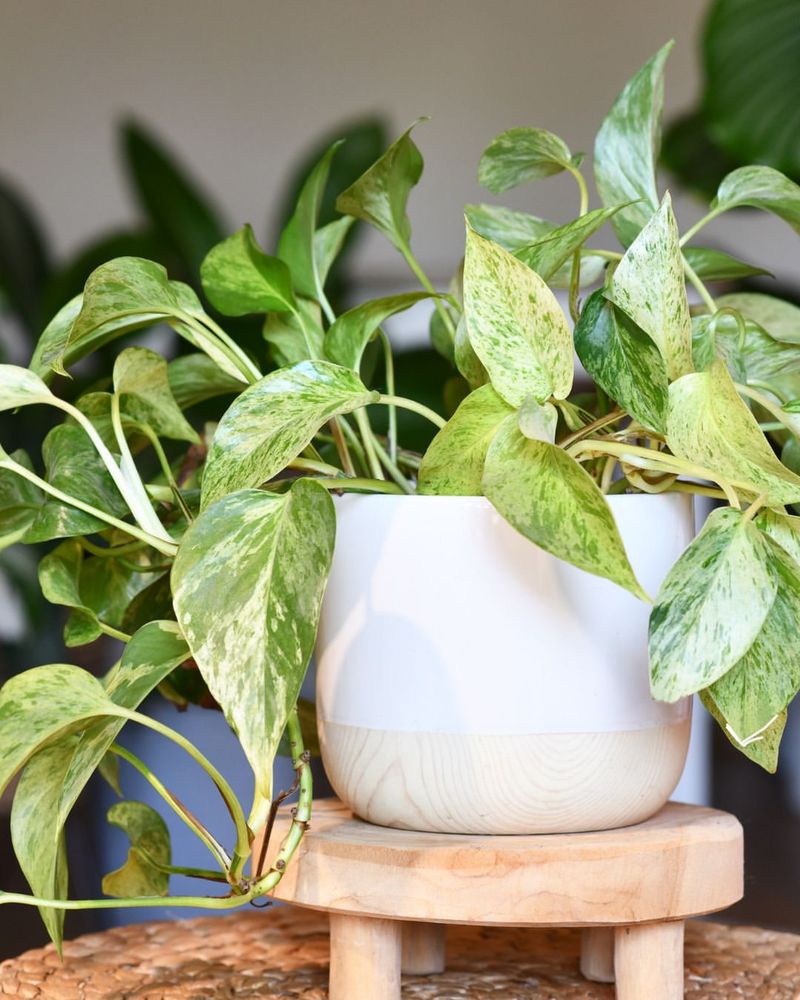
Heart-shaped leaves splashed with golden yellow make pothos one of the most cheerful and forgiving houseplants for Pennsylvania bedroom air purification.
This vigorous grower removes formaldehyde, xylene, and benzene from indoor air while requiring almost no effort from even the most forgetful plant owners.
Pothos vines can trail several feet long, creating dramatic displays when hung from ceiling hooks or placed atop tall furniture pieces.
Pennsylvania residents appreciate how pothos adapts to various light conditions, from bright indirect sun to dimmer corners where other plants struggle.
Propagating new plants from cuttings feels incredibly easy, allowing you to fill your entire home with air-cleaning greenery from one original plant.
These plants signal thirst by wilting slightly, then perk up quickly after watering, making it simple to understand their basic needs.
Their rapid growth means you’ll see noticeable changes weekly, providing satisfaction and visual interest as vines extend toward windows or shelves.
Pothos thrives in Pennsylvania’s indoor conditions year-round, never demanding special humidity levels or complicated care routines for healthy, vigorous growth.
9. Lavender
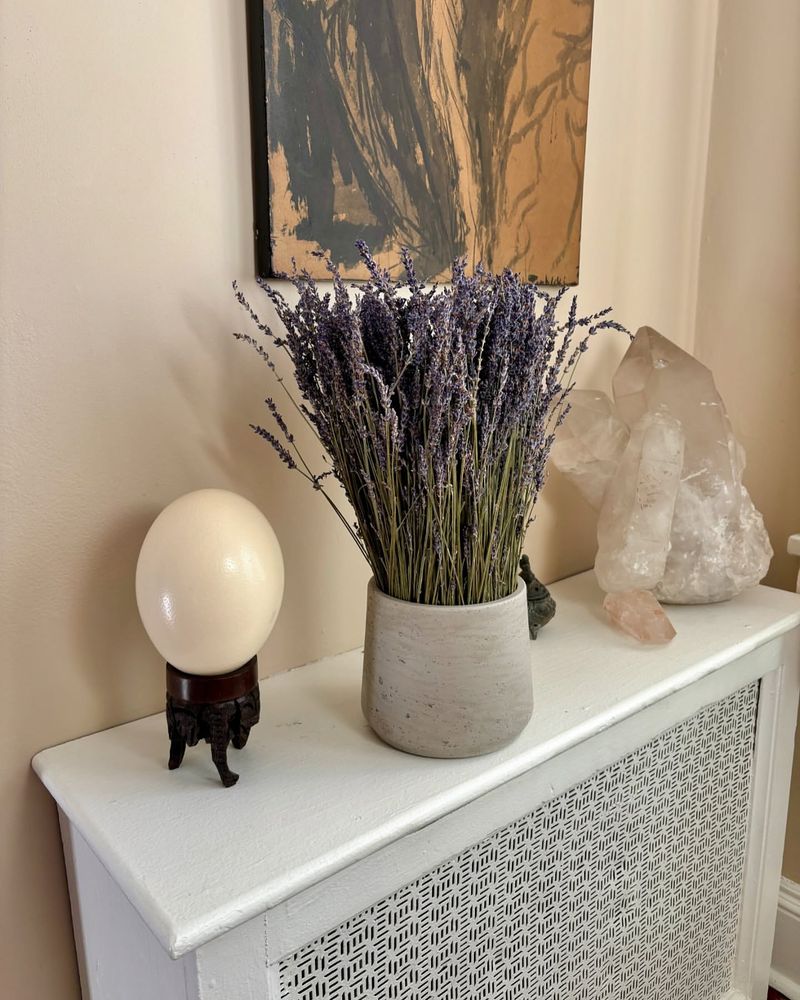
Purple flower spikes release calming fragrances that promote relaxation and better sleep while lavender plants freshen bedroom air naturally throughout Pennsylvania nights.
Beyond its soothing scent, lavender helps reduce anxiety and stress levels, making it perfect for creating peaceful sleeping environments after long days.
These plants need plenty of bright sunlight, so positioning them on south-facing windowsills ensures they receive adequate light for healthy flowering.
Pennsylvania gardeners often grow lavender outdoors during summer, then bring potted plants inside when temperatures drop below freezing in late autumn.
Well-draining soil prevents root problems, so mixing regular potting soil with sand or perlite creates ideal growing conditions for indoor lavender.
Harvesting flower stems for sachets or dried arrangements extends the plant’s usefulness beyond air purification and bedroom decoration throughout your home.
Lavender prefers drier conditions between waterings, making it suitable for people who sometimes forget their plant care responsibilities during hectic weeks.
The combination of air-freshening properties and calming aromatherapy benefits makes lavender uniquely valuable among bedroom plants for Pennsylvania residents seeking better rest.
10. Areca Palm
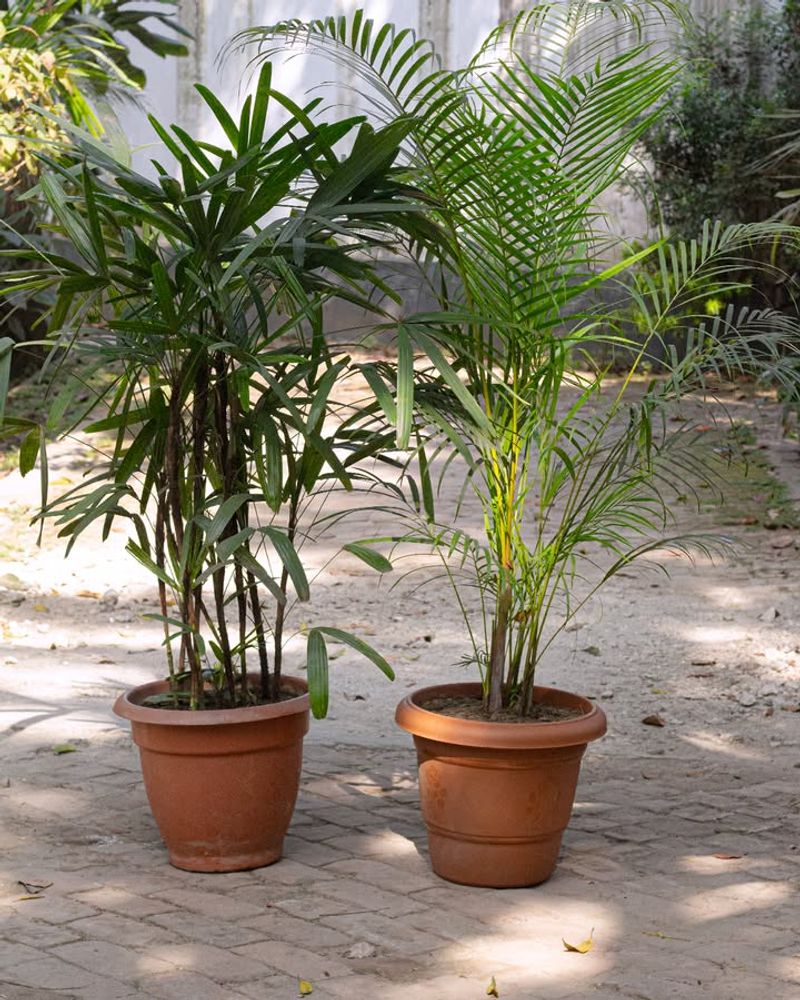
Graceful, arching fronds bring tropical elegance to Pennsylvania bedrooms while areca palms work as natural humidifiers and powerful air purifiers overnight.
These palms excel at removing formaldehyde, xylene, and toluene from indoor air, tackling pollutants commonly released by household furnishings and products.
Their ability to release moisture helps combat Pennsylvania’s dry winter indoor air, which often causes respiratory discomfort and cracked skin issues.
Areca palms grow large enough to make dramatic statements in spacious bedrooms, transforming ordinary sleeping spaces into lush, resort-like retreats.
Bright, indirect light keeps these palms healthy and vibrant, so positioning them near windows with sheer curtains provides perfect growing conditions.
Regular watering keeps soil consistently moist but not waterlogged, supporting healthy root systems and vigorous frond production throughout growing seasons.
Pennsylvania plant enthusiasts value how areca palms remain non-toxic to pets, making them safe choices for households with cats or dogs.
Their impressive size and air-cleaning capacity mean one large palm can significantly improve air quality in medium-sized bedrooms throughout every night.