7 Houseplants That Thrive With Less Water During January In Minnesota
January in Minnesota brings frigid temperatures, icy winds, and indoor heating that can dry out the air in your home.
During this challenging month, many houseplants struggle with the harsh conditions, but some actually prefer less frequent watering when winter settles in.
These drought-tolerant beauties are perfect for busy people, forgetful waterers, or anyone who wants to simplify their plant care routine during the coldest time of year.
When the temperature drops and your furnace runs constantly, the air inside becomes incredibly dry, which affects how quickly soil moisture evaporates.
Many plant owners make the mistake of watering on the same schedule year-round, but winter plants in Minnesota need far less water than during summer months.
The combination of lower light levels, cooler temperatures near windows, and dormant growth periods means these plants actually thrive when you hold back on watering.
Understanding which houseplants naturally handle dry conditions can save you time, money, and the heartache of watching your green friends struggle.
The plants on this list have evolved special features like thick leaves, water-storing tissues, or deep root systems that help them survive with minimal moisture.
Whether you live in Minneapolis, Duluth, or any small town across Minnesota, these houseplants will brighten your home throughout January without demanding constant attention or frequent trips to the watering can.
1. Snake Plant (Sansevieria)
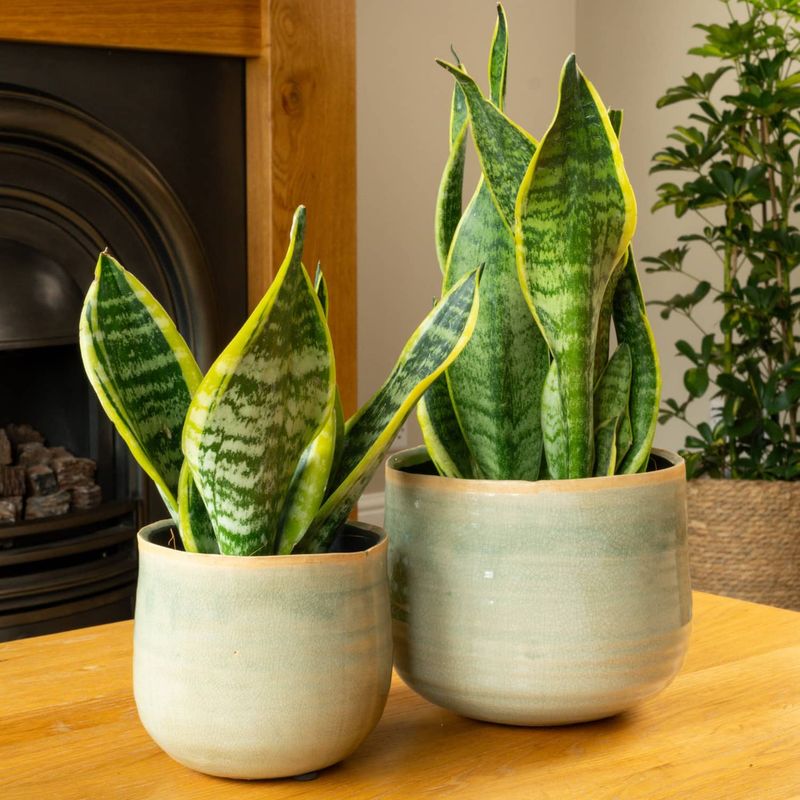
Tall, sword-like leaves reach toward the ceiling, making the snake plant one of the most forgiving houseplants you can grow in Minnesota homes during January.
This plant stores water in its thick, fleshy leaves, which means it can go weeks without a single drink.
The vertical growth pattern and striking green and yellow striped foliage add architectural interest to any corner of your living room or bedroom.
Snake plants originally come from dry regions of West Africa, where they adapted to survive long periods without rain.
This natural drought tolerance makes them perfect companions for Minnesota winters when indoor heating systems create desert-like conditions inside your home.
You might only need to water your snake plant once every three to four weeks during January, and even then, you should check that the soil has completely dried out first.
Place your snake plant near a window where it can receive indirect light, though it tolerates low-light conditions better than most houseplants.
The thick leaves contain special tissues that prevent water loss, so even when your home’s humidity drops below 30 percent, this plant keeps looking fresh and healthy.
Minnesota winters test many houseplants, but snake plants actually seem to enjoy the challenge.
One bonus feature is that snake plants continue to purify your indoor air even during their winter rest period.
They remove toxins like formaldehyde and benzene while requiring almost no care from you.
If you tend to forget about your plants or travel frequently during the winter months, a snake plant will still be standing tall and proud when you return home to your Minnesota residence.
2. ZZ Plant (Zamioculcas Zamiifolia)
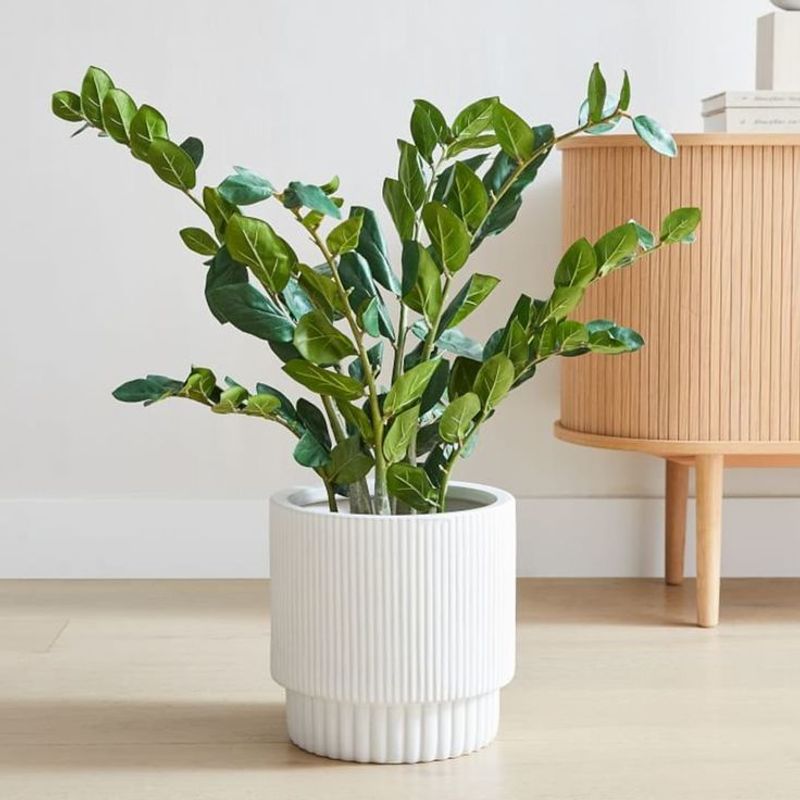
Glossy, waxy leaves reflect light beautifully, and the ZZ plant asks for almost nothing in return except to be left alone during the cold Minnesota winter.
Underground rhizomes store moisture like tiny water tanks, allowing this plant to survive extended dry spells that would stress other houseplants.
The thick, potato-like roots can hold enough water to keep the plant healthy for a month or longer without watering.
During January in Minnesota, when growth slows to nearly nothing, your ZZ plant enters a rest period where it uses even less water than usual.
Each stem grows in a graceful arch, covered with pairs of shiny leaflets that look almost artificial because they stay so perfectly green and clean.
The waxy coating on the leaves prevents moisture from escaping, which is exactly what you need when your furnace is running nonstop and sucking humidity from every room.
ZZ plants tolerate the low light conditions common in Minnesota during January, when the sun sets early and rises late.
Native to eastern Africa, this plant evolved in areas with distinct wet and dry seasons, so it knows how to pace itself through tough times.
You can place a ZZ plant in a corner far from any window, and it will still maintain its deep green color and upright posture.
Some Minnesota plant owners report watering their ZZ plants only twice during the entire winter season with excellent results.
The thick stems and leaves give the plant a substantial, almost sculptural appearance that adds style to modern or traditional home decor.
If you accidentally forget to water for six weeks, your ZZ plant will forgive you without dropping a single leaf or showing signs of stress.
3. Pothos (Epipremnum Aureum)
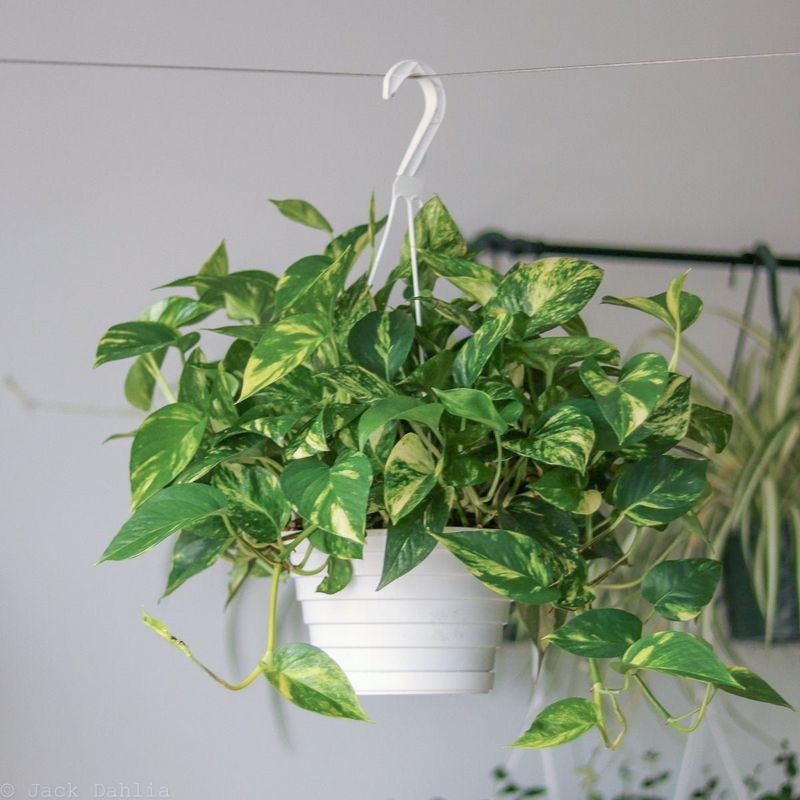
Heart-shaped leaves cascade down from hanging baskets or climb up moss poles, bringing a touch of tropical beauty to your Minnesota home even when snow piles up outside.
Pothos plants have remarkably flexible watering needs, adapting to whatever schedule you can manage during busy January days.
The vining stems can grow several feet long, creating a lush green curtain that softens hard edges and fills empty spaces.
While pothos enjoys regular watering during summer, it actually prefers less frequent drinks when winter arrives and indoor temperatures fluctuate near drafty windows.
Each leaf features variegated patterns in shades of green, yellow, or white, depending on which variety you choose for your collection.
The plant signals when it needs water by having its leaves droop slightly, but it bounces back quickly after a thorough soaking.
This forgiving nature makes pothos ideal for people learning to care for houseplants or those with unpredictable schedules during Minnesota’s harsh winter months.
Originally from the Solomon Islands, pothos adapted to forest floors where water availability changes with the seasons.
The plant stores some moisture in its thick stems and can pull back resources from older leaves to support new growth when conditions get tough.
During January, you might water your pothos every two weeks instead of weekly, letting the top two inches of soil dry out completely between waterings.
Pothos tolerates the low humidity created by forced-air heating systems common in Minnesota homes without developing brown leaf tips or edges.
The trailing vines look stunning on top of bookcases, refrigerators, or high shelves where they can tumble down toward the floor.
Many Minnesota residents keep pothos plants in their bathrooms, offices, and bedrooms because they require so little fuss while providing maximum visual impact throughout the winter season.
4. Aloe Vera
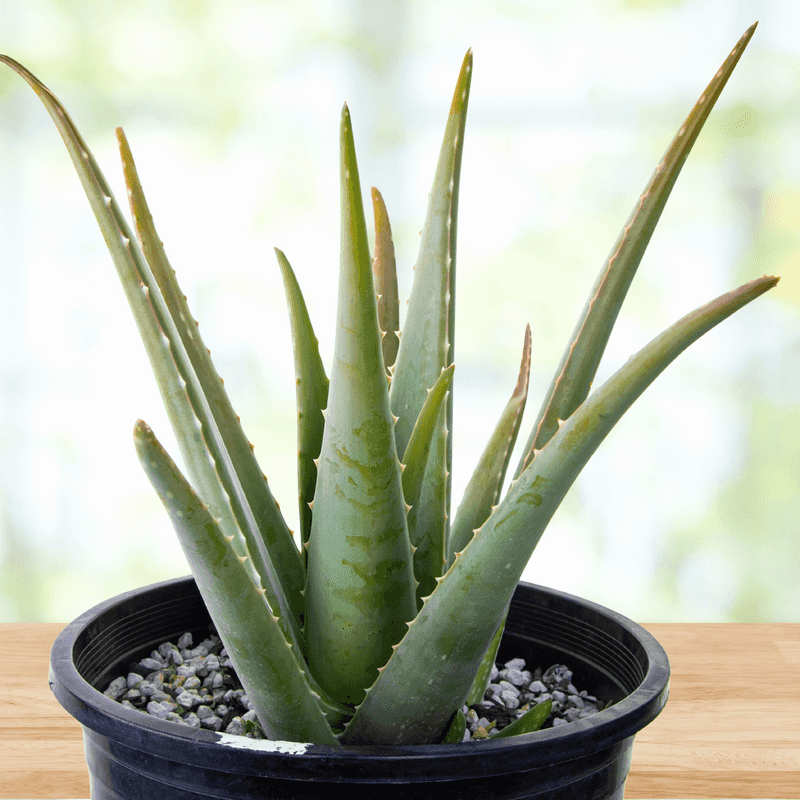
Thick, fleshy leaves filled with healing gel make aloe vera both a practical medicine cabinet addition and a stunning low-water houseplant for Minnesota winters.
Succulents like aloe vera evolved in arid climates where rain comes rarely, so they developed specialized tissues that store water for extended periods.
The plump leaves feel heavy and solid when the plant is well-hydrated, and they shrink only slightly even after weeks without watering.
During January in Minnesota, your aloe vera enters a dormant phase where it grows very slowly and needs minimal moisture to stay healthy.
Spiky leaves arrange themselves in a rosette pattern, creating an attractive geometric shape that fits well on kitchen windowsills or bathroom counters.
The pale green color sometimes develops a slightly grayish tint in winter, which is perfectly normal and shows the plant is conserving resources.
Aloe vera prefers bright light, so placing it near a south-facing window in your Minnesota home helps it maintain good color and compact growth even during short winter days.
You might water your aloe vera only once every three to four weeks during January, and even then, you should make sure the soil has completely dried out first.
Overwatering causes more problems than underwatering with this plant, as soggy soil can damage the roots quickly.
The thick cuticle on each leaf prevents moisture from evaporating, which helps the plant cope with the extremely dry indoor air created by your heating system.
Many Minnesota families keep aloe vera plants handy for treating minor kitchen burns or skin irritations, breaking off a leaf to extract the soothing gel inside.
The plant produces small offsets called pups that you can remove and pot separately, creating new plants to share with friends or expand your own collection without spending money at the garden center.
5. Spider Plant (Chlorophytum Comosum)
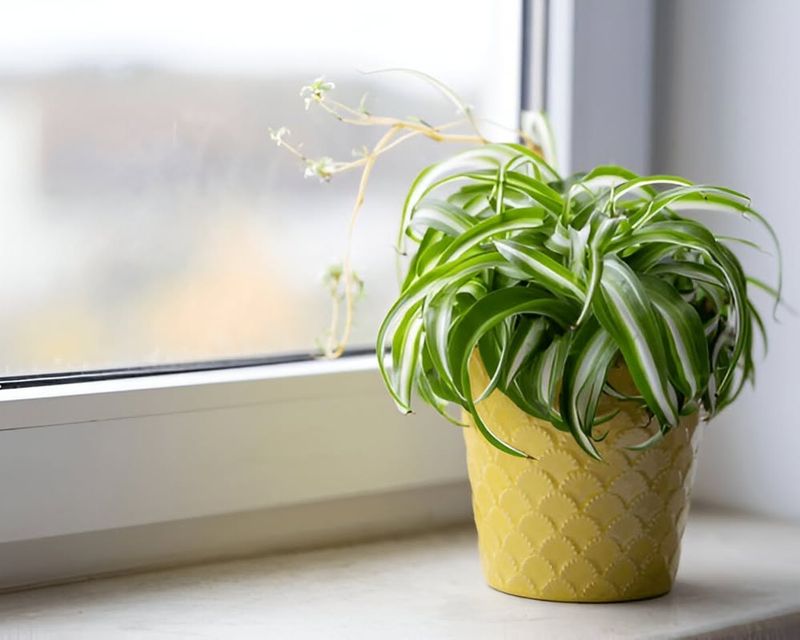
Arching leaves striped with white or cream create a fountain-like display, and tiny plantlets dangle from long stems like nature’s own hanging ornaments.
Spider plants store water in their thick, tuberous roots, which swell up like small potatoes beneath the soil surface.
This storage system allows the plant to handle irregular watering schedules without showing stress, making it perfect for Minnesota homes during January when you might have other priorities.
The plant tolerates a wide range of light conditions, from bright indirect light to partially shaded corners, adapting to whatever space you have available.
Long, slender leaves grow in dense clumps from the center of the plant, and mature specimens send out runners that produce baby spider plants at their tips.
These plantlets develop their own small root systems while still attached to the mother plant, and you can snip them off to start new plants whenever you want.
During winter months in Minnesota, spider plants slow their growth and produce fewer runners, which means they need less water to maintain their attractive appearance.
The variegated foliage adds brightness to dim winter days, with crisp white stripes running down the center or edges of each leaf depending on the variety.
Spider plants actually prefer to dry out slightly between waterings, so you can wait until the soil feels dry an inch or two below the surface before watering again.
In January, this might mean watering every ten to fourteen days rather than weekly.
These plants remove common indoor air pollutants like carbon monoxide and formaldehyde, working quietly to improve the air quality in your Minnesota home while you focus on staying warm.
The cascading habit looks especially nice in hanging baskets or on plant stands where the arching leaves and dangling plantlets have room to show off their graceful form throughout the long winter season.
6. Jade Plant (Crassula Ovata)
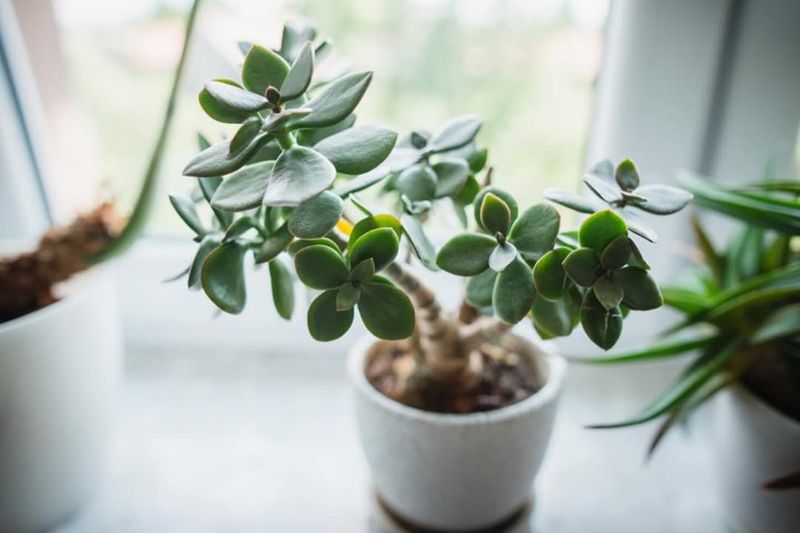
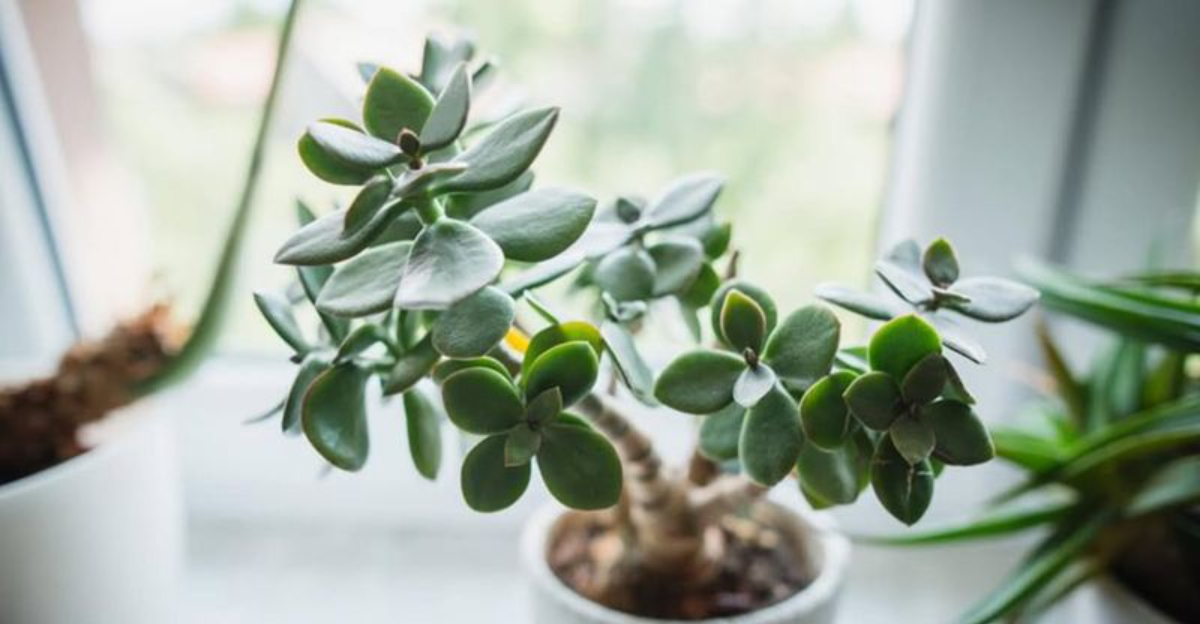
Plump, oval leaves cluster on thick, woody stems, giving the jade plant a miniature tree-like appearance that adds character to any Minnesota windowsill during January.
This succulent stores impressive amounts of water in both its leaves and stems, allowing it to survive extended dry periods without any complaint.
The leaves feel firm and heavy when you touch them, almost like they’re made of rubber, and this dense texture comes from the water-storage cells packed inside.
Jade plants grow slowly during winter, which means they pull very little moisture from the soil and can go three to four weeks between waterings in Minnesota homes.
Originally from South Africa, jade plants evolved in regions with seasonal rainfall patterns, so they know how to conserve resources when conditions get tough.
The thick, waxy coating on each leaf prevents water from evaporating, which helps the plant cope with the bone-dry air created by your furnace.
Some jade plants develop reddish edges on their leaves when exposed to bright light and cooler temperatures, adding an attractive blush of color to the normally green foliage.
Place your jade plant in the brightest spot you can find, preferably a south or west-facing window where it receives several hours of direct sunlight daily.
The plant tolerates cooler temperatures near windows better than many houseplants, making it ideal for Minnesota winters when glass panes feel cold to the touch.
Older jade plants develop thick trunks and branches that look like miniature trees, and some specimens live for decades with proper care.
Many people consider jade plants symbols of good luck and prosperity, making them popular gifts for new homeowners or business openings.
The plant rarely needs fertilizer during winter, and overwatering causes more problems than neglect, so resist the urge to fuss over it too much during January when it prefers to rest quietly in your Minnesota home.
7. Cast Iron Plant (Aspidistra Elatior)
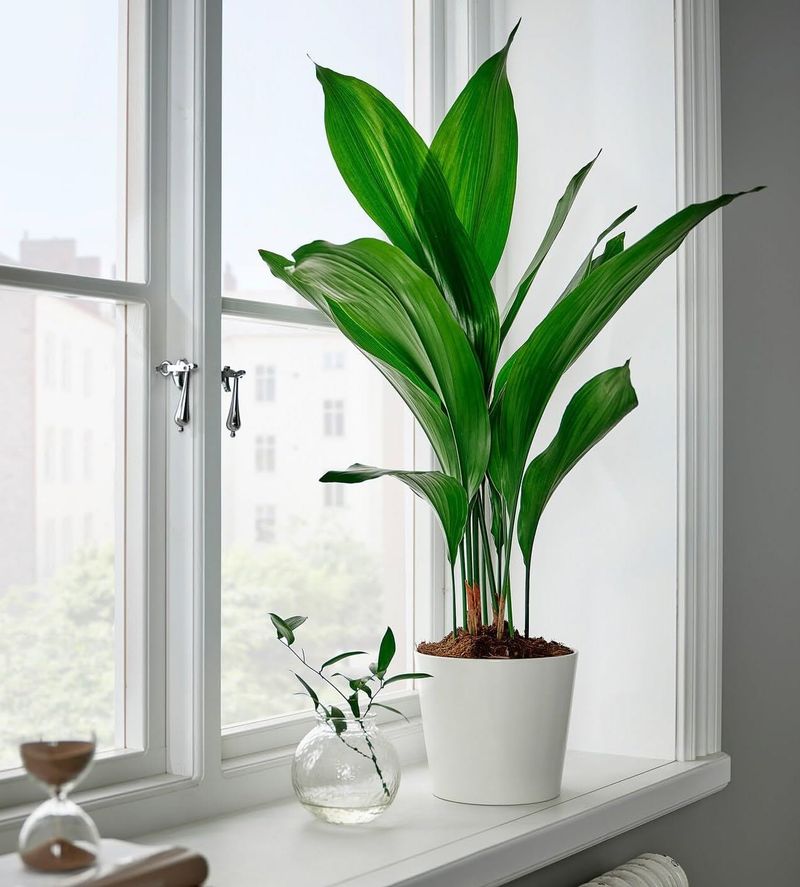
Deep green, lance-shaped leaves emerge directly from the soil, creating a lush, tropical look that seems impossible to achieve during Minnesota’s frozen January landscape.
The common name tells you everything you need to know about this plant’s toughness and ability to withstand neglect, low light, and infrequent watering.
Cast iron plants tolerate conditions that would stress or harm most other houseplants, making them perfect for challenging spots in your home where nothing else seems to grow.
The thick, leathery leaves resist damage from dry air, and the plant’s slow growth rate means it needs very little water during winter months.
Each leaf can grow up to two feet long, creating an impressive display when multiple stems emerge from a mature plant.
The dark green color remains consistent throughout winter, providing a reliable splash of life when outdoor gardens lie dormant under snow.
Cast iron plants prefer indirect light and actually suffer when placed in bright, sunny windows, so they work well in hallways, bathrooms, or corners of rooms far from windows.
Native to the forests of Taiwan and southern Japan, this plant evolved in shaded areas where water comes irregularly and light barely penetrates the canopy above.
During January in Minnesota, you might water your cast iron plant only twice for the entire month, allowing the soil to dry out thoroughly between waterings.
The plant’s rhizomes spread slowly underground, storing moisture and nutrients that keep the leaves looking fresh even when conditions get tough.
Cast iron plants rarely develop pest problems or diseases, and they tolerate the temperature fluctuations common in Minnesota homes during winter when thermostats get adjusted frequently.
The elegant, upright leaves add a formal touch to traditional decor while also fitting perfectly with modern, minimalist designs that emphasize clean lines and simple beauty throughout the coldest months of the year.