8 Houseplants You Can Divide In March In Arizona To Double Your Plants
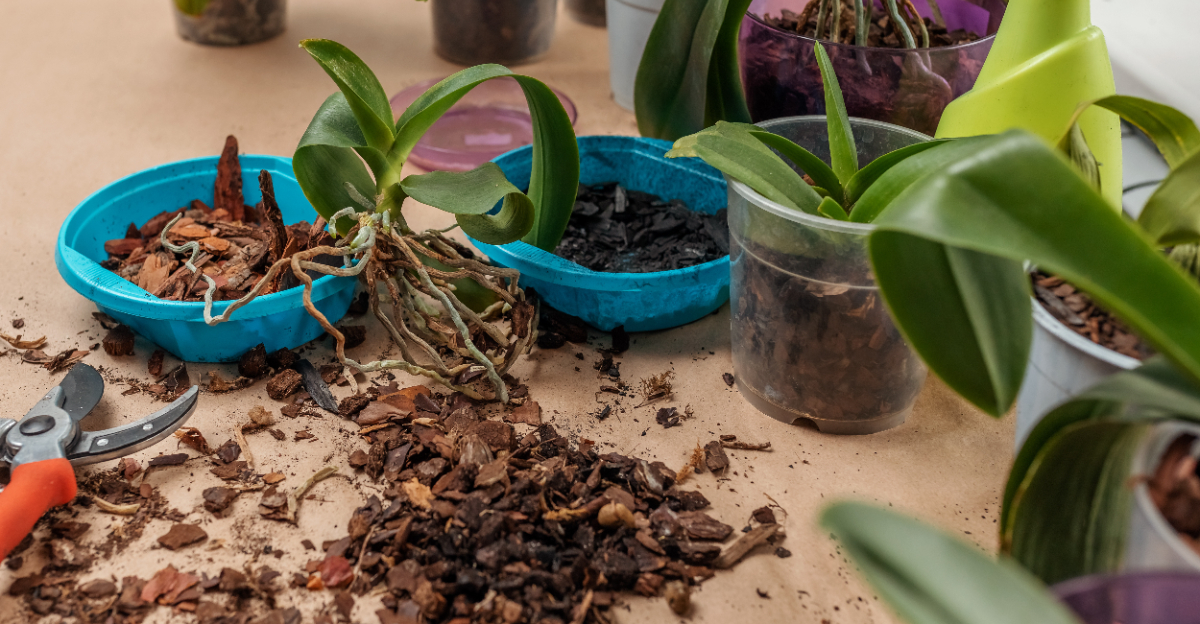
March is a great moment to take a closer look at houseplants growing around the home in Arizona. As the days grow brighter and plants begin waking up from slower winter growth, many of them are ready for a simple refresh.
One of the easiest ways to do that is by dividing healthy plants that have outgrown their pots.
Instead of buying new plants, a single crowded pot can often be turned into two or even three thriving ones.
Many common houseplants respond well to this process, quickly settling into new containers and continuing to grow as the spring season begins.
If a favorite plant has started looking packed, heavy, or too full for its pot, March is often the perfect time to step in. With a careful divide and fresh soil, one plant can suddenly become several, filling the home with even more greenery.
1. Snake Plant Divides Easily Through Its Underground Rhizomes
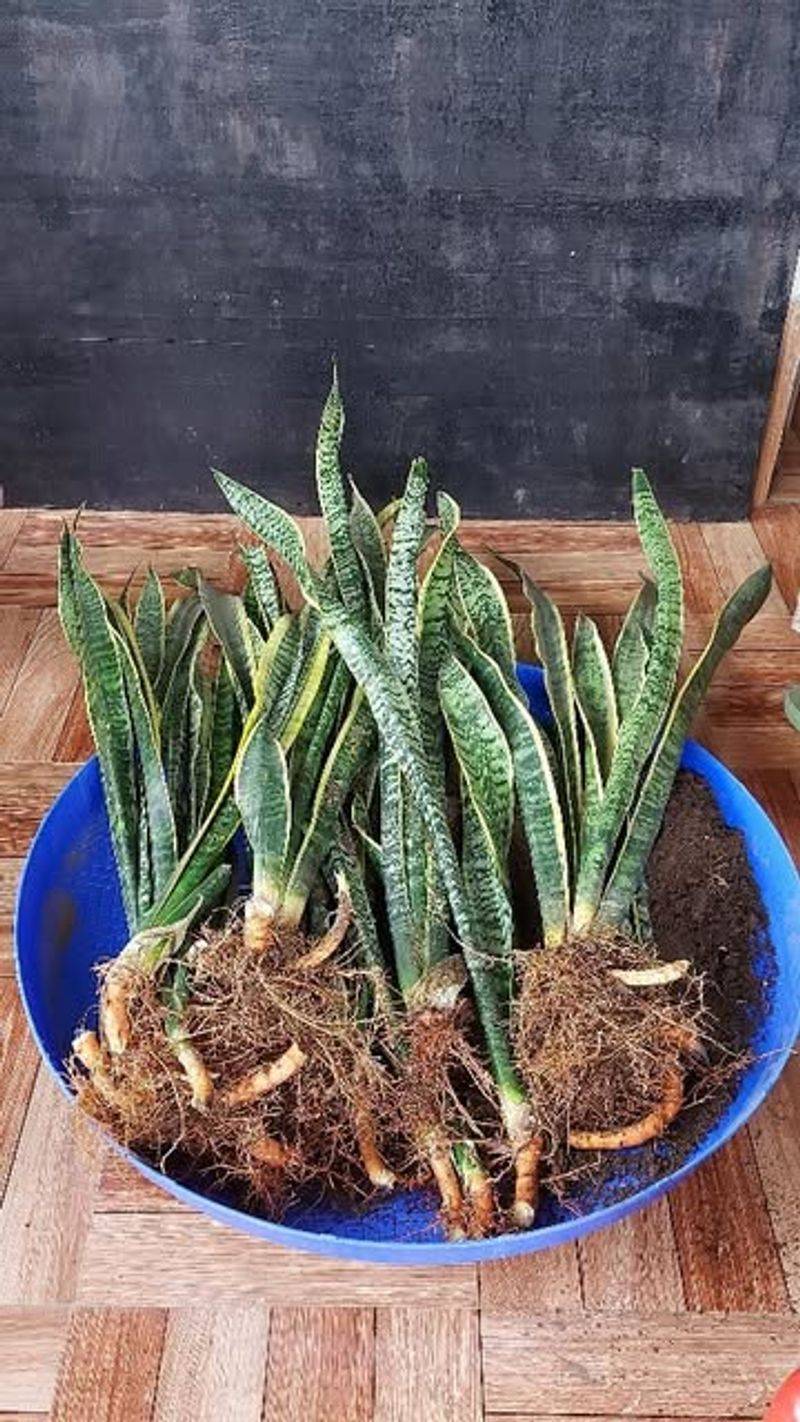
Pull a snake plant out of its pot in March and you might be surprised at how much is going on underground. Those thick, pale rhizomes connect everything, and that is exactly what makes dividing this plant so straightforward.
Each section with a rhizome and at least one leaf cluster can become a brand-new plant.
In Arizona, snake plants are extremely durable indoors. They handle the dry air from air conditioning and heating without fussing, which makes them a top pick for Arizona homeowners who want low-effort greenery.
Dividing them in early spring means the new divisions have time to settle in before summer heat cranks up outside.
To divide one, remove it from the pot and shake off the extra soil so you can see the roots clearly. Use a clean, sharp knife to cut through the rhizome, making sure each piece has healthy roots attached.
Pot each division in well-draining cactus or succulent mix, which works great for snake plants in Arizona’s naturally dry climate.
Water lightly right after repotting and then hold back for about ten days. Snake plants do not like sitting in wet soil, so less is more.
Set your new divisions in bright indirect light and watch them establish over the next few weeks with very little effort on your part.
2. Spider Plant Produces Offsets That Can Be Repotted Quickly
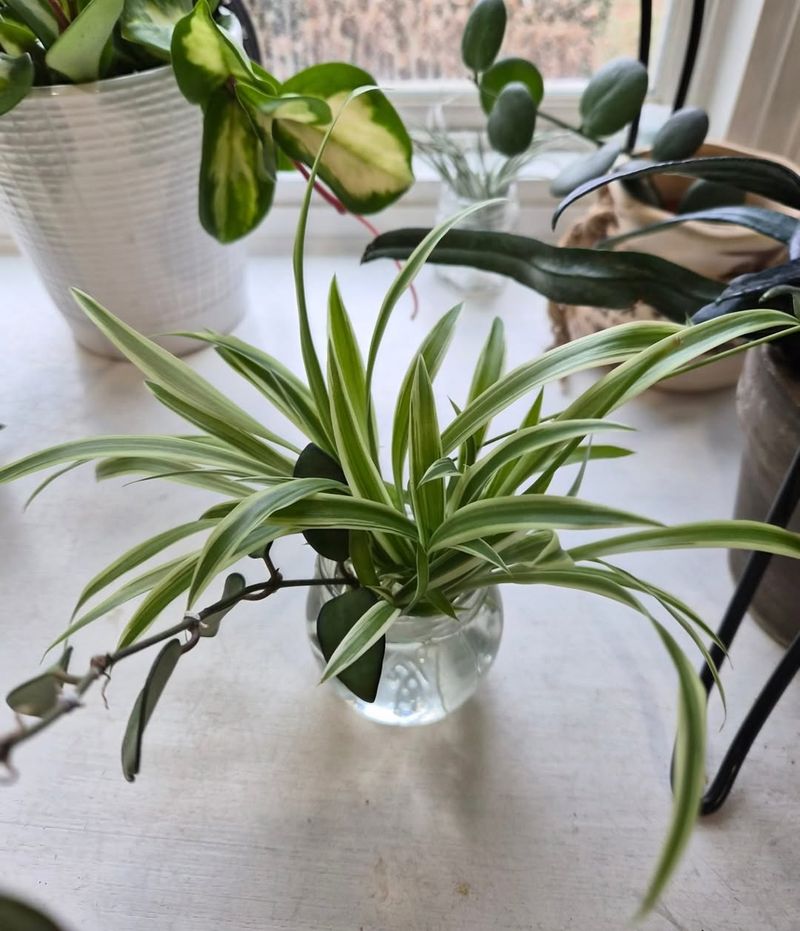
Spider plants are the most generous houseplants around — they practically beg you to take their babies and start new pots.
By March in Arizona, a mature spider plant is usually loaded with small offsets dangling from long runners, each one ready to root and grow on its own.
Snipping those offsets is about as easy as plant care gets. Cut the runner close to the baby plant, set the offset in a small cup of water, and wait for roots to appear.
Usually within a week or two you will see white roots forming, and then it is time to pot them up in fresh soil.
You can also skip the water rooting step and plant offsets directly into moist potting mix. Press the base of the offset into the soil and keep it lightly moist for a couple of weeks.
Either method works well in Arizona’s spring climate, when temperatures are warm enough to encourage fast rooting without stressing the plant.
Spider plants prefer bright indirect light and do well near east or north-facing windows in Arizona homes, where the sun is not harsh enough to scorch the leaves. Once rooted, they grow fast and produce their own offsets within a single growing season.
Dividing in March gives you a full spring and summer to watch your new plants fill out beautifully.
3. Peace Lily Forms Clumps That Split Into New Plants
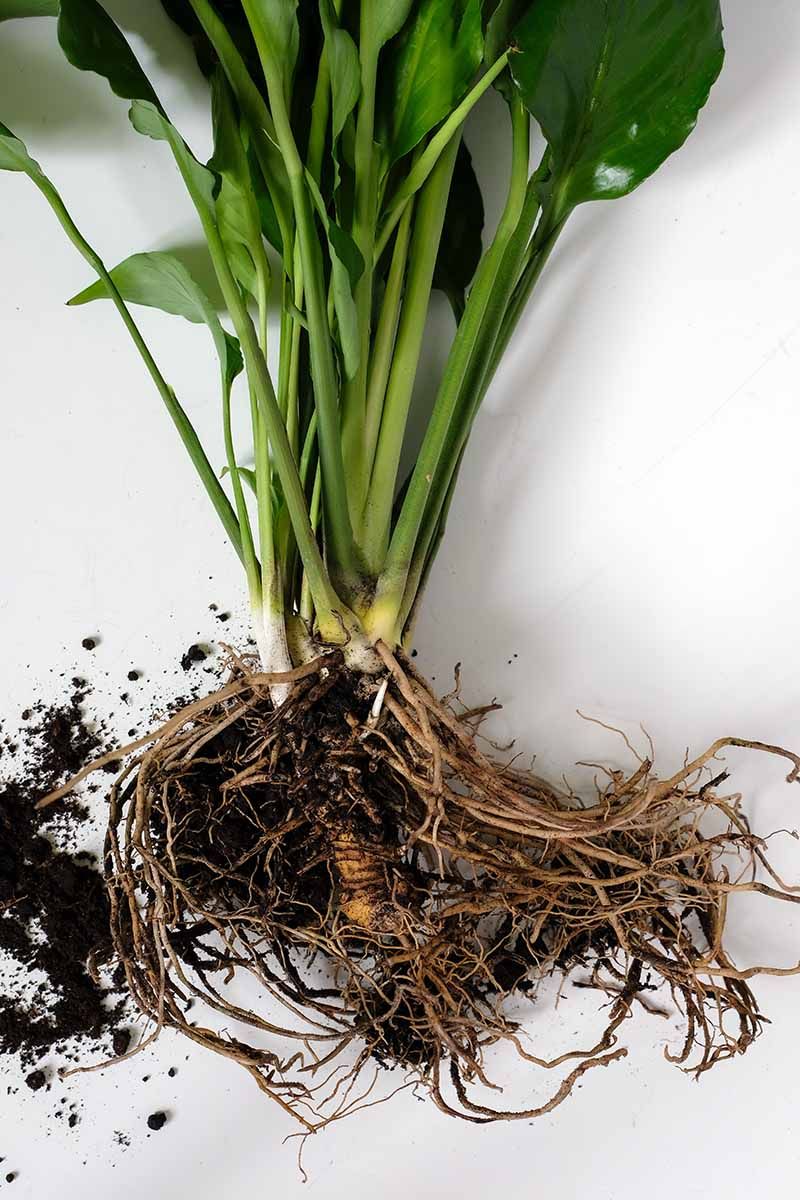
Few plants give you as clear a signal to divide them as a peace lily does. When you notice multiple crowns crowding the pot and the plant pushing up against the sides, it is time to act.
March is ideal for this in Arizona because the plant is coming out of its slower winter phase and ready to push new growth.
Getting the divisions right takes a little patience. Tip the plant out of its pot and gently pull apart the root clumps by hand, working slowly to avoid snapping off too many roots.
Each division needs at least two or three healthy leaves and a solid root section to recover well after repotting.
Peace lilies prefer to stay consistently moist but not waterlogged, which can be tricky in Arizona where indoor air tends to be dry. After dividing, place your new pots away from heating vents and air conditioning drafts.
A spot with medium indirect light works perfectly for newly divided peace lilies.
Give each division a good drink of water right after repotting, then let the top inch of soil dry out slightly before watering again.
Do not rush to fertilize — wait at least four to six weeks so the roots have time to settle into fresh soil.
Within a month, most divisions will show new leaf growth, which is a great sign they have taken hold successfully.
4. ZZ Plant Can Be Divided When Repotting In Spring
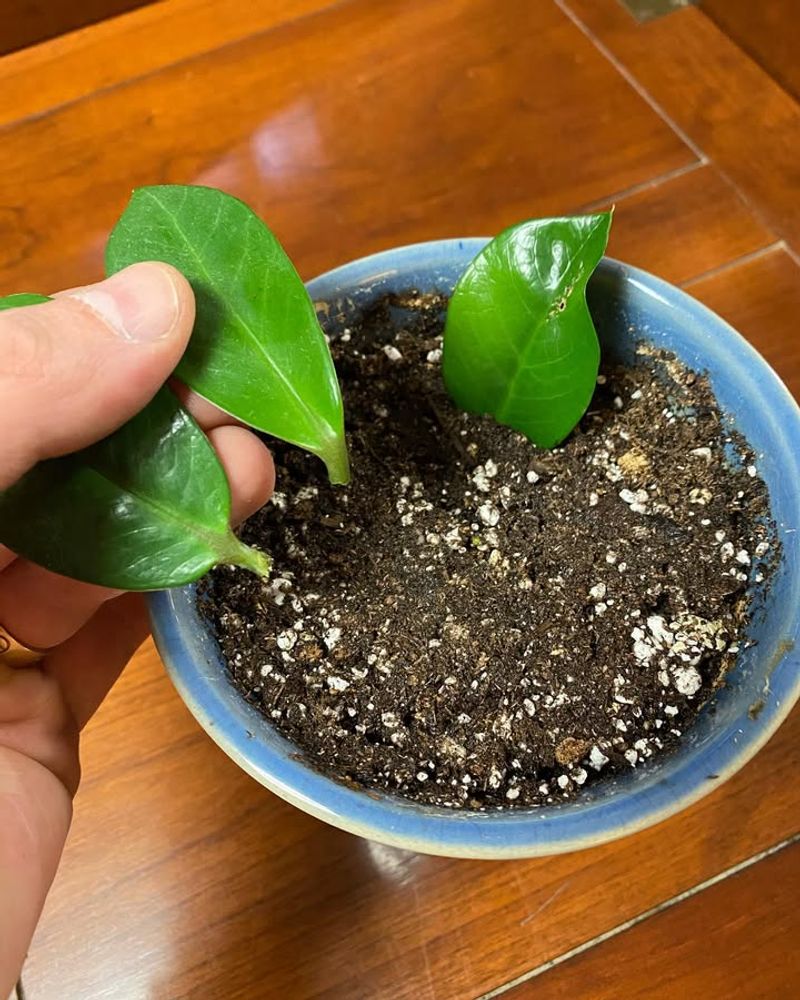
ZZ plants are not the fastest growers, but by the time March rolls around in Arizona, a mature one that has been in the same pot for two or three years is usually ready to be split up.
You will know it is time when the pot feels unusually heavy, the roots start creeping out of the drainage holes, or the soil dries out faster than it used to.
What makes ZZ plants interesting to divide is their fat, water-storing rhizomes. These chunky underground structures hold moisture, which is why ZZ plants handle dry Arizona air so well.
When dividing, look for natural separation points between rhizome clusters and use a clean blade to cut between them.
Each division should have at least one rhizome with a few stems attached. Pot each piece in a well-draining mix, something like a blend of regular potting soil and perlite.
Do not bury the rhizomes too deep — they should sit just below the soil surface.
After dividing, hold off on watering for about a week to let any cut surfaces dry out and callous over slightly. ZZ plants are sensitive to overwatering at the best of times, and freshly divided ones are even more so.
Set them in bright indirect light in your Arizona home and check the soil before every single watering. Patience pays off with this one.
5. Aloe Vera Produces Pups That Grow Into New Plants
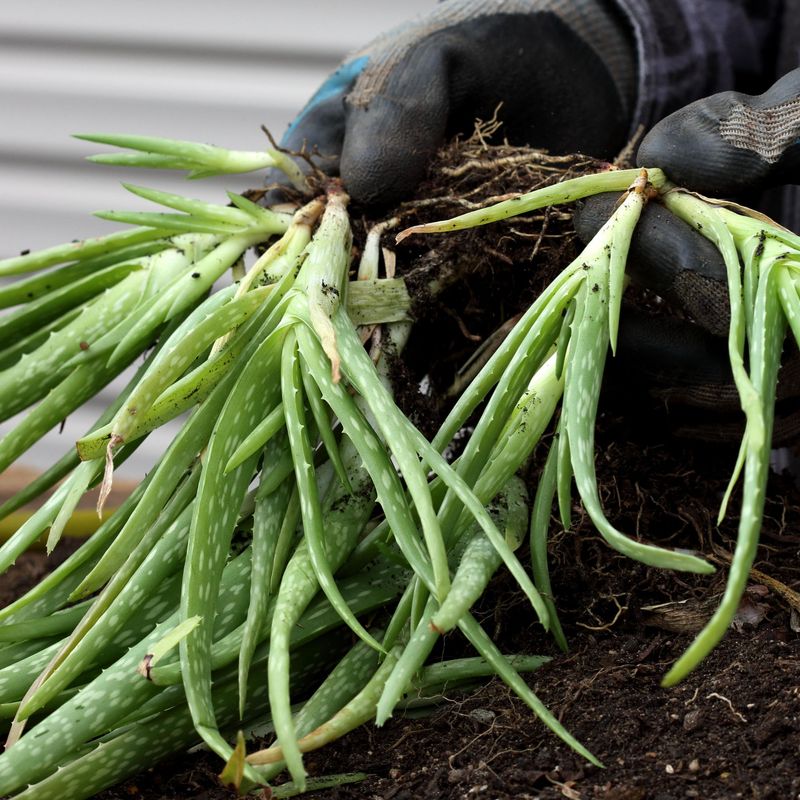
Aloe vera is basically Arizona’s unofficial houseplant. It thrives in the dry heat, handles neglect like a champ, and by March it is usually surrounded by a ring of small pups crowding the base of the mother plant.
Those pups are ready to become their own plants, and separating them now gives them the whole growing season to establish.
Removing pups is simple but requires a steady hand. Tip the whole pot over and ease the plant out so you can see what you are working with at the root level.
Most pups will have their own small root system already started, which makes the transition to a new pot much smoother.
Use your fingers or a clean knife to separate each pup from the mother plant, keeping as many of the pup’s roots intact as possible. Let the cut end dry out for a day or two before potting — this step matters a lot in preventing root issues.
Plant pups in a fast-draining cactus mix, which suits Arizona’s naturally dry indoor conditions perfectly.
New aloe pups need bright light to thrive, so a sunny south or west-facing window in your Arizona home is ideal. Water sparingly for the first month, only when the soil is completely dry.
Aloe pups that get too much water early on tend to struggle, so erring on the dry side is the smarter move here.
6. Boston Fern Root Balls Can Be Split Into Several Plants
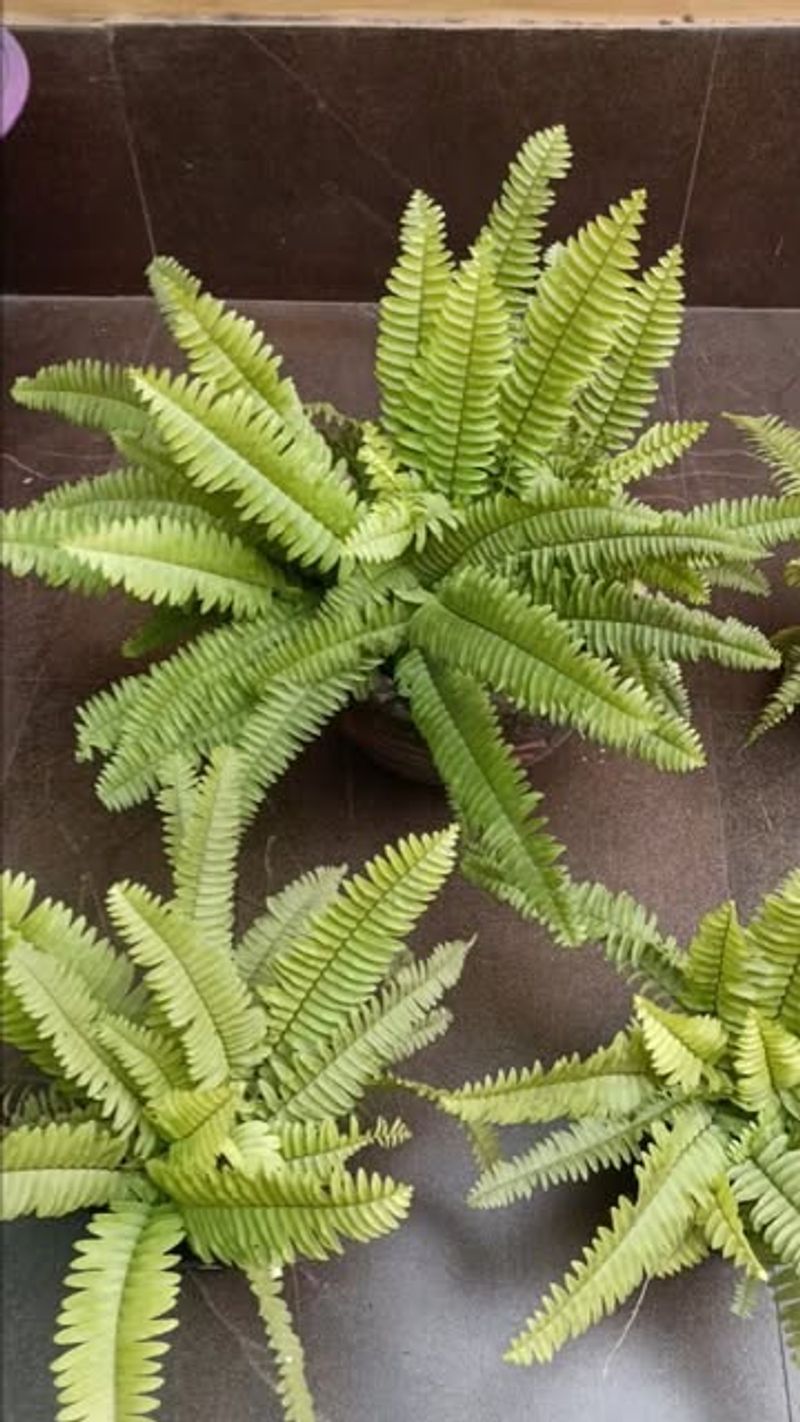
Boston ferns grow into thick, dense mounds over time, and by spring that root ball can get seriously packed. March in Arizona is the right window to tackle this job before the heat outside starts affecting indoor humidity levels.
A crowded fern rarely looks its best, and dividing it is one of the fastest ways to revive the whole plant.
Start by pulling the plant out of its pot and setting it on a flat surface. You will likely see a tight mass of roots and runners.
Use your hands to pull sections apart, or if the root ball is too dense, cut straight through it with a sharp knife. Aim for divisions that each have a healthy bunch of fronds and a good chunk of roots.
Boston ferns prefer consistently moist soil, which takes a bit more attention in Arizona’s dry climate. After dividing, pot each section in a peat-based or moisture-retaining potting mix and water thoroughly.
Placing a small tray of water near the pot can help add a bit of humidity around the plant without overwatering the roots directly.
Avoid putting freshly divided ferns in direct sun or near dry air vents. A bright bathroom or shaded porch in the morning works well for Arizona homes.
Keep the soil moist but not soggy for the first few weeks, and mist the fronds occasionally to help them adjust. New growth should appear within three to four weeks.
7. Cast Iron Plant Spreads Slowly Through Thick Rhizomes
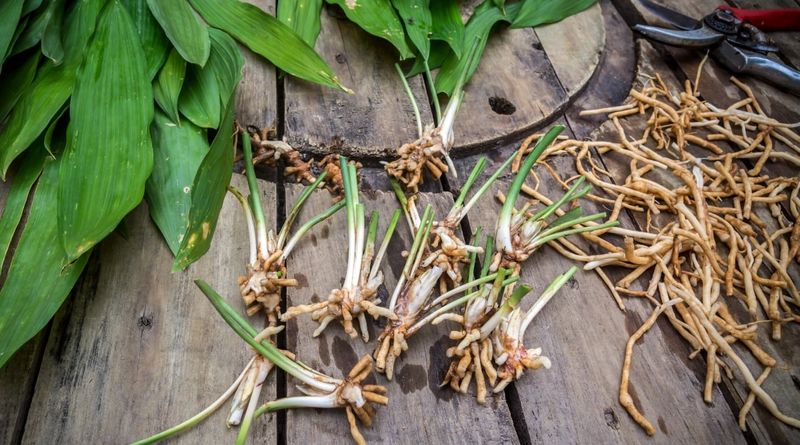
The cast iron plant earned its name for a reason — it is one of the toughest houseplants you can grow, and dividing it is very much possible if you have a little muscle and a sharp tool.
Growth is slow with this one, so divisions will not look full overnight, but the patience is worth it.
By March in Arizona, a cast iron plant that has been sitting in the same pot for several years may have rhizomes pushing right against the container walls. That is your cue to divide.
Remove the plant from its pot and look for natural clusters of stems connected by thick, fleshy rhizomes underground.
Cut between the clusters using a clean, heavy knife — these rhizomes are dense and will not separate easily by hand. Each division should have at least three to four stems and a solid section of rhizome with roots attached.
Smaller divisions can survive, but they take much longer to look established.
Plant each division in a quality all-purpose potting mix and water it in well. Cast iron plants prefer low to medium indirect light, which makes them ideal for darker corners of Arizona homes where other plants struggle.
Skip fertilizing for the first six weeks and focus on keeping the soil evenly moist. Growth will be gradual, but these plants are incredibly reliable once they settle in.
8. African Violet Can Be Divided When Multiple Crowns Form
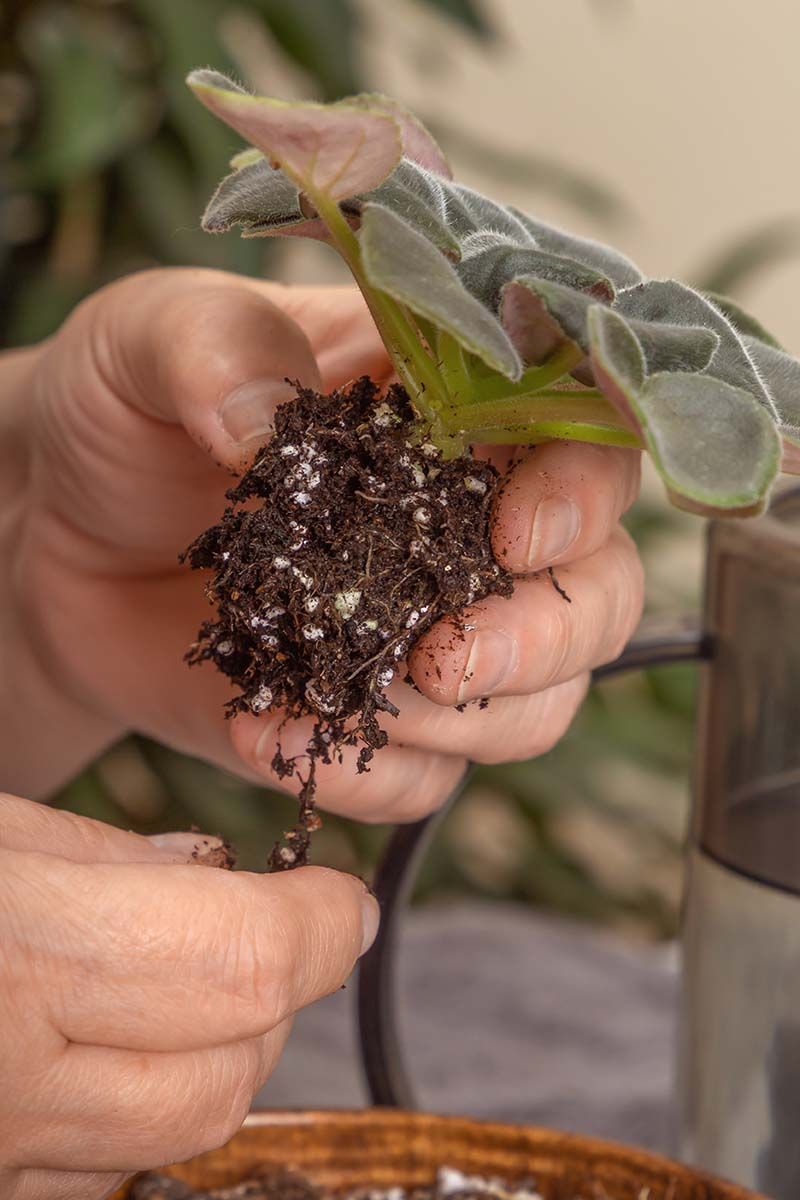
African violets seem delicate, but they are tougher than they look, and a crowded multi-crown plant actually benefits a lot from being divided.
When you spot two or more separate rosettes growing from the same pot, that is your green light to separate them.
March in Arizona is a great time to do this, right as indoor light levels are improving with longer days.
Getting the crowns apart without breaking too many roots is the tricky part. Tip the plant out gently and use your fingers to loosen the soil around each crown.
Sometimes they come apart easily, and sometimes you need a clean blade to cut between them. Either way, work slowly and keep as many roots attached to each crown as possible.
African violets are sensitive to water on their leaves, so bottom watering is the preferred method after dividing. Set each new pot in a shallow tray of water and let the soil soak it up from below.
This keeps the fuzzy leaves dry and reduces the chance of spotting or fungal issues.
Place your newly divided violets in bright indirect light — an east-facing window in an Arizona home is ideal. Avoid direct afternoon sun, which can bleach the leaves quickly in our intense desert light.
Within a few weeks, each crown should start producing new leaves from the center, and flowers often follow within a couple of months.