8 Houseplants You Can Move Outdoors This April In Georgia
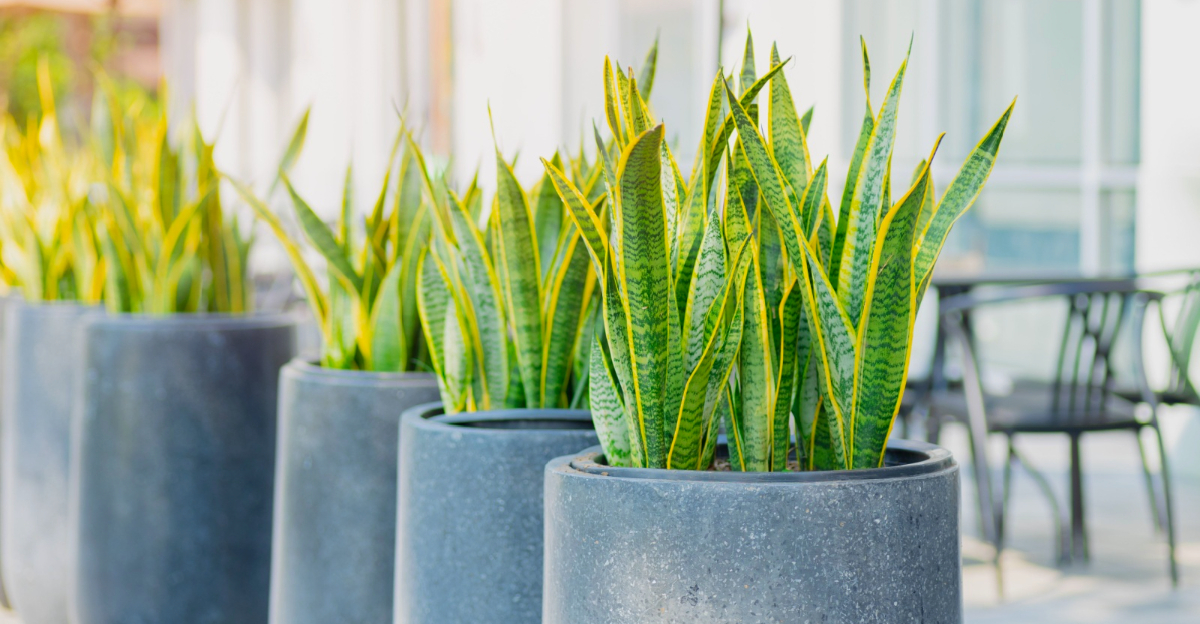
After a long winter indoors, many houseplants respond quickly the moment they feel fresh spring air.
In Georgia, April brings warmer nights, rising humidity, and longer days that create a welcome shift for tropical plants.
Once temperatures stay above about 50 degrees, many houseplants begin to benefit from time outside, with stronger growth and healthier-looking leaves.
The change can be surprisingly noticeable in just a few weeks.
With a little planning and a gradual transition, moving plants outdoors in April can give them a seasonal boost while taking advantage of Georgia’s mild spring conditions.
1. Snake Plant Handles Outdoor Shade With Ease In Georgia
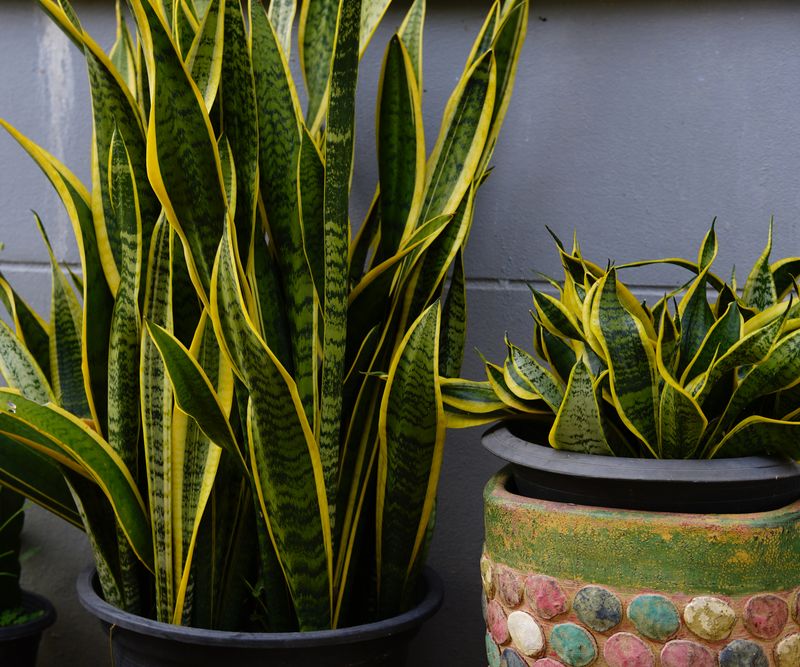
Shaded corners of Georgia patios and porches are practically made for the snake plant.
Known botanically as Sansevieria trifasciata, this architectural plant has earned its reputation as one of the most adaptable houseplants around.
Its upright, sword-like leaves add bold structure to any outdoor container arrangement without demanding much attention.
When moving a snake plant outdoors in April, choose a spot with bright shade or filtered light rather than direct sun. Direct afternoon sun in Georgia can scorch the leaves quickly, leaving pale, bleached patches that take a long time to recover.
A covered porch or the shaded side of the house works well throughout the spring and summer months.
One adjustment to watch closely is watering frequency. Outdoors, containers dry out faster than indoors, especially during warm Georgia afternoons.
Check the soil every few days rather than relying on a set schedule. Allow the top inch or two of soil to dry out before watering again, since snake plants are prone to root rot if kept too wet.
Because Georgia summers can bring sudden afternoon thunderstorms, make sure the pot has good drainage holes to prevent waterlogging. Elevating the container slightly on pot feet helps water escape freely.
Bring the plant back indoors once fall temperatures start dipping below 50 degrees Fahrenheit consistently.
2. Pothos Trails Beautifully In Warm, Shady Outdoor Spaces
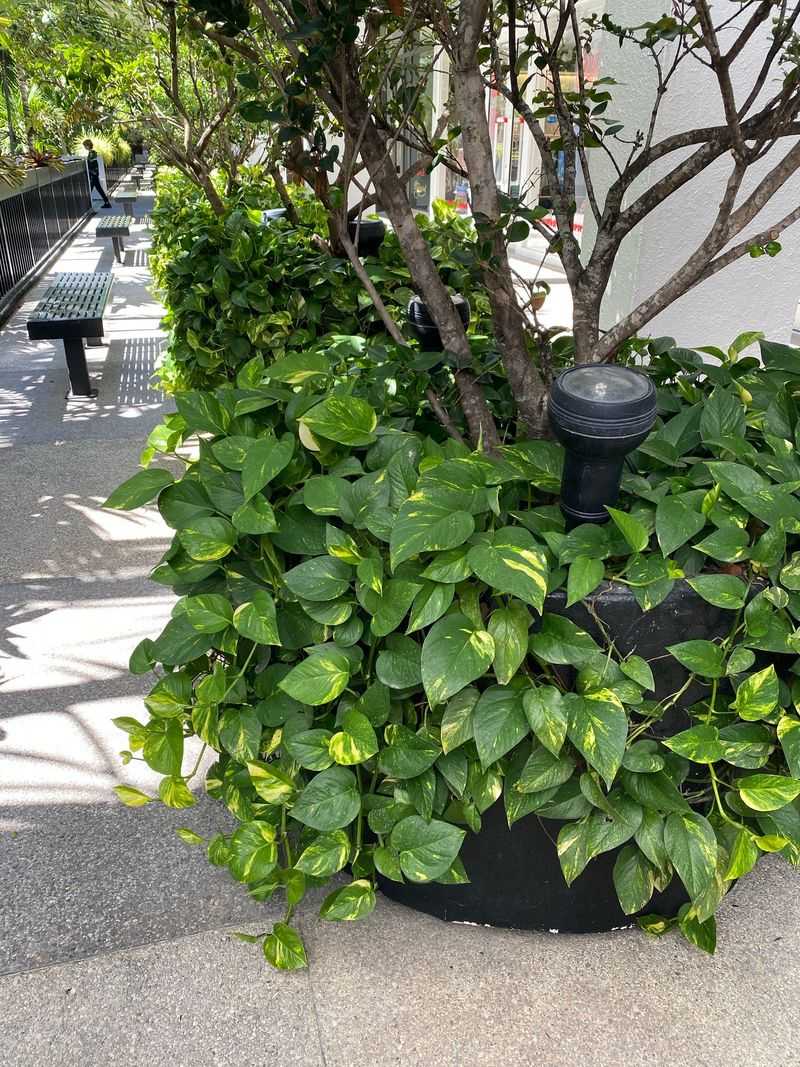
Few houseplants reward outdoor time quite like pothos. Once placed in a warm, shaded outdoor spot during Georgia’s April growing season, pothos vines can put on impressive new growth seemingly overnight.
The combination of higher humidity, consistent warmth, and gentle indirect light creates conditions that pothos genuinely love.
Hanging baskets work especially well for pothos outdoors because they allow the trailing vines to cascade freely. A covered porch or pergola that receives bright but filtered light is an ideal location.
Avoid spots where afternoon sun hits directly, as the leaves can develop yellow or brown patches fairly quickly under intense Georgia sun.
Watering needs will increase outdoors compared to inside. Georgia’s warm spring temperatures cause containers to dry out faster, so check the soil every couple of days.
Pothos prefers the top inch of soil to dry slightly before the next watering. Consistent moisture without waterlogging keeps the vines looking lush and green.
One fun bonus of moving pothos outdoors is how dramatically the leaves can grow in size. With access to more natural light and humidity, individual leaves often become noticeably larger than those produced indoors.
Fertilizing lightly every three to four weeks during the outdoor season supports that vigorous growth. Bring the plant back inside before Georgia nights drop below 50 degrees Fahrenheit in the fall.
3. Spider Plant Thrives Outdoors With Fresh Air And Light
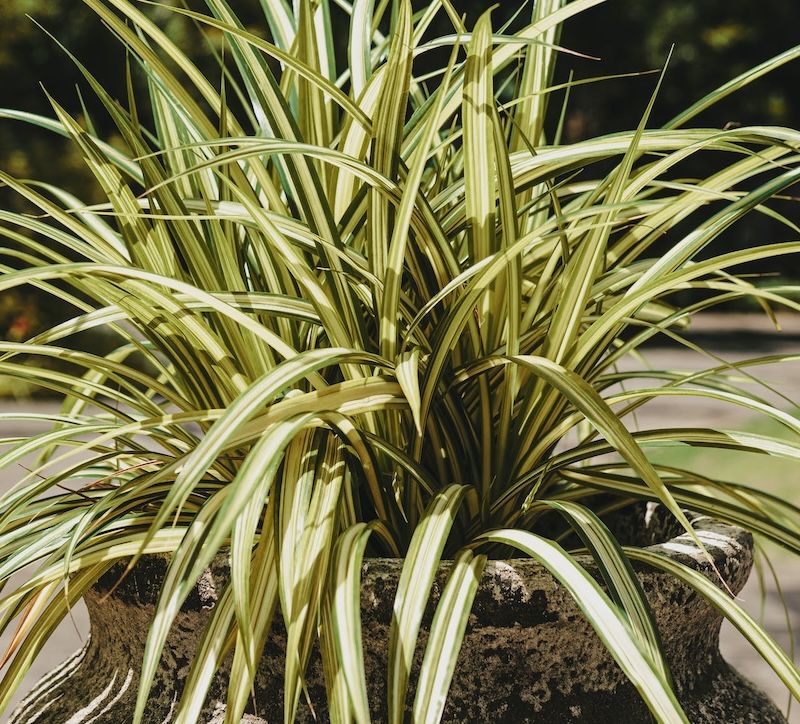
Bright indirect light and fresh outdoor air can completely transform a spider plant that has spent months growing slowly inside.
Moving spider plants outdoors in April across Georgia gives them access to the kind of gentle, filtered brightness that encourages faster growth and more prolific production of their signature dangling offshoots, often called spiderettes.
A spot under a tree canopy or along the shaded side of a fence works well for spider plants in Georgia.
They appreciate bright conditions but tend to struggle in harsh afternoon sun, which can cause the leaf tips to brown and the variegated coloring to fade.
Morning light with afternoon shade is a solid balance to aim for.
Spider plants are also known to benefit from Georgia’s naturally higher spring and summer humidity. Indoors, especially during winter heating months, the air can get quite dry, which sometimes causes tip browning.
Outdoor humidity helps address that issue naturally without needing to mist the plant regularly.
Watering frequency should increase once the plant moves outside. Check the soil every few days and water when the top inch feels dry to the touch.
Spider plants are not particularly fussy about soil type as long as drainage is reliable. Fertilizing every three to four weeks with a balanced liquid fertilizer during the outdoor season supports healthy, vigorous growth.
Return the plant indoors before temperatures drop below 50 degrees Fahrenheit.
4. Peace Lily Prefers Shaded Patios And Consistent Moisture
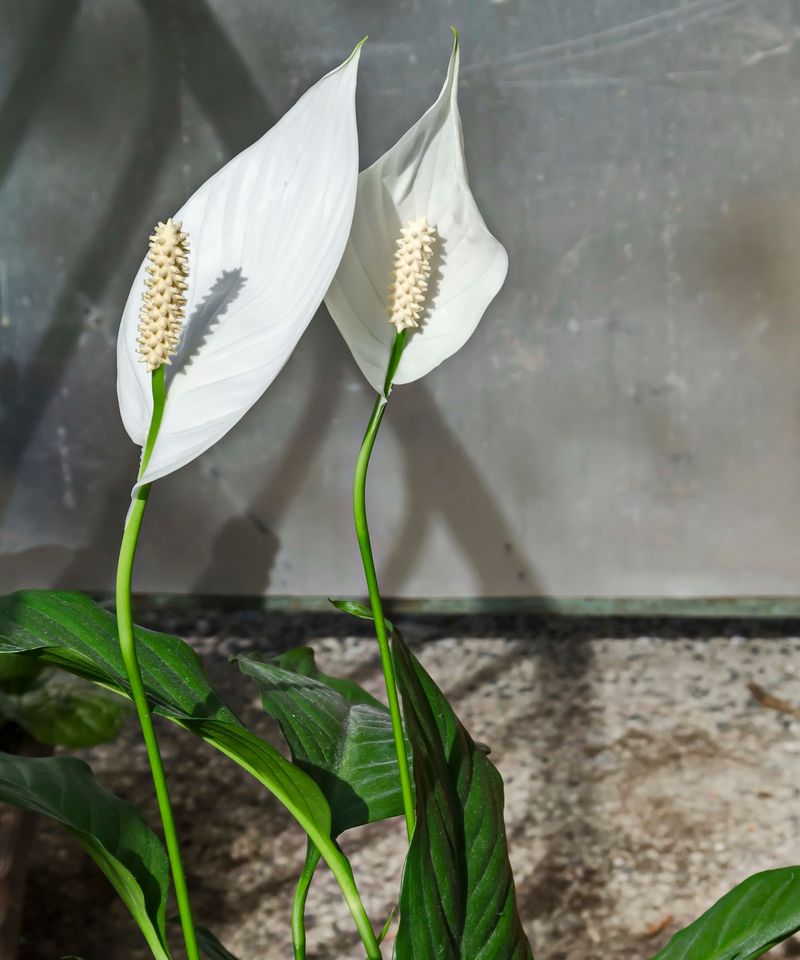
Tucked into a shaded corner of a Georgia patio, a peace lily can look genuinely stunning throughout the spring months.
The glossy, deep green leaves and elegant white blooms stand out against the warm outdoor backdrop, and the plant responds well to the higher humidity levels that Georgia’s April climate naturally provides.
Placement is the most important factor when moving a peace lily outdoors. These plants want shade and will not tolerate direct sunlight, even for short periods.
Intense sun causes the leaves to yellow rapidly and can stress the plant significantly. A covered porch, the north-facing side of a building, or a spot beneath a mature tree canopy all provide the kind of deep shade that peace lilies prefer.
Moisture management outdoors requires more attention than indoors. Peace lilies prefer consistently moist soil, but they do not want to sit in standing water.
Because outdoor containers dry out faster in Georgia’s warm spring temperatures, checking soil moisture every day or two is a smart habit. A well-draining potting mix paired with a container that has drainage holes helps prevent root issues.
Georgia’s spring can bring unpredictable rain, so monitor the soil after heavy showers to make sure the pot is not waterlogged.
A light balanced fertilizer applied every three to four weeks during the outdoor season supports healthy foliage and encourages blooming.
Move the plant back indoors well before fall temperatures fall below 55 degrees Fahrenheit.
5. Philodendron Grows Lush And Full In Protected Outdoor Spots
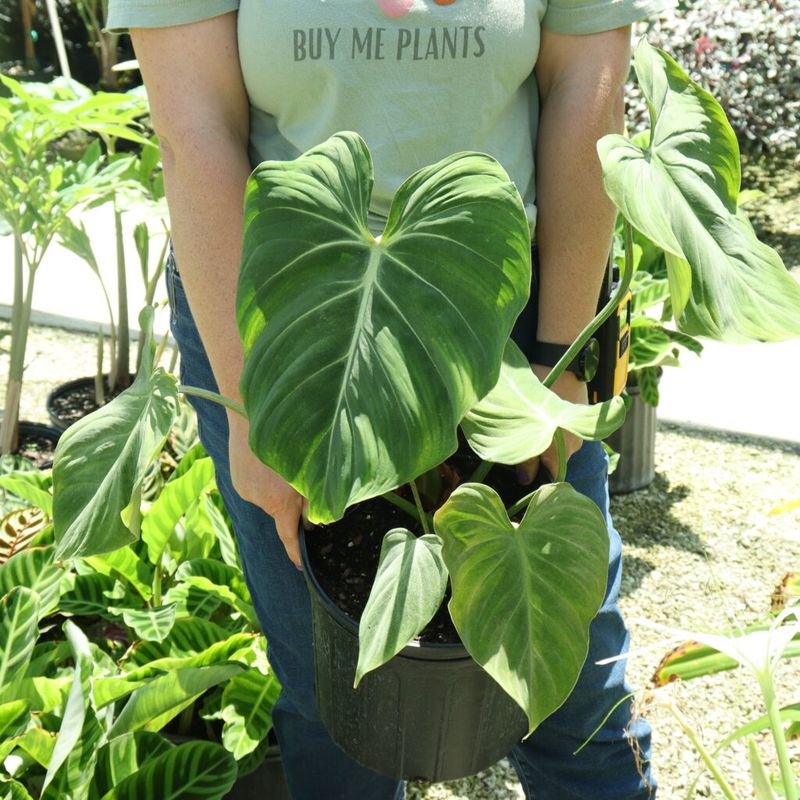
Warm Georgia spring air does something remarkable to philodendrons. Plants that spent winter growing at a modest pace indoors often shift into noticeably faster growth once moved to a sheltered outdoor spot in April.
The combination of warmth, ambient humidity, and increased natural light supports the kind of lush, full growth that philodendron enthusiasts appreciate.
Both climbing and trailing varieties of philodendron respond well to outdoor conditions in Georgia. Heartleaf philodendrons, for example, can be placed in hanging baskets on a shaded porch to trail beautifully.
Larger split-leaf varieties benefit from a sheltered spot on a patio where they receive bright indirect light without being hit by direct afternoon sun.
Because philodendrons are tropical in origin, they feel at home in Georgia’s warm and humid spring climate.
They do not tolerate cold well, so waiting until mid-April, when nighttime temperatures stay reliably above 50 degrees Fahrenheit, is a reasonable approach.
A sudden late cold snap can cause leaf damage, so keeping an eye on the forecast in April is worthwhile.
Watering frequency increases outdoors, and philodendrons appreciate soil that stays lightly moist but not soggy. Check the top inch of soil every couple of days and water when it feels dry.
Fertilizing every three to four weeks with a balanced liquid fertilizer during the outdoor season encourages the robust, leafy growth that makes philodendrons such satisfying plants to grow.
6. Fiddle Leaf Fig Needs A Slow Transition To Outdoor Light
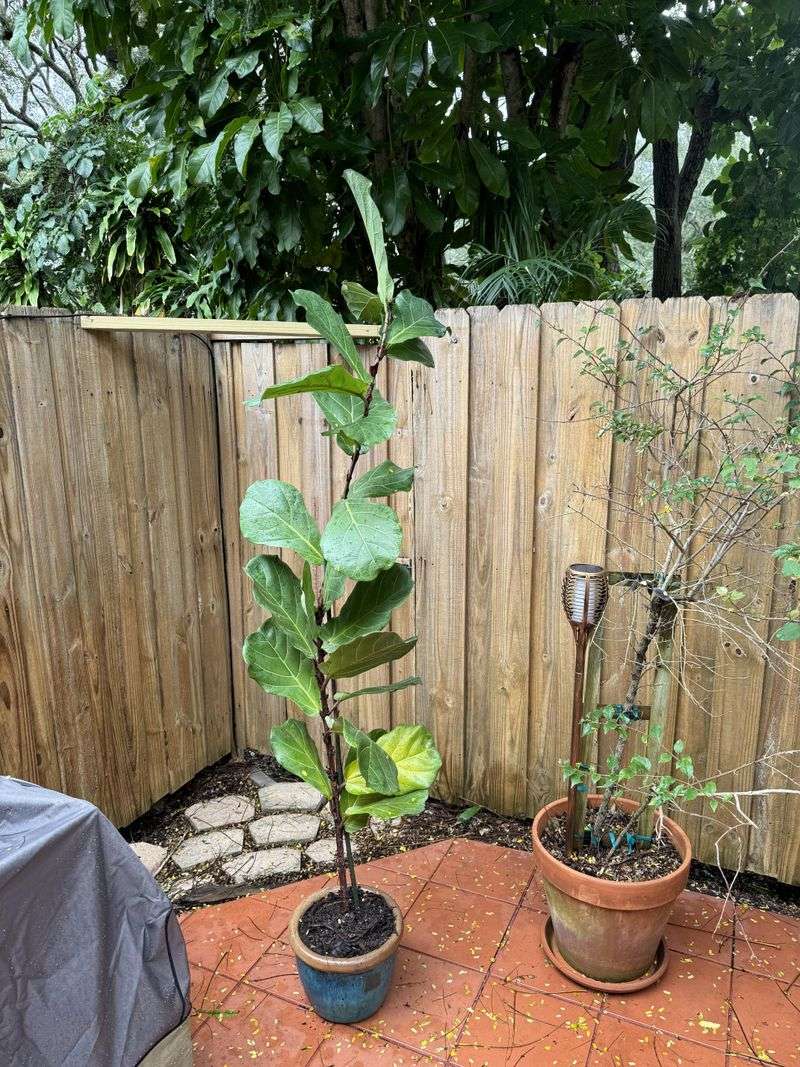
Arguably the most dramatic of all common houseplants, the fiddle leaf fig is also one of the most rewarding to move outdoors in Georgia.
Its large, violin-shaped leaves can expand noticeably in size and deepen in color when the plant gets access to stronger natural light.
However, the transition from indoor to outdoor conditions requires patience and a gradual approach.
Start by placing the fiddle leaf fig in a fully shaded outdoor spot for the first several days. Then slowly move it toward a location with brighter, filtered light over the course of two to three weeks.
Jumping straight into bright conditions, even filtered ones, can cause leaf drop or browning because the plant needs time to adjust its internal light-processing systems gradually.
Georgia’s spring climate suits fiddle leaf figs reasonably well, given that they originate from tropical West Africa and prefer warm, humid conditions.
The higher humidity outdoors can actually benefit these plants, which sometimes struggle with dry indoor air during winter months.
Avoid placing the plant in spots that receive direct afternoon sun, which can scorch even an acclimated leaf quickly.
Wind is another consideration outdoors. Fiddle leaf figs can be sensitive to strong gusts, which may cause leaf damage or stress.
A protected patio corner or a spot near a fence provides both shelter and good light. Water more frequently outdoors and bring the plant back inside before Georgia nights cool below 55 degrees Fahrenheit.
7. Rubber Plant Adapts Well With Bright, Filtered Sunlight
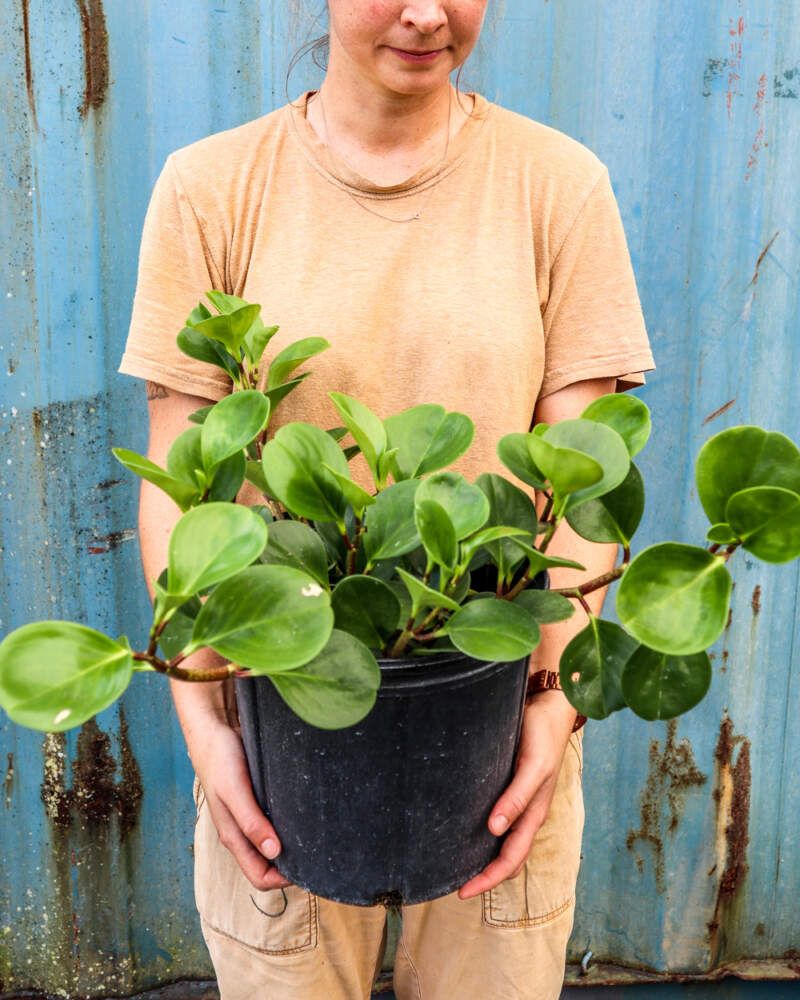
Bold, glossy leaves and a naturally upright growth habit make the rubber plant one of the most striking houseplants to display on a Georgia porch or patio in spring.
When given access to bright filtered outdoor light in April, rubber plants often respond with vigorous new growth at the top of the plant, pushing out fresh leaves that start as small reddish sheaths before unfurling into large, waxy panels.
Bright shade or dappled light works well for rubber plants outdoors in Georgia. A spot that receives morning sun and afternoon shade hits a solid balance.
Direct midday or afternoon sun can cause the leaves to lose their rich color and develop pale patches, so some protection during the hottest part of the day is helpful throughout the spring and summer.
Georgia’s warm spring temperatures align well with what rubber plants prefer. They are tropical plants that originated in South and Southeast Asia, and they respond well to warmth and humidity.
Waiting until mid-April, when nighttime lows are reliably above 50 degrees Fahrenheit across most of Georgia, gives the plant a smooth start to its outdoor season.
Water needs increase outdoors, and rubber plants appreciate consistently moist but well-drained soil. Check the soil every few days and water when the top inch feels dry.
Wipe the leaves occasionally with a damp cloth to remove dust and help the plant absorb light more efficiently throughout the growing season.
8. ZZ Plant Tolerates Shade And Warm Georgia Conditions
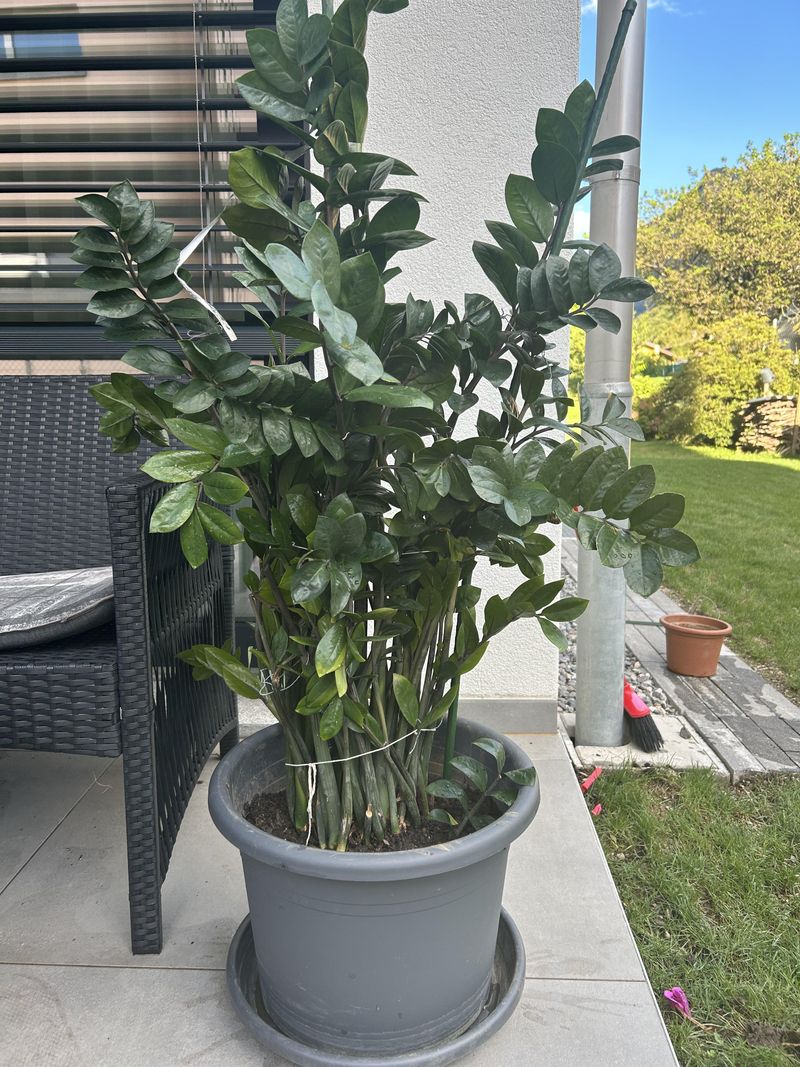
For gardeners who want a low-maintenance option that handles outdoor conditions without constant attention, the ZZ plant is a strong candidate.
Its naturally glossy, deep green leaves look polished and intentional in any outdoor container setup, and the plant’s tolerance for shade makes it easy to find a suitable spot on most Georgia porches or patios.
ZZ plants store water in their thick rhizomes, which means they handle drying out between waterings far better than most houseplants.
Outdoors in Georgia’s spring warmth, they still need more frequent watering than indoors, but they are forgiving if you miss a day or two.
Check the soil every few days and water when the top two inches feel dry. Overwatering is a bigger concern than underwatering for this plant.
Shade is the preferred light condition for ZZ plants outdoors. A covered porch, a shaded corner of a deck, or a spot beneath a tree all work well across Georgia.
Placing the plant in direct sun, especially during Georgia’s intense afternoon hours, can cause the leaves to yellow and fade. Bright indirect light is acceptable, but deep shade suits the ZZ plant well.
Georgia’s warm and humid spring conditions closely resemble the native East African environment where ZZ plants originate. That makes April an ideal month to move them outside for the season.
Bring the plant back indoors before Georgia nights drop consistently below 50 degrees Fahrenheit to keep it healthy through the cooler months.