9 Houseplants You May Regret Adding To Your California Home
Some houseplants look amazing at the store but turn into problems at home. They can be messy, high maintenance, or just not suited for California indoor conditions.
What seems like a great choice at first can quickly become frustrating.
Many people bring plants home without knowing how much light, water, or care they really need. Later, leaves start dropping, pests show up, or growth slows down.
That’s when regret kicks in.
California homes often deal with dry air, strong sunlight, and temperature changes. Not every plant handles these conditions well.
Picking the wrong one can mean extra work and poor results.
When you know what to avoid, it can save time, money, and stress while keeping your indoor space looking its best.
1. Fiddle Leaf Fig
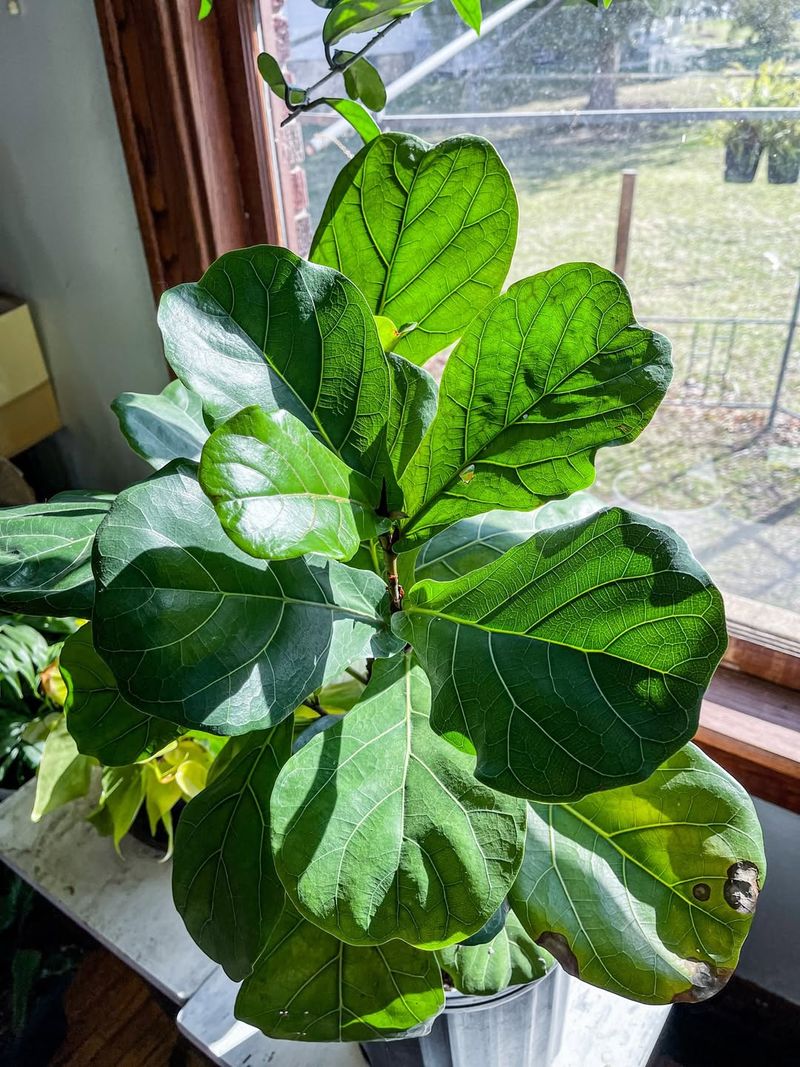
Your fiddle leaf fig might seem like the perfect statement plant until you realize how temperamental it can be. California homes often have fluctuating humidity levels, especially during dry summer months, and this tree doesn’t handle changes well.
One week of inconsistent watering or a sudden shift in light can cause leaf browning that spreads quickly.
Placement becomes a constant guessing game because these plants crave bright, indirect light but burn easily in direct California sun. Moving it around your home to find the sweet spot often causes more stress.
The leaves start dropping, and before you know it, your once-lush tree looks sparse and unhappy.
Dust accumulation on those large, glossy leaves requires regular cleaning, which adds another maintenance task to your routine. Miss a few cleanings and photosynthesis slows down.
California’s indoor dust can be particularly problematic near windows and high-traffic areas.
Pests like spider mites are more likely to appear on stressed fiddle leaf figs, especially in warm, dry indoor conditions. Once an infestation starts, it can be challenging to control without consistent care..
Once an infestation starts, it’s challenging to control. The plant’s sensitive nature means you can’t use harsh treatments without risking further damage.
Watering schedules confuse even experienced plant owners because the soil needs to dry out between waterings, but not too much. California’s varying indoor temperatures make this balance tricky.
Overwatering leads to root rot, while underwatering causes crispy leaves.
Root-bound conditions develop faster than expected, requiring repotting that stresses the plant further. Your fiddle leaf fig might take weeks to recover from the transplant shock.
California growers often find themselves dealing with a perpetually unhappy plant that demands constant attention.
2. Calathea
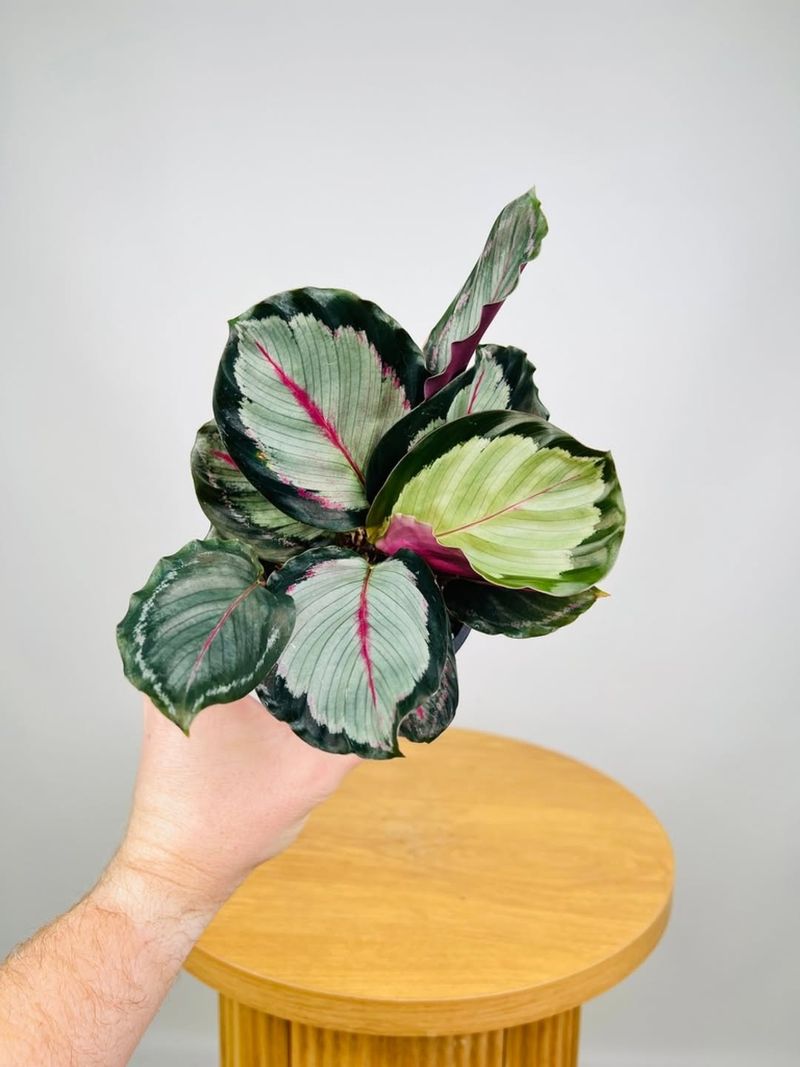
This is the plant that tests your patience fast. The bold patterns look incredible at first, then California’s dry indoor air starts working against you.
What thrives in humid rainforest conditions turns into constant upkeep, crisping leaves, and daily frustration that never really lets up.
Crispy leaf edges appear within days if the air gets too dry, which happens frequently in California homes with heating or air conditioning. You’ll find yourself misting multiple times daily or running a humidifier constantly.
Even then, the results can be disappointing as the leaves continue browning.
Water quality matters enormously with calatheas, and California tap water often contains minerals and chemicals that cause leaf damage. Fluoride and chlorine create brown tips that spread despite your best efforts.
Switching to distilled or filtered water adds expense and inconvenience to your plant care routine.
Light requirements are incredibly specific because too much sun bleaches the beautiful patterns while too little causes leggy growth. Finding the right spot in your California home becomes frustrating.
The plant that looked perfect at the nursery starts losing its vibrant appearance within weeks.
Temperature fluctuations common in California evenings stress calatheas significantly. They prefer consistent warmth without cold drafts from windows or air vents.
Your plant might curl its leaves every night, a natural response that still indicates it’s not entirely comfortable.
Spider mites are more likely to appear on stressed calatheas in dry indoor conditions. These tiny pests are difficult to spot until damage becomes obvious.
Treating infestations while keeping the plant healthy feels like an impossible balancing act for many California growers.
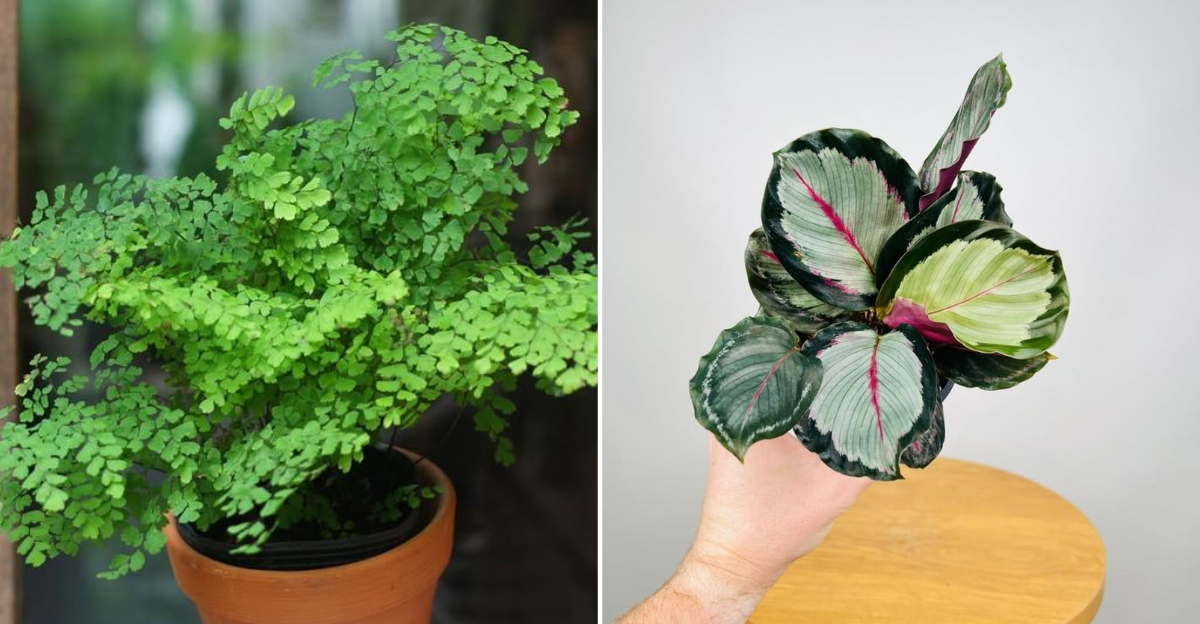
3. Maidenhair Fern
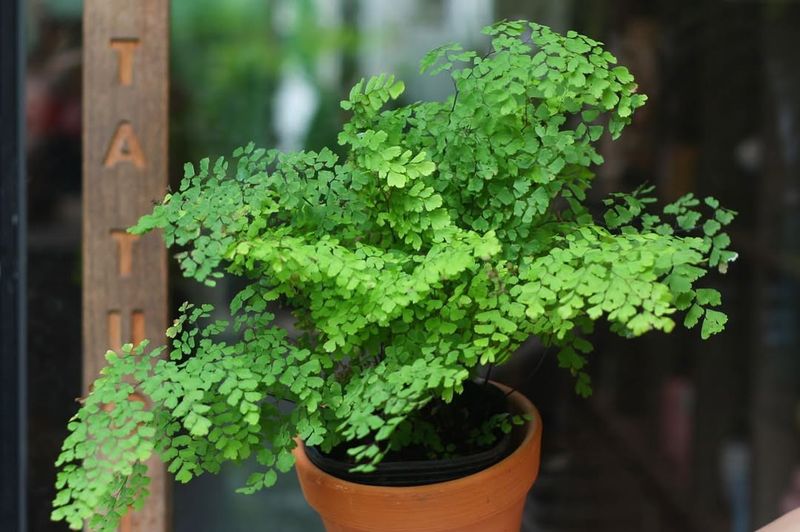
Blink, and it’s already falling apart. That soft, airy look disappears fast once California’s dry indoor air gets involved.
Even with regular watering, fronds start crisping within days, turning what looked effortless and elegant into a plant that constantly feels on the edge of failure.
Consistent moisture is absolutely essential, yet the soil can’t stay waterlogged or roots will rot quickly. This narrow margin for error makes maidenhair ferns incredibly challenging for California homeowners.
Missing even one watering session can result in significant frond loss that takes months to recover from.
Humidity requirements are difficult to meet in most standard living spaces without using a humidifier or placing the plant in a naturally humid room like a bathroom. Regular California living spaces simply don’t provide enough moisture in the air.
Running humidifiers constantly drives up energy costs and may not even be sufficient.
Direct sunlight burns the delicate fronds instantly, but insufficient light causes weak, sparse growth. Your California home’s bright windows become hazards rather than assets.
Finding the perfect lighting balance requires constant monitoring and adjustment as seasons change.
Air circulation needs are particular because stagnant air encourages fungal problems, yet drafts dry out the fronds too quickly. California homes with ceiling fans or air conditioning vents create challenging conditions.
Your fern might struggle no matter where you place it.
Transplanting causes significant stress, and maidenhair ferns take considerable time to recover from repotting. California growers often find their ferns looking worse after necessary maintenance.
The plant’s sensitivity to change makes routine care feel risky and stressful rather than enjoyable.
4. Boston Fern
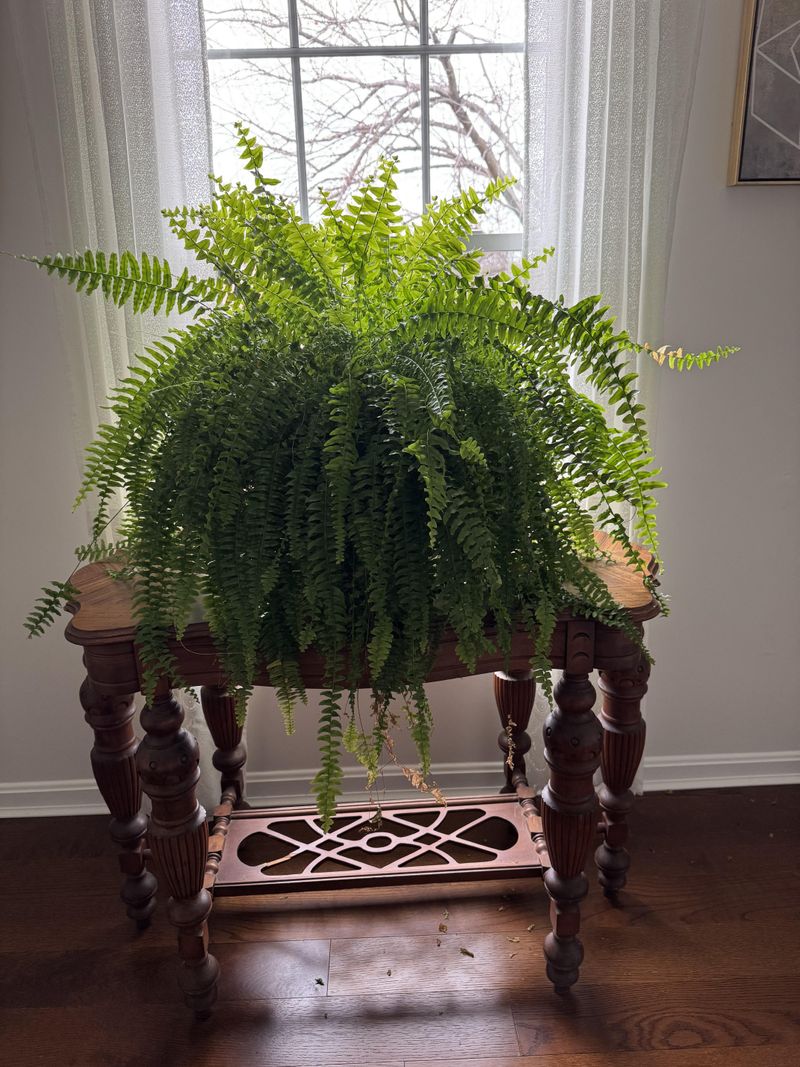
The mess shows up before the charm wears off. Those classic fronds start shedding nonstop, scattering tiny leaflets across floors, furniture, and every nearby surface.
In California homes, open windows and constant air movement only make it worse, turning daily cleanup into part of the routine.
Watering frequency confuses many California plant owners because these ferns need consistently moist soil without being soggy. The state’s varied microclimates mean what works in coastal areas fails inland.
Your fern might need watering every other day in summer but weekly in winter, requiring constant attention.
Humidity demands are high, and California’s naturally dry air causes fronds to brown from the tips inward. You’ll spend time misting daily or positioning humidifiers nearby.
Even with these efforts, your Boston fern may struggle to maintain that perfect garden-center look indoors.
Size management becomes necessary because these ferns grow large and unruly quickly under good conditions. Pruning creates more mess and doesn’t always result in the compact shape you’re hoping for.
California’s mild climate means the plant doesn’t go dormant, so growth continues year-round.
Pest problems emerge frequently, with scale insects and spider mites particularly troublesome in California homes. The dense fronds make spotting problems early nearly impossible.
By the time you notice an infestation, it’s already established and difficult to treat effectively.
Root systems become crowded rapidly, requiring frequent repotting that stresses the plant and creates more work for you. California growers often feel like they’re constantly managing their Boston fern rather than enjoying it as a decorative element in their homes.
5. Croton
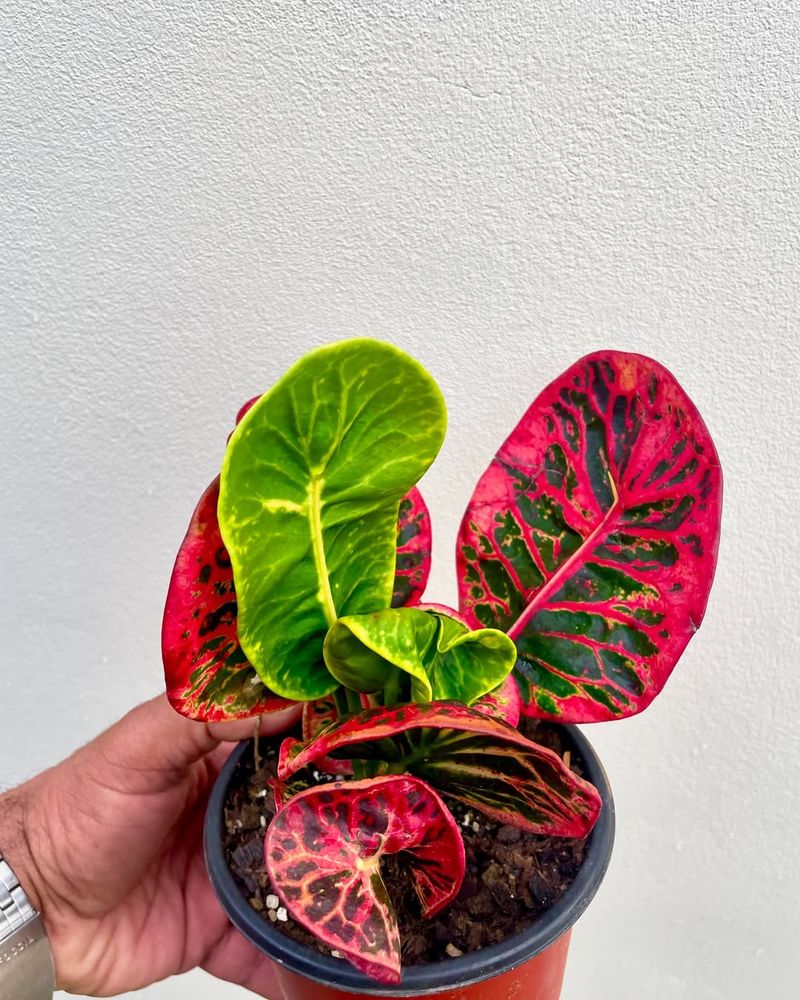
That burst of color comes with a short fuse. The reds, yellows, and greens look unreal at the nursery, but crotons demand near-perfect conditions to hold onto them.
In many California homes, even small shifts trigger rapid leaf drop, turning a bold statement plant into a bare stem far sooner than expected.
Light requirements are extremely high, and many California windows still don’t provide consistent brightness throughout the day. Without intense light, the vibrant colors fade to dull green, eliminating the plant’s main appeal.
Moving your croton outdoors during summer helps, but the transition back indoors causes more leaf drop.
Temperature sensitivity is a major issue because crotons dislike fluctuations common in California homes during evening hours. Cold drafts from windows or air conditioning vents cause immediate leaf drop.
Your plant might lose half its foliage overnight if temperatures dip unexpectedly.
Watering needs shift with seasons and indoor conditions, making it difficult to establish a reliable routine in California. Too much water causes root problems, while too little leads to rapid leaf loss.
The narrow window between these extremes frustrates many plant owners.
Humidity preferences are high, and California’s dry indoor air causes leaves to brown at the edges. You’ll need to mist frequently or use a humidifier to maintain the tropical conditions crotons prefer.
Even with these efforts, the plant might continue looking stressed and dropping leaves.
Spider mites thrive on stressed crotons, and California’s warm climate provides perfect conditions for these pests to multiply. Infestations spread quickly across the colorful leaves, causing stippling and webbing.
Treating the problem while maintaining plant health becomes a frustrating cycle for California growers.
6. Alocasia
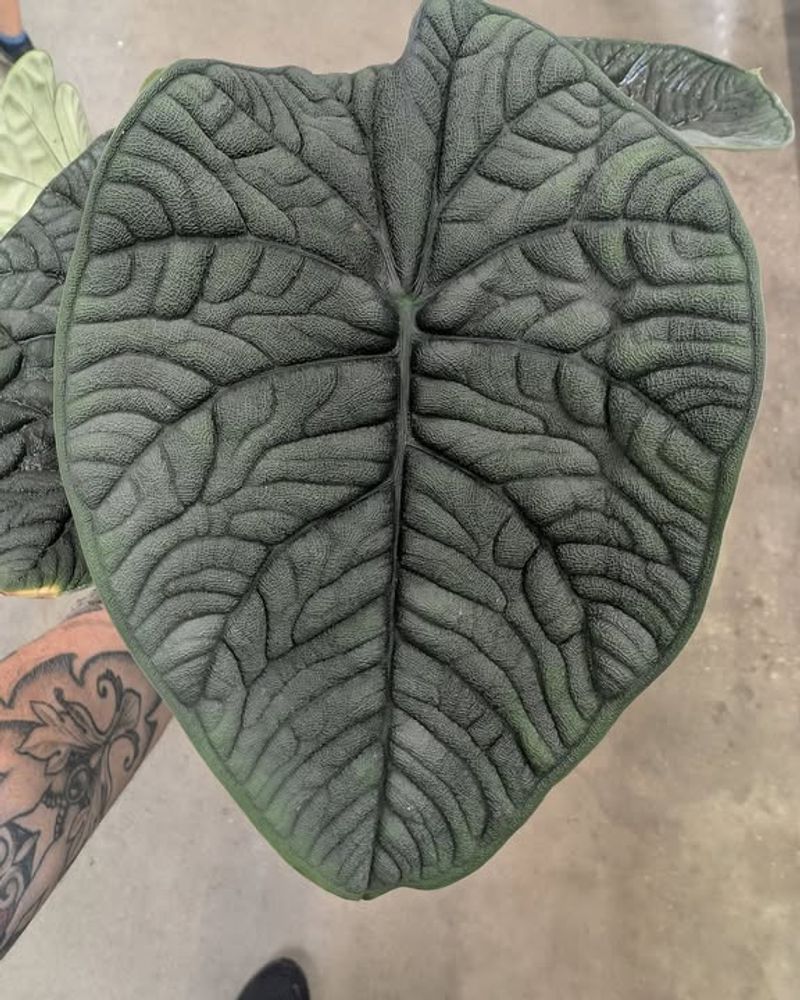
Expect drama, even when everything seems fine. Those oversized, arrow-shaped leaves steal attention fast, but keeping them stable indoors is another story.
Sudden dormancy can happen unexpectedly, sometimes stripping most or all leaves and leaving plant owners staring at an empty pot.
Dormancy cycles confuse California growers because they don’t always align with seasonal changes. Your alocasia might suddenly drop every leaf during what seems like its growing season.
The bare bulb sitting in soil for months tests your patience and confidence as a plant parent.
Humidity requirements are substantial, and California’s indoor environments rarely provide enough moisture naturally. Brown leaf edges appear quickly despite your best efforts with misting and humidifiers.
The large leaves show every imperfection, making the plant look unhealthy even when it’s technically surviving.
Watering balance is tricky because alocasias need consistent moisture during active growth but very little during dormancy. California’s variable indoor conditions make it difficult to determine which phase your plant is in.
Overwatering during dormancy causes bulb rot, while underwatering during growth stunts development.
Pest attraction is significant, with spider mites and aphids targeting alocasias frequently in California homes. The large leaves provide plenty of surface area for pests to colonize.
Infestations spread rapidly and can weaken the plant enough to trigger early dormancy.
Temperature preferences are specific, and California evening cooling can stress alocasias that prefer consistent warmth. Cold exposure causes leaf damage that spreads quickly across the large foliage.
Your plant might struggle through fall and winter even in California’s relatively mild climate, making year-round success difficult to achieve consistently.
7. Gardenia
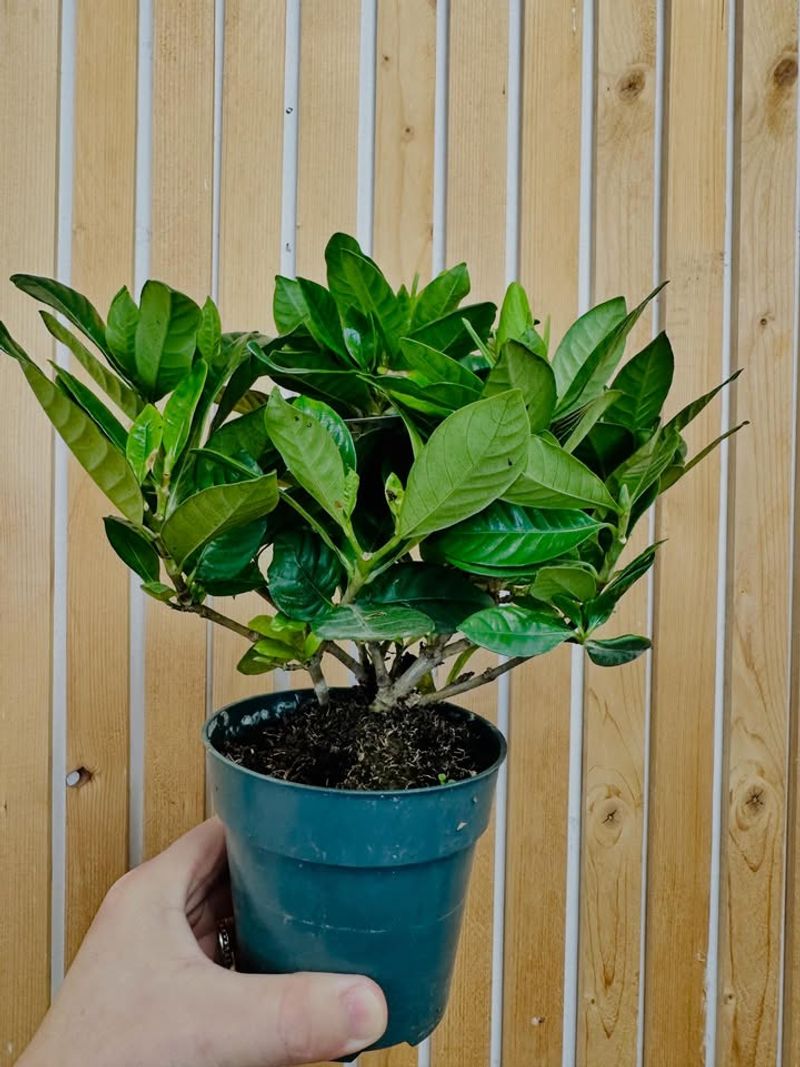
Fragrance is the dream, blooms rarely are.
Perfect buds tease you again and again, only to drop before opening inside most California homes.
With demands that rarely line up with indoor conditions, disappointment becomes part of the routine long before any flowers appear.
Soil pH requirements are specific, and gardenias need acidic conditions that California tap water gradually neutralizes. You’ll need to monitor pH regularly and amend the soil frequently to maintain proper acidity.
This level of attention exceeds what most casual plant owners want to provide.
Humidity needs are high, and California’s indoor air is typically too dry for gardenias to bloom successfully. Even if you maintain high humidity, temperature fluctuations can still cause bud drop.
The combination of requirements makes success feel nearly impossible without a greenhouse environment.
Light intensity matters enormously because gardenias need bright conditions to set buds but can burn in direct California sun. Finding the right spot involves constant adjustment as seasons change.
Your plant might grow well but never bloom if lighting isn’t perfect.
Temperature preferences are narrow, and gardenias dislike consistently warm indoor temperatures and lack of nighttime cooling, which are common challenges in many California homes during summer. They need cooler nights to set buds properly, which is difficult to provide indoors.
Air conditioning helps but creates humidity problems and increases energy costs.
Pest susceptibility is high, with whiteflies, spider mites, and scale insects all targeting gardenias in California conditions. Stressed plants attract more pests, creating a downward spiral.
Treating infestations while maintaining the precise conditions needed for blooming becomes overwhelming for most California homeowners seeking a fragrant indoor plant.
8. English Ivy
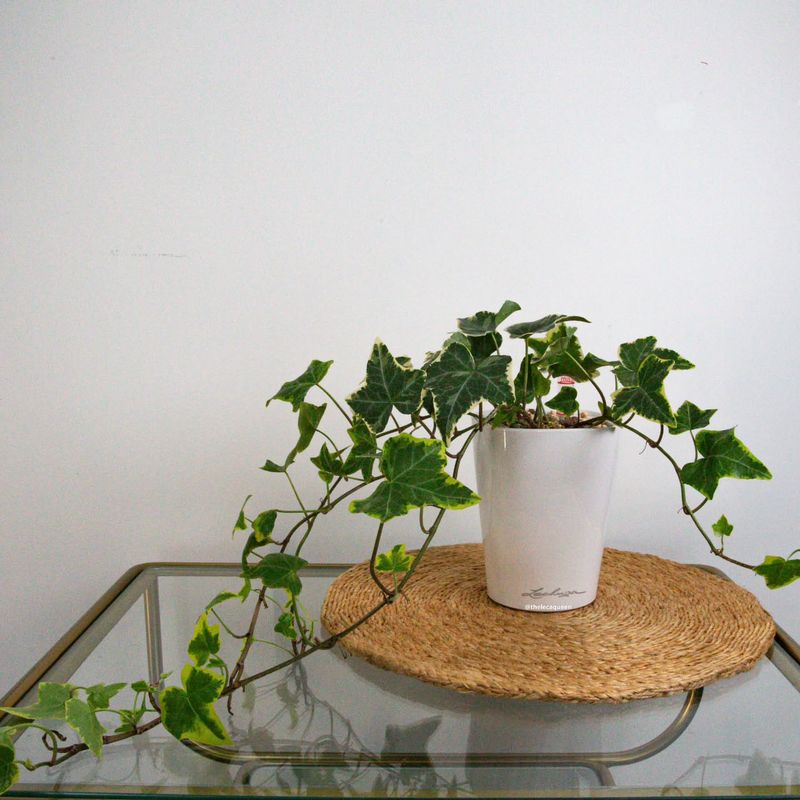
Charming at first glance, exhausting soon after. Classic lobed leaves and fast trailing growth make it easy to fall for this plant in California homes.
The trouble often starts once spider mites move in, which is more likely in dry indoor conditions.
Dense foliage gives them the perfect place to hide and multiply, and infestations spread quickly, turning what looked decorative into a constant source of frustration.
Pest management becomes a constant battle because the thick growth provides perfect hiding spots for insects. By the time you notice webbing or leaf damage, the infestation has usually spread throughout the plant.
California’s warm indoor temperatures allow spider mites to reproduce continuously without seasonal breaks.
Growth speed can be overwhelming as English ivy spreads quickly under good conditions. Your charming trailing plant becomes an unruly mass that requires frequent pruning.
The vines grab onto walls, furniture, and nearby plants, making containment difficult in California homes.
Toxicity concerns are significant because English ivy is poisonous to pets and children if ingested. California families with curious cats or dogs face real risks with this plant in their homes.
Even touching the sap can cause skin irritation in sensitive individuals.
Watering needs shift dramatically with seasons and indoor conditions, making it easy to overwater or underwater. California’s variable climate means what works in winter fails in summer.
Root rot develops quickly if drainage isn’t perfect, while dry soil causes leaf browning.
Dust accumulation on the many leaves requires regular cleaning, which is tedious given the plant’s dense growth habit. California’s dusty conditions, especially near windows and doors, make this maintenance task even more frequent.
Neglecting cleaning reduces the plant’s health and increases pest problems, creating a cycle of issues for California homeowners.
9. Areca Palm
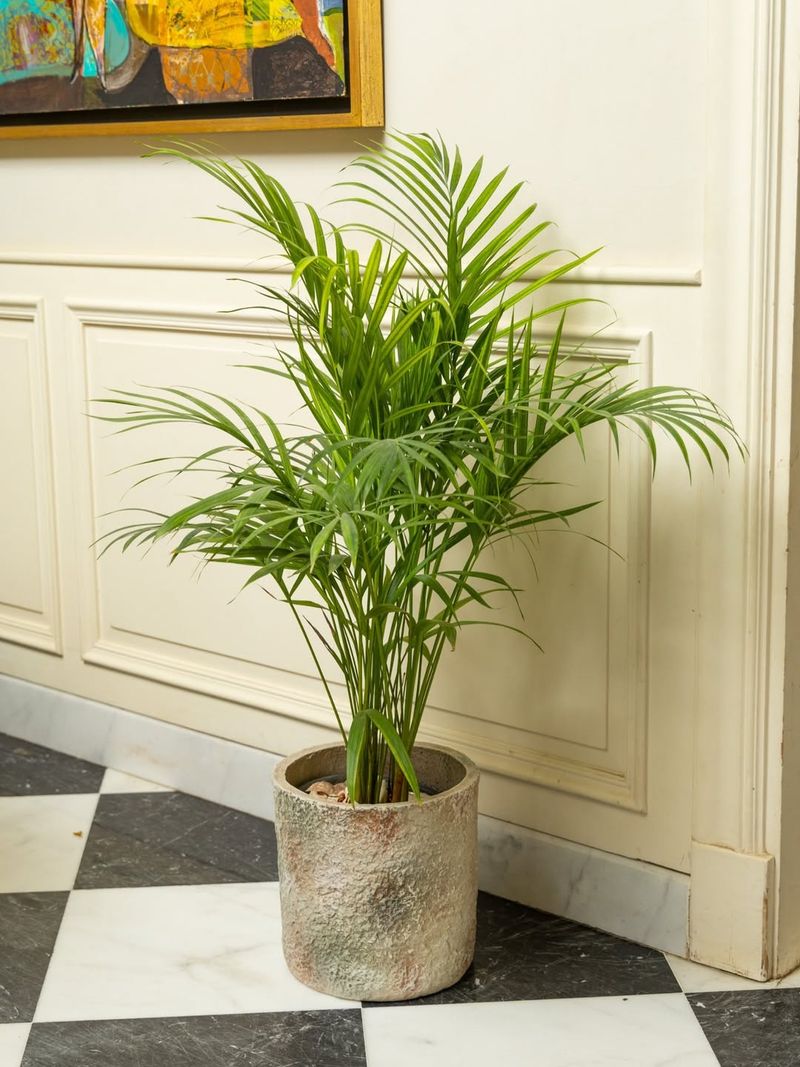
Tropical elegance fades faster than expected. Feathery fronds start browning almost as soon as they enter a California home, and no amount of careful watering seems to stop it.
Without steady humidity, those lush green tips never stay that way for long.
Frond tip browning is common with California tap water because areca palms are sensitive to fluoride and chlorine. You’ll need to switch to distilled or filtered water exclusively, which adds ongoing expense.
Even with filtered water, tips still brown from low humidity, making perfect fronds nearly impossible to achieve.
Size becomes problematic quickly because areca palms grow tall and wide, eventually outgrowing most indoor spaces. California homes with standard ceiling heights can’t accommodate mature specimens.
Pruning helps temporarily but doesn’t stop the upward growth, and removing fronds leaves visible brown stumps.
Root-bound conditions develop faster than expected, requiring frequent repotting into increasingly large containers. Moving and repotting a mature areca palm is physically demanding work.
California growers often find themselves struggling with a plant that’s become too large to manage comfortably.
Pest problems include spider mites and scale insects that thrive on stressed palms in California conditions. The numerous fronds make thorough pest inspection and treatment difficult.
Infestations persist despite repeated treatment attempts, gradually weakening the palm.
Watering requirements are specific because areca palms dislike both drought and soggy soil. California’s indoor temperature variations make it challenging to maintain consistent soil moisture.
Your palm might look perpetually stressed with yellowing fronds and brown tips, never achieving the tropical perfection you envisioned when you purchased it.