6 Houseplants You Should Keep Away From Cold Windows During January In Michigan
January in Michigan brings freezing temperatures, icy winds, and windows that feel more like walls of cold than sources of light.
While houseplants love sunshine, many of them suffer when they are placed too close to cold glass during the heart of winter.
Leaves that touch chilly windows can become damaged almost overnight, turning soft, dark, or spotted as the cold creeps in.
Even plants that seem strong can struggle when cold drafts and sudden temperature drops stress their roots and stems.
Many plant owners do not realize how much colder the area near a window can be compared to the rest of the room.
During January, that difference can be enough to slow growth, cause leaf drop, or even lead to permanent damage.
Michigan homes also deal with dry indoor air from heating systems, which adds another layer of stress to sensitive plants.
Knowing which houseplants need to be kept away from cold windows helps prevent problems before they start.
With a few simple moves, you can protect your plants and keep them healthy until warmer days return.
Paying attention to placement now can mean stronger, happier plants all winter long.
1. Fiddle Leaf Fig
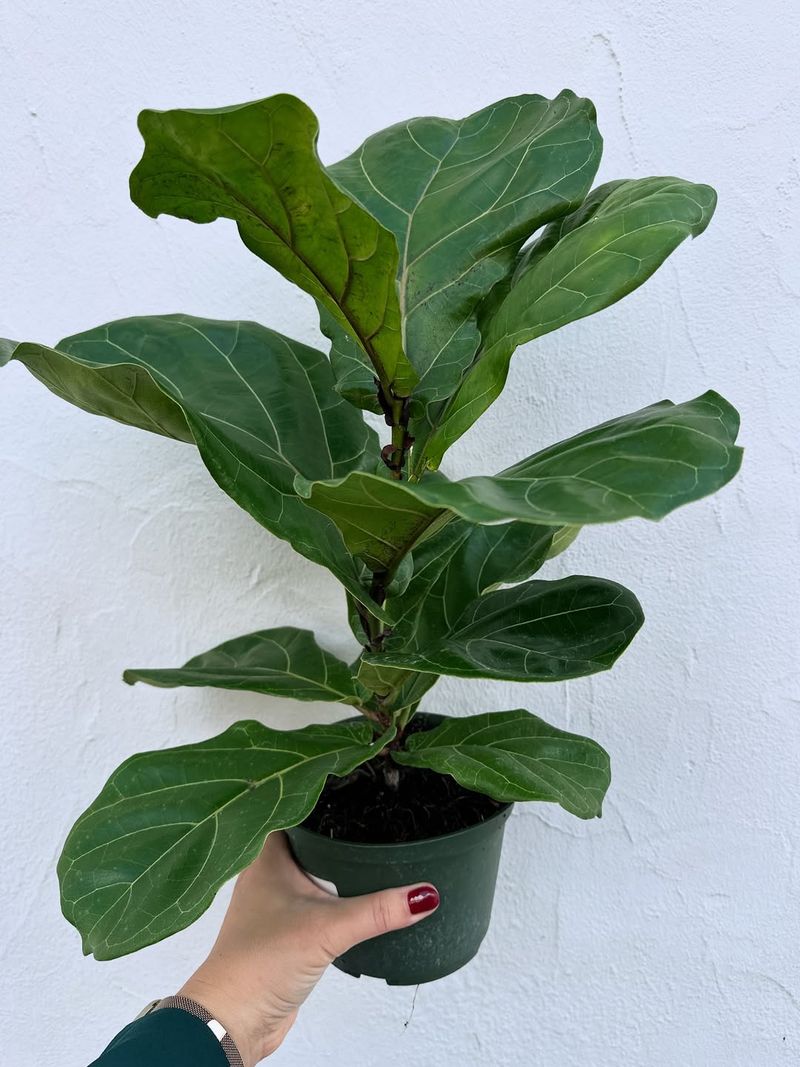
Fiddle leaf figs have become incredibly popular in recent years, gracing the pages of design magazines and filling Instagram feeds with their dramatic, violin-shaped leaves.
These stunning plants originally come from the warm, tropical rainforests of western Africa, where temperatures stay consistently warm year-round.
When you place a fiddle leaf fig near a cold window in Michigan during January, the chilly glass creates an environment that mimics nothing this plant has ever experienced in its natural habitat.
The leaves closest to the window will start showing signs of distress first, often developing brown spots or edges that look crispy and damaged.
Cold stress can cause the plant to drop leaves suddenly, leaving you with bare branches that take months to recover.
Temperature fluctuations prove especially harmful because fiddle leaf figs prefer stable conditions between 60 and 75 degrees Fahrenheit.
A window in Michigan during winter can drop well below this range, especially at night when outdoor temperatures plummet.
Even double-pane windows allow cold to transfer through the glass, creating a microclimate that your fiddle leaf fig finds unbearable.
Moving this plant to an interior wall or placing it several feet away from windows protects it from temperature extremes.
You can still provide adequate light by choosing a bright room with indirect sunlight that does not come with the penalty of freezing drafts.
Remember that these plants grow slowly, so any damage from cold exposure sets back their progress significantly.
Protecting your fiddle leaf fig from Michigan’s harsh winter windows ensures it maintains its gorgeous foliage and continues to serve as a statement piece in your home throughout the season.
2. African Violet
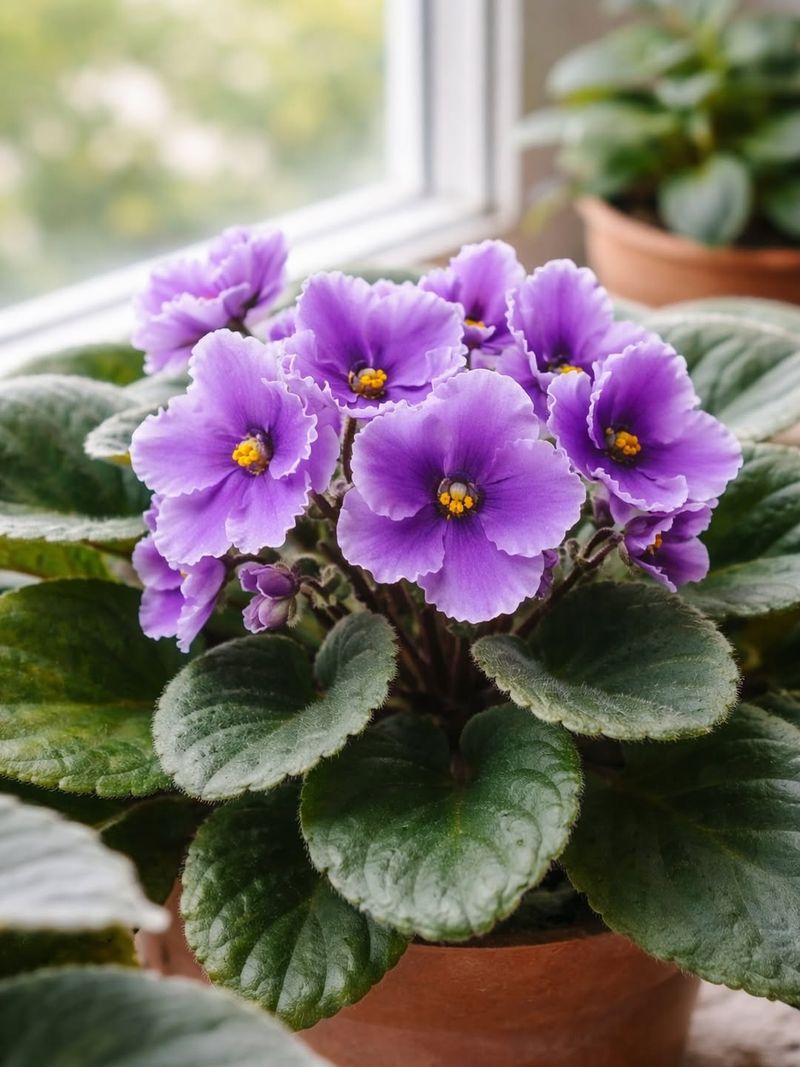
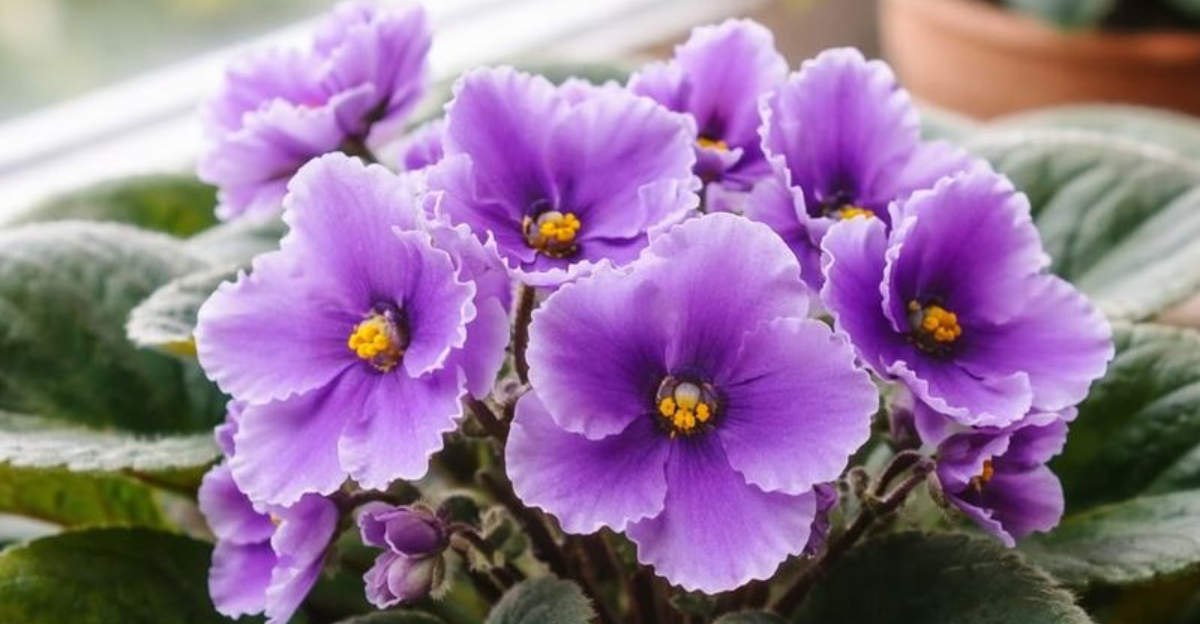
African violets charm plant lovers with their delicate, fuzzy leaves and cheerful blooms that come in shades of purple, pink, white, and blue.
These compact plants seem perfect for a windowsill, and many people naturally place them there to enjoy both the flowers and the view.
However, African violets are surprisingly sensitive to temperature changes, and a cold Michigan window in January can quickly end their blooming cycle.
Cold glass causes the temperature around the plant to drop significantly, and African violets stop producing flowers when conditions become uncomfortable.
The leaves can develop pale spots or become limp and soft when exposed to cold drafts that sneak around window frames.
What makes this particularly frustrating is that African violets need good light to bloom, which tempts owners to keep them on windowsills.
During Michigan winters, you need to find a balance between providing enough light and protecting the plant from cold.
Placing African violets on a plant stand near a window rather than directly on the sill helps maintain better temperature control.
You can also use sheer curtains to diffuse light while creating a buffer between the plant and the cold glass.
These plants prefer temperatures between 65 and 75 degrees Fahrenheit, and they perform best when conditions stay consistent.
Nighttime temperatures near a frozen window can drop into the 50s or lower, which shocks the plant and causes it to stop thriving.
If you notice your African violet losing buds or developing damaged leaves during winter in Michigan, check its location first.
Moving it just a few feet away from that cold window can make the difference between a plant that struggles and one that continues blooming beautifully all winter long.
3. Calathea
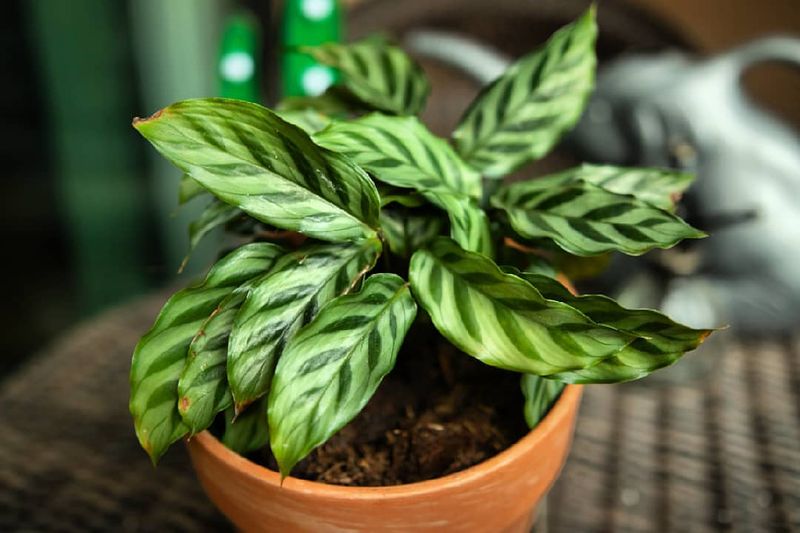
Calatheas stand out among houseplants for their absolutely stunning foliage patterns that look almost painted on by nature’s most artistic hand.
From the pin-striped leaves of Calathea ornata to the peacock-like patterns of Calathea makoyana, these plants bring tropical beauty to any indoor space.
Native to the forest floors of Central and South America, calatheas evolved in environments with warm temperatures, high humidity, and protection from temperature extremes.
January in Michigan presents conditions that could not be more opposite to their natural habitat, especially near windows.
Cold windows create multiple problems for calatheas that go beyond simple temperature drops.
The dry air near heated windows combined with cold glass creates a harsh environment that causes leaf edges to turn brown and crispy.
Calatheas respond to cold stress by curling their leaves tightly, a protective mechanism that looks alarming to plant owners.
The intricate patterns on the leaves can fade or become discolored when the plant experiences temperature shock from being too close to frozen glass.
These plants prefer temperatures that never drop below 60 degrees Fahrenheit, and they truly thrive when kept between 65 and 80 degrees.
A Michigan window in January can easily fall below this range, especially during those brutal cold snaps that hit the state.
Even if your home stays warm, the immediate area around a window creates a cold pocket that extends several inches into the room.
Positioning calatheas away from exterior walls and windows helps maintain the stable, warm conditions they require.
You might also consider using a humidifier near your calatheas during Michigan winters, as indoor heating systems create dry air that compounds the stress of cold exposure.
4. Orchid
Did you know that orchids represent one of the largest families of flowering plants on Earth, with over 25,000 species found in nature?
The orchids we keep as houseplants typically come from tropical regions where temperatures stay warm and humidity remains high throughout the year.
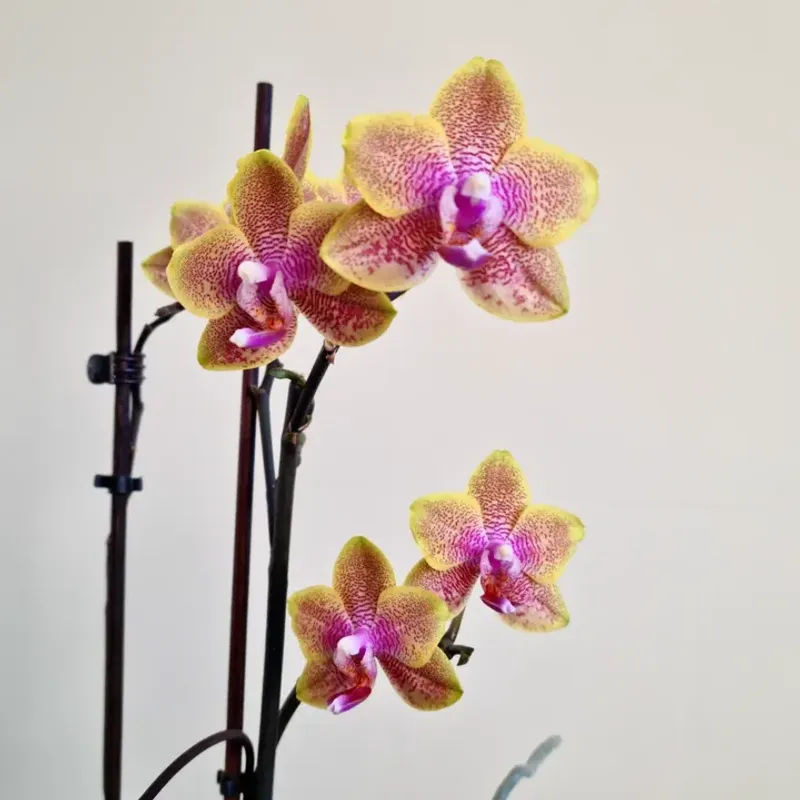
Phalaenopsis orchids, commonly called moth orchids, are the most popular variety for home growing because they adapt relatively well to indoor conditions.
Even these adaptable orchids struggle when placed near cold windows during Michigan’s harsh January weather.
Orchids send out stunning blooms that can last for months under proper conditions, making them prized additions to any plant collection.
Cold exposure threatens both the flowers and the plant itself, often causing buds to drop before they even open.
The thick, fleshy leaves of orchids can develop dark spots or become soft and damaged when temperatures drop too low.
Roots are particularly vulnerable because they often grow exposed or in clear pots, and cold air affects them quickly.
Orchids prefer temperatures between 60 and 80 degrees Fahrenheit, depending on the variety, and they need protection from sudden temperature swings.
A window in Michigan during winter creates exactly the kind of unstable environment that orchids cannot tolerate.
The glass acts as a conductor for cold, pulling warmth away from anything placed nearby.
Moving orchids to interior locations during winter months protects their blooms and keeps the plants healthy.
You can still provide the bright, indirect light they need by choosing spots near windows but not directly against them.
Some plant owners use plant stands or shelves positioned a few feet back from windows to give orchids light without cold exposure.
Protecting your orchids from Michigan’s winter windows ensures they continue their spectacular blooming cycles and remain healthy investments in your indoor garden.
5. Peace Lily
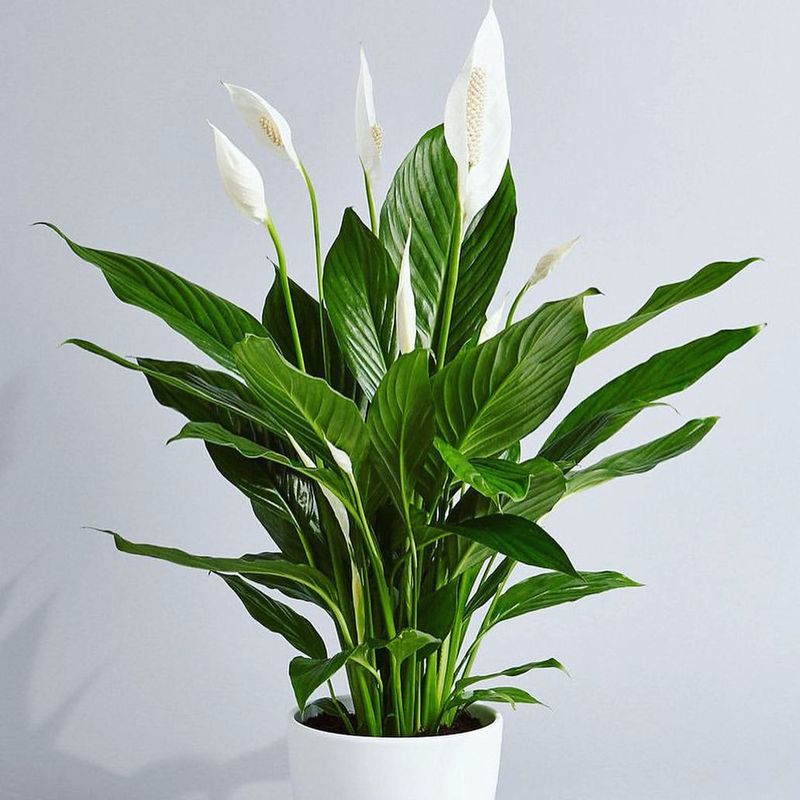
Peace lilies have earned their reputation as forgiving houseplants that tolerate lower light conditions and occasional neglect better than many other species.
Their glossy green leaves and elegant white flowers make them popular choices for homes and offices throughout Michigan.
Many people assume that because peace lilies handle various conditions well, they can withstand placement anywhere in the home.
This assumption proves incorrect when it comes to cold windows during January in the Great Lakes region.
Peace lilies originally come from the tropical rainforests of Central and South America, where they grow on shaded forest floors with consistent warmth.
Cold temperatures cause peace lilies to develop drooping leaves that look wilted even when the soil contains adequate moisture.
The dramatic drooping happens because cold stress affects the plant’s ability to move water through its tissues properly.
Leaves may also develop brown tips and edges when exposed to cold drafts from poorly sealed windows.
What makes cold damage particularly concerning for peace lilies is that it can affect their blooming cycle for months afterward.
These plants produce their distinctive white spathes most reliably when they feel comfortable and unstressed.
A Michigan window in January creates stress that causes the plant to focus on survival rather than flower production.
Peace lilies prefer temperatures between 65 and 80 degrees Fahrenheit, and they perform best when conditions stay stable.
Placing them away from exterior walls and windows during winter protects them from temperature drops that occur near cold glass.
You can still enjoy your peace lily in a bright room, just position it several feet away from the window itself.
The plant will appreciate the indirect light without suffering from cold exposure that damages its foliage and reduces its blooming potential throughout the winter season.
6. Pothos
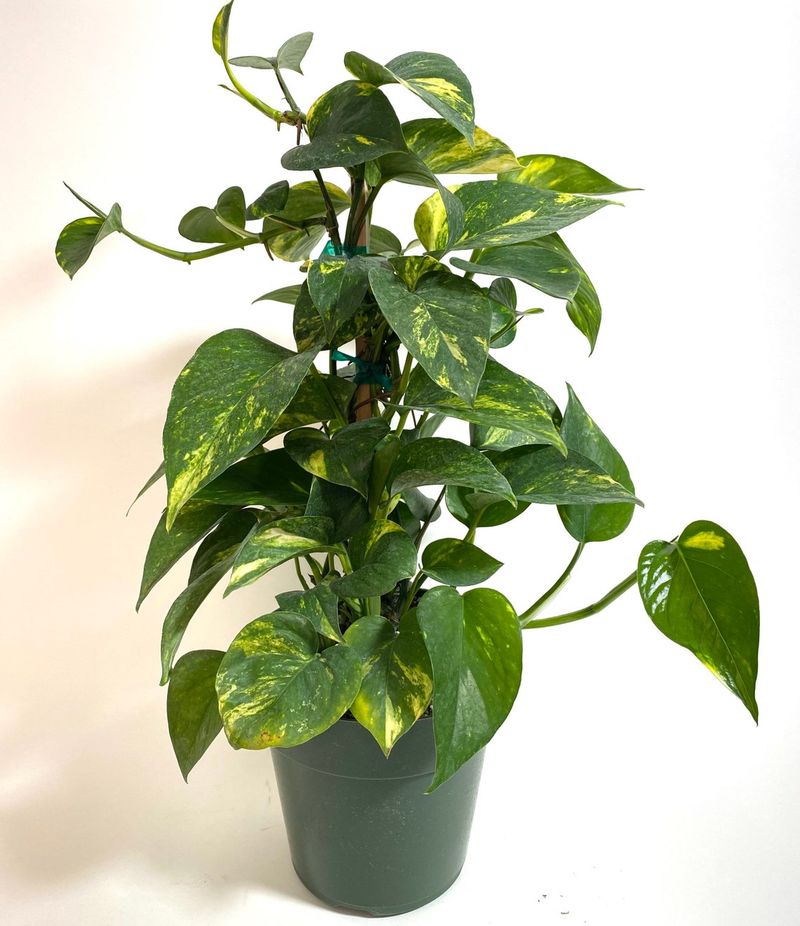
Pothos vines trail beautifully from hanging baskets and climb up moss poles with heart-shaped leaves that brighten any space.
Known as one of the easiest houseplants to grow, pothos adapts to various light conditions and forgives occasional watering mistakes.
This hardy reputation leads many Michigan plant owners to place pothos near windows without considering the winter cold factor.
While pothos certainly tolerates more neglect than many houseplants, cold exposure remains a serious threat to its health.
Native to the Solomon Islands in the South Pacific, pothos evolved in warm, humid environments where temperatures rarely fluctuate dramatically.
Cold windows in Michigan during January create conditions that can damage even these resilient plants.
The leaves closest to cold glass often turn yellow or develop brown spots that spread across the foliage.
Cold stress can cause pothos to stop growing entirely, entering a dormant state that lasts until conditions improve.
New growth becomes stunted or discolored when the plant experiences repeated exposure to cold drafts.
The vining stems can become soft and mushy if temperatures drop too low, leading to sections that need to be pruned away.
Pothos prefers temperatures between 60 and 85 degrees Fahrenheit, and it grows most vigorously when kept consistently warm.
A Michigan window in January can easily drop below 60 degrees, especially during nighttime hours when heating systems cycle down.
Moving your pothos away from windows protects it from cold damage while still allowing it to receive the moderate light it needs.
These plants actually grow well in interior rooms with artificial lighting, making them perfect for spaces away from exterior walls.
By protecting your pothos from cold window exposure during Michigan winters, you ensure it maintains its vibrant green color and continues producing new growth that cascades beautifully from its container.