How A Simple Paint Job Helps Fruit Trees Thrive In Arizona
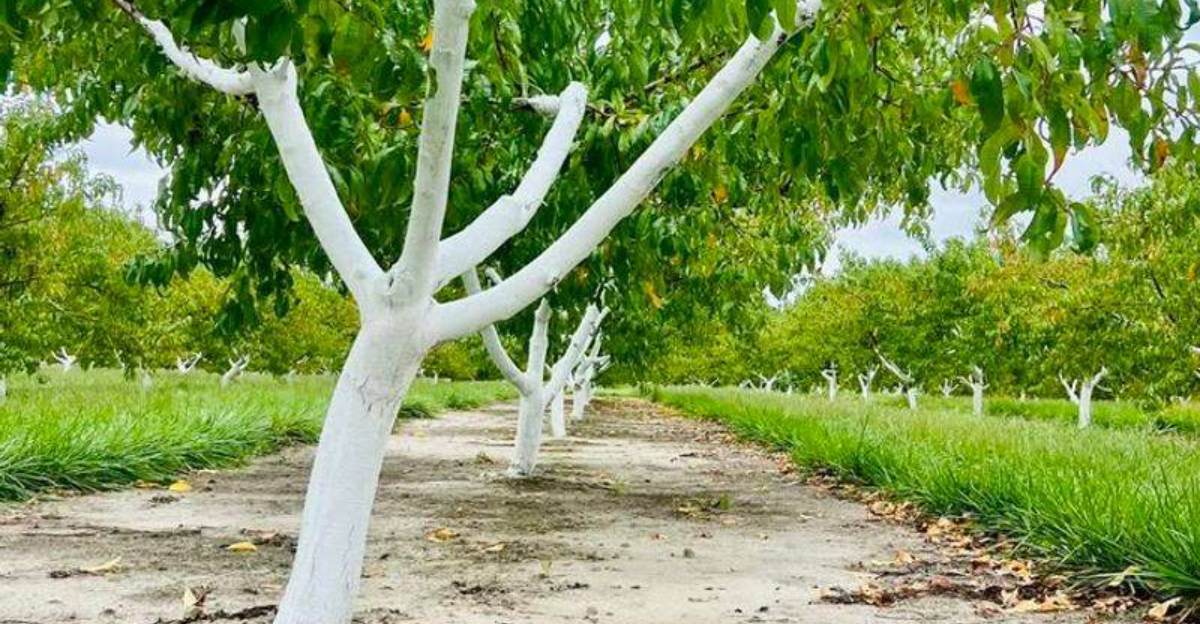
Arizona sun is intense, and while it fuels growth, it can also stress young or thin-barked fruit trees.
Sunburned trunks, cracked bark, and temperature fluctuations can stunt growth or invite pests. Surprisingly, one of the simplest solutions is literally a coat of paint.
It sounds odd, but a simple paint job can make a big difference for your trees! Applying a light-colored, water-based tree paint reflects harsh sunlight, regulates trunk temperature, and protects delicate bark from cracking.
It can also reduce frost damage during cold nights and deter some pests, giving fruit trees a stronger, healthier start.
This low-cost, easy technique safeguards your investment and promotes thriving, productive trees in Arizona’s challenging climate.
Sometimes, a little paint is all it takes to protect and strengthen your trees. With this simple practice, Arizona gardeners can enjoy healthier fruit trees, bigger harvests, and fewer headaches.
Protect your trees, boost growth, and keep your orchard thriving!
Prevents Severe Sunscald On Trunks And Branches
Arizona sunshine is legendary, but when it comes to fruit trees, that brilliant desert sun can quickly become a serious problem.
Exposed bark absorbs massive amounts of solar radiation, causing the tissue underneath to overheat and literally cook during the hottest months.
This condition, known as sunscald, damages the cambium layer—the living tissue just beneath the bark that transports water and nutrients throughout the tree.
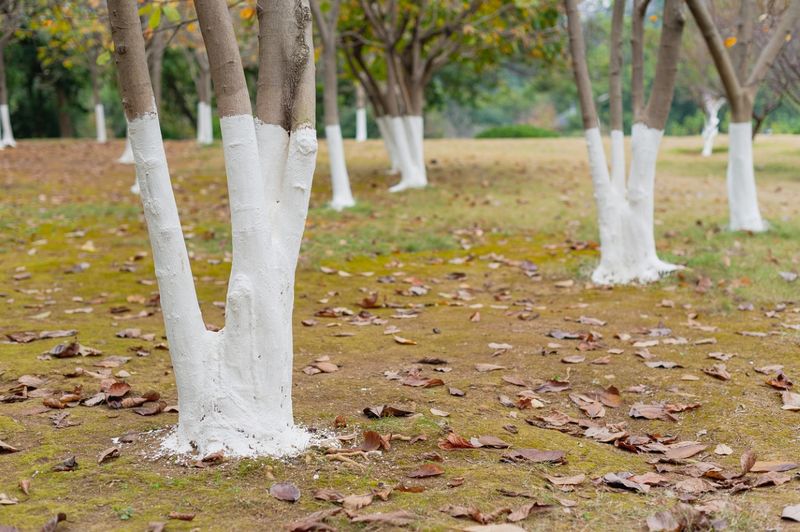
White tree paint acts like sunscreen for your fruit trees, reflecting up to 70 percent of the sun’s rays before they can penetrate the bark.
This reflection keeps the trunk surface considerably cooler, preventing the tissue damage that leads to cracking, peeling, and eventual structural weakness.
Citrus, peach, apple, and apricot trees are particularly vulnerable to this kind of injury in Arizona’s relentless summer heat.
The protective barrier created by paint is especially critical on the south and west sides of the trunk, where afternoon sun strikes with maximum intensity.
By maintaining cooler bark temperatures, painted trees avoid the stress that weakens their immune systems and opens them up to disease.
A simple coat applied in early spring provides season-long protection that helps your fruit trees maintain their vigor and continue producing delicious harvests despite the challenging climate conditions.
Protects Young Trees With Thin, Vulnerable Bark
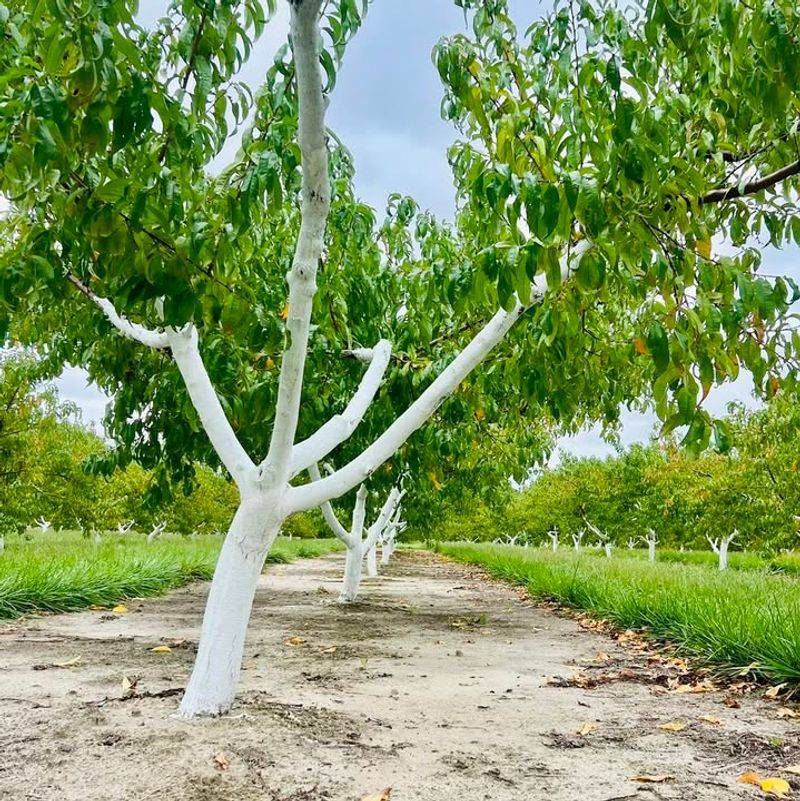
Newly planted fruit trees face an uphill battle in Arizona, and their tender bark is one of their biggest weaknesses during those critical first years.
Unlike mature trees with thick, corky bark that provides some natural insulation, young saplings have smooth, thin bark that offers almost no protection against the desert’s extreme conditions.
This vulnerability makes them prime candidates for sun injury that can set back their growth or even compromise their long-term health.
Painting young fruit trees immediately after planting gives them a fighting chance to establish strong root systems without the added stress of bark damage.
The white coating shields their delicate tissues from temperature extremes while they focus their energy on growing deep roots and developing structural strength.
This early protection can shave months off the establishment period, helping your investment pay off sooner with faster growth and earlier fruit production.
Many Arizona nurseries now paint their young fruit trees before selling them, but if yours arrives unpainted, make it your first priority after planting.
The protection is especially important during that vulnerable first summer when the young tree is still adjusting to its new location and hasn’t yet developed the resilience of a mature specimen.
This simple step dramatically improves survival rates and sets the stage for decades of productive growth.
Reduces Extreme Day–Night Temperature Stress
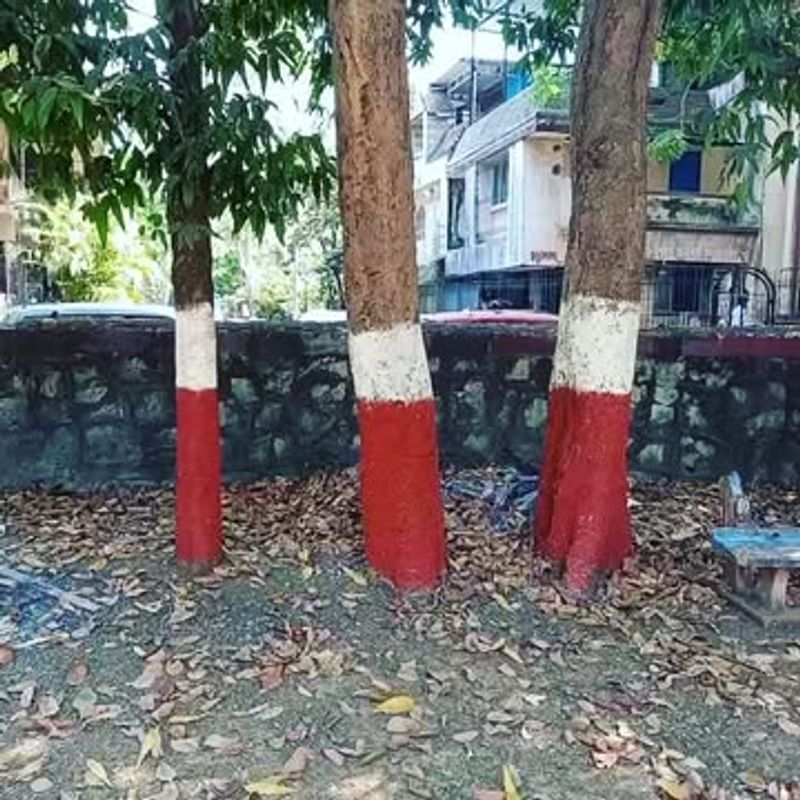
Arizona’s temperature swings are nothing short of dramatic, with bark surfaces that bake at 140 degrees during the day plummeting to 60 or 70 degrees after sunset.
These rapid fluctuations force the living tissues inside the trunk to expand and contract repeatedly, creating mechanical stress that weakens cell walls and disrupts the flow of water and nutrients.
Over time, this constant stress accumulates, leaving trees exhausted and struggling to maintain normal growth patterns.
White paint moderates these wild temperature swings by reflecting daytime heat and providing a buffer layer that slows nighttime cooling.
This thermal stability means the bark experiences gentler, more gradual temperature changes that the tree can handle without suffering cellular damage.
The result is a healthier cambium layer that can focus on growth and fruit production rather than constantly repairing stress-related injuries.
Research from desert agricultural programs shows that painted trunks maintain temperatures that are 10 to 15 degrees cooler during peak afternoon heat compared to unpainted bark.
This seemingly small difference translates into significantly less physiological stress over the course of a growing season.
Trees that aren’t constantly battling temperature extremes develop stronger wood, better branching structure, and more reliable fruiting habits, making the simple act of painting one of the most effective interventions available to Arizona orchardists.
Prevents Winter Bark Splitting After Sunny Days
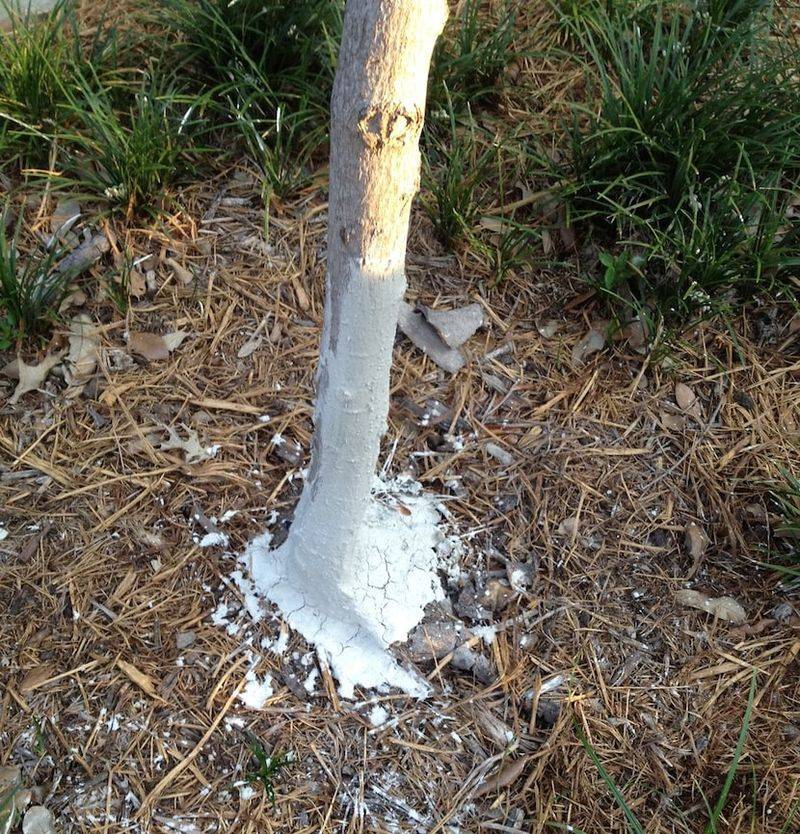
Winter in Arizona brings its own set of challenges that catch many gardeners by surprise, particularly the combination of bright, warm days followed by freezing nights.
When winter sunshine heats the bark on a clear January afternoon, the tissue warms and becomes active, only to be shocked by plummeting temperatures after sunset.
This freeze-thaw cycle causes the bark to split vertically, creating wounds that take months to heal and provide entry points for diseases and pests.
Painted trunks stay cooler during those deceptively warm winter days, preventing the tissue from warming enough to break dormancy.
By maintaining more stable temperatures throughout the day-night cycle, the paint keeps the bark in a consistent dormant state that resists cracking.
This protection is particularly valuable for stone fruits like peaches, plums, and cherries, which are notoriously susceptible to winter bark splitting in climates with temperature extremes.
The vertical cracks that develop without this protection can extend several feet up the trunk and take years to fully compartmentalize and heal over.
During that healing period, the tree must divert precious energy away from fruit production to seal the wound and prevent infection.
A coat of white paint applied in late fall provides insurance against this preventable damage, ensuring your fruit trees emerge from winter in prime condition and ready for spring growth.
Discourages Trunk Borers And Bark-Chewing Insects
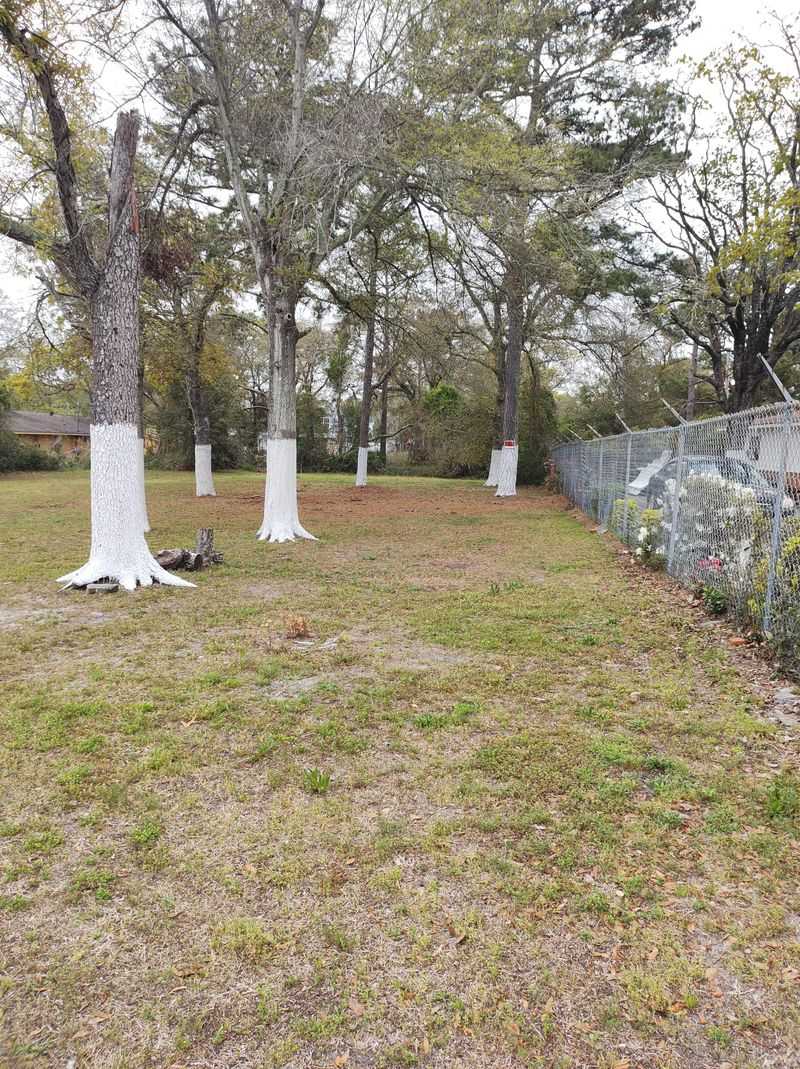
Insect pests are always on the lookout for stressed trees, and in Arizona’s harsh climate, unpainted fruit trees send out signals that attract trouble.
Flatheaded borers, bark beetles, and other destructive insects can detect the heat signatures and chemical stress signals from overheated, sun-damaged bark.
Once these pests establish themselves in the trunk, they tunnel through the cambium layer, disrupting nutrient flow and potentially girdling the tree.
Reflective white paint creates a physical and visual barrier that makes trunks less appealing to these opportunistic invaders.
The cooler bark temperatures mean the tree isn’t broadcasting the stress signals that attract borers in the first place.
Additionally, many insects prefer to lay eggs on dark, warm surfaces, and the bright white coating disrupts their normal host-selection behavior, sending them in search of more suitable targets.
This pest-deterrent effect is particularly valuable during the warm months when borer activity peaks and when trees are already stressed by heat and drought.
By reducing the insect pressure on your fruit trees, painting helps them maintain the energy reserves needed for growth and fruit production.
The protection isn’t foolproof—severely stressed trees can still attract pests despite painting—but healthy, painted trees enjoy significantly lower pest pressure compared to their unpainted counterparts struggling with sun damage and temperature stress.
Helps Trees Recover After Pruning Or Training
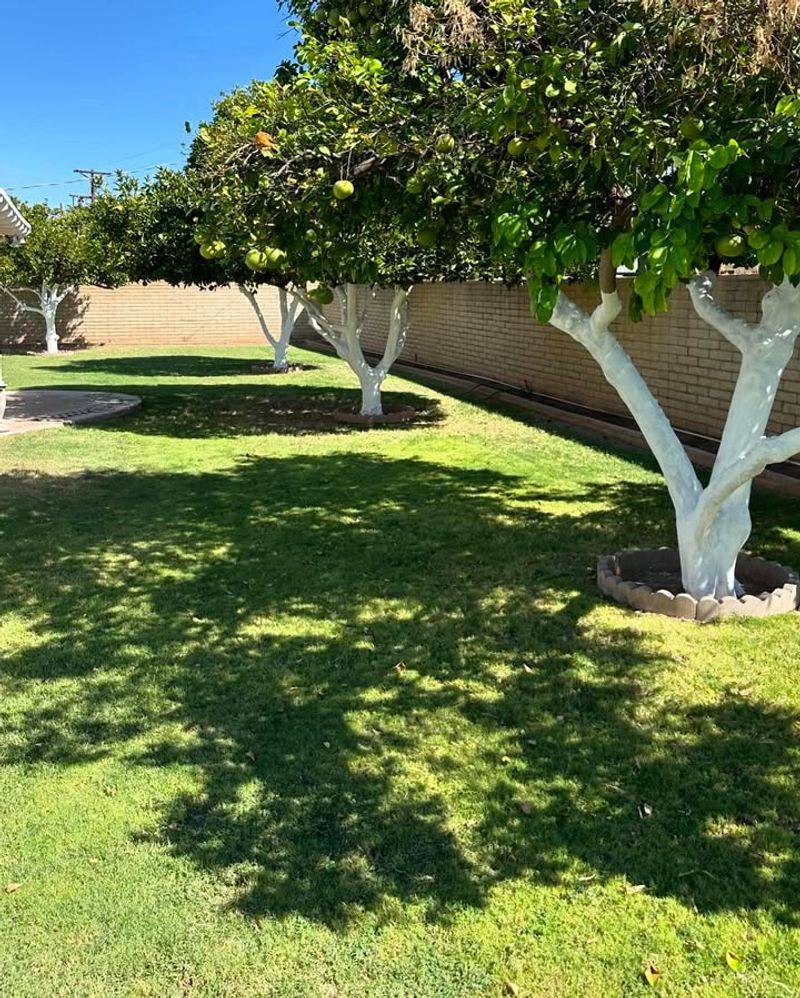
Pruning is essential for fruit tree health and productivity, but in Arizona, it creates a temporary vulnerability that requires extra attention.
When you remove branches or perform structural training, you expose bark that has been shaded for years to sudden, intense sunlight.
This newly exposed tissue lacks the protective pigmentation and toughness of bark that has gradually acclimated to sun exposure, making it extremely susceptible to sunscald and cracking within days of pruning.
Applying white paint immediately after pruning gives that vulnerable bark the protection it needs while it develops natural sun tolerance.
This is especially important when thinning the canopy, removing large limbs, or training young trees into open vase or espalier forms that expose more trunk surface.
The paint acts as a temporary shield, buying the tree time to thicken its bark and increase protective compounds without suffering damage in the meantime.
Professional orchardists in Arizona consider post-pruning painting an essential part of tree maintenance rather than an optional step.
The practice is particularly critical after summer pruning, which is sometimes necessary to control vigorous growth but exposes bark during the most intense heat.
By protecting these vulnerable areas, you ensure that your careful pruning work translates into better tree structure and fruit production rather than creating new problems that undermine your efforts.
Extends The Productive Life Of Mature Fruit Trees
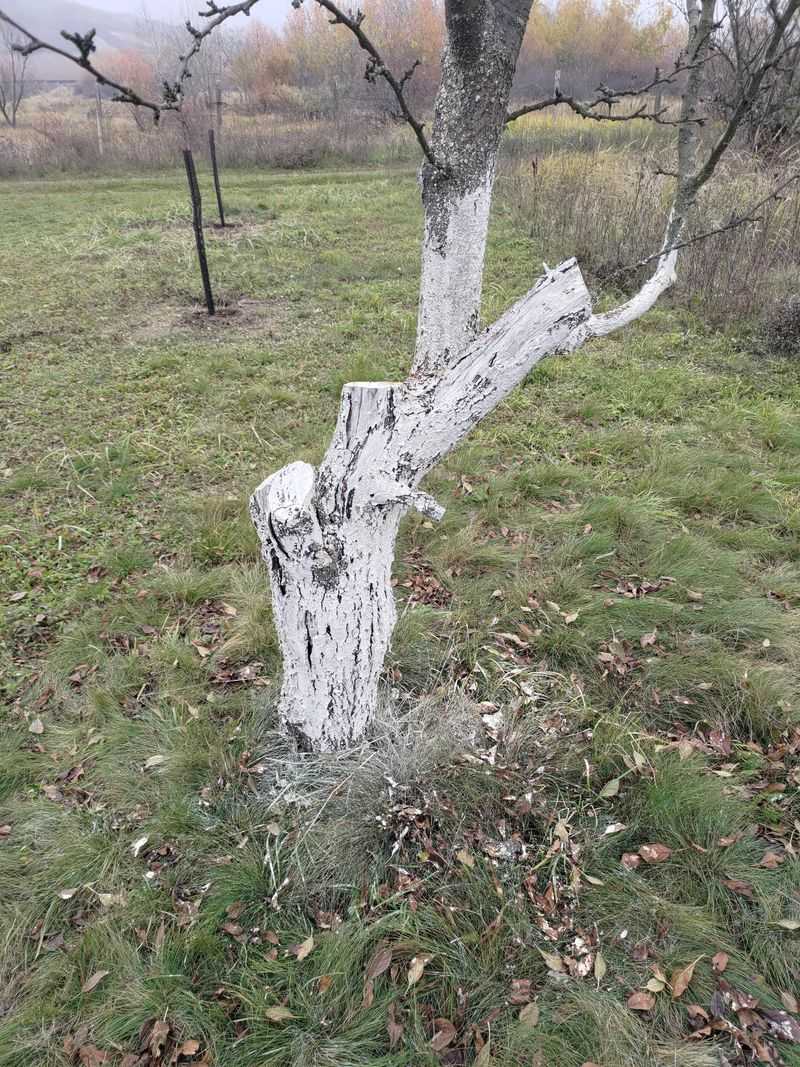
Mature fruit trees represent years of patient care and investment, and protecting that investment becomes increasingly important as trees age.
Older bark naturally becomes more brittle and less resilient, making established trees surprisingly vulnerable to sun damage despite their size and apparent vigor.
Cumulative damage from years of temperature extremes and sun exposure can catch up with even the toughest specimens, leading to declining productivity and structural problems.
Painting mature trees provides ongoing protection that helps them maintain their productive capacity well into their golden years.
The practice is particularly valuable for heritage varieties or specialty fruits that took years to reach full production and would be costly and time-consuming to replace.
By preventing additional bark damage, you allow the tree to focus its resources on fruit production rather than constantly repairing sun-related injuries.
Many Arizona gardeners paint only young trees and then stop once the canopy fills in, but continuing the practice throughout the tree’s life pays dividends in longevity and consistent harvests.
Older trees with thick, corky bark still benefit from the temperature moderation that paint provides, especially on the trunk and major scaffold branches.
This ongoing care can add a decade or more to a tree’s productive lifespan, maximizing your return on the space, water, and effort invested in your home orchard.
Improves Overall Tree Health And Fruit Production
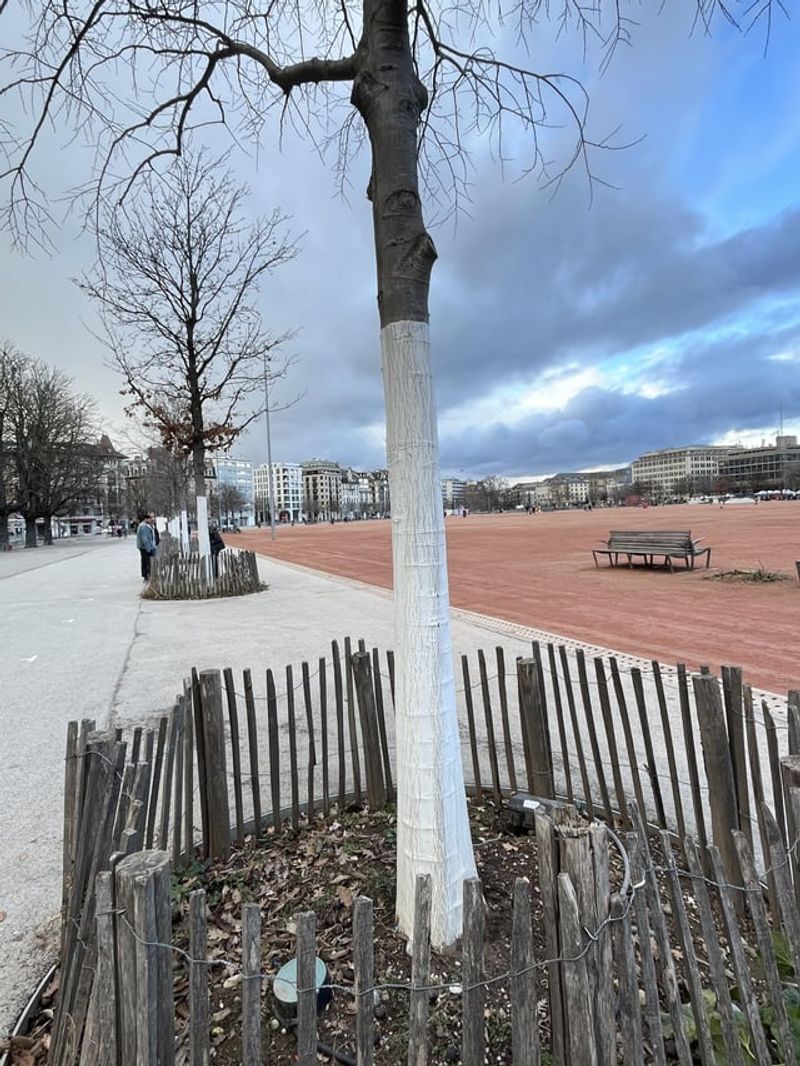
Tree physiology is all about energy allocation, and every calorie spent repairing damage is a calorie that can’t go toward growth, flowering, or fruit development.
When fruit trees struggle with sun-damaged bark, temperature stress, and pest pressure, they operate in survival mode rather than thriving mode.
This chronic stress shows up as smaller fruit, reduced yields, inconsistent production from year to year, and general lack of vigor that’s frustrating for gardeners who are doing everything else right.
Protecting the trunk with white paint removes multiple stressors simultaneously, allowing the tree to redirect its energy toward the outcomes you actually want.
Trees that aren’t constantly healing bark damage produce more flowers, set more fruit, and grow more vigorously because their resources aren’t being diverted to emergency repairs.
The improvement in overall health often becomes apparent within a single growing season, with painted trees showing noticeably better leaf color, stronger shoot growth, and heavier fruit set.
This holistic benefit is why painting remains popular among serious fruit growers despite being a somewhat labor-intensive practice.
The return on investment is visible in every aspect of tree performance, from the quality of the fruit to the tree’s ability to bounce back from occasional neglect or extreme weather events.
Healthy trees are also more resilient during droughts and better able to resist diseases, creating a positive cycle where that initial coat of paint continues paying dividends year after year.
It’s One Of The Cheapest, Most Effective Tree-Care Steps
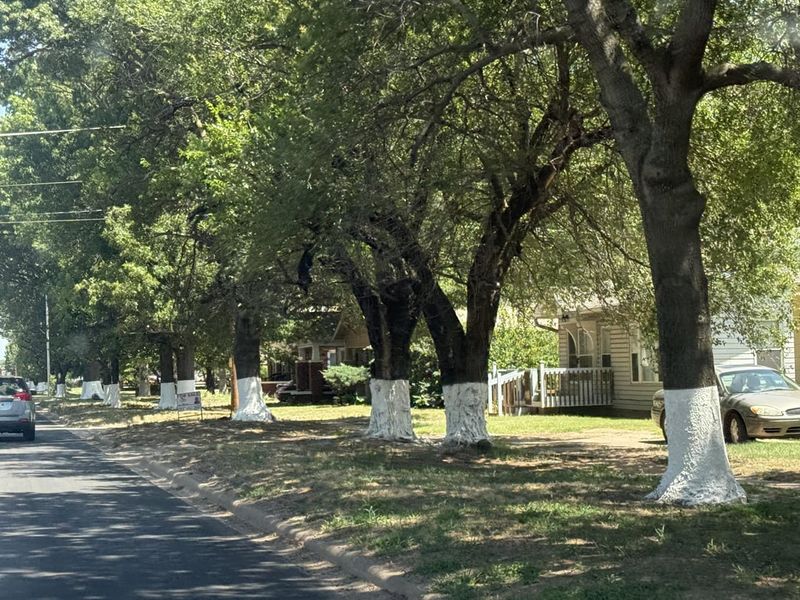
Gardening can be an expensive hobby, especially when you factor in soil amendments, fertilizers, pest controls, and irrigation systems.
But tree painting stands out as a rare practice that delivers outsized benefits for minimal investment.
A gallon of white latex paint diluted with water can protect a dozen or more trees, costing just a few dollars per tree for protection that lasts an entire growing season or longer.
The simplicity of application makes this practice accessible to gardeners of all skill levels, requiring nothing more than a paintbrush or sprayer and an hour or two of time.
There’s no complicated timing to worry about, no mixing ratios to calculate precisely, and no special equipment to purchase or maintain.
Many Arizona growers use leftover interior paint from home projects, making the actual cost close to zero while still providing professional-grade protection for their orchards.
When you consider the cost of replacing a fruit tree that succumbs to sun damage or the lost production from stressed trees that bear poorly, the economics become even more compelling.
A single year of reduced harvest easily exceeds the trivial cost of painting, and the cumulative benefits over a tree’s lifetime represent exceptional value.
This combination of effectiveness, affordability, and simplicity explains why trunk painting has remained a cornerstone practice among Arizona fruit growers for generations, passed down as essential wisdom that newcomers quickly learn to appreciate.