How And Why Michigan Gardeners Pre-Sprout Seeds For Faster Growth
Michigan gardeners know that getting a head start on the growing season can make all the difference. Pre-sprouting seeds is a simple technique that encourages faster germination and stronger seedlings, giving plants an early boost before they go into the garden.
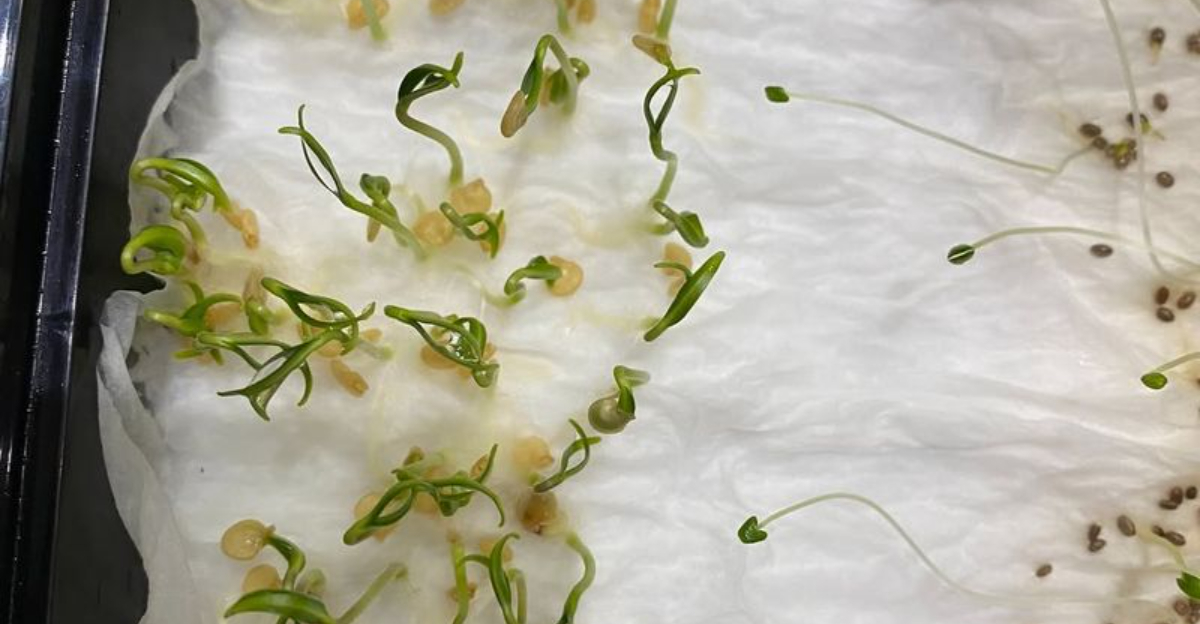
Start your seeds early and watch your garden flourish sooner than expected. Pre-sprouting involves soaking seeds or placing them in damp paper towels to encourage root and shoot development before planting.
This method helps gardeners identify viable seeds, reduces wasted space, and ensures more uniform growth. It is especially useful for cool-weather crops or varieties with longer germination times.
Pre-sprouted seeds grow faster, stronger, and with greater success in the garden.
Michigan gardeners who use this technique enjoy earlier harvests, healthier plants, and a smoother transition into the full growing season. Give your garden a head start by pre-sprouting seeds for success.
It Shortens Michigan’s Cool-Season Planting Delay
Michigan’s spring weather can be notoriously slow to warm, leaving garden soil too cold for most seeds to germinate properly.
Many crops need soil temperatures of at least 50 to 60 degrees Fahrenheit to sprout reliably, but Michigan ground often stays chilly well into May, especially in northern counties.
Pre-sprouting seeds indoors allows gardeners to bypass this frustrating waiting period entirely.
By placing seeds in a warm, controlled environment inside the house, germination begins weeks earlier than it would outdoors.
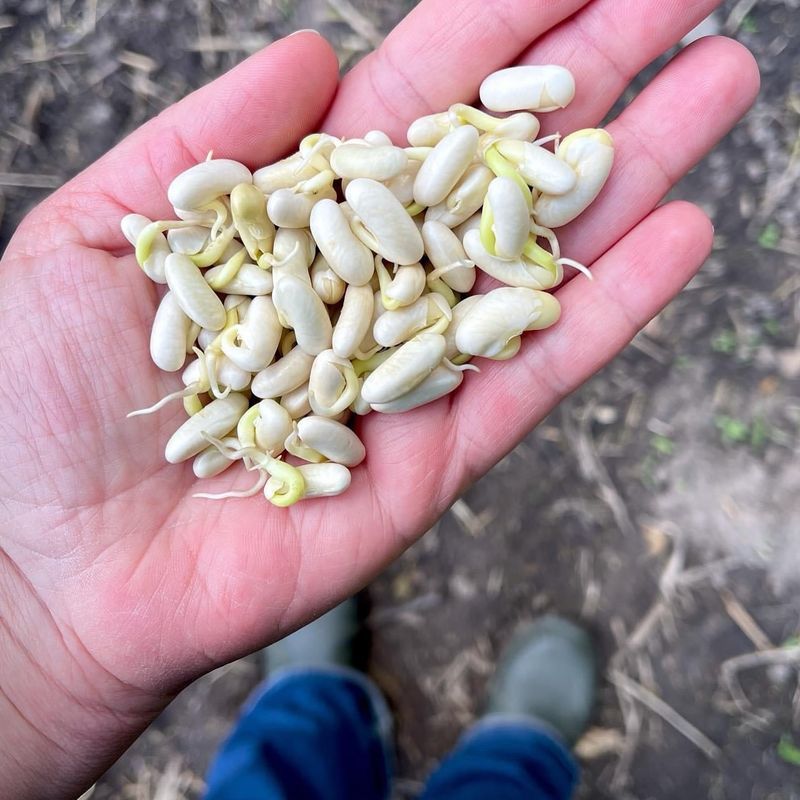
Once the tiny roots and shoots appear, these pre-sprouted seeds can be carefully transplanted into garden beds as soon as the danger of hard frost passes.
This head start means plants establish faster and begin producing fruit or vegetables sooner. For Michigan gardeners working within USDA Zones 4 through 6, every extra week of growth matters tremendously.
Pre-sprouting effectively extends the growing season by giving plants a jump on development before outdoor conditions become favorable.
Instead of waiting for the soil to cooperate, gardeners take control by starting the process indoors, ensuring their plants are ready to thrive the moment transplanting becomes possible.
It Improves Germination Reliability In Cold Climates
Unpredictable spring weather in Michigan can make direct seeding a gamble, with temperatures swinging wildly between warm afternoons and frosty nights.
Seeds planted directly into garden soil may sit dormant for days or even weeks if conditions remain too cold or inconsistent.
Pre-sprouting eliminates this uncertainty by providing seeds with stable warmth and moisture indoors.
Inside the home, gardeners can maintain ideal conditions that encourage rapid germination without the risk of sudden temperature drops.
A consistent 70 to 75 degrees Fahrenheit, combined with steady moisture levels, allows seeds to sprout predictably and vigorously.
This controlled environment means fewer surprises and better success rates compared to hoping outdoor weather will cooperate.
Michigan’s spring often brings unexpected cold snaps that can halt or damage germination attempts outdoors. Pre-sprouting protects seeds during this vulnerable early stage, ensuring they develop strong roots and shoots before facing the elements.
Once transplanted, these hardy seedlings are better equipped to handle minor temperature fluctuations because they’ve already established their initial growth.
This reliability is especially valuable for gardeners who want to maximize their harvest in a region where the growing season is naturally limited.
Gardeners Use Damp Paper Towels Or Seed Trays
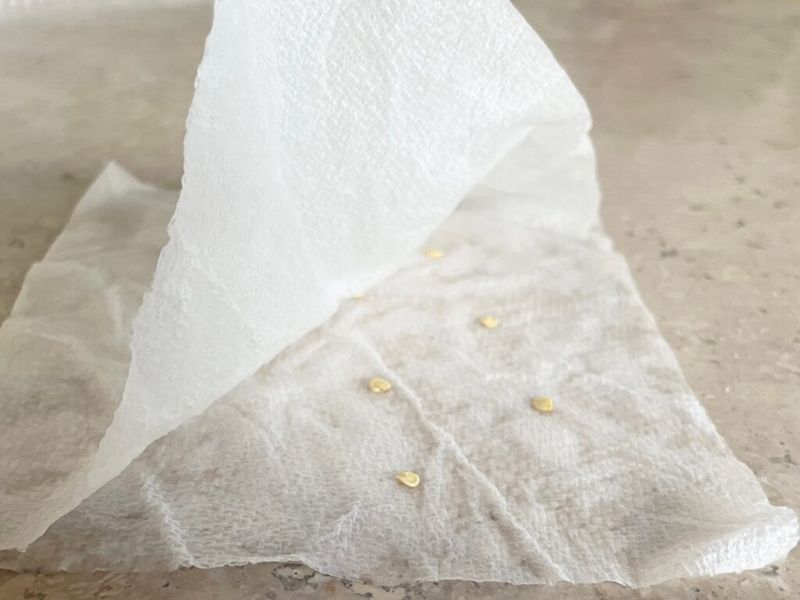
Pre-sprouting doesn’t require fancy equipment or expensive supplies, making it accessible for gardeners of all experience levels. The paper towel method is incredibly popular because it’s simple and effective.
Gardeners place seeds between layers of damp paper towels, then seal them inside a plastic bag or container to maintain humidity while keeping the setup in a warm spot.
Checking the paper towels daily ensures they stay moist but not waterlogged, as too much water can cause seeds to rot instead of sprout.
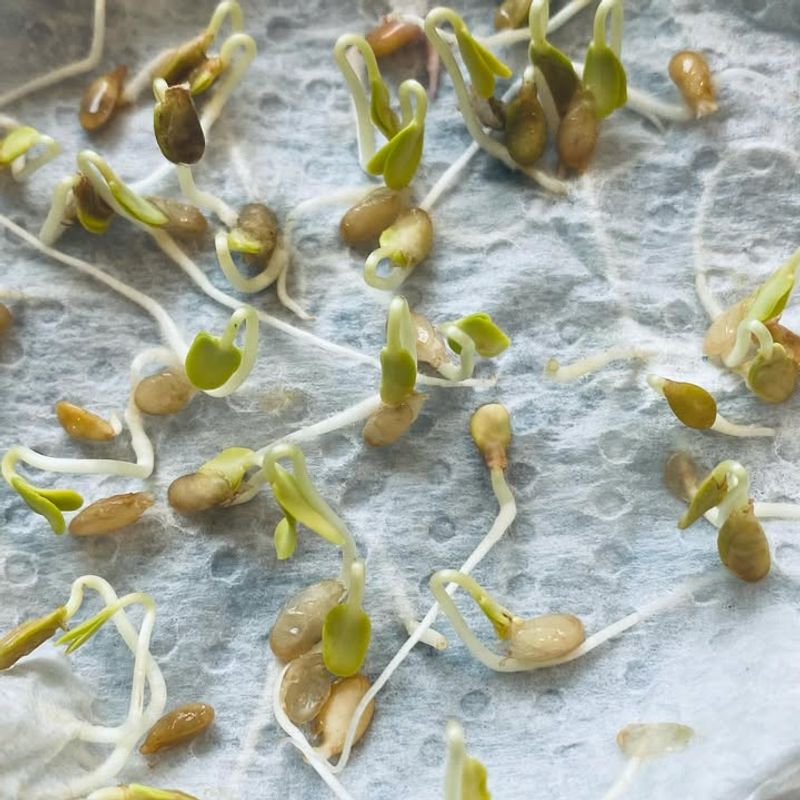
Within a few days to a week, depending on the seed type, tiny roots and shoots begin to emerge. Once sprouts reach about a quarter inch in length, they’re ready for careful transplanting into soil.
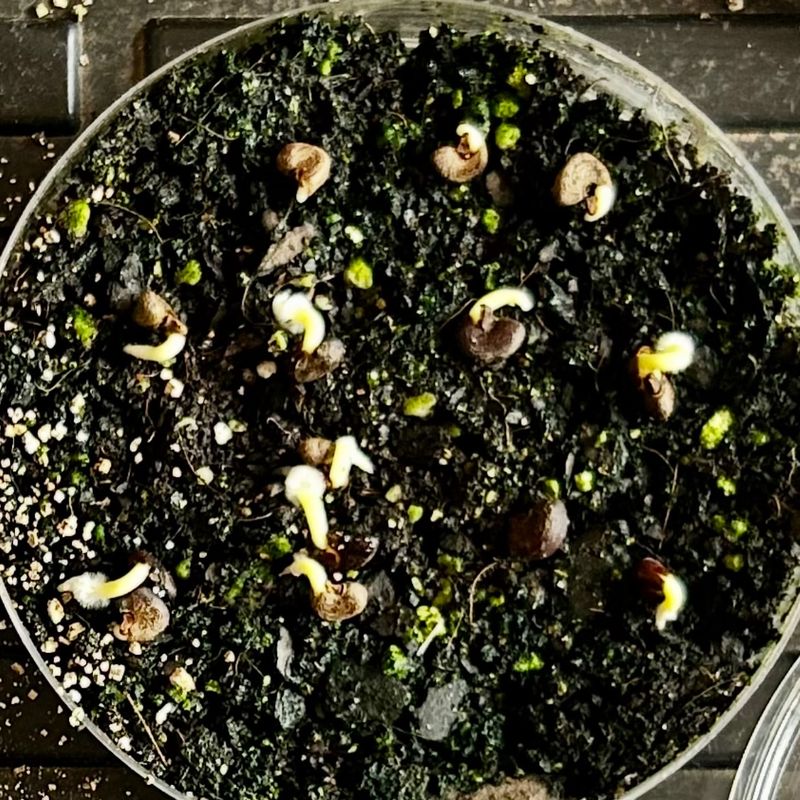
Shallow seed trays filled with moistened seed-starting mix offer another excellent pre-sprouting option. This method allows seeds to develop in a medium closer to their final growing environment while still benefiting from indoor warmth and protection.
Gardeners can monitor progress easily and transplant seedlings with minimal root disturbance.
Both techniques give Michigan gardeners flexibility in how they prepare seeds, and many experiment with both methods to see which works best for different crops and personal preferences.
It Helps Identify Strong Seeds Before Planting
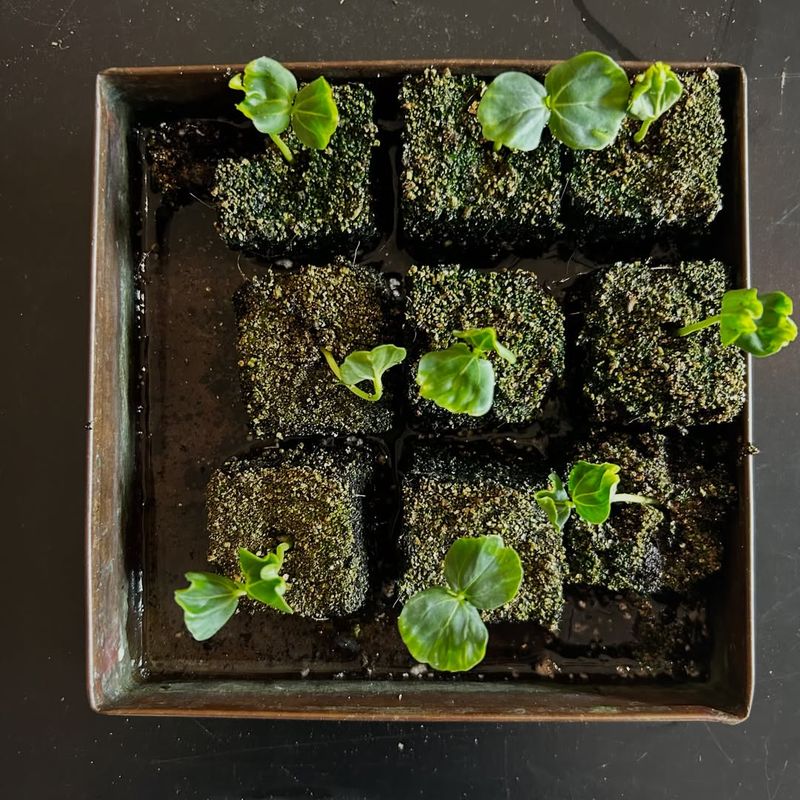
Not every seed in a packet will germinate successfully, and discovering this after planting wastes valuable garden space and time.
Pre-sprouting acts as a quality control step, allowing gardeners to see which seeds have the vigor to grow before committing them to the garden.
Seeds that fail to sprout indoors simply won’t make it into the ground, saving effort and disappointment later. This selection process is particularly helpful when working with older seed packets or varieties that may have lower germination rates.
By observing which seeds develop strong roots and shoots quickly, gardeners can choose only the healthiest specimens for transplanting.
This ensures every spot in the garden bed is occupied by a plant with the best chance of thriving and producing well.
For Michigan gardeners dealing with limited growing space or short seasons, this efficiency matters enormously.
Raised beds, containers, and small urban gardens benefit especially from this approach because every plant counts. Rather than sowing multiple seeds per spot and thinning later, pre-sprouting allows precise placement of proven performers.
This method also helps gardeners make the most of premium or heirloom seeds, ensuring none are wasted on unsuccessful planting attempts that could have been avoided with a simple indoor germination test.
It Speeds Up Emergence After Outdoor Transplanting
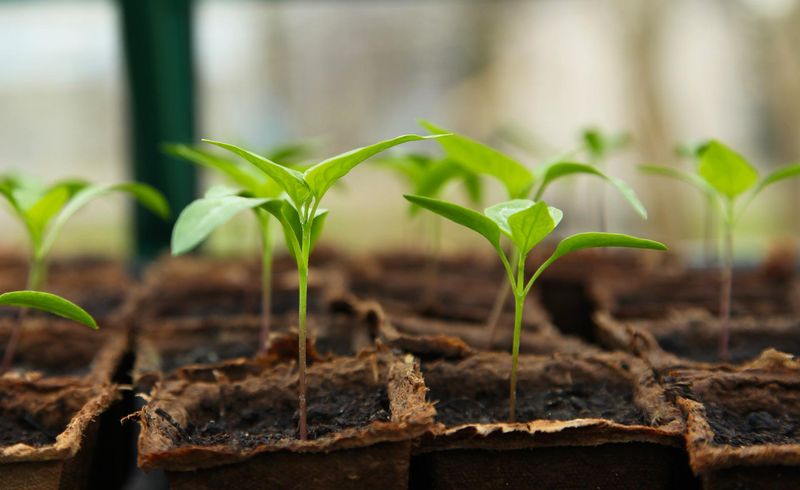
Transplanting pre-sprouted seeds into garden soil dramatically reduces the time it takes for seedlings to appear above ground.
Seeds planted directly outdoors must first absorb moisture, swell, break through their seed coat, and then push through the soil, all while contending with cool temperatures that slow every step.
Pre-sprouted seeds have already completed the initial germination stages indoors, so they emerge much faster once placed in the garden. Michigan’s spring soil temperatures often hover in the 50s, which is marginal for many warm-season crops.
Even when conditions are technically warm enough for germination, the process happens slowly compared to the rapid development seeds experience in a 70-degree indoor environment.
Pre-sprouted seedlings can break through the soil surface in just a few days rather than the week or two that direct-seeded plants might require. This quick emergence offers several advantages beyond simple speed.
Faster-growing seedlings spend less time vulnerable to pests, weather damage, and competition from weeds. They also begin photosynthesizing and building energy reserves sooner, which translates to stronger plants throughout the growing season.
For Michigan gardeners eager to see results and make the most of their limited frost-free days, this accelerated timeline makes pre-sprouting an invaluable technique.
It Works Especially Well For Slow-Germinating Crops
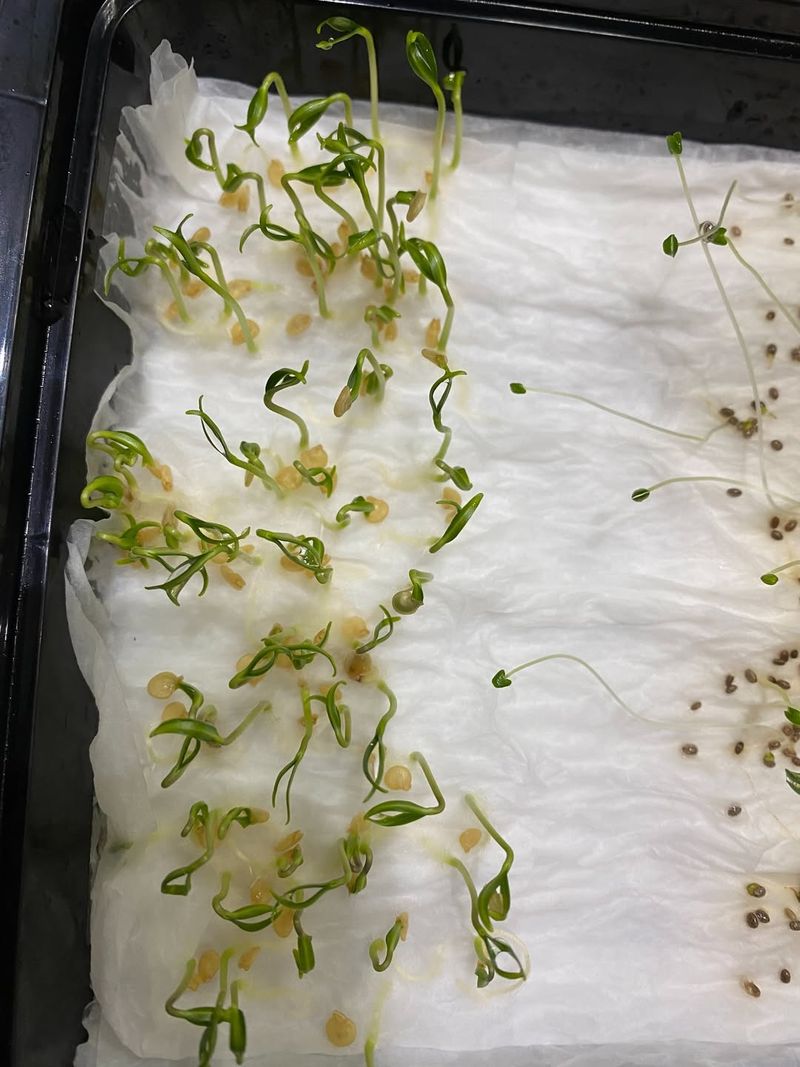
Some vegetables are notoriously slow to germinate, taking anywhere from ten days to three weeks under ideal conditions—and even longer when Michigan’s cool spring weather slows things down.
Peppers, tomatoes, squash, cucumbers, and melons all fall into this category, making them perfect candidates for pre-sprouting.
These warm-season crops struggle in cold soil, often sitting dormant or developing poorly when direct-seeded too early.
Pre-sprouting gives these sluggish seeds the warm, moist conditions they crave, jumpstarting growth that would otherwise lag outdoors.
Peppers especially benefit because they can take two weeks or more to germinate even in warm soil, and Michigan gardens often don’t reach optimal temperatures until late May or early June.
By pre-sprouting indoors in April, gardeners can have vigorous seedlings ready to transplant as soon as the frost danger passes.
Tomatoes, though slightly faster, still appreciate the head start, particularly in northern Michigan where the growing season is shortest.
Cucumbers, squash, and melons also respond beautifully to pre-sprouting, developing strong root systems indoors before facing the challenges of outdoor life.
This technique transforms slow starters into robust plants that make the most of Michigan’s limited warm months, ultimately leading to earlier harvests and more productive gardens overall.
It Helps Gardeners Avoid Soil Crusting Issues
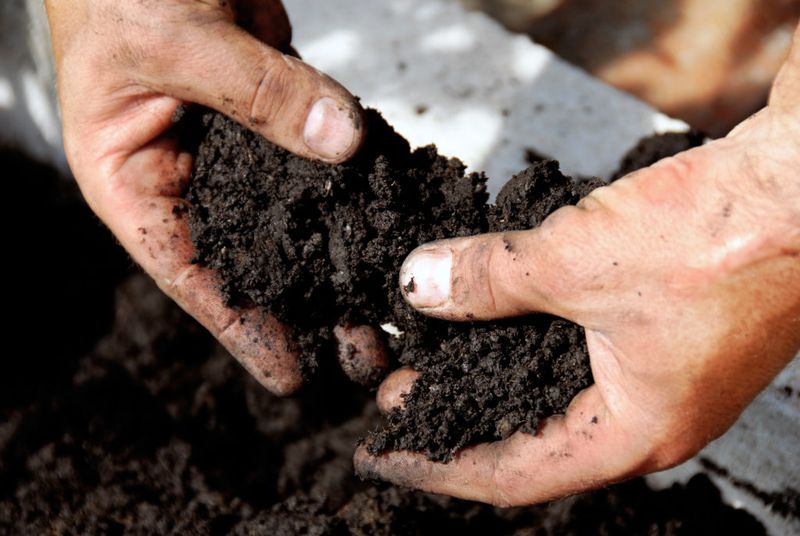
Spring rains are common throughout Michigan, and while moisture is essential for gardens, heavy downpours can create a hard crust on the soil surface.
This crusty layer forms when rain compacts fine soil particles, which then dry into a tough barrier that makes it extremely difficult for delicate seedlings to push through.
Many gardeners have experienced the frustration of watching germination rates plummet because emerging shoots simply couldn’t break through this hardened surface. Pre-sprouting offers an elegant solution to this problem.
Instead of relying on tiny, fragile shoots to battle through crusty soil, gardeners can transplant already-sprouted seedlings that are stronger and more developed.
These transplants can be placed into soil that’s been freshly loosened or amended, giving them a much easier path to the surface. The roots are already established, and the shoots are sturdy enough to handle minor obstacles.
This advantage is particularly important for crops with small seeds like carrots or lettuce, though pre-sprouting works differently for those direct-sown varieties.
For larger-seeded crops that transplant well, avoiding the crusting issue means better establishment rates and healthier plants.
Michigan gardeners who’ve struggled with poor emergence after spring storms find that pre-sprouting eliminates one of the most common obstacles to successful seed starting.
It Allows Better Timing With Frost-Free Dates
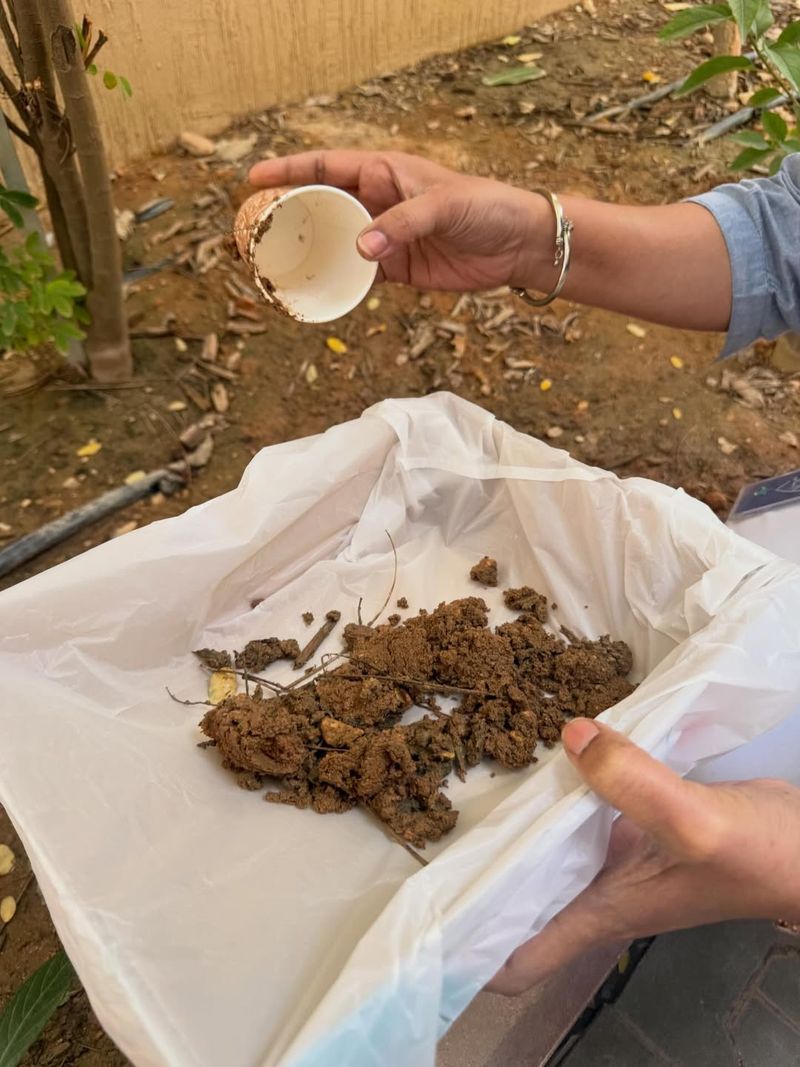
Michigan’s average last frost dates vary significantly across the state, ranging from mid-May in southern counties to early June in the Upper Peninsula.
Gardeners must carefully time their planting to avoid losing tender seedlings to unexpected cold snaps.
Pre-sprouting provides flexibility in this timing because seeds can begin germinating indoors several weeks before the outdoor planting window opens.
Southern Michigan gardeners might start pre-sprouting warm-season crops in mid-April, knowing their transplant date will likely fall around May 15th.
Meanwhile, northern gardeners can begin the same process in early May, targeting a late-May or early-June transplant date.
This staggered approach ensures that regardless of location, plants are ready to go into the ground at precisely the right moment for their specific region. Pre-sprouting also offers insurance against unseasonably cold springs.
If a late frost threatens, gardeners can simply keep their sprouted seeds indoors for a few extra days without significant setback, whereas direct-seeded crops would be at the mercy of the weather.
This control over timing helps Michigan gardeners maximize their growing season length while minimizing risk.
Plants go into the ground at the optimal moment with a head start already established, leading to healthier growth and better yields throughout the summer months.
It Reduces Seed Waste In Raised Beds And Containers
Raised beds and container gardens have become increasingly popular in Michigan, particularly in urban and suburban areas where space is at a premium.
These growing methods offer excellent drainage and soil control, but they also come with limited planting area.
Every square inch matters, making seed waste a genuine concern for gardeners who want to maximize their harvests from compact spaces.
Traditional direct seeding often requires planting multiple seeds per spot to ensure at least one germinates successfully. This approach wastes seeds and creates extra work when thinning becomes necessary.
Pre-sprouting eliminates this inefficiency by allowing gardeners to plant exactly one proven seedling per location, knowing with confidence that it will grow.
This precision is invaluable when working with expensive heirloom varieties or limited seed supplies. Container gardening especially benefits from this targeted approach.
A single large pot might only accommodate two or three plants, so each one must be a success. Pre-sprouting ensures that every container receives a vigorous, healthy seedling rather than gambling on direct-seeded germination.
Raised beds similarly benefit from precise spacing and guaranteed establishment.
Michigan gardeners who’ve adopted these space-efficient growing methods find that pre-sprouting perfectly complements their approach, delivering reliable results without wasted seeds, time, or precious growing space.