How Arizona Homeowners Keep Indoor Palms Healthy With Less Effort
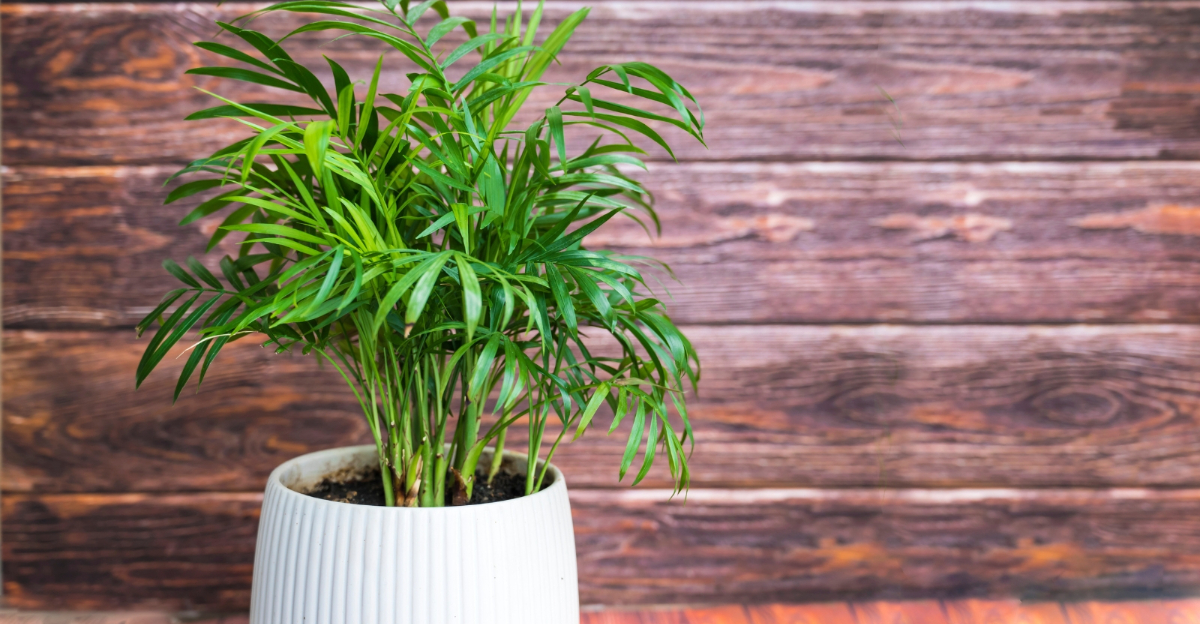
Indoor palms often struggle in Arizona homes not because they’re fragile, but because the indoor environment quietly works against them in ways that aren’t obvious at first.
Dry air, intense light through windows, and constant temperature control create stress long before leaves show it.
Many homeowners respond by watering more or moving the plant around, assuming effort is the missing piece.
What actually makes the biggest difference is understanding how palms react to Arizona’s indoor conditions and adjusting care in ways that reduce strain instead of adding work.
When those adjustments are in place, palms tend to stay greener and more balanced with far less attention.
The surprising part is that doing less often produces better results here. Palms respond best when their environment stays predictable rather than constantly corrected.
That’s why Arizona homeowners who get it right often find their indoor palms thriving without the constant upkeep they expected.
1. Choosing Palm Varieties That Handle Dry Indoor Air
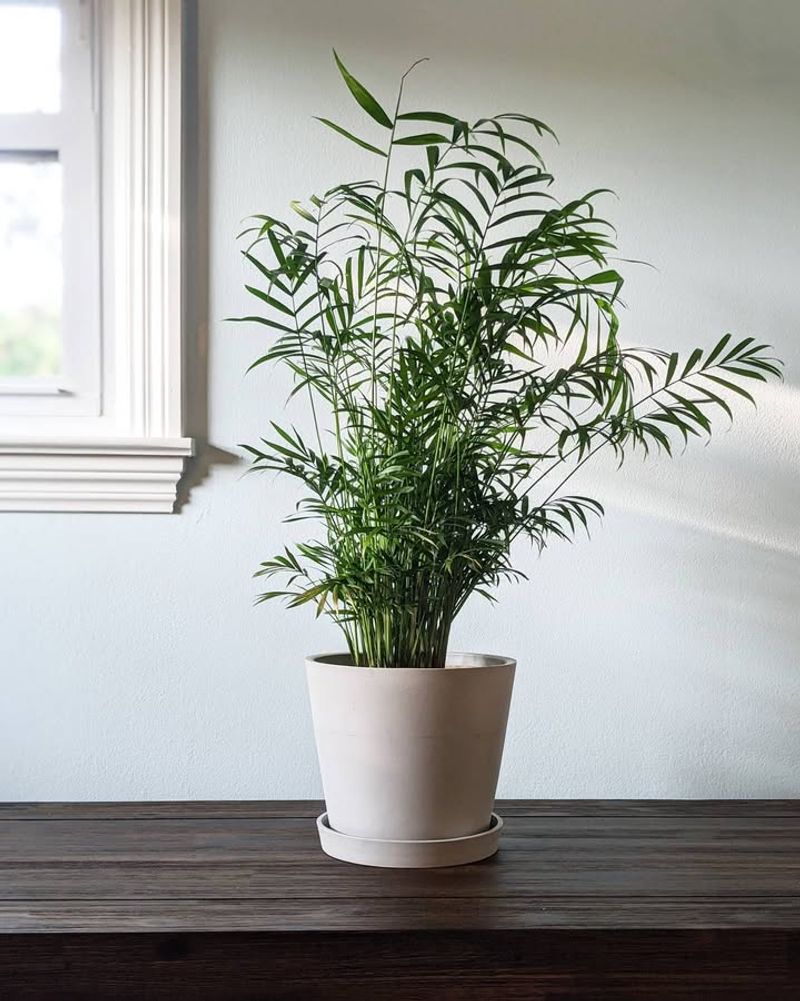
Not all palms respond well to the low humidity levels found in most Arizona homes. Some species naturally tolerate drier conditions better than others, which means less stress for both you and the plant.
Selecting the right variety from the start saves you from constant worry and extra work down the road.
Parlor palms are excellent for Arizona interiors because they adapt quickly to lower moisture levels. Their compact size and easygoing nature make them ideal for beginners.
These plants don’t demand frequent attention, so you can focus on other tasks around the house.
Areca palms also perform well in Arizona’s indoor environments, though they appreciate occasional humidity boosts. Their feathery fronds add elegance to any room without requiring daily fussing.
Many homeowners in the state prefer this variety for its forgiving personality.
Kentia palms are another top choice for dry climates. They grow slowly and remain healthy even when humidity dips lower than ideal.
This resilience makes them perfect for busy households.
Avoid palms that crave tropical moisture levels, like the delicate bamboo palm. These varieties struggle in Arizona’s arid conditions and demand more effort to maintain.
Picking a hardy species right from the beginning sets you up for long-term success.
2. Placing Palms Away From Harsh Direct Sun
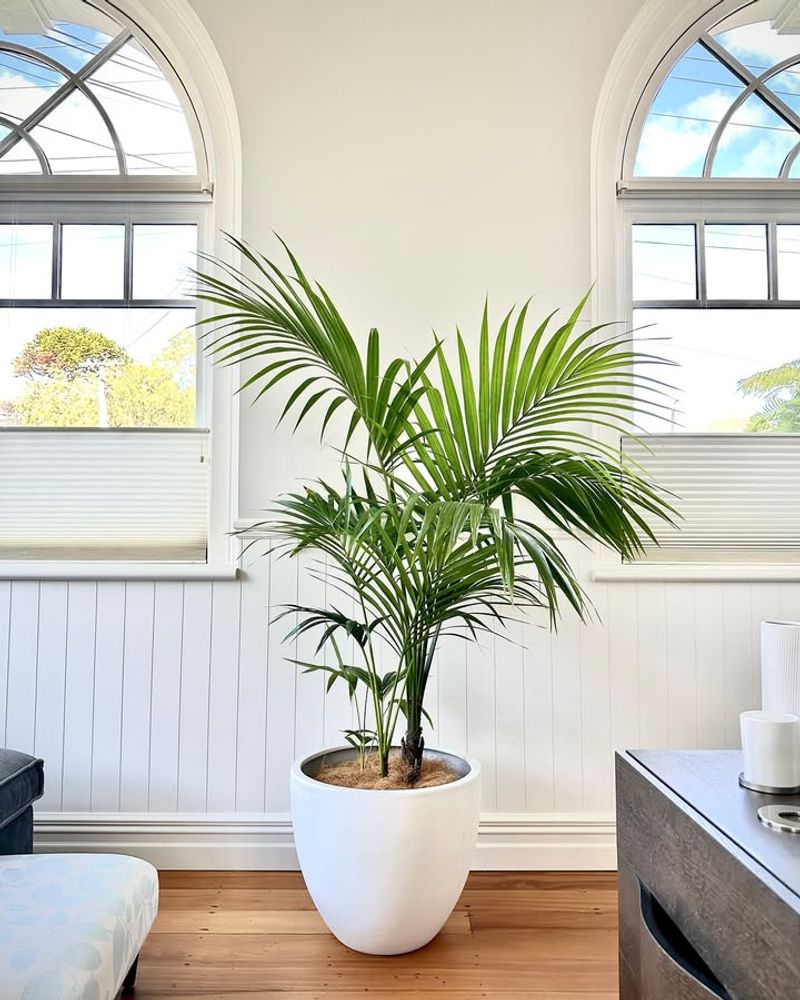
Arizona’s intense sunlight can scorch indoor palms faster than you might expect. Even through windows, the rays carry enough power to damage delicate fronds and cause unsightly brown spots.
Positioning your palm in the right spot protects it from unnecessary harm.
Bright, indirect light is the sweet spot for most indoor palm varieties. They need enough illumination to photosynthesize but not so much that their leaves burn.
A few feet back from a sunny window usually works perfectly.
South-facing windows in Arizona homes can be especially harsh during peak hours. The afternoon sun streaming through these openings often proves too strong for sensitive palm foliage.
Moving your plant to an east or north-facing window reduces the risk.
Sheer curtains offer an easy solution for filtering intense light. They soften the rays while still allowing plenty of brightness to reach your palm.
Many Arizona homeowners use this simple trick to create ideal conditions.
Watch your palm’s leaves for signs of sun stress. Yellowing or bleached tips indicate the light is too strong.
Adjusting the placement early prevents lasting damage.
Corner spots away from direct beams often provide the best environment. Your palm gets ambient light without facing the full force of Arizona’s powerful sun.
This positioning keeps the plant comfortable and healthy.
Rotating your palm occasionally ensures all sides receive even light. This practice promotes balanced growth and prevents the plant from leaning toward the window.
A quarter turn every few weeks does the trick.
3. Watering Only When The Top Soil Dries
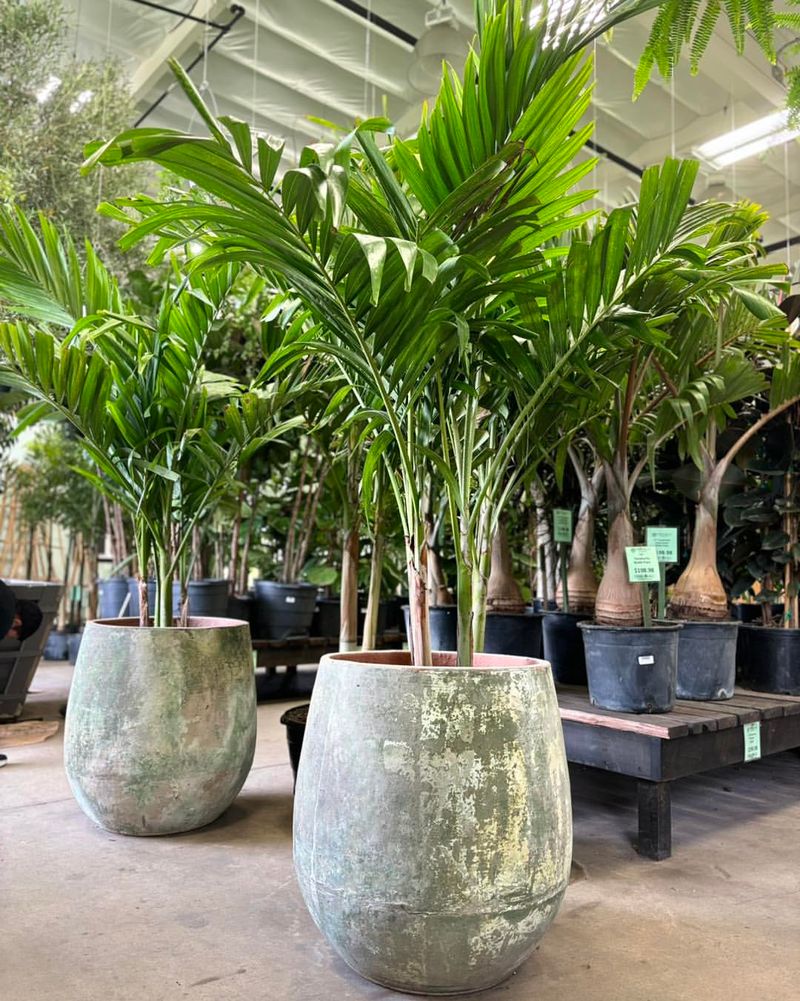
Overwatering is one of the biggest mistakes Arizona homeowners make with indoor palms. The temptation to water frequently can be strong, but palms actually prefer their soil to dry out slightly between sessions.
This approach prevents root problems and keeps your plant healthier overall.
Stick your finger about two inches into the soil to check moisture levels. If it feels dry at that depth, it’s time to water.
This simple test takes seconds and prevents guesswork.
Arizona’s low humidity means soil can dry out faster than in more humid climates. However, indoor conditions vary widely depending on your home’s ventilation and temperature.
Checking the soil ensures you’re responding to your specific environment.
When you do water, give the plant a thorough soaking until water drains from the bottom. This flushes out salts and ensures the entire root system gets moisture.
Then wait until the top layer dries again before repeating.
Palms in Arizona homes typically need watering once or twice a week during warmer months. In winter, when growth slows, you might water even less frequently.
The soil’s condition tells you exactly when it’s time.
Using a moisture meter offers another reliable method for Arizona homeowners. These inexpensive tools eliminate guesswork and help you develop a consistent routine.
They’re especially helpful if you’re new to palm care.
4. Using Pots That Drain Excess Water Easily
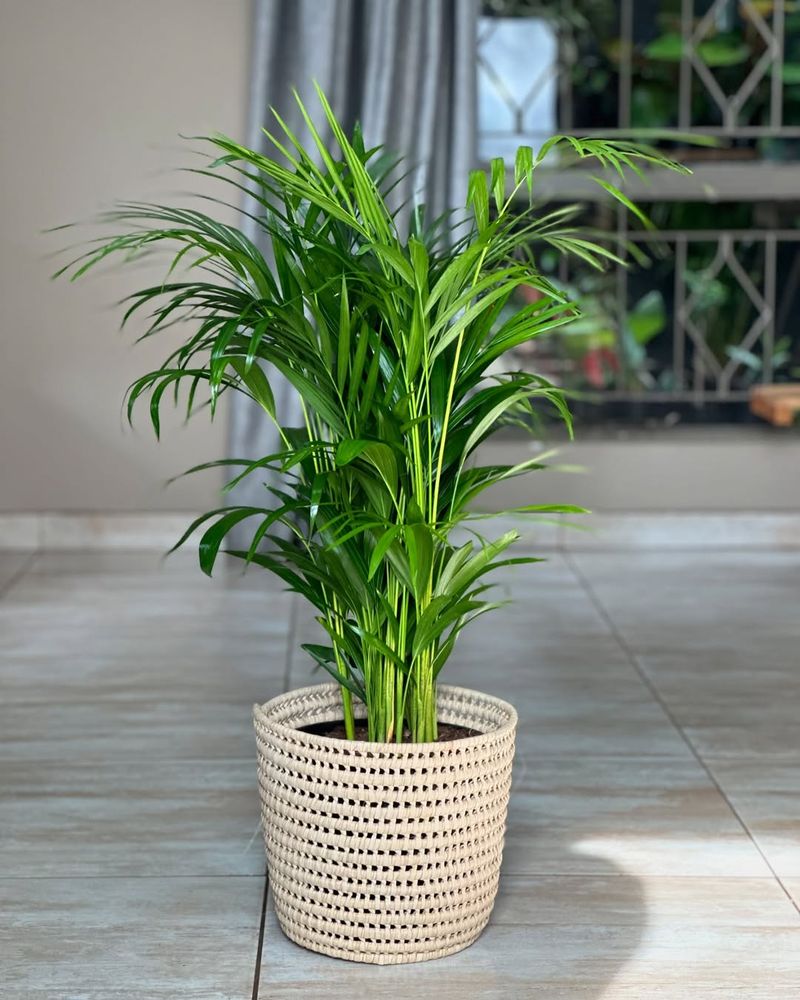
Proper drainage is absolutely essential for healthy indoor palms in Arizona homes. Without it, water accumulates around the roots and creates a host of problems.
The right container makes watering foolproof and eliminates one of the most common care challenges.
Choose pots with multiple drainage holes in the bottom. These openings allow excess water to escape quickly after each watering session.
Your palm’s roots stay moist but never waterlogged.
Ceramic and terracotta pots work exceptionally well in Arizona’s dry climate. These materials are porous and allow some moisture to evaporate through the sides.
They help regulate soil moisture levels naturally.
Plastic pots can also work if they have adequate drainage holes. They’re lighter and easier to move around, which some Arizona homeowners prefer.
Just make sure water can flow freely through the bottom.
Place a saucer underneath to catch drainage water and protect your floors. Empty this saucer within an hour of watering to prevent the roots from sitting in moisture.
This small step prevents big problems.
Adding a layer of pebbles or broken pottery pieces at the pot’s bottom improves drainage further. This material creates space for water to collect away from the roots.
It’s an old gardening trick that still works beautifully.
Avoid pots without drainage holes, no matter how attractive they look. These containers trap water and make it nearly impossible to avoid overwatering.
Your palm’s health is more important than decorative appeal.
5. Increasing Humidity Without Constant Misting
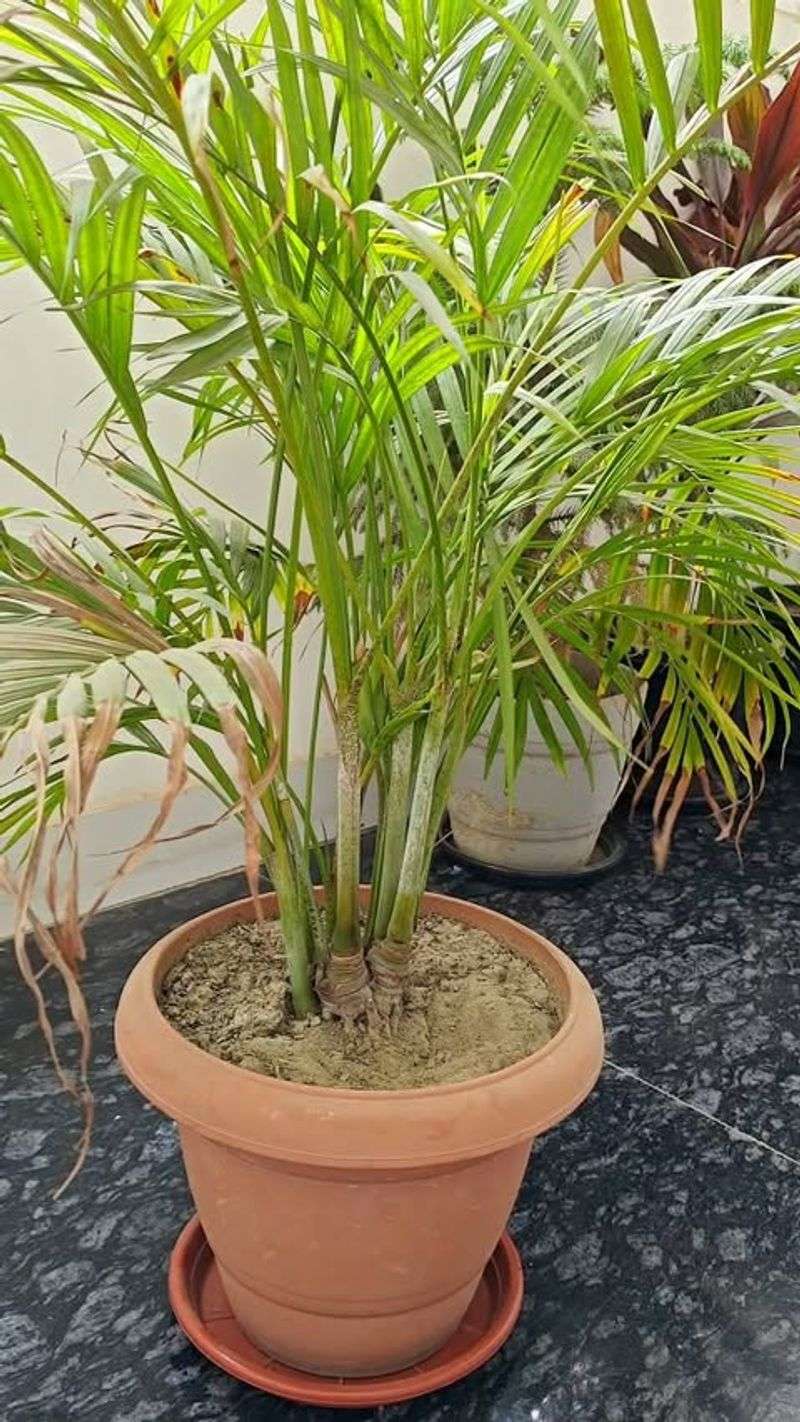
Misting seems like the obvious solution for boosting humidity around indoor palms in Arizona. However, this method is time-consuming and often ineffective because the moisture evaporates too quickly.
Smarter approaches deliver better results with far less effort.
Grouping several plants together creates a microclimate with higher humidity. As each plant releases moisture through its leaves, the others benefit from the shared environment.
This natural method works beautifully in Arizona homes.
Pebble trays offer another low-maintenance humidity solution. Fill a shallow tray with stones and add water just below the top of the pebbles.
Set your palm’s pot on the stones, ensuring it doesn’t touch the water directly.
As water evaporates from the tray, it raises humidity levels around your palm. You only need to refill the tray every few days, making this method far easier than daily misting.
Many Arizona homeowners swear by this technique.
Small humidifiers designed for personal use work wonders near indoor palms. These devices run quietly and require minimal attention beyond occasional refilling.
They’re especially helpful during Arizona’s driest months.
Placing your palm in naturally humid rooms like bathrooms or kitchens can help. These spaces typically have higher moisture levels from showers and cooking.
Just make sure the lighting conditions still meet your palm’s needs.
6. Keeping Palms Away From Heating Vents
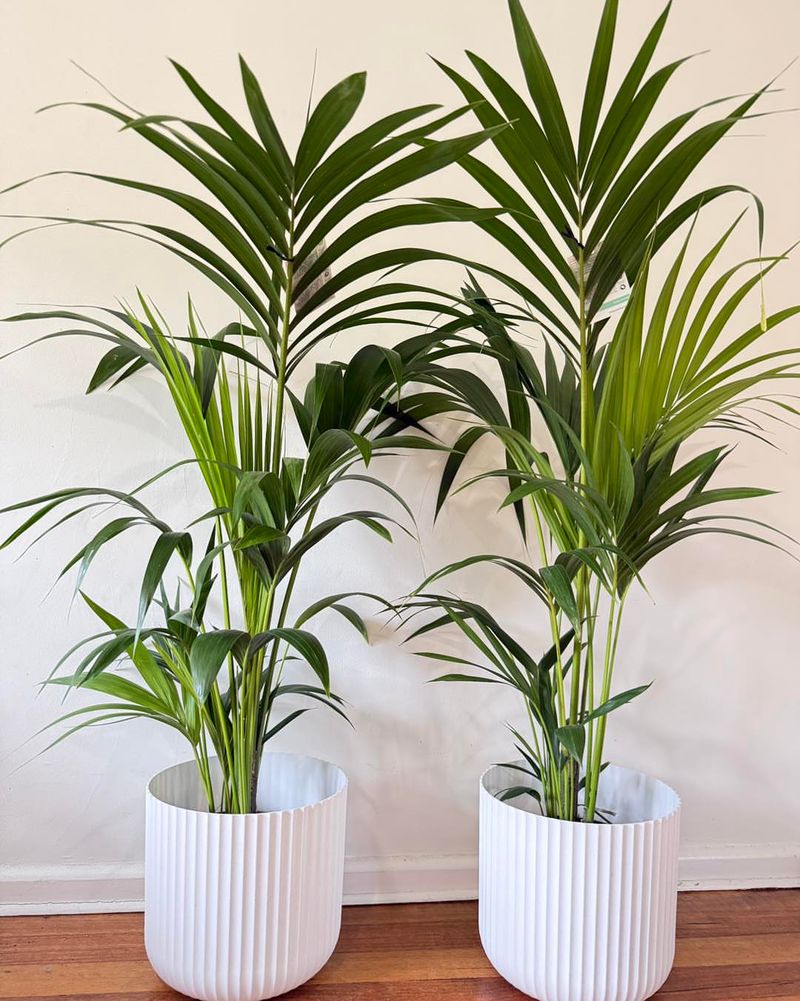
Arizona winters might be mild compared to other regions, but heating systems still run regularly. The warm, dry air blasting from vents can stress indoor palms significantly.
Keeping your plant away from these air streams is crucial for its wellbeing.
Direct heat exposure causes palm fronds to dry out rapidly. The tips turn brown and crispy, and the entire plant may show signs of distress.
This damage is completely avoidable with smart placement.
Check your home’s heating vents and map out their airflow patterns. Position your palm in a spot where it won’t receive direct blasts of warm air.
Even a few feet of distance makes a substantial difference.
Ceiling vents are easier to work around than floor models. If you have floor vents, simply choose a location across the room.
Your palm will appreciate the more stable temperature and humidity.
Temperature fluctuations stress palms more than consistent warmth or coolness. Heating vents create sudden changes that the plant struggles to adapt to.
Steady conditions promote healthier growth.
Many Arizona homeowners place palms in corners or alcoves away from main airflow paths. These spots tend to have more stable conditions throughout the day.
Your palm settles in and thrives without constant environmental shifts.
If your heating system runs frequently, consider using a programmable thermostat. Maintaining consistent temperatures reduces the need for intense heating cycles.
This benefits both your palm and your energy bills.
7. Cleaning Dust Off Fronds Regularly
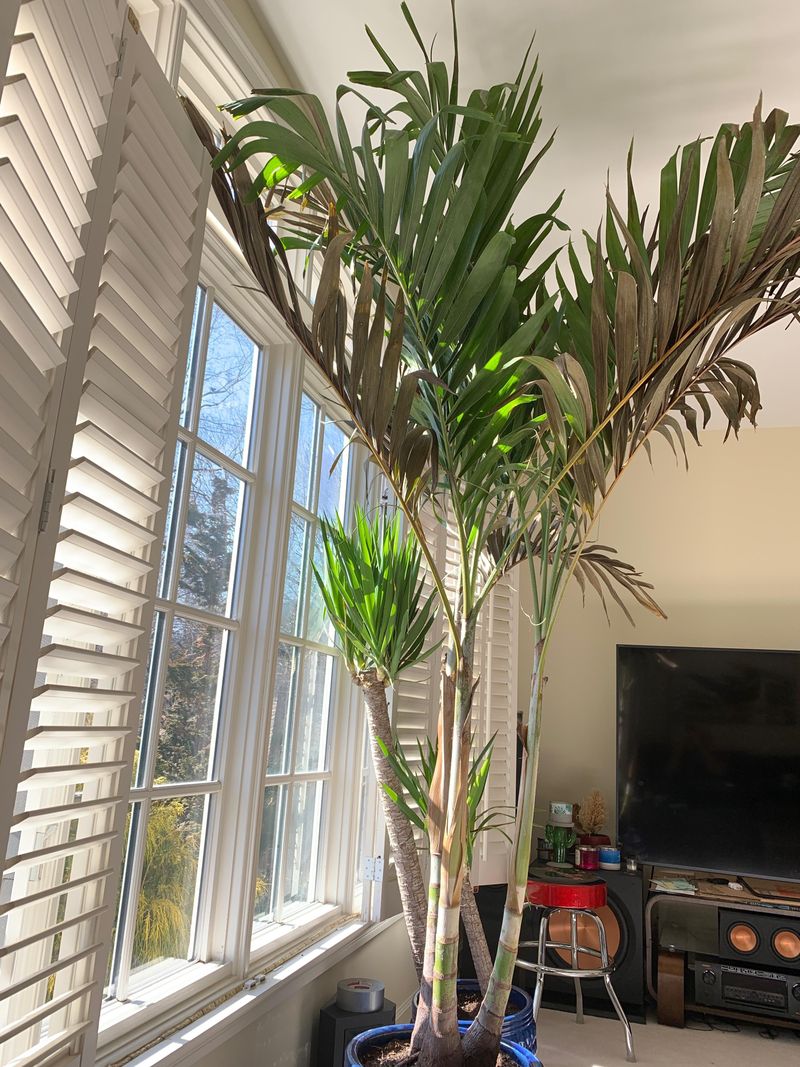
Dust accumulates quickly on indoor palm fronds, especially in Arizona where dry conditions and outdoor activities kick up extra particles. This layer of grime blocks light and interferes with the plant’s ability to absorb energy.
Regular cleaning keeps your palm functioning at its best.
A damp cloth works perfectly for wiping down individual fronds. Gently support each leaf from underneath while cleaning the top surface.
This method is thorough and takes just a few minutes.
Some Arizona homeowners prefer using a soft brush attachment on their vacuum cleaner. This approach speeds up the process for larger palms with many fronds.
Use the lowest suction setting to avoid damaging delicate leaves.
Giving your palm an occasional shower rinses away dust beautifully. Place it in the bathtub or outside and spray it gently with lukewarm water.
Let it drain completely before returning it to its usual spot.
Clean fronds photosynthesize more efficiently, which means healthier growth and better color. The difference is often visible within weeks of starting a regular cleaning routine.
Your palm looks vibrant and refreshed.
Dust also attracts pests that might otherwise ignore your plant. Keeping fronds clean reduces the likelihood of unwanted visitors.
This preventive measure saves you from dealing with infestations later.
Arizona’s dust levels vary by season and location. Homes near construction sites or in particularly windy areas may need more frequent cleaning.
Adjust your schedule based on how quickly dust builds up.
8. Feeding Lightly During Active Growth
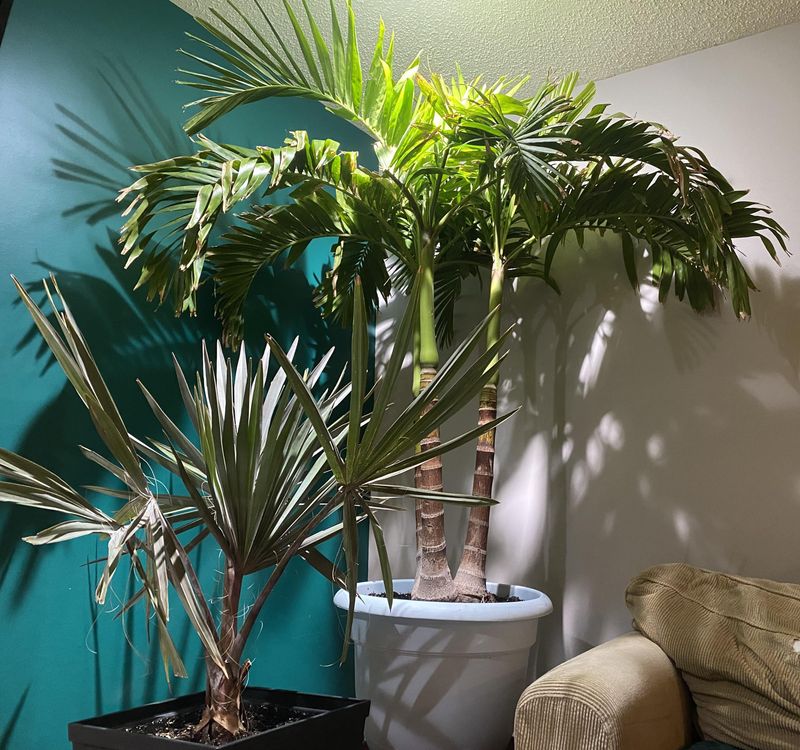
Indoor palms don’t need heavy feeding to stay healthy in Arizona homes. In fact, too much fertilizer causes more problems than too little.
A light touch during the growing season provides exactly what your palm needs without overdoing it.
Spring through early fall marks the active growth period for most palms. During these months, your plant is producing new fronds and expanding its root system.
A diluted liquid fertilizer every six to eight weeks supports this growth.
Use a balanced fertilizer formulated for palms or general houseplants. Follow the package directions but consider cutting the recommended strength in half.
Arizona’s conditions often mean plants need less fertilizer than the label suggests.
Slow-release fertilizer pellets offer an even easier approach. Sprinkle them on the soil surface according to package instructions, and they’ll feed your palm gradually over several months.
This method requires almost no ongoing effort.
Avoid fertilizing during winter when your palm’s growth naturally slows. Extra nutrients sit unused in the soil and can build up to harmful levels.
Let your plant rest during its dormant period.
Yellowing lower fronds can indicate a need for nutrients, but don’t rush to fertilize heavily. Sometimes this is just natural aging as the plant sheds older leaves.
Observe the overall health before making changes.
9. Letting Palms Adjust Before Making Changes
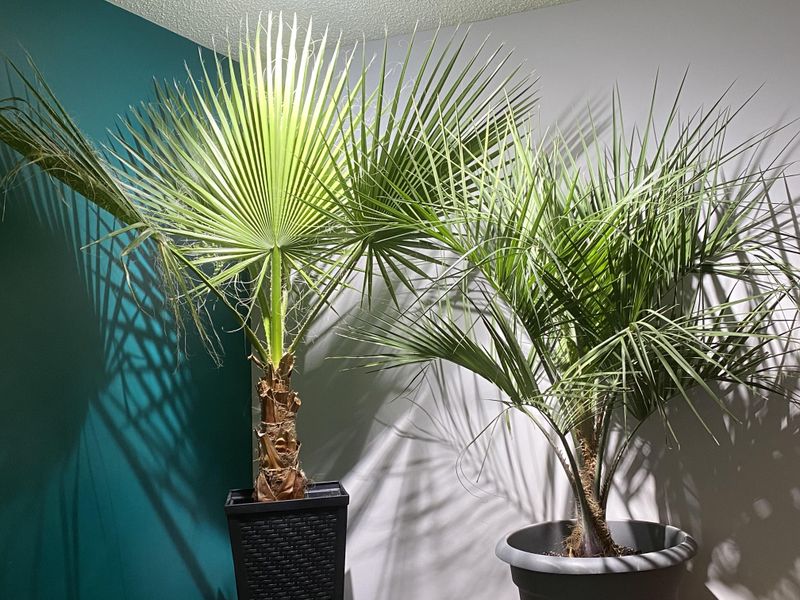
Patience is one of the most valuable tools for Arizona homeowners caring for indoor palms. These plants need time to adapt to new environments and don’t respond well to constant adjustments.
Giving them space to settle in prevents stress and promotes long-term health.
When you first bring a palm home, it may show signs of shock like drooping or slight discoloration. This is normal as the plant acclimates to your home’s specific conditions.
Resist the urge to immediately change its care routine.
Place your new palm in its chosen spot and maintain consistent care for at least a few weeks. Water when the soil dries, provide appropriate light, and otherwise leave it alone.
Most palms recover quickly once they adjust.
Moving palms frequently from room to room disrupts their adaptation process. Each location has different light levels, temperatures, and humidity.
Constant changes force the plant to work harder instead of settling into a growth pattern.
If you notice a problem, observe for a week or two before making corrections. Sometimes what looks like an issue resolves on its own as the palm adjusts.
Hasty changes often do more harm than good.
Arizona’s climate shifts between seasons affect indoor conditions too. Your palm might need slight care adjustments as temperatures and humidity levels change.
Make these modifications gradually rather than all at once.
Repotting should happen only when absolutely necessary. Palms prefer being slightly rootbound and don’t need frequent pot changes.
Wait until roots are clearly growing out of drainage holes before considering a larger container.