How Baking Soda Is Boosting Georgia Garden Beds This December
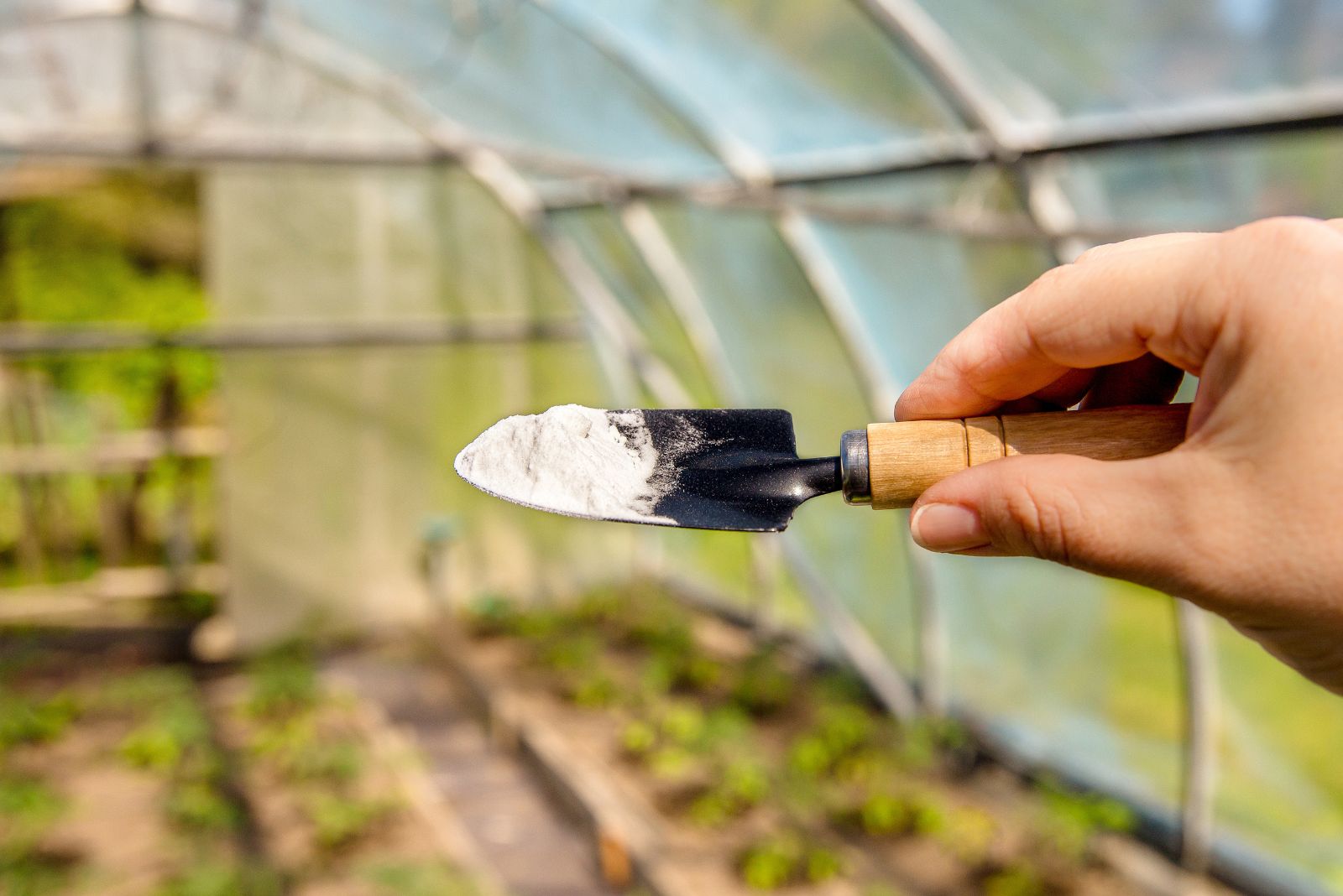
December in Georgia brings cooler temperatures and a chance to prepare your garden for the season ahead.
While most gardeners focus on mulching and pruning, there’s one simple kitchen staple that can transform your garden beds: baking soda.
This affordable and eco-friendly powder offers surprising benefits that can help your Georgia garden thrive through winter and into spring.
Baking soda isn’t just for baking cookies or cleaning your kitchen.
Gardeners across Georgia have discovered its remarkable properties for improving soil conditions, protecting plants, and preventing common garden problems.
From fighting fungal diseases to balancing soil pH, this versatile white powder can tackle multiple challenges that Georgia gardeners face during the winter months.
Whether you’re an experienced gardener or just starting out, applying baking soda around your garden beds this December can give your plants the extra protection they need.
The following reasons will show you exactly how this simple household ingredient can become your garden’s best friend during the colder season.
1. Fights Fungal Diseases Naturally
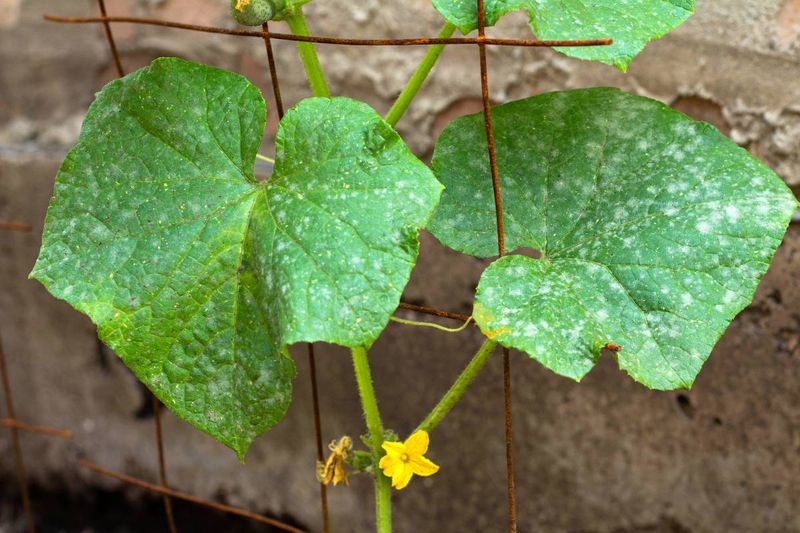
Fungal problems don’t take a vacation just because winter arrives in Georgia.
Powdery mildew, black spot, and other fungal diseases can still threaten your garden beds even during December’s cooler days.
Baking soda creates an alkaline environment on plant surfaces that fungi simply cannot tolerate, making it a powerful natural fungicide.
When you sprinkle baking soda around your Georgia garden beds, you’re creating a protective barrier that prevents fungal spores from taking hold.
The sodium bicarbonate changes the pH level on leaf surfaces and soil, making conditions unfavorable for fungal growth.
Many Georgia gardeners have successfully used this method to protect roses, vegetables, and ornamental plants from fungal attacks.
Application is incredibly straightforward and safe for your plants.
Mix one tablespoon of baking soda with a gallon of water and spray it on affected plants, or simply dust the powder lightly around the base of your garden beds.
December’s mild Georgia weather provides the perfect opportunity to apply this treatment before spring diseases emerge.
Unlike chemical fungicides that can harm beneficial insects and soil organisms, baking soda offers a gentle approach to disease prevention.
Your garden ecosystem remains balanced while your plants receive protection from harmful fungal invaders throughout the winter season.
2. Balances Soil pH Levels Effectively
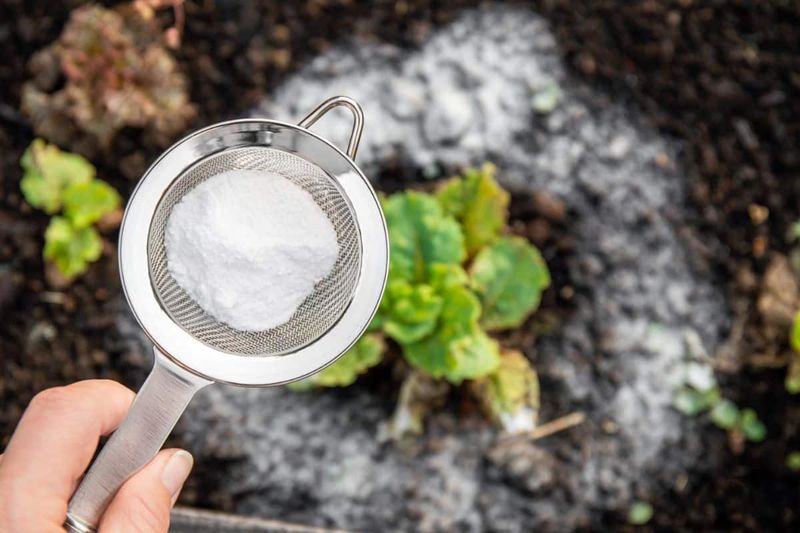
Georgia’s red clay soil often leans toward the acidic side, which can limit nutrient availability for many popular garden plants.
Soil pH directly affects how well your plants absorb essential minerals and nutrients from the ground.
Too much acidity locks away calcium, magnesium, and phosphorus that your plants desperately need to stay healthy and strong.
Baking soda acts as a natural pH buffer that gently raises acidic soil toward a more neutral range.
Most vegetables and flowering plants prefer soil pH between 6.0 and 7.0, and many Georgia gardens fall below this ideal range.
Adding baking soda around your garden beds this December gives you months for the product to work into the soil before spring planting season begins.
Testing your soil first helps you determine exactly how much baking soda your garden needs.
Simple soil test kits are available at any Georgia garden center and take just minutes to use.
Once you know your current pH level, you can calculate the right amount of baking soda to apply without overdoing it.
Start with small amounts and retest after a few weeks to monitor changes.
Typically, one cup of baking soda per 100 square feet can raise pH by about half a point.
This gradual adjustment protects your plants from sudden chemical changes while improving nutrient availability throughout your Georgia garden beds.
3. Deters Common Garden Pests
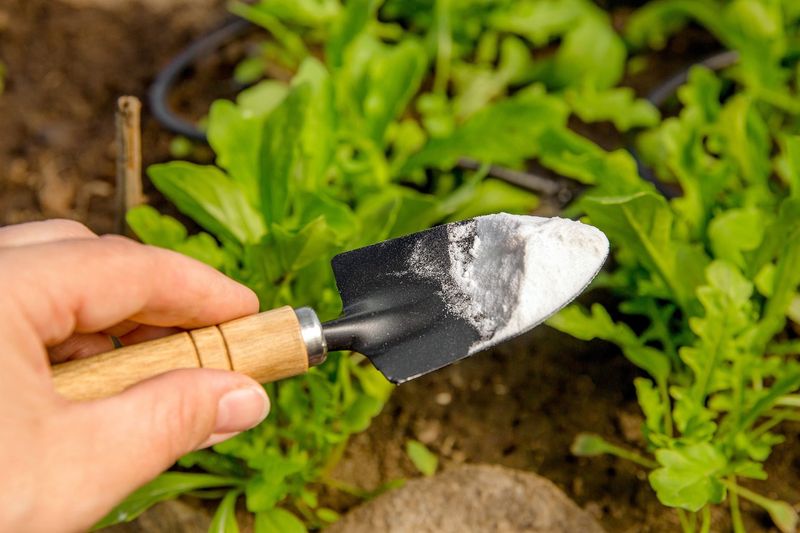
Certain garden pests remain active even during Georgia’s mild December weather, searching for shelter and food in your garden beds.
Slugs, snails, and ants can cause significant damage to winter vegetables and dormant perennials.
Baking soda provides a simple yet effective deterrent that keeps these unwanted visitors away from your precious plants.
Creating a barrier of baking soda around your Georgia garden beds works because these pests dislike crossing the powdery substance.
Slugs and snails find the texture uncomfortable and avoid areas where baking soda has been applied.
Ants also steer clear of baking soda trails, as the powder interferes with their scent markers and navigation systems.
Apply a thin line of baking soda around the perimeter of each garden bed, refreshing it after heavy rain or irrigation.
December’s typically drier weather in Georgia means your baking soda barriers will last longer between applications.
Focus on areas where you’ve noticed pest activity in previous months for maximum effectiveness.
This method offers a pet-safe and child-friendly alternative to chemical pesticides that might harm your family or local wildlife.
Your Georgia garden becomes a healthier environment for beneficial insects like ladybugs and bees while keeping destructive pests at bay.
The peace of mind knowing your garden protection is completely non-toxic makes baking soda an excellent choice for December applications.
4. Neutralizes Compost Odors Quickly
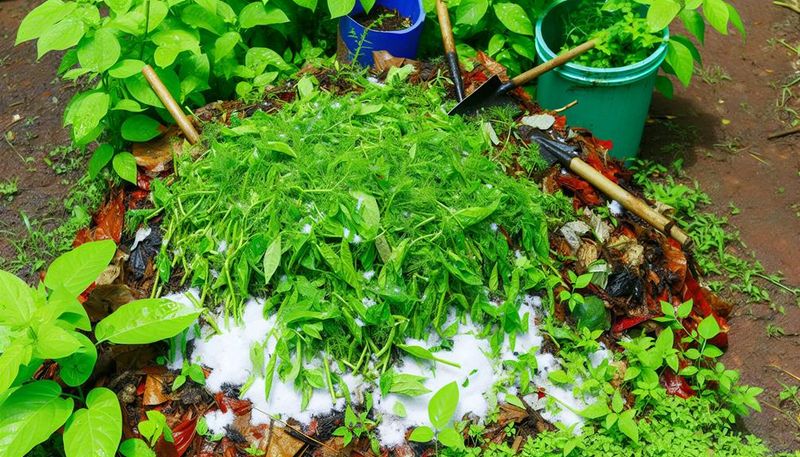
Compost piles and bins can develop unpleasant odors during winter months, especially when decomposition slows down in cooler temperatures.
Georgia’s December weather may be mild, but it still affects how quickly organic materials break down.
Smelly compost often indicates an imbalance in your pile, with too much nitrogen-rich material or insufficient oxygen flow.
Sprinkling baking soda over your compost pile neutralizes acidic compounds that cause foul smells.
The alkaline nature of sodium bicarbonate reacts with organic acids produced during decomposition, eliminating odors at their source rather than just masking them.
Many Georgia gardeners keep a box of baking soda near their compost bins for quick odor control whenever needed.
Add about half a cup of baking soda per cubic yard of compost material, mixing it gently into the top layers.
This treatment works particularly well for kitchen scraps that tend to smell stronger as they decompose.
Your neighbors will appreciate the odor-free composting, especially if your bins sit close to property lines.
Beyond odor control, baking soda helps maintain proper pH levels in your compost pile, creating better conditions for beneficial decomposer organisms.
Earthworms and beneficial bacteria thrive in neutral to slightly alkaline environments.
Your finished compost will be richer and more balanced, ready to nourish your Georgia garden beds when spring planting time arrives in just a few months.
5. Cleans Garden Tools Efficiently
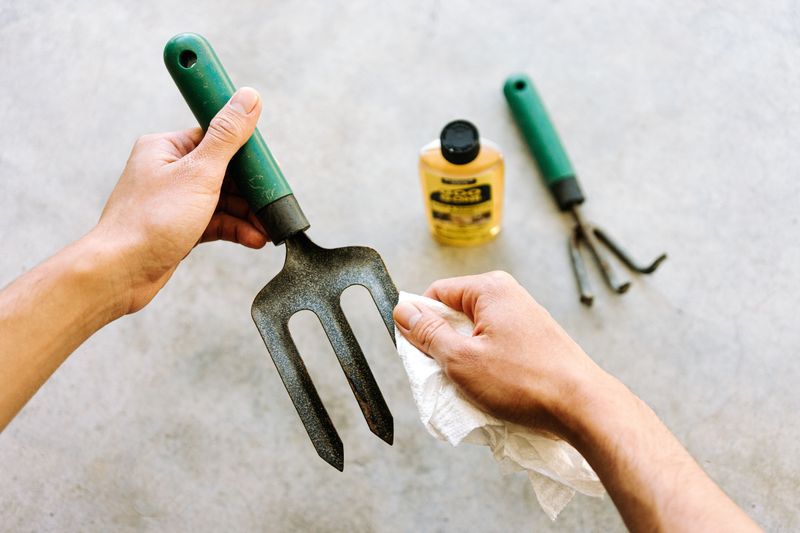
December provides the perfect opportunity to clean and maintain your gardening tools before storing them for winter or preparing them for early spring use.
Dirty tools harbor disease spores, rust, and soil buildup that can spread problems throughout your Georgia garden.
Baking soda offers an effective, non-toxic cleaning solution that removes grime without damaging tool surfaces or leaving harmful chemical residues.
Create a paste using three parts baking soda to one part water, then scrub your tools with an old toothbrush or scouring pad.
This mixture cuts through stubborn soil deposits, sap, and plant residue that accumulate on pruners, trowels, and spades.
The mild abrasive quality of baking soda removes rust spots and oxidation without scratching metal surfaces like harsher cleaners might.
Soaking particularly dirty tools in a solution of warm water and baking soda for thirty minutes loosens caked-on dirt and makes scrubbing easier.
Georgia’s red clay soil can be especially stubborn to remove, but baking soda breaks down the clay particles effectively.
Rinse your tools thoroughly after cleaning, dry them completely, and apply a light coat of oil to prevent future rust formation.
Clean tools work better and last longer, saving you money on replacements over time.
Disinfecting your pruning shears and scissors with baking soda between uses prevents spreading diseases from one plant to another.
This simple December maintenance task ensures your Georgia garden tools are ready whenever you need them.
6. Extends Cut Flower Freshness
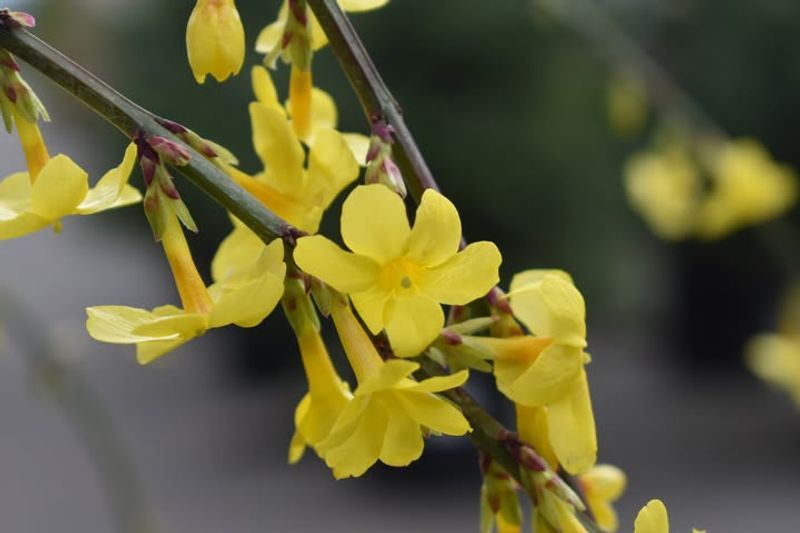
Georgia gardens can still produce beautiful flowers in December, including camellias, pansies, and winter jasmine that brighten cold-weather landscapes.
Bringing these blooms indoors extends your enjoyment of garden beauty throughout the season.
Adding a pinch of baking soda to flower vase water helps cut flowers stay fresh and vibrant for significantly longer periods.
Baking soda works by slowing bacterial growth in vase water, which is the primary cause of wilting and stem decay.
Bacteria multiply rapidly in standing water, clogging the stems and preventing flowers from absorbing water properly.
Just one-quarter teaspoon of baking soda per quart of water creates an environment where bacteria struggle to thrive, keeping your water cleaner and your flowers healthier.
Change the water every two to three days and add fresh baking soda with each change for best results.
Trim flower stems at an angle before placing them in the treated water to maximize water uptake.
Georgia’s winter flowers often have sturdy stems that respond particularly well to this simple treatment, lasting up to twice as long as flowers in plain water.
This trick also works wonderfully for greenery and foliage arrangements that you might create from your December garden clippings.
Holly branches, magnolia leaves, and evergreen sprigs all benefit from baking soda water treatment.
Your Georgia garden’s winter beauty can fill your home with natural decorations that stay fresh throughout the holiday season and beyond.
7. Improves Tomato Sweetness Naturally
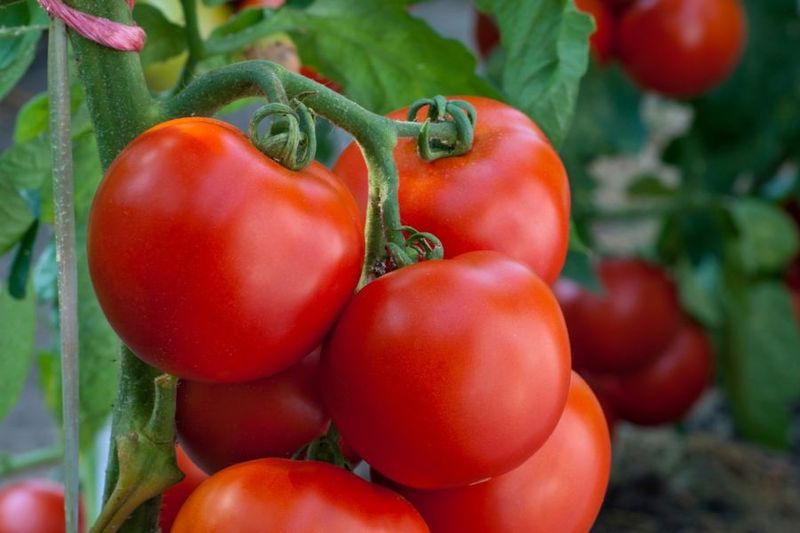
While December isn’t prime tomato-growing season in Georgia, preparing your garden beds now sets the stage for sweeter, more flavorful tomatoes next spring and summer.
Soil conditions established during winter months directly influence how your tomatoes will taste when harvest time arrives.
Baking soda applications around future tomato bed locations can reduce soil acidity that often leads to tart, less flavorful fruits.
Tomatoes prefer slightly acidic to neutral soil, with pH levels between 6.2 and 6.8 producing the sweetest results.
Georgia’s naturally acidic soil often falls below this range, causing tomatoes to develop sharp, sour flavors that disappoint gardeners.
Applying baking soda to your designated tomato beds this December allows months for pH adjustment before planting time arrives in late March or April.
Spread approximately one cup of baking soda per 100 square feet of tomato bed area, working it gently into the top few inches of soil.
December’s cooler temperatures and occasional rain help distribute the baking soda throughout the soil profile naturally.
Test your soil again in late February to ensure pH levels have reached the ideal range for tomato cultivation.
Many experienced Georgia tomato growers swear by this pre-season soil treatment for producing tomatoes that taste noticeably sweeter and more complex.
The improved pH also enhances calcium availability, which helps prevent blossom end rot, a common problem in Georgia tomato gardens.
Your summer tomato harvest will reward your December preparation efforts with superior flavor.
8. Controls Weeds Between Pavers Safely
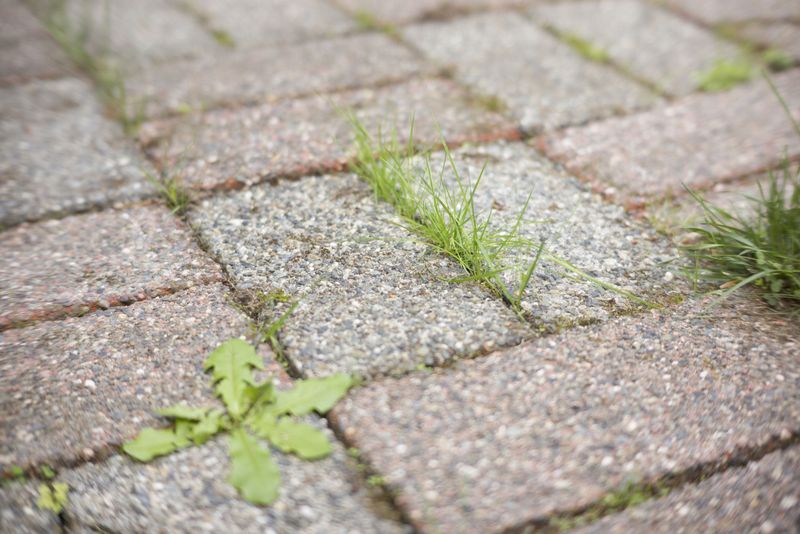
Garden pathways and paved areas around your Georgia garden beds often sprout persistent weeds that push through cracks and crevices.
December offers an ideal time to address these problem areas before spring growth explodes.
Baking soda provides a safe, chemical-free method for controlling weeds in areas where you don’t want any plant growth, particularly along walkways and between paver stones.
Pouring baking soda directly into cracks and gaps between pavers creates an inhospitable environment for weed seeds and existing weed roots.
The high sodium content and alkaline pH make it extremely difficult for most plants to survive or germinate.
This method works especially well for areas where children and pets play, as baking soda poses no health risks unlike commercial herbicides.
Apply baking soda generously into paver cracks, using a small brush to push the powder deep into gaps.
December’s typically drier weather in Georgia allows the baking soda to settle and penetrate before winter rains wash it deeper into the soil beneath pavers.
Reapply after heavy rains or every few months to maintain weed control throughout the year.
This technique keeps your garden pathways neat and weed-free without introducing harmful chemicals into your Georgia landscape.
The baking soda won’t spread to nearby garden beds where you want plants to grow, as it stays concentrated in the areas where you apply it.
Your garden maintains a clean, professional appearance while remaining completely safe for everyone who enjoys spending time there.