How California Gardeners Build Colorful Wildflower Patches
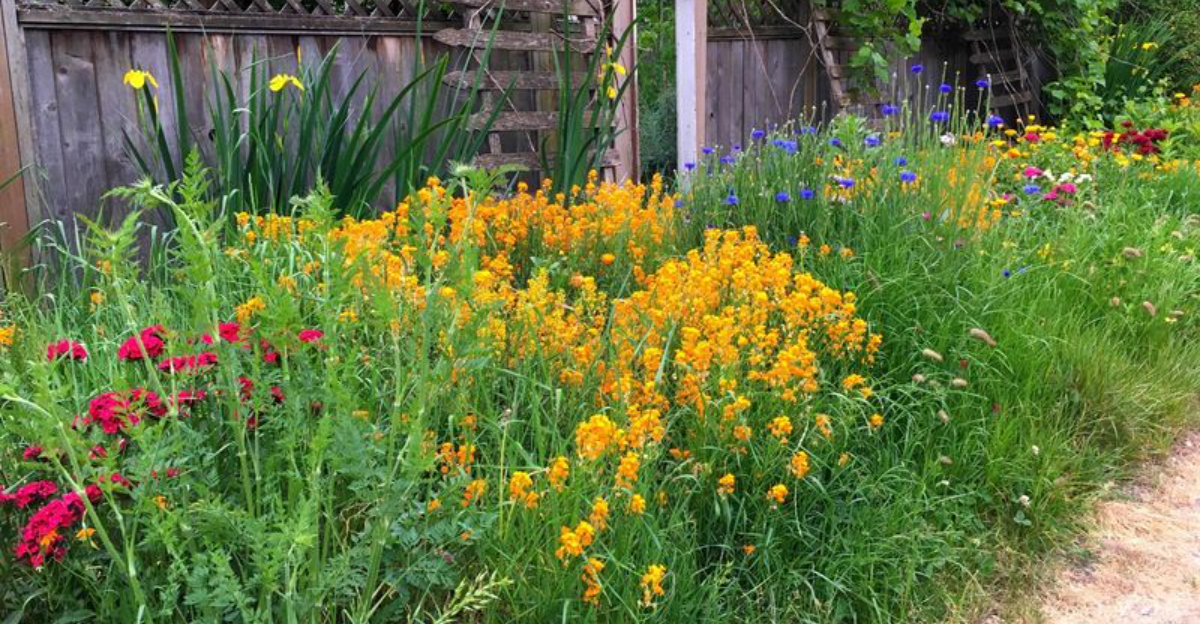
California gardeners build colorful wildflower patches by leaning into natural rhythms, loose planting styles, and a love for letting landscapes feel a little wild.
I always notice how these patches feel joyful rather than perfect, mixing bold colors and textures in ways that look effortless but clearly thoughtful.
Once you see how easily wildflowers transform ordinary yards into living color, it’s hard not to want a patch of that magic growing nearby.
1. Select Native California Wildflower Seeds for Best Results
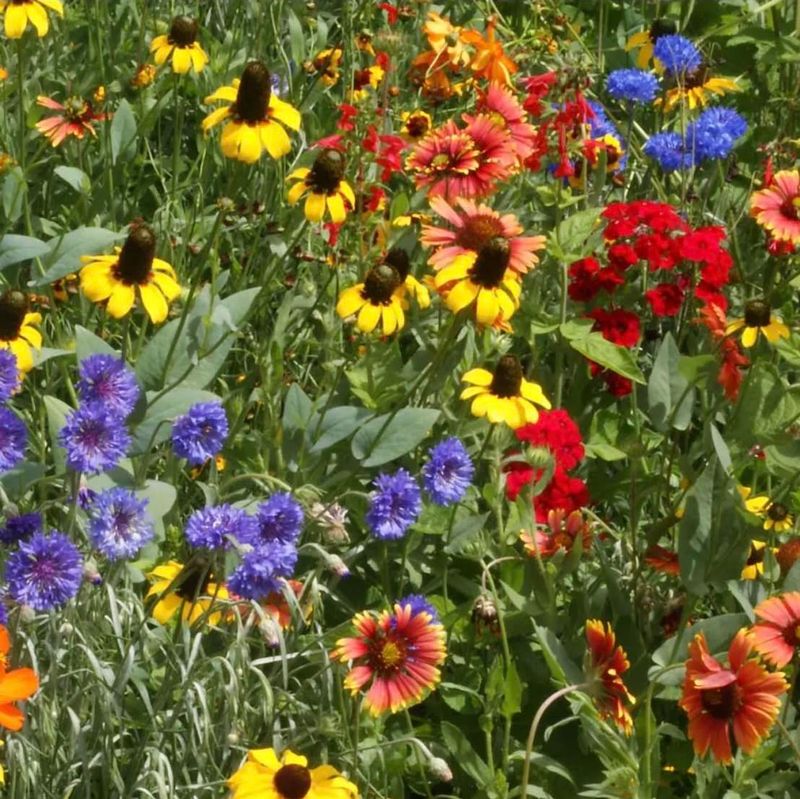
Choosing native wildflower seeds gives your garden the best chance of success because these plants evolved to thrive in California’s unique climate and soil conditions.
Native species like California poppies, lupines, and tidy tips already understand the local weather patterns, so they require less water and maintenance than imported varieties do.
Gardeners across California appreciate how native wildflowers naturally resist local pests and diseases, which means you spend less time fighting problems and more time enjoying blooms.
Shopping at local nurseries or specialized seed companies ensures you get varieties that match your specific region, whether you live near the coast or inland valleys.
Mixing different native species creates layers of color and texture that bloom at various times, giving you a longer display season throughout spring and early summer.
Reading seed packets carefully helps you understand each plant’s height, color, and blooming period, so you can plan a patch that looks balanced and intentional rather than random.
Starting with quality native seeds sets the foundation for a wildflower patch that feels like a natural part of California’s landscape while supporting local ecosystems beautifully.
2. Prepare Your Soil with Proper Clearing and Loosening
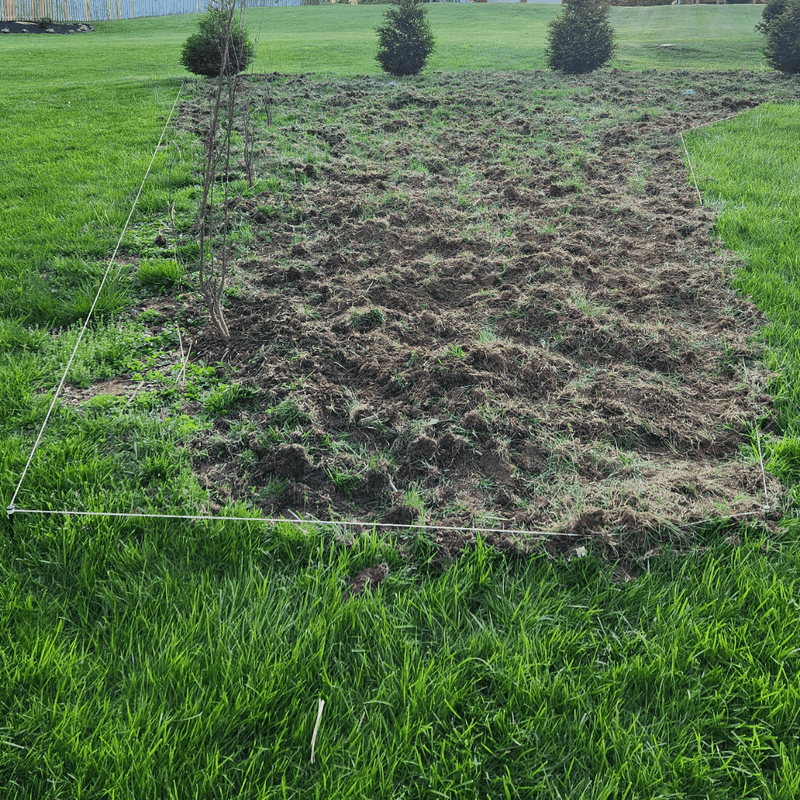
Proper soil preparation makes the difference between a wildflower patch that struggles and one that explodes with color, so never skip this crucial step before planting begins.
Clearing away existing weeds, grass, and debris gives your wildflower seeds room to germinate without competing for sunlight, water, and nutrients they desperately need to establish roots.
Many California gardeners use rakes or hoes to loosen the top few inches of soil, creating a welcoming environment where tiny seeds can make contact with earth.
Breaking up compacted soil improves drainage and allows roots to spread easily, which is especially important in California where clay soil can create hard, impenetrable layers during dry seasons.
Removing rocks and large clumps helps create a smooth seedbed that ensures even seed distribution, preventing bare spots where nothing grows and overcrowded areas where plants compete intensely.
Some experienced gardeners lightly water the cleared area a week before planting, which encourages hidden weed seeds to sprout so you can remove them before your wildflowers arrive.
Taking time to prepare soil properly pays off with healthier plants that establish quickly and bloom more abundantly throughout the growing season in gardens across California.
3. Time Your Planting with California’s Rainy Season
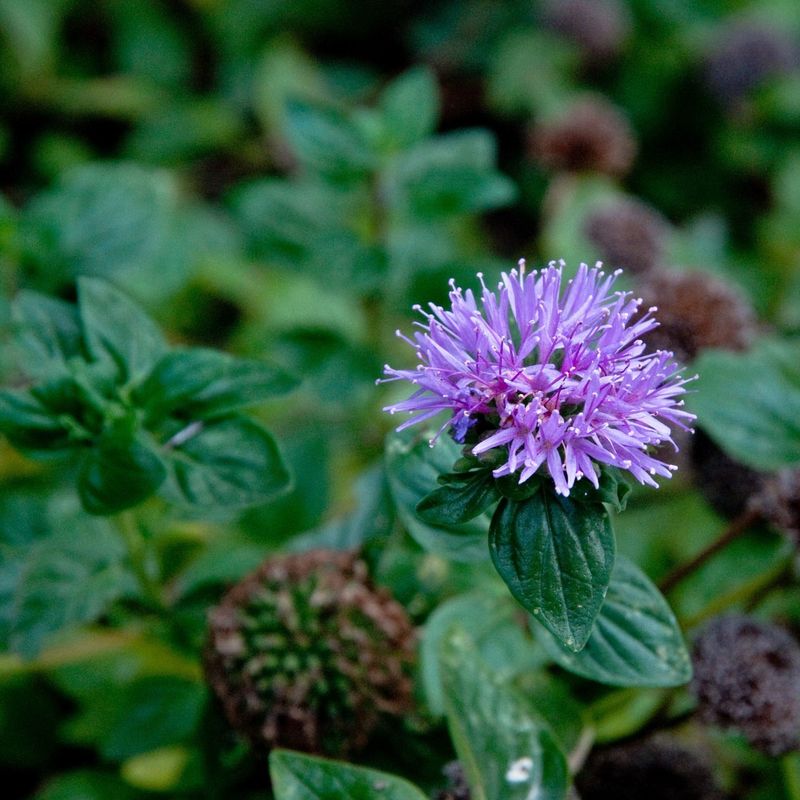
Timing your wildflower planting to coincide with California’s rainy season gives seeds the natural moisture they need to germinate without requiring constant watering from you.
Most California gardeners plant wildflower seeds in late fall or early winter, right before seasonal rains arrive to provide consistent moisture that helps seeds sprout successfully.
Planting during this window takes advantage of cooler temperatures and natural rainfall patterns, which means your wildflowers develop strong root systems before spring warmth triggers blooming periods.
Seeds planted too early in hot, dry conditions often fail to germinate, while those planted too late miss the cool weather they need for proper root development.
Checking local weather forecasts helps you identify the best planting window for your specific area, since coastal and inland regions experience different rainfall patterns throughout California each year.
Scattering seeds just before a predicted rain ensures they get watered in naturally, washing them into good soil contact where they can begin the germination process immediately.
Following nature’s schedule rather than fighting it makes wildflower gardening easier and more successful, allowing California gardeners to work with climate patterns instead of constantly irrigating dry ground.
4. Mix Seeds with Sand for Even Distribution
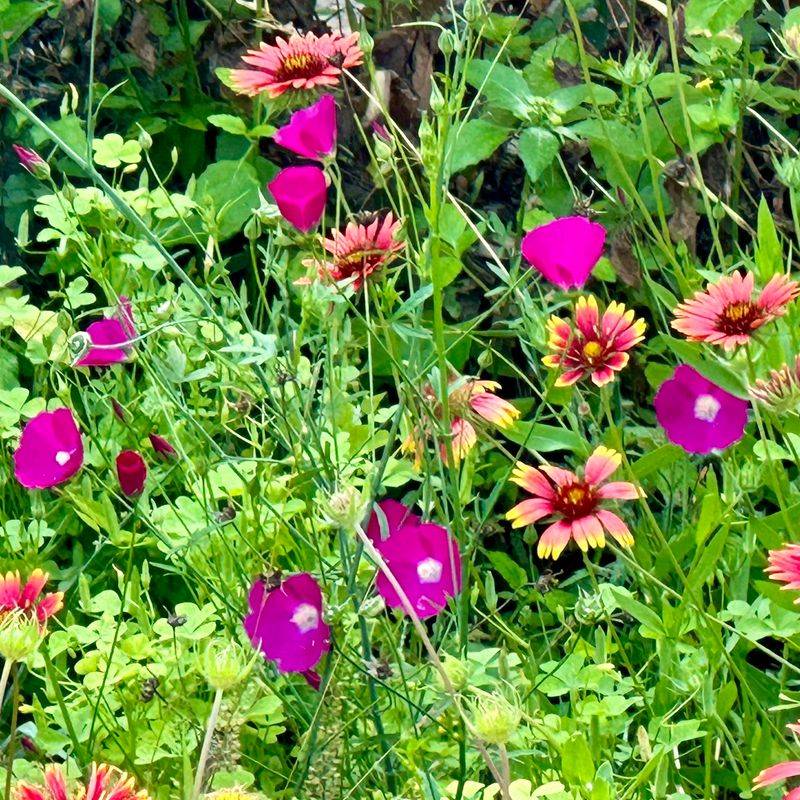
Mixing wildflower seeds with sand before scattering them helps achieve even distribution across your garden bed, preventing clumps where too many plants compete for limited space and resources.
Wildflower seeds are incredibly tiny, making them difficult to see and spread uniformly, but combining them with light-colored sand lets you visually track where you’ve already planted.
California gardeners typically use a ratio of about four parts sand to one part seeds, which stretches your seed supply while making the spreading process much easier.
This simple technique prevents overseeding in some areas and bare spots in others, creating a more natural-looking wildflower meadow that covers the entire space you’ve prepared for planting.
Using clean play sand or horticultural sand works best because it’s free of weed seeds and chemicals that might interfere with wildflower germination or growth in your garden.
Mixing thoroughly in a bucket or large container ensures seeds distribute evenly throughout the sand, so each handful you scatter contains a consistent amount of seeds for balanced coverage.
Walking in a grid pattern while broadcasting the seed-sand mixture helps California gardeners cover every inch of their prepared beds without missing sections or accidentally doubling up applications.
5. Water Gently Until Seedlings Establish Themselves
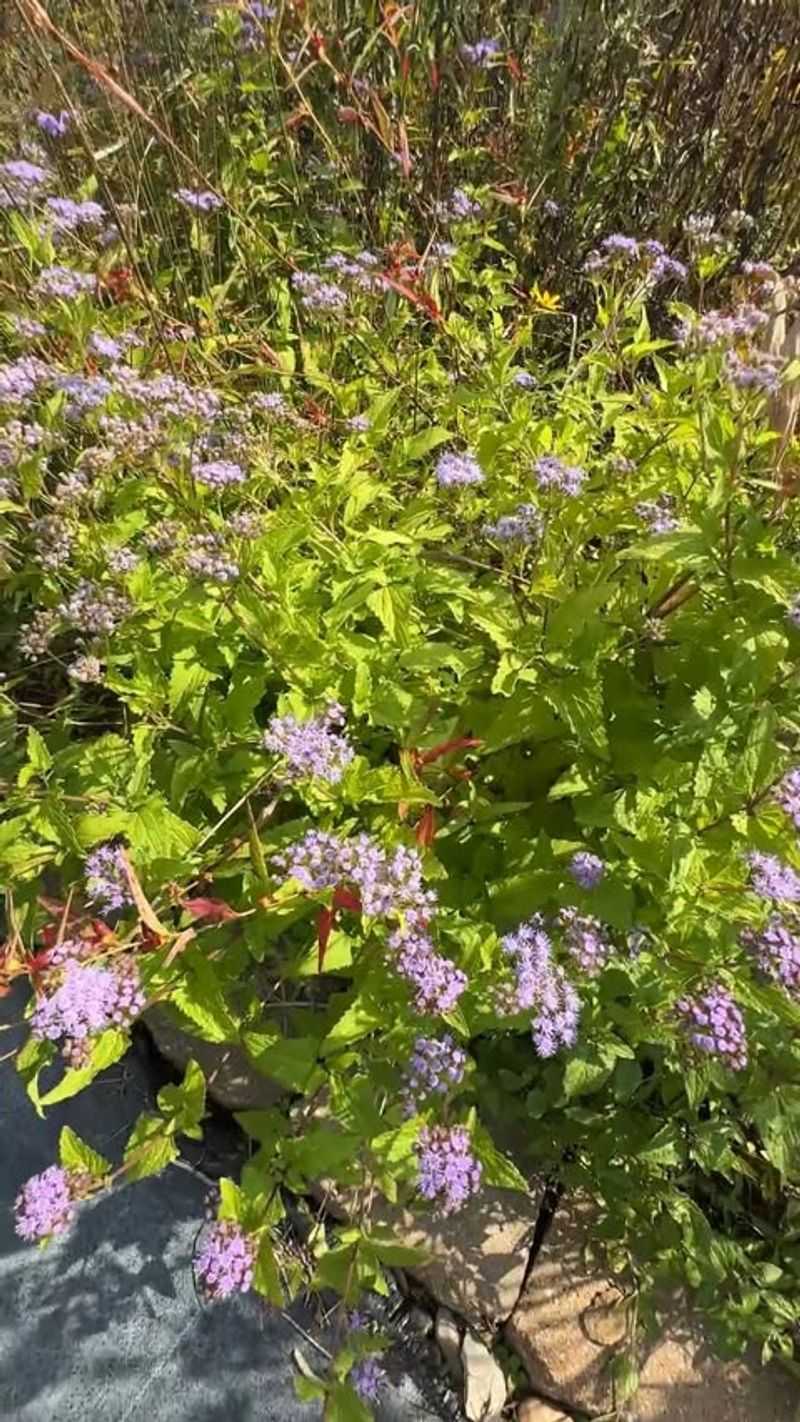
Gentle watering during the first few weeks after planting helps wildflower seeds stay moist without washing them away or creating puddles that drown delicate emerging seedlings.
Using a fine mist setting on your hose nozzle or a gentle sprinkler ensures water soaks into soil gradually, giving seeds the moisture they need to germinate successfully.
California gardeners know that newly planted wildflower patches need consistent moisture until seedlings develop their first true leaves, which usually takes about two to three weeks depending on conditions.
Watering early in the morning reduces evaporation and gives plants time to dry before evening, which helps prevent fungal diseases that thrive in damp, cool nighttime temperatures.
Checking soil moisture daily by touching the surface helps you determine whether watering is needed, since overwatering can be just as harmful as letting the ground dry out completely.
Once seedlings reach a few inches tall, you can gradually reduce watering frequency, encouraging roots to grow deeper in search of moisture rather than staying shallow and dependent.
Established wildflowers in California become remarkably drought-tolerant, often surviving on natural rainfall alone once their root systems develop fully, which makes them perfect for water-conscious gardeners everywhere.
6. Avoid Fertilizers That Encourage Weed Growth
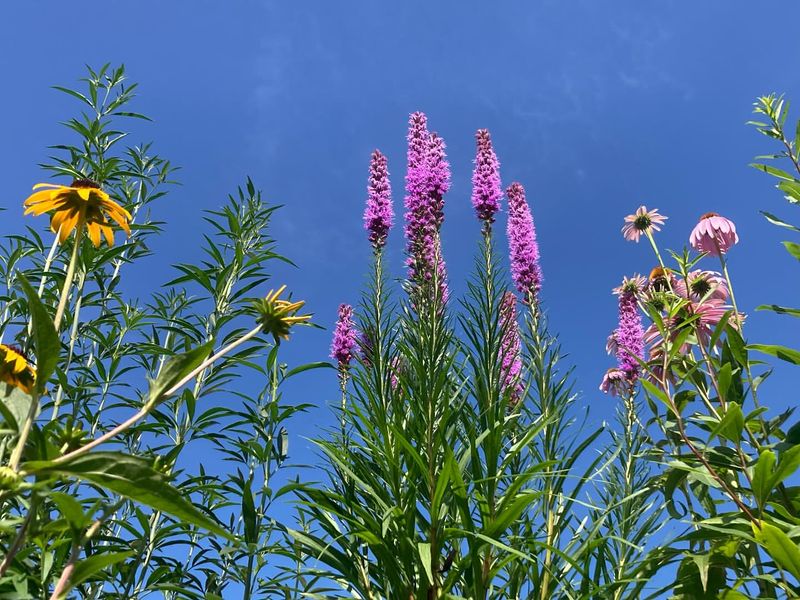
Skipping fertilizers in your wildflower patch might seem counterintuitive, but California native wildflowers actually prefer lean soil and too much nutrition encourages aggressive weed growth instead.
Rich, fertilized soil gives weeds a competitive advantage over wildflowers, allowing invasive plants to grow faster and taller, eventually shading out the delicate blooms you worked hard to establish.
Native California wildflowers evolved in nutrient-poor soils, so they’ve adapted to thrive without the extra nitrogen and phosphorus that fertilizers provide to vegetable gardens and lawns.
Adding fertilizer changes the natural balance of your wildflower patch, often resulting in lots of green leaves but fewer blooms, which defeats the purpose of planting colorful flowers.
Gardeners across California find that wildflowers growing in unamended soil produce stronger stems, more vibrant colors, and better overall health compared to those pampered with regular fertilizer applications.
If your soil is extremely poor or compacted, adding compost during initial preparation provides gentle improvement without the excessive nutrients that encourage weed problems and weak plant growth.
Trusting that native wildflowers know how to thrive in California’s natural soil conditions helps you create a low-maintenance patch that looks spectacular without constant intervention or chemical inputs.
7. Let Wildflowers Reseed Naturally for Future Blooms
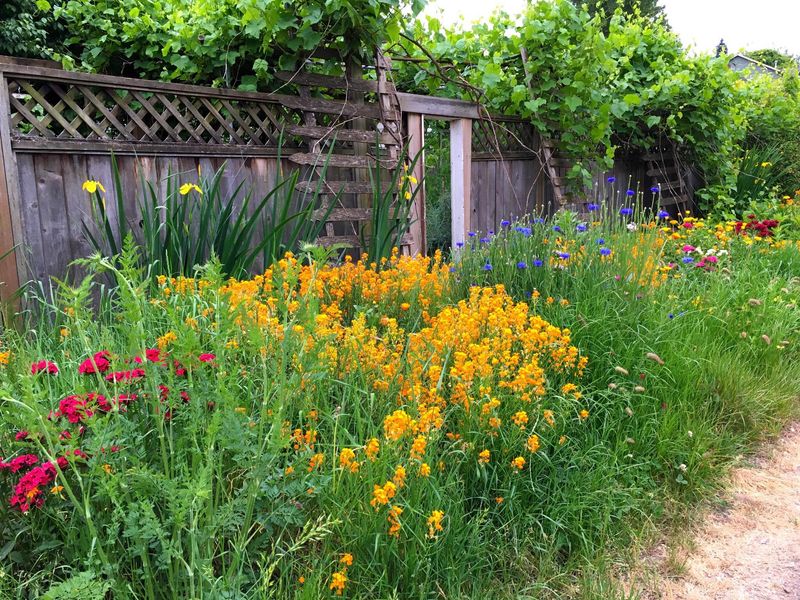
Allowing wildflowers to complete their natural life cycle and drop seeds ensures your patch returns year after year without replanting, creating a self-sustaining garden that requires minimal effort.
Resisting the urge to deadhead or cut down faded blooms gives plants time to develop and scatter seeds, which fall to the ground and wait for next season’s rains.
Many California gardeners love watching their wildflower patches expand and fill in bare spots naturally as seeds from previous years germinate and create denser, more colorful displays.
Some species like California poppies are particularly good at reseeding themselves, creating carpets of orange blooms that return reliably each spring without any intervention from you.
Leaving seed heads in place through summer also provides food for birds and beneficial insects, turning your wildflower patch into a valuable wildlife habitat that supports local ecosystems.
Lightly scratching the soil surface in fall helps dropped seeds make better contact with earth, improving germination rates and ensuring a robust display the following growing season.
Understanding this natural cycle helps California gardeners work with nature rather than against it, creating wildflower patches that become more established and beautiful with each passing year automatically.
8. Control Invasive Weeds Before They Take Over
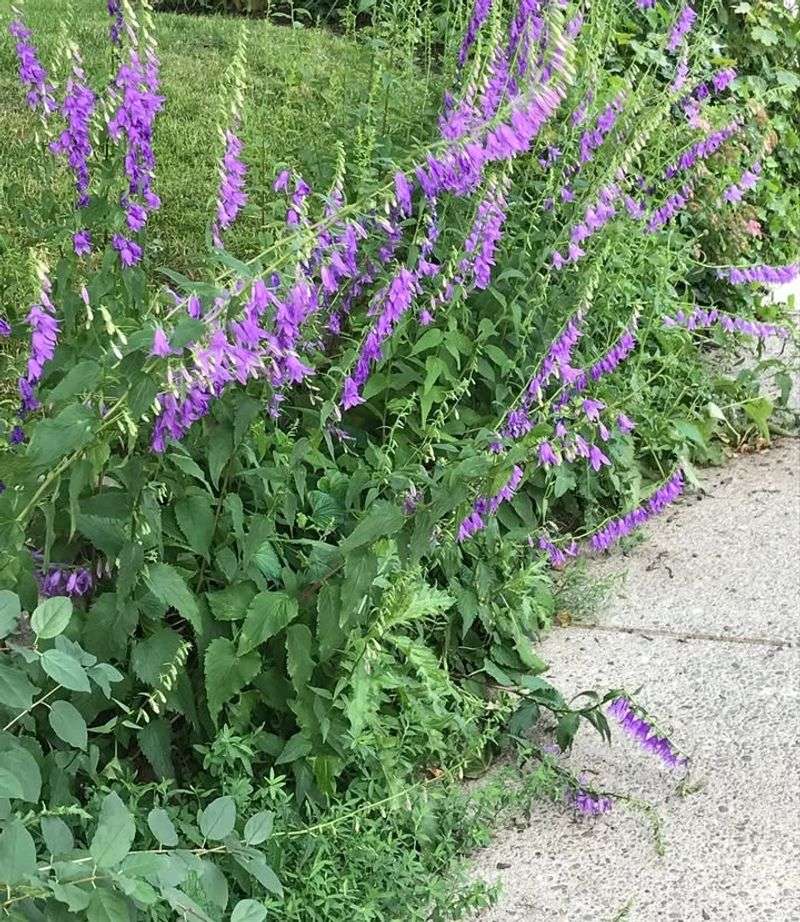
Staying vigilant about weed control during the first growing season protects your wildflowers from aggressive invaders that compete for water, nutrients, and sunlight they desperately need.
Hand-pulling weeds when they’re small and young is the most effective method for wildflower patches, since it removes the entire plant without disturbing your desirable blooms nearby.
California gardeners quickly learn to identify common invasive weeds like foxtails, mustard, and thistle so they can remove them before these aggressive plants produce thousands of seeds.
Weeding after rain or watering makes the task easier because moist soil releases roots more readily, allowing you to pull entire plants without leaving behind pieces that regrow.
Checking your wildflower patch weekly during the first few months helps you catch weed problems early, before they become overwhelming and threaten to choke out your carefully planted blooms.
Using mulch between wildflower clumps can suppress some weed growth, though you must apply it carefully to avoid covering your wildflower seeds or smothering small seedlings trying to emerge.
Persistent weed management during the establishment phase pays off with a cleaner, healthier wildflower patch that requires less intervention in future years as desired plants fill in spaces across California gardens.